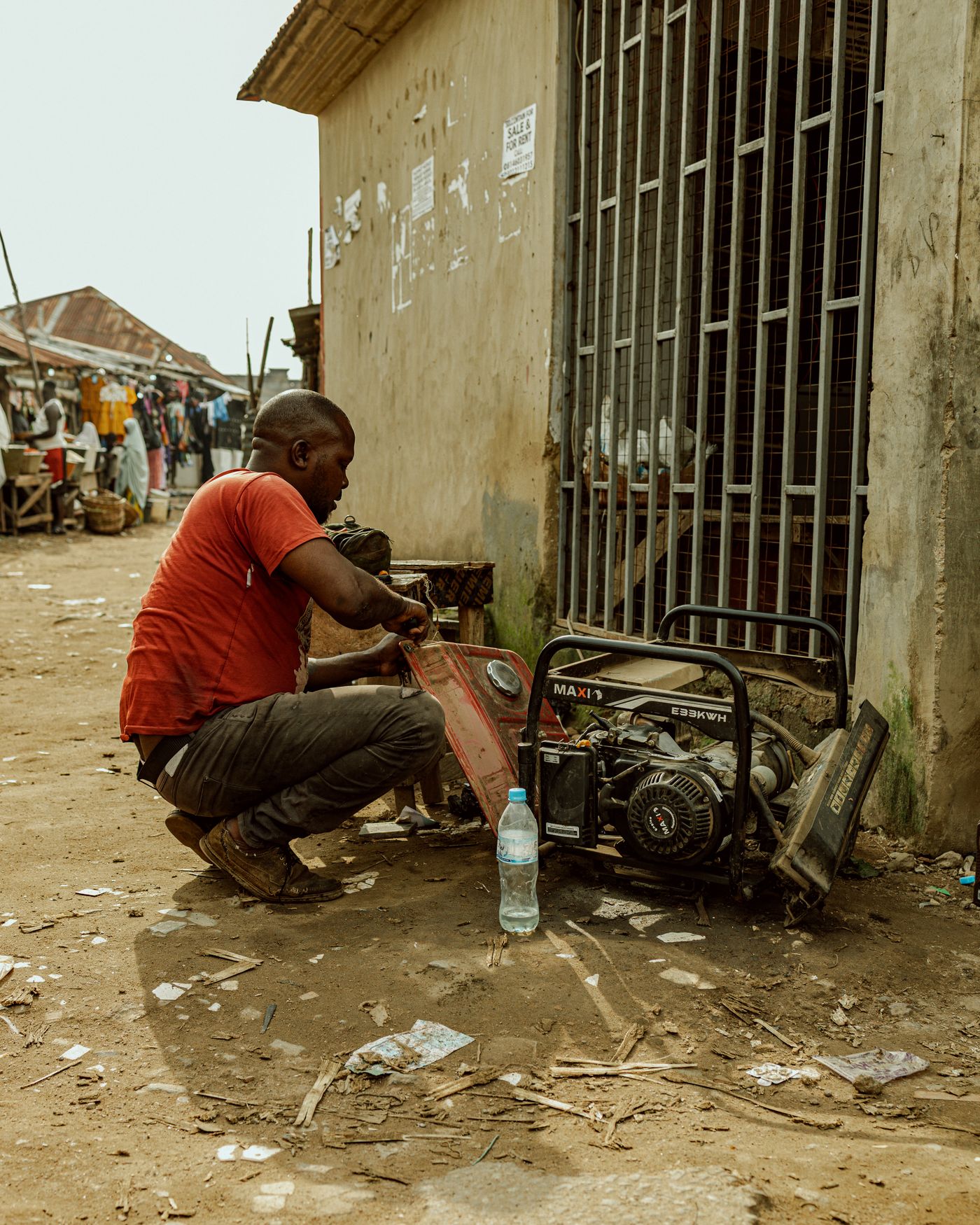
Choose outage backup for a shop, salon, cyber or workshop: keep an outage diary, sort loads, size a battery, see when a generator wins, and run both safely.
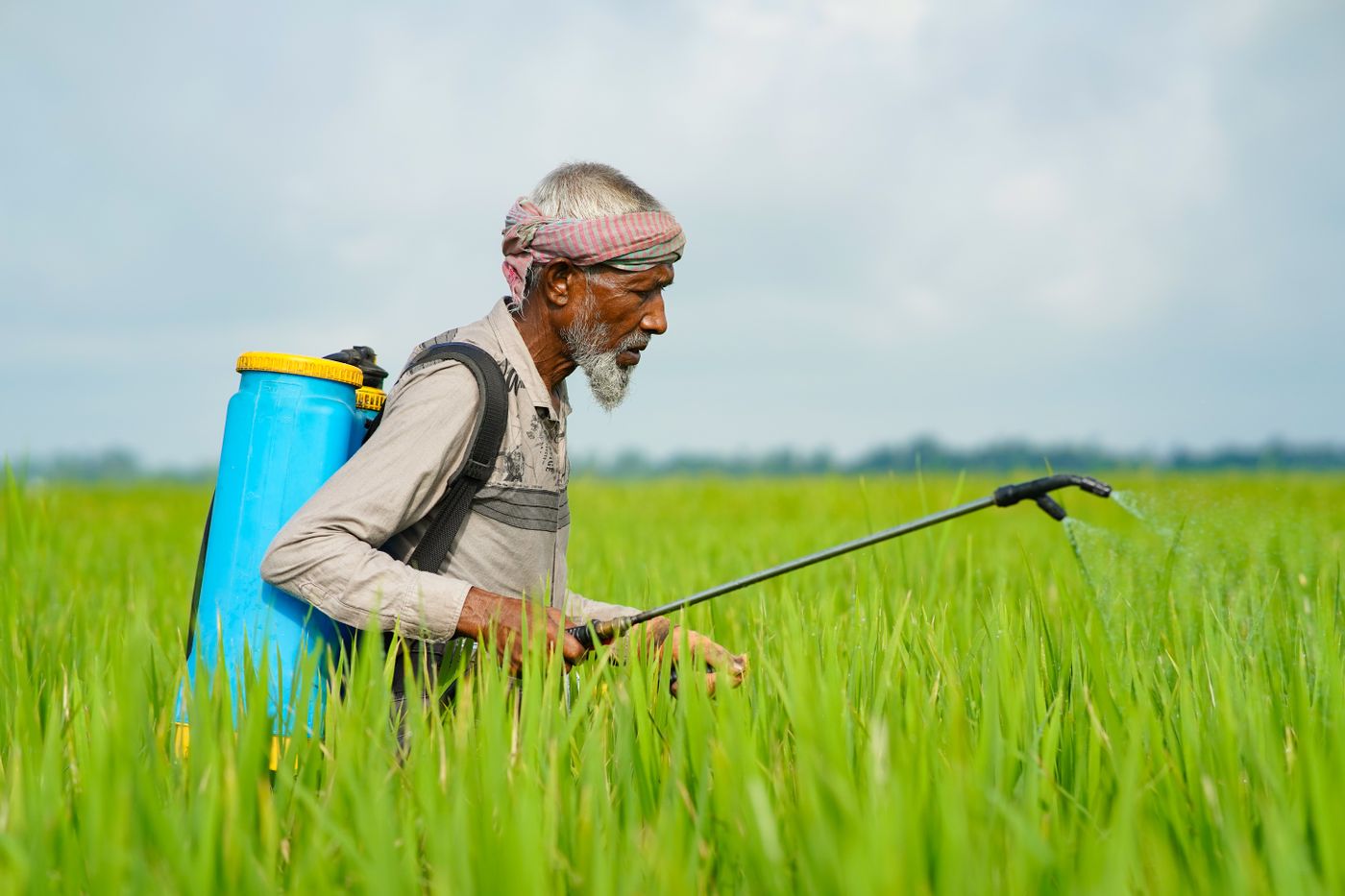
A safe knapsack sprayer routine for Kenyan farms: choosing the right sprayer, calibrating, mixing, spraying, same-day cleaning and empty container disposal.
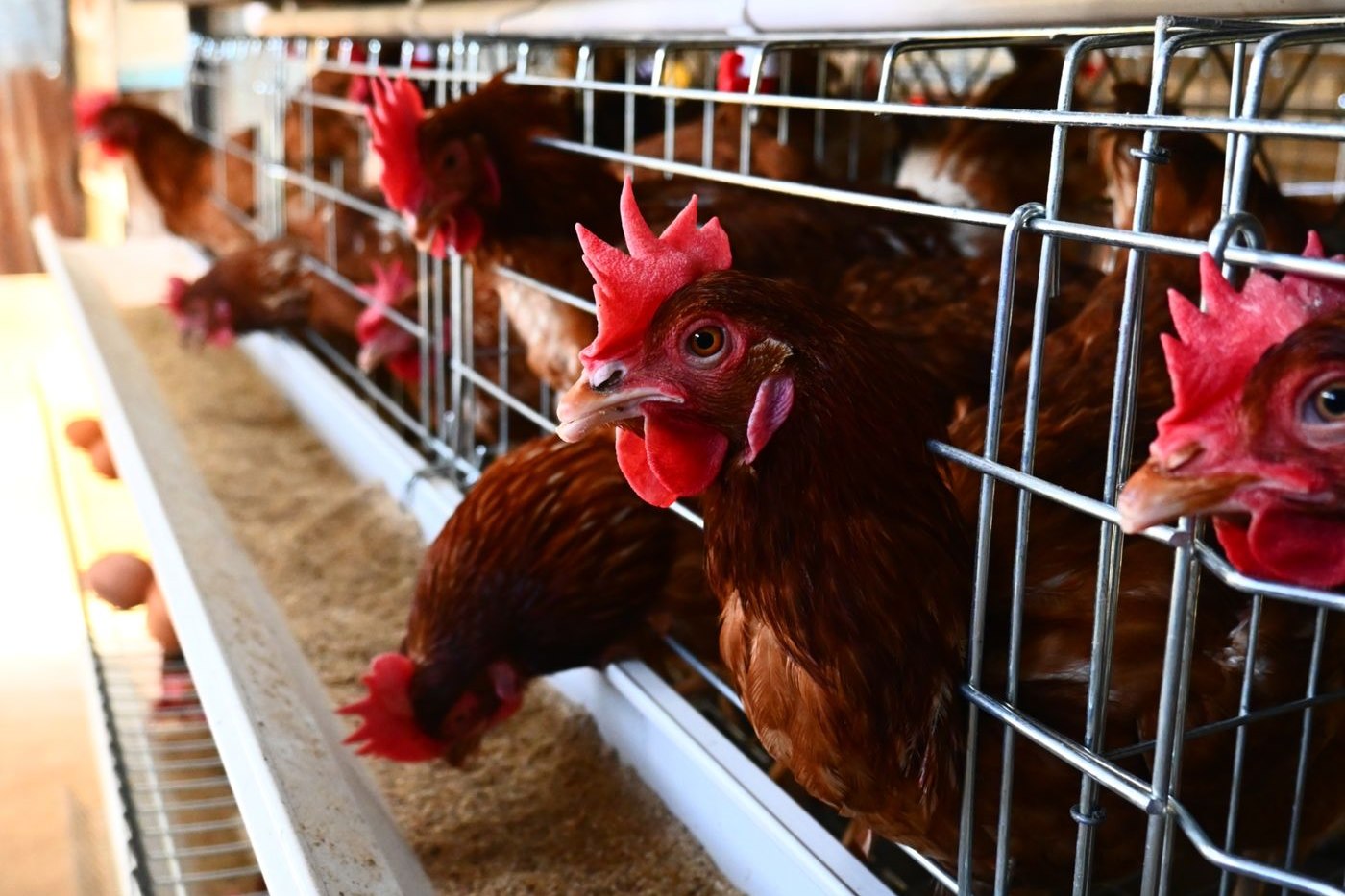
Cut layer feed costs in Kenya without losing eggs: track feed per tray, KALRO intake benchmarks, six feed leaks, smarter buying and why diluting mash backfires.
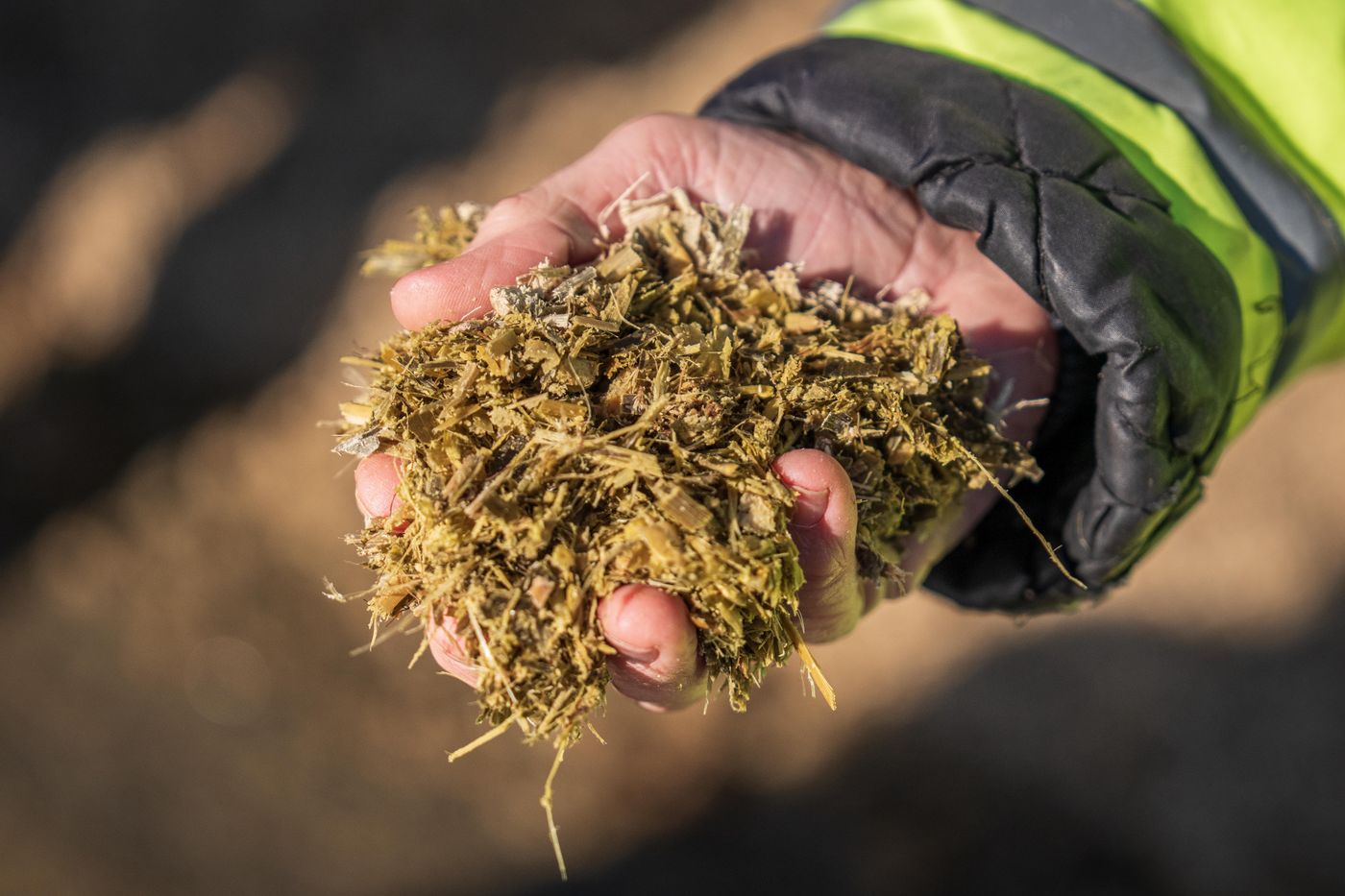
Choose a chaff cutter drive for your farm: daily fodder load and labour, manual for small herds, electric where power is steady, petrol where you chop away.
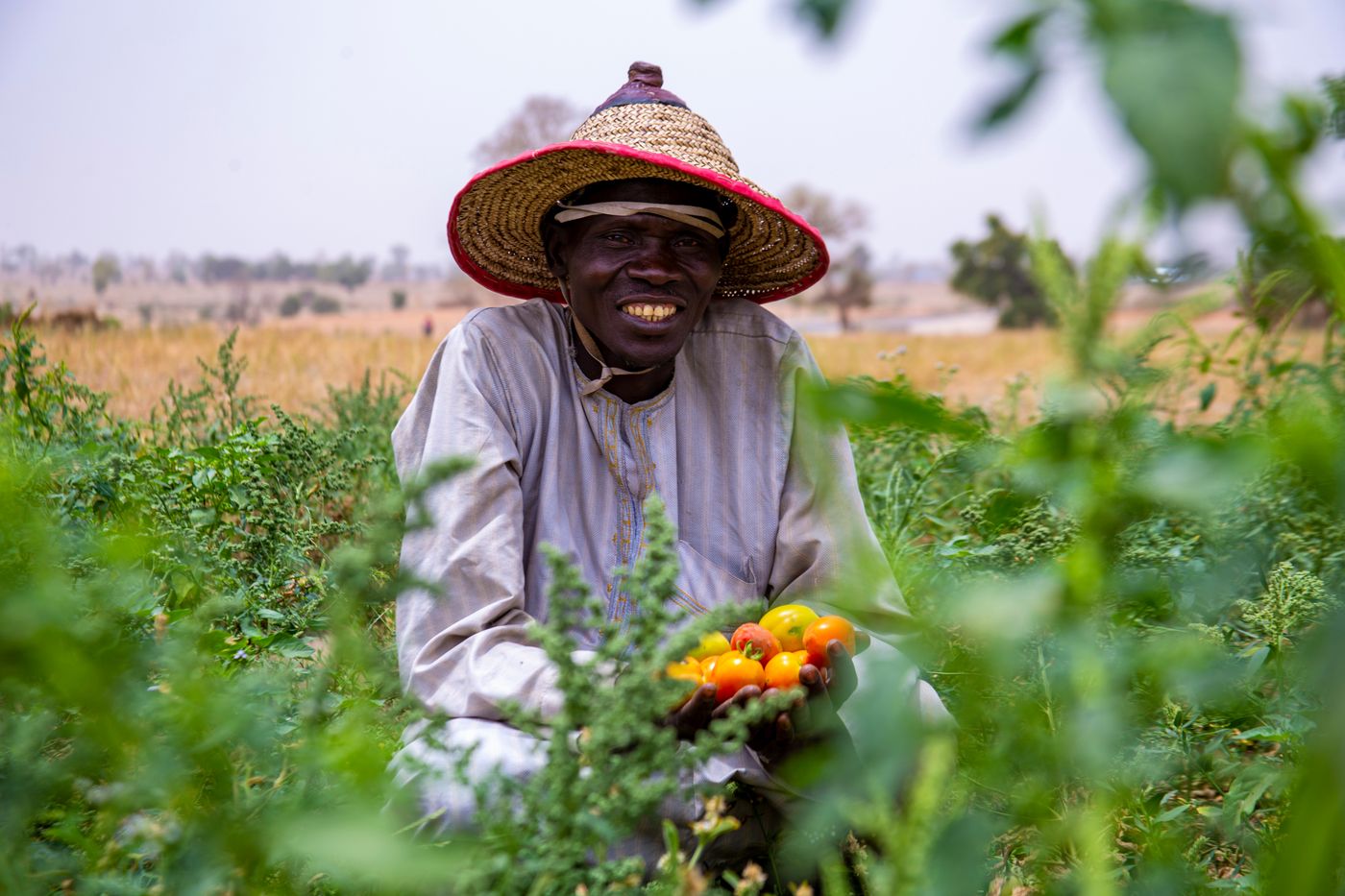
Grow tomatoes through the short rains: tell late blight from other diseases, use staking and spacing to keep leaves dry, plan sprays and harvest safely.

Turn the short-rains grass surplus into dry-season feed: a fodder budget per cow, silage or hay in wet weather, chaff cutter silage, molasses rates and storage.
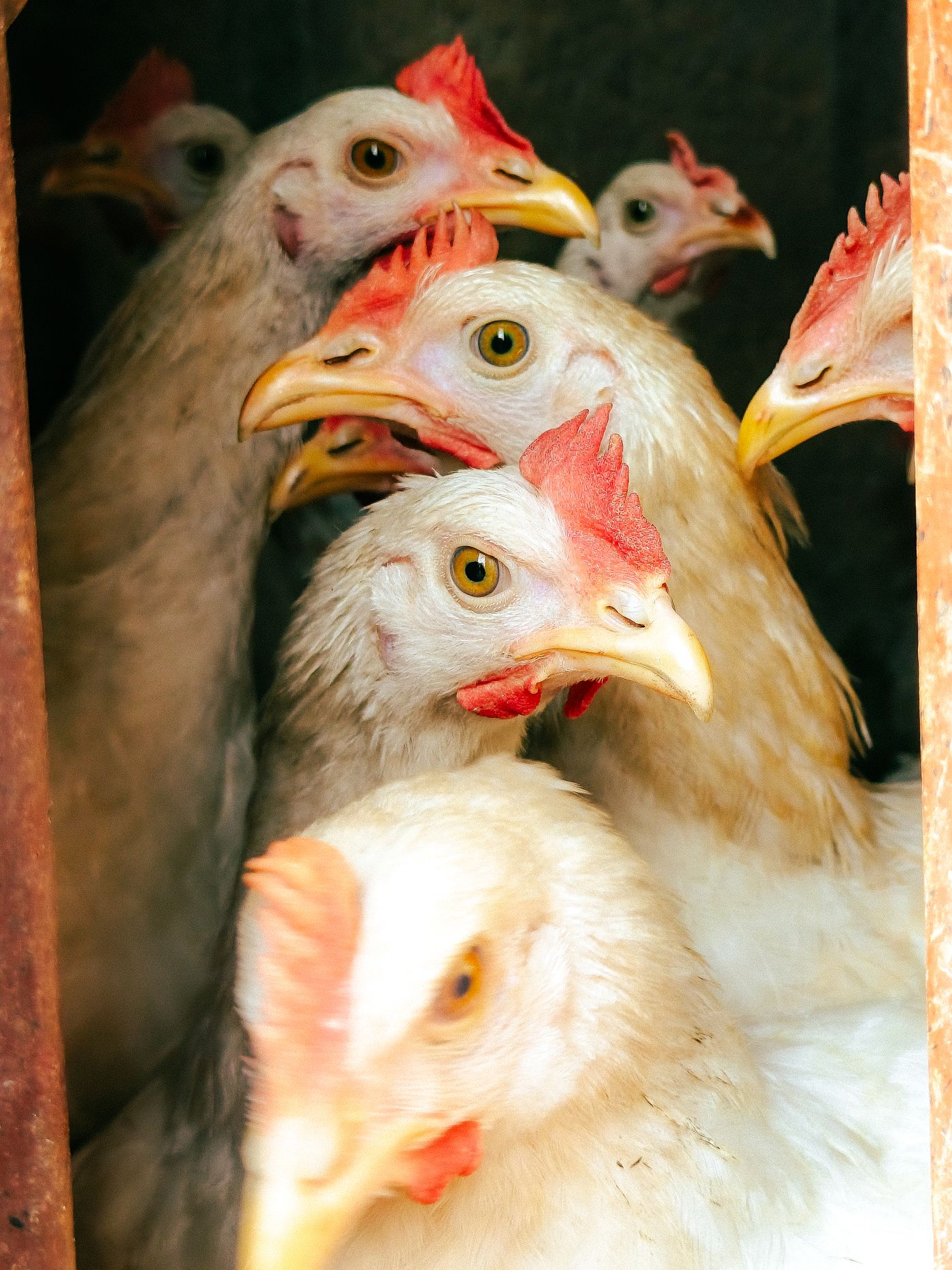
Design solar lighting for a poultry house: lux targets by stage, lamps from lumens, even spacing, battery for grey mornings, panel size, timers and fittings.
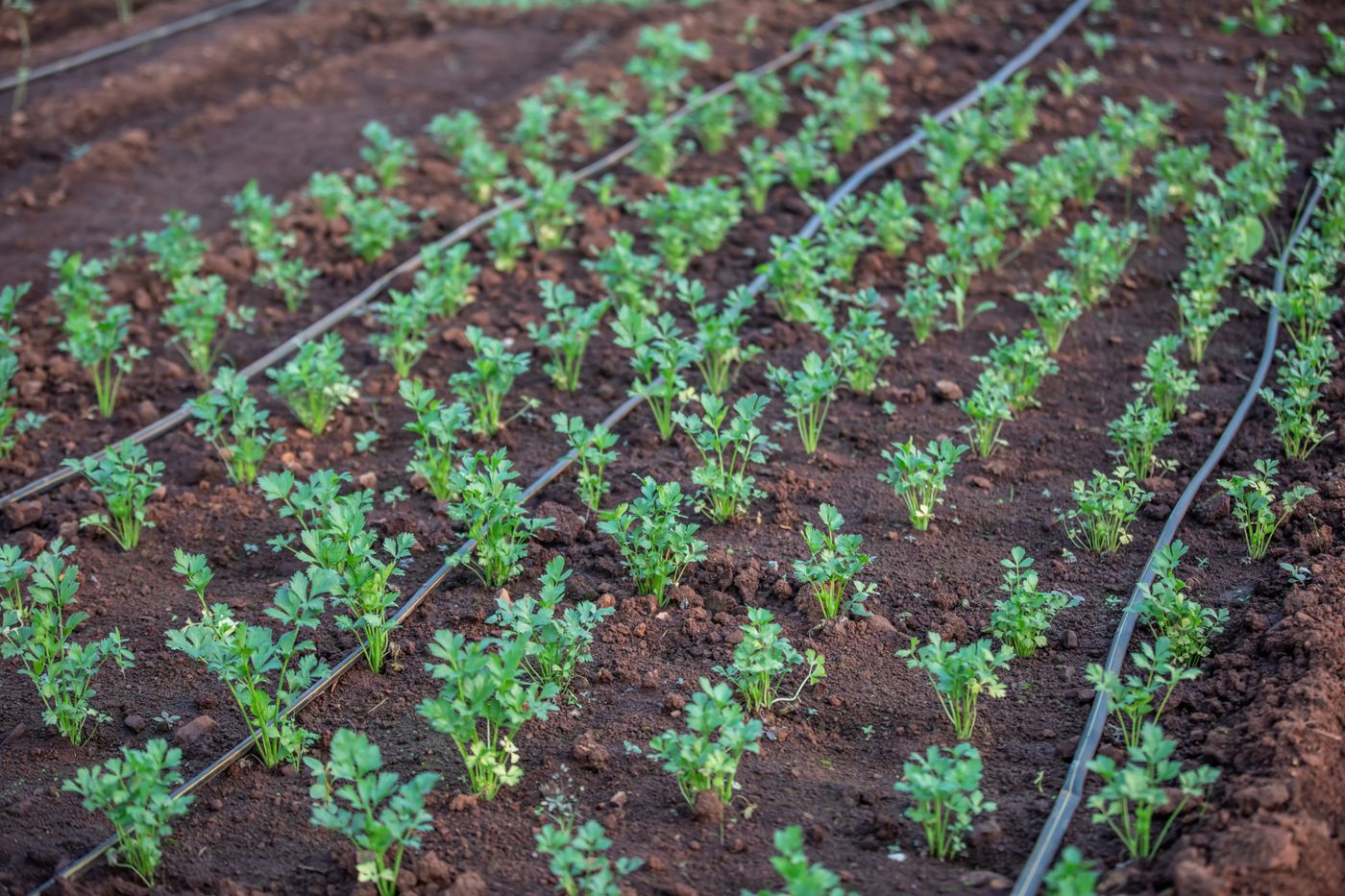
Carry vegetables through the dry weeks after the short rains with gravity drip: budget your water, raise the tank, filter, mulch and prioritise money crops.
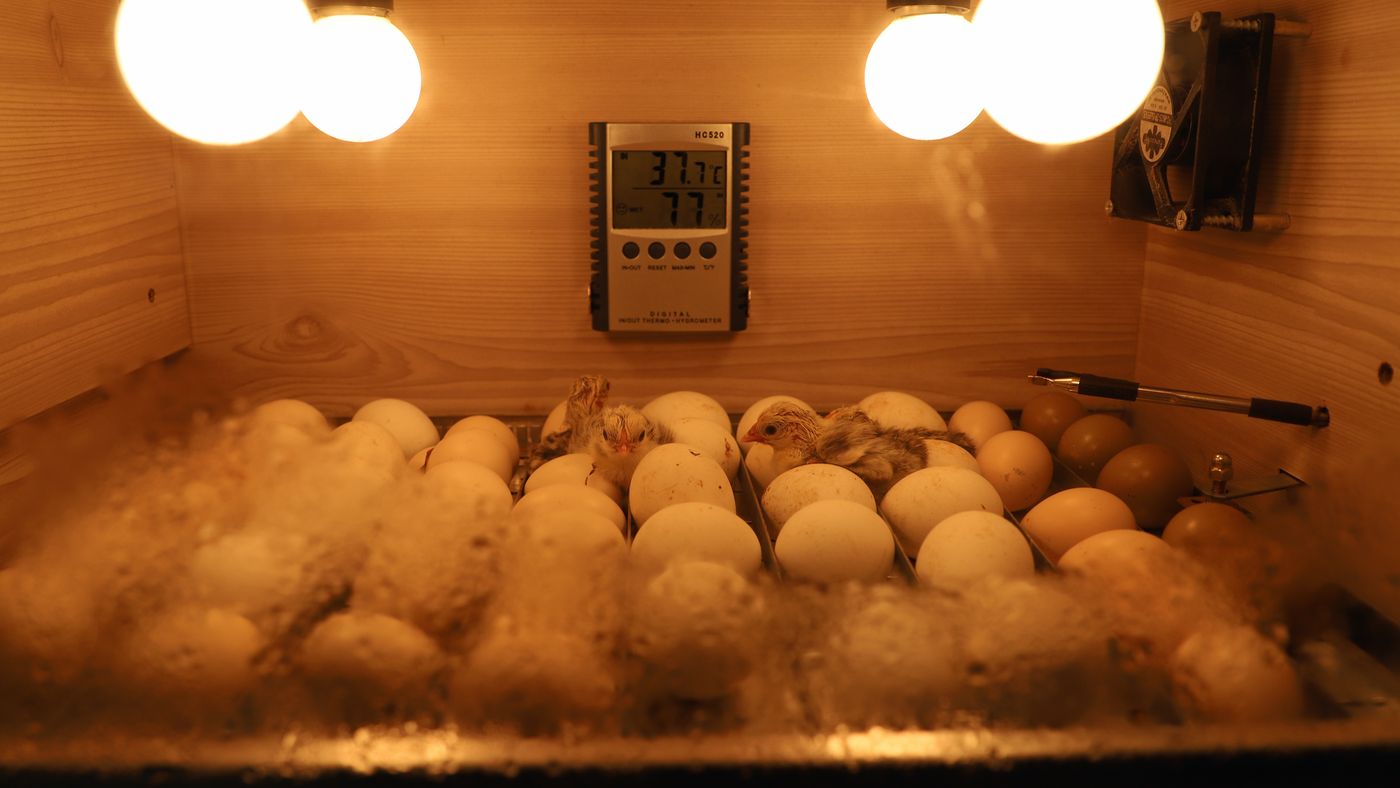
Plan incubator hatches from November: what a 21-day hatch can reach, chicks for December, Easter 2027 cockerels, staggered settings and rainy-season risks.

Run a posho mill well: a one-way site layout, permits, public health and scale verification, inspecting and weighing each load, closing and maintenance.
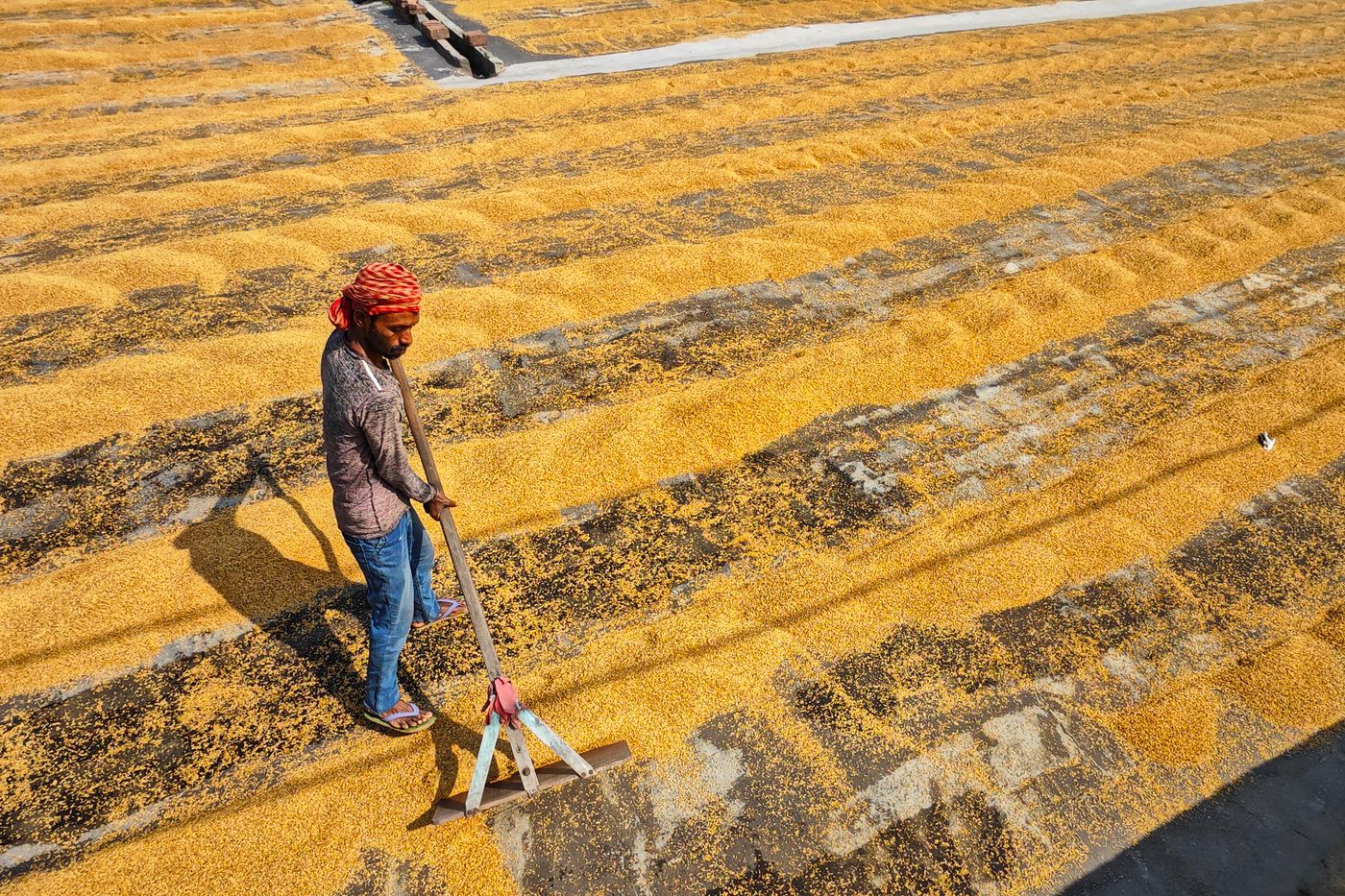
Stop aflatoxin in maize after harvest: the risk points from field to sack, drying to 13 to 13.5 percent moisture, sorting, hermetic storage and KEBS limits.
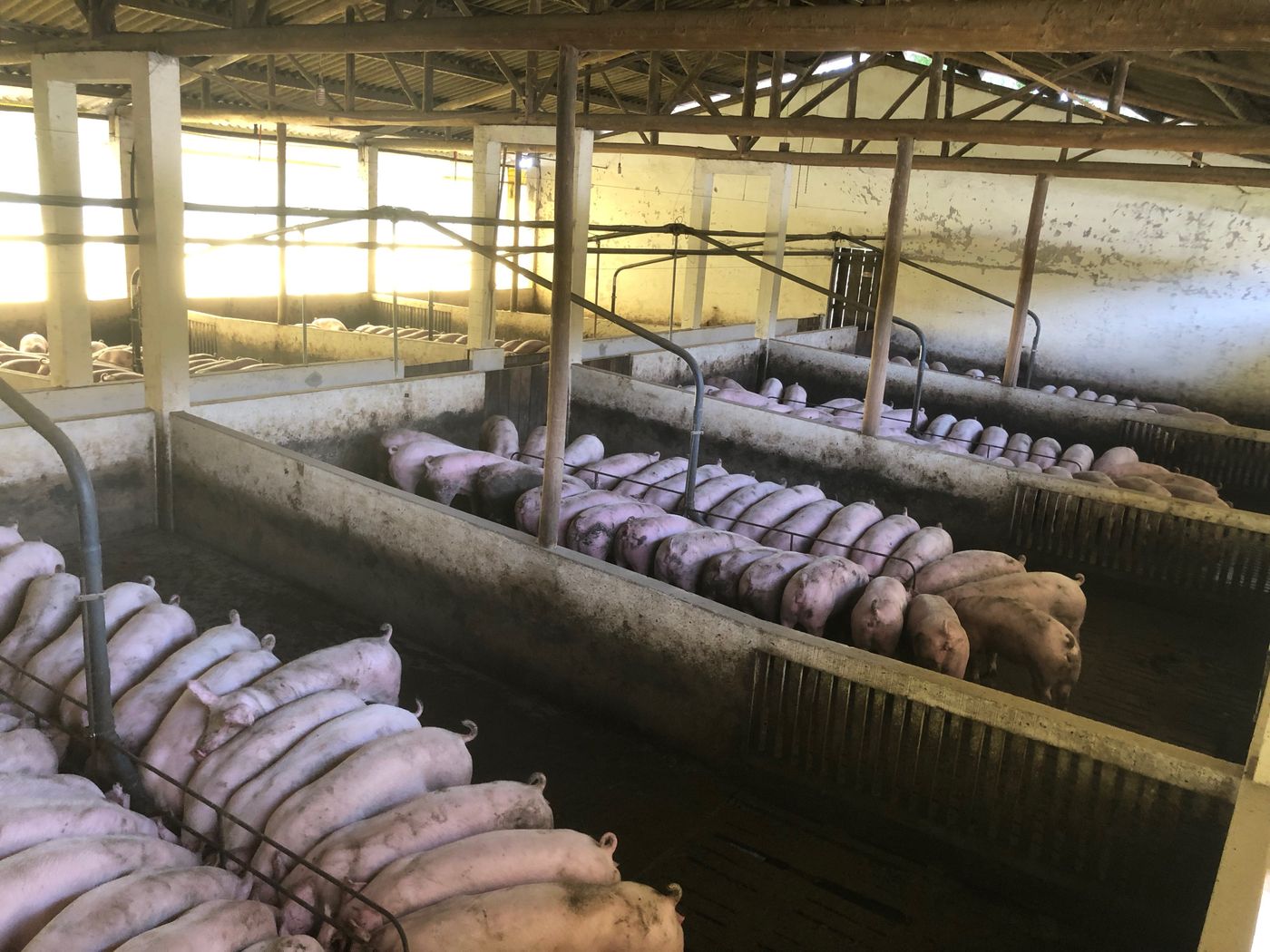
Keep pig pens dry in the Kenyan rains: floor slope and drains, dry bedding, ventilation without chilling, wet-season disease risks and swine fever biosecurity.
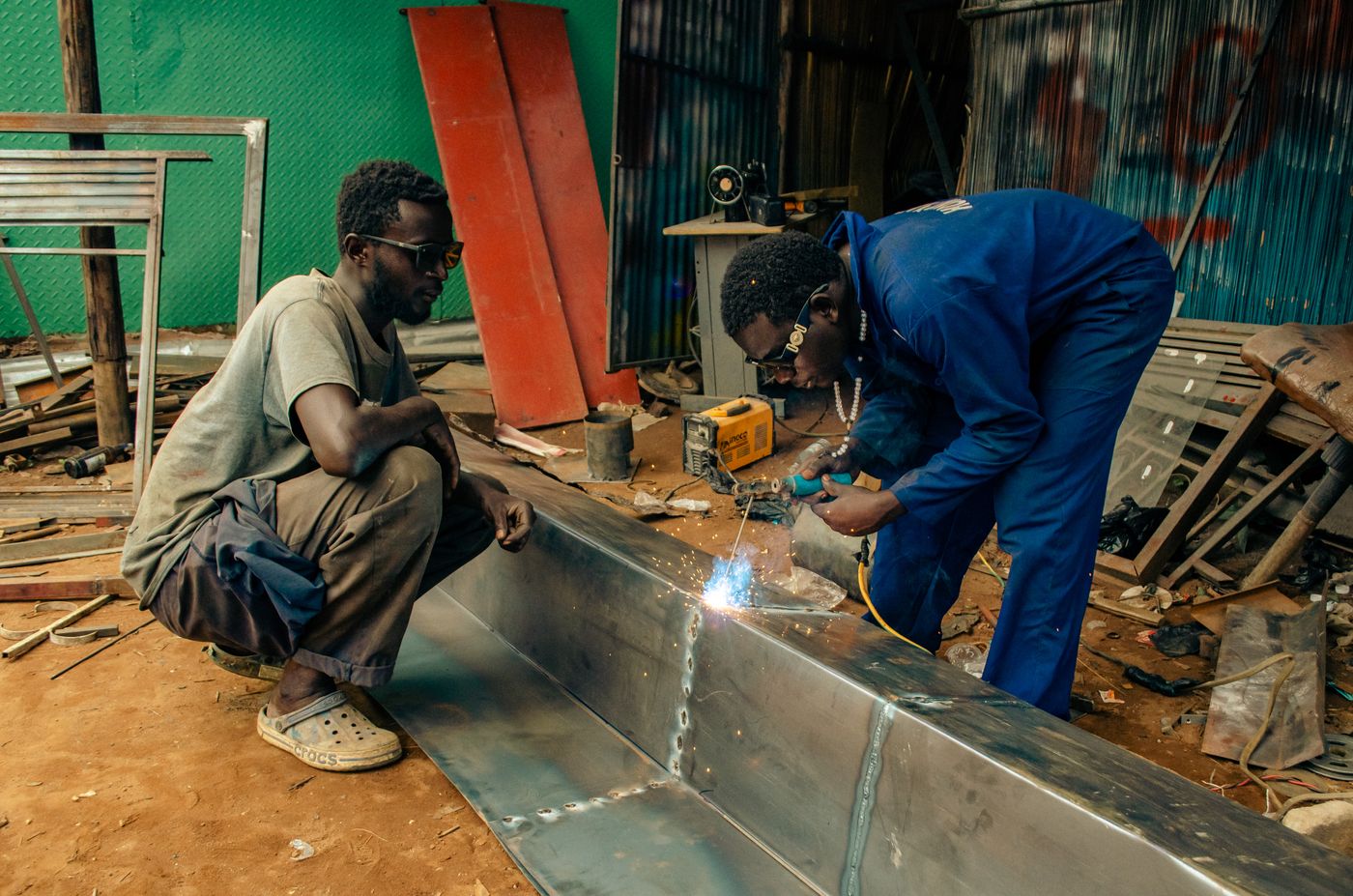
Buy the right welder for a small jua kali shop: match your job mix, inverter or transformer, read the duty cycle, check your power supply and plan site work.

A hands-on guide to roof rainwater systems in Kenya: hanging gutters that catch the storm, building a first-flush diverter, tank inlet, overflow and screens.
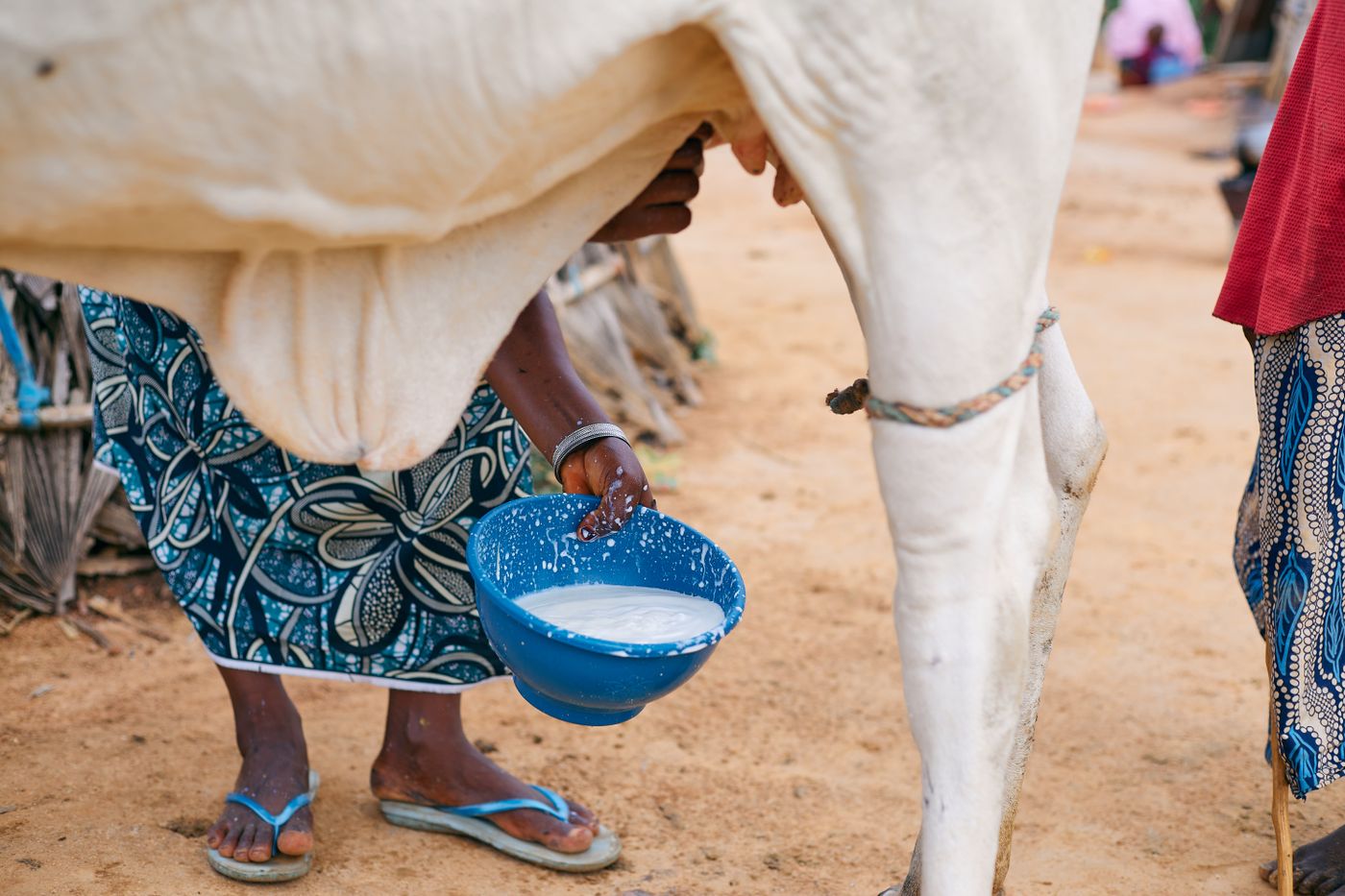
Stop rainy-season mastitis in Kenyan dairy herds: strip cup and CMT testing, why mud drives environmental mastitis, fixing the yard, milking hygiene and vets.
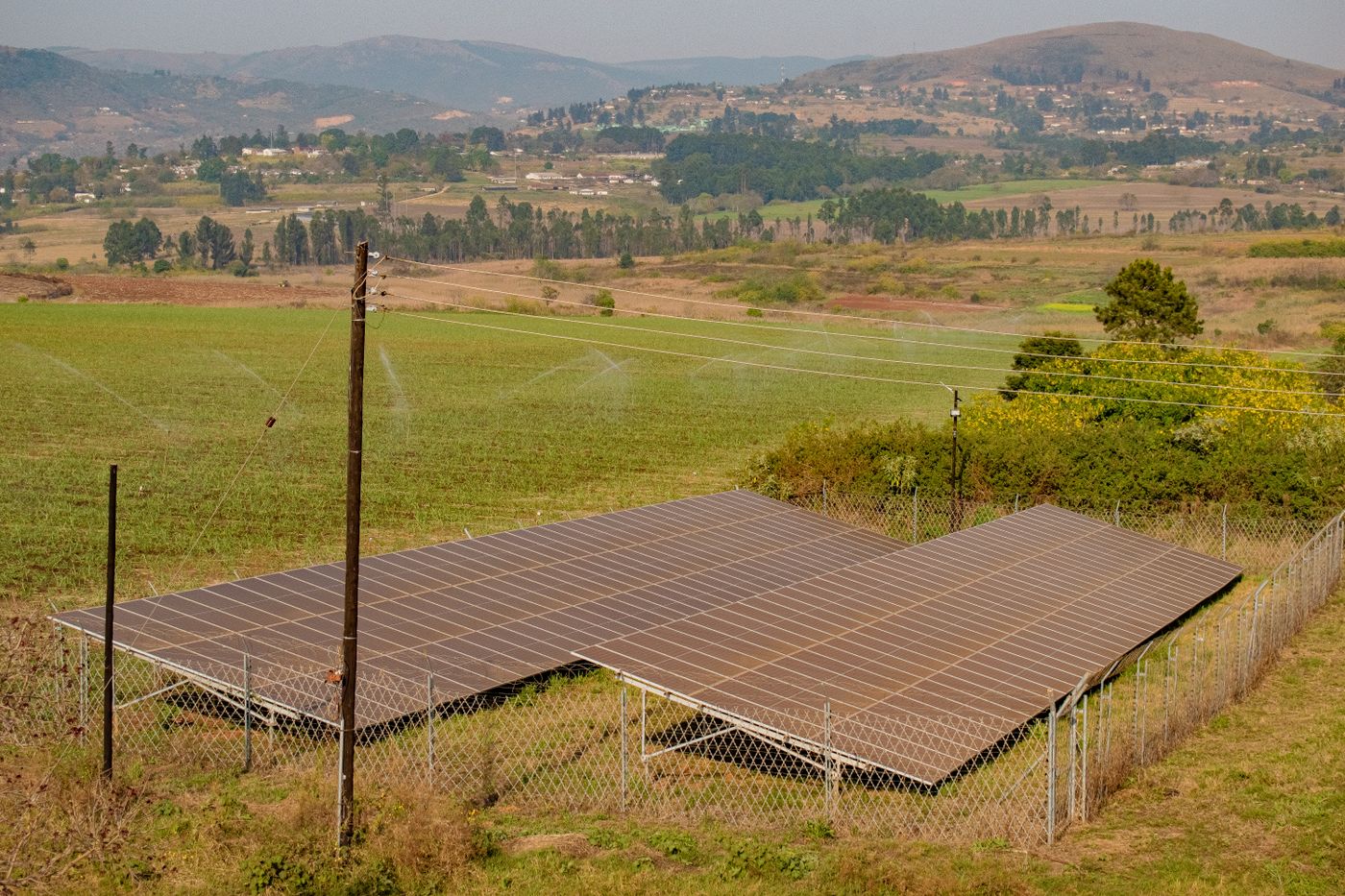
Size a solar water pump to your source: borehole safe yield, well refill rate, river suction lift, total head, sun hours and a simple energy check on quotes.
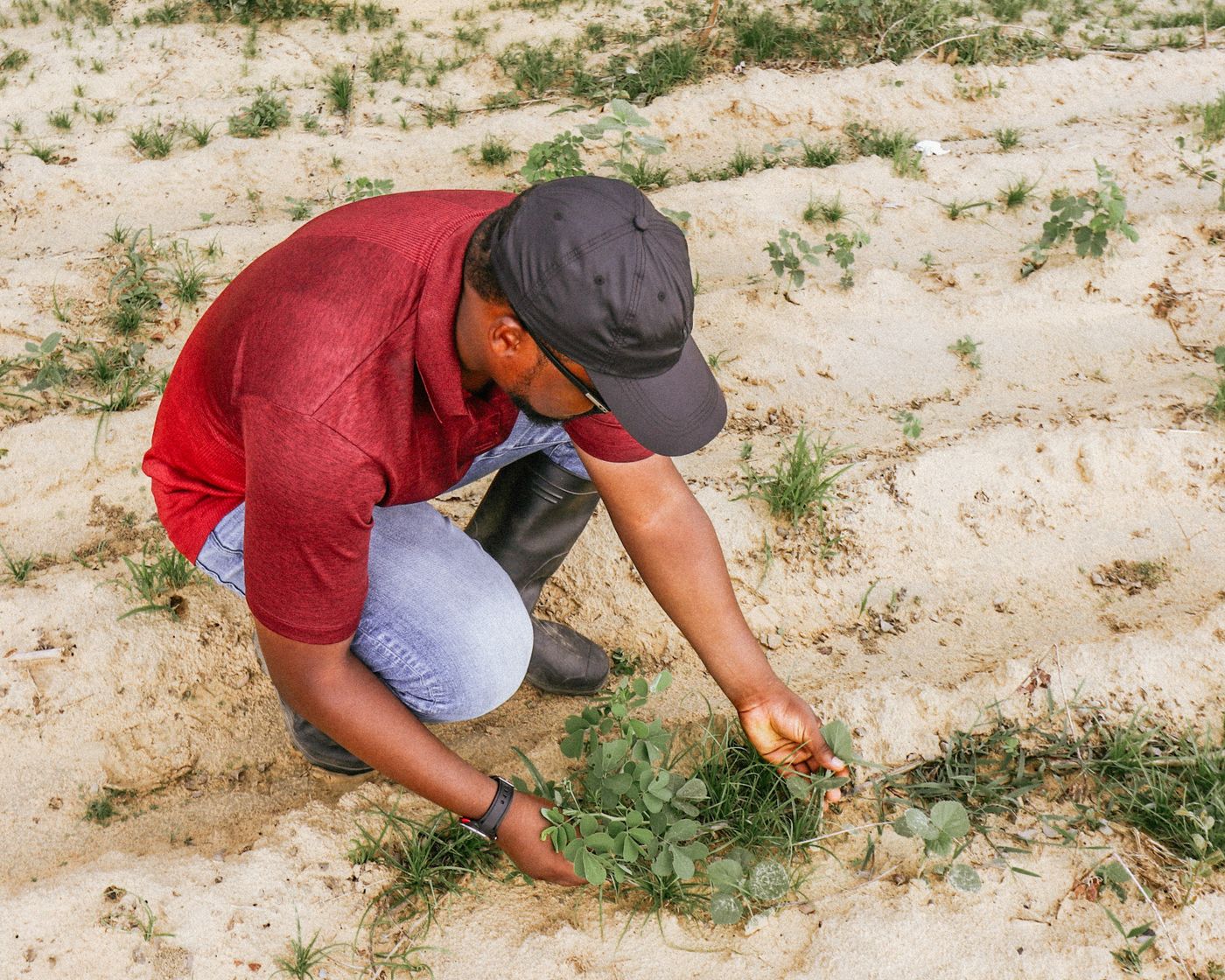
Grow beans in the short rains: choose a KALRO variety that finishes in time, clean seed, spacing for pure stands and intercrops, weeding windows and disease.
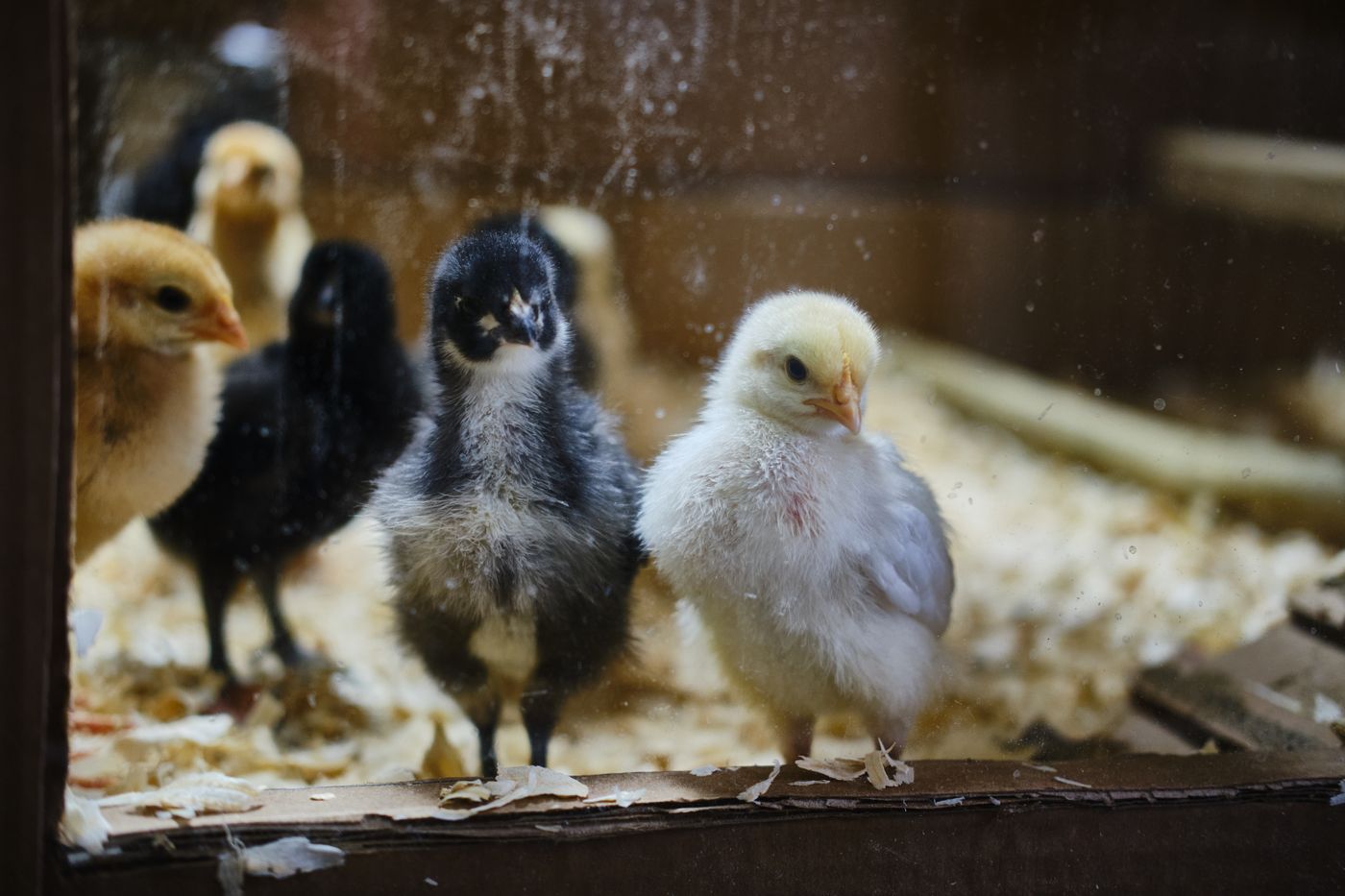
Brood chicks through cold, wet short-rains nights in Kenya: house prep, night temperatures, safe charcoal and gas heat, dry litter, ventilation and blackouts.
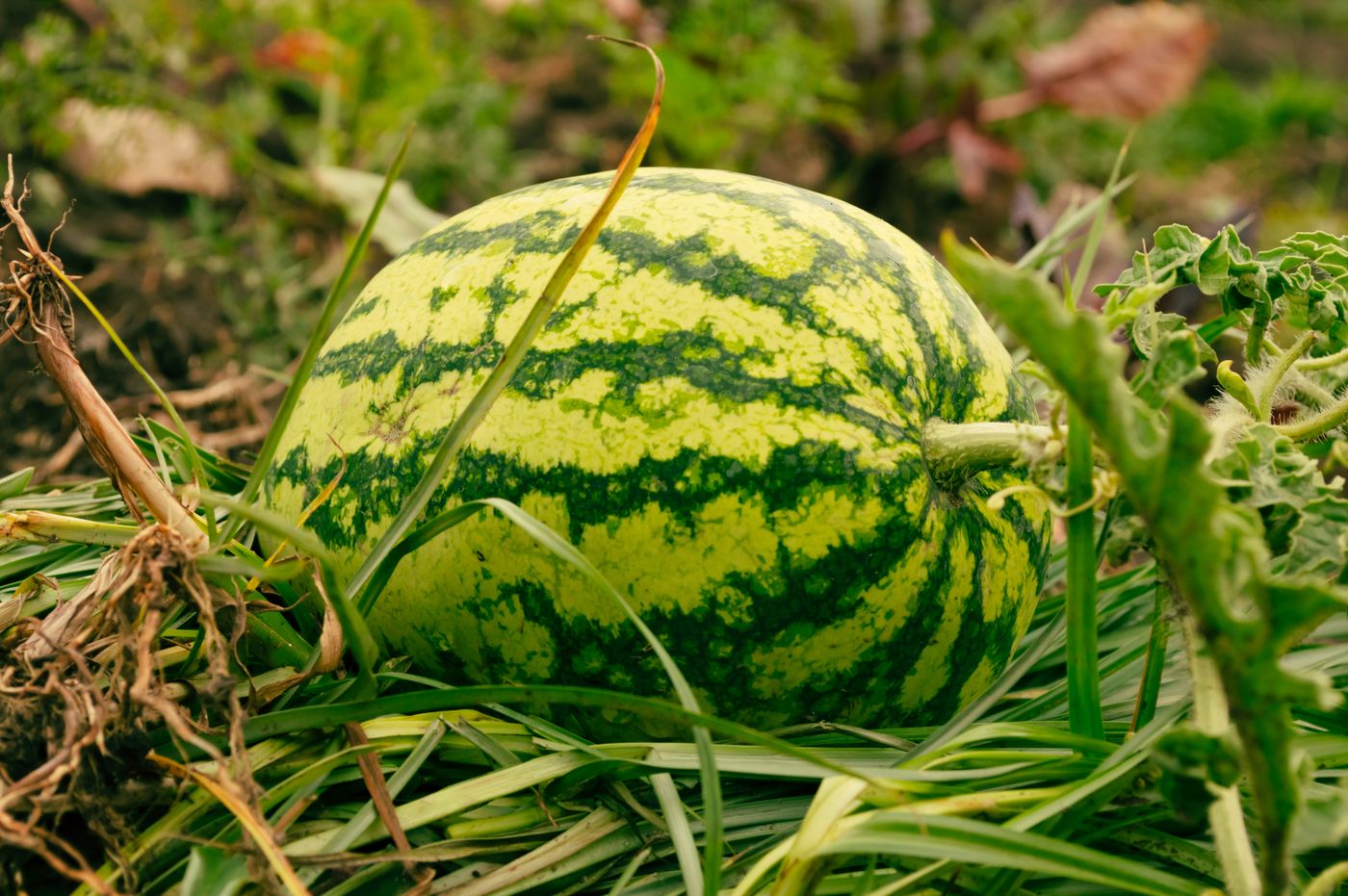
Grow watermelon for the hot season market: warm sites, variety choice, raised beds and spacing, drip irrigation, bee pollination, rot control and ripeness.
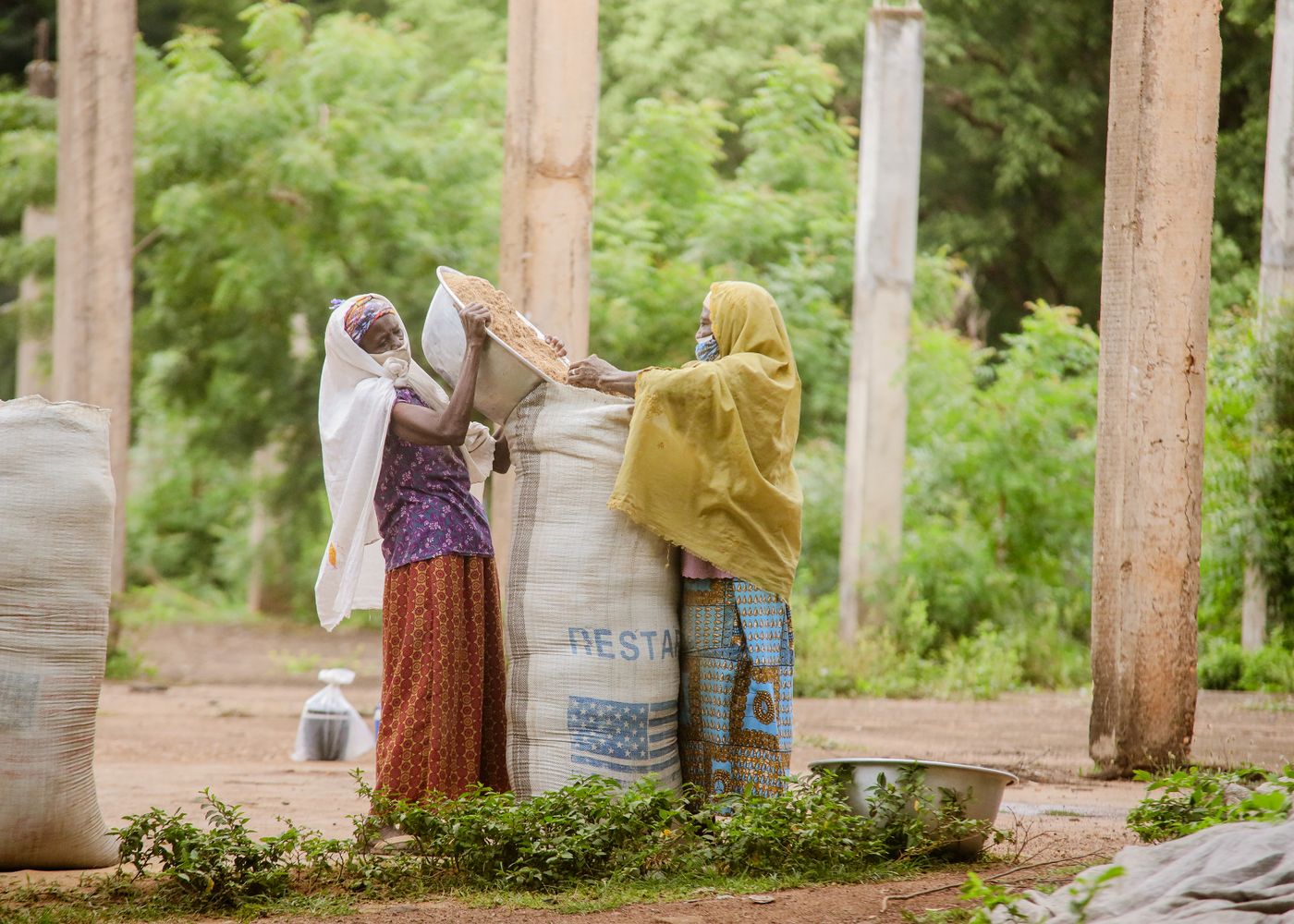
Plan a small animal feed mill in Kenya: business models, KEBS and county rules, the equipment line from grain to bag, raw materials, aflatoxin and costs.
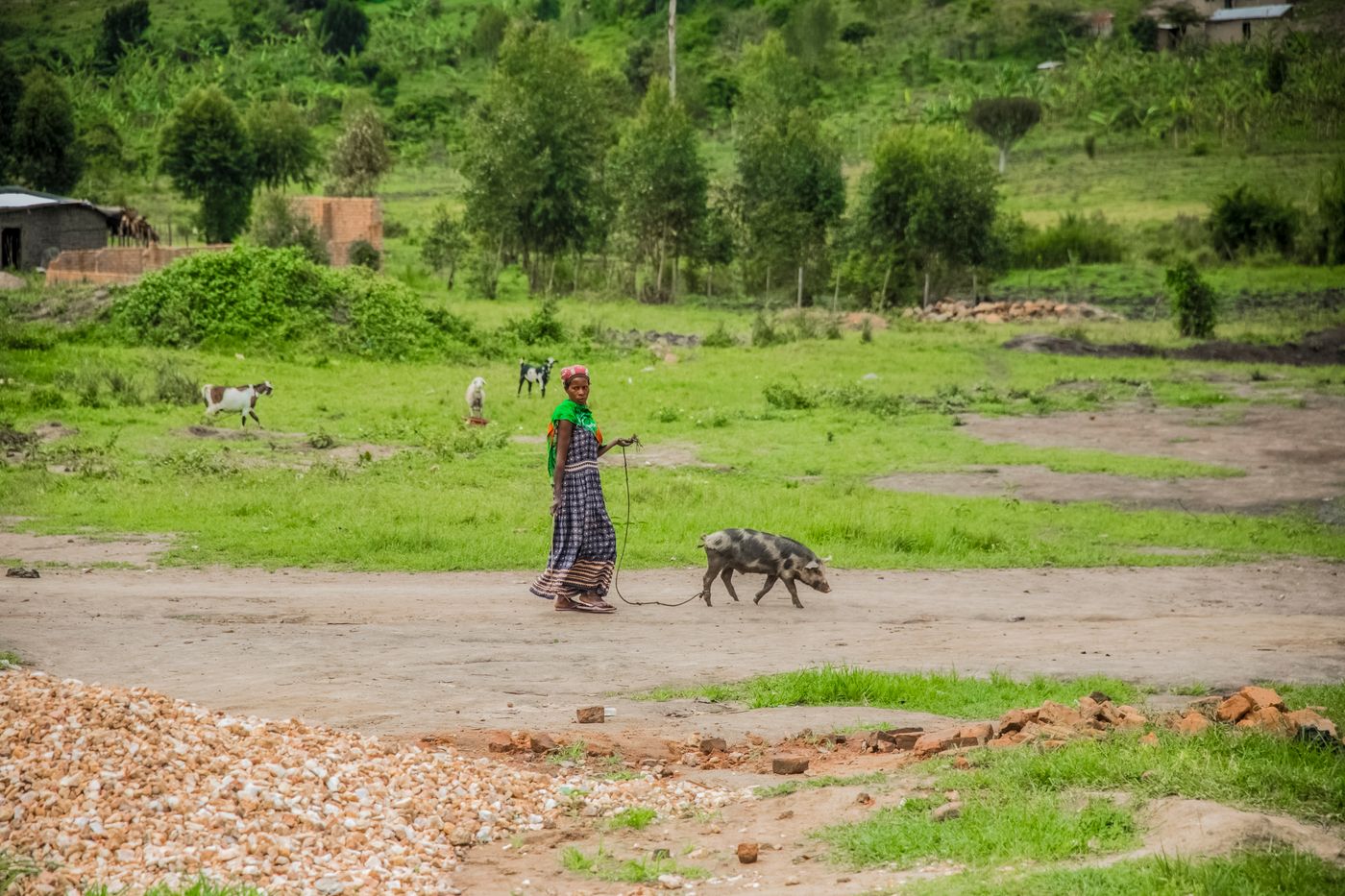
Start a pig breeding unit in Kenya: choose a sound gilt, serve at the right age, spot standing heat, count 114 days and prepare a safe, warm farrowing pen.

Which hammer for which job: claw hammers for nails, mason hammers for chisels and blocks, sledges for posts and breaking, plus weights, handles and safety.
Stop solar theft on Kenyan homes and farms: security fasteners, high mounting, locked battery and inverter stores, cables in conduit, marking and lighting.

Pump from a river the right way: WRA permission, pump height and suction limits, floating intakes, silt in the short rains, choosing a pump and flood safety.
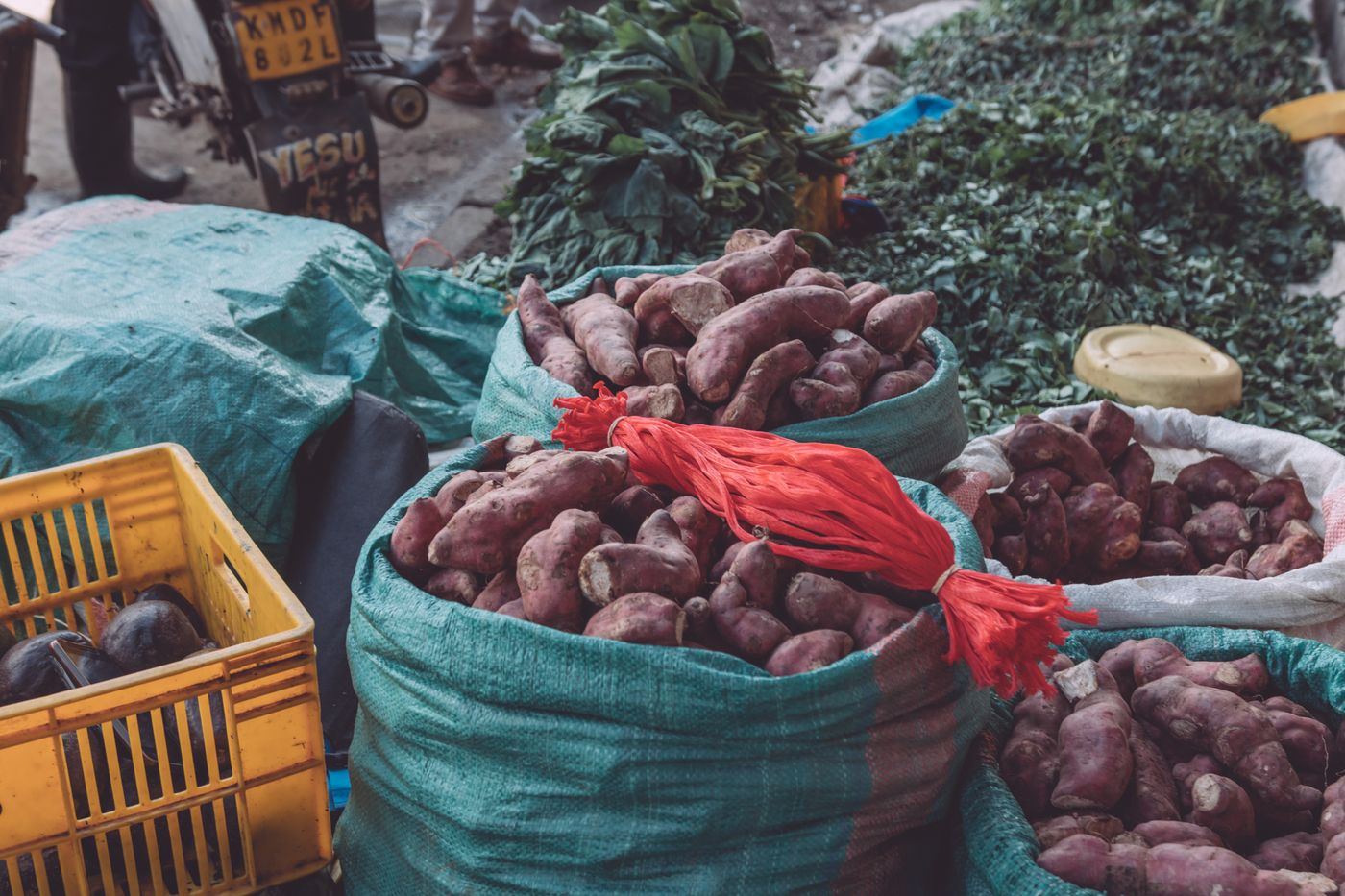
Grow sweet potatoes in Kenya's short rains: clean tip cuttings, ridges and spacing, planting depth, feeding for roots, weevil control, harvest and storage.
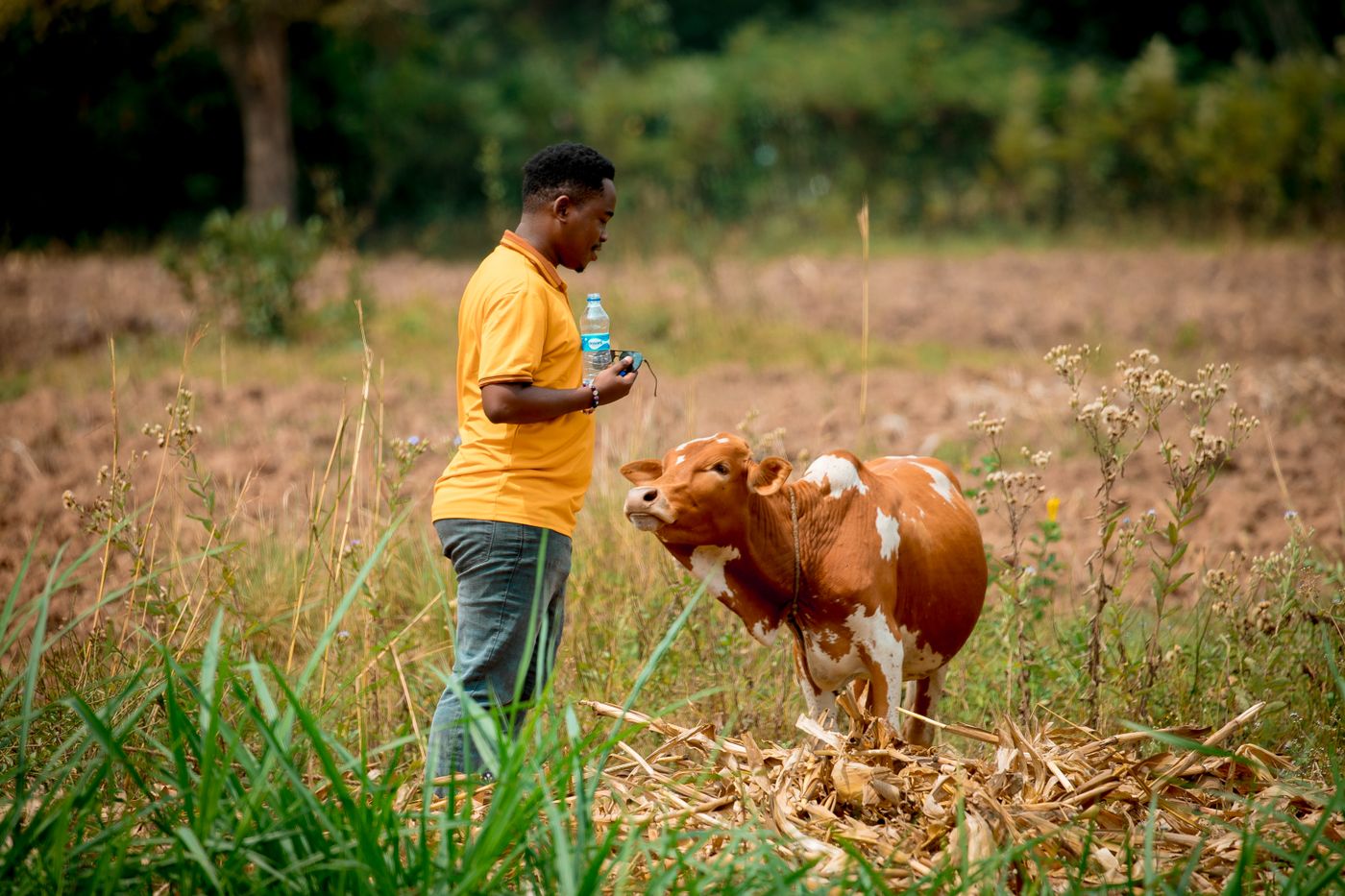
What to check before buying a dairy cow in Kenya: records, udder and teats, milking her yourself twice, age from the teeth, vet pregnancy check and the permit.

Get kienyeji cockerels to market weight for Christmas: sort the flock, confine and feed for growth, plan health with your vet, weigh weekly and sell by weight.

Plant cassava in the short rains: clean cuttings free of mosaic and brown streak, cutting length and angle, 1 m by 1 m spacing, weeding and early scouting.
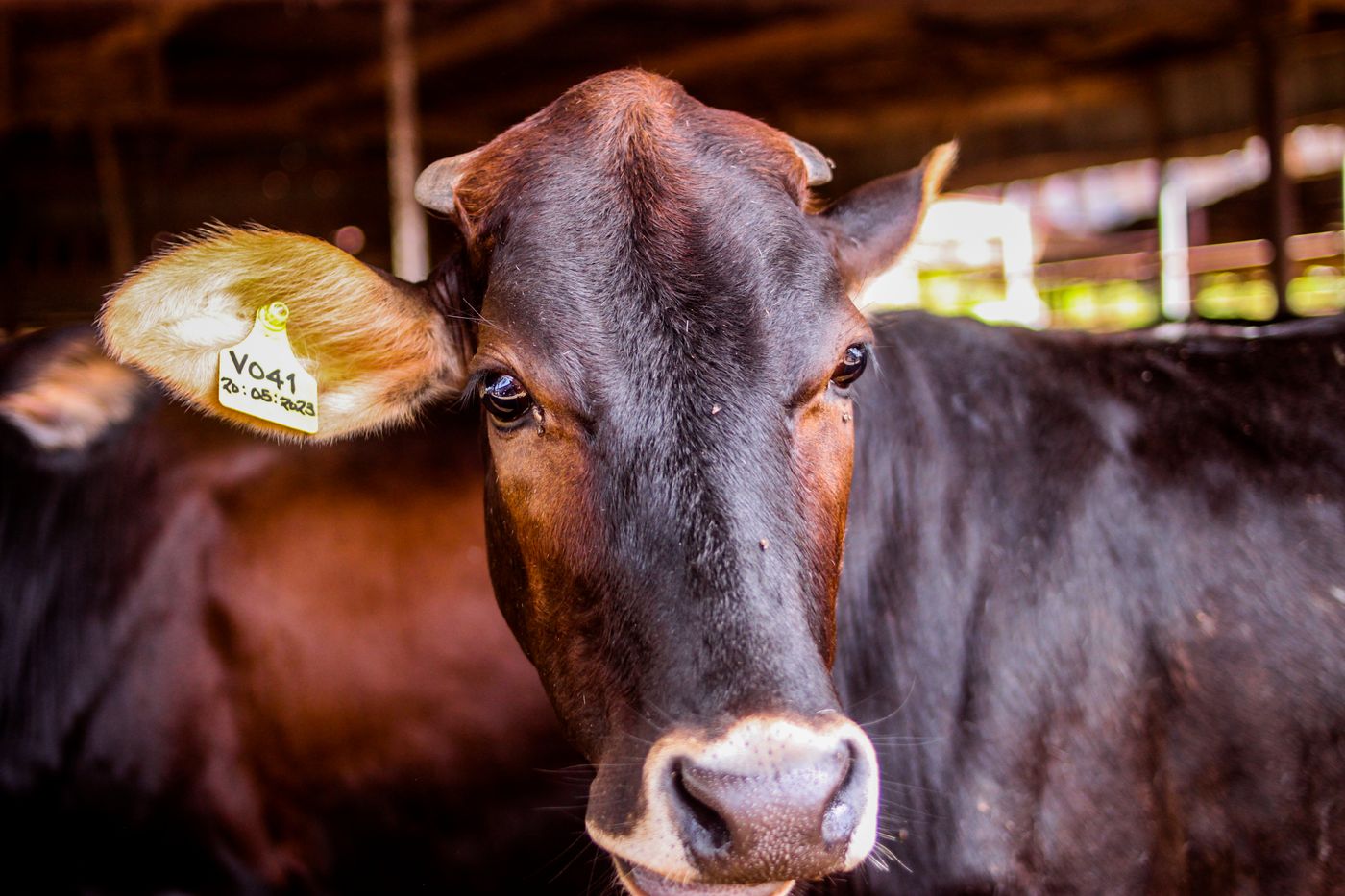
When and how to dry off a dairy cow, feeding and housing in the dry period, preparing a clean calving pen and kit, and the first hours after calving in Kenya.
Turn maize stover into dry season feed: harvest it early, dry and store it out of the short rains, chop it, improve it with legumes and plan how much you need.
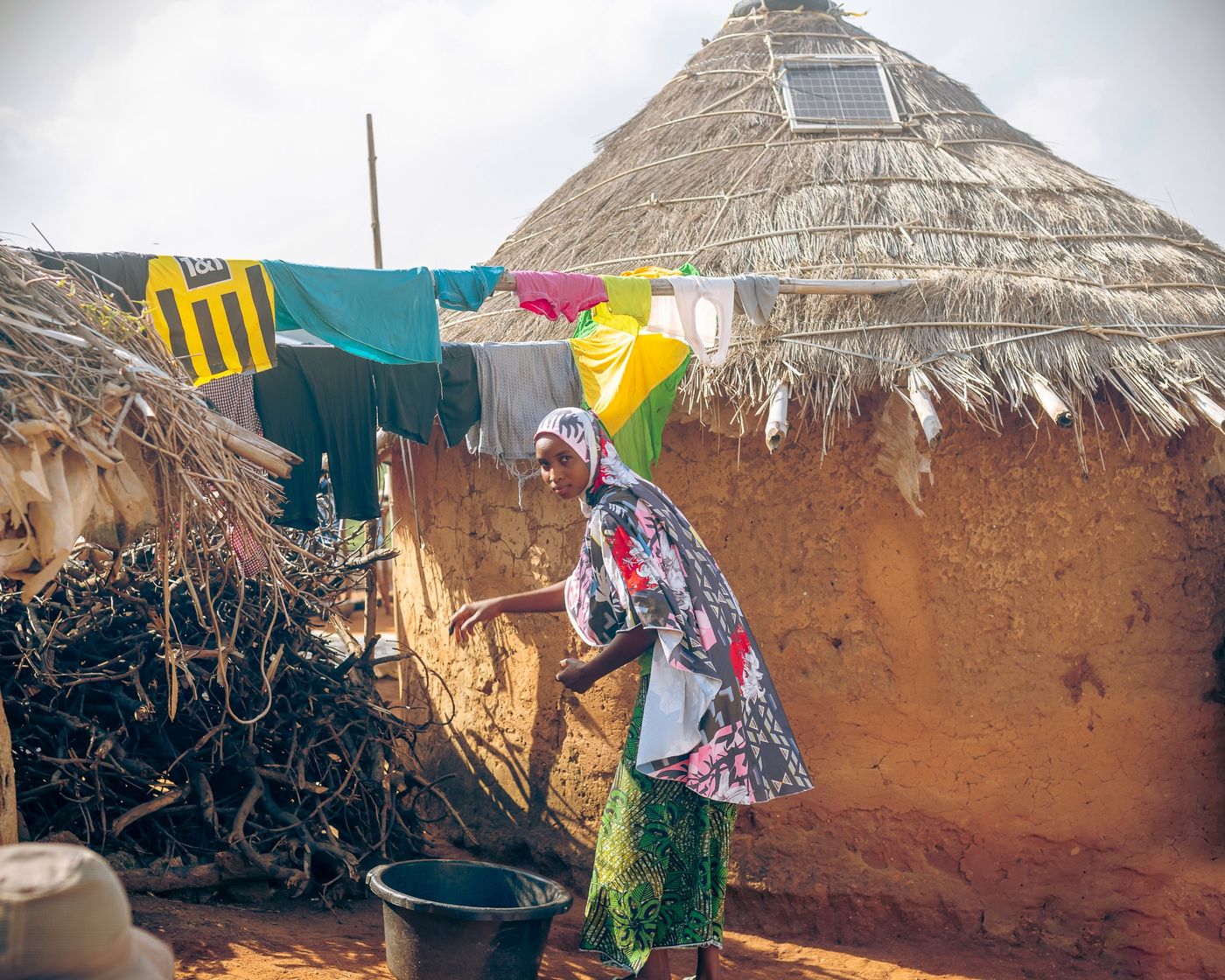
Test a small 12 V solar system with a multimeter: panel open circuit voltage and current, cables, charge controller and battery readings, plus a fault table.
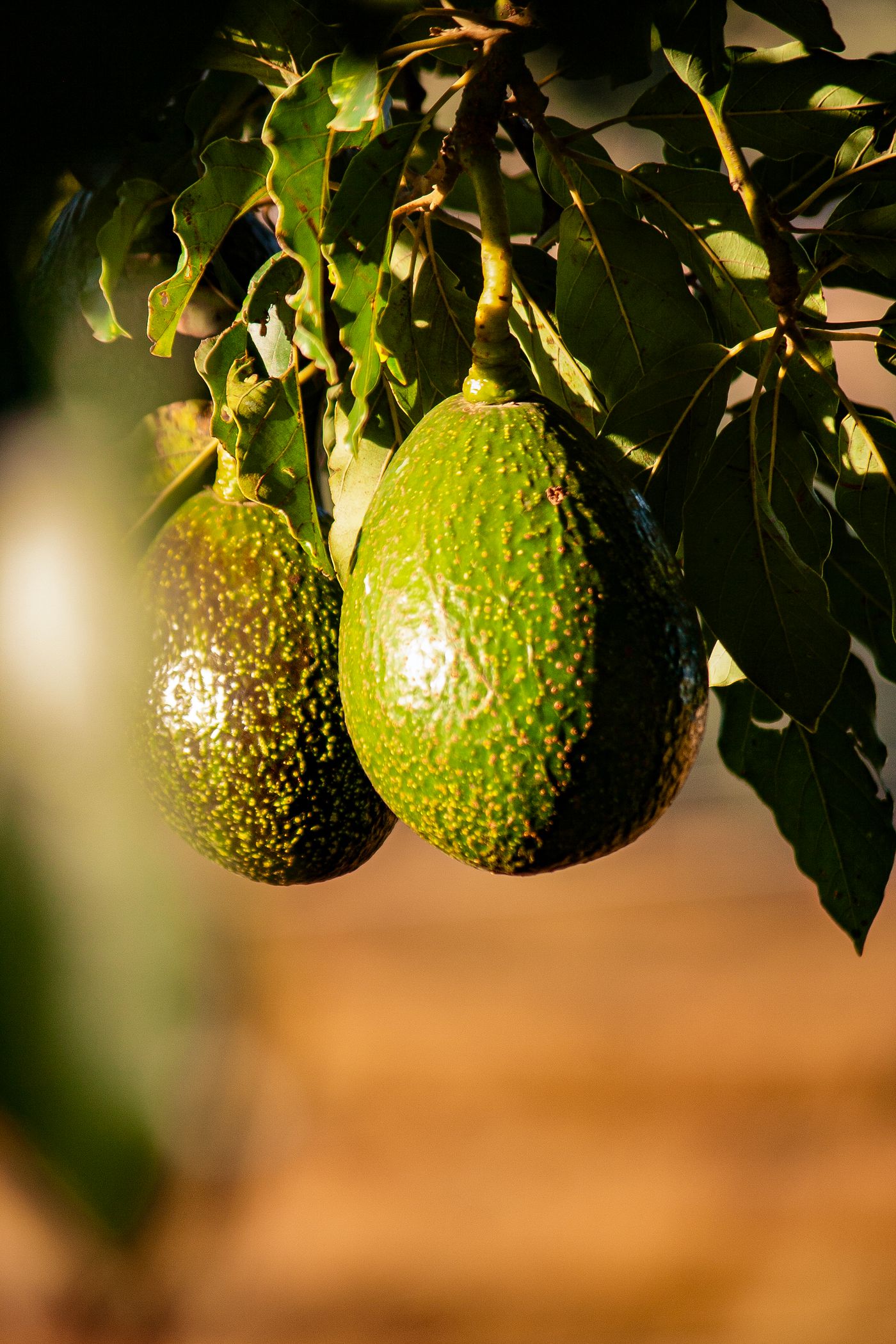
Plant grafted Hass and Fuerte avocado seedlings in the short rains: clean nursery stock, drainage, spacing, a 60 cm hole, graft above soil, stake, shade, water.
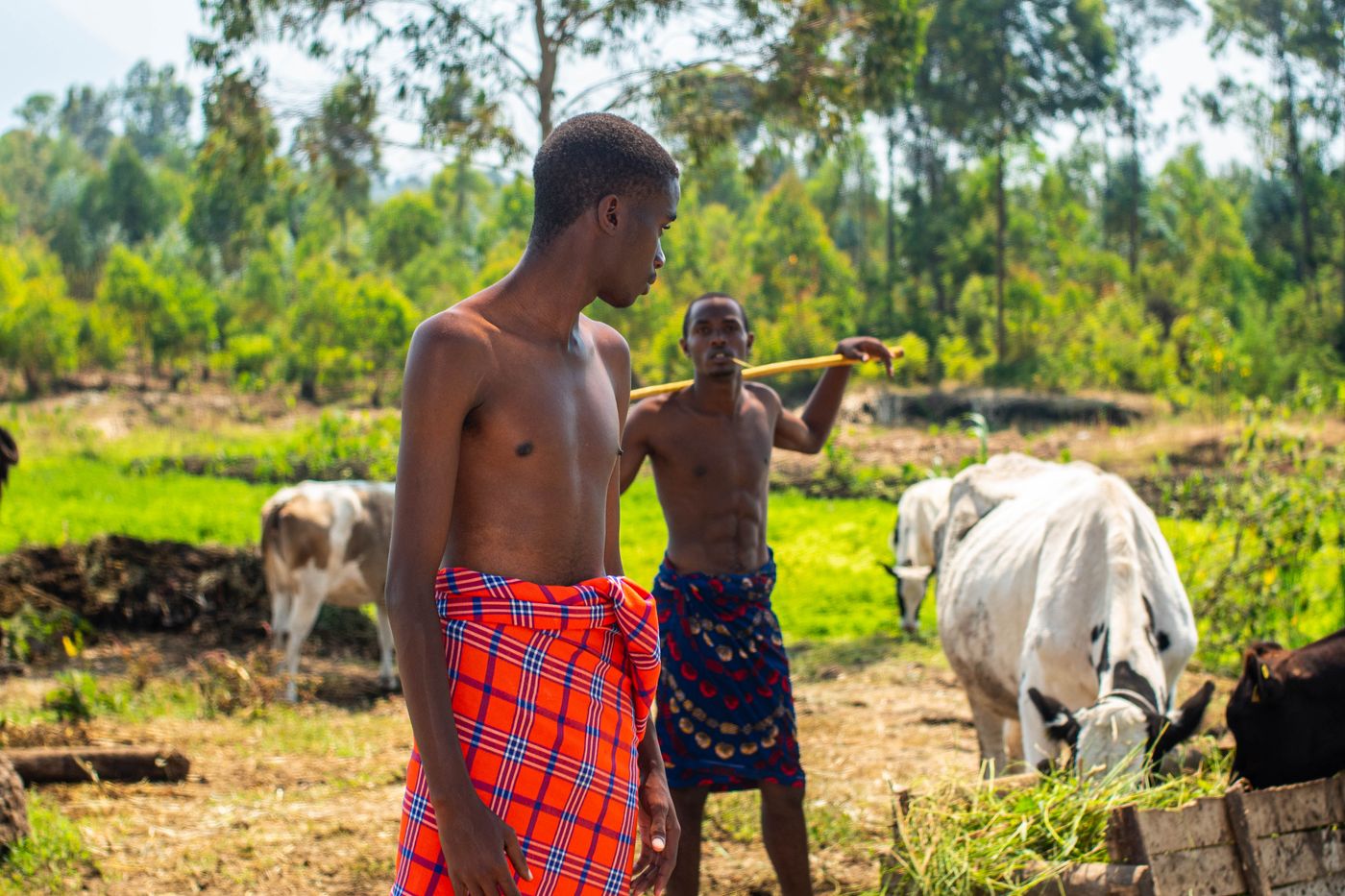
Spray cattle for ticks properly with a knapsack: sprayer set-up, safe mixing, the spraying order that reaches the ears and tail, operator safety and resistance.
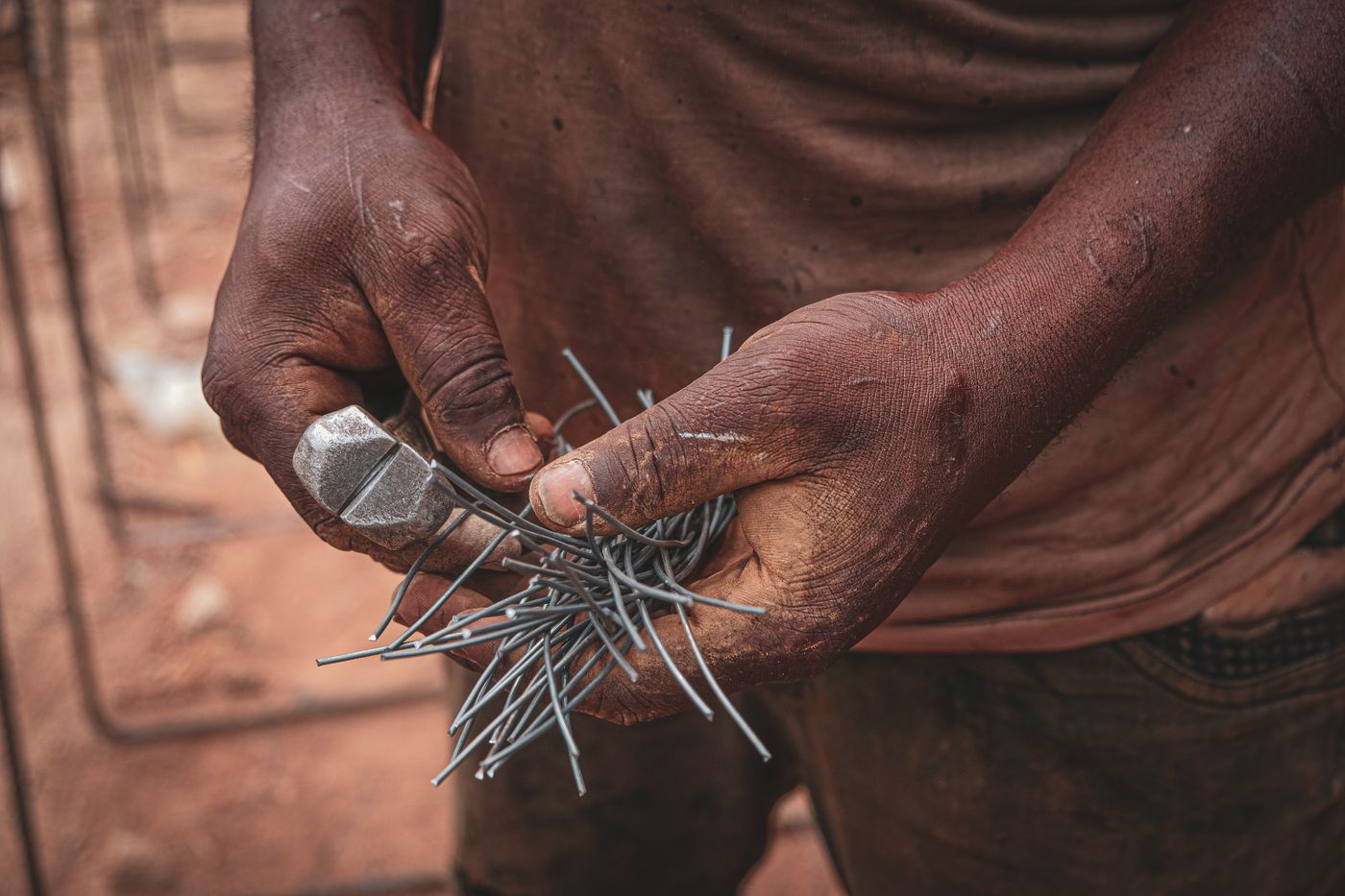
Combination, long nose, side cutters, strippers, pump, locking pliers and carpenter pincers: what each is for, how to choose a good pair, and a starter set.

Stop tank overflow and keep troughs full: how a float valve works, low versus high pressure types, fitting on tanks and troughs, and fixing common faults.
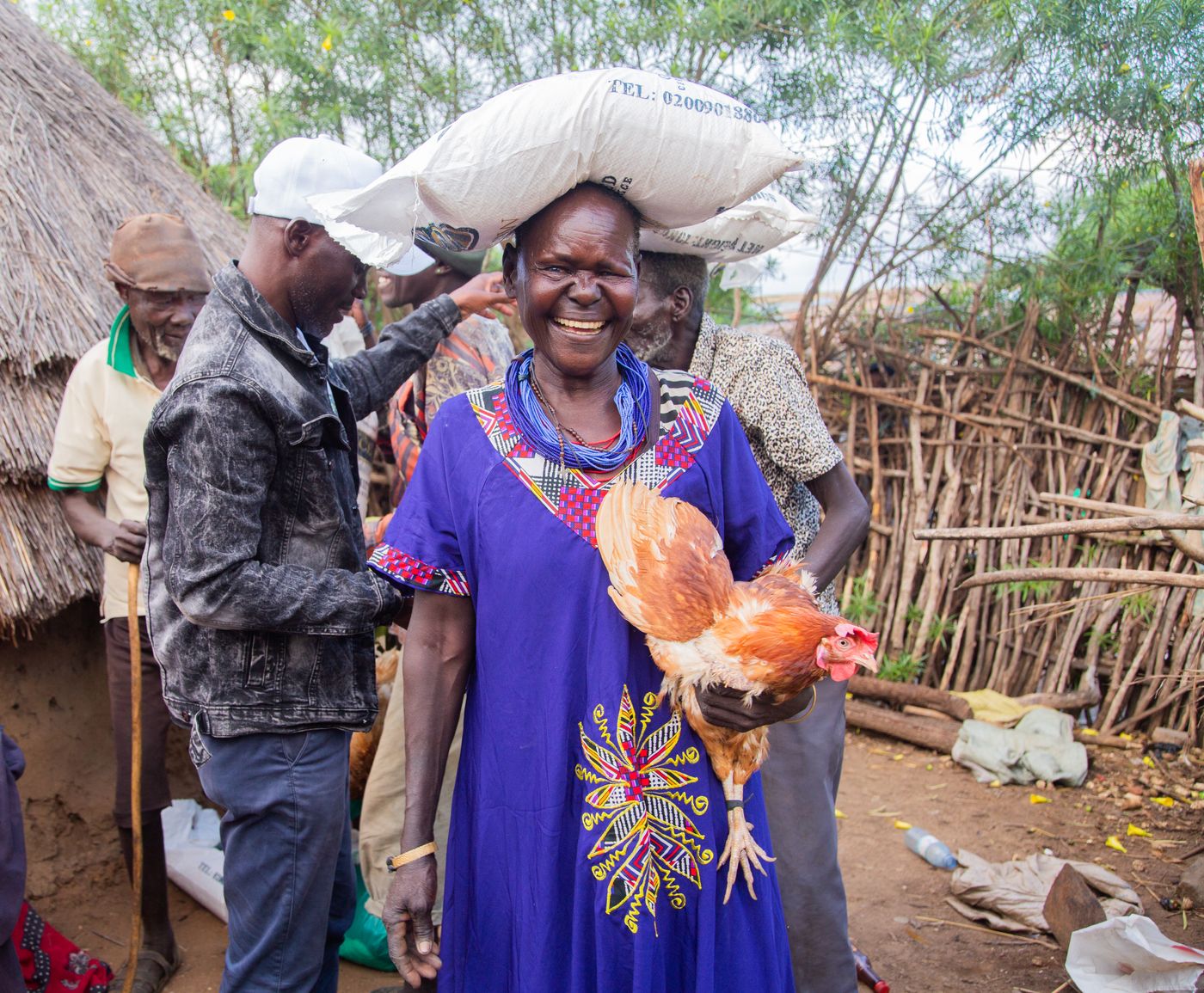
How many nest boxes your layers need, the right size and height, where to place them, lining, timing before first egg, and how to stop floor and dirty eggs.

Build straight farm walls: set out square with 3, 4, 5, dig to firm ground, batch mortar by bucket, lay corners first to a line and cover fresh work in rain.
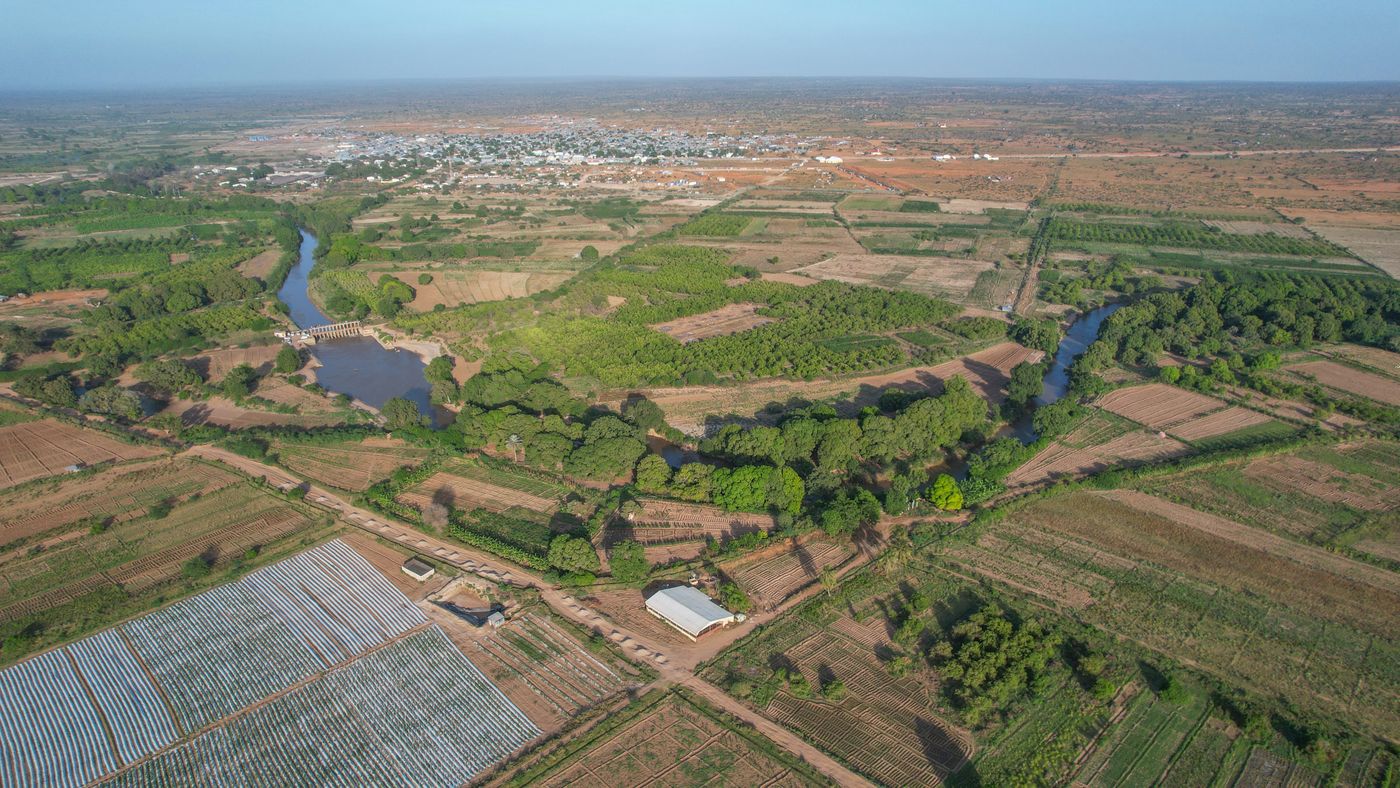
Furrow and basin irrigation done right: when it suits your farm, levelling and slope, furrow length and spacing, lay-flat hose and siphons, and the cut back method.

Make short rains go further with zai pits, tied ridges and half moons: how each works, sizes and spacing, laying out on the contour, tools and labour.
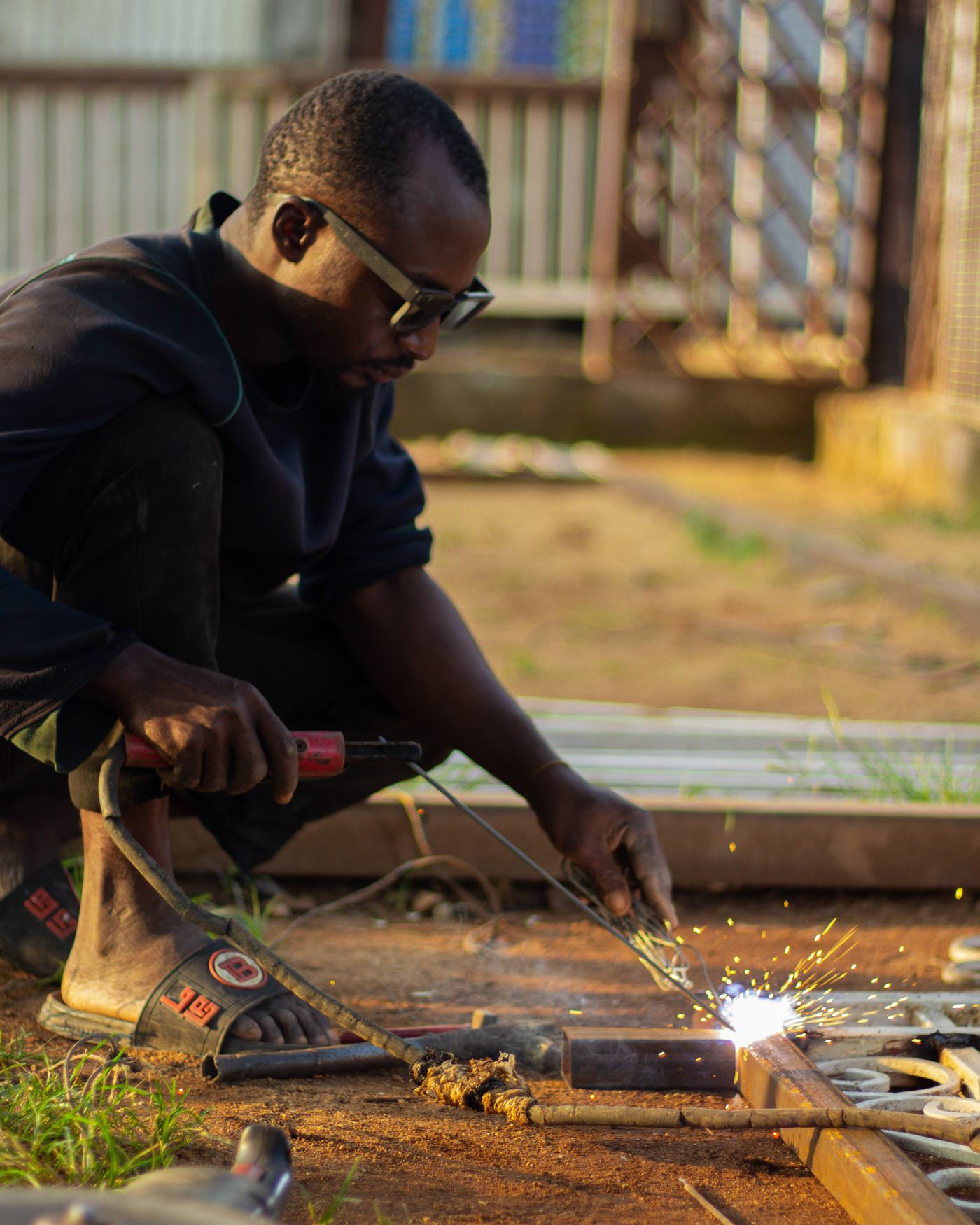
Stop welded gates, grills and tank stands rusting: clean slag and scale, prime the same day, stripe coat welds and edges, and paint only on dry, warm steel.
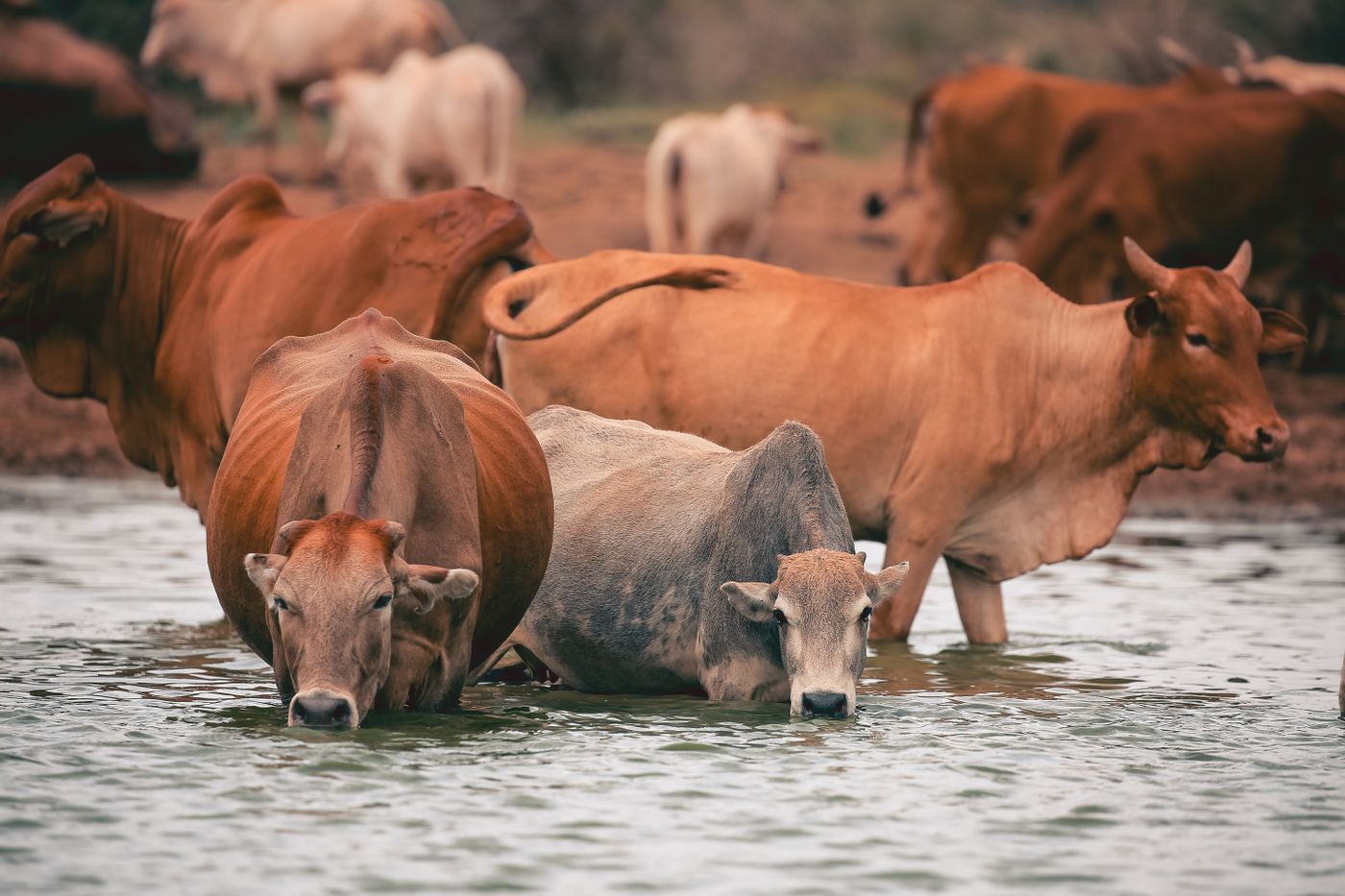
Catch short rains runoff in a farm water pan: choose the site, size it, build a silt trap and spillway, decide on a liner, cut evaporation and pump it out.

Keep grinders, drills and rotary hammers running: spot worn carbon brushes, replace them in pairs, clear dust from vents and store tools dry in the rains.
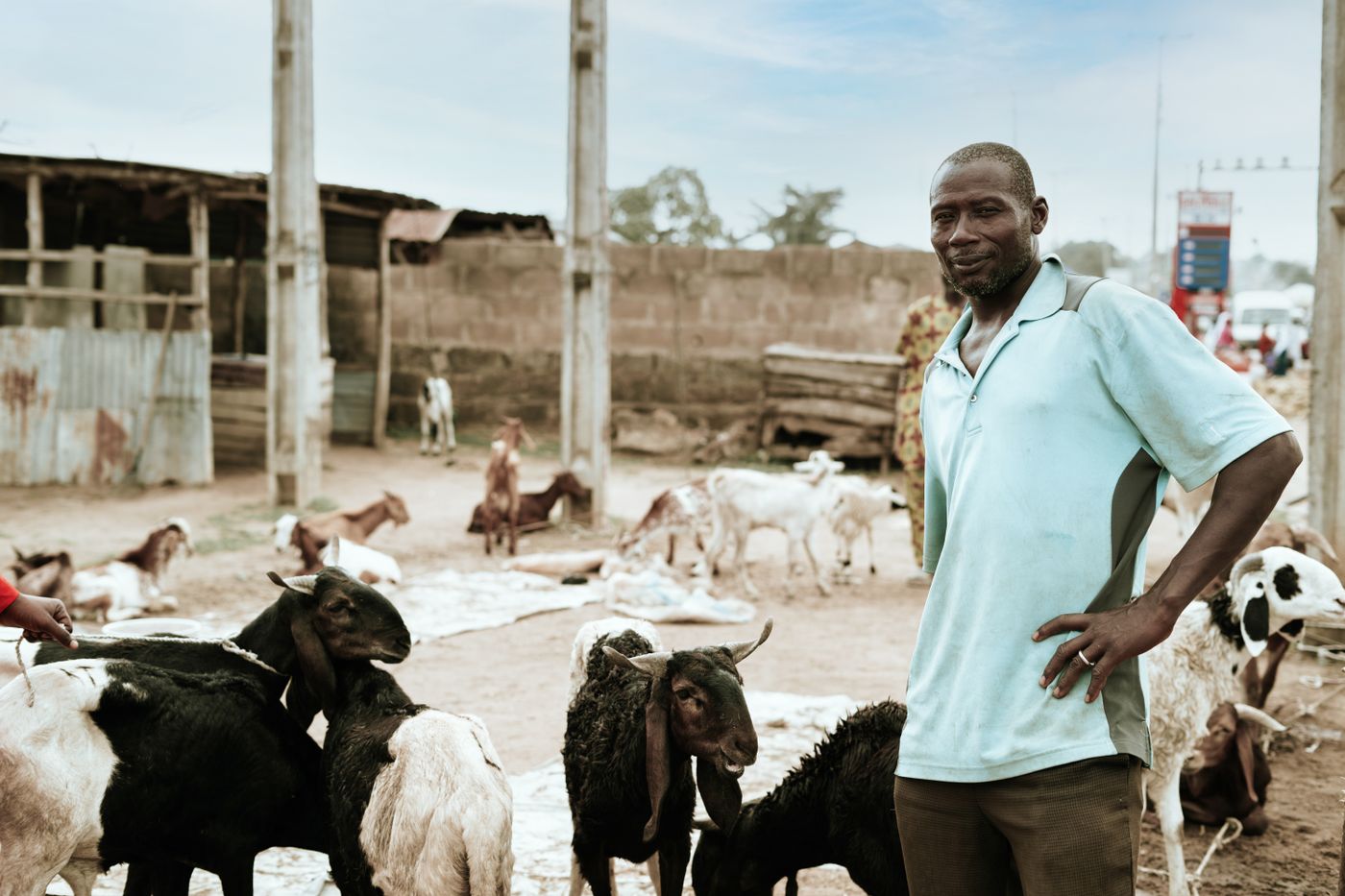
Check a goat's age from its teeth, feel body condition, run a nose-to-tail health check, price by weight, get the movement permit and isolate new goats.

Guard sorghum from birds, cut at the black layer, dry heads off the ground, thresh and clean well, store dry grain and mill it into flour for uji and ugali.
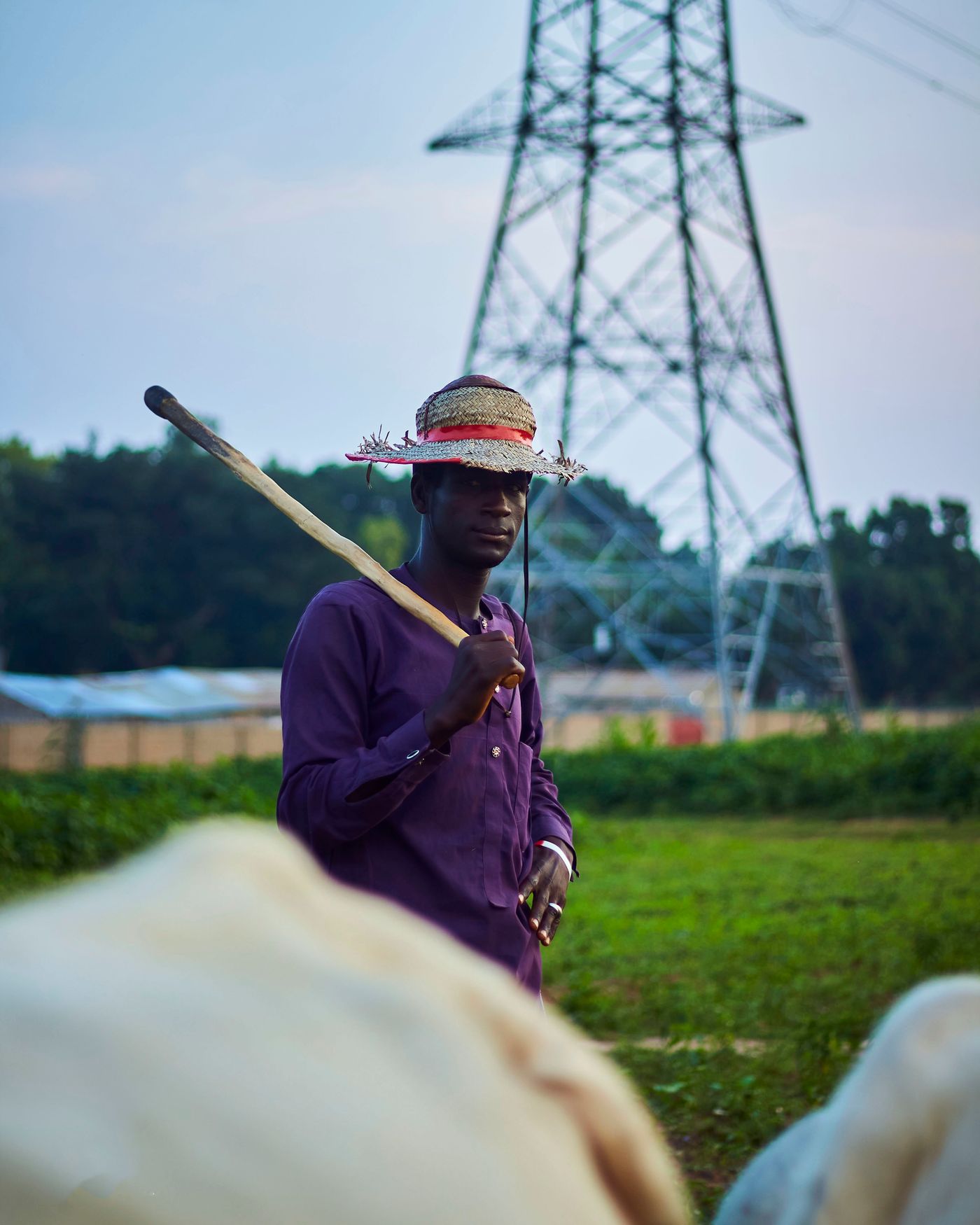
Should your farm connect to KPLC, go off-grid with solar or run a generator? How to compare the options over ten years, match them to your loads and plan a hybrid.

Raise weaners to market weight in Kenya: choose healthy pigs, keep pens dry and cool, feed by stage, never run out of water, weigh often and sell by weight.
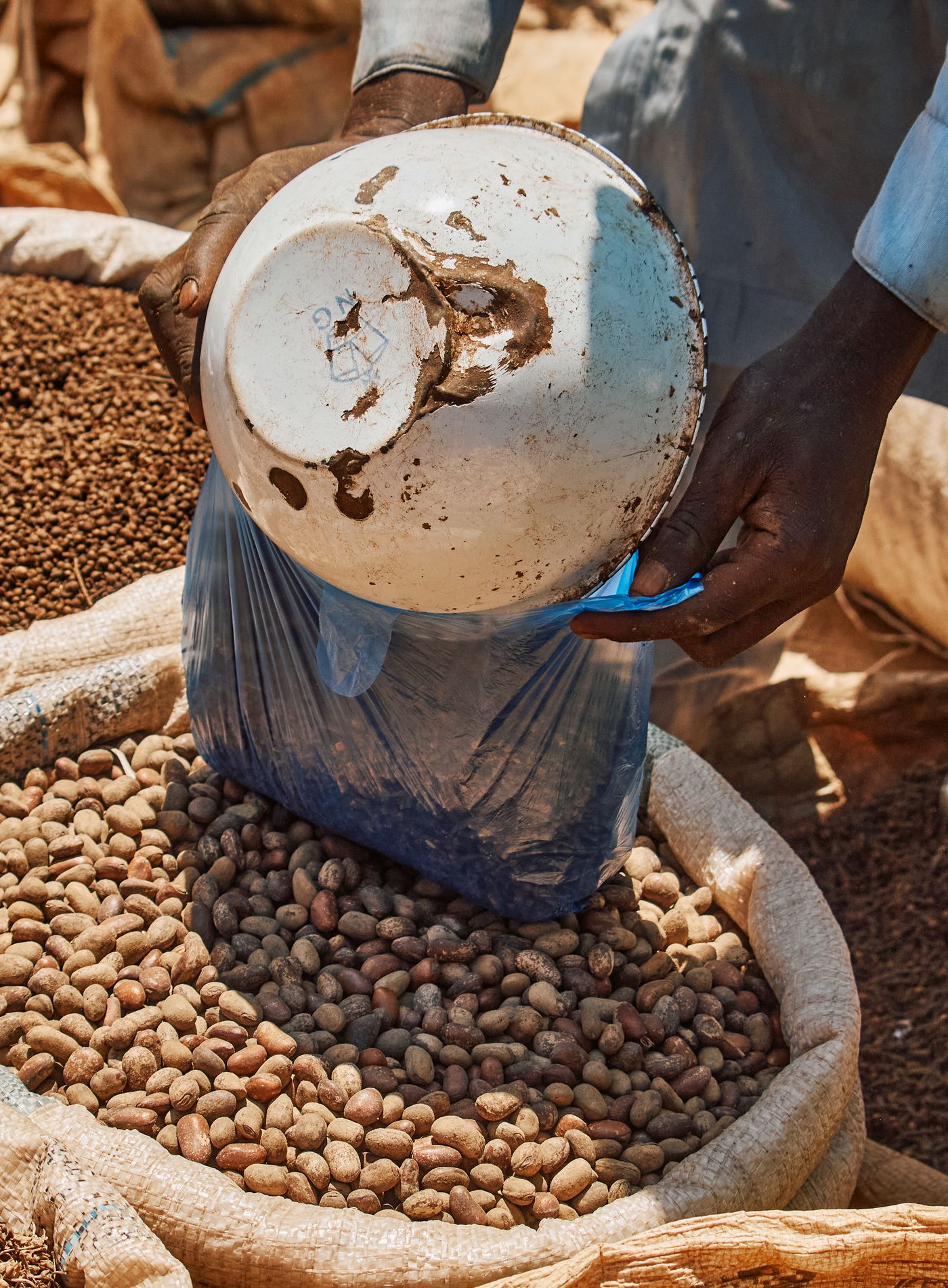
Lift groundnuts on time, dry pods fast and off the ground, never soak before shelling, sort out risky nuts and store dry to keep aflatoxin out of your crop.

How to choose a solar installer in Kenya: check the EPRA licence, demand an itemised quote, compare quotes fairly, watch installation day and get the right handover papers.

Spot heat in dairy cows, watch at the right times, use the morning and evening rule for AI, and keep the records that get cows back in calf on time.

Grow green grams in the short rains: plant early in rows, pick dark pods before they shatter, dry off the ground, sort, and store dry seed safe from bruchids.
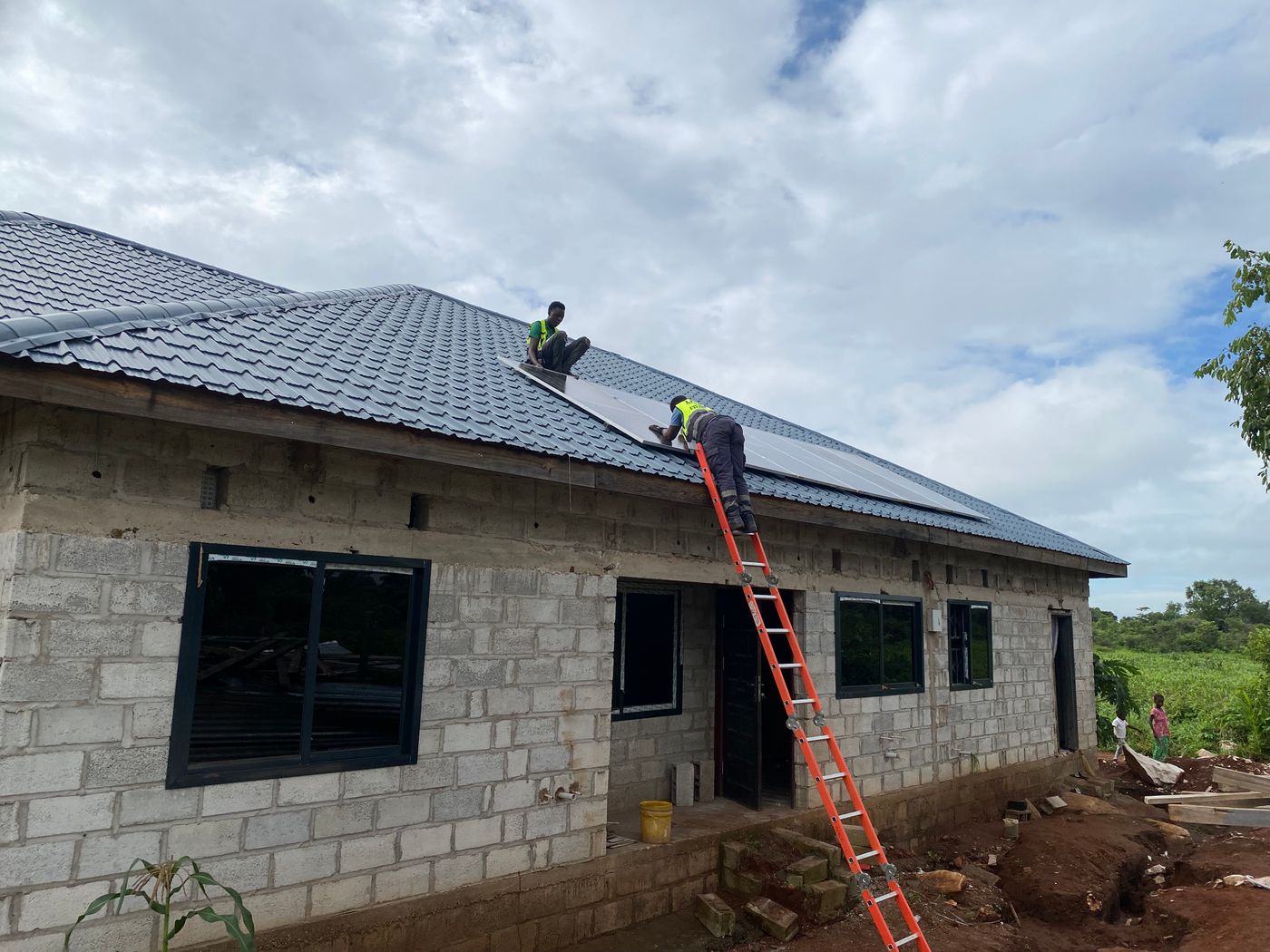
Which way should solar panels face in Kenya, how much tilt they need, how to avoid shade, and how to fix roof, ground and pole mounts so storms cannot move them.

Decide when to irrigate and for how long using a rain gauge, a bucket test and the soil feel test, so crops get enough water in a dry spell without waste.
How to measure and record each cow's milk with a bucket, can or scale, read the lactation curve, catch sick cows early, feed to yield and check every litre is paid.
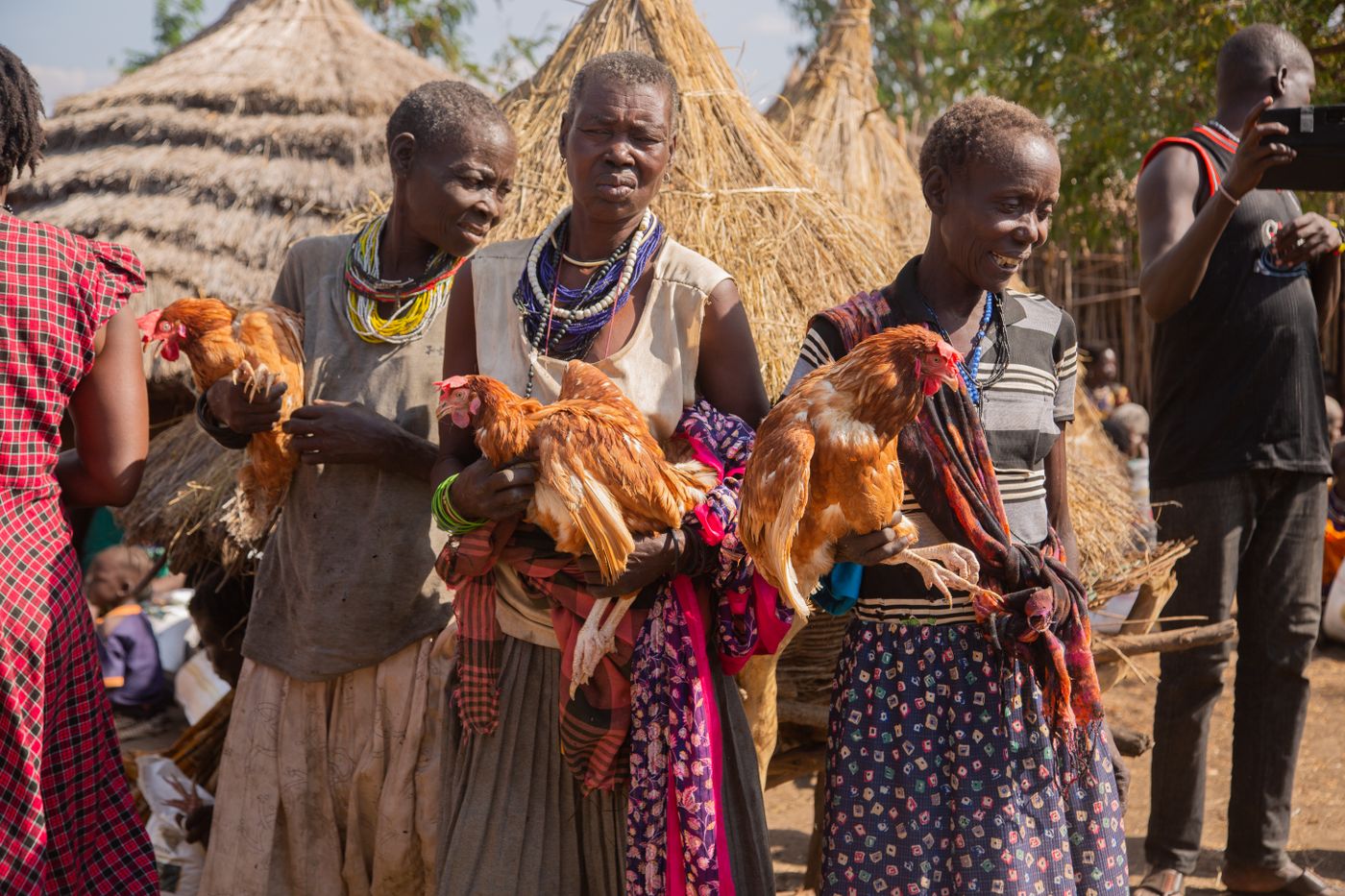
Spot non-laying hens by comb, vent and pubic bones, use egg records to decide when to cull, see the feed saved per egg and sell culled birds safely.
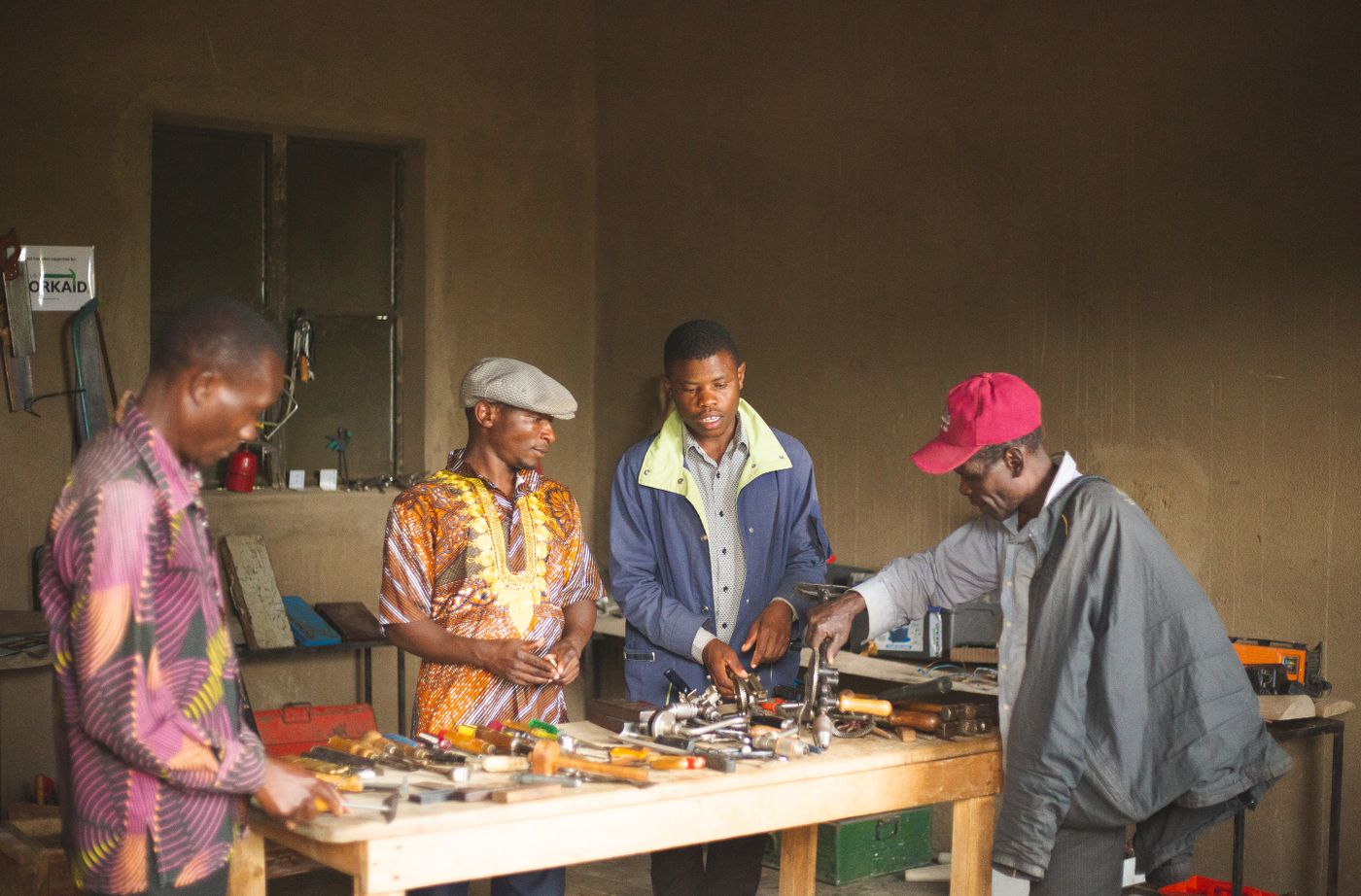
Build a rigid welded steel workbench at the right height, choose and bolt down a bench vice, add the right clamps and keep it all rust-free in the rains.

How much water dairy cows and goats need, troughs versus automatic drinking bowls, where to fix them so they stay clean, and how to size the tank behind them.
What a 1 to 3.5 kVA generator can really run, where to place it safely in the rains, how to handle petrol and connect to the house, and the care that keeps it starting.

Harvest Irish potatoes without bruising, cure them, stop greening and early sprouting, store seed in diffused light, and weigh every bag before you sell.

Keep Muscovy ducks profitably: a dry night house, the right deep drinkers, feeding without mess, brooding ducklings in the rains and hatching duck eggs.
How to choose sheet gauge, cut, fold, hem, rivet and weld sheet metal troughs and gutters that do not leak or rust, plus safe work with galvanised steel.
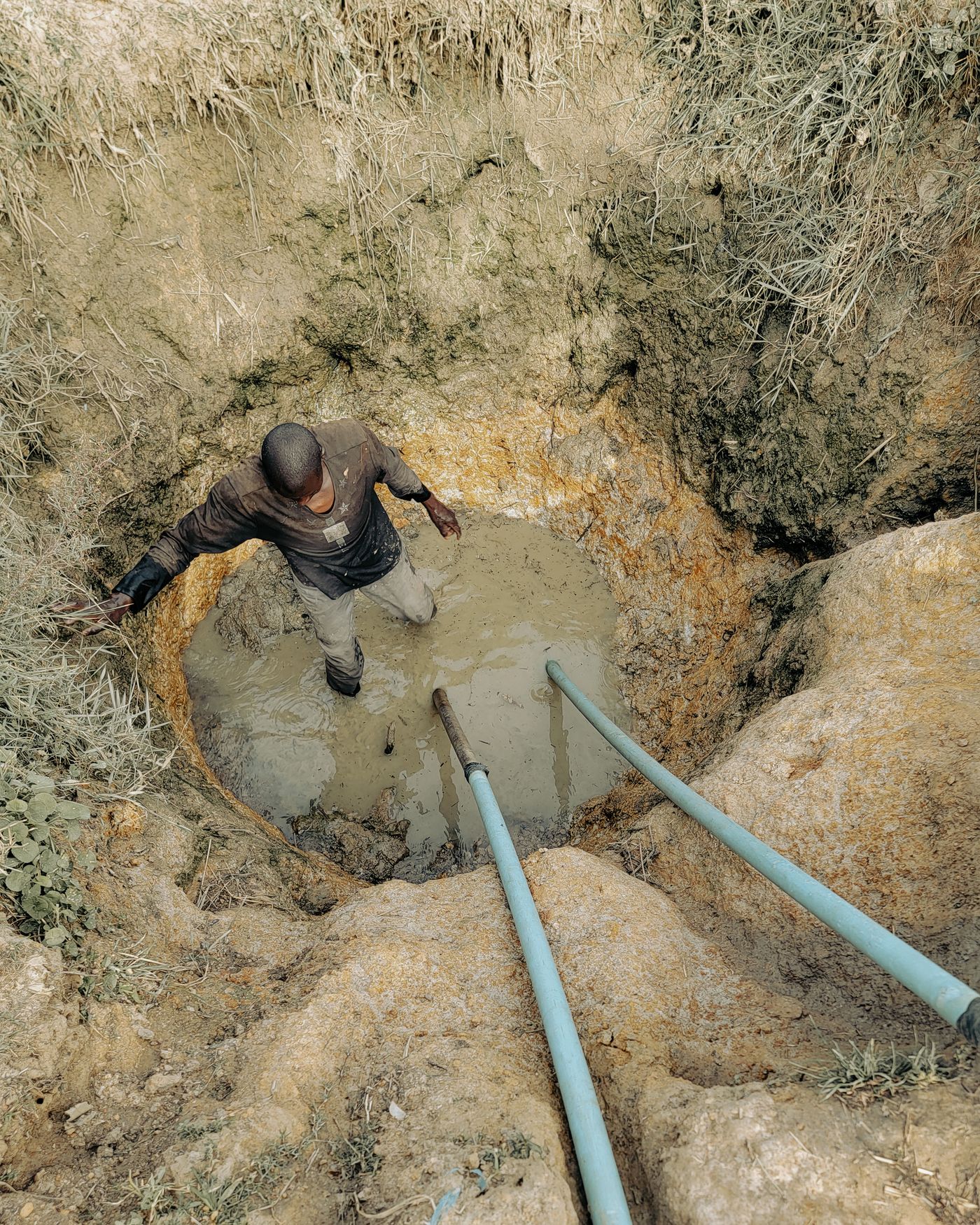
Lay a farm HDPE water main that does not leak: read the pipe markings, make compression joints properly, bury and test the line, and repair it fast.
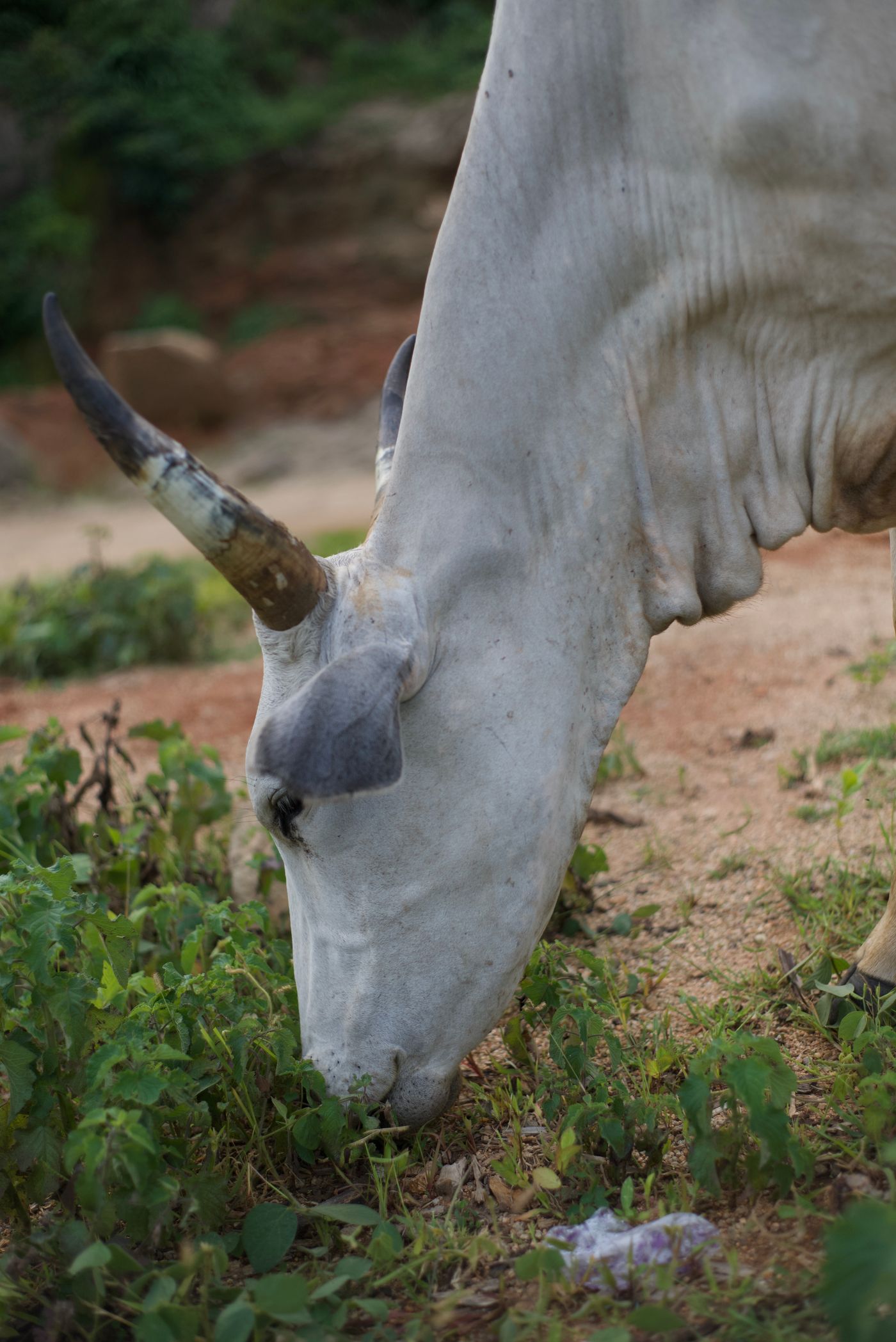
How dairy cows swallow nails and wire, why chopped fodder raises the risk, what a rumen magnet does and does not do, when to give one and the signs to call a vet.
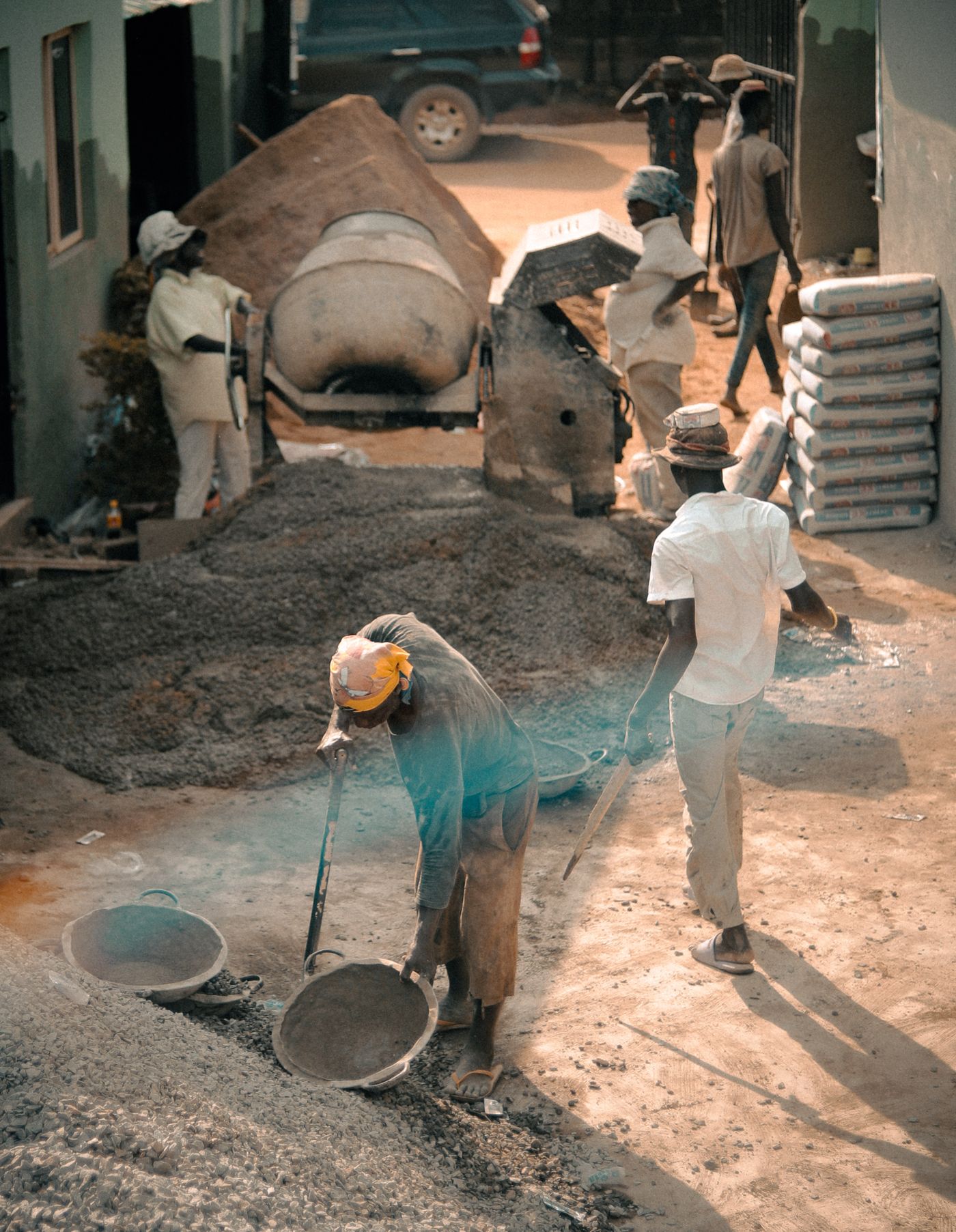
Mix ratios for farm floors, tank bases and troughs, how many cement bags to buy, the right way to hand-mix, when to hire a mixer, and curing in the rains.
Stake and trellis open-field tomatoes in Kenya: pick a support system for your variety, build a stake and string row, prune suckers and cut blight losses.
Weigh a broiler sample weekly, read average and uniformity against your strain chart, plan stocking in kg per square metre and fix feeder and drinker space.

Series or parallel, which PV cable size, how to crimp MC4 and use Y connectors, and the fuses, isolator and earthing a farm solar array needs to be safe.

Low voltage and spikes on KPLC lines burn out fridges, coolers, pumps and incubators. What a stabilizer does, how to size one in kVA, and how to use it well.
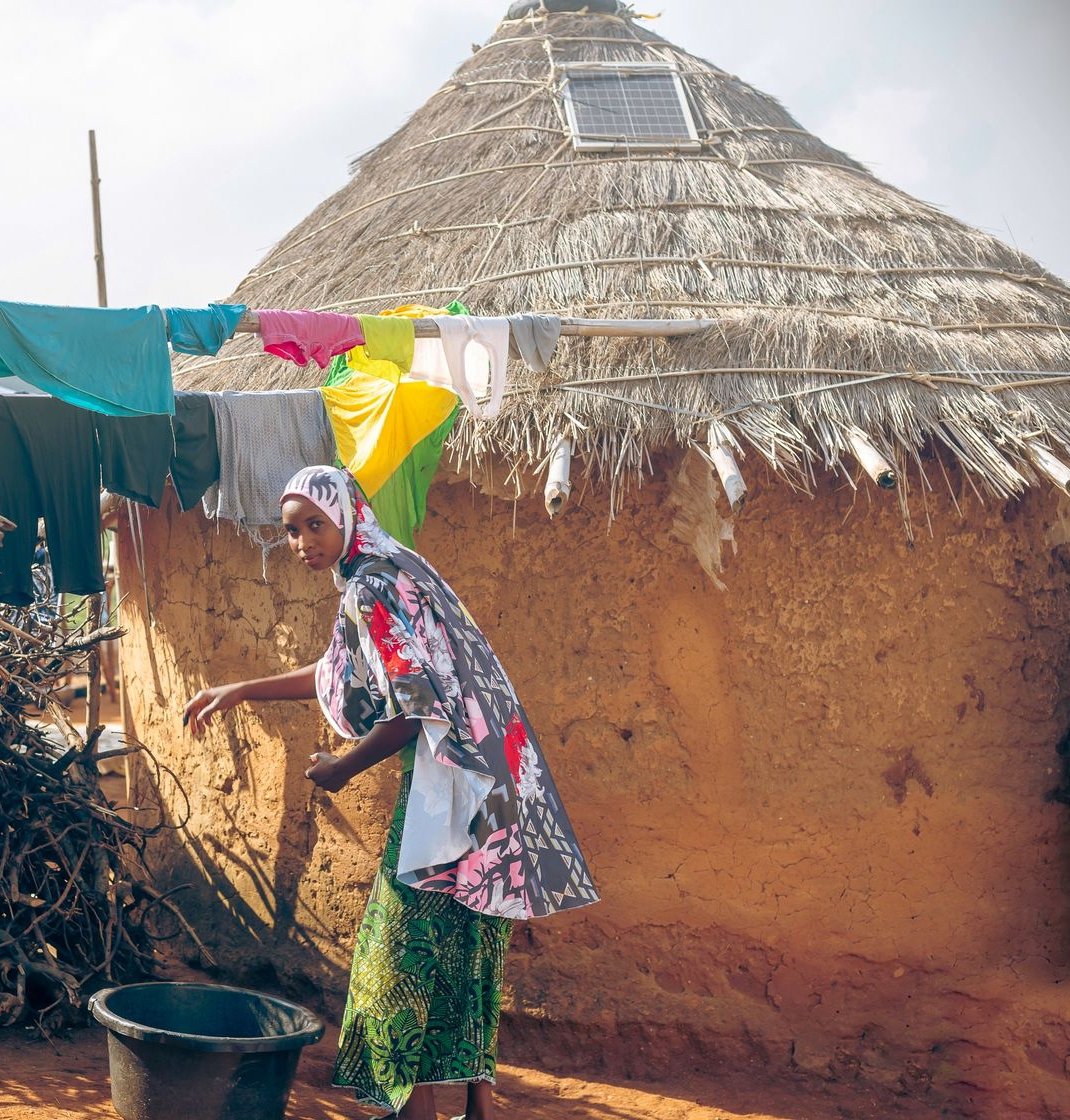
PWM or MPPT? How to size a solar charge controller for amps and cold-morning volts, match it to a lithium or lead acid battery, and install it safely.

Harvest short rains beans at the right time, dry them off the ground, thresh without cracking seed, sort for a better price and weigh every bag.

Find fall armyworm early in short rains maize with a simple W scouting routine, then spray the whorl correctly with the right knapsack and nozzle.
When to weed maize and beans in the short rains, how to use a jembe without hurting the crop, and when a weeder tiller pays on a Kenyan smallholding.

Fix loose hammer, axe and sledge heads in Kenya: why heads loosen, choosing a handle, fitting and wedging it step by step, head weights and striking safety.
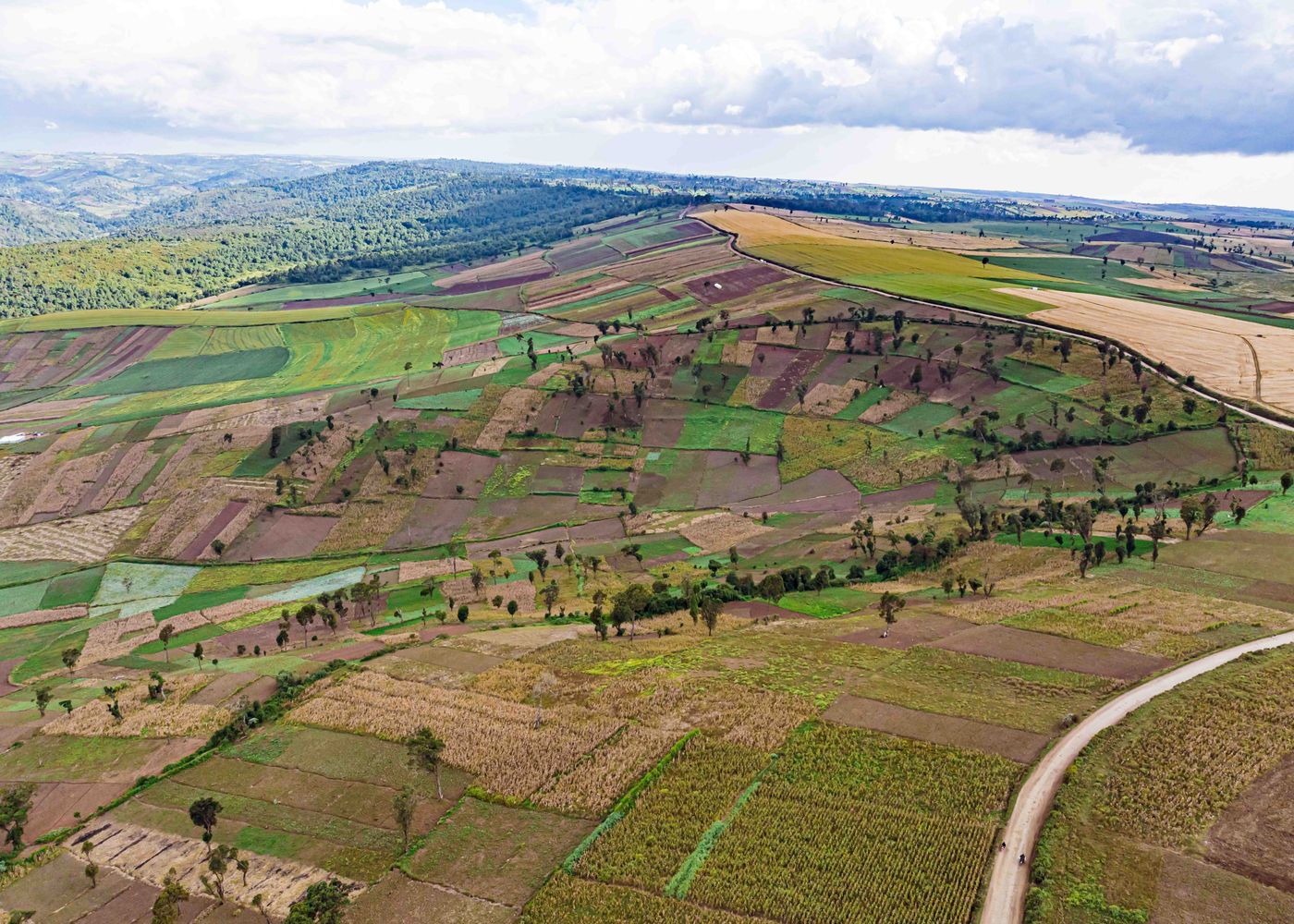
How to use a water level pipe on a Kenyan farm: check it, measure slope, peg contour lines for fanya juu, set drain and furrow gradients, measure head.

Sheep shearing in Kenya: hand blades or electric shears, when to shear, preparing the flock, avoiding cuts, crutching, fleece handling and equipment care.
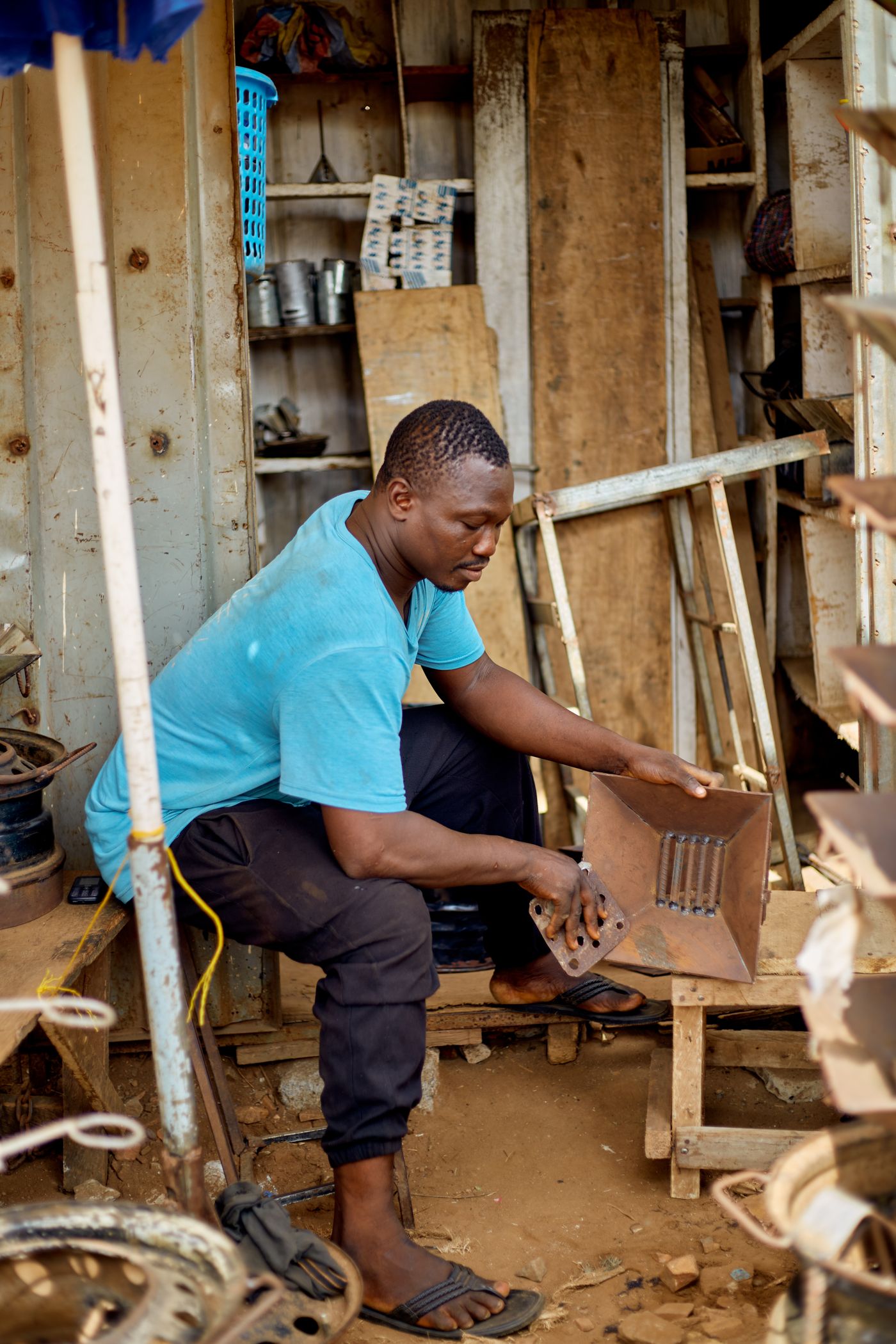
Cut and finish metal by hand in a Kenyan workshop: hacksaw blade TPI and fitting, cutting straight, choosing flat, triangle and round files, filing, safety.

Hose sprinklers for Kenyan gardens and plots: impact versus spinner, pressure and hose size, part-circle arcs, moving patterns and the tin test.

Stop feather pecking and cannibalism in Kenyan layer and kienyeji flocks: causes, high-risk stages, first response, house fixes and where beak trimming fits.

Use a jigsaw and finishing sander well in a Kenyan joinery shop: blade TPI, clean curves, sink cut-outs, sanding grit order, a swirl-free finish, dust safety.
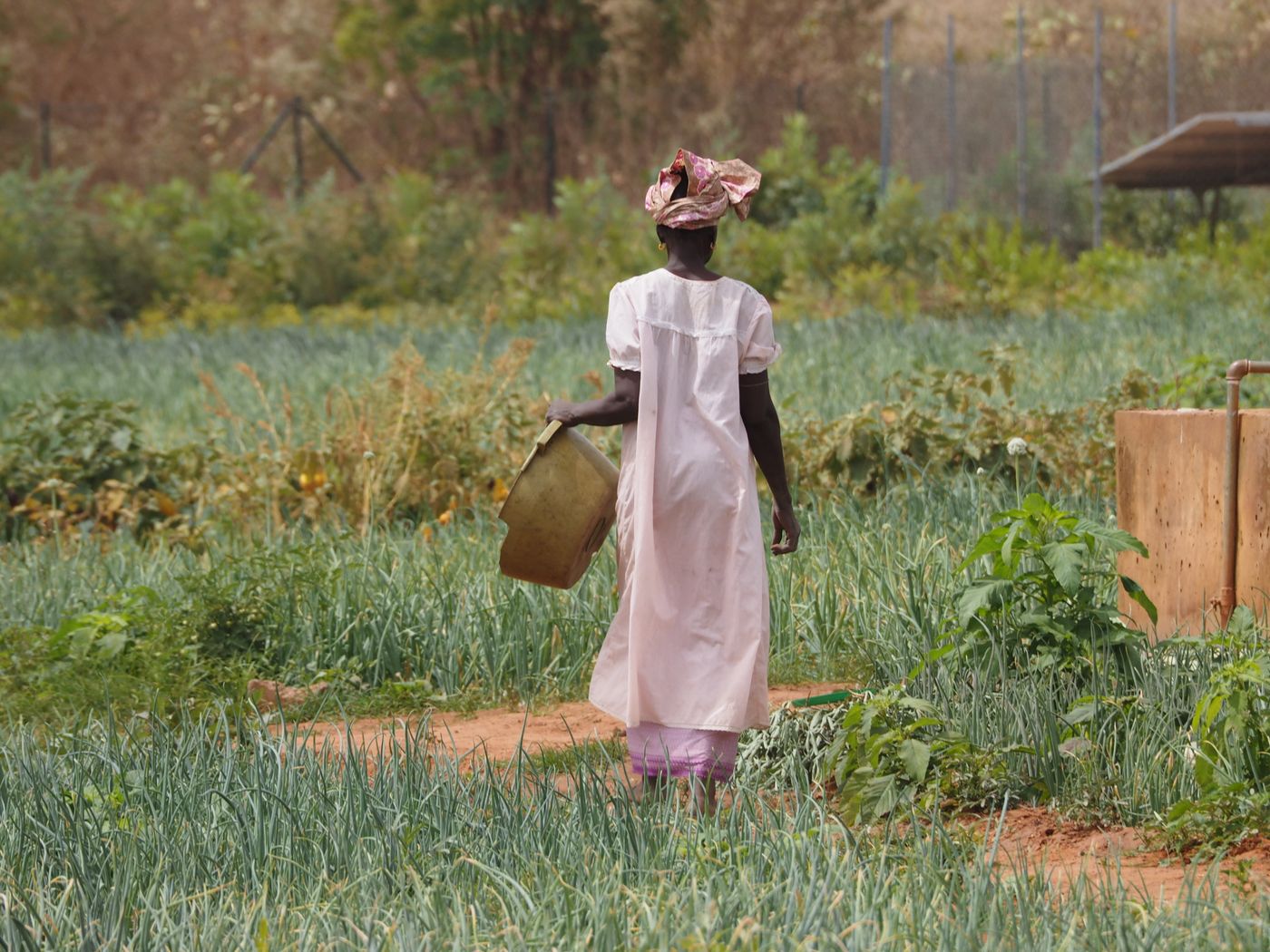
How to install drip irrigation on a Kenyan vegetable plot: head unit order, submain, laterals along the contour, line length, flushing and run times.
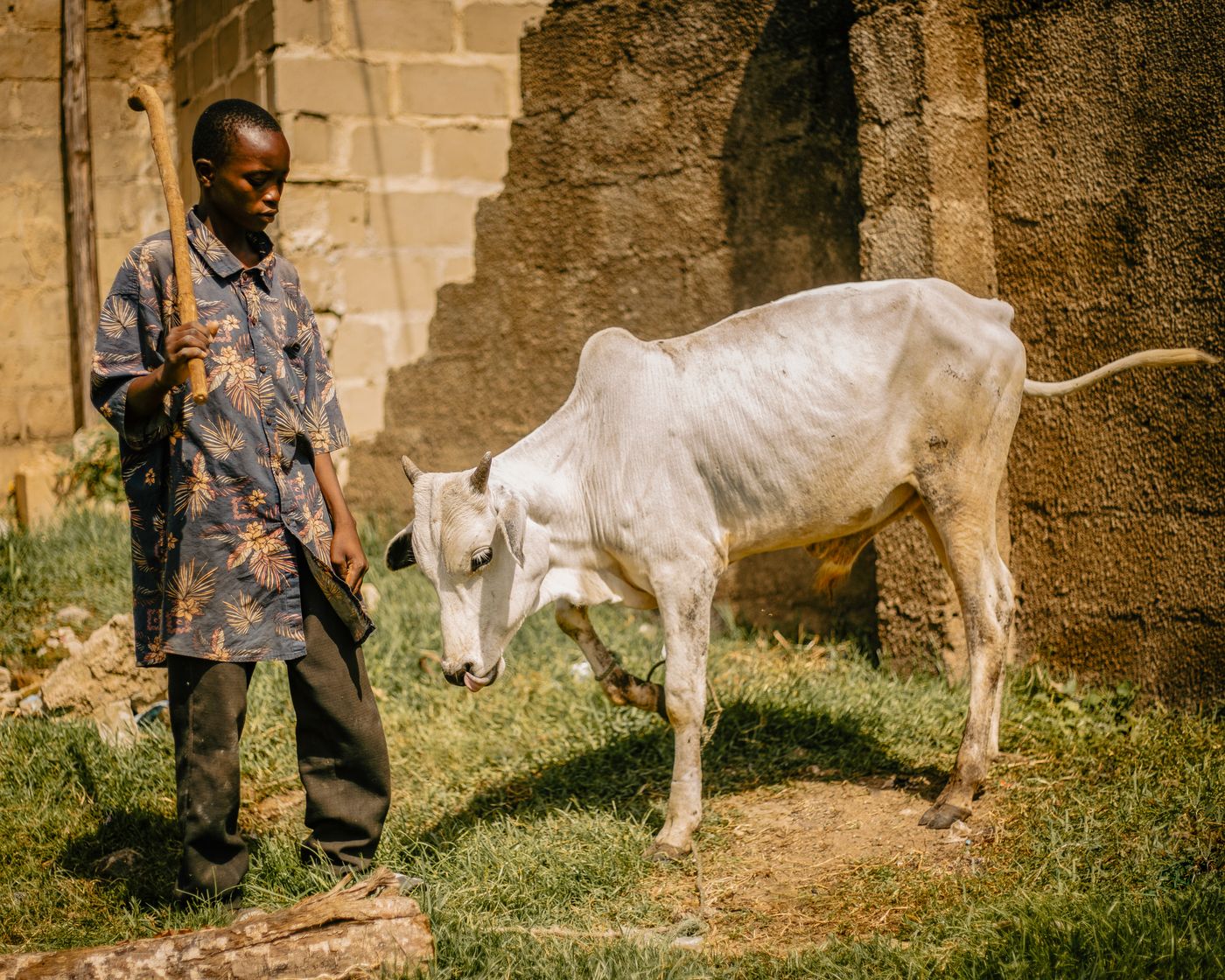
How to weigh cattle with a heart girth tape in Kenya: taking a reliable reading, where tapes go wrong, and using weights for dosing, feeding and selling.
How dust and bird droppings cut solar output, how to measure the loss, clean panels safely with little water, and check mounts, wiring and batteries in Kenya.

Store, protect and track a small workshop's tools in Kenya: shadow boards, rust prevention in the rains, marking against theft, safe charging and inventory.
Establish Napier grass in the short rains and cut it right for zero-grazing: clean canes, spacing, cutting height, chopping and how much one cow needs.

Keep dairy meal, layers mash and home-mixed rations safe through the rains: damp, moulds and aflatoxin, rodents and weevils, pallets, bins and a weekly check.

Planting maize and beans in Kenya's short rains: testing the planting rain, seed rate from spacing, intercrop layout, marking rows and gap filling on time.
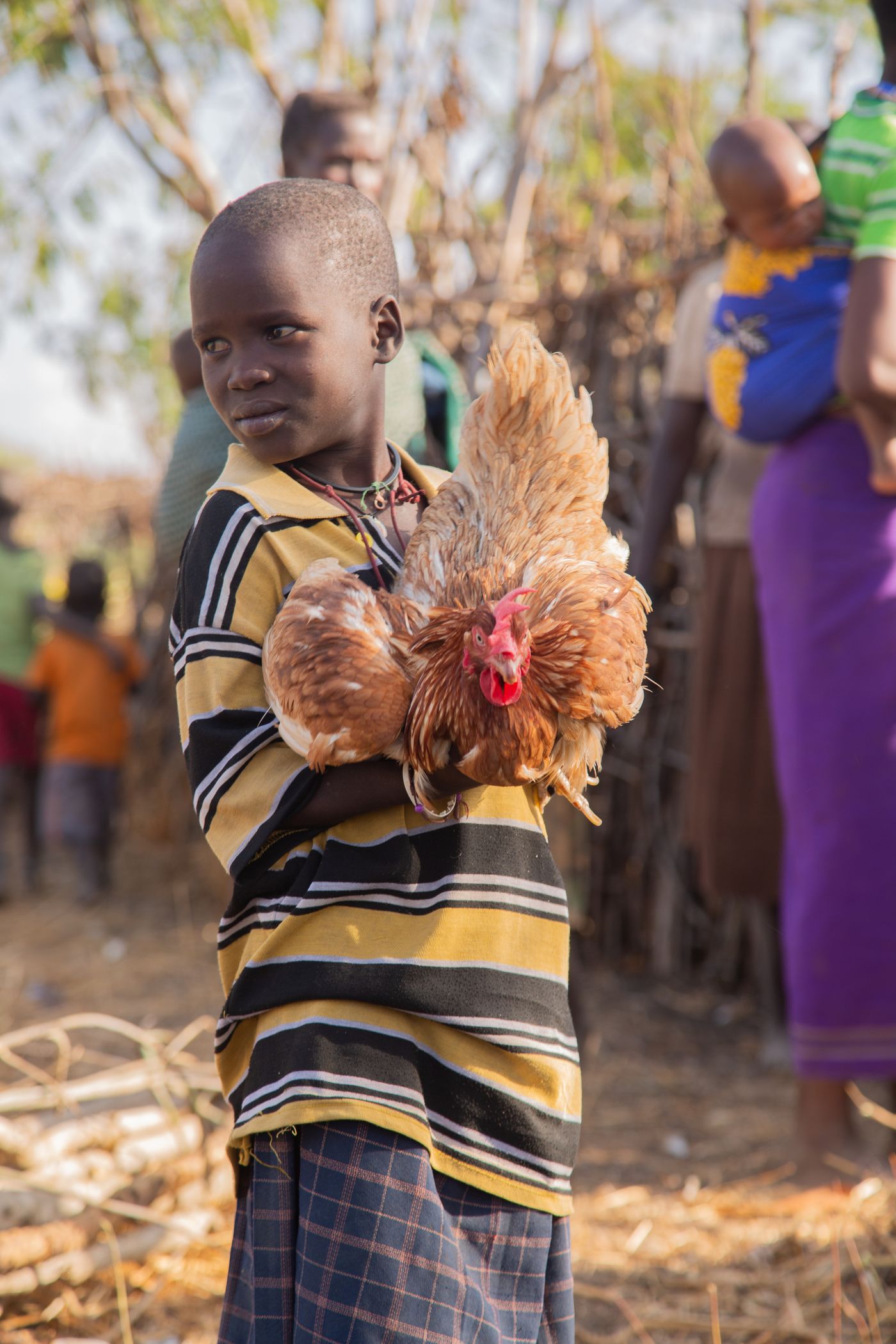
Move improved kienyeji from free range to semi-intensive: night house, perches, nests, feeders, drinkers, chick crates, egg trays and what to buy first.
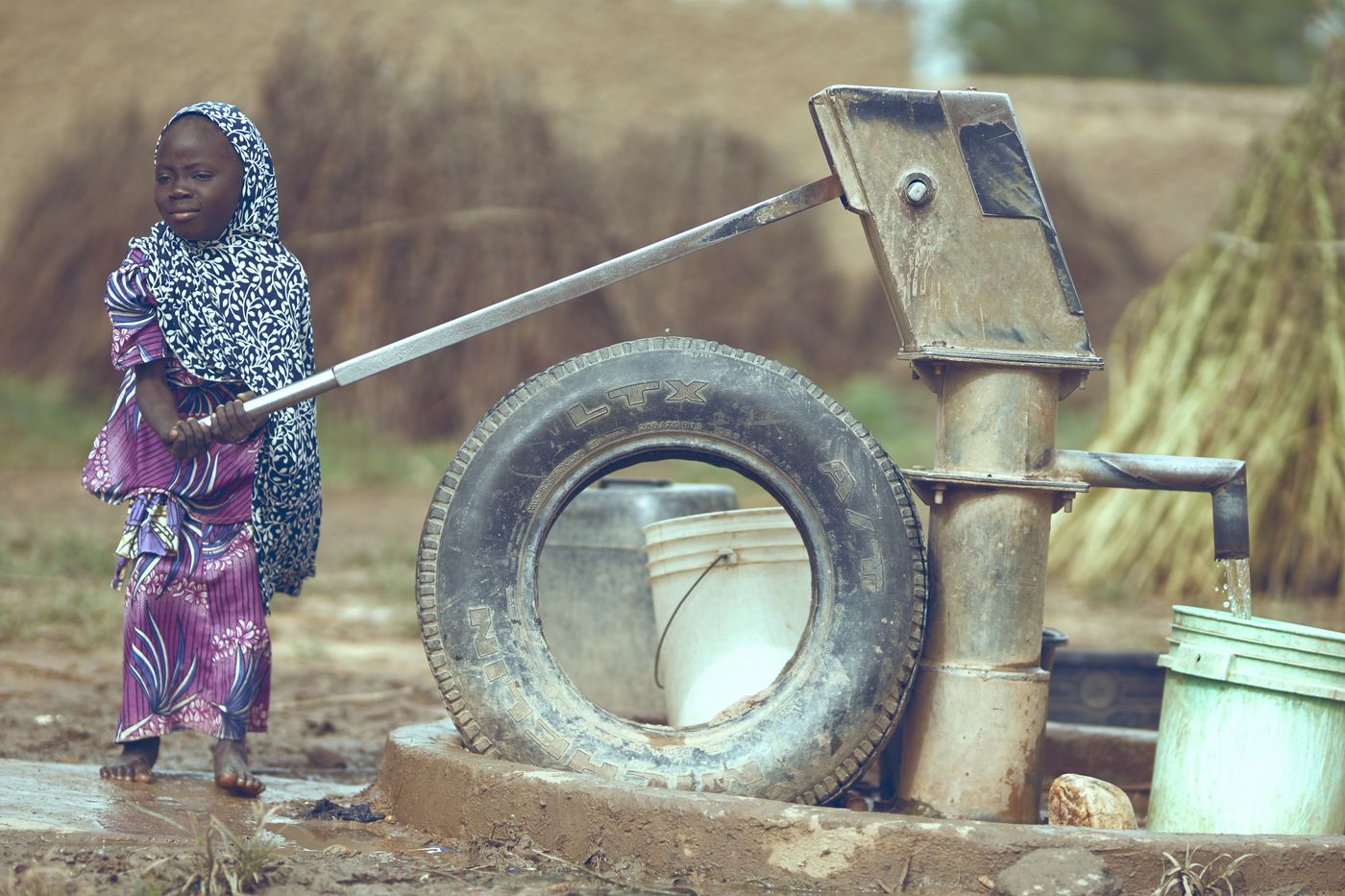
Surface pump will not prime or keeps losing prime? Check suction lift at your altitude, the foot valve and strainer, suction leaks and airlocks, in order.
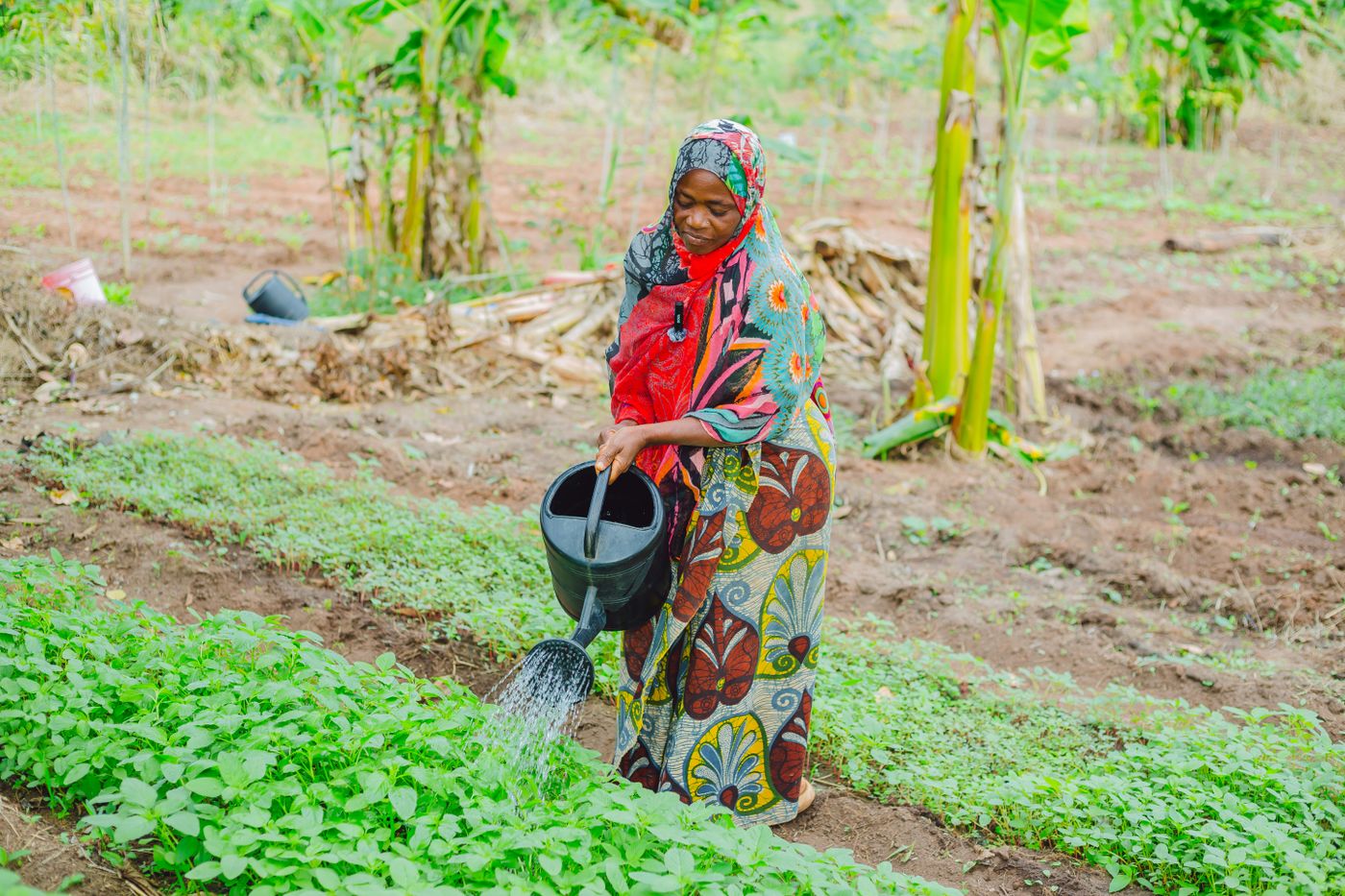
Micro sprinklers for seedling nurseries and leafy vegetable beds in Kenya: head-to-head spacing, pressure, application rate, rainy-season timing, filters.

Small submersible solar pumps for shallow wells, low-head boreholes and water pans in Kenya: head, daily volume, panels, tank storage, short rains.
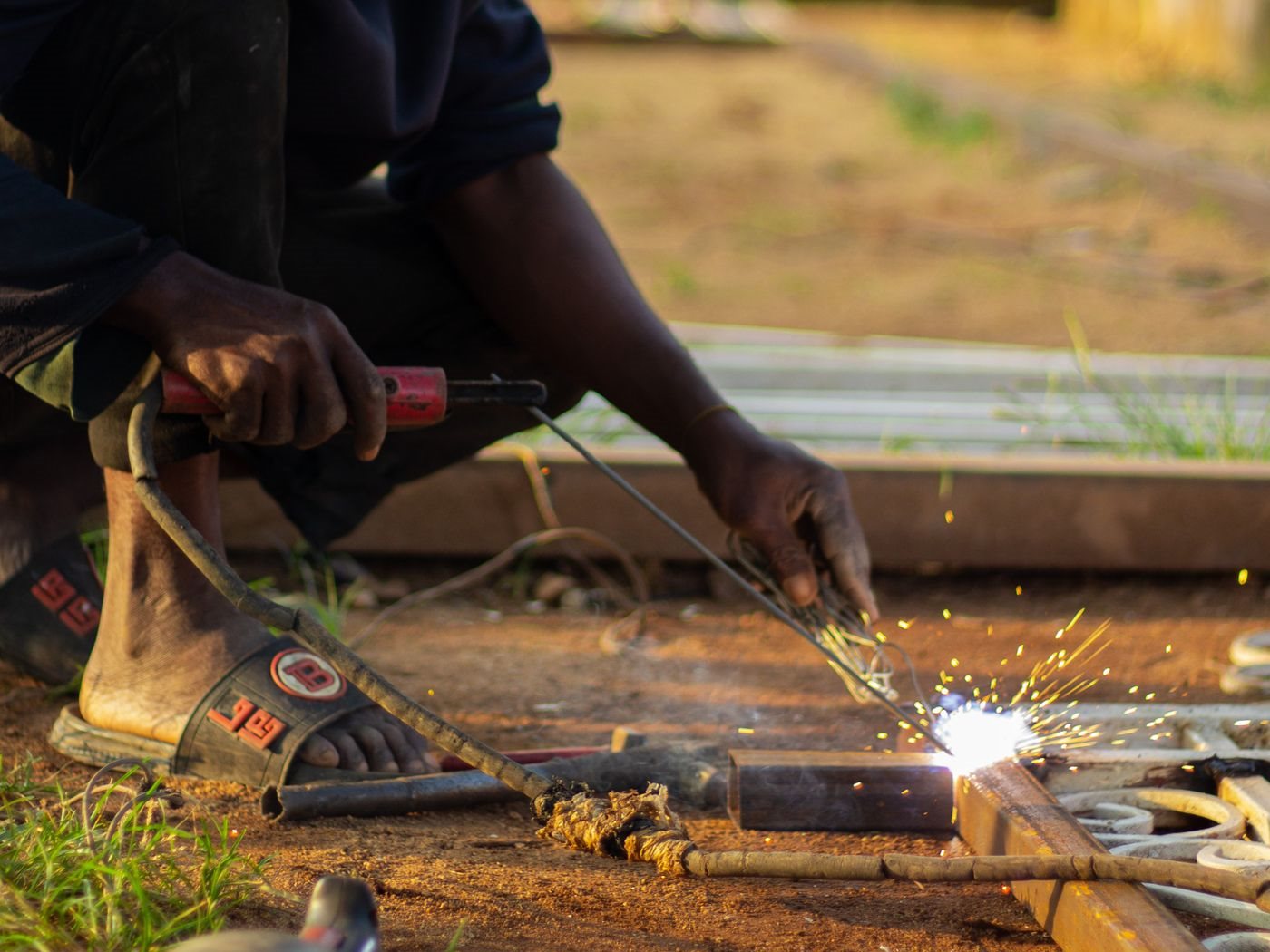
Weld gates, cages and stands square: magnetic welding holders, clamping, the diagonal check, tack sequence and distortion control for Kenyan workshops.

Measure temperature and humidity in brooders and poultry houses: where to hang instruments, rule-of-thumb ranges, min/max readings and cold rainy nights.

Keep incubators, milk coolers, brooders and pumps going through KPLC blackouts: what to back up, battery run-time maths, inverters and safe switch-over.

Manual tile cutter or angle grinder for floor and wall tiles in Kenya: straight cuts, notches, porcelain, large-format tiles, chipping, dust and cost.
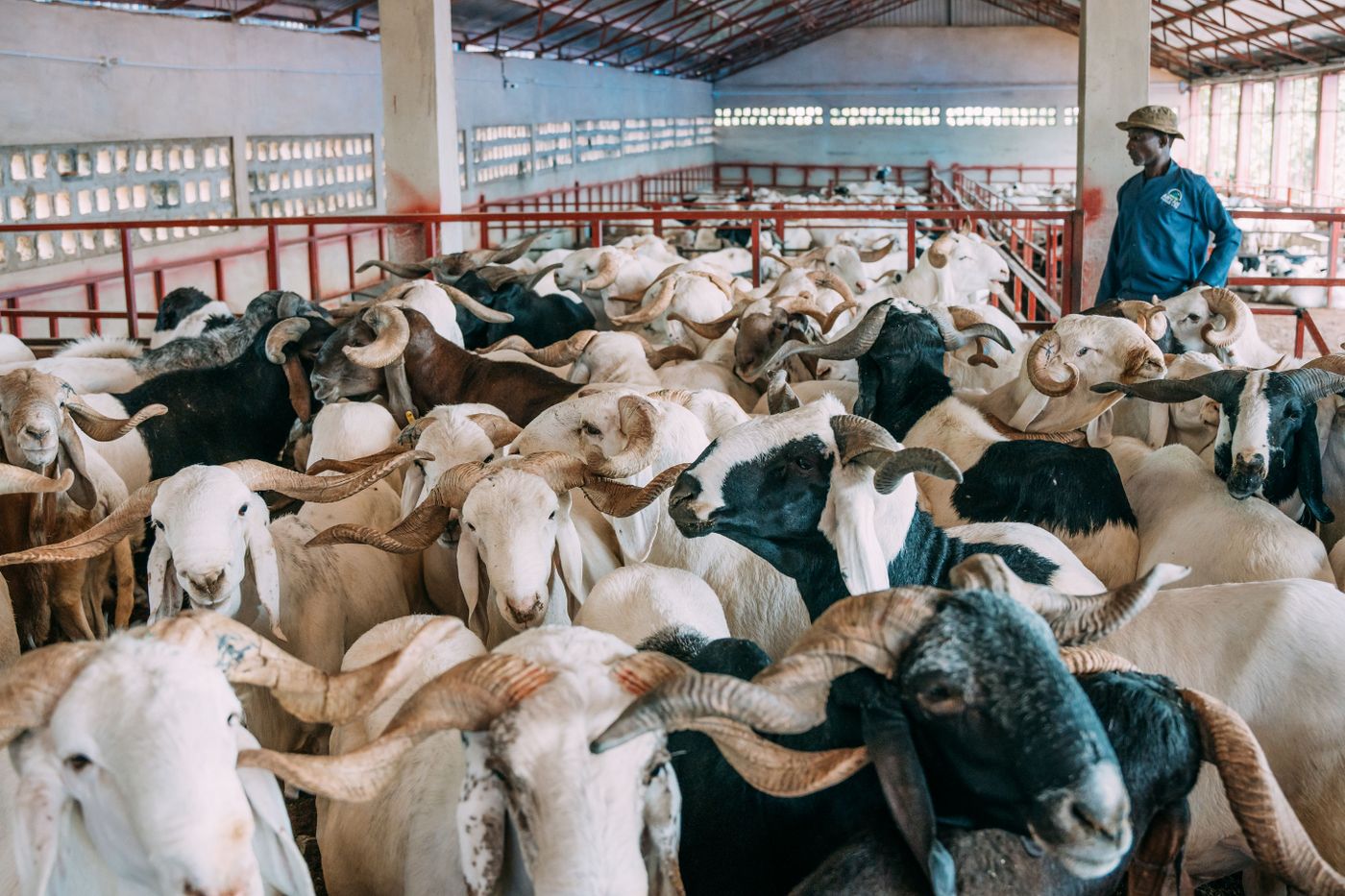
Routine goat and sheep care in Kenya: when and how to trim hooves, foot rot in the short rains, ear tags and records, drinking bowls and safe handling.
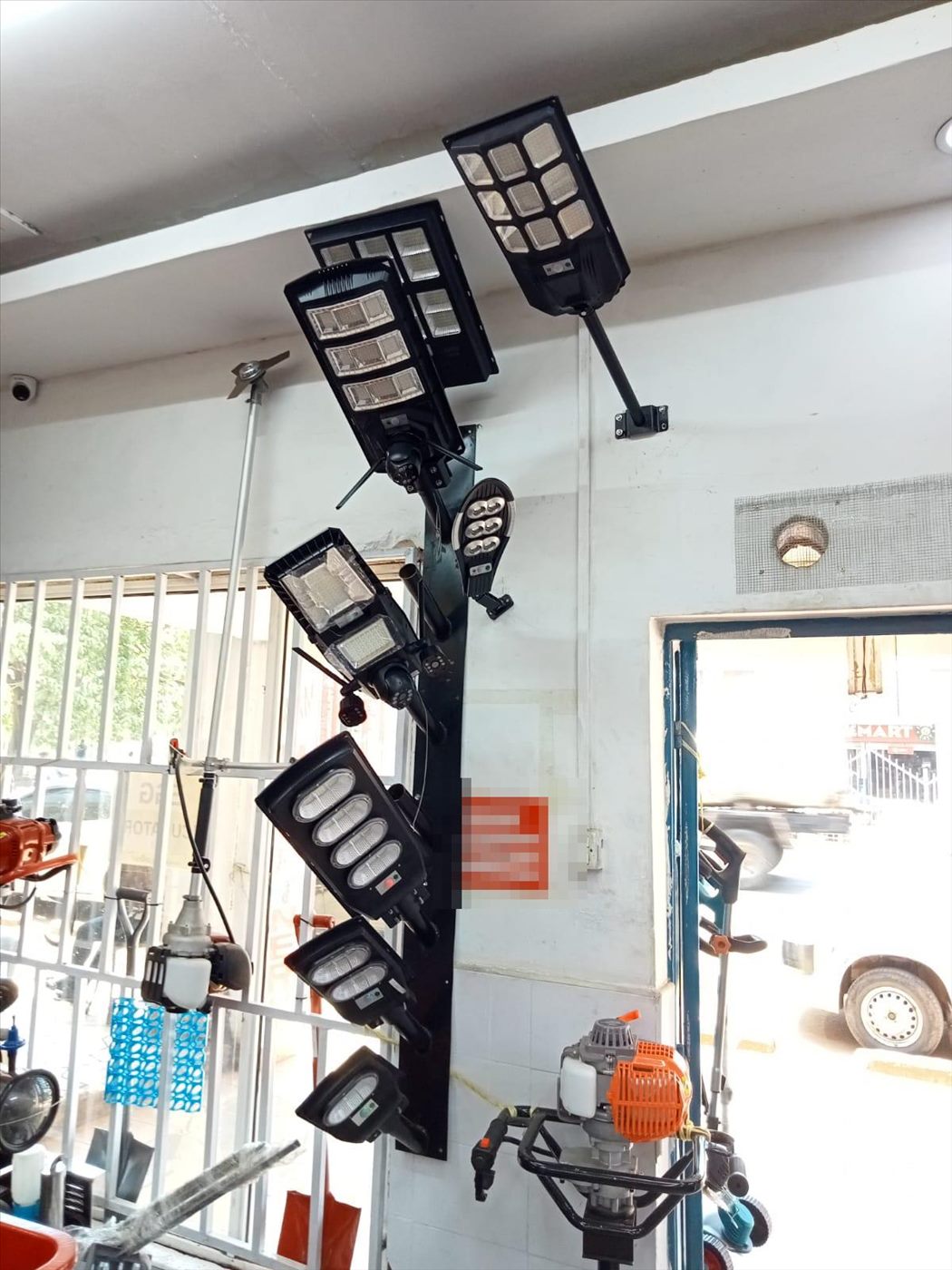
Solar street lights for a farm compound, gate, dairy unit or school in Kenya: choosing size, pole height and spacing, lasting the rains, theft-proof mounting.

Why solar output drops in Kenya's rainy season, how days of autonomy size the battery bank, which loads to cut first, pump timing and when a hybrid is honest.
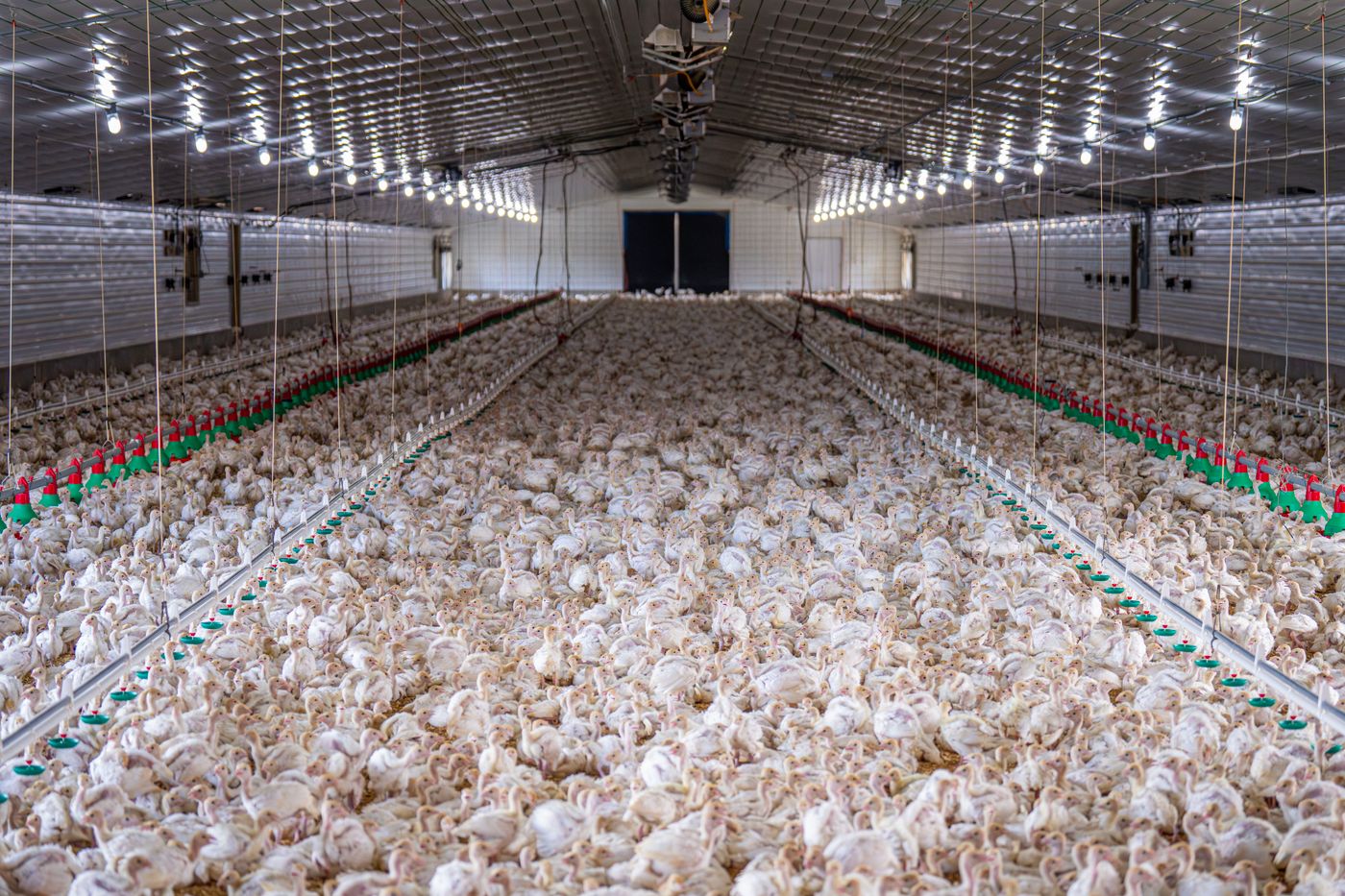
Move live birds in Kenya without dead-on-arrival losses: crate ventilation, birds per crate by weight and heat, catching at dawn, stacking and the vehicle.

Chop saw or angle grinder for steel bar, tube and angle in a Kenyan workshop: where each wins, disc size and depth of cut, safe clamping, sparks and fire.
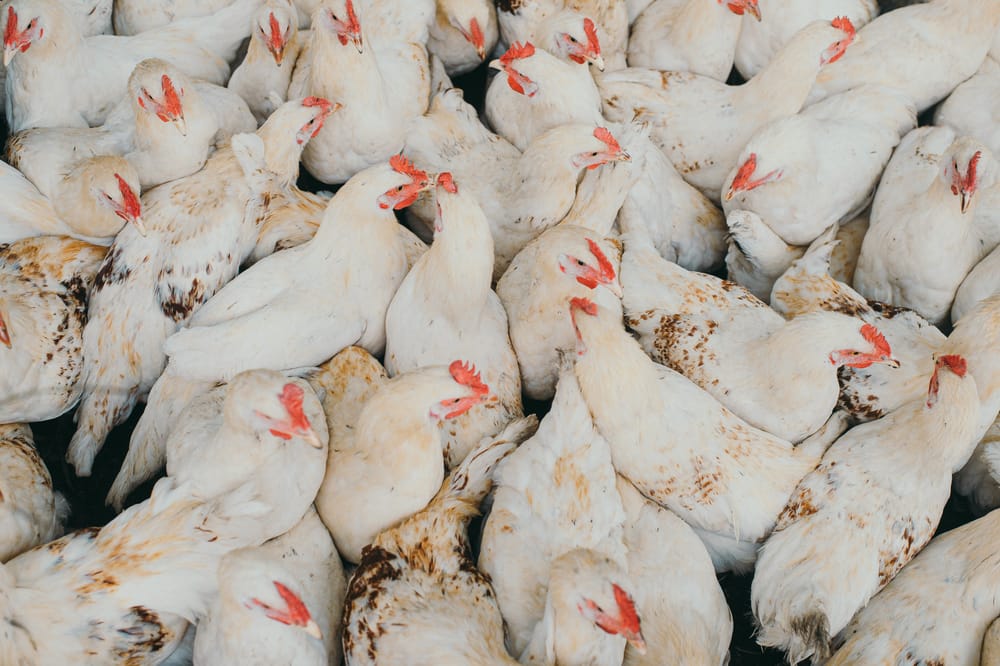
How plastic slatted floors keep poultry, goats and sheep off their droppings, cut coccidiosis, worms and footrot in the rains, plus framing and cleaning.

When a drill press beats a hand drill: square, repeatable holes, why speed falls with bit size, clamping, hole saws and tapping, and the farm jobs it pays for.

How to spray crops in Kenya's short rains: what rainfastness means, reading weather for a spray window, protectant versus systemic products, records and PPE.
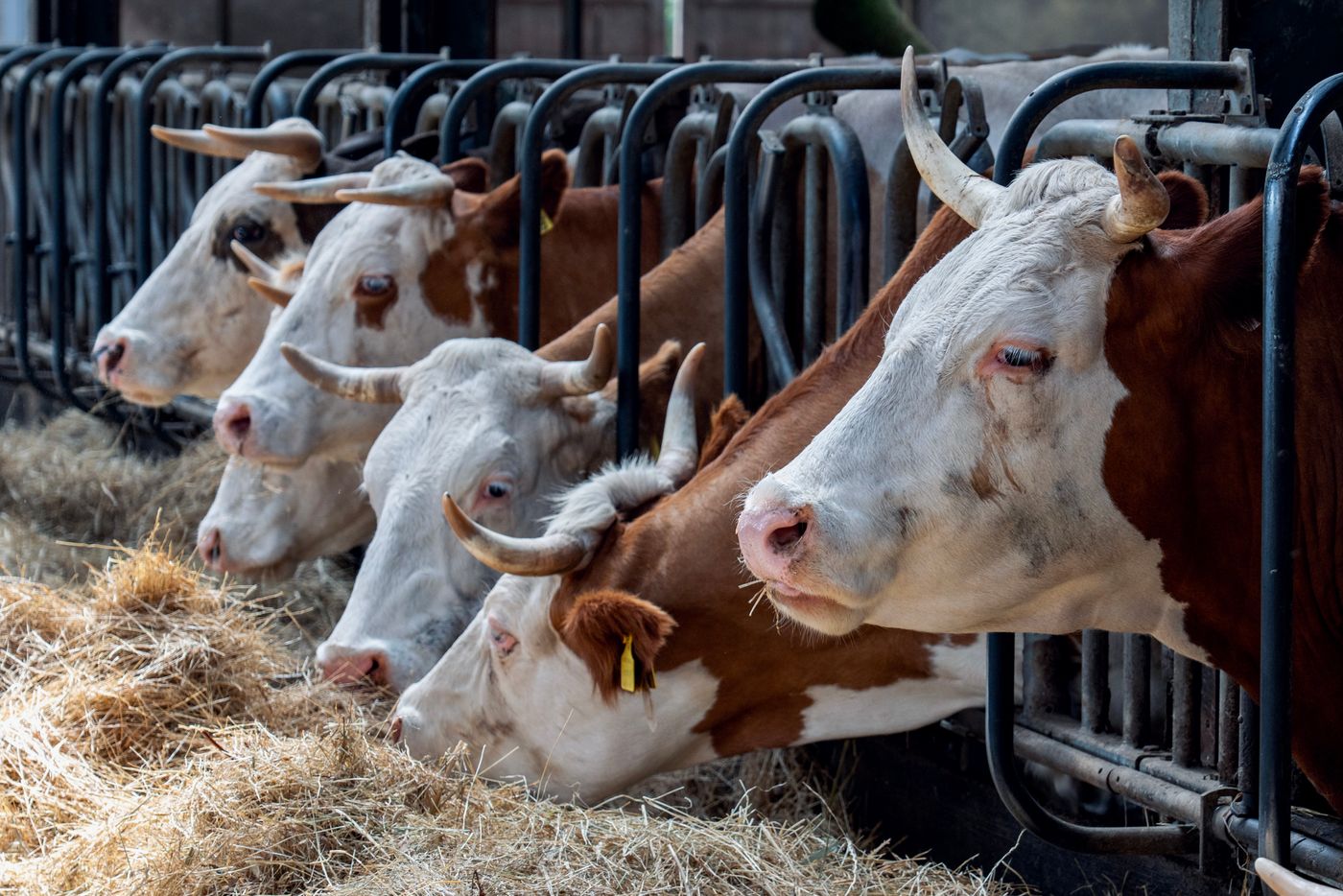
Keep dairy cows productive through the rains: hoof care and footbaths, dry bedding, a pre-milking routine that cuts mastitis, feed storage, troughs and flies.
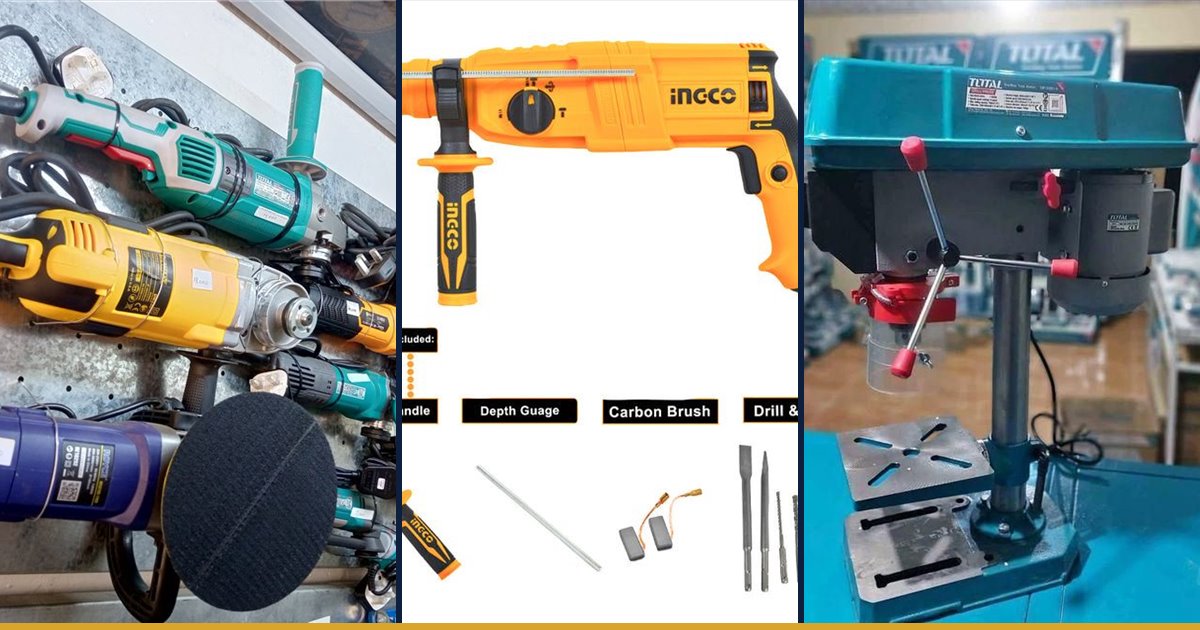
Rotary hammer or demolition breaker? Impact energy in joules, SDS-Plus vs SDS-Max, anchor holes, breaking floors, dust and vibration safety, and when to hire.

Lay flat hose, braided hose or rigid pipe? How pressure ratings, friction loss and diameter decide which line moves water across a farm without losing pressure.
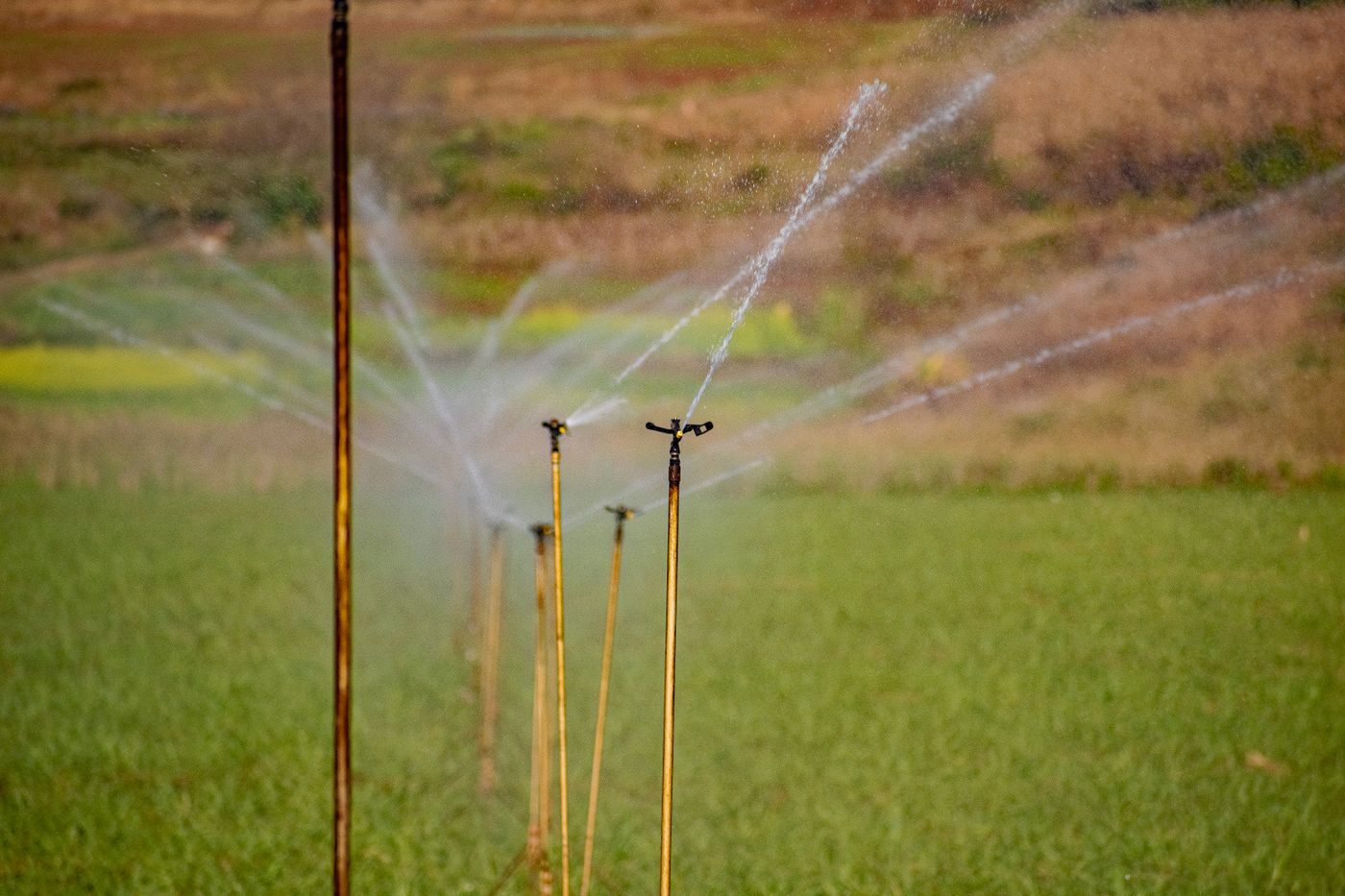
What a rain gun needs in pressure and flow, how far it throws, matching pump and pipe, overlap, wind, soil intake, and when drip or sprinklers fit better.
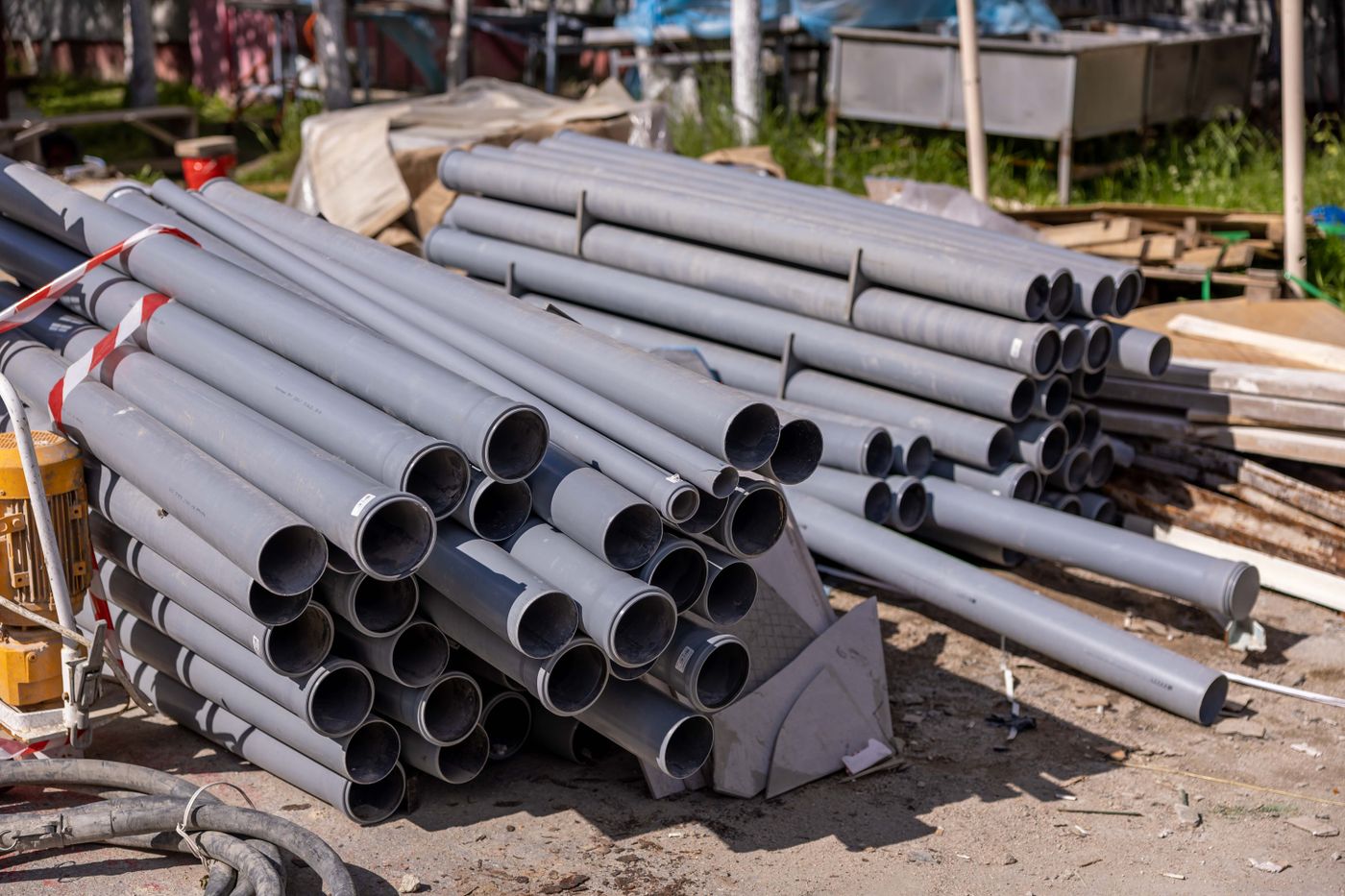
Plan farm drainage before the rains: cut-off drains above buildings, culverts under tracks, and safe dewatering of a flooded pit with a submersible pump.
When to harvest maize before Kenya's short rains, plan shelling and drying so nothing is caught half done, hit 13 percent moisture and pass the store check.
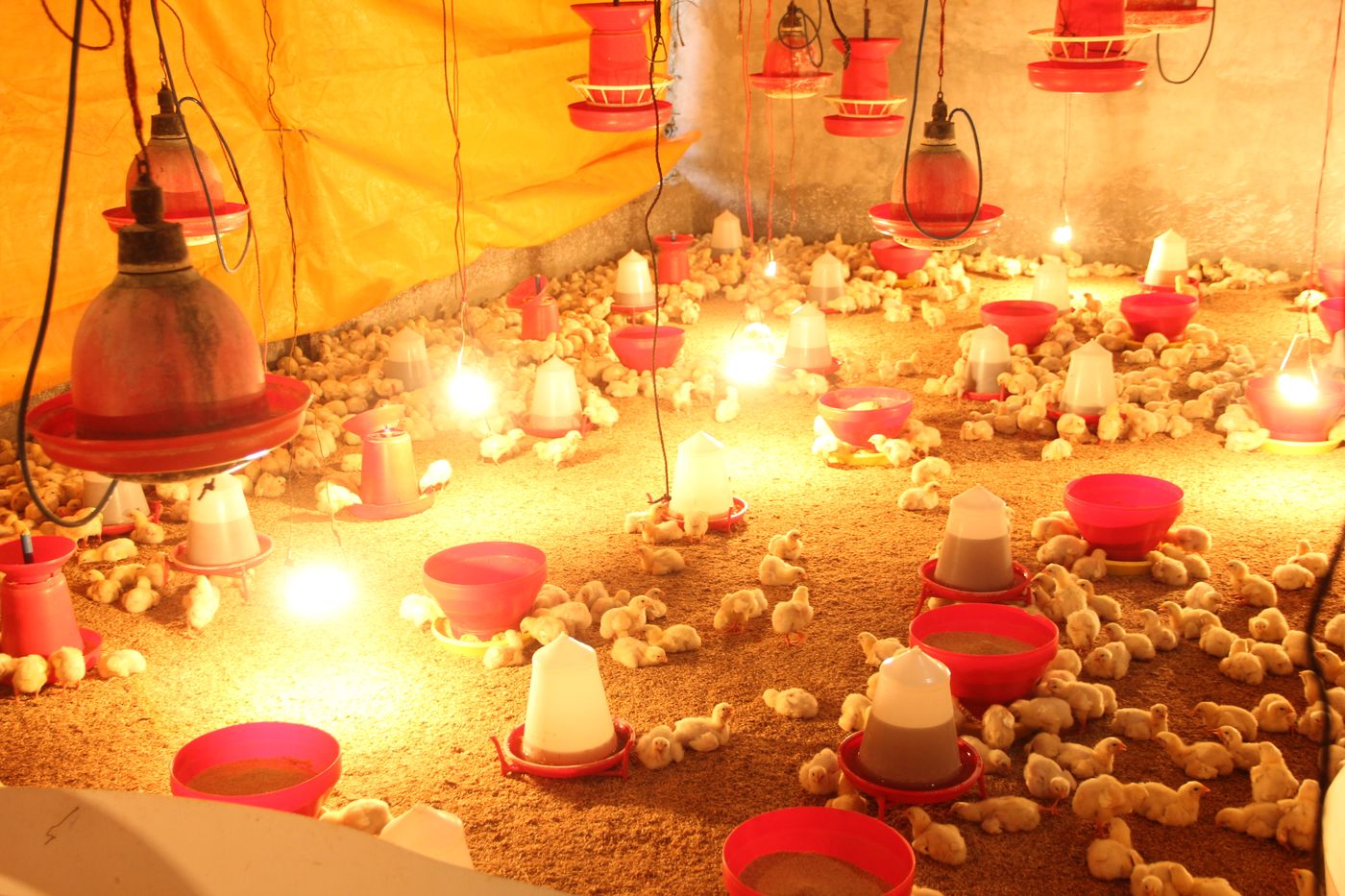
Why poultry litter goes wet in the rains, what it does to birds through ammonia, footpad lesions and coccidiosis, and a daily routine to keep the house dry.
How to service and lay up petrol, diesel and electric water pumps that will sit idle through the rains: oil, fuel, seals, impeller, storage and safe restart.
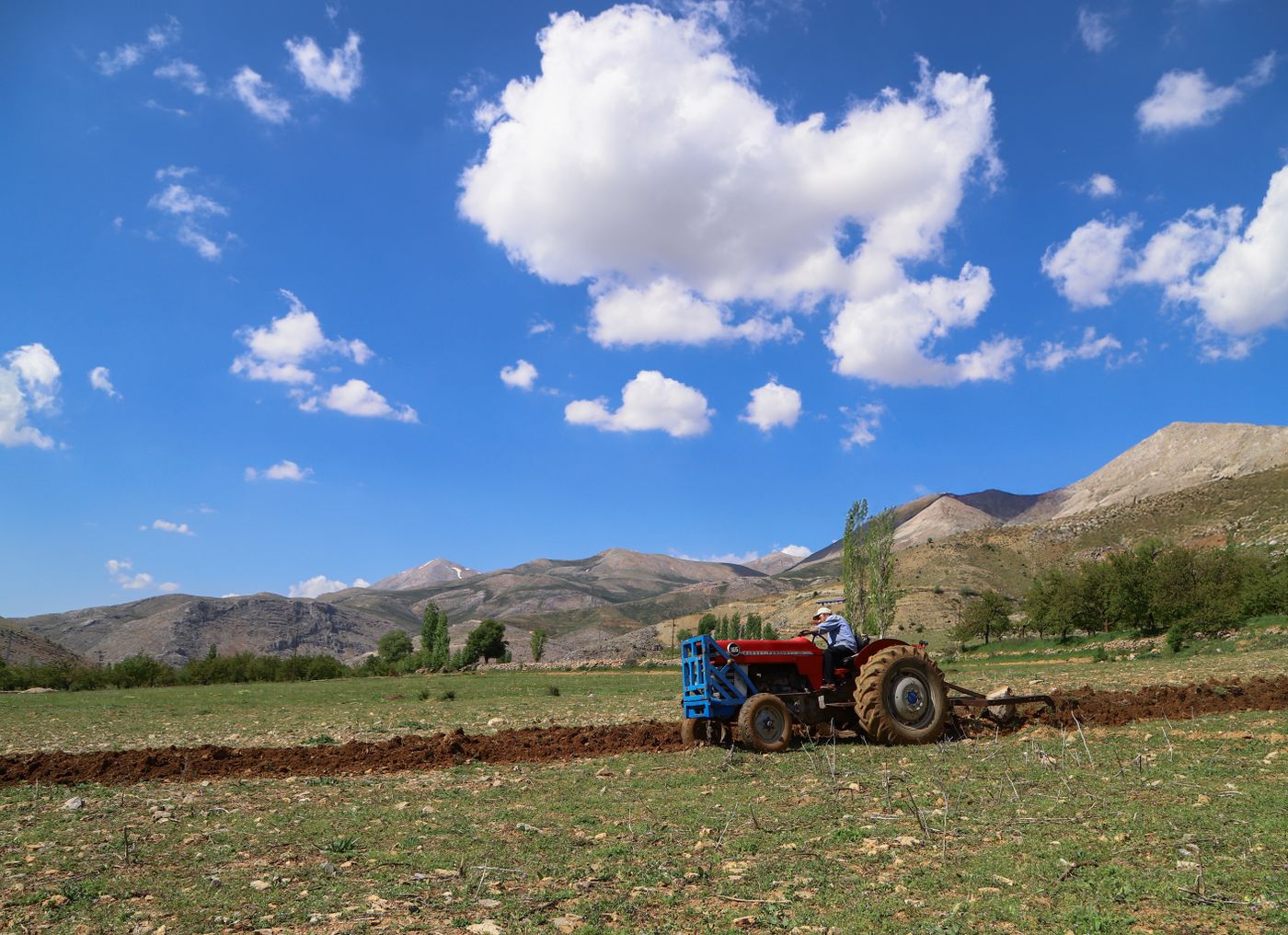
A two-week countdown to the short rains: sprayers, planters, pumps, backup power, gutters, grain store and spares, and why each fails in the first wet week.

How to lay drip on greenhouse raised beds, filter to protect emitters, inject feed by venturi or dosing pump, water by crop stage and keep the lines clean.

Installing a borehole submersible pump in Kenya: match the pump to yield and head, set the depth above the intake, then the riser, cable and control box.
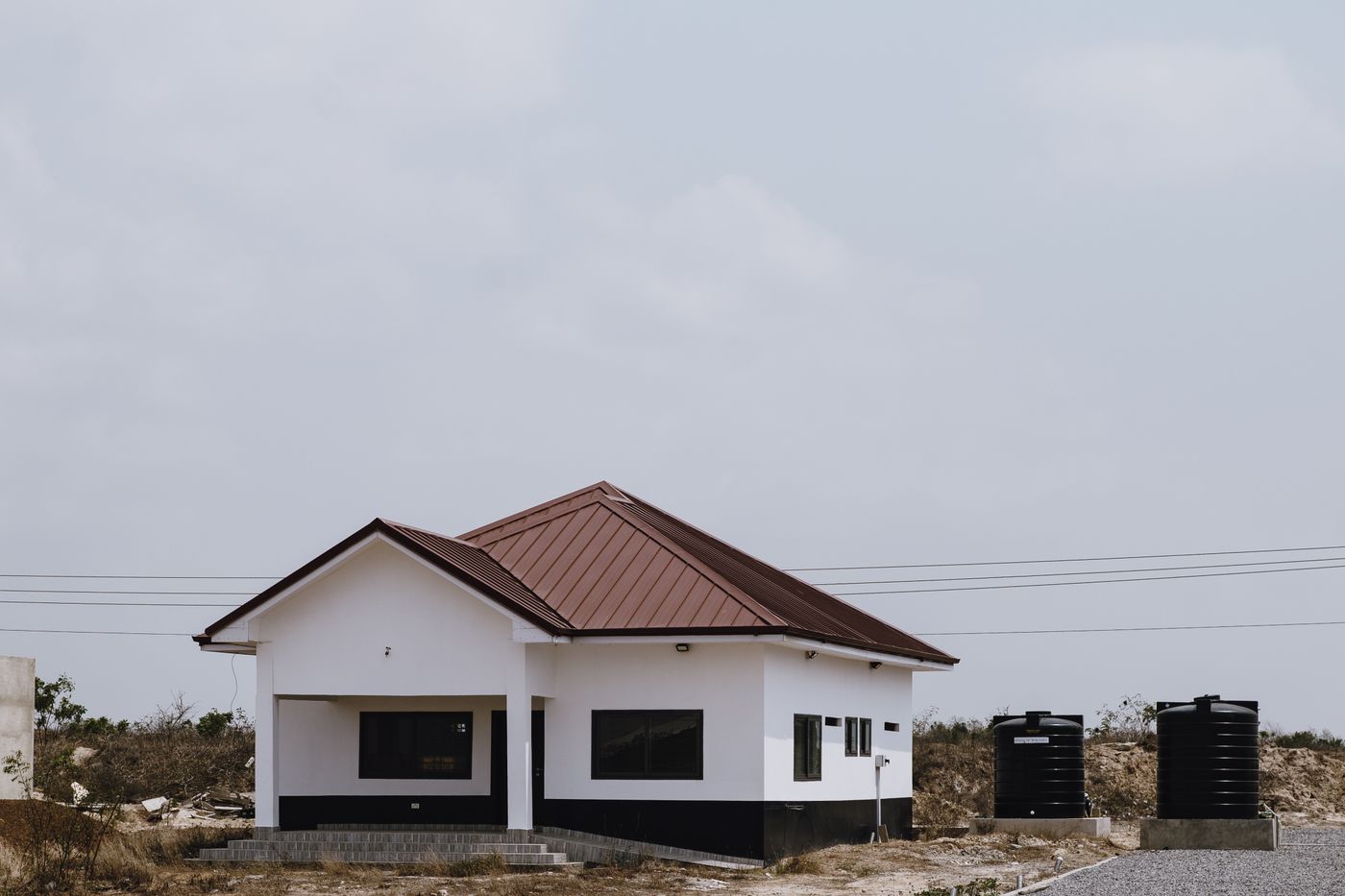
Clean and maintain your water tank in Kenya: why sediment, algae and biofilm build up, a safe drain, scrub, disinfect and rinse routine, and keeping debris out.
A worn sprayer nozzle quietly over-applies chemical and wastes money. Spot flow creep and pattern distortion, check output against new, and when to replace.

Brooder ventilation in Kenya: how to clear ammonia, moisture and CO2 without chilling your chicks, reading the air by smell and behaviour, and simple fixes.
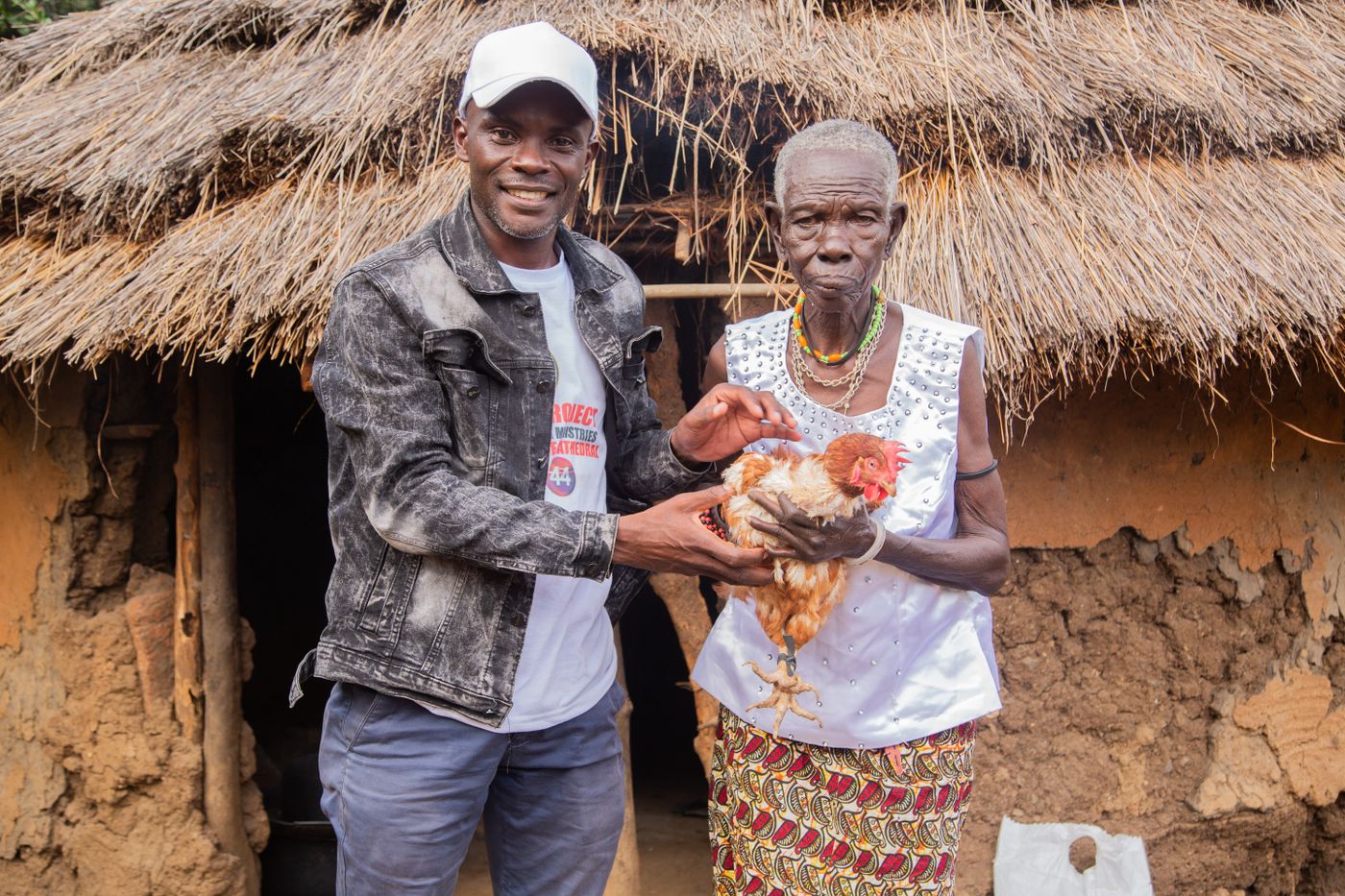
Candle out cracks and blood spots, grade eggs by size, clean without stripping the cuticle, pack and cool-store them, and let consistency lift your price.
Cutting, grinding or flap disc? Match the disc to steel, stone or tile, read the RPM rating, use the guard, and get clean, safe cuts with long disc life.
How a cream separator spins whole milk into cream and skim, turning it into butter and ghee. Sizing, cleaning and the economics of value addition in Kenya.

A dirty milking machine spreads mastitis and gets milk rejected at the cooler. The wash routine, liner care and vacuum checks that protect the cow and the price.

Which parts fail on Kenyan farm machines, how to decide what to pre-buy versus source on failure, and how to store spares so they still work when you need them.

What a farm equipment warranty in Kenya really covers, whether spares are stocked locally, and how after-sales support keeps a machine from becoming scrap.
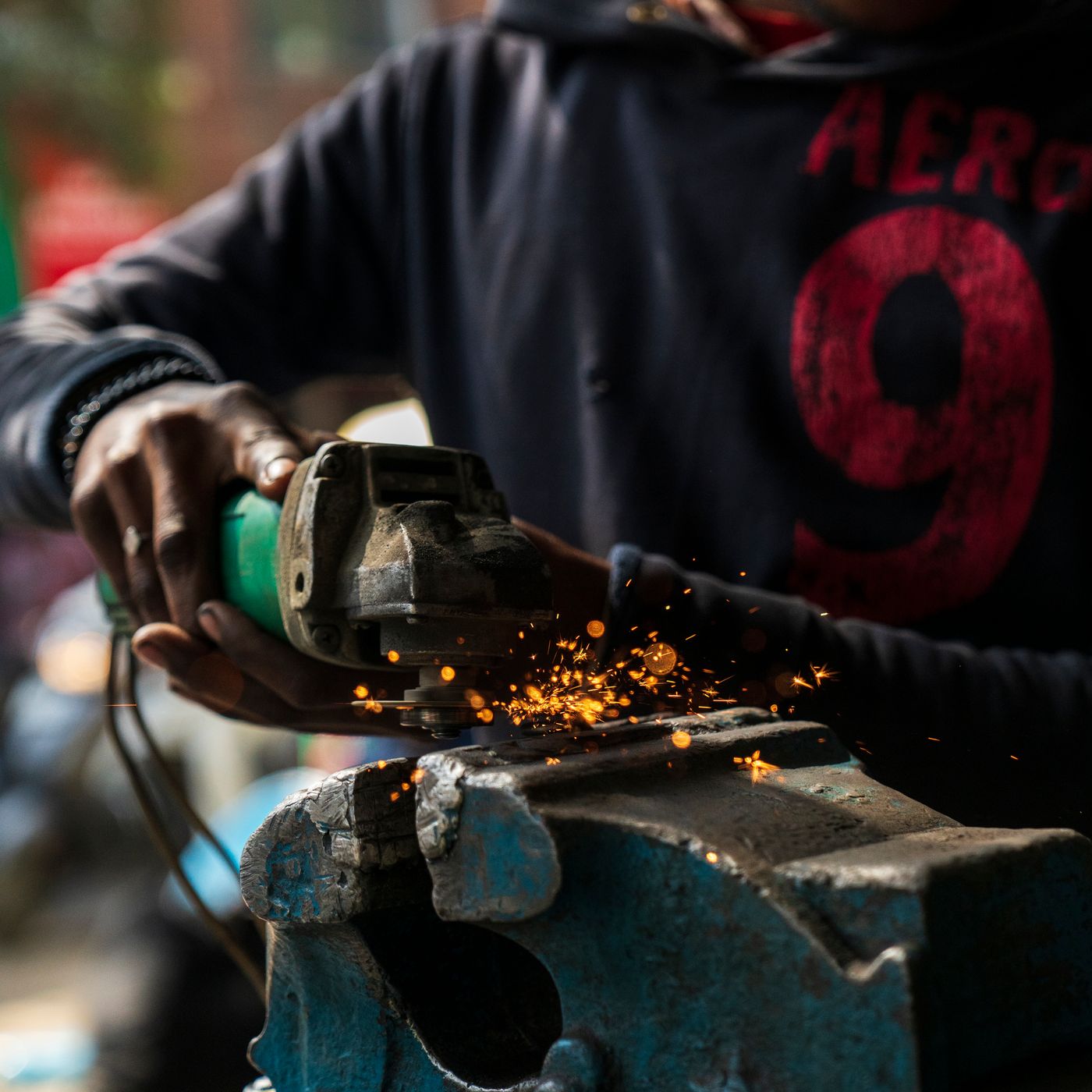
Single-phase or three-phase for your Kenyan farm or workshop? Which machines need 415V, motor starting loads, the connection process, and options on 240V only.
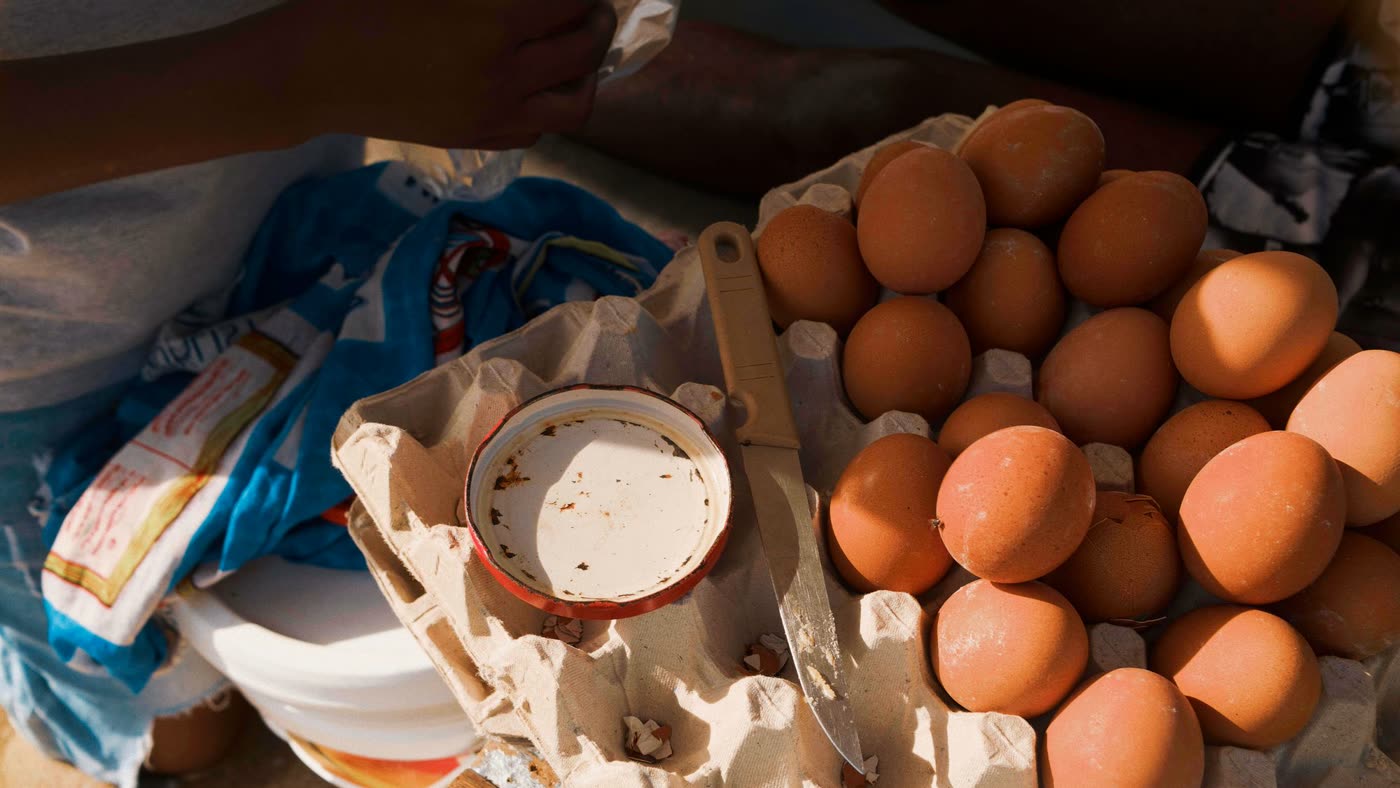
Candling at day 7 and day 18 shows fertility, blood rings and air cell growth. Learn what each result tells you to change in your breeder flock or machine.

The records a small Kenyan hatchery should keep to lift hatch rate: setting dates, candling counts, temperature logs and breakouts that reveal the real fault.
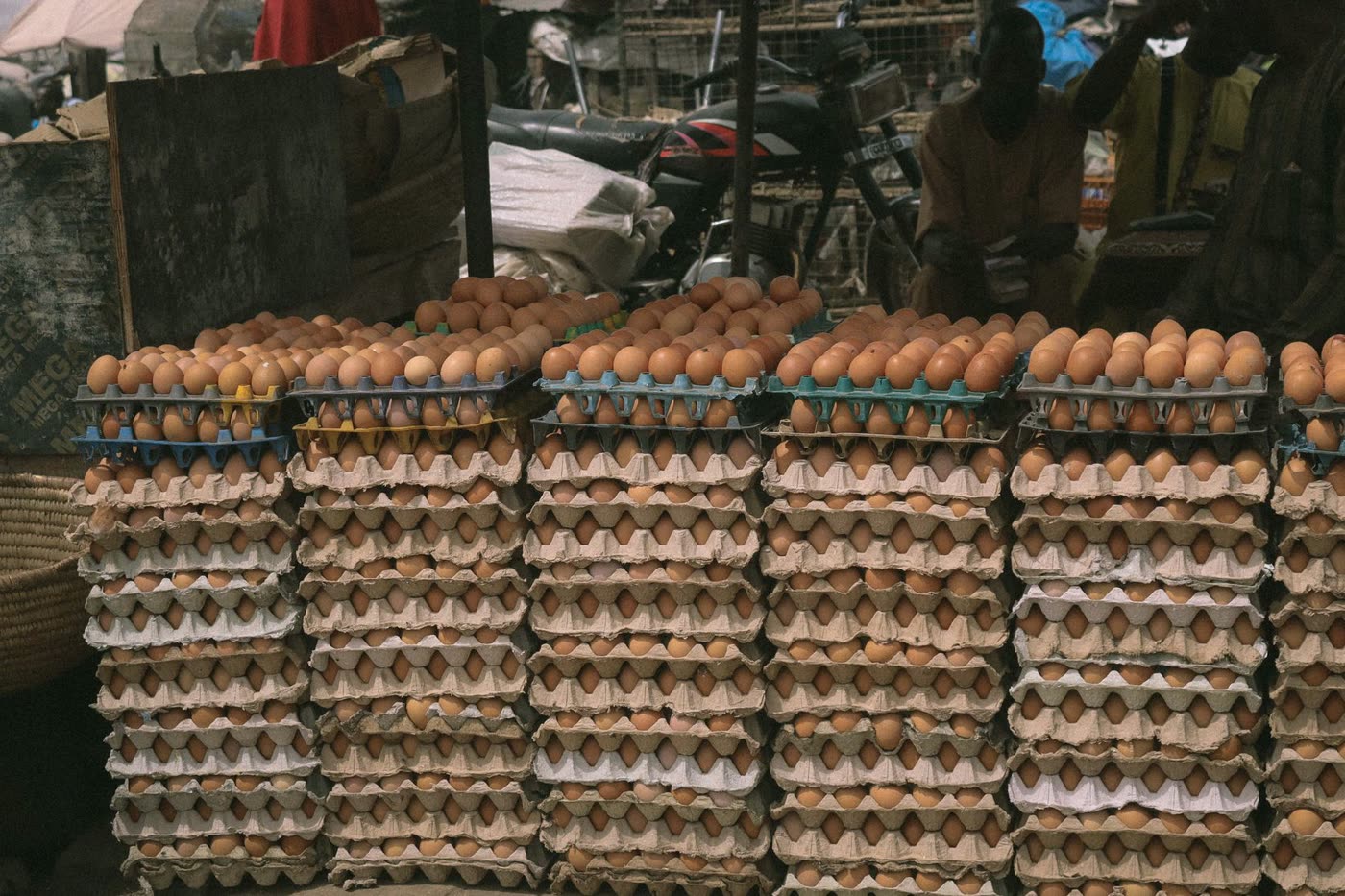
Why incubator humidity matters as much as temperature, the target ranges for setting and hatching, and how to read air cell and egg weight loss across Kenya.

A home-made ration only works if every scoop is the same. Vertical versus horizontal mixers, batch size, mixing time, premix handling and how to test a mix.

When home-mixing dairy meal pays off in Kenya, the equipment it takes, how to source ingredients, and why the ration formula should come from a nutritionist.
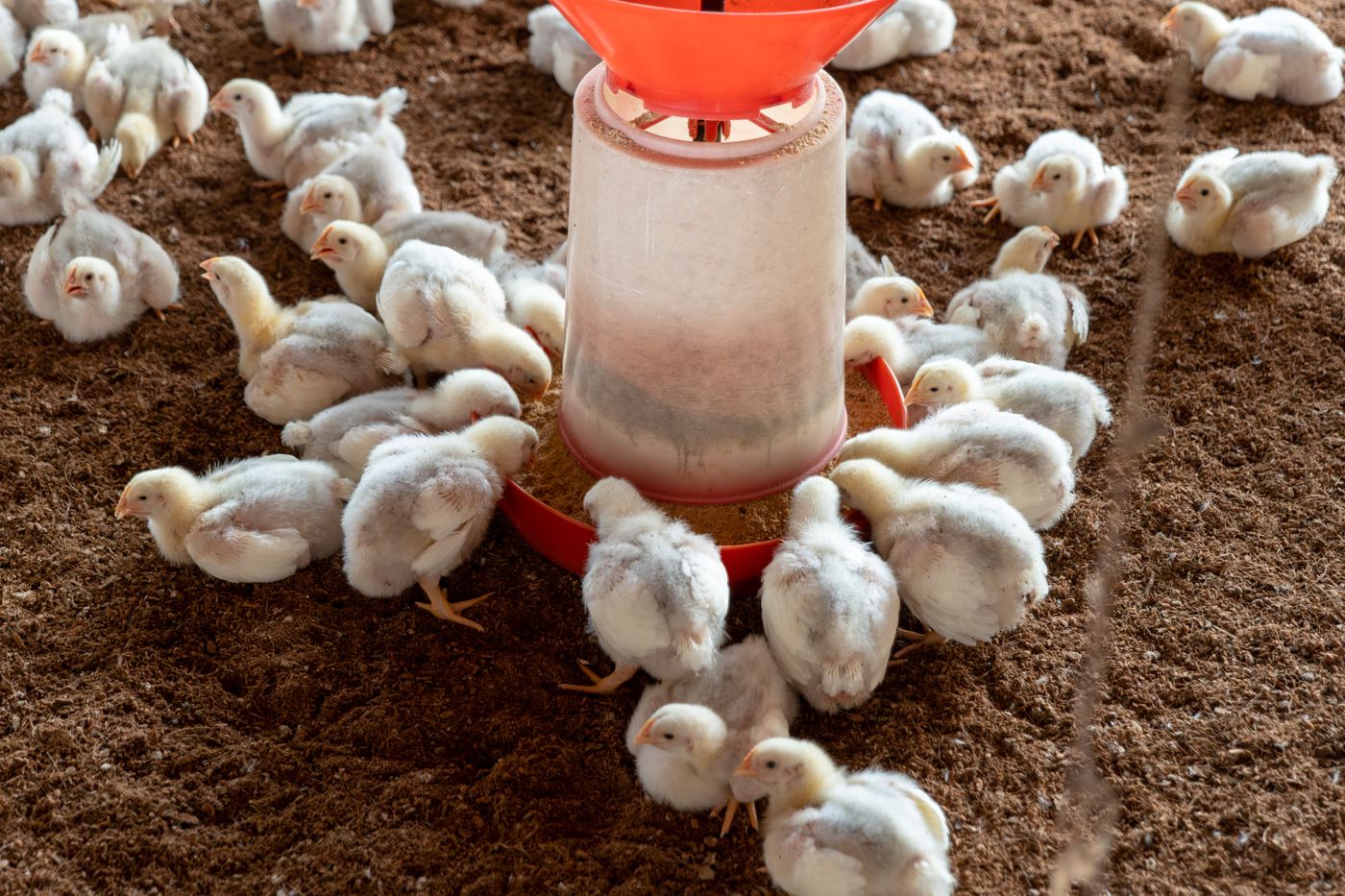
Chick tray, tube, pan and trough feeders compared for Kenyan poultry keepers, with feeder space per bird, height as birds grow, and when to switch types.
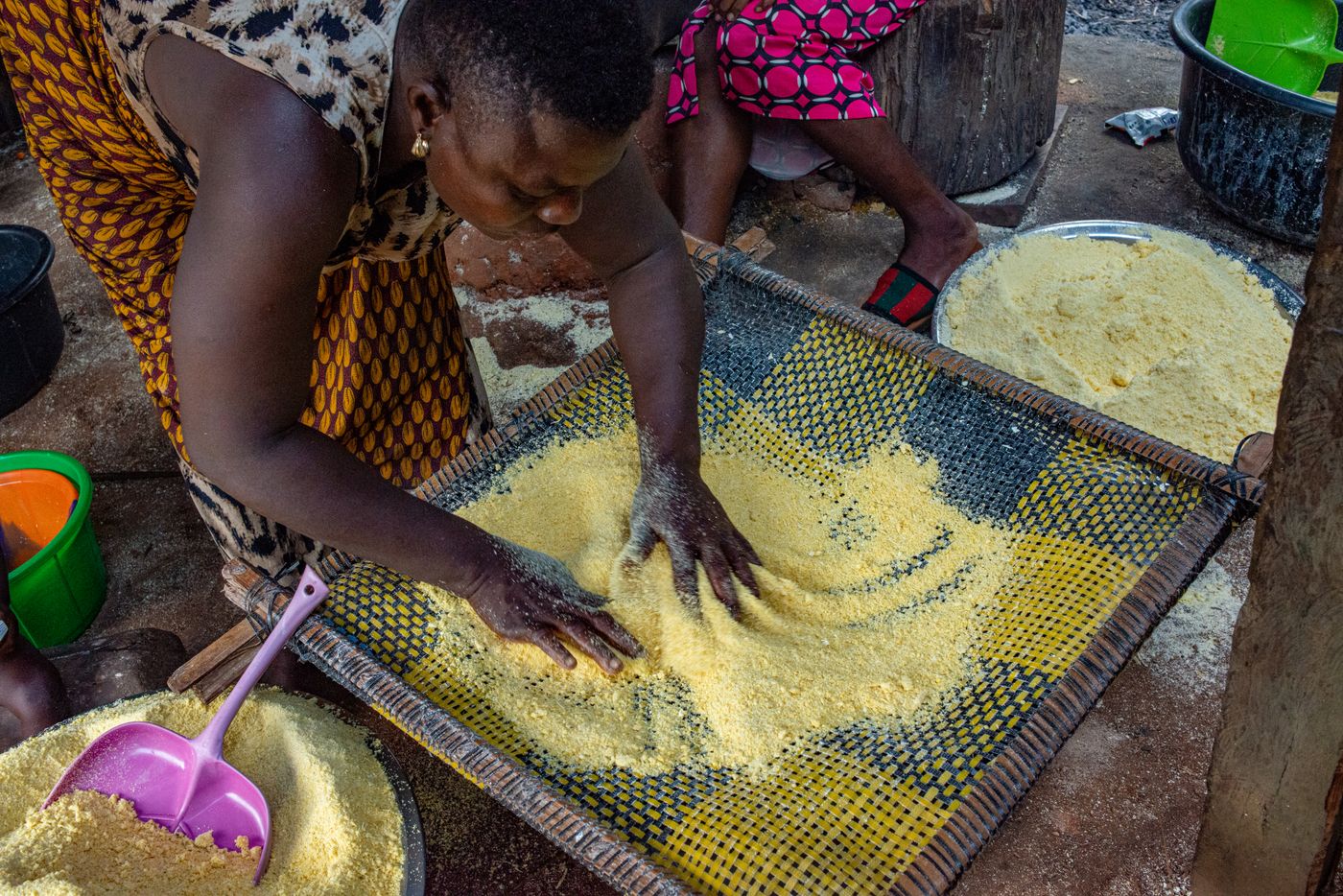
How hammer mill screen aperture sets flour fineness, throughput, power draw and hammer wear, and which size to fit for maize meal and animal feed in Kenya.
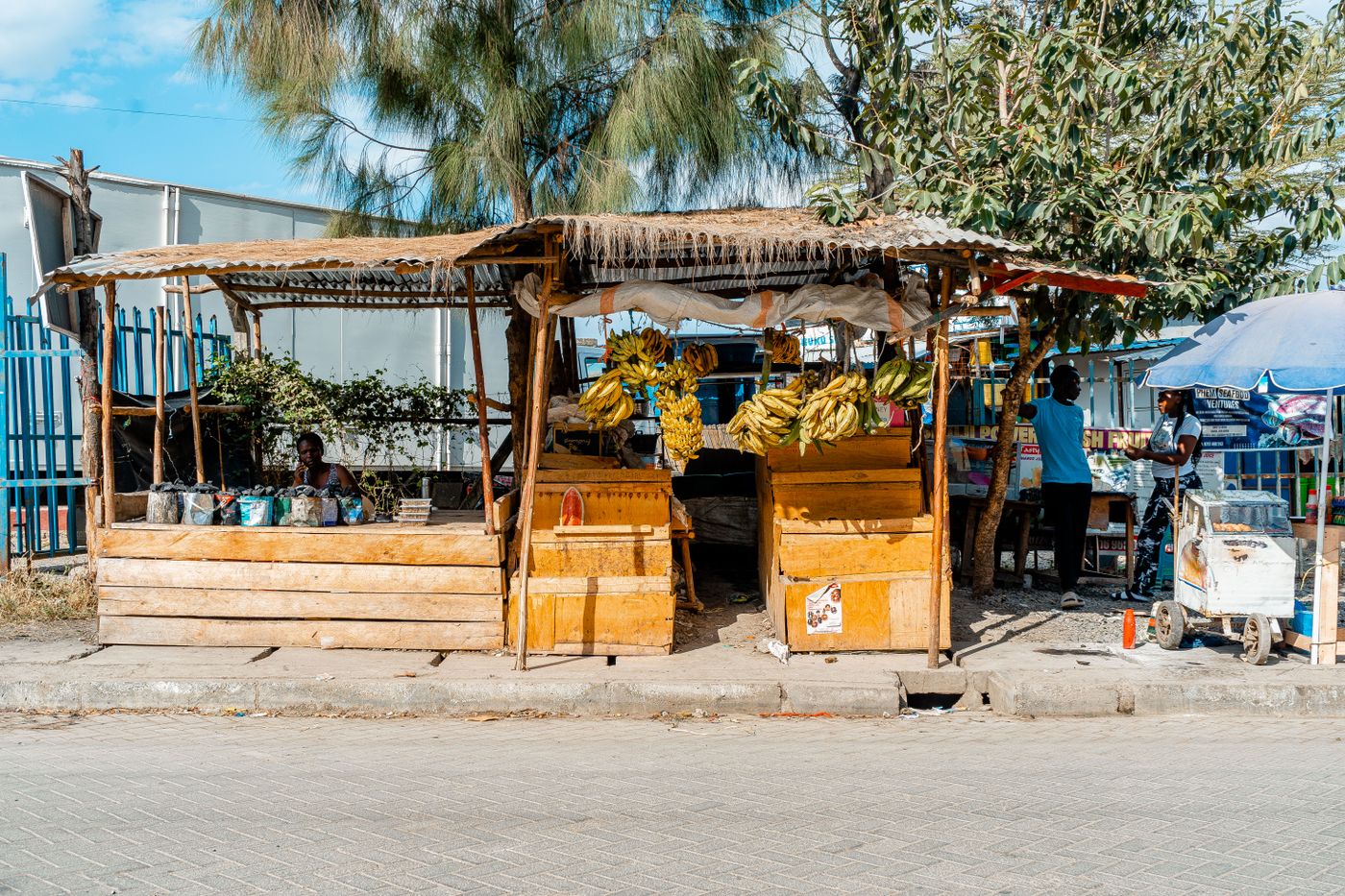
A posho mill is a heavy starting load. How to choose between single-phase, three-phase mains, diesel engines and solar in Kenya, and size the power to the mill.
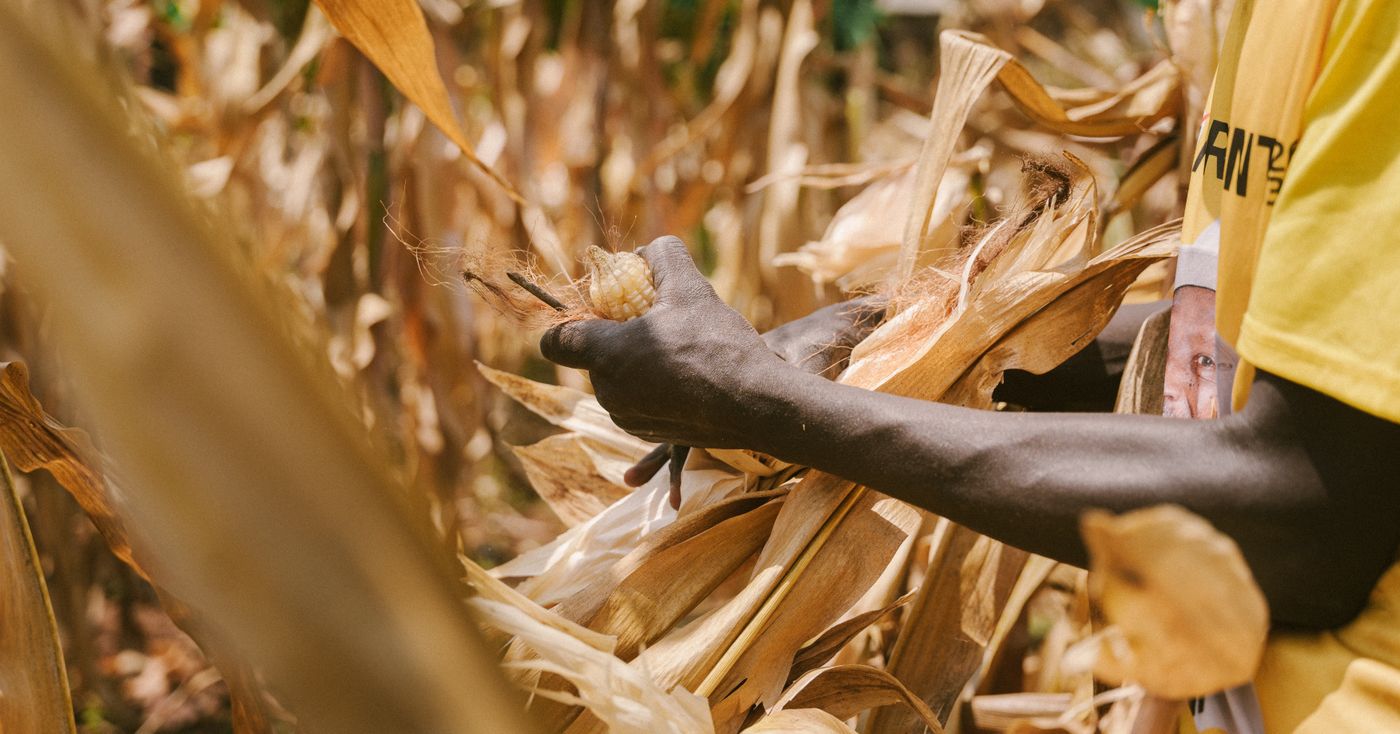
Hammer mill or disc (plate) mill for your maize? How each grinds, the flour, throughput, power, wear and cost, and which suits food, feed or a posho business.

Dirty drinking water is a top disease risk in a Kenyan poultry house. A practical guide to drinkers, biofilm, water lines, cool water and a cleaning routine.
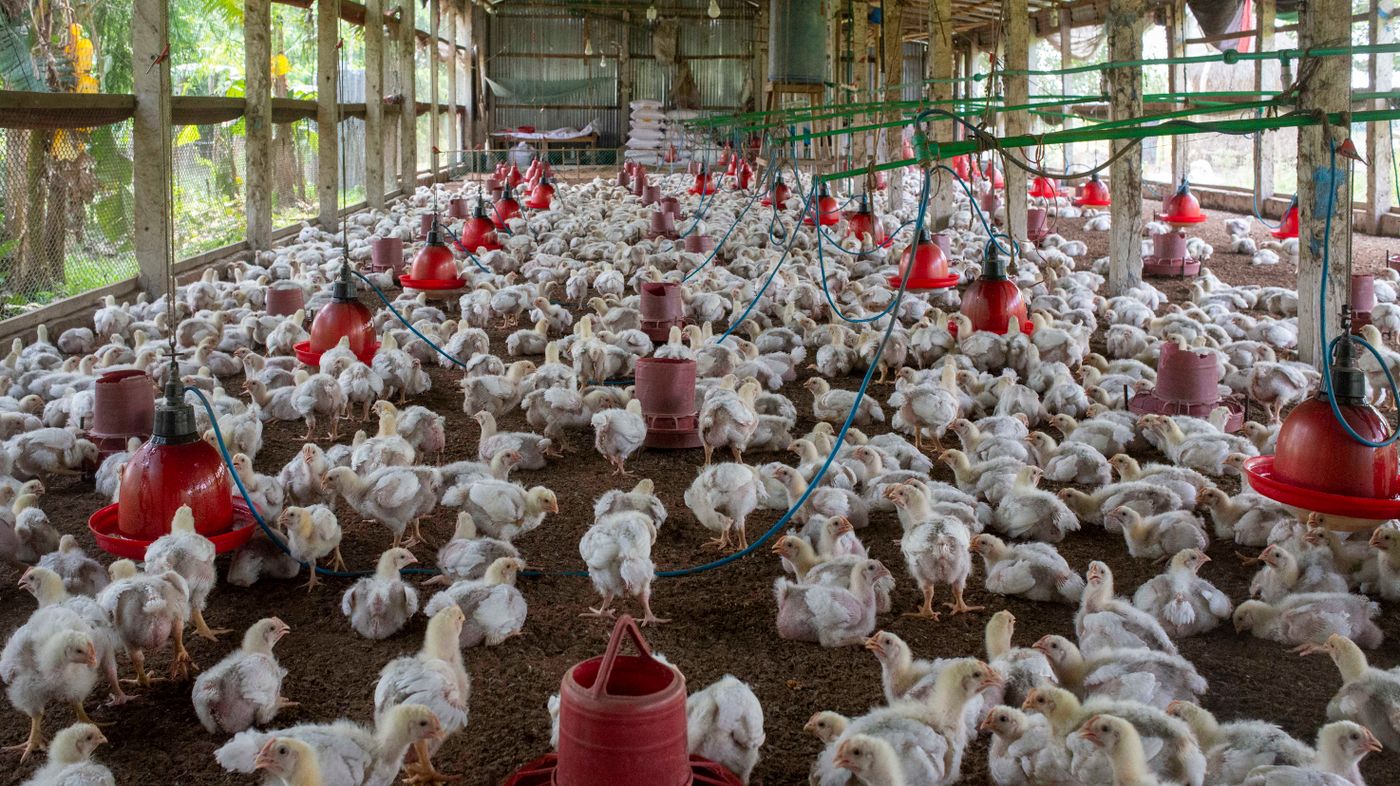
Day-old chicks need 32 to 35C at the start. Compare LPG canopy brooders with electric heat lamps on running cost, power reliability and safety in Kenya.
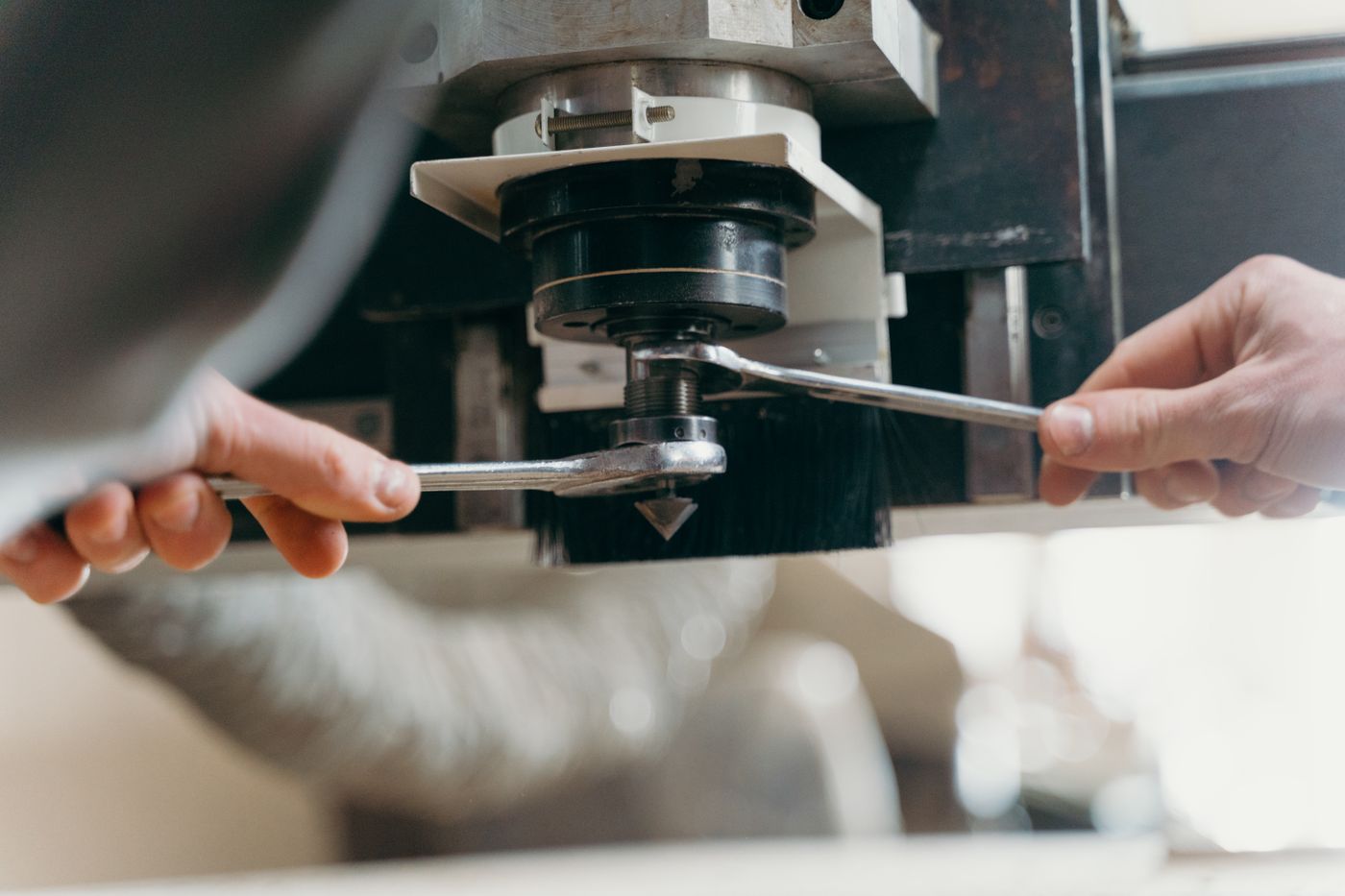
How to keep a chaff cutter cutting cleanly: setting blade to plate clearance, sharpening safely, caring for bearings and belts, and spotting failure early.

Two machines look identical at very different prices. How to read steel, bearings, motors, welds and KEBS marks so you can judge quality before you buy.

Used farm equipment in Kenya can be a bargain or a repair bill. The inspection routine, the paperwork and the checks that decide which one you are buying.
Dairy equipment is a queue, not a shopping list. The buying order that pays back fastest on a Kenyan farm, with real prices at every step of the ladder.

Farm equipment financing in Kenya compared: cash, supplier instalments, bank asset finance, SACCO loans, hire purchase, chama and leasing, and what each costs.

The price is the smaller half of the decision. How to judge a Kenyan farm equipment supplier on spares, warranty, service and total cost of ownership.
The seals, valves, trigger, strainers and nozzle that stop a knapsack sprayer, cleaning after every use and between chemicals, and when to repair or replace.
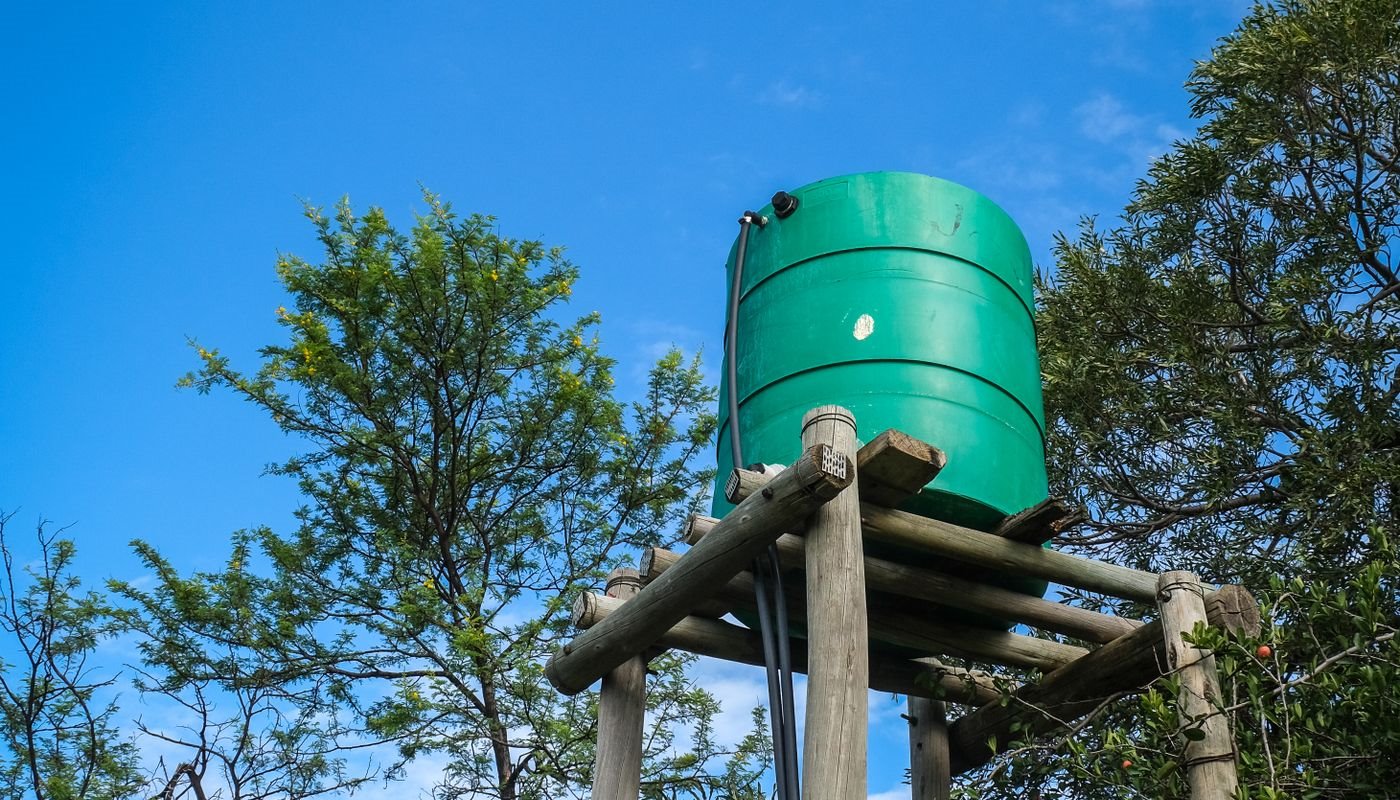
Ten metres of tank height is about one bar. Why a ground tank cannot run a shower or drip line, what a full tank weighs, and steel vs concrete vs timber stands.

Why a thin 50 m reel starves a welder or pump, unwinding reels, IP-rated outdoor sockets, earthing, 30 mA RCDs and safe generator changeover on a Kenyan farm.
Layer cages or deep litter for Kenyan layers: space per bird, clean eggs, feeding, labour, disease, manure and which system fits 200, 1,000 or 5,000 hens.
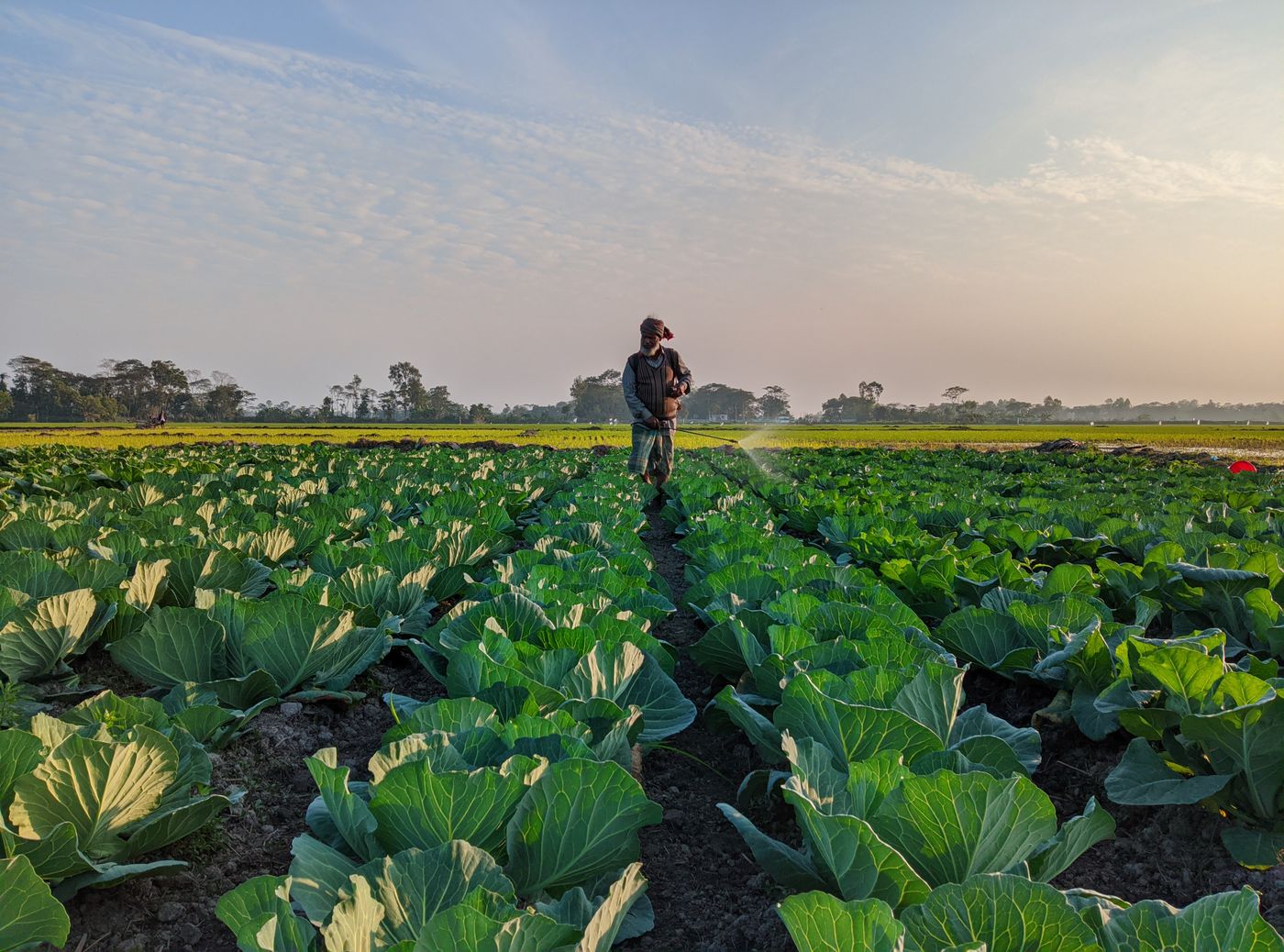
Flat fan, hollow cone, full cone or adjustable? How droplet size, pressure and nozzle wear decide coverage, drift and dose on a knapsack or motorised sprayer.
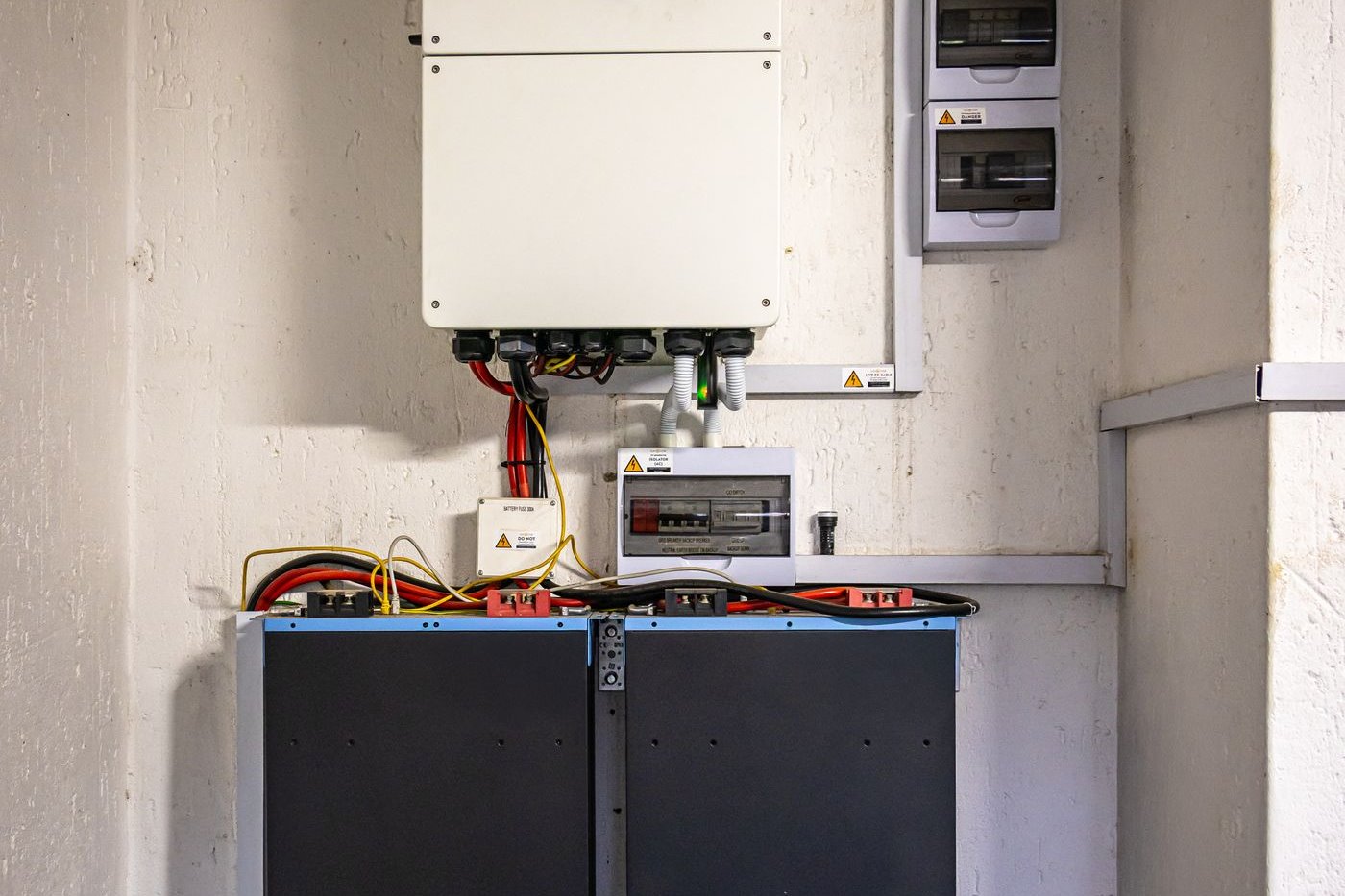
Size an inverter for a Kenyan farmhouse and workshop: running load vs motor surge, pure sine, heat derating, battery voltage, cable size, plus a worked example.
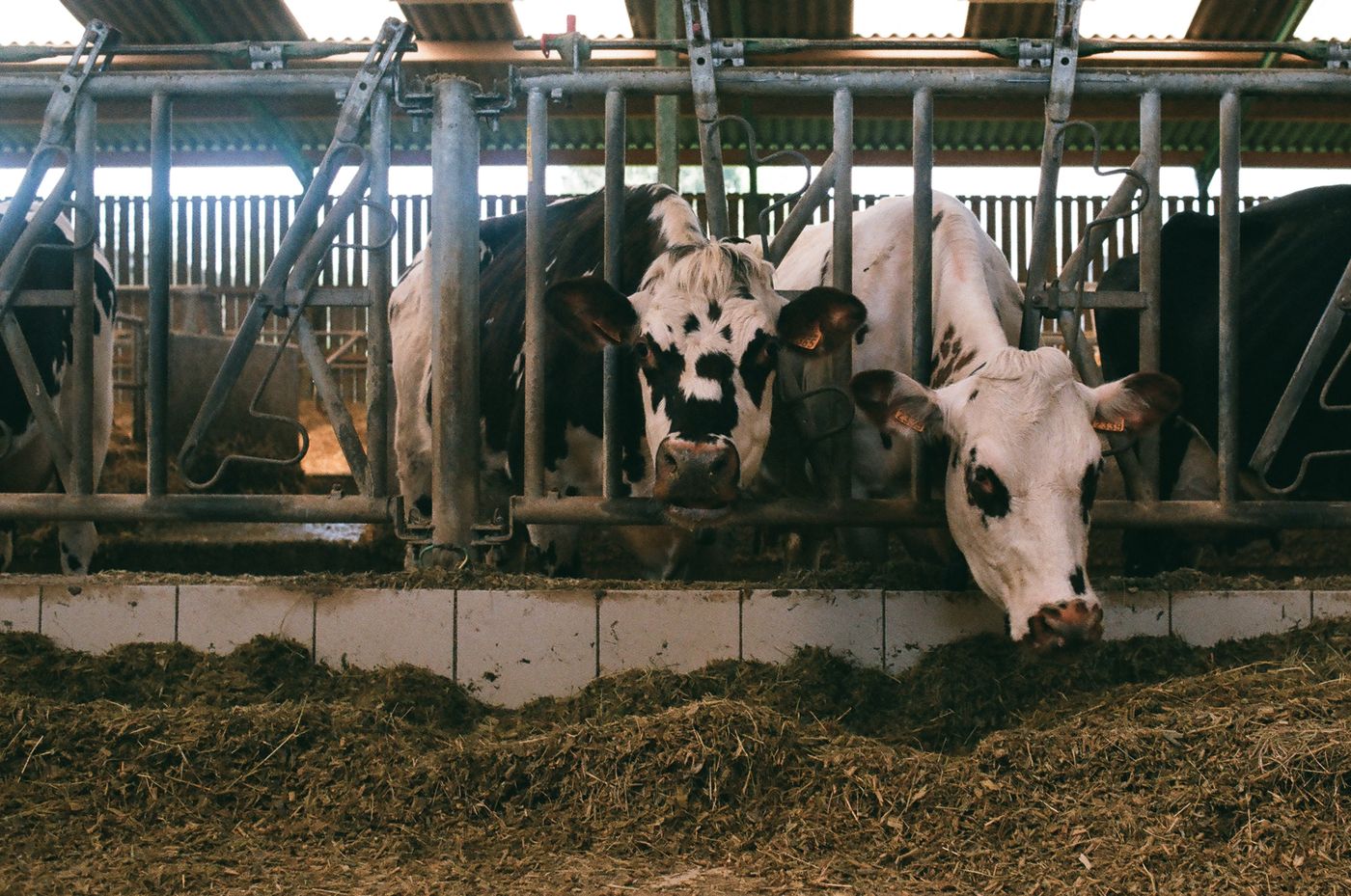
Vegetable choppers and root cutters for feed prep in Kenya: manual, electric or engine drive, throughput for your herd, blade care, mixing and hygiene rules.
Why drip emitters clog with silt, algae, iron and fertiliser, when to use screen, disc or sand filters, flushing, venturi fertigation and end-of-season care.
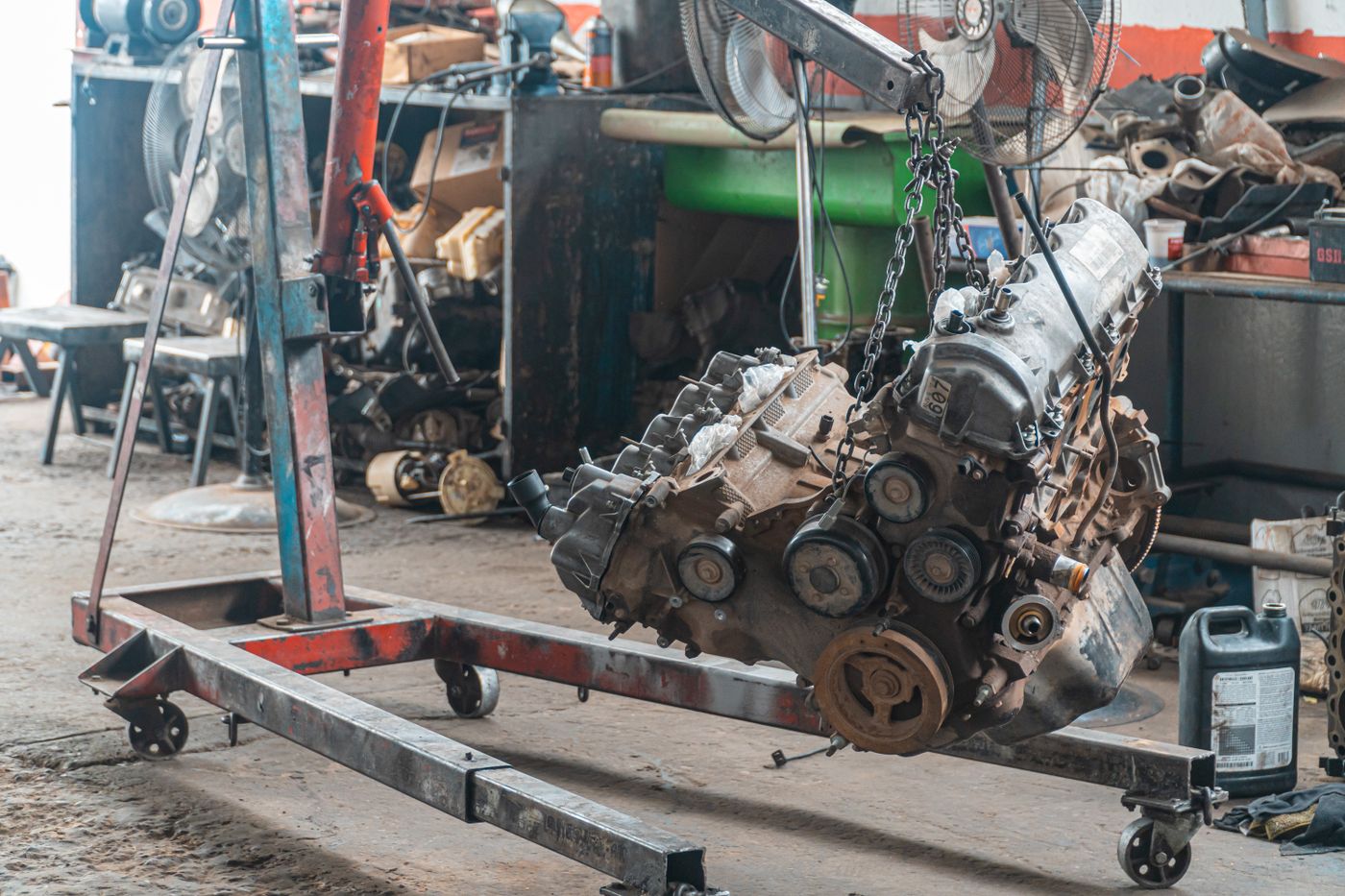
A hoist is not a jack and nobody stands under a load. Rated capacity, chain versus webbing versus wire rope slings, sling angles, anchor points and inspection.

Electric planer and router basics for a small Kenyan furniture workshop: depth of cut, blade care, router bits and speeds, feed direction and what to buy first.
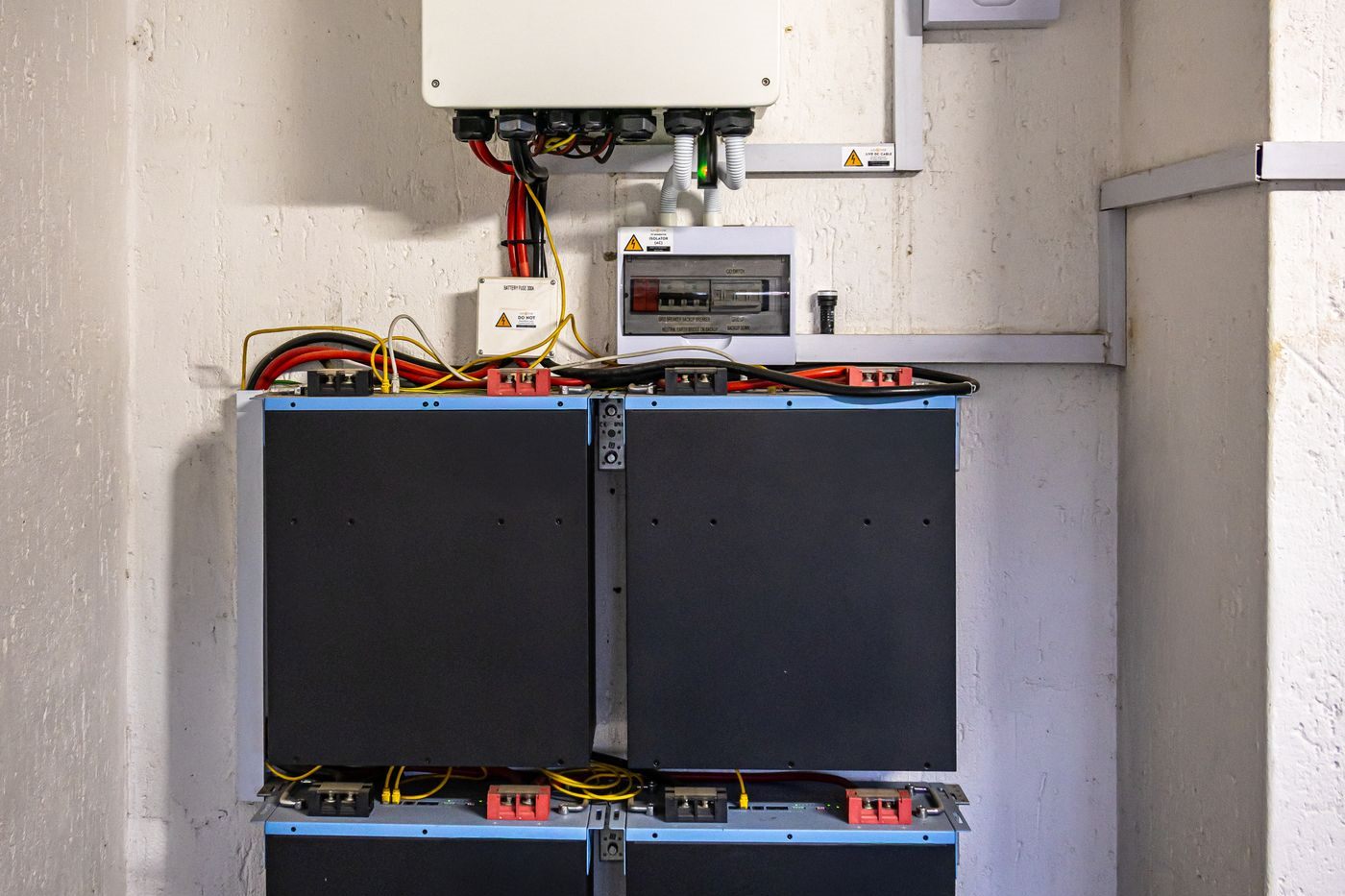
Lithium or lead acid for a Kenyan farm solar system: usable capacity, cycle life, charging, heat and cost per usable kWh for incubators, houses and pumps.
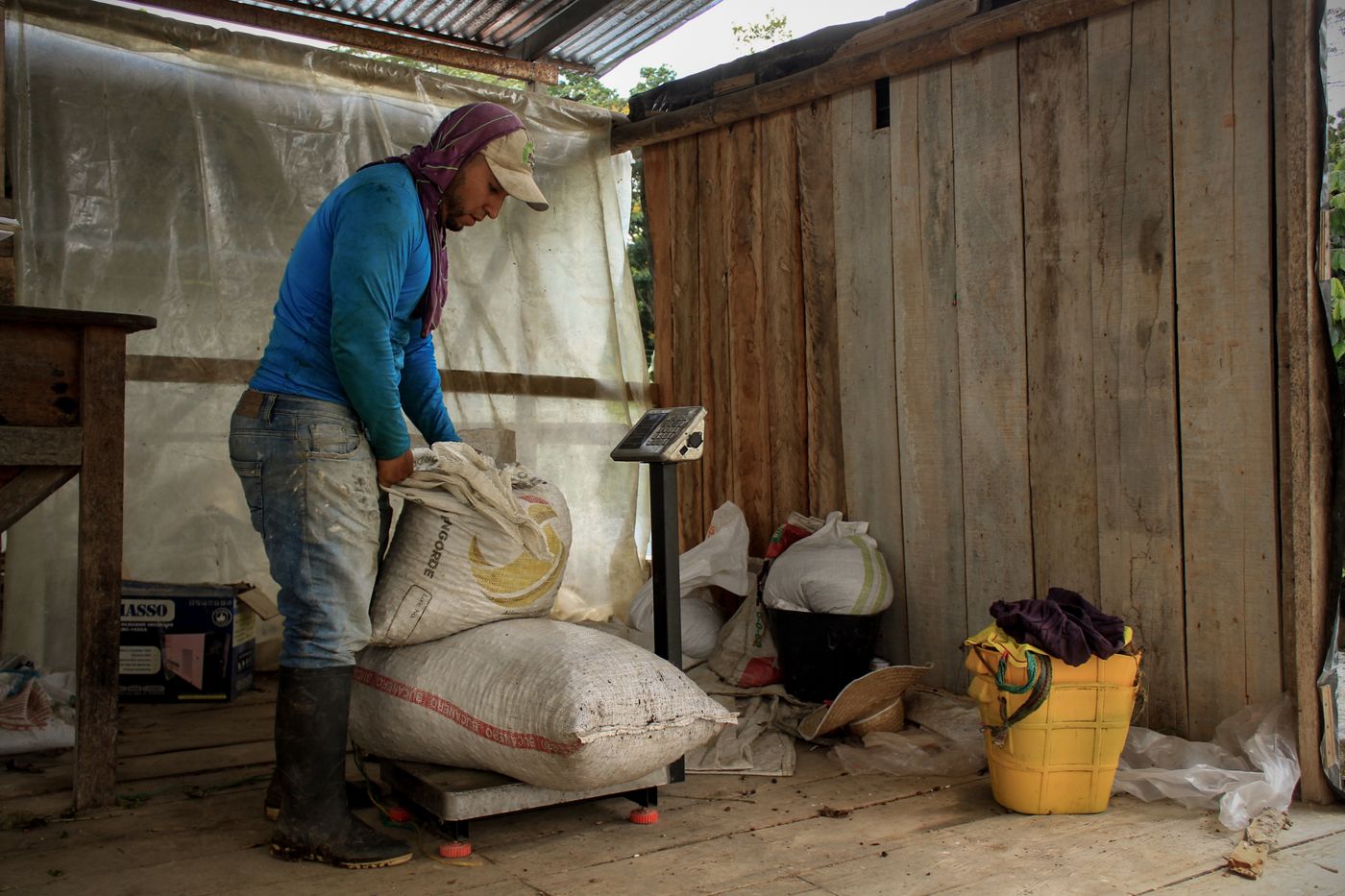
Platform, crane and bench scales for Kenyan farms: capacity vs resolution, how a wrong kilo leaks money on every sack, litre and animal, and how to check one.
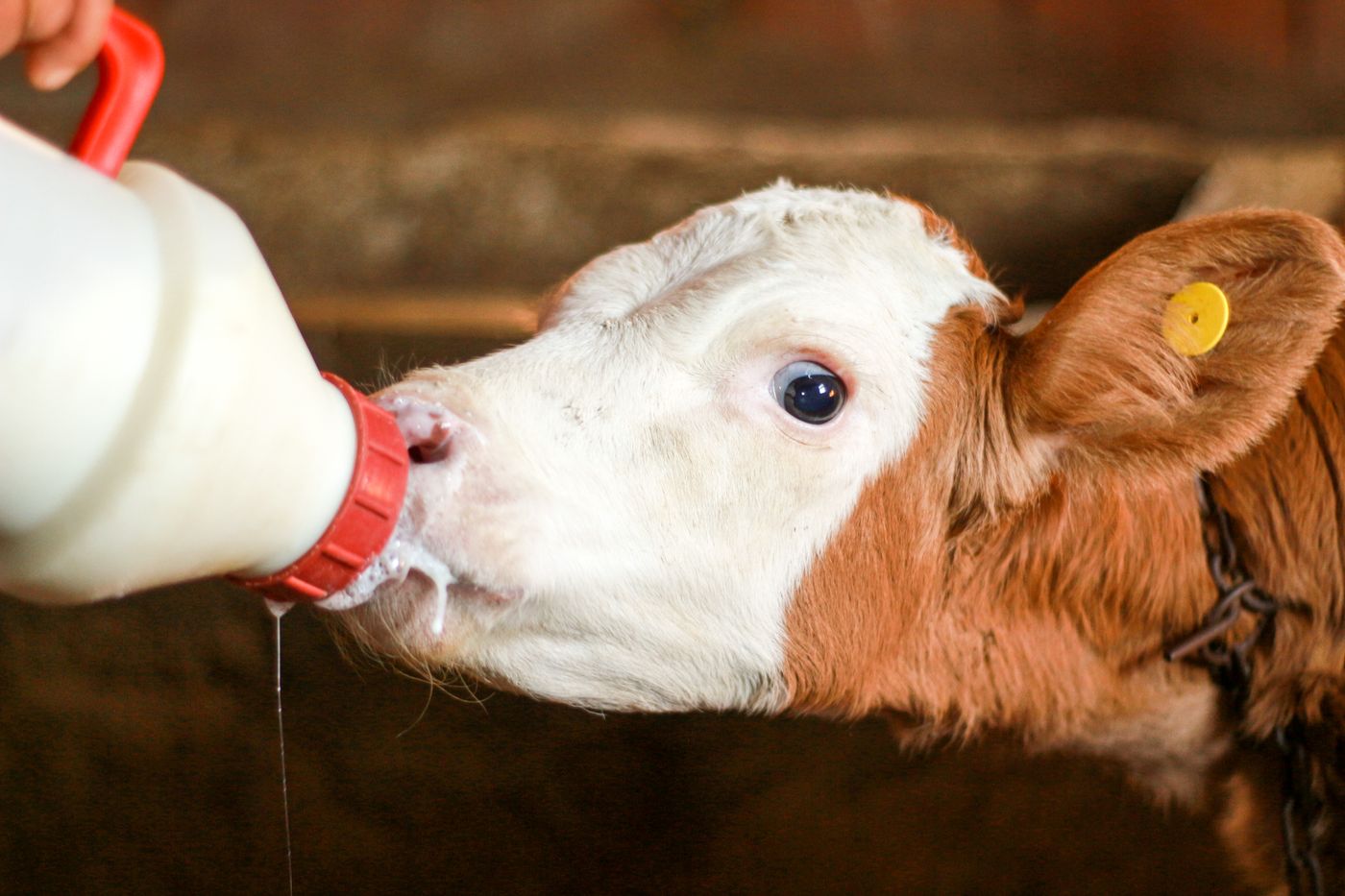
Colostrum in the first hours, teat feeders versus buckets, clean bottles, dry hutches, weigh tapes and ear tags: the ninety-day calf routine that sets yield.
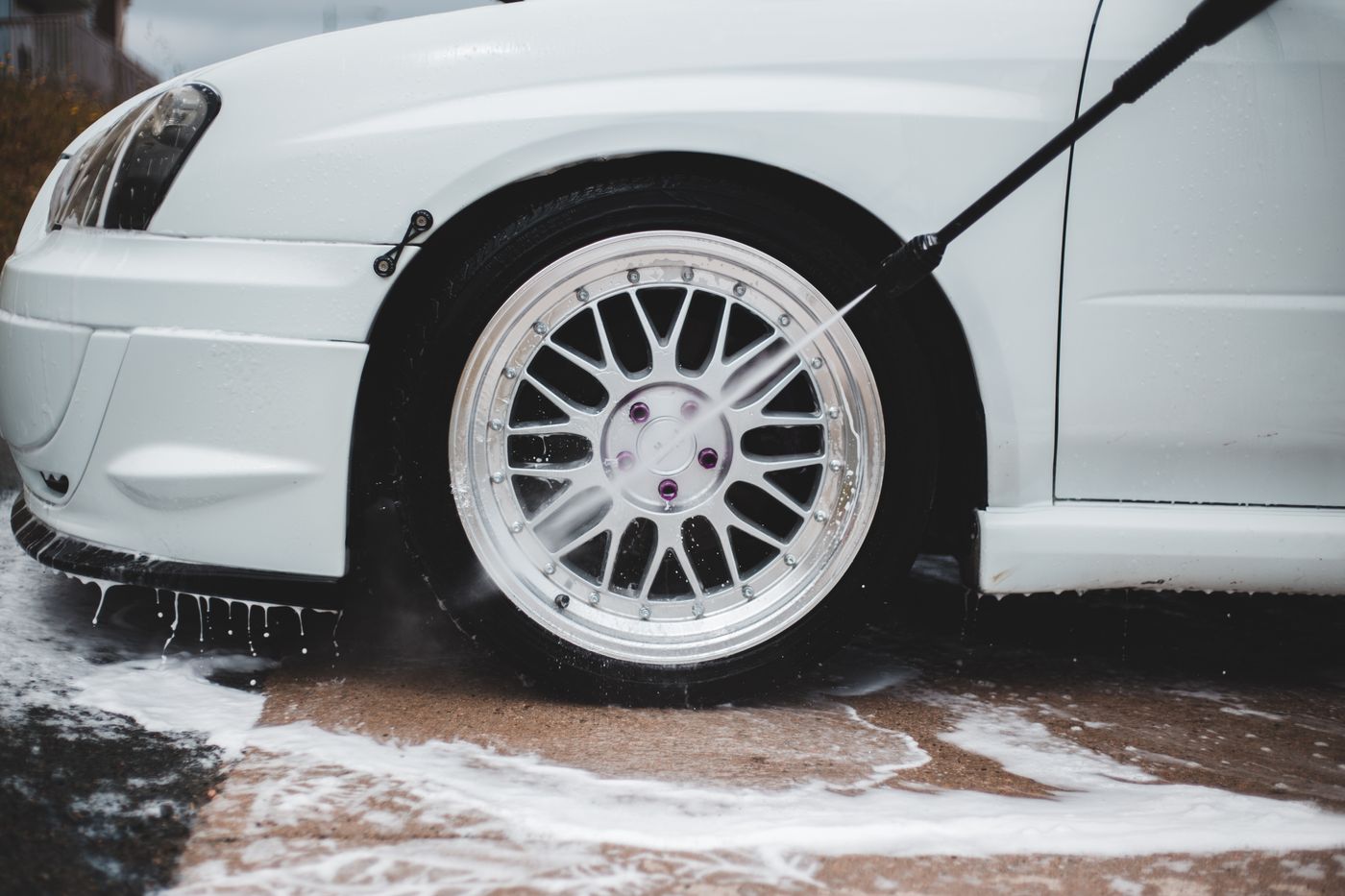
Bar loosens dirt, litres per minute carry it away. Electric vs petrol, nozzle angles, detergent, water supply and mistakes that strip paint or wreck bearings.

Battery platforms, 12V against 18V, real runtime per charge, charging off a generator or solar, five-year cost and the jobs where a corded tool still wins.
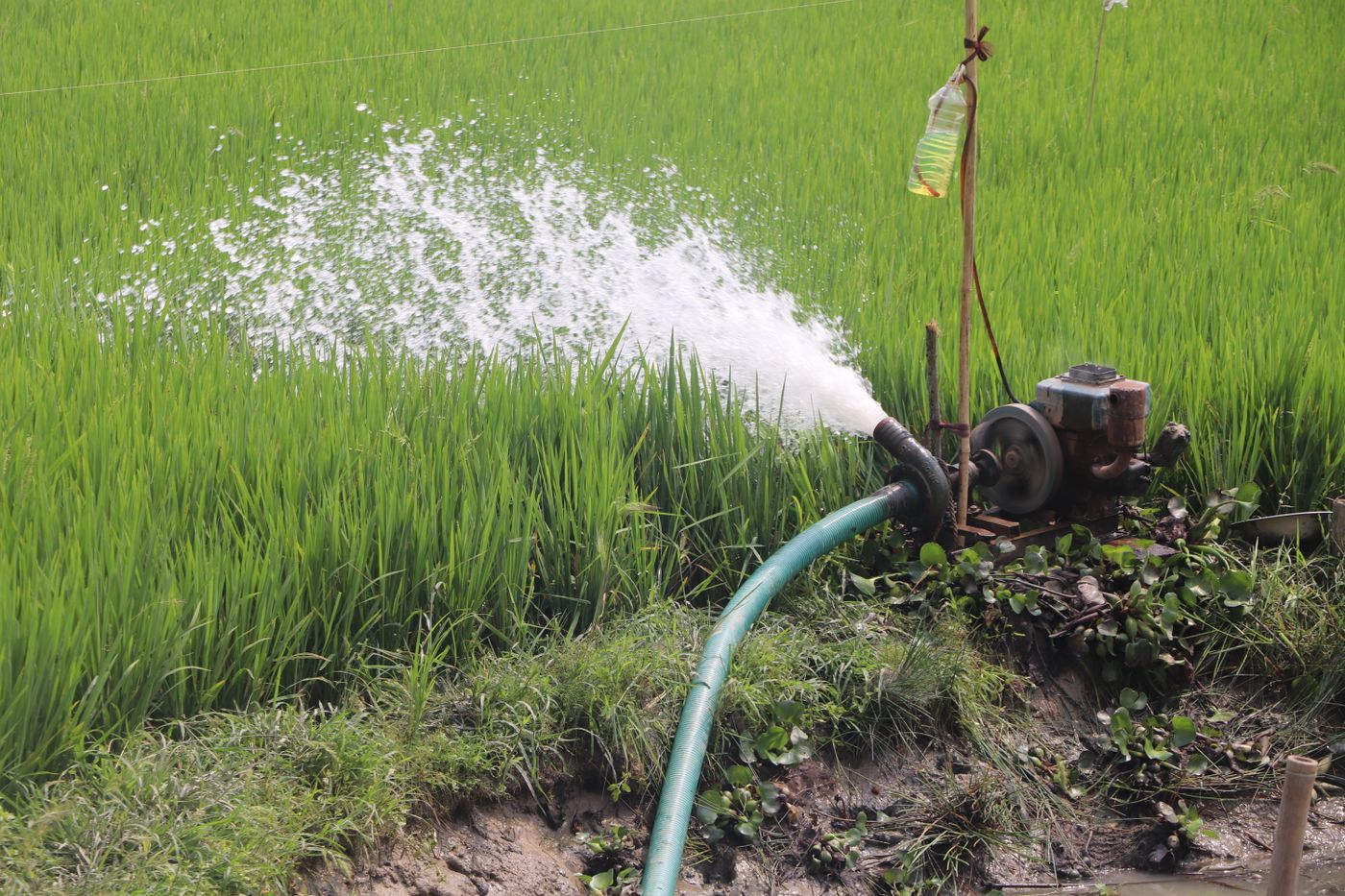
Undersized pipe eats pump power. How friction loss works, HDPE vs PPR vs PVC vs galvanised, the elbows nobody counts, and a worked 1, 1.5 and 2 inch example.
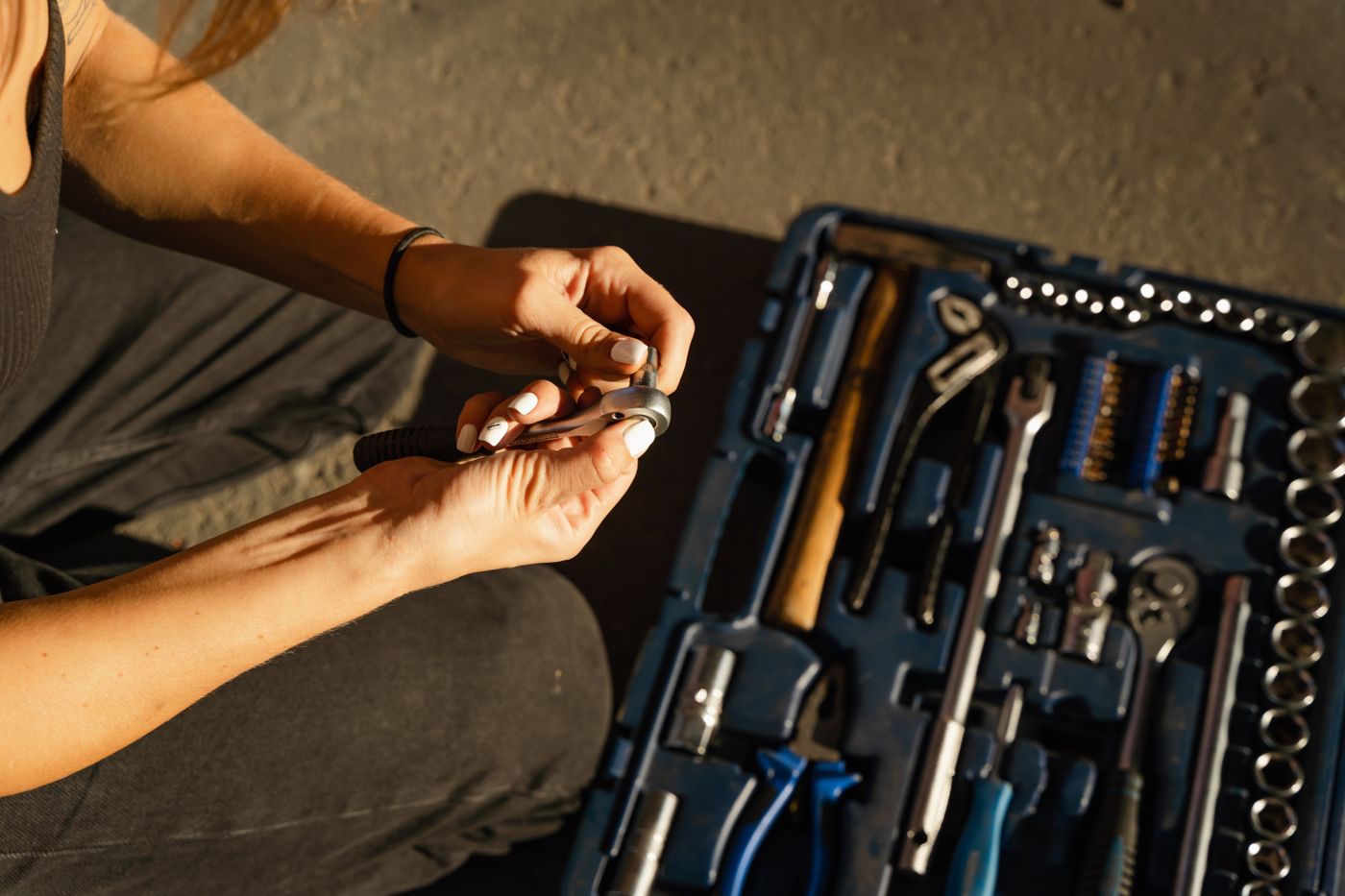
The metric spanner and socket sizes Kenyan farms actually use on tractors, pumps, bikes and mills, ring vs open ended, 1/2 vs 3/8 drive, and a starter set.
Which drill bit for masonry, steel and wood in Kenya, the speed each one needs, when you need SDS, why bits burn, and how to keep a small set sharp and usable.
Day length is a biological signal, not a convenience. How to run layer and broiler lighting on the equator, judge intensity without a meter, and back it up.
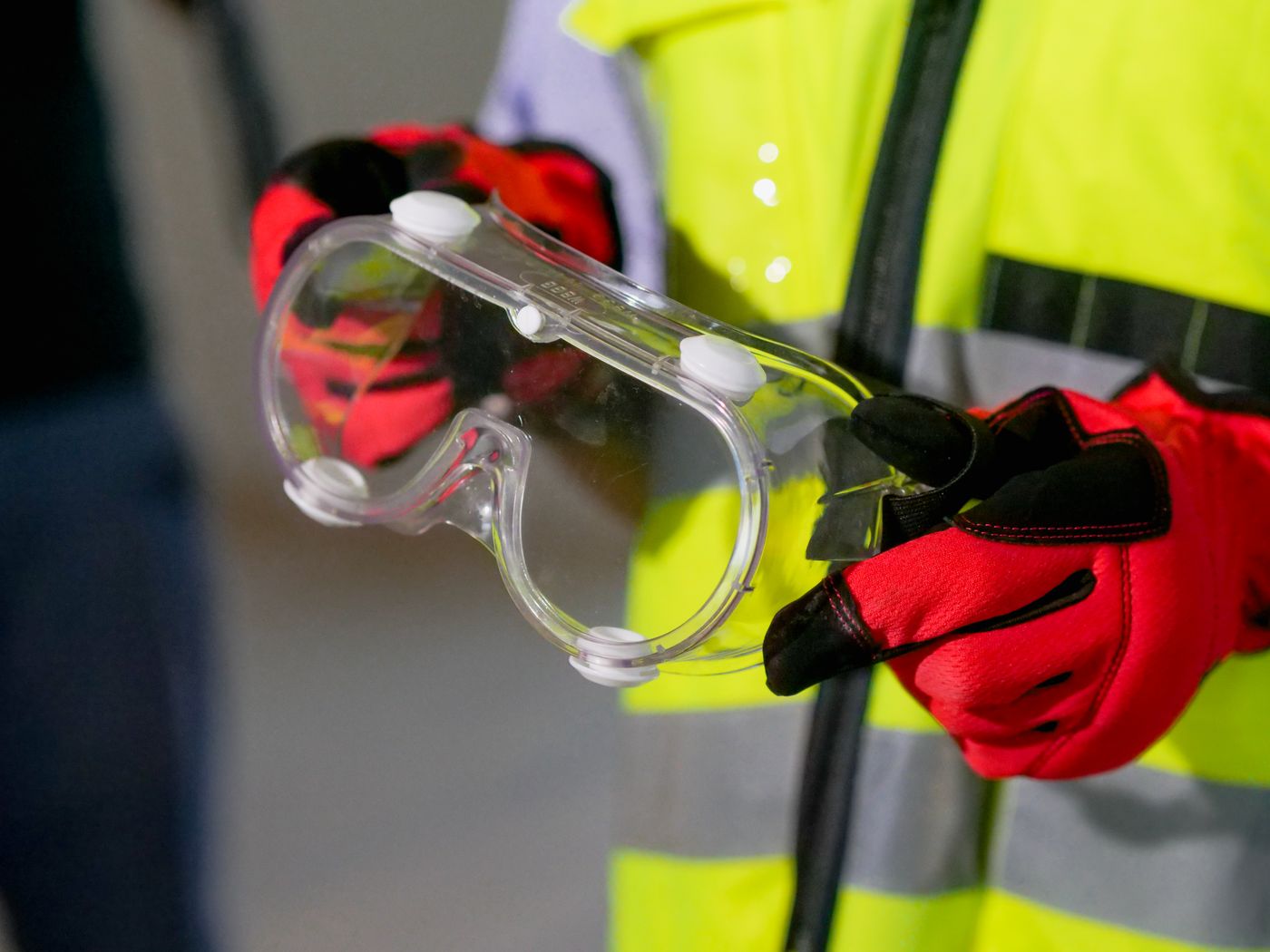
A lockable ventilated store, original labelled containers, reading the label intervals, safe mixing, PPE that gets worn, triple rinsing and handling a spill.
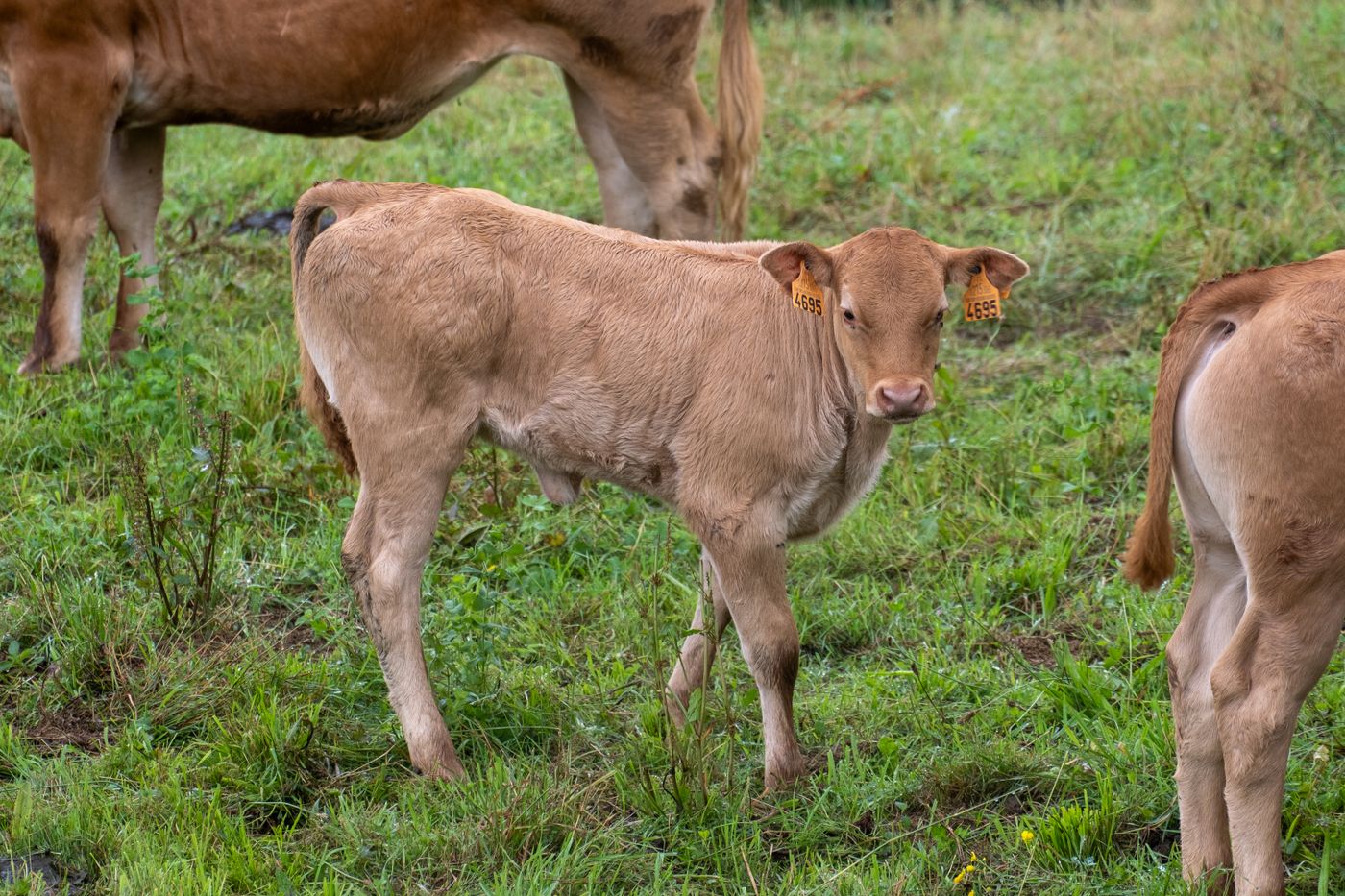
Corner and strainer posts carry your whole fence. How to set a strainer with a stay, strain wire properly, and pick posts that survive termites and rot.
Open sun drying costs quality, weight and grade. How a solar dryer traps heat and moves air, direct versus indirect designs, target moisture and sizing.

Bypass or anvil, loppers, saws and pole pruners, where to cut at the branch collar, and why sterilising blades between trees protects coffee and orchards.
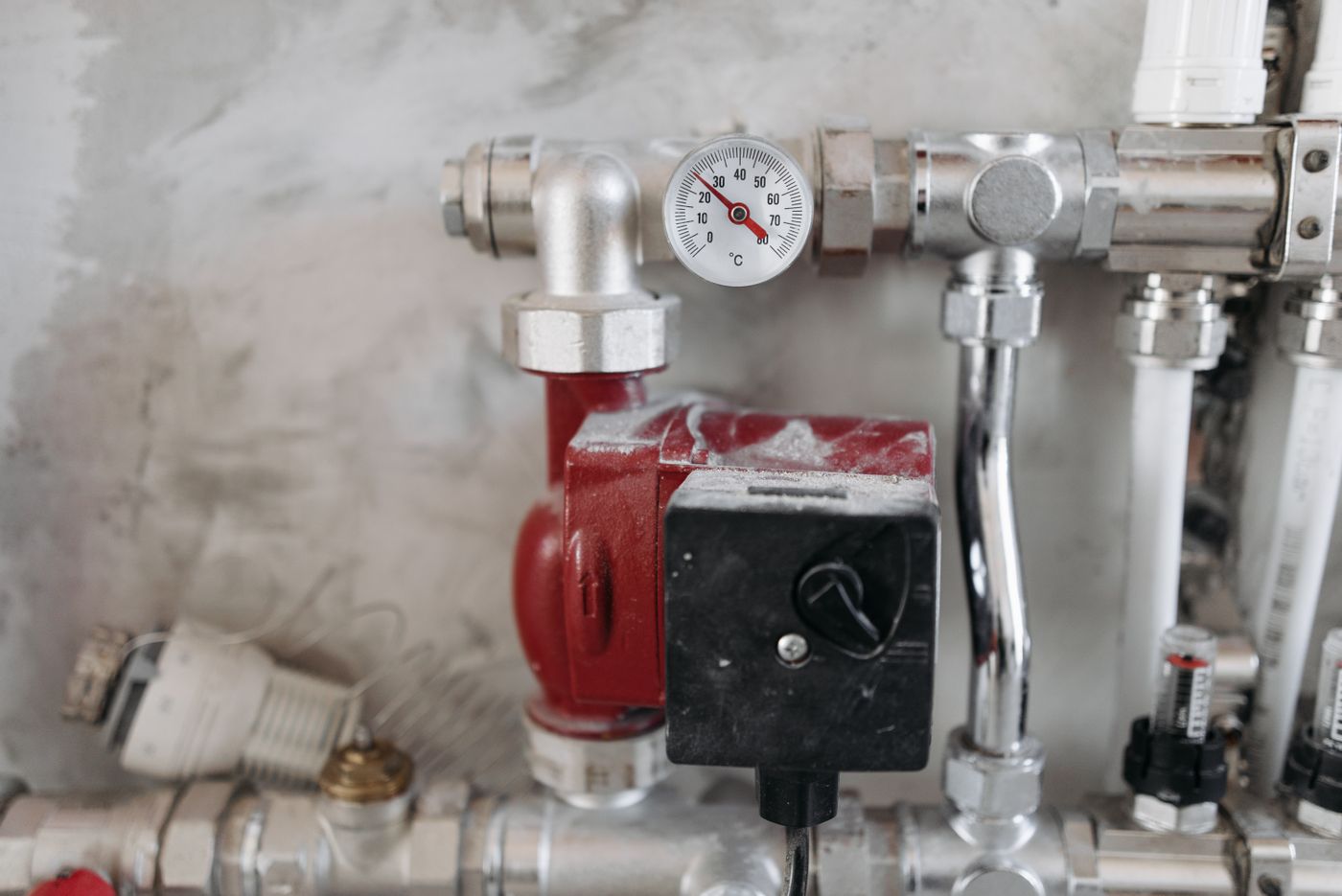
Weak showers and appliances that will not run are a pressure problem, not a water problem. How tank height sets pressure, and when a booster beats a stand.
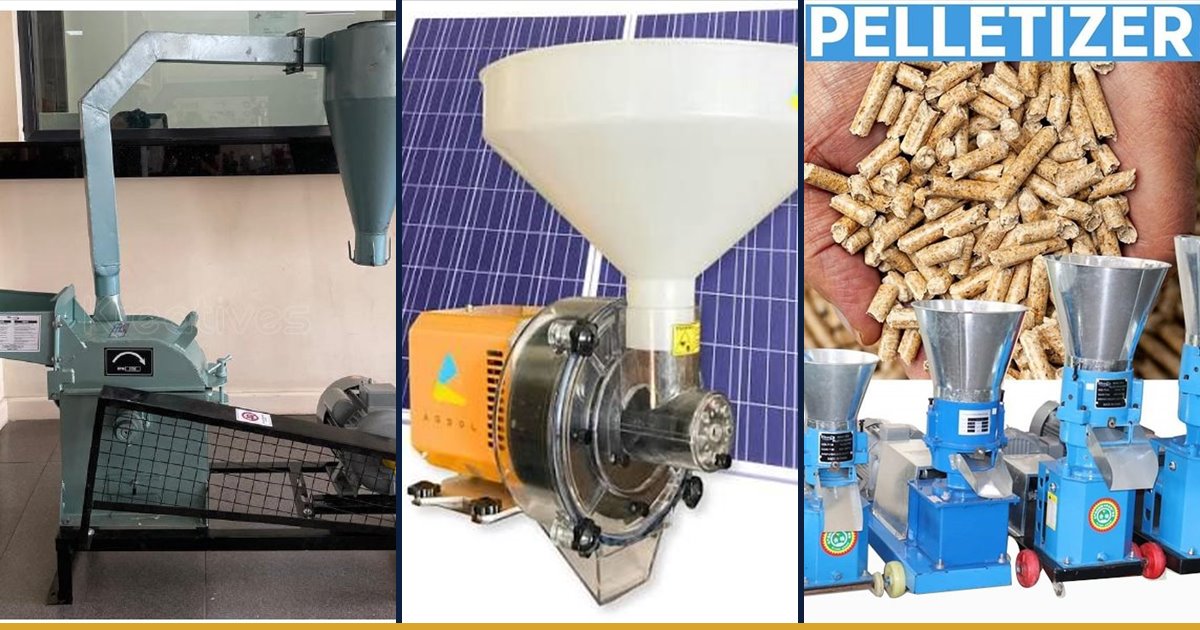
Most posho mill, chaff cutter and sheller breakdowns are drive faults, not engine faults. Belt tension, pulley alignment, bearing warning signs and greasing.
How a bottle jack multiplies force, why a jack lifts but never holds a load, and the axle stands, chocks, ground checks and seal care that keep you alive.
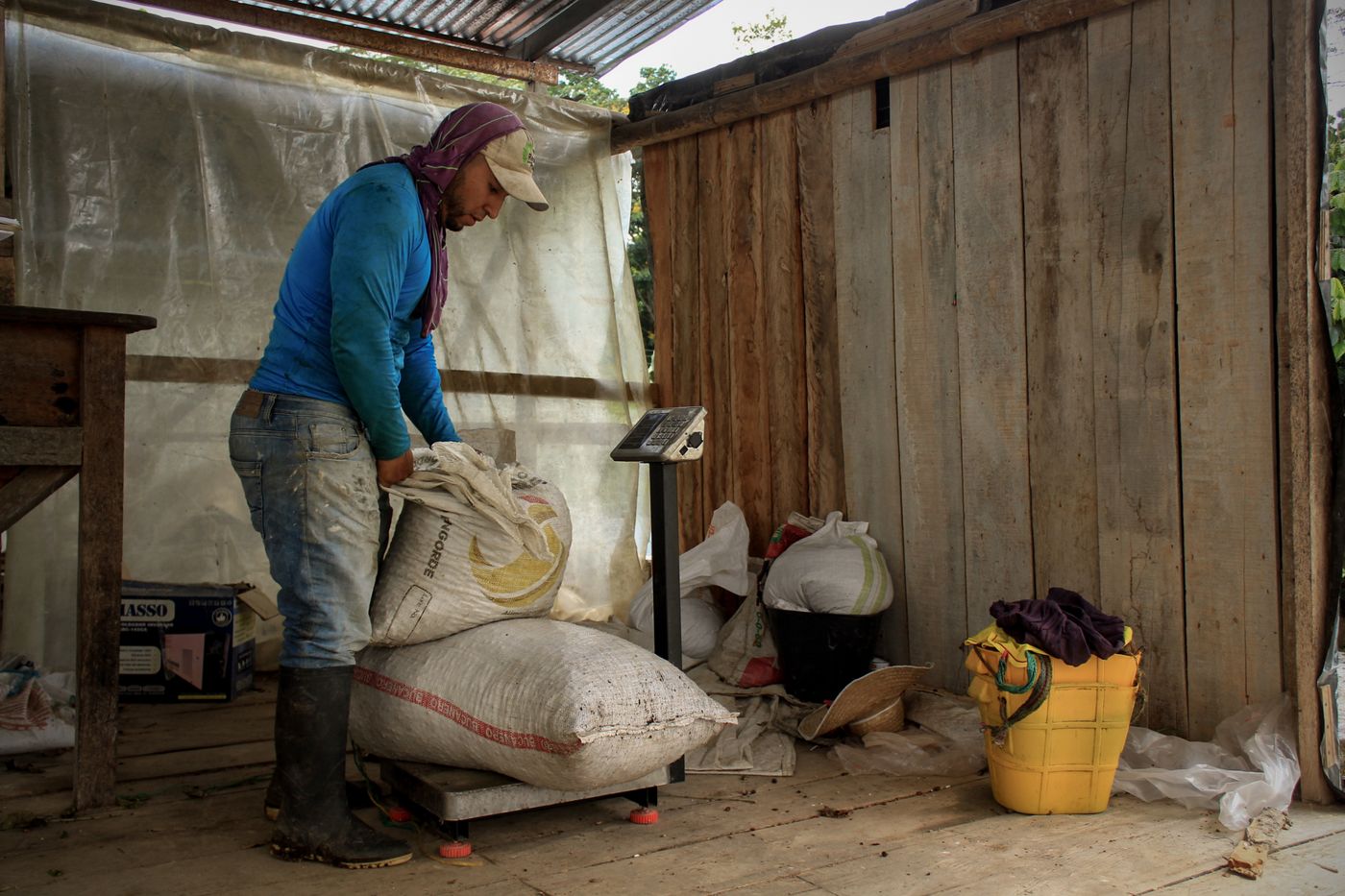
Manual handling is the labour cost nobody measures. How to choose a wheelbarrow that lasts, pick pneumatic or solid wheels, and cut journeys on your farm.
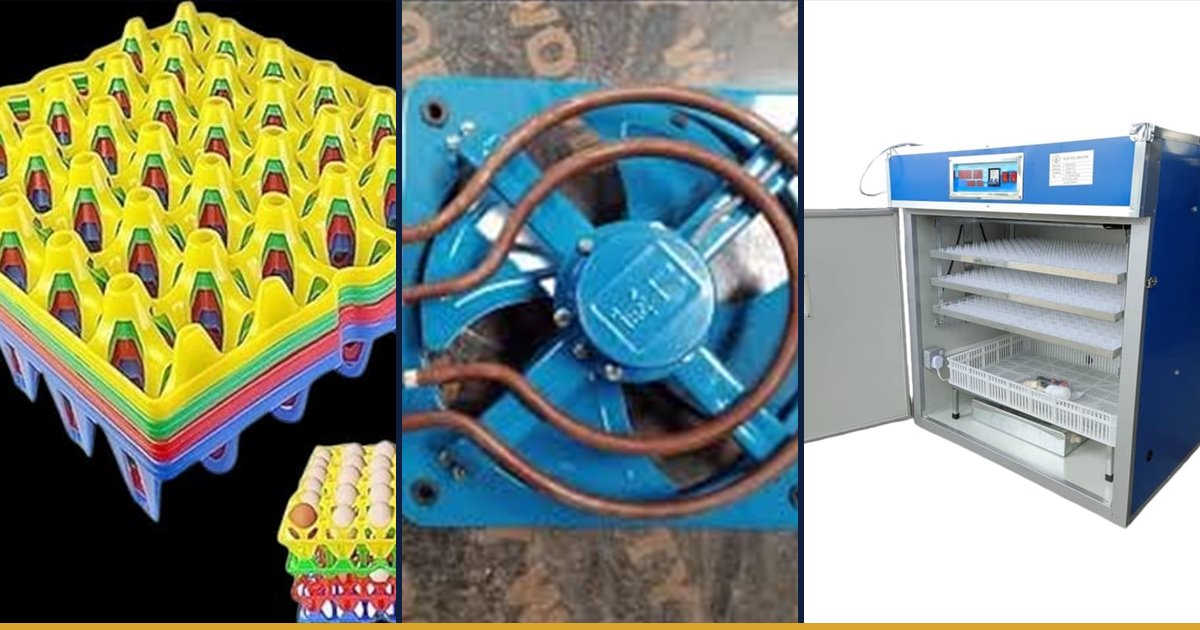
Why washing eggs backfires, how often to collect, why a cool room beats a fridge for table eggs, and how to candle, grade and pack so they reach market intact.
CFM at a stated pressure, not horsepower, decides what a compressor can run. Matching air demand, moisture traps, spray gun setup and tank safety in Kenya.
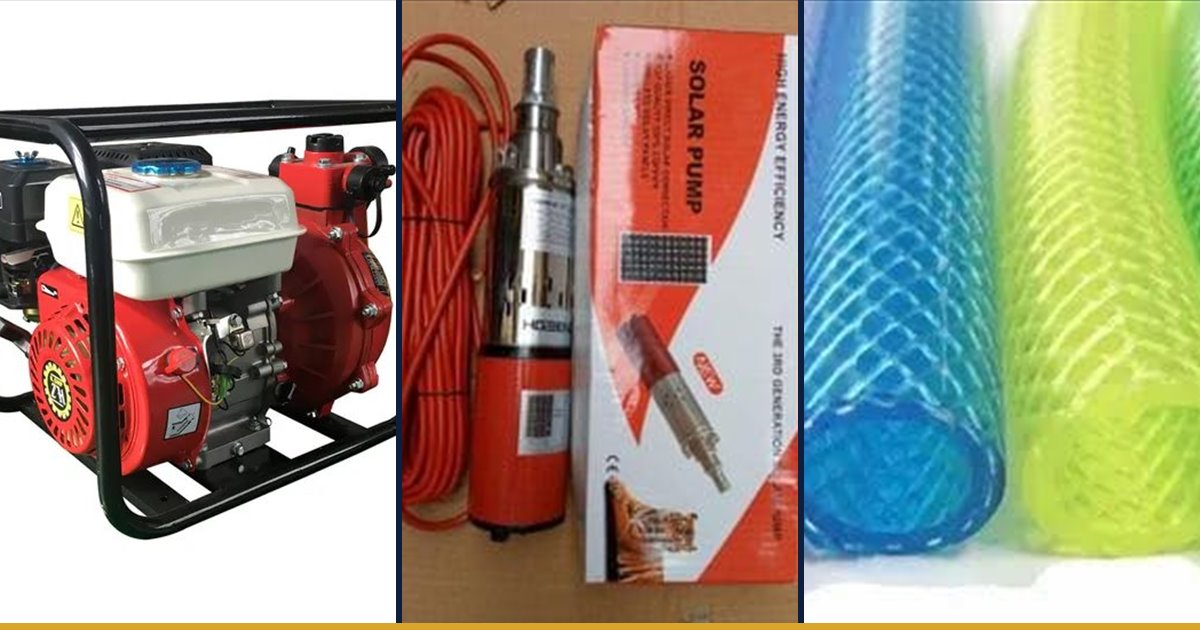
A surface pump cannot lift water more than about seven metres, and altitude lowers that. How suction lift, cooling and repairs decide which pump you buy.
How disease really arrives on a Kenyan farm, the cheap controls that do most of the work, footbaths that actually disinfect, quarantine and all in all out.
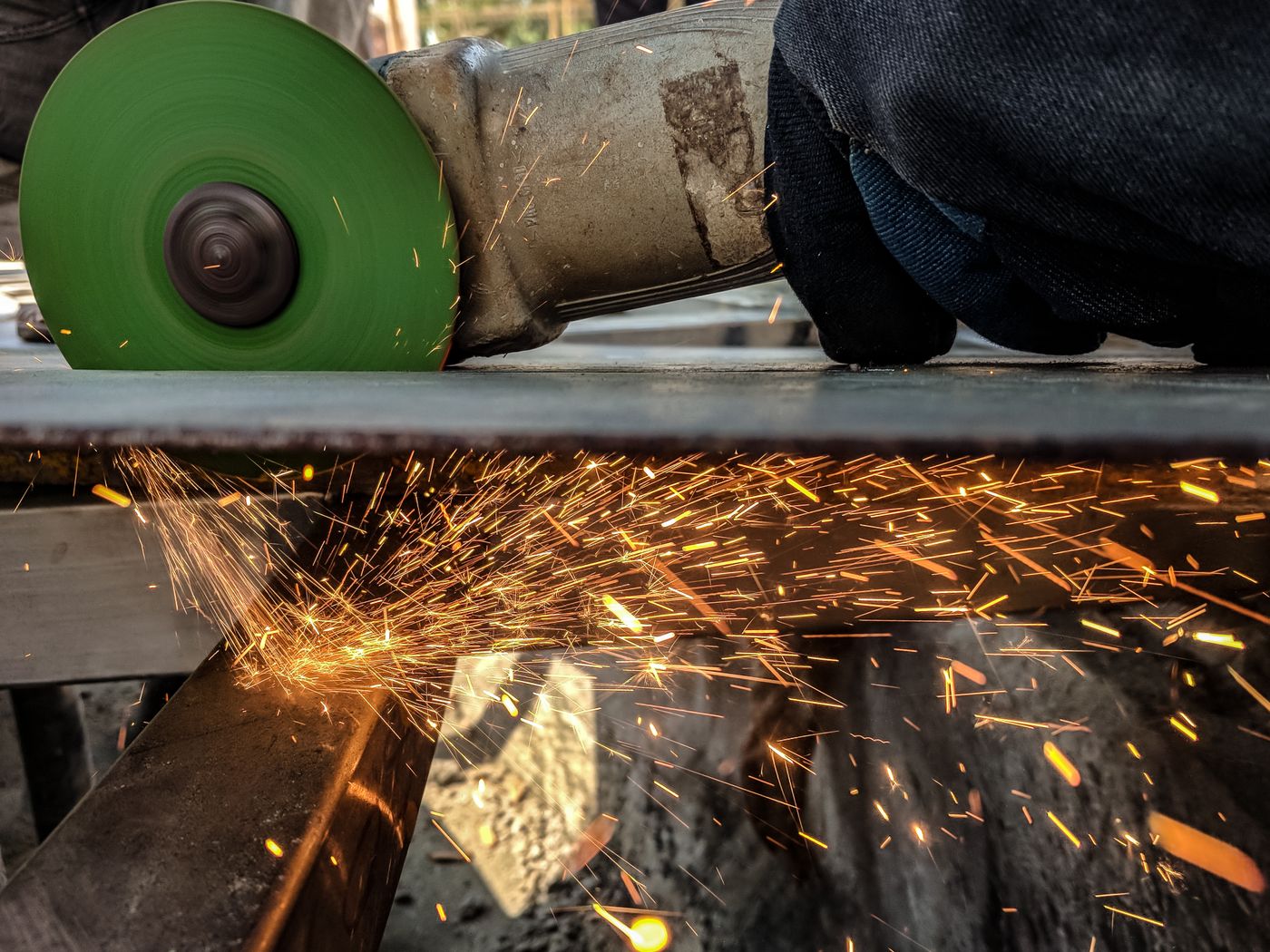
A blunt tool is the dangerous one. Wheel grades, dressing, the burning that ruins temper, and the correct angles for chisels, pangas, axes and mower blades.
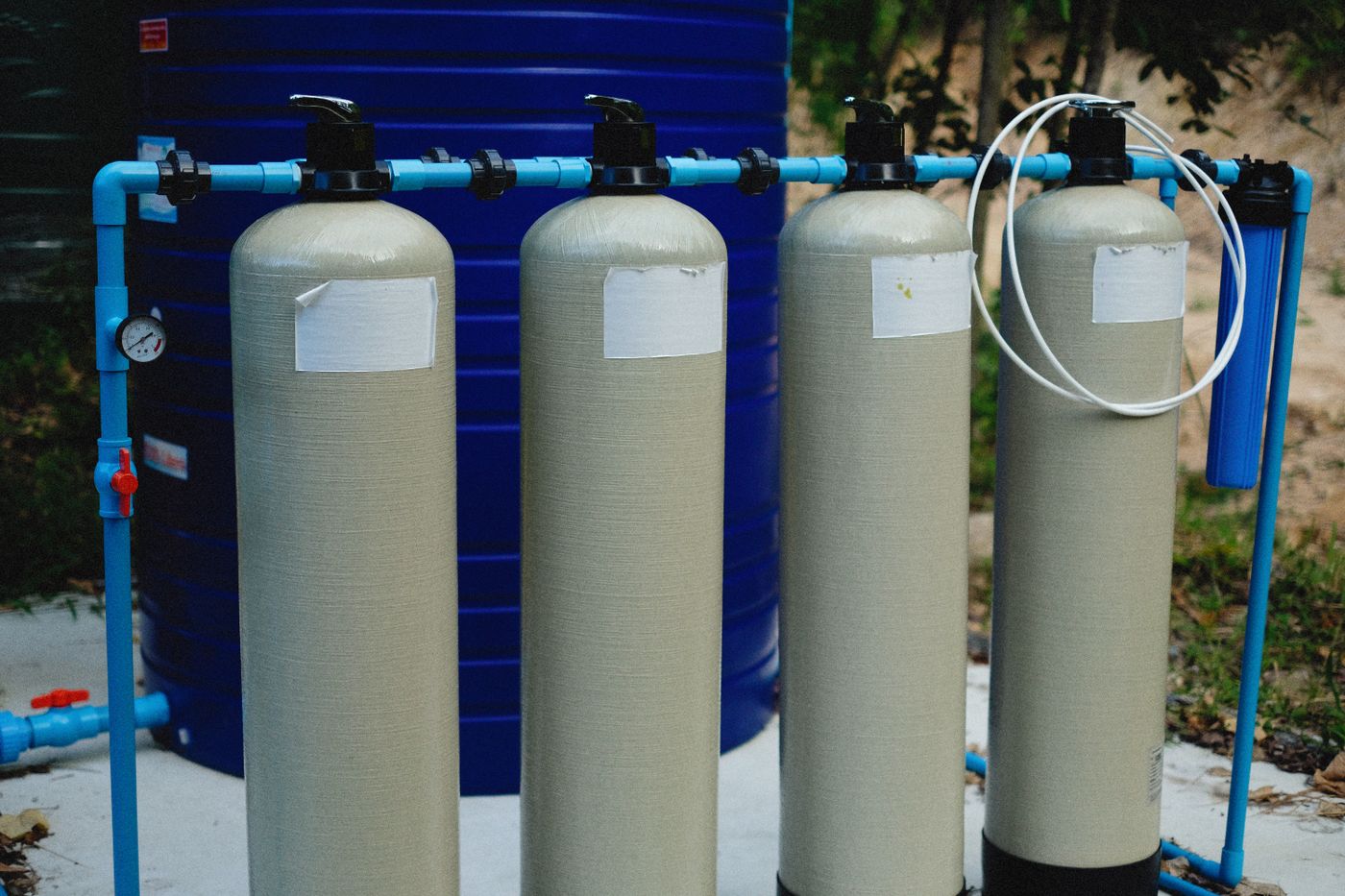
One millimetre of rain on one square metre is one litre. Work out what your roof really yields, size the tank against the dry spell, and get the gutters right.
Ammonia and damp build up invisibly overnight and quietly cost more than feed. How to size ridge vents and openings, and how to read your birds and the litter.
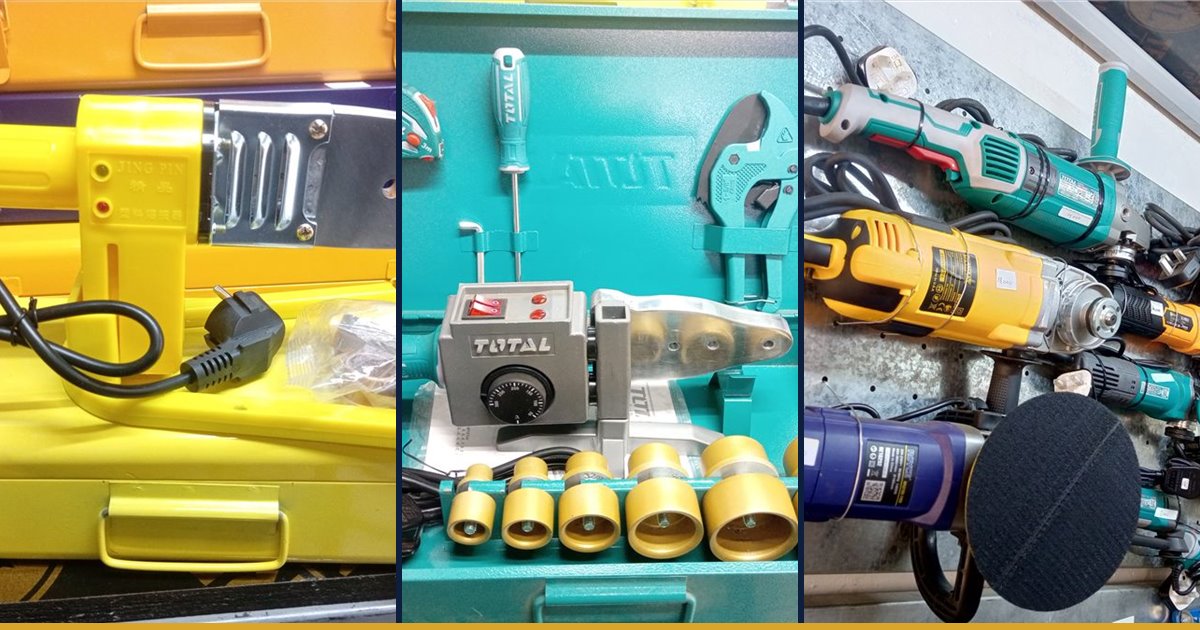
What the numbers on a welding rod mean, how to match rod size to metal thickness and joint, set the current, keep rods dry, and read a bad weld by eye.
Total head, flow rate and friction loss explained in plain terms. Measure your own lift, read a pump curve, and stop buying pumps that never fill the tank.
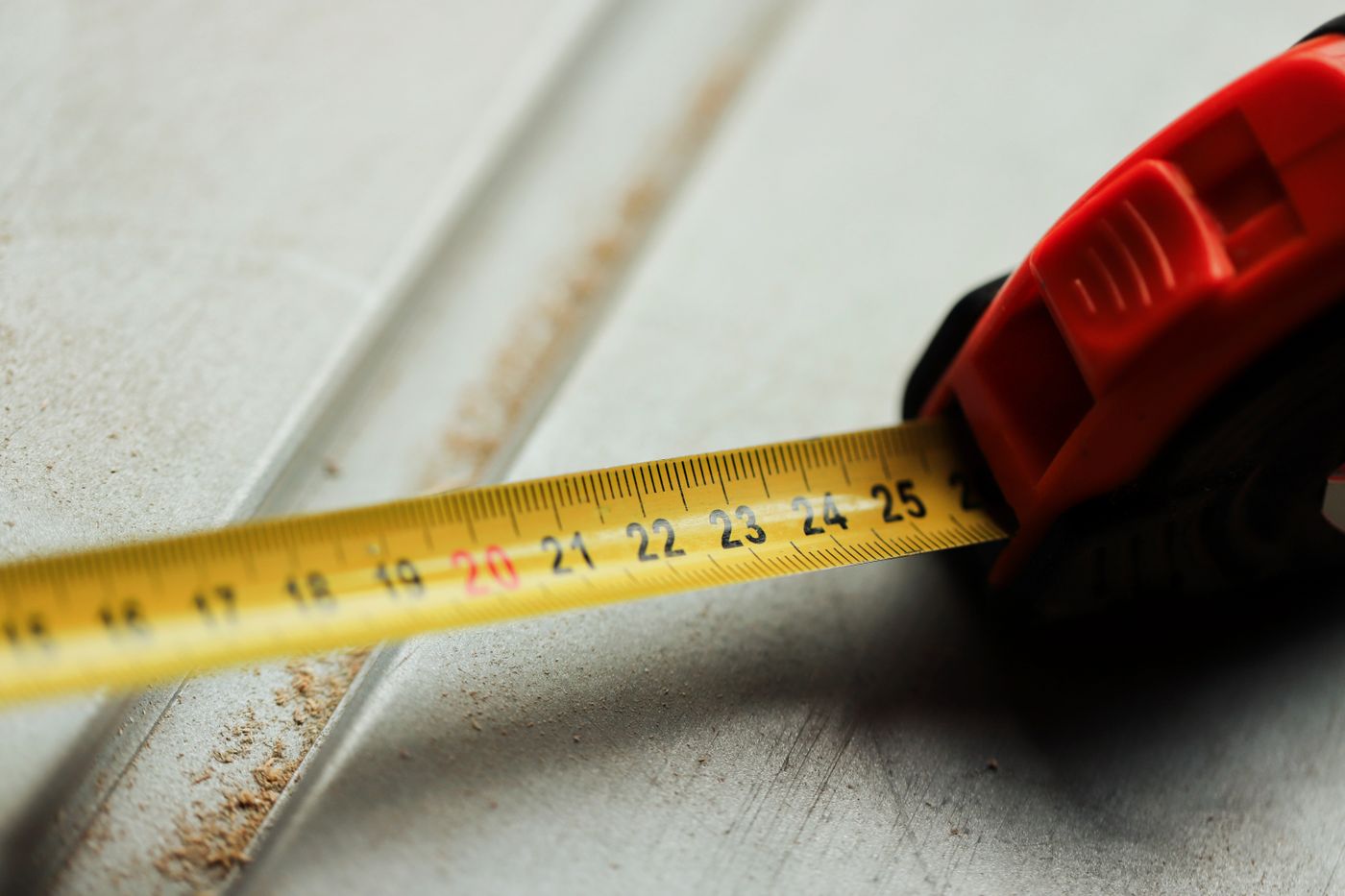
Which tools to buy first, which to buy well and which to buy cheap, and how to stop them rusting.
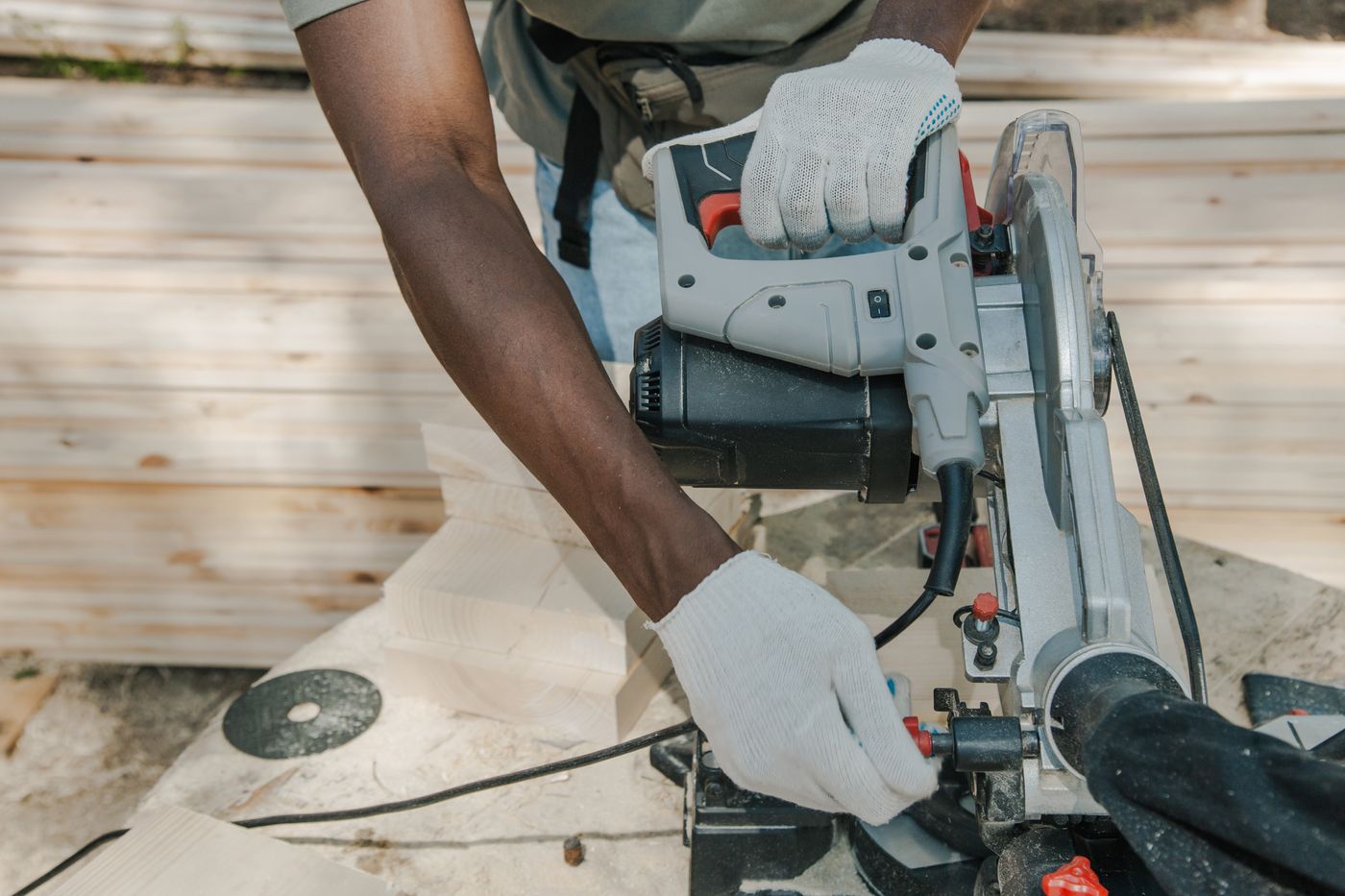
One saw goes to the timber, the other makes the timber come to it. Which to buy first, and how to stop kickback.

Impact drill, hammer drill or impact driver? What the specification really tells you, and why heat is what destroys your bits.
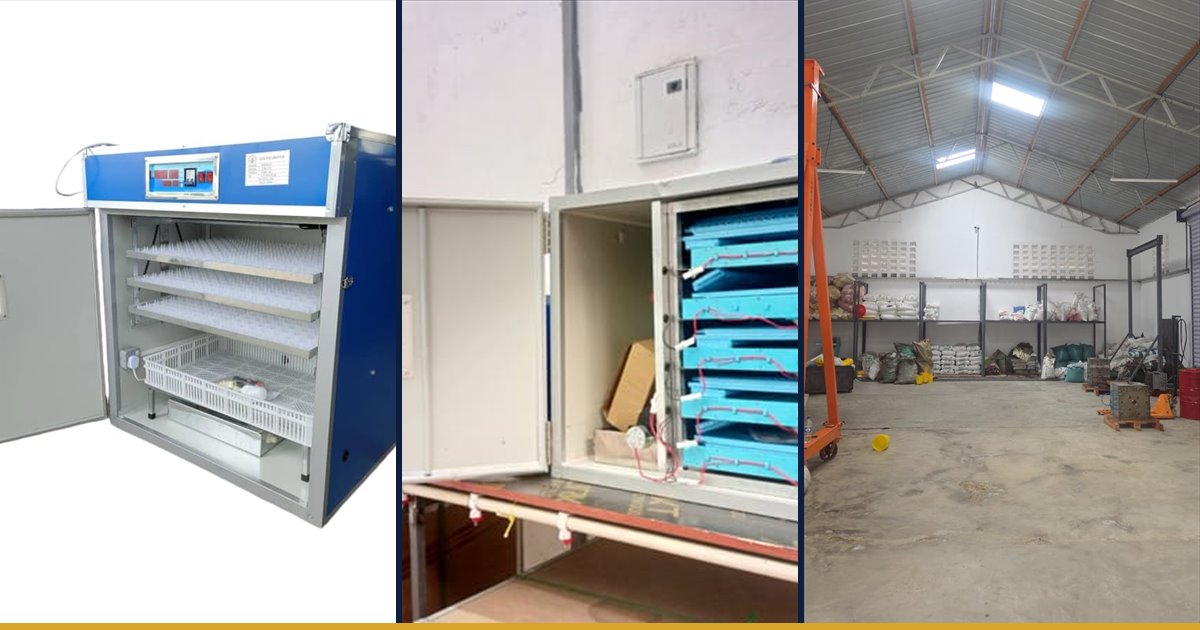
Build demand before capacity, solve egg supply, and budget for what the incubator alone will not give you.
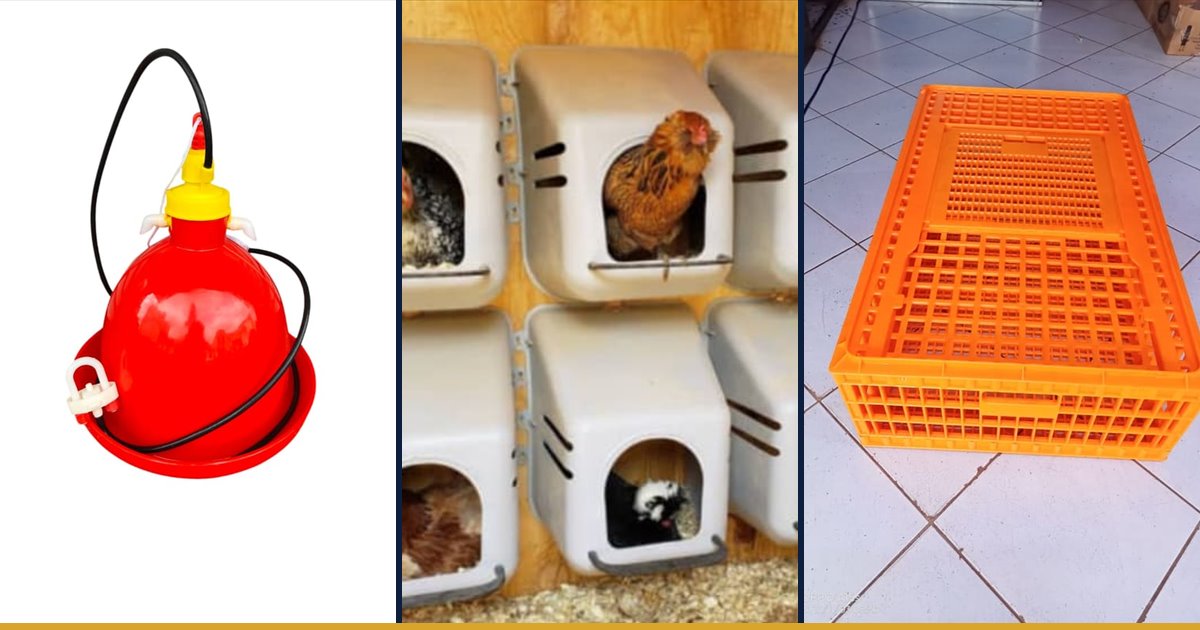
Exact lists for 100, 500 and 1,000 birds built from space per bird, what changes between them, and what people always forget.
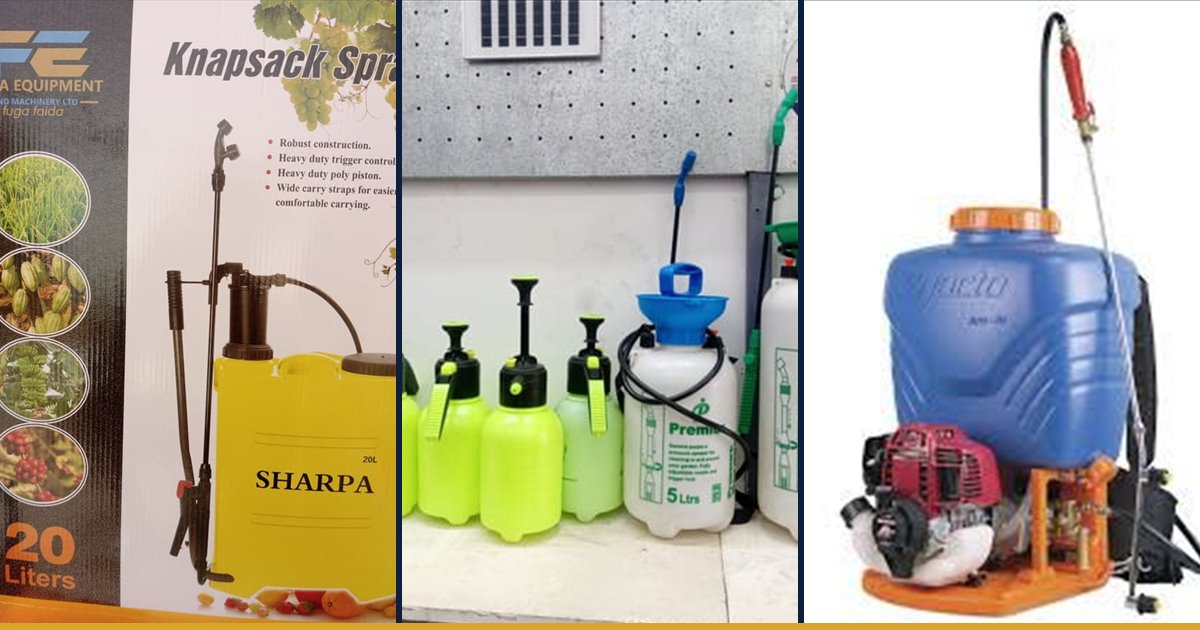
Twenty minutes with a jug, a watch and a tape measure, so chemical label rates finally mean something. With a worked example.
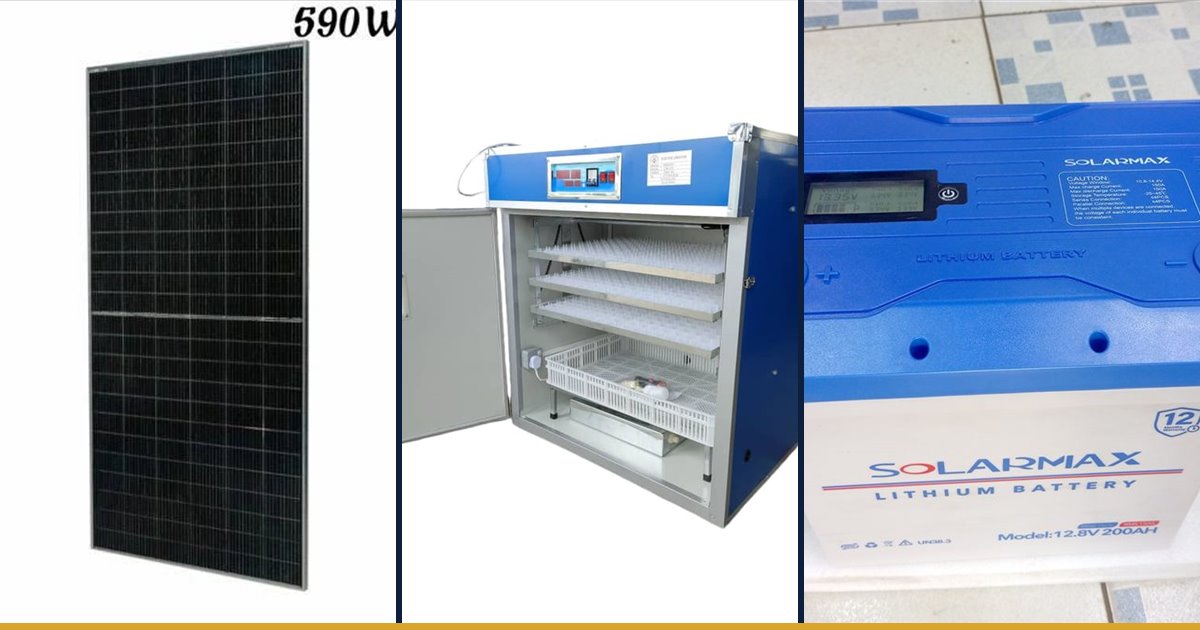
Why the right answer is usually solar backup for an ordinary incubator, how to size it properly, and what to do during an outage.
Feed is around 70 per cent of running cost. Where it goes, the three habits that cost nothing, and storage that stops spoilage.
Cost, training, litter dryness and medication dosing compared honestly, plus how each system fails and how to size either one.
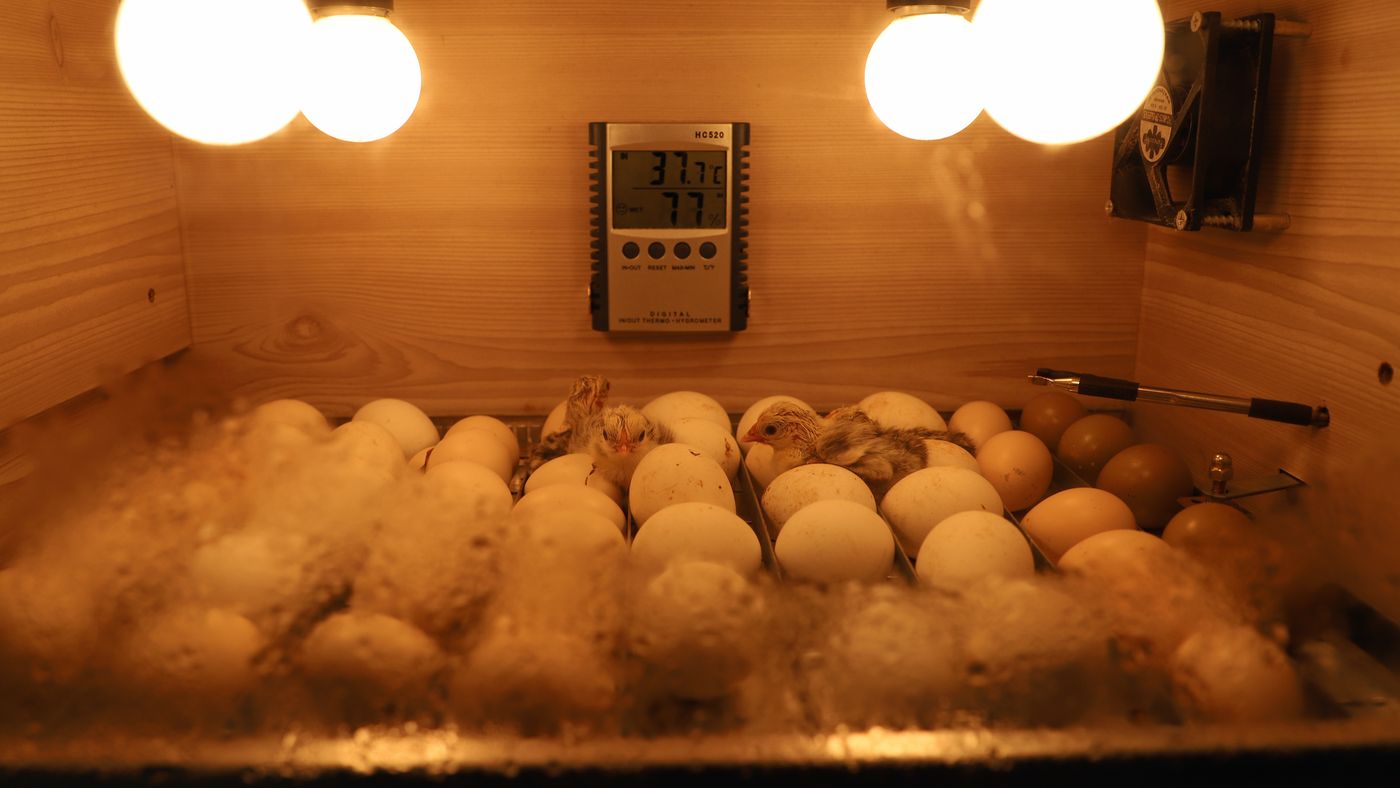
Temperature, humidity, turning and ventilation targets, plus how to diagnose your own losses by opening the eggs that did not hatch.
Why days 1 to 18 and days 19 to 21 need opposite conditions, and how a separate hatcher roughly triples your annual output.
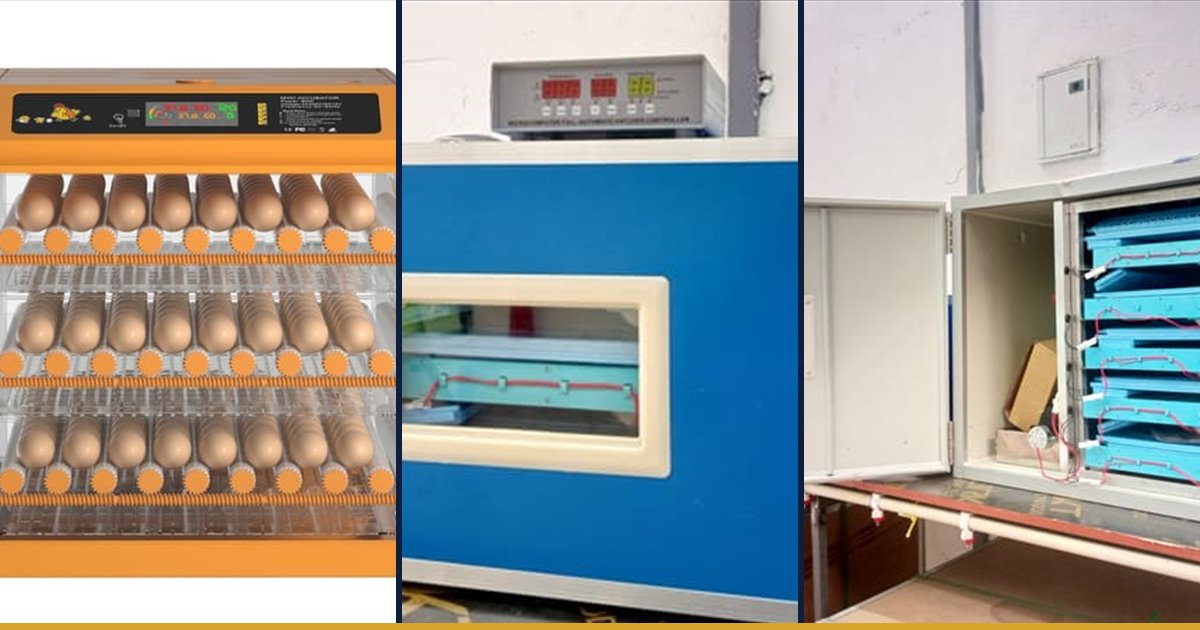
The size most Kenyan farms should actually buy, roller versus tray turning, and why a bigger machine sometimes costs less.

Prices from KSh 4,125. Which size to start with, what separates a cheap machine from a good one, and how to get a good first hatch.
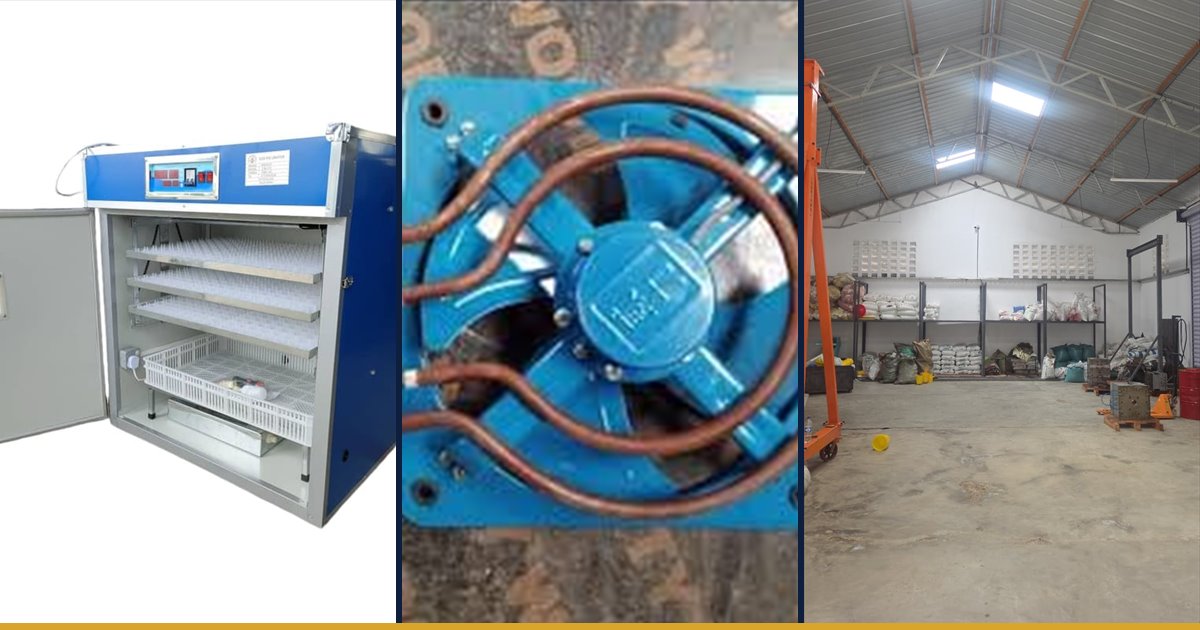
Single stage versus multi stage, realistic chick output, the egg storage rules that cost nothing, and what a hatchery needs beyond the machine.
Prices from KSh 48,000, what a 528 really produces as against its headline capacity, and why backup power belongs in the same budget.
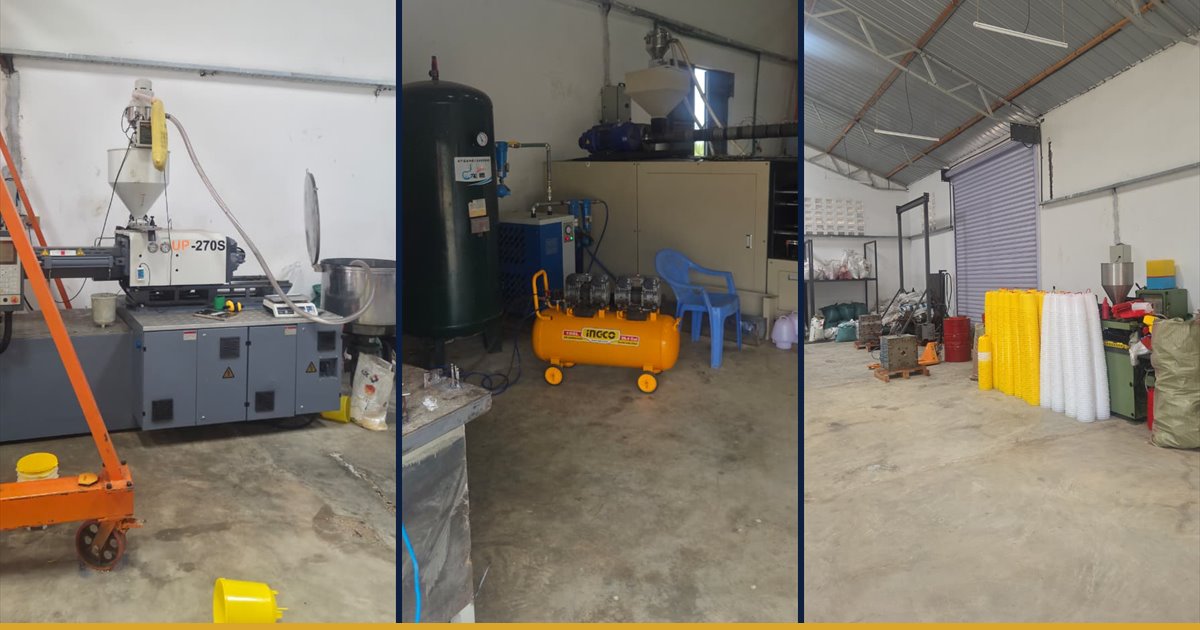
Inside the Sharpa line. Piston versus diaphragm pumps, why the nozzle decides your result, and what to check before you buy.
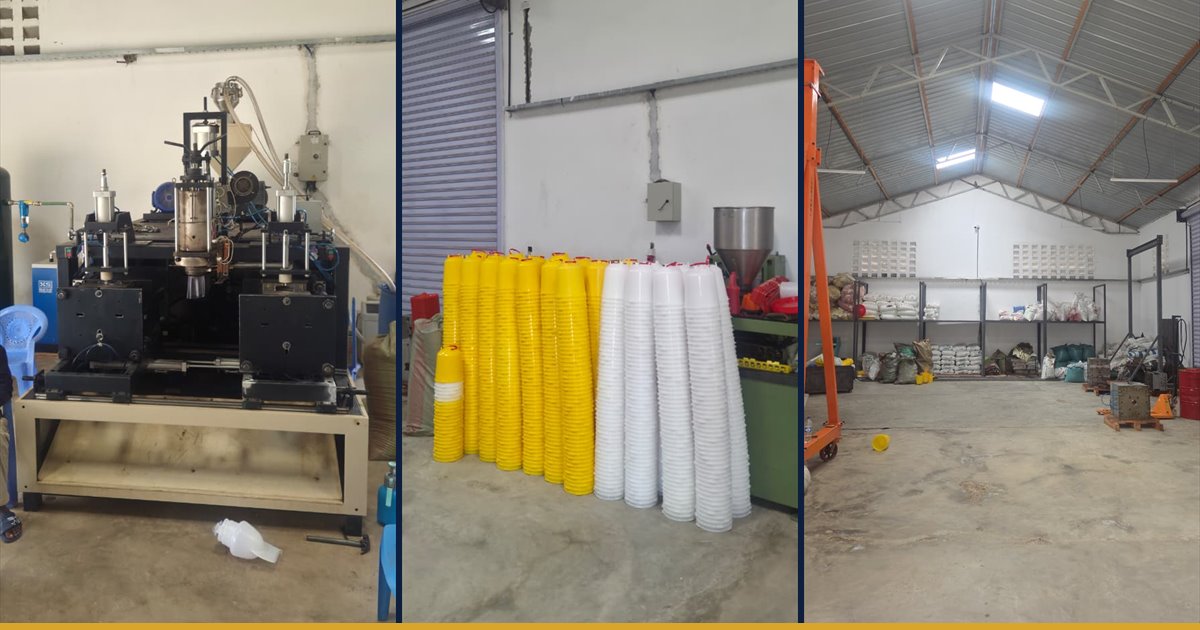
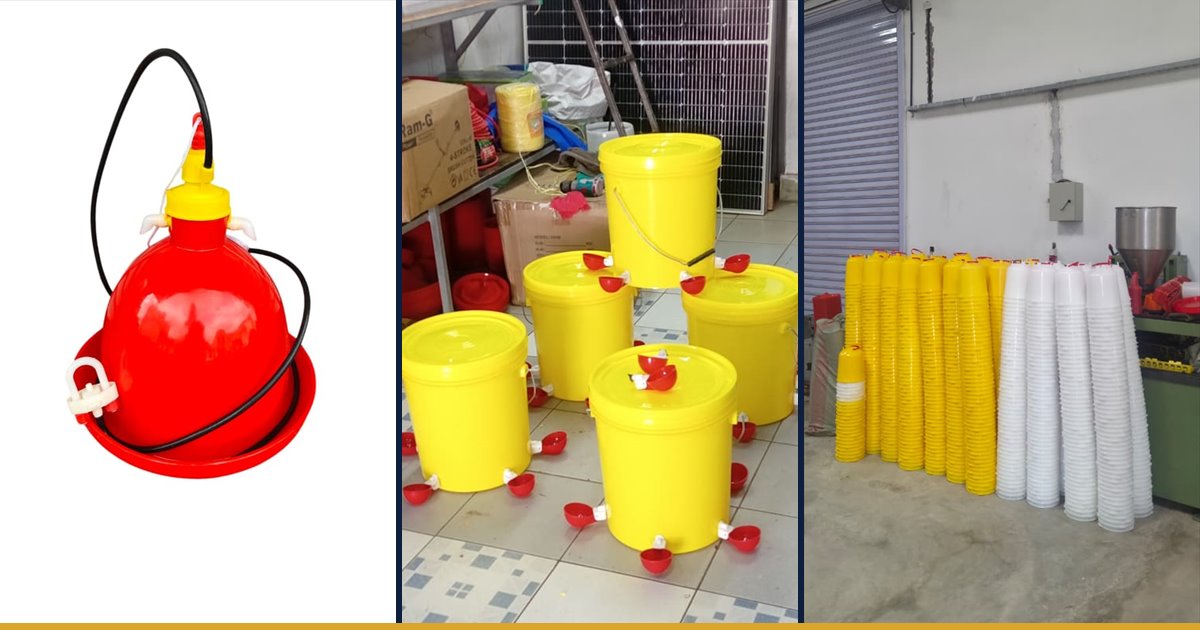
The valve is the whole product. How drinkers are made, the four ways they fail, and choosing between manual, bell and nipple systems.
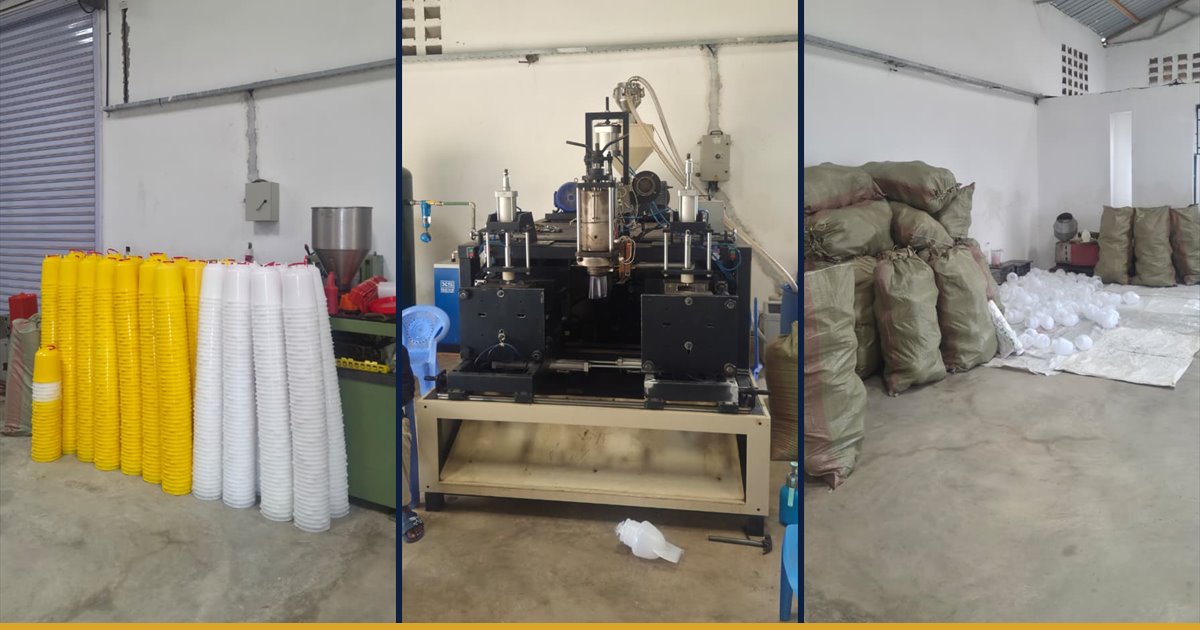
How blow and injection moulding actually make a feeder, what separates one that lasts from one built to a price, and six checks to run at the counter.
Choosing an angle grinder in Kenya: wattage classes, 4.5 vs 9 inch machines, matching cutting, diamond and flap discs to the job, kickback and disc care.
Measuring and layout tools for Kenyan fundis: tape classes, reading the loose hook, spirit level checks, laser levels, distance measures and vernier calipers.
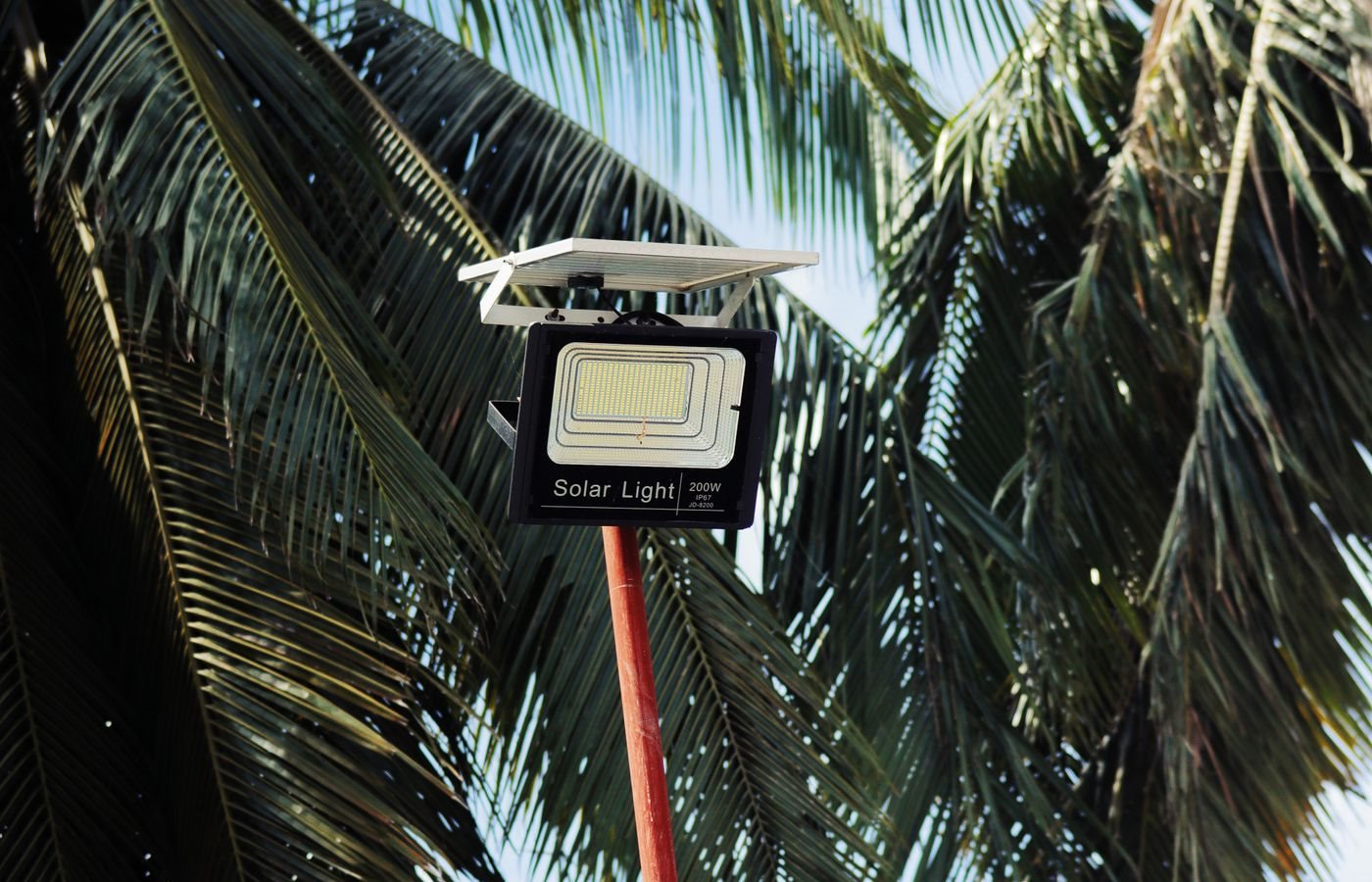
Solar flood lights vs street lights for Kenyan farms: what advertised watts really mean, mounting height, motion sensors, camera hybrids and a farm lighting plan.
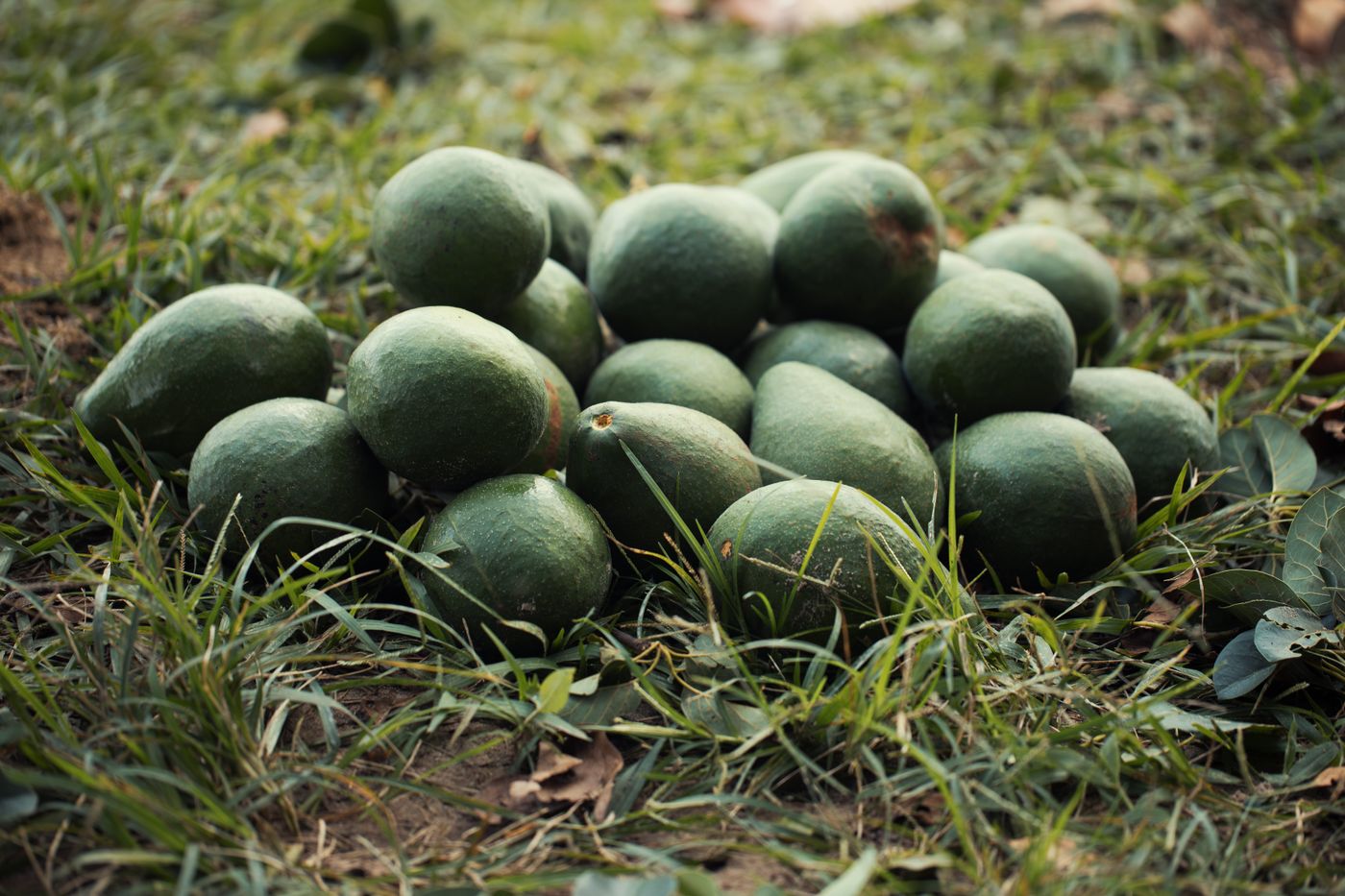
How Kenyan avocado and macadamia growers protect export grade: picking poles, bruise-free handling, crates instead of sacks, grading, dehusking and drying.
Farm and workshop safety kit in Kenya: eye protection, welding shades, hearing and respiratory gear, gloves, boots, fire extinguishers and safe fuel storage.
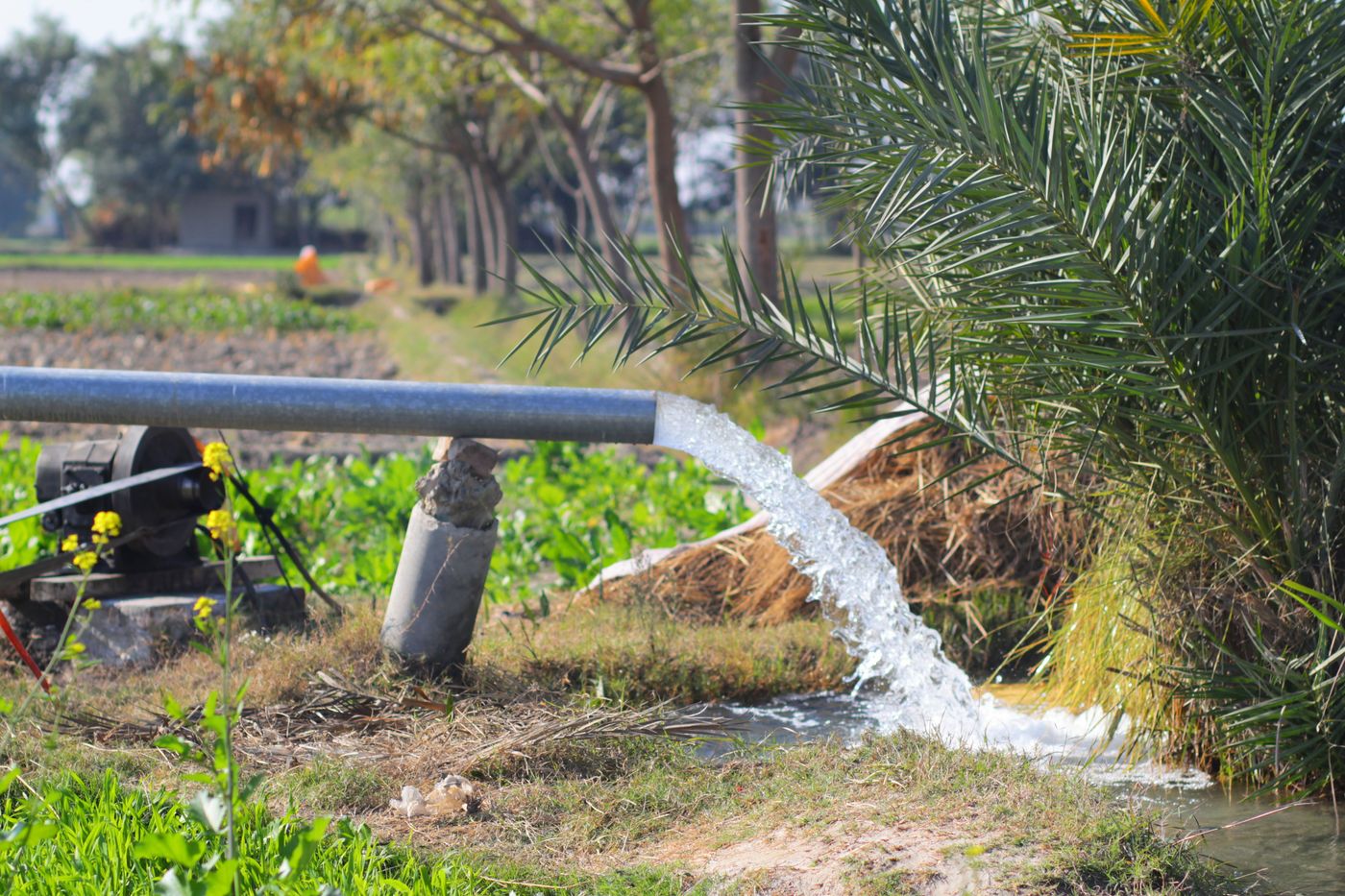
Why borehole and submersible pumps fail early in Kenya: dry running, sand, cable joints, oversizing and protection, plus the checks that keep yours alive.
How to dry maize to a safe storage moisture in Kenya: using a moisture meter, taking a representative sample, tarpaulin drying, raised cribs and mobile dryers.
Farm water treatment in Kenya: why borehole water needs testing first, sediment and iron filtration, hardness and scale, chlorination, UV and drip filters.
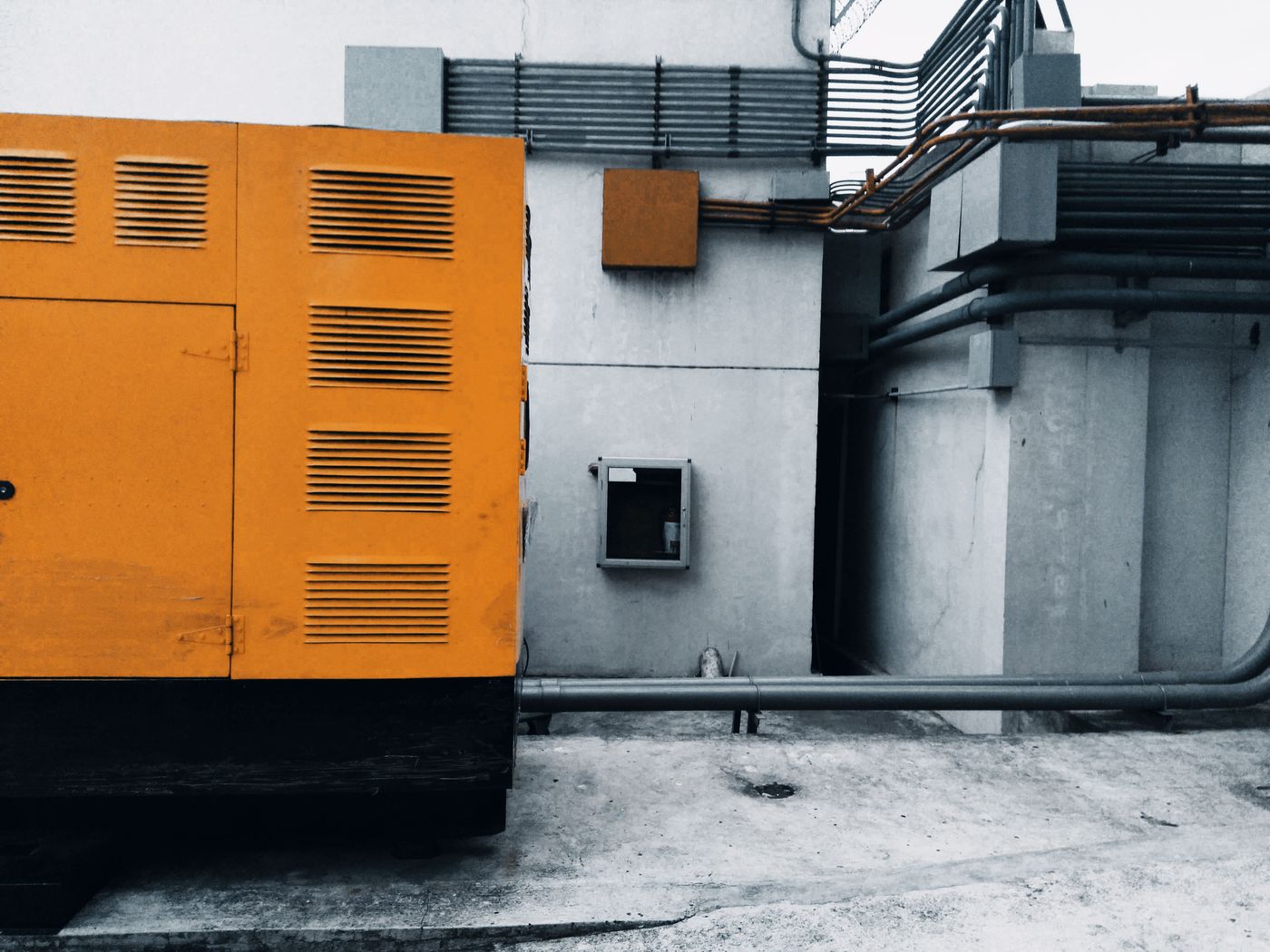
Generator maintenance in Kenya by running hours: oil and filter intervals, dust and air filters, water in fuel, coolant, battery care and load testing.
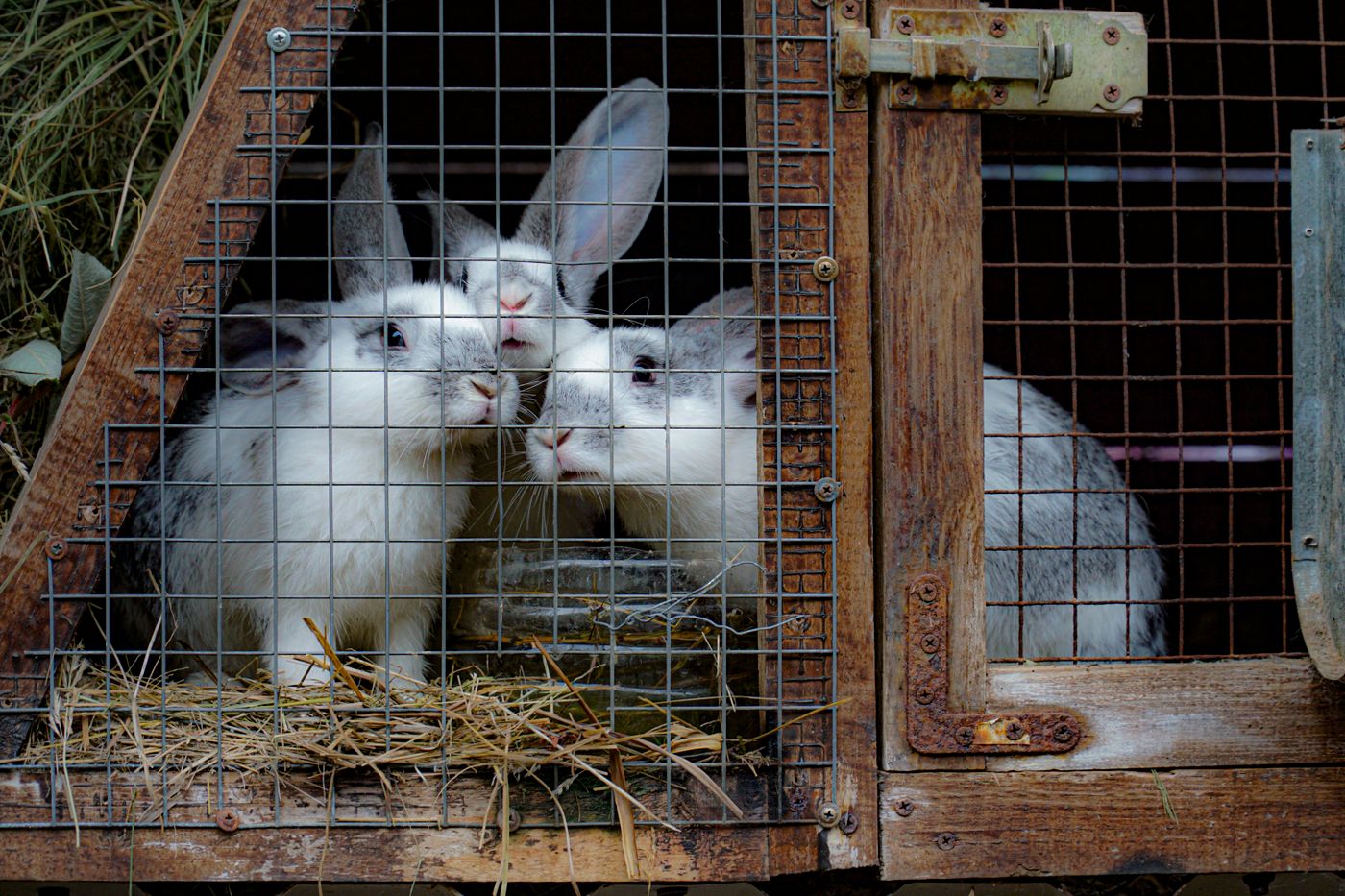
Rabbit farming in Kenya, equipment first: hutch ventilation and drainage, cage wire gauge, feeders, drinkers, nest boxes, manure value and an honest market view.
Matching tractor implements in Kenya: horsepower per disc, disc plough versus mouldboard, harrows, ridgers, trailer load ratings, linkage categories and PTO.
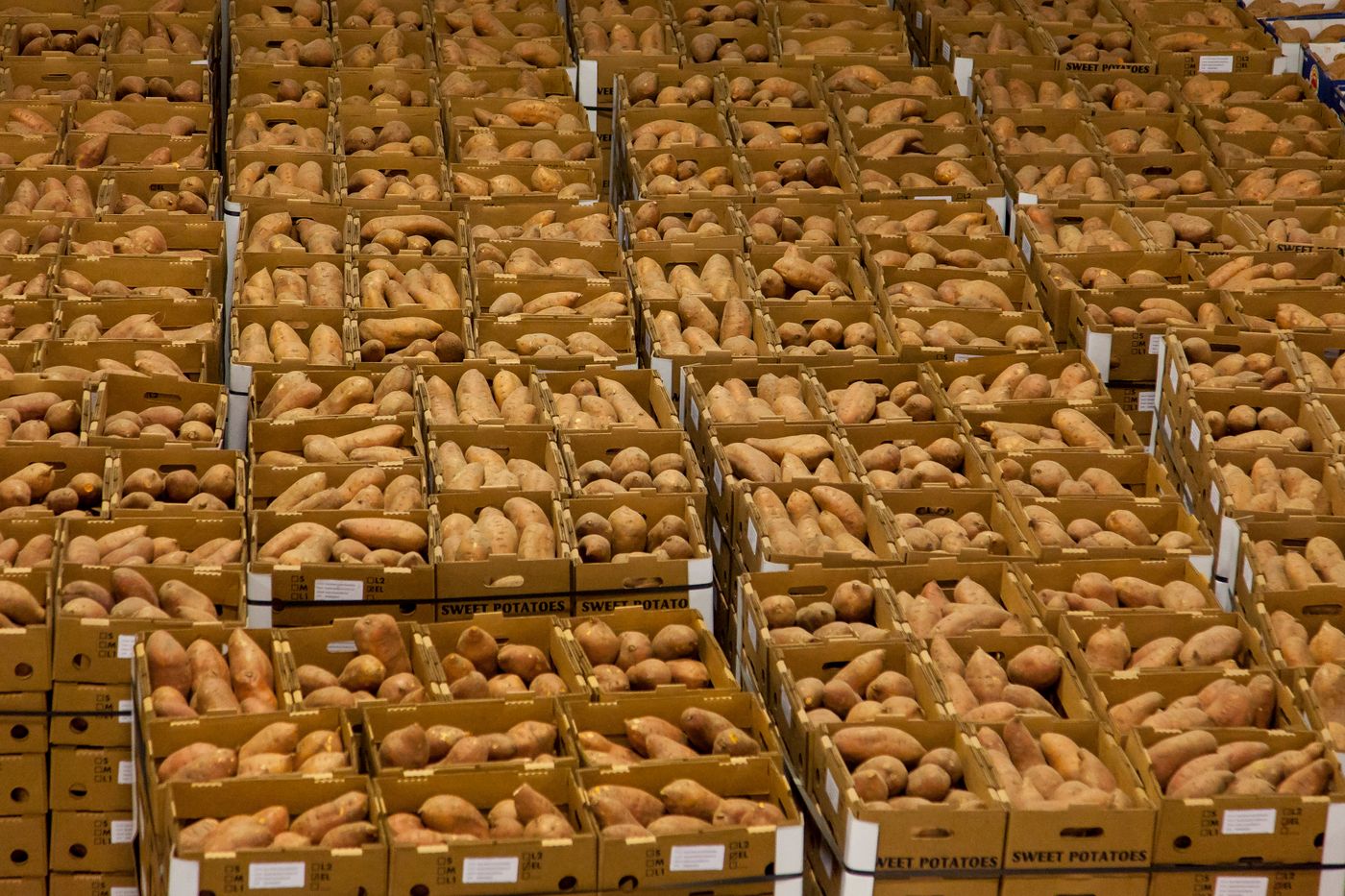
Cold storage for Kenyan produce: why field heat and the hours after harvest set shelf life, charcoal coolers, sizing a cold room, insulation, solar and running costs.
Pig farming in Kenya, equipment first: pen design for our climate, floors and drainage, nipple drinkers, farrowing creeps, feed mixing, biogas and weighing.
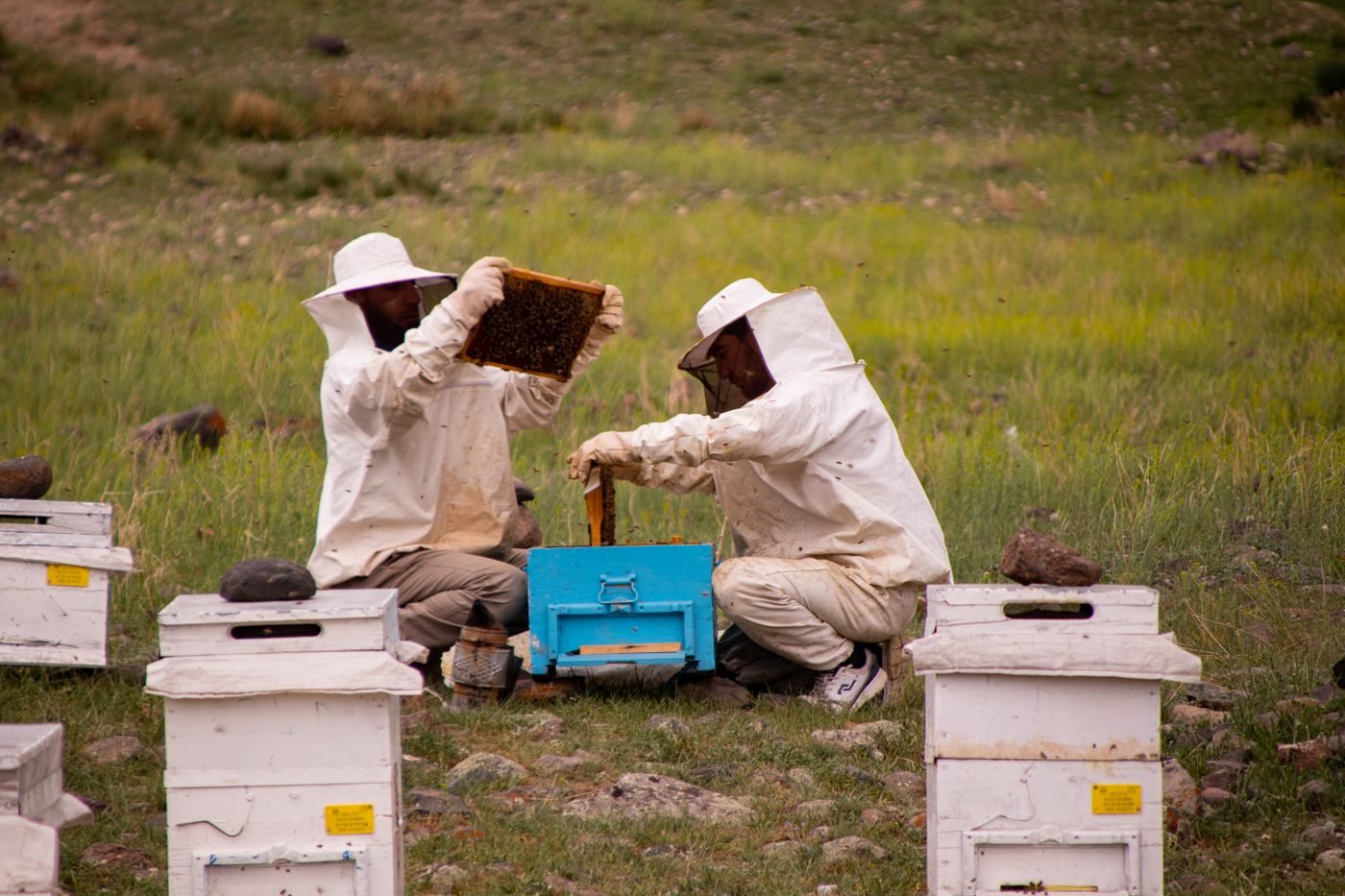
Beekeeping equipment in Kenya: Langstroth vs Kenya Top Bar hives, siting an apiary, suits, smokers, hive tools, harvesting, extractors and packaging honey.
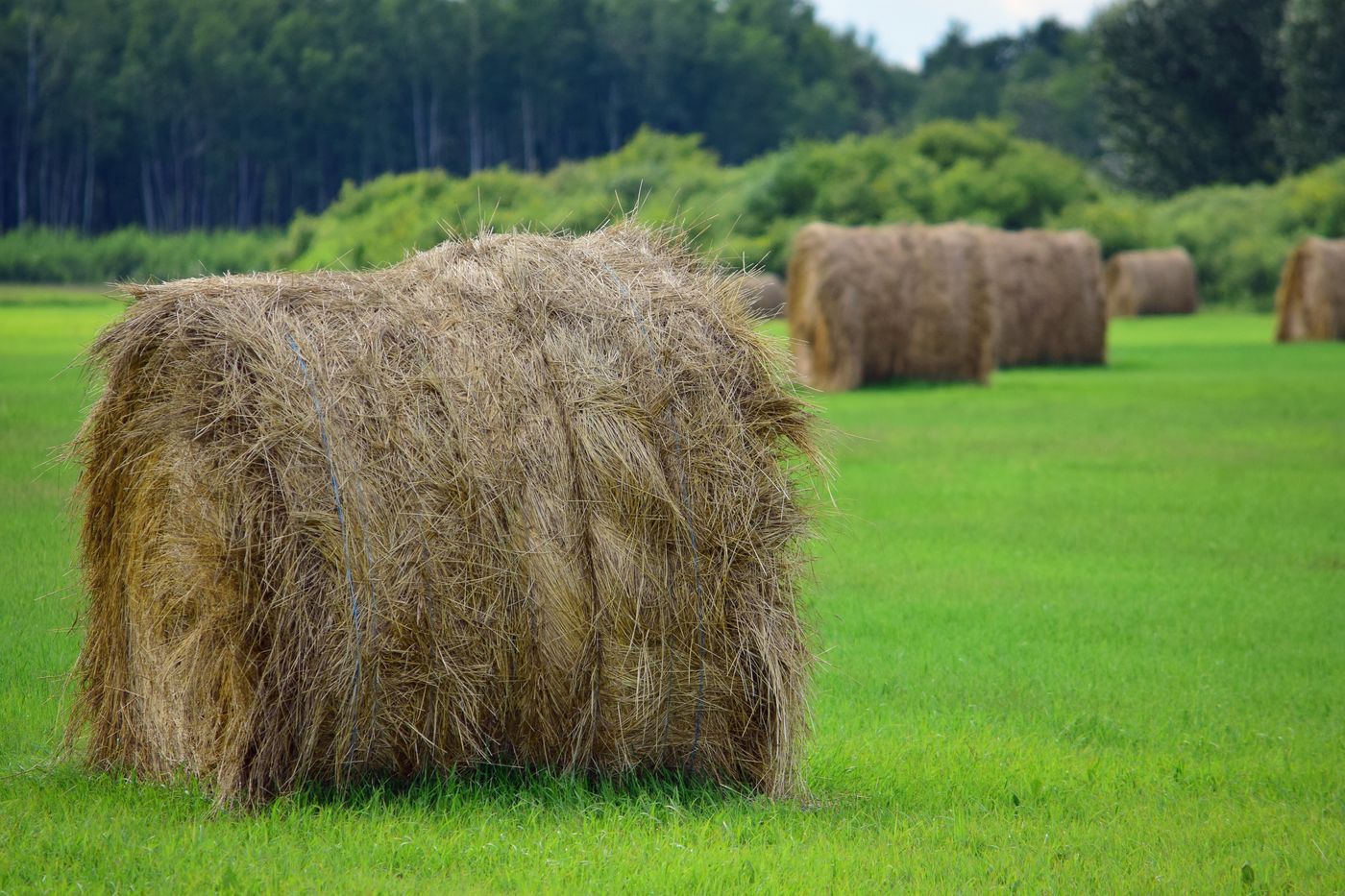
Hay making in Kenya: when to cut, mowing and tedding, judging moisture before baling, box balers versus motorised balers, and storing bales dry and rodent free.
Feed withdrawal, bleeding, the scald temperature that decides everything, defeathering machines, clean-zone evisceration, fast chilling and real dressing yield.
Which pipe belongs where, how to weld PPR joints that never leak, why the far sprinkler is weak, and how to lay out a system you can actually repair.

Plant population arithmetic, planting depth, calibrating a jab planter in five minutes, and placing fertiliser close enough to feed but far enough not to scorch.
Choosing and setting a pulper, why cherry must be pulped the same day, reading the fermentation tank instead of the clock, and drying without losing grade.
Ear tagging, weighing before dosing, safe drenching technique, burdizzos and rumen magnets, and the single-pass routine that ties them all together.

Cell size by crop, why field soil ruins trays, beating damping off, netting out virus vectors, and transplanting so seedlings never check.
From brooder ring and gas heat to weekly temperatures, feeders, vaccines and litter care, the complete guide to raising day-old chicks through week eight.
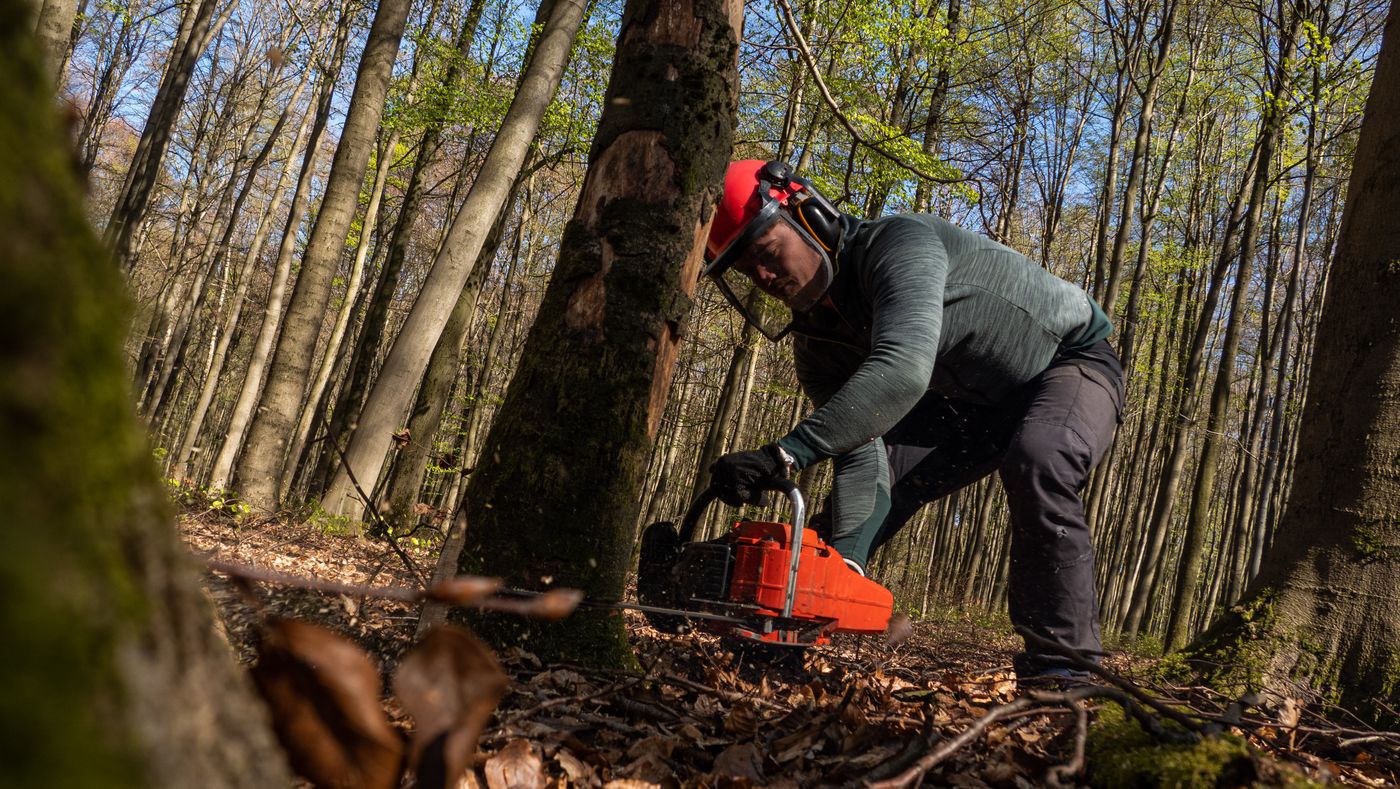
How to match bar length and engine size to the job, avoid kickback, sharpen and tension the chain, mix two-stroke fuel correctly and budget for real running costs.
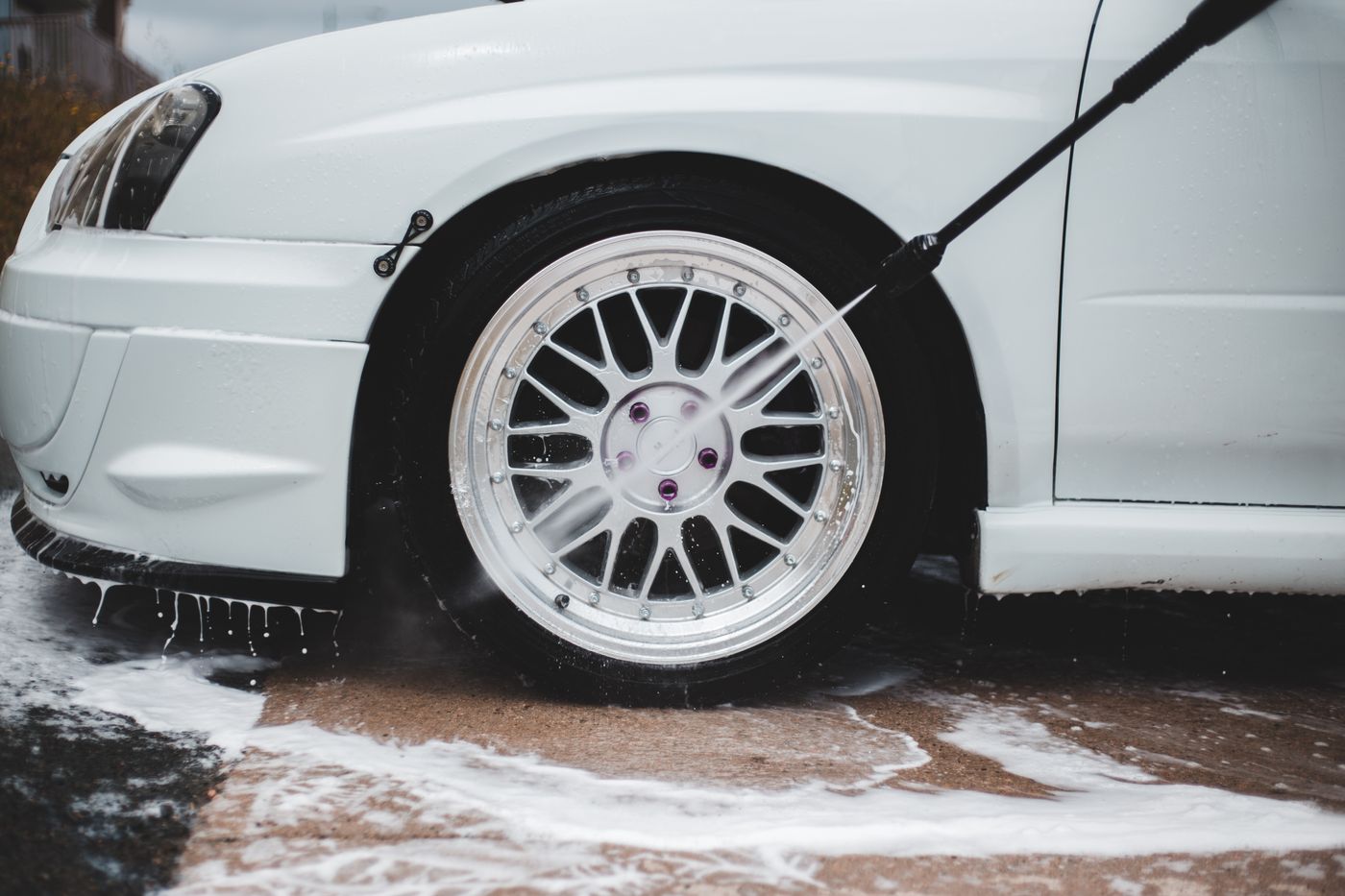
Site selection, equipment tiers from knapsack sprayer to pressure washer, water supply and storage, the pricing ladder, staffing and honest payback maths.
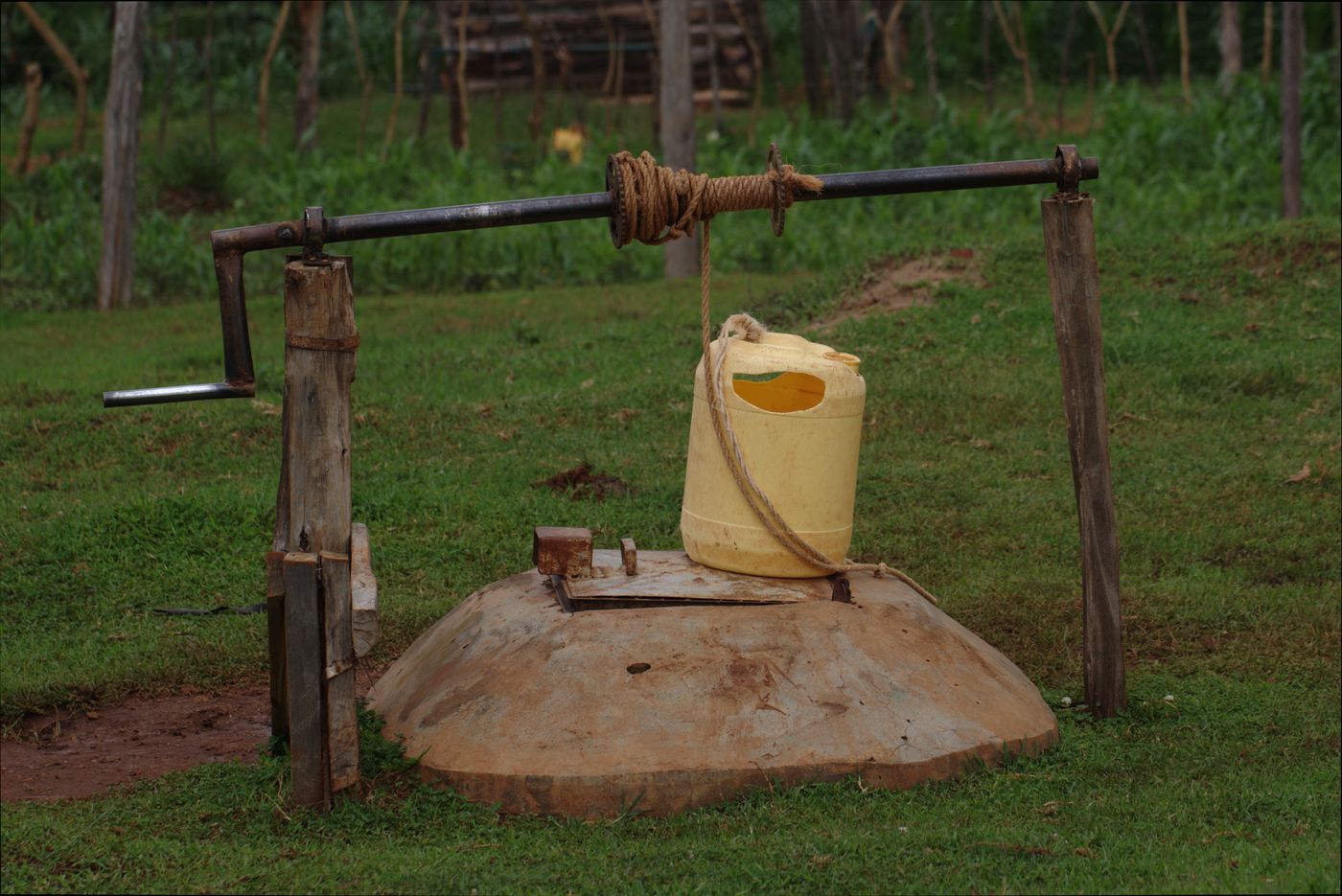
An expert decision guide: water tables explained, honest cost drivers, WRA permits, pumps and solar options, and four questions that settle the choice.
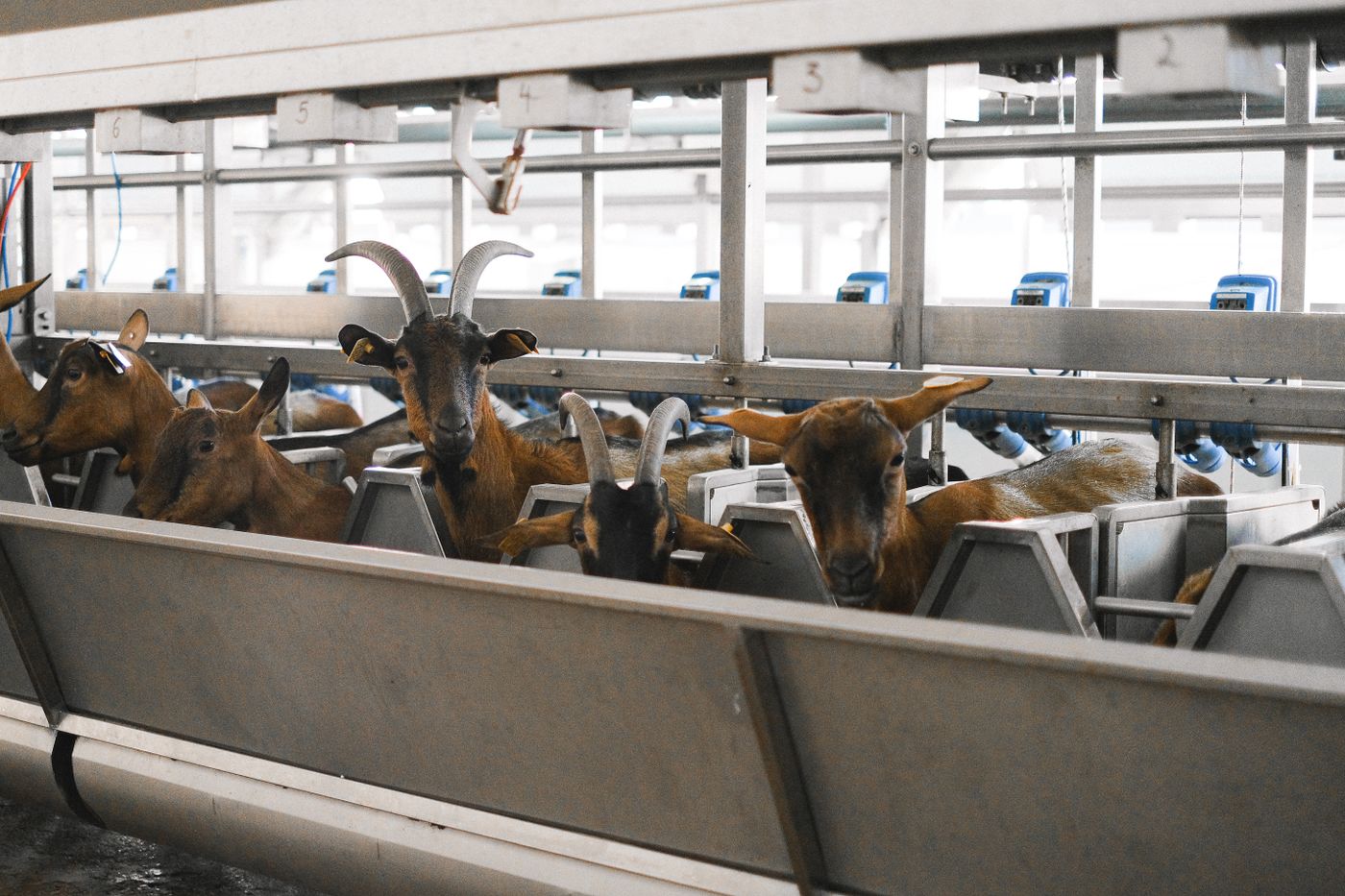
Breeds, raised slatted-floor housing, feeding and milking equipment, kid rearing, and the honest economics of goat milk for Kenyan smallholders.
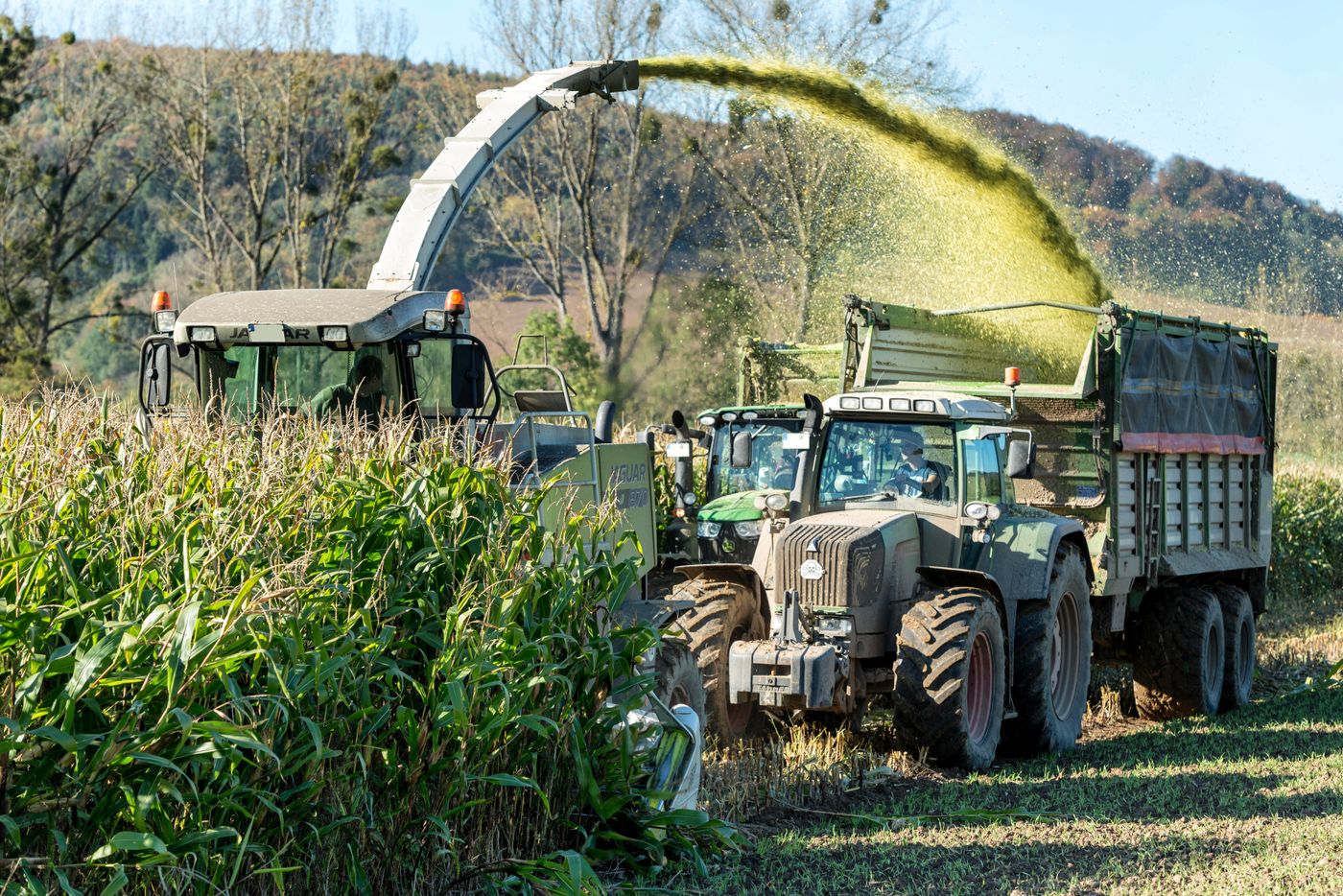
Conserve wet-season fodder as silage: best crops, dough-stage timing, chaff cutters, tubes vs pits, molasses, and feed-out discipline.
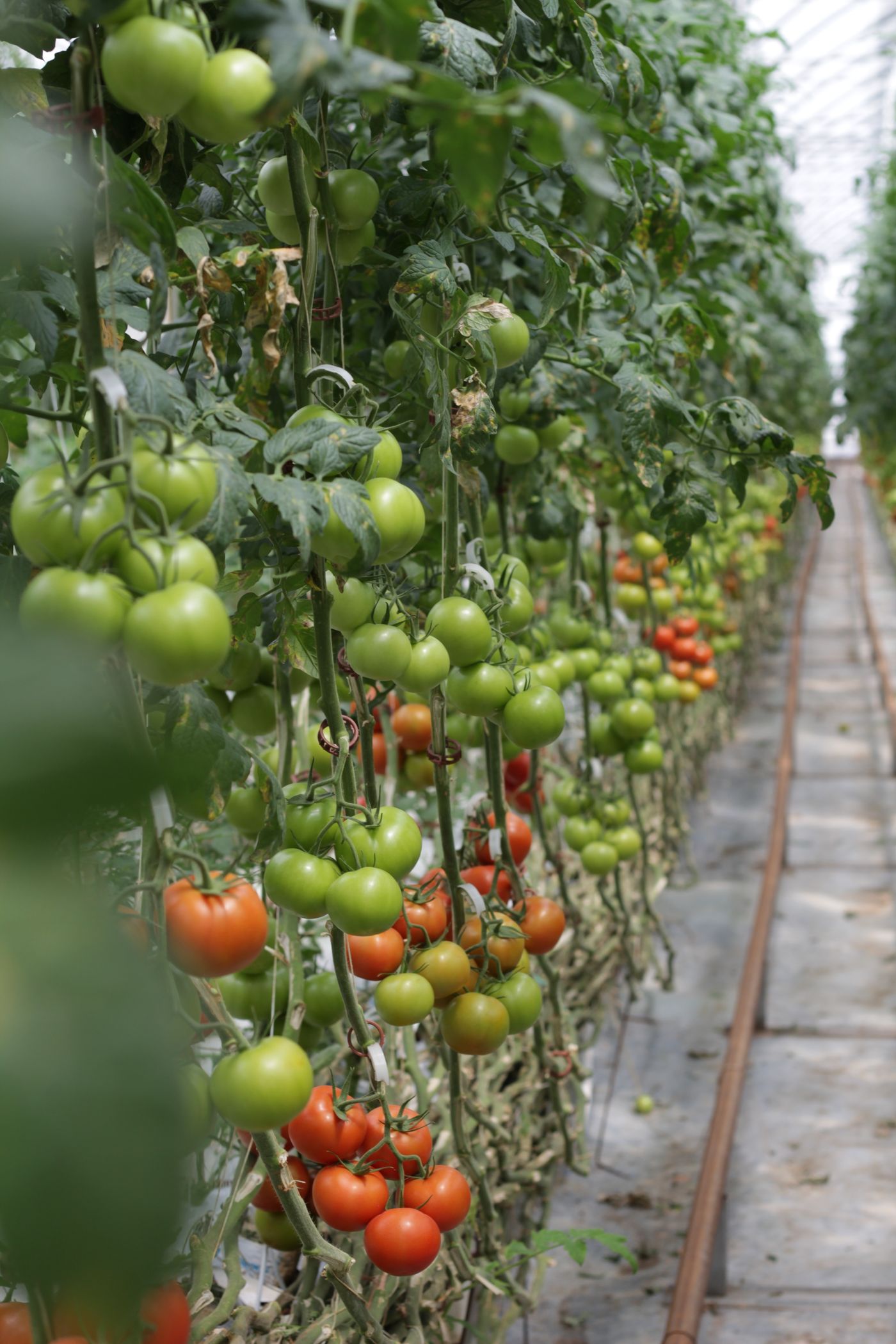
A practical setup guide for a Kenyan greenhouse: structure, polythene and net covering, drip irrigation, crop support, climate control and pest sprayers.
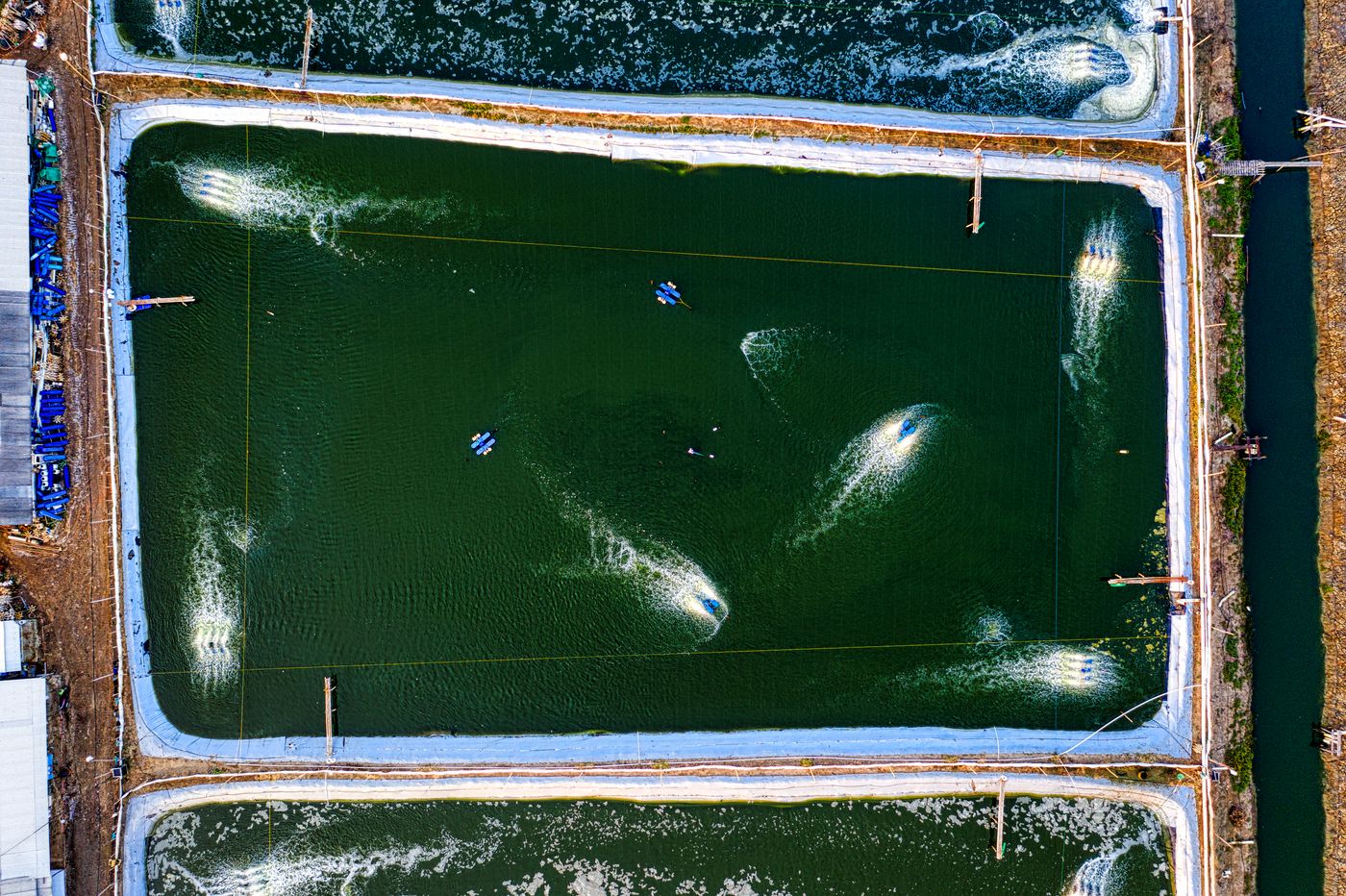
Pond types, liners, pumps, aeration, water testing, feed, stocking and the honest economics of tilapia and catfish farming in Kenya.
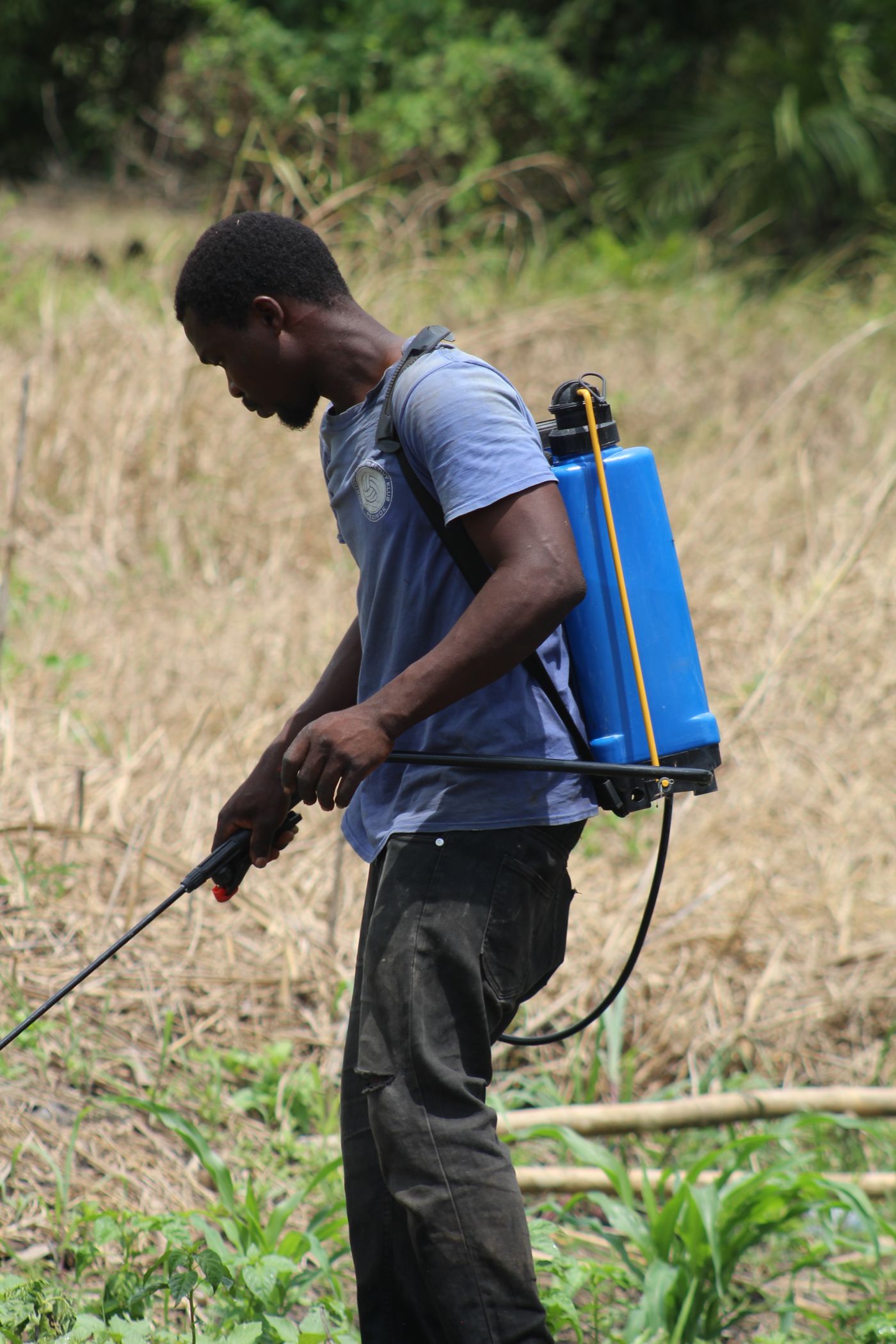
Outgrown the manual knapsack? A step-up guide to engine knapsack sprayers, mist blowers and boom sprayers: droplet size, calibration, coverage and safety.
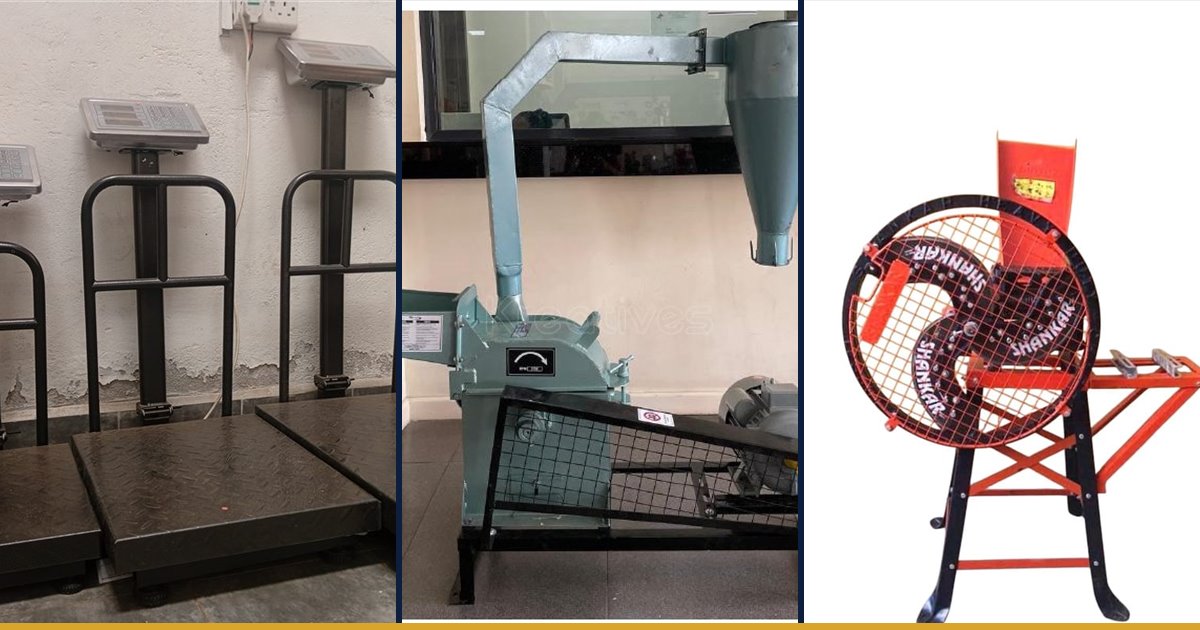
Cut post-harvest grain losses and aflatoxin risk in Kenya by drying to safe moisture, using moisture meters, hermetic bags and silos, and pest control.
A practical guide to the workshop power tools Kenyan mechanics and fabricators need first, from angle grinders to air compressors, and what to buy later.

Turn raw milk into cream, butter and ghee. A Kenyan guide to cream separators and milk churns, manual and electric, and the margins value addition unlocks.

How solar electric fencing works, how to size an energizer to your farm perimeter, the components you need, and the installation basics for the Kenyan farm.

A practical Kenyan guide to petrol brush cutters and slashers: blades versus nylon line, uses for bush clearing and cutting fodder, plus safety and maintenance tips.
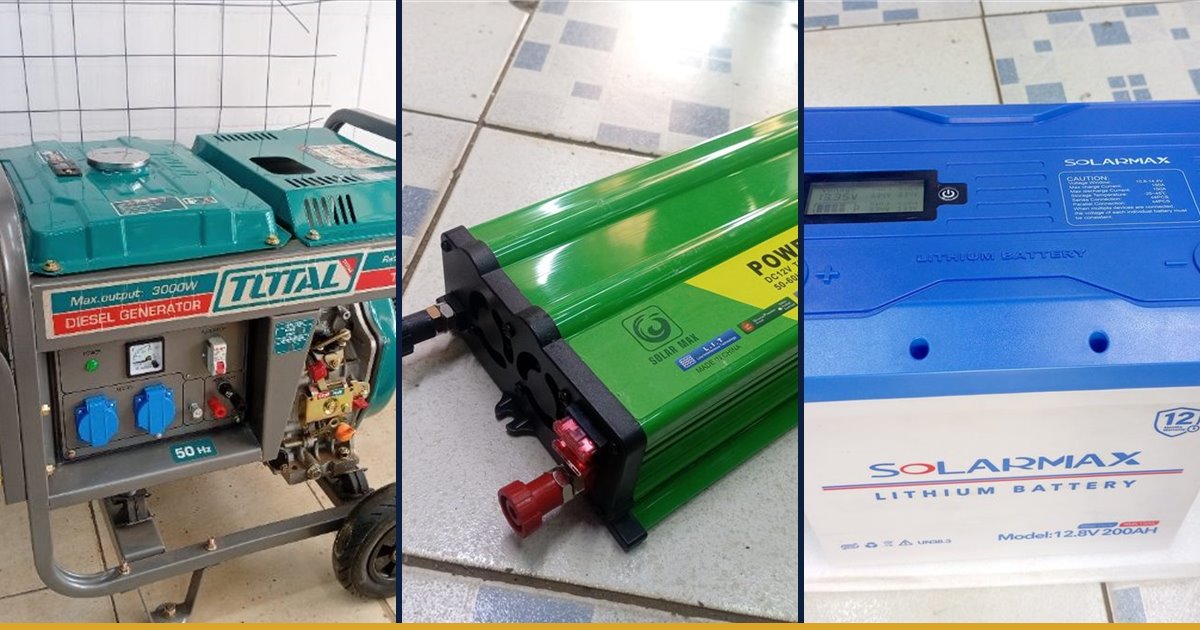
How to size a diesel generator in kVA, choose single or three phase, and pick silent or open frame backup for milking sheds, pumps and workshops in Kenya.
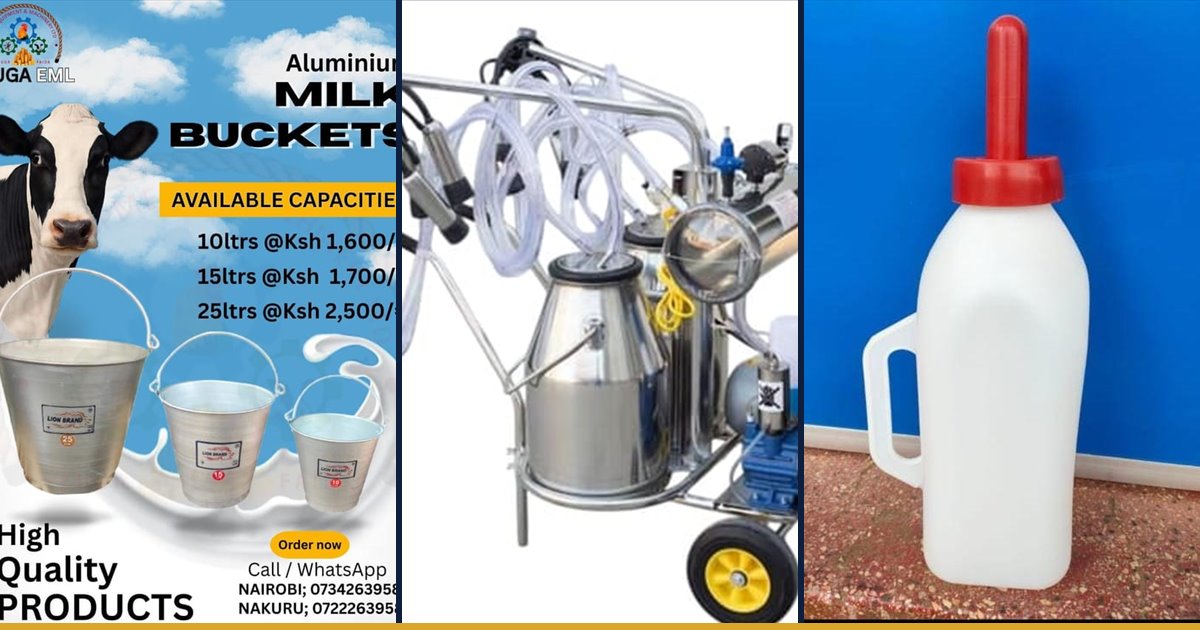
Practical guidance on milk cooling tanks, cans, the cold chain and cleaning routines that help Kenyan dairy farmers meet processor quality standards every day.
Arc or MIG for a Kenyan rural workshop? Compare welder types, amperage and power needs, generator pairing, safety and PPE, and starting a fabrication business.

How to choose a power tiller for a small Kenyan farm, covering engine size, attachments, soil types and when a two-wheel tractor beats an ox-plough or tractor.
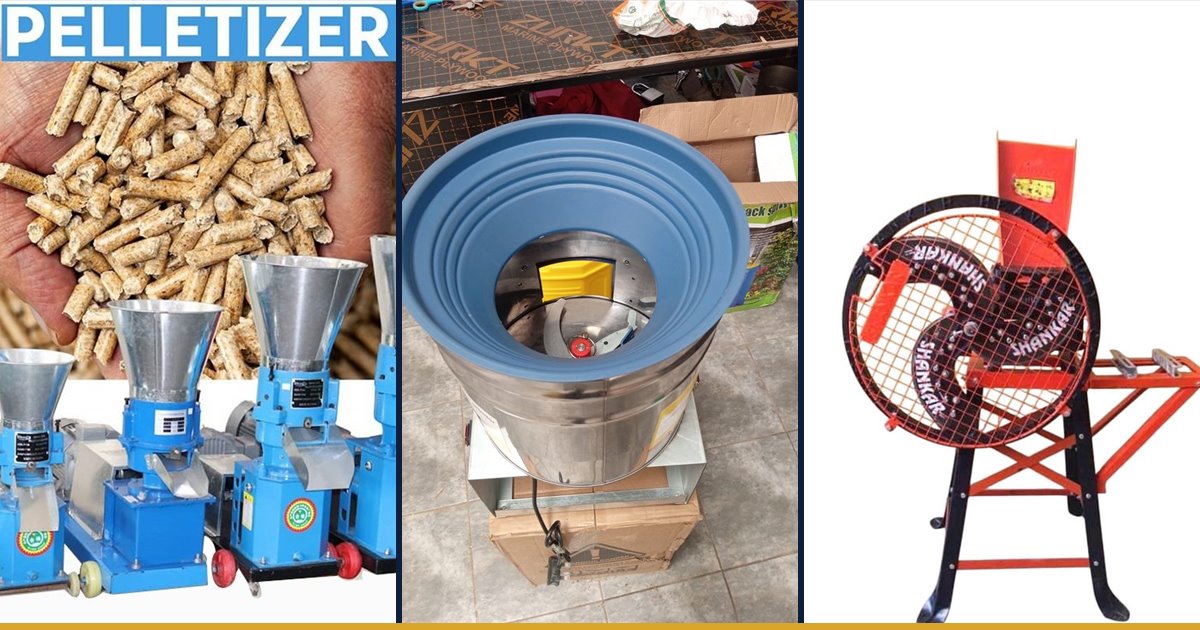
Wondering if a feed pelletizer pays off in Kenya? A clear look at pelletizer types, making your own feed versus buying, throughput and when it pays back.

A practical guide to water storage tanks in Kenya, covering plastic, steel and underground options, correct sizing, siting, first flush and simple hygiene.
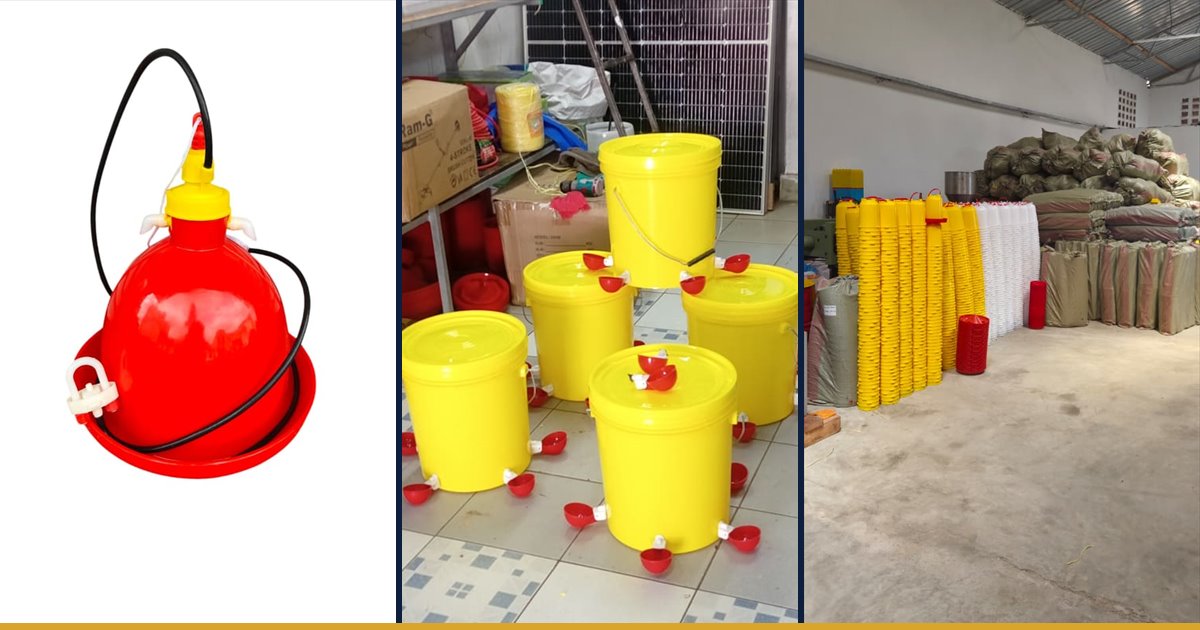
Tube versus pan feeders, bell versus nipple drinkers, sizing to your flock, hygiene and cutting feed waste. A practical guide for Kenyan poultry keepers.
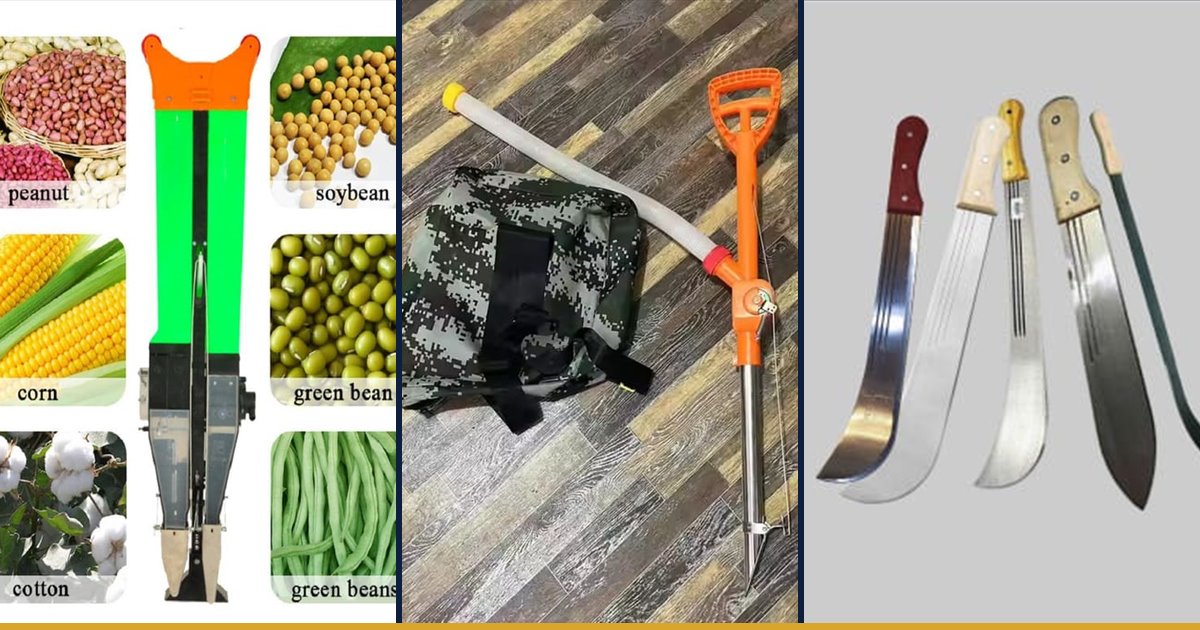
A Kenyan farmer's equipment checklist for preparing land before the long and short rains, covering clearing, ploughing, harrowing and planting prep.
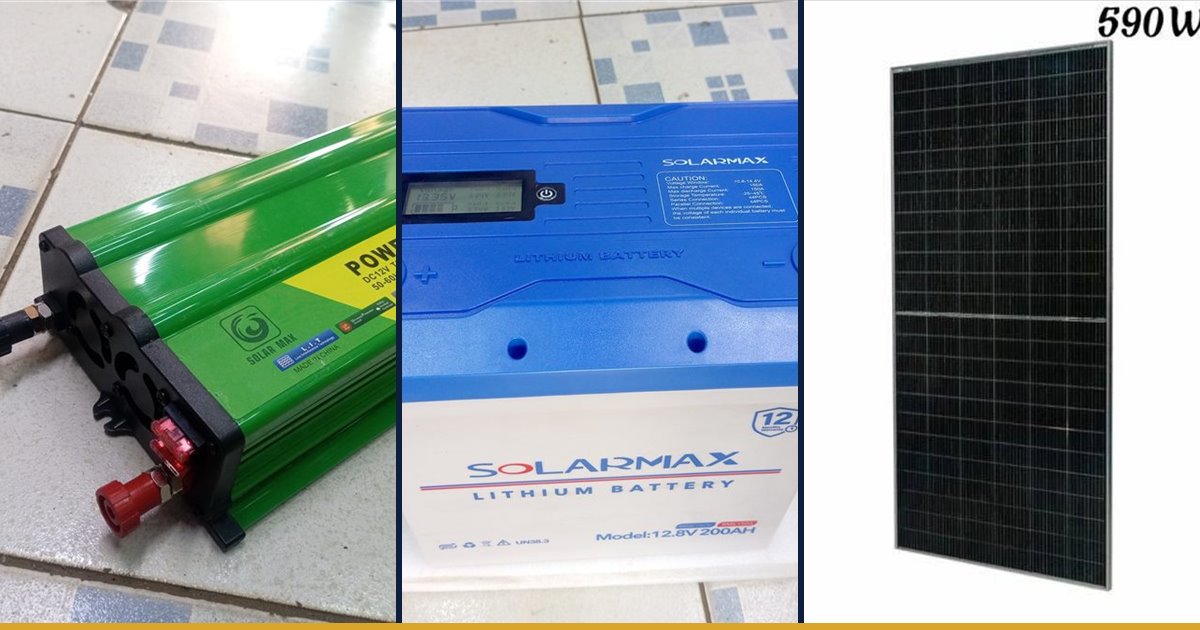
A practical guide to sizing and budgeting a solar system for your Kenyan farm, covering loads, panel types, battery sizing and what a system can realistically run.
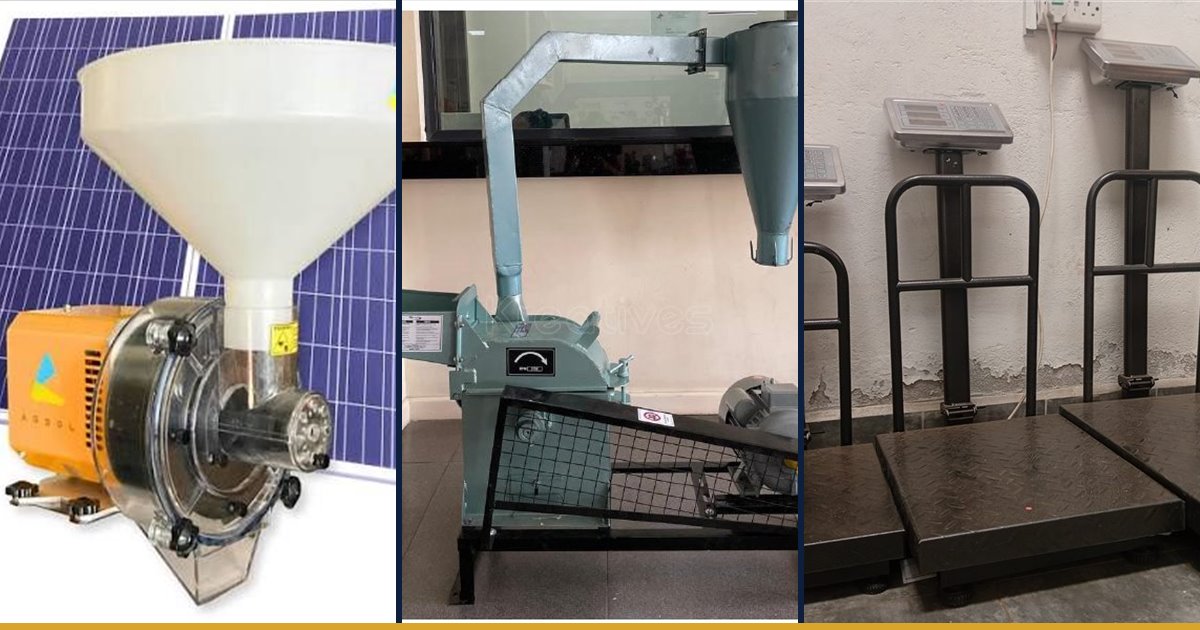
A practical Kenyan guide to choosing a maize sheller: manual versus motorised, throughput, power options, grain quality, cost and when each type pays off.

Cubicle sizing, floor slope, feed troughs, chaff cutters, watering, milking hygiene and records for a productive zero-grazing unit.
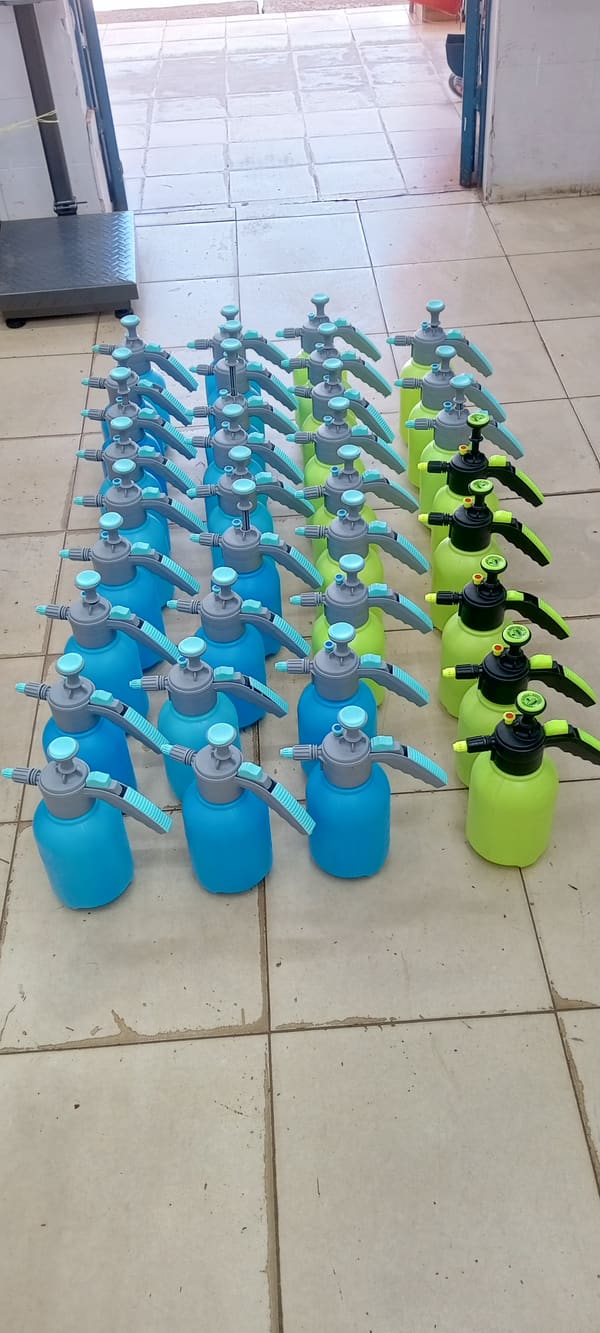
Manual vs battery, nozzle types, calibration, capacity sizing, PPE safety and cleaning so your knapsack sprayer lasts.
Surface, submersible or booster pump? Match a pump to your water source, understand head and flow, and size it correctly.
Mill types, sizing, power needs, siting, licensing and running costs: how to start a posho mill business and choose the right machine.
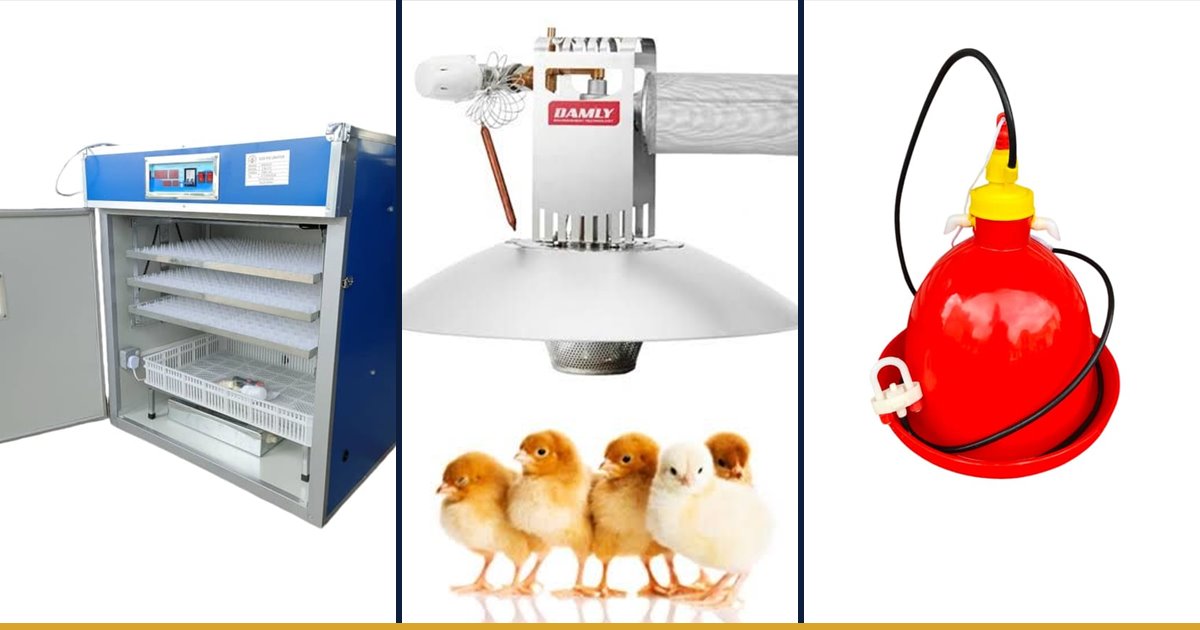
From brooders and feeders to drinkers, housing and biosecurity, the equipment a new poultry keeper needs, all sized to your flock.
What a solar water pump actually costs to buy and run versus a petrol or electric pump, and how fast it pays for itself on a Kenyan farm.
Real chaff cutter prices from KSH 28,000 to 140,000, the chop length that decides whether it helps or harms your cows, and what the spares actually cost.
Drip or sprinklers? Take the decisions in order: water quality first, then soil, then crop spacing, with real Kenyan prices for both.
A 1056 incubator gives about 275 chicks a week, not 1,056. How to size from chicks you can actually sell, with real prices.
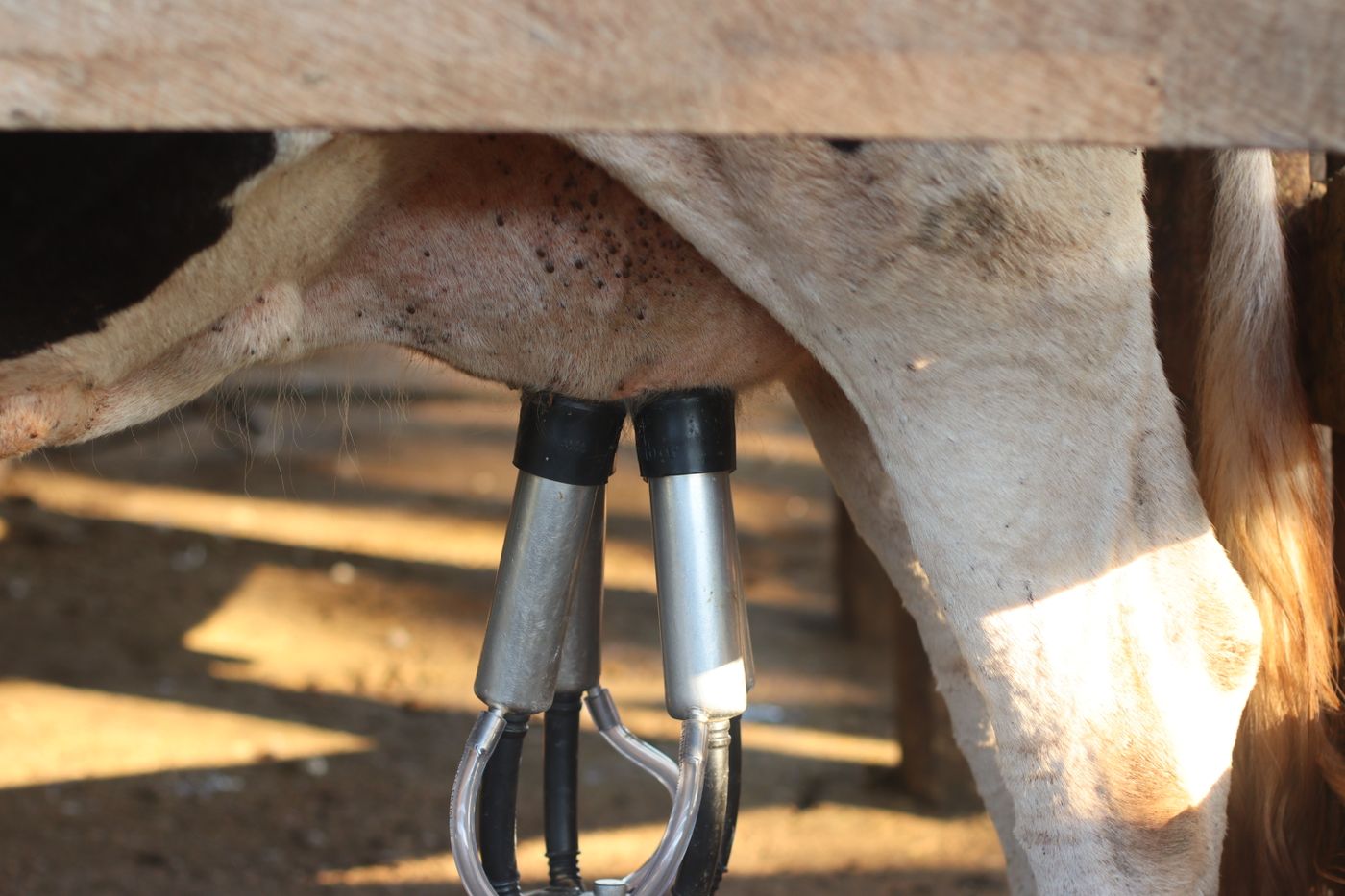
Milking buckets or an electric machine? Real Kenyan prices, the settings that protect the udder, and the routine that decides if your milk is accepted.
Tell us what you're struggling to decide on and we'll write about it, or just call our team directly.
Talk to our team today, same-day quotes, honest pricing, and after-sales support across all six branches.