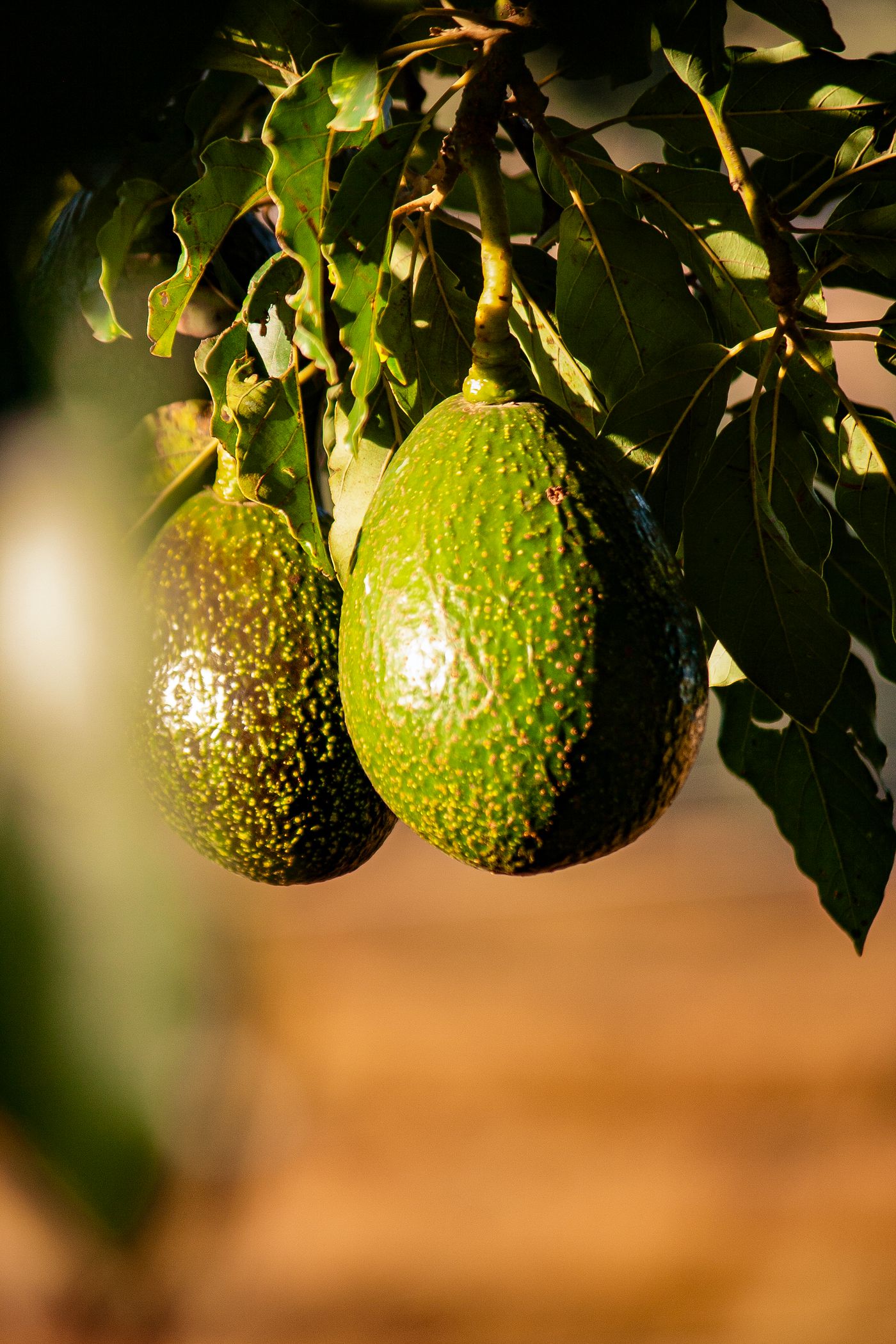
A grafted Hass avocado seedling from a good nursery costs a few hundred shillings. Planted well, it can bear fruit for decades. Planted badly, in a shallow hole on waterlogged ground with the graft buried, it sulks for a year and dies in the second rainy season, and the farmer concludes that "avocados do not do well here". In most cases, the tree never had a chance.
The short rains are a popular time to plant avocados across much of Kenya, because the young tree gets several weeks of natural watering to settle in before the January dry spell. That advantage only counts if the hole is ready, the spacing is right and the seedling is healthy when it goes in. The work you do in the first week decides how the tree grows for the next twenty years.
This guide walks through choosing seedlings, spacing, digging and filling the hole, planting without burying the graft, staking, shading, watering through the first dry season and avoiding root rot. It covers planting only; for harvesting and handling fruit later on, see our guide to avocado and macadamia post-harvest.
Start With a Clean, Grafted Seedling
Buy grafted seedlings from a nursery registered and inspected by KEPHIS, the Kenya Plant Health Inspectorate Service, or one recommended by your county agriculture office. A registered nursery should be able to tell you the variety on the scion (the top part, such as Hass or Fuerte) and the rootstock it was grafted onto. Seedlings from unregistered roadside nurseries may be ungrafted, mislabelled or carry disease.
Look for a seedling with a clean, well healed graft union a hand's width or more above the soil, a straight stem, healthy dark green leaves, and roots that fill the bag without circling round and round at the bottom. Reject plants with brown, dying shoot tips, yellow wilting leaves or a sour smell from the bag, all signs of root problems.
If you plan to sell to exporters, ask buyers which varieties they want before you plant. Hass dominates the export trade; Fuerte and other varieties are widely sold locally. Planting a mix also helps pollination, since avocado flowers open as female and male at different times of day depending on variety type. Your county extension officer can advise on a suitable mix for your area.
Choose the Site: Drainage Comes First
Avocado roots are shallow, fine and very sensitive to waterlogging. Avocado root rot, caused by the soil organism Phytophthora cinnamomi, thrives in wet, poorly drained soil and is one of the main killers of avocado trees worldwide. A site where water stands for a day after a storm is the wrong site, however good the soil looks.
Walk the plot after a heavy short rains storm and note where water collects. Plant on the higher, freely draining parts. On heavy clay soils or flat land, plant on a raised mound or ridge so the root zone sits above any standing water. Keep trees away from the edges of water pans, furrows and drainage lines.
Spacing: Plan the Orchard for Mature Trees
A seedling looks tiny in a big field, and it is tempting to plant close. But an avocado tree grows large, and crowded trees shade each other, fruit only at the top and become hard to spray and harvest. Spacings of around 7 by 7 metres to 8 by 8 metres are widely used for Hass in Kenya, with closer spacing in some managed orchards that prune hard. Follow your county extension officer's or buyer's advice for your variety and system.
Mark out the rows with a measuring tape and pegs before you dig, so the lines are straight and every tree has its share of light. On sloping land, follow the contour so the rows also act as soil and water conservation lines; our guide to using a water level pipe to mark contours shows how.
Dig the Hole Properly
The commonly recommended hole for avocado in Kenya is about 60 centimetres wide, 60 centimetres long and 60 centimetres deep; some advisers suggest larger on hard or poor soils. Dig it a few weeks before planting if you can, so the soil weathers and the sides crack.
- Separate the soils. Put the dark topsoil from the first 20 to 30 centimetres on one side and the lighter subsoil on the other.
- Break the sides. On clay, roughen the walls of the hole with the jembe or a fork so roots can grow out instead of circling inside a smooth pot of clay.
- Mix the backfill. Mix the topsoil with well rotted manure or compost. Fresh manure can burn roots and should not be used. Ask your agronomist whether your soil needs any fertiliser at planting, and how much; soil testing is the best guide.
- Refill most of the hole. Put the mixed topsoil back first, so the best soil sits where the roots will grow, and use subsoil only to finish the surface or build the basin rim.
Planting Day
Plant on a cool, cloudy day or in the late afternoon, ideally when the soil is moist from recent rain. Water the seedling in its bag the day before.
Make a hole in the refilled backfill just big enough for the root ball. Cut the bag away carefully; do not pull the plant out by its stem. If roots are circling at the bottom, gently tease a few outwards. Set the root ball so its top sits at the same level it was in the bag, or slightly higher on heavy soil. Never plant deeper than the nursery level, and make sure the graft union stays well above the soil surface. A buried graft can rot and lets the rootstock send up its own shoots.
Firm the soil gently around the root ball with your hands, not your boots, and water slowly to settle it. Shape a shallow basin around the tree to hold water in the dry season, but on wet sites keep the basin small and make sure it cannot hold standing water against the stem in a storm.
Stake, Shade and Mulch
Stake. Drive a stake into the hole on the windward side before planting, so you do not spear the roots later. Tie the stem to it loosely with soft material in a figure of eight. Wind rocking a young tree tears new roots.
Shade. Young avocado stems and leaves scorch in strong sun, especially at altitude. Many Kenyan growers build a simple shade of dry grass, banana leaves or shade net on three sticks on the sunny side for the first months. Painting the stem with diluted white water based paint is another common practice to stop sunburn.
Mulch. Spread dry grass or crop residue in a ring around the tree, keeping it a hand's width away from the stem. Mulch holds moisture into the dry season, keeps the soil cool and suppresses weeds, but mulch packed against the stem keeps it wet and invites rot.
Water, Weed and Watch Through the First Year
The short rains give the tree a good start, but the January to March dry spell is where many newly planted avocados die. Plan for watering: a 20 litre bucket or a watering can every few days on sandy soil, less often on clay, adjusted to the weather and always checking that the soil is moist rather than wet. A drip line on a timer or a simple bucket drip kit saves labour on bigger plots; our guide to drip line installation explains the layout.
Keep a weed free circle about a metre across around each tree, weeding by hand or with a light jembe stroke so you do not cut the shallow roots. Intercropping beans or other low crops between young rows is common in Kenya and gives an income while the trees grow, as long as the crops stay out of the weeded circle.
Check the trees every week. Wilting with moist soil, yellowing leaves and dying shoot tips can mean root rot; call your county extension officer or an agronomist before the problem spreads. Remove any shoots growing from below the graft union with a sharp knife or pruning shears; our guide to pruning and orchard tools covers the right tools.
Common Mistakes With New Avocado Trees
- Burying the graft. Soil or mulch heaped over the graft union invites rot and suckers from the rootstock.
- Planting in a wet hollow. The low, rich corner of the plot is often the one that stays wet, and root rot follows.
- Fresh manure in the hole. Raw manure heats and can burn young roots. Use only well rotted manure or compost.
- Overwatering. In the rains, extra water is rarely needed; in the dry season, water deeply but let the surface dry between waterings.
- No protection from animals. Goats and cattle strip young avocado leaves in minutes. Fence the plot or build a ring of thorny branches or wire around each tree.
- Digging the hole on planting day. A hole dug and filled weeks ahead settles and weathers; a fresh hole on planting day often sinks after rain and leaves the tree too deep.
Most of these mistakes cost nothing to avoid, and every one of them is a common reason for young trees failing in their first year.
Planting Checklist
| Step | Check |
|---|---|
| Seedling | Grafted, from a KEPHIS registered nursery, variety confirmed |
| Site | No standing water after storms; mound on heavy soil |
| Spacing | Rows pegged with a tape; spacing agreed with adviser |
| Hole | About 60 x 60 x 60 cm; topsoil and subsoil separated |
| Backfill | Topsoil mixed with well rotted manure |
| Planting | Same depth as nursery; graft well above soil |
| Aftercare | Stake, shade, mulch off the stem, water through the dry spell |
Planting Tools, With Prices
These prices are from the Fuga price list at the time of writing; check the site or call a branch for current prices and stock.
| Item | Stock code | Price |
|---|---|---|
| JEMBE 3LB ALLIGATOR | 6256 | KSh 450 |
| SHOVEL METAL HANDLE | 6621 | KSh 400 |
| MEASURING TAPE 30M/100FT | 6627 | KSh 250 |
| PANGA ALLIGATOR STRAIGHT 18" | 6323 | KSh 300 |
| WATERING CAN -GREEN | 6428 | KSh 270 |
| PLASTIC BUCKETS | 6537 | KSh 438 |
Pick a well drained spot, peg out the rows, dig a proper hole, keep the graft above the soil and look after the tree through its first dry season. For the tools, see our jembes, pangas and watering cans, browse the full farm equipment range, or WhatsApp 0716 961 018 for advice on watering a new orchard.
Key Takeaways
- Buy grafted seedlings from a KEPHIS registered nursery and confirm the variety; check the graft, stem, leaves and roots.
- Drainage comes first: avocado root rot thrives in wet soil, so plant on high ground or mounds.
- Spacings around 7 by 7 to 8 by 8 metres are widely used for Hass; agree yours with your adviser or buyer.
- Dig about 60 by 60 by 60 cm, keep topsoil apart and mix it with well rotted manure, never fresh manure.
- Plant at nursery depth with the graft union well above the soil, then stake, shade and mulch away from the stem.
- Plan watering through the January to March dry spell and keep a weed free circle around each tree.
Frequently Asked Questions
What size hole should I dig for an avocado seedling?
About 60 cm wide, 60 cm long and 60 cm deep is commonly recommended in Kenya, larger on hard or poor soils. Keep the topsoil separate, mix it with well rotted manure and put it back first.
What is the best spacing for Hass avocado in Kenya?
Spacings of around 7 by 7 metres to 8 by 8 metres are widely used, giving roughly 63 to 83 trees per acre. Closer spacing is used in some orchards that prune hard. Follow the advice of your extension officer or buyer.
Why do my young avocado trees keep dying?
Common causes are waterlogged soil and root rot, a buried graft union, fresh manure in the hole, sunscorch, animals browsing, and drought in the first dry season. Choose a well drained site, plant at nursery depth, shade and water the tree, and ask an agronomist if wilting continues in moist soil.
Where can I buy certified avocado seedlings in Kenya?
Buy from nurseries registered and inspected by KEPHIS, or ones recommended by your county agriculture office. A registered nursery should tell you the scion variety and the rootstock.