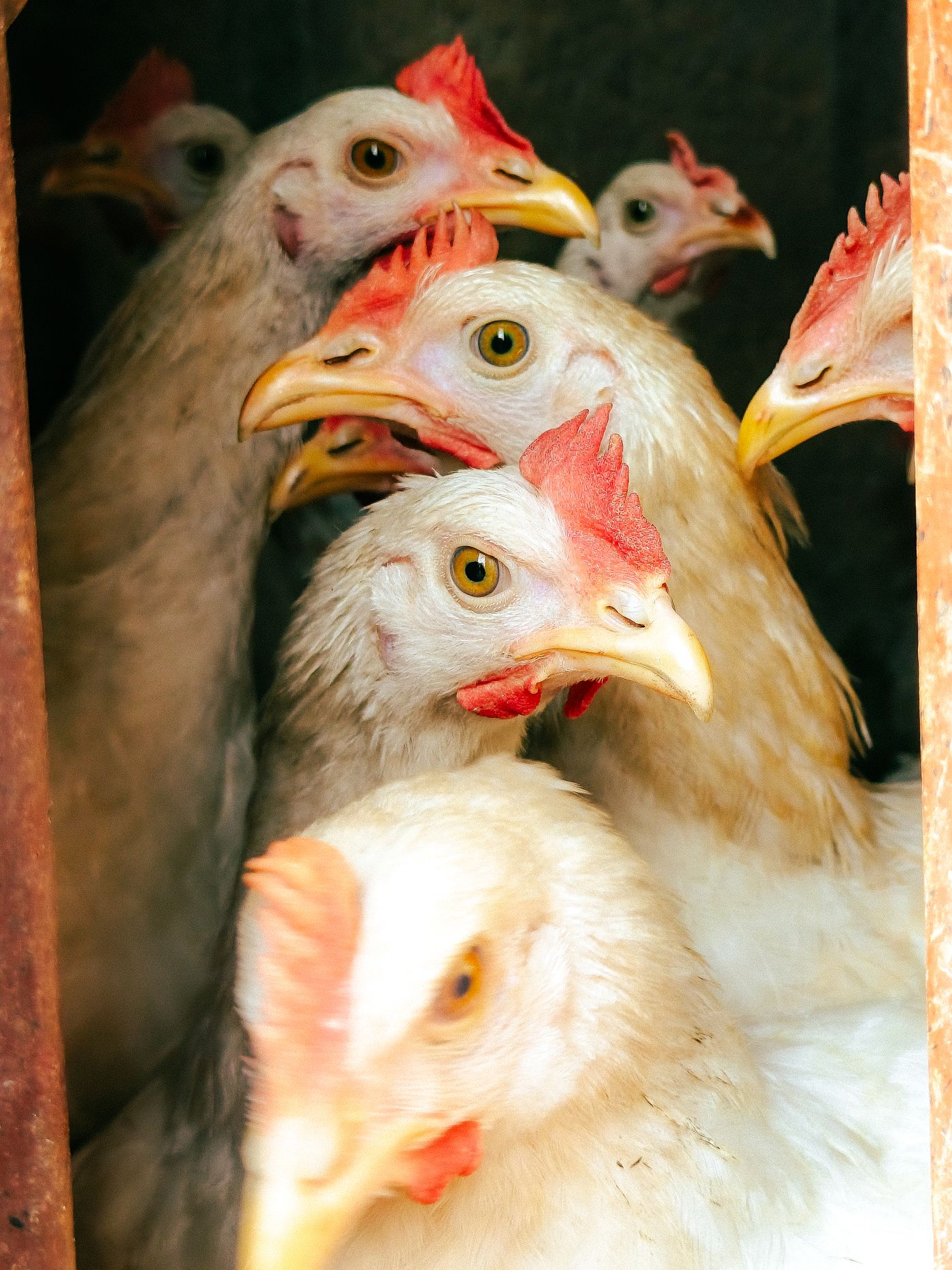
Every layer flock carries passengers. They look like the other hens, they eat at the same feeder and they crowd the same nest boxes, but they have stopped laying, or never really started. In a flock of 500 birds, a few dozen of them can be quietly eating a whole bag of feed a week while the egg count stays flat. The farmer sees the feed bill rising and the trays not filling, and blames the feed, the weather or the breed.
Culling, the regular removal of hens that are not paying their way, is one of the cheapest improvements a layer or improved kienyeji farmer can make. It needs no new equipment beyond a torch, a catching crate and a notebook. It does need a reliable way of telling a laying hen from a non-layer by hand, a habit of doing it at the right time, and a plan for selling the birds you take out.
This guide explains the physical signs that separate layers from non-layers, how to handle and check hens without stressing the flock, how to use your egg records to decide when to cull, the sums that show why it pays, and how to sell culled birds well, especially in the run-up to the December holidays when demand for chicken meat in Kenya rises. Anything involving a sick bird, or a bird that has recently been treated with medicine, needs a vet's advice before sale; that is covered below.
Why Culling Pays: Feed Per Egg
A laying hen eats roughly the same whether she lays or not. The feed she eats is spread across the eggs the whole flock produces, so every non-layer raises the cost of each egg you sell. The simplest way to see it is a worked example.
Take a flock of 500 hens producing 350 eggs a day. Suppose each hen eats 120 grammes of feed a day; the right figure for your birds depends on breed, age, feed and weather, so use your own records. The flock eats 60 kilogrammes a day, which works out at about 171 grammes of feed for every egg. Now suppose 50 of those hens are non-layers and you remove them. The same 350 eggs now come from 450 hens eating 54 kilogrammes a day, about 154 grammes of feed per egg. That is 6 kilogrammes of feed saved every day, or about 42 kilogrammes a week, for the same number of eggs, plus the money from selling the 50 birds.
The example assumes the culled hens were laying nothing. In practice you will also remove some poor layers, so the egg count may dip slightly, but the feed saving and the sale value usually outweigh it. The real point is that you cannot see this sum without records, which is where culling starts.
Start With Your Egg Records
The most useful single number in a layer house is hen-day production: eggs collected in a day divided by the number of hens alive that day, multiplied by 100. 350 eggs from 500 hens is 70 percent. Calculate it every day, or at least every week, and plot it against the production curve your chick supplier provides for the breed. Commercial layer breeds peak some weeks after the start of lay and then decline slowly; your records tell you whether your flock is following that shape or falling below it.
A sudden drop is a warning, not a culling signal. Production can fall sharply because of disease, heat stress, a feed change, water failure, a change in lighting hours or a fright such as a dog in the house at night. Fix those first, and call a vet if birds look ill. A slow, steady shortfall against the breed curve, with healthy-looking birds, is the sign that you are carrying non-layers. Our guides to record keeping and the poultry lighting programme help rule out the common causes.
How to Tell a Layer From a Non-Layer by Hand
A hen in lay changes physically, and the changes can be felt and seen. These signs are described in poultry extension guides worldwide and have been used for generations; no single sign is conclusive, so check several together.
| Sign | Laying hen | Non-layer |
|---|---|---|
| Comb and wattles | Large, bright red, soft and waxy | Small, pale, dry or shrunken |
| Vent | Large, oval, moist, pale | Small, round, dry, puckered |
| Pubic bones | Thin, flexible, wide apart (about two to three fingers) | Stiff, close together (about one finger) |
| Abdomen | Soft, full, deep between keel and pubic bones | Hard or shallow, or fat and firm |
| Skin colour (yellow-skinned breeds) | Bleached vent, beak and shanks | Yellow pigment returning |
| Feathers | Worn and dirty from work | Glossy, or moulting early |
Pigment. In breeds with yellow skin and legs, a laying hen draws the yellow pigment into her egg yolks and her body slowly bleaches, typically first around the vent, then the eye ring and ear lobes, then the beak, and last the shanks. A hen with bright yellow shanks well into the laying cycle has probably not been laying for long. This sign is less useful in brown-egg commercial hybrids with paler skin and in indigenous kienyeji birds of many colours, so lean more on the comb, vent and pubic bones there.
Moult. Hens that stop laying and moult early in the cycle are usually the poorer layers. A hen moulting while most of the flock is still in lay is a candidate for culling.
Broodiness in kienyeji flocks. Indigenous hens go broody and stop laying to sit, which is natural and valuable if you want chicks. A broody hen is not a non-layer; judge her on her overall record rather than on one check.
Checking Hens Without Upsetting the Flock
Handling stresses hens, and stressed hens lay fewer eggs, so plan the work to keep it short and calm.
- Work at night. Hens on the roost or in cages at night are calm and easy to pick up. Use a dim torch or a red light rather than switching on bright house lights.
- Hold the bird properly. Lift her with both hands over the wings, then tuck her under one arm with her head behind you and her legs held between your fingers. Never lift by one leg, the wings or the neck.
- Practise on known layers. Before checking the whole flock, handle a few hens you know are laying well, for example birds you have seen on the nest, so you learn what a good layer feels like.
- Mark doubtful birds. If a hen is borderline, mark her with a leg band or a dab of livestock marker and check again in two weeks rather than guessing.
- Crate the culls straight away. Put birds you decide to remove into a catching or transport crate as you go, so they do not go back into the flock. Our guide to poultry transport crates covers loading without injury.
In cage systems the work is easier, because you can match each cage's hens to the eggs you collect from that row. In deep litter, a full flock check takes longer, so many farmers check a section each week. Our guide to layer cages and deep litter compares the two systems.
When to Cull
Continuously, for obvious cases. Hens that are injured, lame, persistently pecked or clearly not thriving should be dealt with when you find them, not saved up for a big cull. Persistent victims of pecking, in particular, are best removed; our guide to feather pecking and cannibalism explains why.
Regularly, for non-layers. Once the flock is past peak, a check every few weeks keeps the passengers out. Linking the check to your records, for example whenever hen-day production falls a set amount below the breed curve, stops it being forgotten.
At the end of the laying cycle, for the whole flock. At some point the whole flock becomes uneconomic: production has fallen, shells are thinner and feed per egg is high. When to sell the whole flock as spent hens depends on egg prices, the price of replacement pullets and the price of spent hens, so run the numbers with your own records rather than following a fixed age.
Common mistakes to avoid. The first is culling on one sign alone, such as a pale comb on a hen that has just come off the nest after going broody, or a hen that is simply resting for a day. The second is culling straight after a stress such as a vaccination day, a feed change or a dog in the house, when many good hens pause together and look like non-layers for a week or two. The third is never culling at all because the birds "might start again". Mark doubtful hens, check them twice, and let the records, not hope, decide.
Selling Culled Hens Safely and Well
Culled layers are a product, not waste. Spent layer hens are widely bought in Kenya by households, hotels and traders, and improved kienyeji culls often fetch more. A few habits protect both the price and your buyers.
- Respect medicine withdrawal periods. Never sell birds for slaughter while they are under treatment or inside the withdrawal period stated on any medicine or feed additive they have received. Ask your vet if you are unsure.
- Do not sell sick birds. A bird culled because she is ill should be examined by a vet, not sold. Selling sick birds spreads disease to other farms and damages your name with buyers.
- Weigh before you price. Traders often offer a flat price per bird. Weighing a sample on a hanging scale tells you whether the offer is fair, as our weighing scales guide explains.
- Move them properly. Use crates, load in the cool of the morning or evening and do not overcrowd. Birds tied by the legs and thrown on a motorbike arrive bruised and sell for less.
- Keep buyers out of the house. Bring culled birds to the gate rather than letting traders walk through your layer house, which is basic biosecurity.
Culling Kit, With Prices
Culling needs very little equipment. These prices are from the Fuga price list at the time of writing; check the site or a branch for current prices and stock.
| Item | Stock code | Price |
|---|---|---|
| CRATE-TRANSPORTATION | 6164 | KSh 4,500 |
| CRATES - BUTCHER | 6163 | KSh 1,000 |
| 30KGS WEIGHING SCALE | 6527 | KSh 4,500 |
| TRAY 30 EGGS VIRGIN MATERIAL | 6415 | KSh 65 |
| PAPER EGG TRAY | 6774 | KSh 15 |
Record eggs every day, compare the flock with the breed curve, check hens by hand at night using comb, vent and pubic bones together, remove non-layers regularly, and sell culls healthy, weighed and outside any withdrawal period. For crates, scales, egg trays and the rest of your layer equipment, visit any Fuga branch, browse our livestock and poultry equipment, or WhatsApp 0716 961 018.
Key Takeaways
- A non-laying hen eats about as much as a layer, so every passenger raises the feed cost of each egg you sell.
- In a worked example at 120 grammes of feed per hen per day, removing 50 non-layers from 500 hens saves 6 kilogrammes of feed a day for the same 350 eggs.
- Record eggs daily and calculate hen-day production; a slow shortfall against the breed curve with healthy birds points to non-layers, while a sudden drop needs a cause found first.
- Judge hens by comb and wattles, vent, pubic bone spacing and abdomen together, plus pigment in yellow-skinned breeds; no single sign is enough.
- Check hens at night by dim light, hold them with both hands, practise on known layers and crate culls straight away.
- Never sell sick birds or birds inside a medicine withdrawal period; weigh culls before pricing and sell them into the pre-Christmas demand.
Frequently Asked Questions
How can I tell if a hen is laying?
A laying hen usually has a large, bright red, waxy comb and wattles, a large moist oval vent, flexible pubic bones about two to three fingers apart and a soft, deep abdomen. A non-layer has a pale, shrunken comb, a small dry vent and pubic bones about one finger apart. Check several signs together.
When is the best time to cull layers?
Remove injured, lame or sick birds when you find them, check for non-layers every few weeks once the flock is past peak, and sell the whole flock when your records show feed per egg has become uneconomic. A check in late October or November lets you sell culls into the festive season demand.
Why have my hens suddenly stopped laying?
A sudden drop is usually caused by disease, heat stress, a feed change, water failure, a change in lighting hours or a fright, not by non-layers. Check those first and call a vet if birds look unwell. Culling is for a slow, steady shortfall in a healthy flock.
Can I sell hens that have been treated with medicine?
Only after the withdrawal period stated on the medicine or feed additive has passed. Selling birds for slaughter during the withdrawal period is unsafe for consumers. Ask your vet if you are unsure, and never sell sick birds.
Does culling work for kienyeji hens?
Yes, using the comb, vent and pubic bone checks. Skin pigment is less useful in indigenous birds, and a broody hen has stopped laying for a natural reason, so judge kienyeji hens on their overall record rather than on a single check.