A bunch of sukuma wiki from the kiosk does not sound like much until you add it up across a month, then add the onions, the dhania, the tomatoes and the spinach. For a family in Kiambu, Nakuru or Eldoret with a strip of land behind the house, a well-run kitchen garden can supply many of those greens and save a noticeable amount of money every week. Many plots like that stay half used, though, because the work feels heavy and the tools in the store are the wrong ones: a heavy field jembe, a bucket with a hole in it, and a borrowed rake.
A small vegetable plot needs a different kit from a maize shamba. The beds are small, the work is close and frequent, and the jobs are about precision: making a fine seedbed, watering gently, transplanting without shock and spot-treating pests. The right handful of tools makes all of that quicker and lighter, and none of them is expensive.
The short rains, starting around October in much of Kenya, are a good time to start or rebuild a kitchen garden, because the rain does much of the watering. This guide covers how to lay out a small plot, which tools you actually need and which can wait, how to use each one well, and what a basic kit costs at Fuga at the time of writing.
Lay Out the Plot Before You Buy Anything
The layout decides the tools. A kitchen garden built as permanent beds with paths between them needs less digging each season, less water and fewer tools than one dug fresh every time.
Permanent beds. Make beds about one metre wide, so you can reach the middle from either side without stepping on the soil, and as long as the space allows. Leave paths of roughly 30 to 50 centimetres between them. Because you never walk on the beds, the soil stays loose, and after the first deep digging you only need to fork or hoe the surface and add compost each season.
Double-dug beds. Widely taught by Kenyan organic farming trainers, double digging loosens the soil to about two spade depths, mixing in compost or well-rotted manure. It is hard work once, then pays back over several seasons in deeper roots and better water holding.
Sack and keyhole gardens. Where there is almost no open ground, a multi-storey sack garden (a large sack filled with soil and manure around a central column of stones, planted through holes in the sides) can grow greens in a square metre of yard. A keyhole garden, a raised circular bed with a compost basket in the middle reached by a notch like a keyhole, holds moisture well in drier areas. Both need only hand tools.
The Core Kit: Five Tools That Do Most of the Work
1. A light jembe. The jembe is still the most useful tool in a Kenyan garden, but weight matters. Heavy jembes of three pounds and above are built for breaking field soil and ridging maize. For beds you dig every season, a lighter head of around 1.5 to 2 pounds is easier to control, lets you work closer to plants, and tires you less over an evening's weeding. If you are breaking new, compacted ground for the first time, borrow or buy a heavier one for that job. See the range on our jembe page.
2. A spade or shovel. For double digging, moving compost and manure, and filling sacks, a straight-edged spade or shovel moves soil far faster than a jembe. A metal handle survives being left out in the rain better than a wooden one that has split.
3. A rake. A rake turns a dug bed into a seedbed: it breaks clods, levels the surface and pulls out stones and old roots, so small seeds such as carrots, onions and dhania land at an even depth. A 10 or 12 tooth garden rake is the right size for one metre beds.
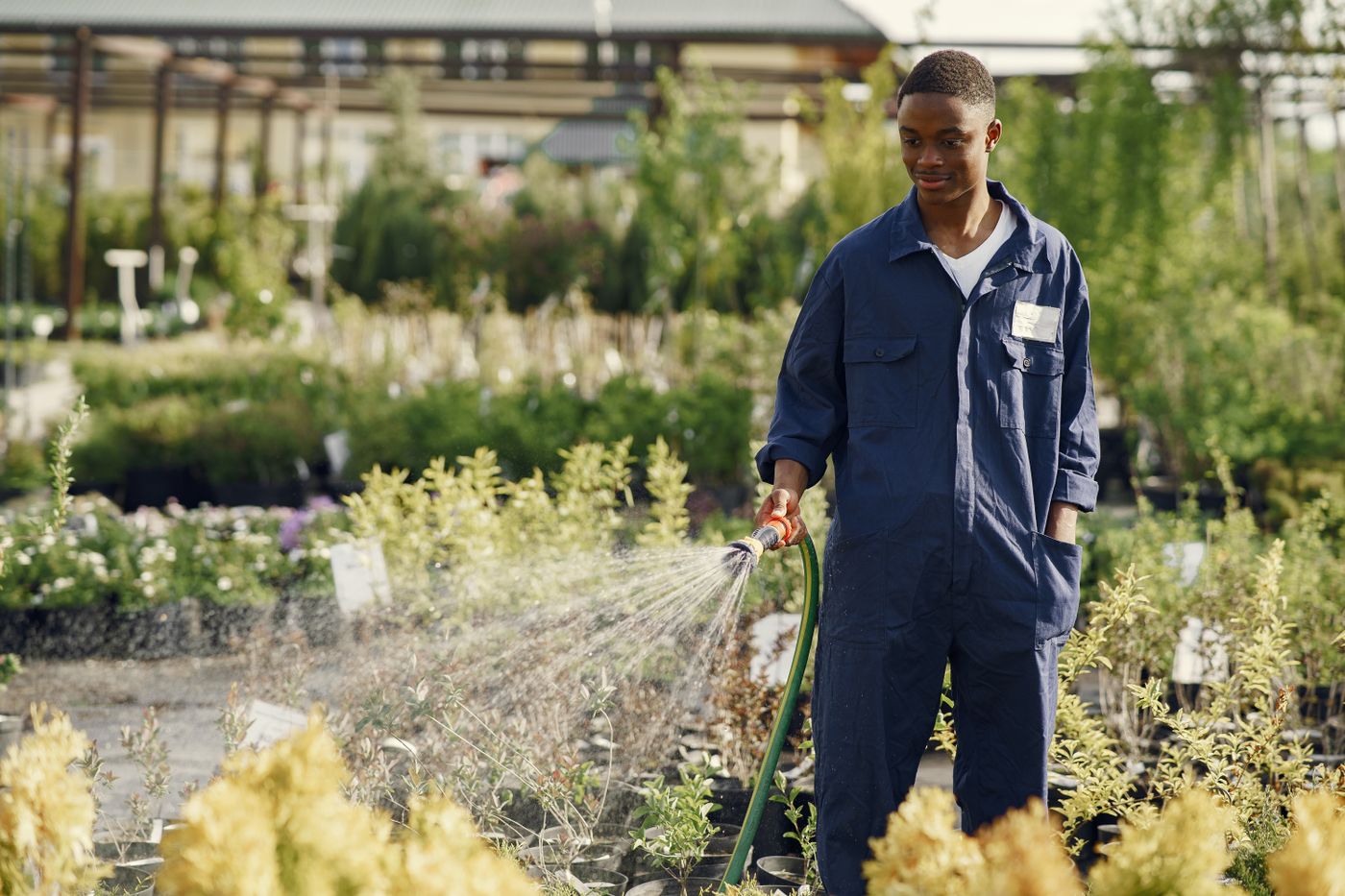
4. A watering can with a rose. In the short rains you water less, but seedbeds, newly transplanted seedlings and dry spells still need it. The rose (the perforated head on the spout) turns a heavy stream into a fine shower that does not wash seeds out or splash soil onto leaves. Keep a spare rose; it is the part that goes missing. Our watering can page lists the sizes.
5. A small pressure sprayer. A one or two litre hand pressure sprayer is the right size for spot-treating aphids on kale or a patch of leaf disease on tomatoes in a small garden, and for applying foliar feeds. Keep one sprayer only for pesticides and label it, so it is never used for anything else. For any chemical, follow the label and ask an agronomist or agrovet for the right product and rate, and keep children away while spraying.
Raising Seedlings: Trays and a Transplanter
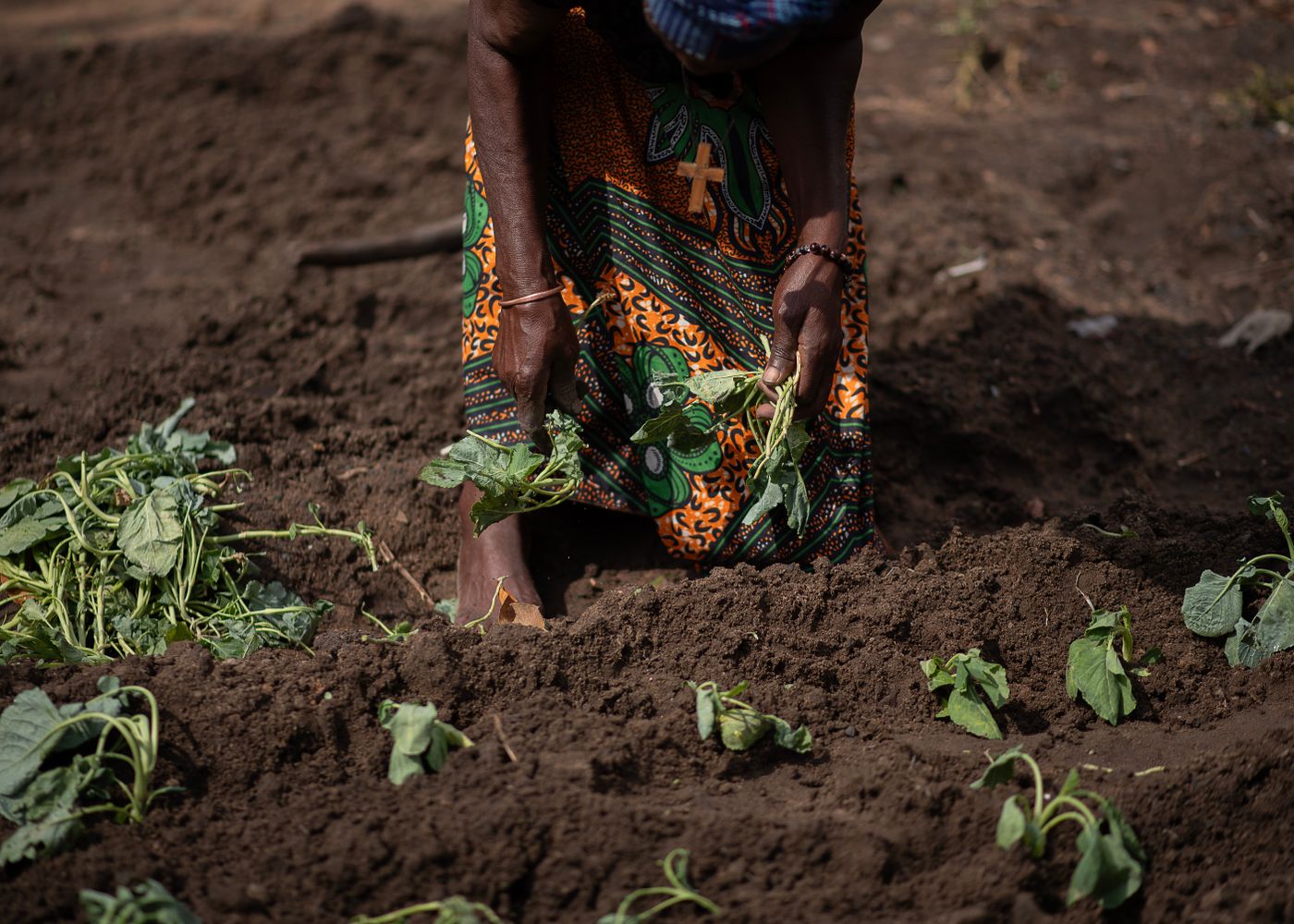
Kale, cabbage, tomatoes, onions and many other kitchen garden crops are raised as seedlings and transplanted. Raising your own saves money and lets you choose your varieties, and doing it in trays rather than an open nursery bed gives more even, sturdier seedlings with an intact root ball.
Planting trays with 200 or 288 cells fill quickly with a light planting medium, one seed per cell, and can sit on a bench or stand in a sheltered corner where you can watch them daily. Each seedling comes out with its own plug of roots, so it hardly notices being moved. Our seedling tray and transplanting guide goes step by step through sowing, hardening off and planting out, and our article on micro sprinklers for vegetable nurseries covers watering a larger nursery.
For most families, a dibber (a pointed stick) and your hands are all you need to transplant a few hundred seedlings. A seedling transplanter is worth considering if you plant larger numbers or run a small vegetable business, because it opens the hole and places the seedling in one movement and saves your back.
Keeping the Garden Going: Watering, Weeding and Pests
Water at the roots, early or late. Water in the early morning or late afternoon, aiming at the soil rather than the leaves. Wet leaves overnight encourage disease, especially on tomatoes and kale. A mulch of dry grass between plants cuts how often you need to water and keeps soil from splashing up in heavy rain. If the garden grows beyond what a can can manage, a hose with a sprinkler, described in our garden hose and sprinkler guide, is the next step.
Weed little and often. In the short rains, weeds come up fast. Five minutes with a light jembe or hoe between rows twice a week keeps them small; a once-a-month session means pulling large weeds that have already taken water and nutrients from your crop. Weed when the soil surface is dry enough that uprooted weeds wither instead of re-rooting.
Check under the leaves. Aphids, whiteflies and caterpillars hide under leaves. A daily walk through the garden, turning a few leaves on each bed, catches problems while they can still be handled by picking off pests or removing a single affected plant. The sprayer is the last step, not the first.
Feed the soil. A small compost heap fed with kitchen peelings, garden weeds that have not set seed, and manure from chickens or goats gives you free fertility. Turn it with the spade every few weeks and use it when it is dark and crumbly.
What a Basic Kit Costs
The chart below uses prices from the Fuga price list at the time of writing for a basic kitchen garden kit: a light jembe, a shovel, a rake, a watering can, a planting tray, a small pressure sprayer and a bucket. Prices change, so check the site or call a branch before you buy.
| Item | Stock code | Price at time of writing |
|---|---|---|
| JEMBE 2LB COCK BRAND | 6249 | KSh 280 |
| JEMBE 1.5LB B.COCK | 6248 | KSh 350 |
| SHOVEL METAL HANDLE | 6621 | KSh 400 |
| RAKE 10 TEETH | 6372 | KSh 200 |
| RAKE 12 TEETH | 6373 | KSh 220 |
| WATERING CAN -GREEN | 6428 | KSh 270 |
| 5LTRS WATERING CAN | 6831 | KSh 200 |
| WATERING CAN SPOUT | 6429 | KSh 50 |
| 200 HOLES PLANTING TRAYS | 6485 | KSh 100 |
| 2L SPRAYER PUMP | 6108 | KSh 400 |
| PLASTIC BUCKETS | 6537 | KSh 438 |
| LOCAL PLASTIC MESH 1M*25M (ROLL) | 6525 | KSh 350 |
| TRANSPLANTER | 6413 | KSh 3,500 |
What Can Wait
It is easy to spend more than the garden needs. A 16 or 20 litre knapsack sprayer is built for field crops; in a garden of a few beds most of each tankful is wasted, and the small sprayer does the job. A seed planter, a power tiller or a motorised sprayer only starts to make sense once you are growing for sale on a quarter acre or more.
Irrigation kits are similar. Drip lines and pumps are excellent investments for a market garden, but for a family plot in the rains, a can and a hose do the work. Start with the core kit, grow for one season, and let the jobs you actually find slow or tiring tell you what to buy next. That way every shilling goes on a tool you already know you need, and a kitchen garden that pays for itself in saved vegetables has room to grow into a small business later.
Make the Tools Last
Cheap tools become expensive when they rust, crack or go missing every season. A few habits keep a small kit working for years.
- Clean after use. Knock soil off the jembe, spade and rake before putting them away. Wet soil left on steel rusts it overnight.
- Store under cover. A hook or rack in a shed or under the eaves keeps tools out of the rain and stops handles splitting in the sun.
- Keep edges sharp. A few strokes with a file along the jembe edge each month makes weeding noticeably easier.
- Fix loose heads early. A wobbling jembe or rake head wastes effort and can fly off. Tighten or rehandle it as soon as it loosens.
- Rinse the sprayer. Empty and rinse it with clean water after every use, and store it with the pressure released.
Kitchen Garden Checklist for the Short Rains
| When | Task |
|---|---|
| Before the rains | Mark beds and paths; dig or double dig; mix in compost or manure; fence out chickens |
| Early rains | Sow seedlings in trays; rake beds to a fine tilth; direct-sow carrots, dhania and beans |
| Three to six weeks after sowing | Harden off and transplant seedlings; water them in; mulch between rows |
| Every week | Weed while weeds are small; check under leaves; harvest outer kale leaves regularly |
| Every month | Turn the compost; sharpen the jembe; check tool handles and the sprayer |
A kitchen garden does not need a big budget or a big plot, just the right small kit and the habit of a few minutes' work most days. If you are preparing more ground this season, our guide to land preparation before the rains covers the bigger jobs. For a jembe, rake, watering can, trays or a sprayer, visit any Fuga branch in Eldoret, Nairobi or Nakuru, or WhatsApp 0716 961 018.
Key Takeaways
- Lay out permanent beds about one metre wide with paths between them, so you never step on the soil and dig less each season.
- A light jembe of around 1.5 to 2 pounds, a shovel, a rake, a watering can with a rose and a small pressure sprayer do most of the work.
- Raise kale, cabbage, tomato and onion seedlings in planting trays for sturdier plants with intact roots.
- Water at the roots early or late, weed little and often, and check under leaves before reaching for the sprayer.
- A basic seven-item kit came to KSh 2,088 on the Fuga price list at the time of writing; check the site for current prices.
- Clean, cover and sharpen tools, and fix loose heads early, so a cheap kit lasts for years.
Frequently Asked Questions
What tools do I need to start a kitchen garden?
A light jembe, a spade or shovel, a rake, a watering can with a rose and a small hand pressure sprayer cover most jobs. Planting trays help you raise your own seedlings, and a low mesh fence keeps chickens out.
Which jembe is best for a vegetable garden?
For beds you work every season, a lighter head of about 1.5 to 2 pounds is easier to control and less tiring for weeding close to plants. Heavier jembes of three pounds and above suit breaking new or compacted ground and field work.
How wide should vegetable beds be?
About one metre is common practical guidance, so you can reach the middle from either side without stepping on the soil, with paths of roughly 30 to 50 centimetres between beds.
Can I grow vegetables without a garden?
Yes. A multi-storey sack garden, filled with soil and manure around a central column of stones and planted through holes in the sides, grows greens in about a square metre of yard. A keyhole garden is another compact option that holds moisture well.
How much does a basic kitchen garden kit cost?
At the time of writing, a 2 pound jembe, metal-handled shovel, 10 tooth rake, watering can, planting tray, 2 litre sprayer pump and plastic bucket came to KSh 2,088 on the Fuga price list. Check the price list on the site for current prices.