A farmer in Uasin Gishu saves for two seasons, buys a good hammer mill, hires a lorry, and brings it home to start a milling business at the shopping centre. The machine is bolted down, wired up, and the switch is thrown. The motor hums, strains, and refuses to turn the wheel. It trips the mains and dims every bulb on the plot. Nothing is broken. The machine simply needs a kind of electricity that the homestead does not have.
This is one of the most expensive mistakes in equipment buying in Kenya, and it is entirely avoidable. Power supply is a decision you must make before you choose the machine, not after the machine is standing in your yard. Get it wrong and you are left with an idle asset, a bill to extend a power line, or a motor slowly cooking itself trying to do work its supply cannot deliver.
This guide explains what single-phase and three-phase power actually are, which machines truly need three-phase and which run happily on single-phase, the starting-load trap that catches even careful buyers, how a three-phase connection is obtained and what drives its cost, and the real options when only single-phase reaches your gate. Read it before you pay a deposit on anything with a motor.
What Single-Phase and Three-Phase Actually Mean
Electricity from the grid is alternating current, meaning the voltage rises and falls fifty times a second in Kenya. The difference between the two supplies is simply how many of those rising and falling voltages arrive at your board, and how they are timed against each other.
Single-phase is what almost every home and small shop in Kenya has. It brings one live conductor and one neutral, plus an earth. The nominal voltage between live and neutral is 240 volts. The power it delivers pulses: twice in every cycle the voltage passes through zero, so for a brief instant the supply delivers no push at all. For lights, sockets, a television or a small motor this pulsing does not matter.
Three-phase brings three separate live conductors, plus a neutral and an earth. Each live carries the same 240 volts to neutral, but the three are timed a third of a cycle apart, so their peaks are staggered. Between any two of the live wires the voltage is higher, a nominal 415 volts, because you are measuring across two supplies that peak at different moments. The great advantage is that as one phase falls toward zero, another is rising, so the combined power never drops to nothing. It is smooth, continuous push rather than a series of shoves.
That smoothness is the whole story. A three-phase supply hands a motor a steady, rotating pull, which is exactly what a spinning shaft wants. A single-phase supply hands it a pulsing pull that the motor has to smooth out for itself. Everything that follows flows from this one difference.
Why Motors Care So Much About the Difference
A motor turns because a magnetic field inside it rotates and drags the shaft around after it. Three-phase power creates that rotating field naturally: the three staggered phases light up the motor's windings in sequence, like three people pushing a merry-go-round one after another. The field sweeps around on its own, so a three-phase motor starts itself, from any position, with strong turning force from the first instant.
A single-phase motor has no such luck. One pulsing supply produces a field that flips back and forth on one line rather than rotating, so on its own the motor would just buzz and sit still. To fake a rotating field the manufacturer adds a second start winding and usually a capacitor, which nudges the motor into turning one particular way. That trick works, but it costs starting torque, adds parts that fail (start capacitors and centrifugal switches are common failure points), and becomes harder and more expensive the bigger the motor gets.
This is why size matters. Below roughly two to three kilowatts, single-phase motors are cheap, common and perfectly good. Push past that and single-phase motors become large, costly, hungry for current and hard on the supply. Almost everything above about three to four kilowatts, which is roughly five horsepower and up, is built as three-phase because there is no sensible alternative. A three-phase motor of a given power is also smaller, lighter, cheaper and cooler-running than the single-phase motor of the same rating, and it lasts longer because it is not slamming a start winding in and out.
The rule of thumb. If a machine's motor is bigger than about three kilowatts, assume it wants three-phase and plan your power around that fact before you buy. Small motors are happy on single-phase. Big motors are not, and no amount of hoping changes the physics.
Which Machines Need Three-Phase, and Which Run Fine on Single-Phase
The split follows motor size and duty, not the type of machine. The same family of equipment often comes in both a small single-phase version and a larger three-phase one, so the question is always about the specific unit in front of you, not the category on the poster.
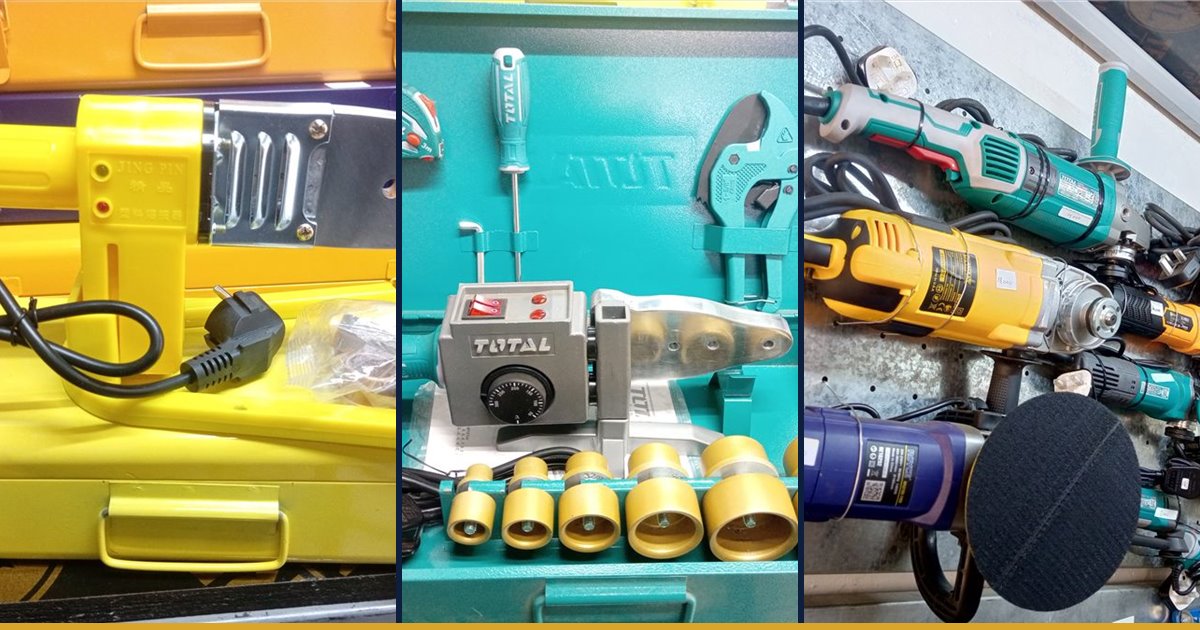
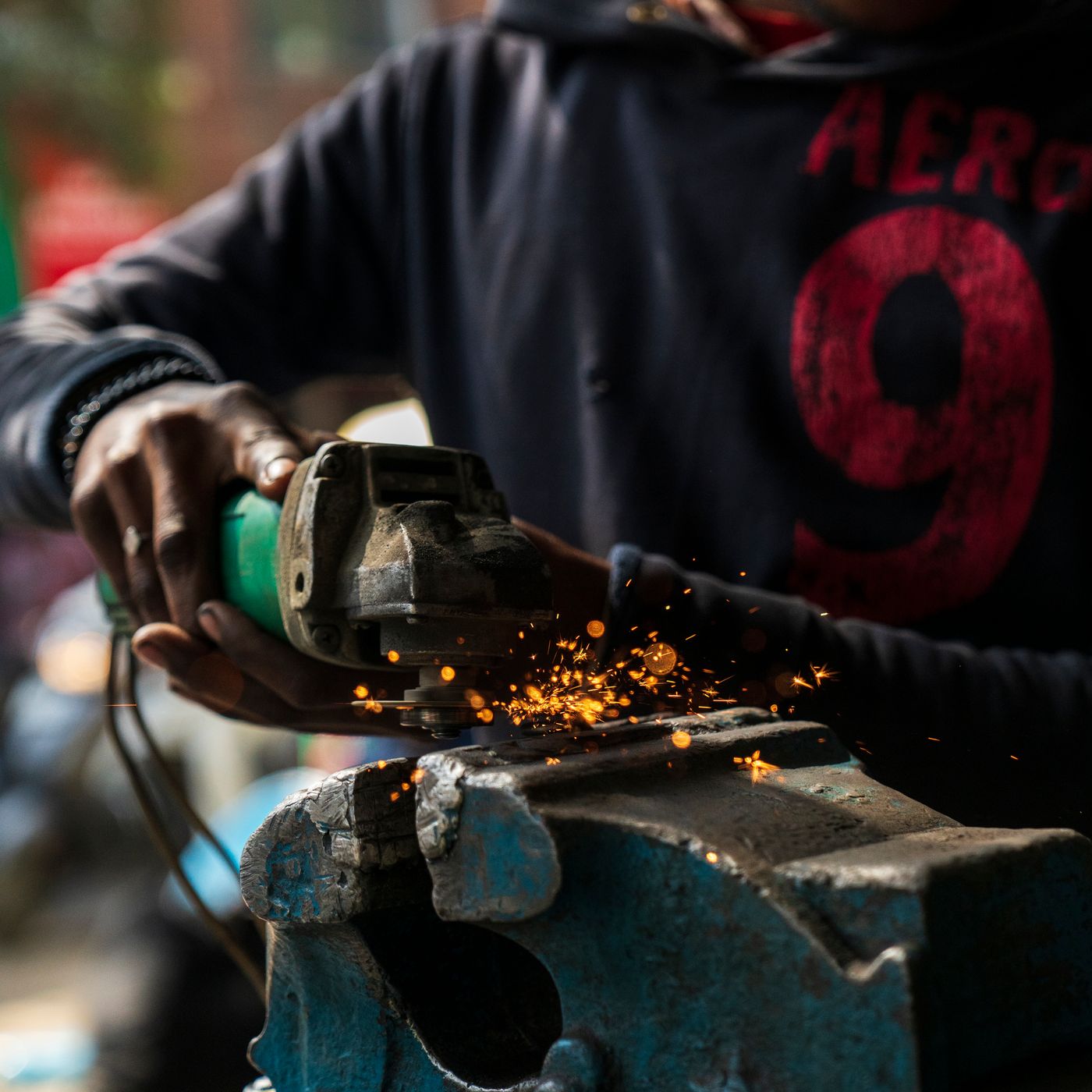
Most hand and bench tools are single-phase and always will be: angle grinders, drills, bench grinders, small inverter welders, jigsaws and routers. Small pumps, small compressors, egg incubators, most poultry equipment and a domestic-scale chaff cutter with a modest motor all run on ordinary 240-volt single-phase. If your enterprise is small and your tools are hand-held, you may never need three-phase at all.
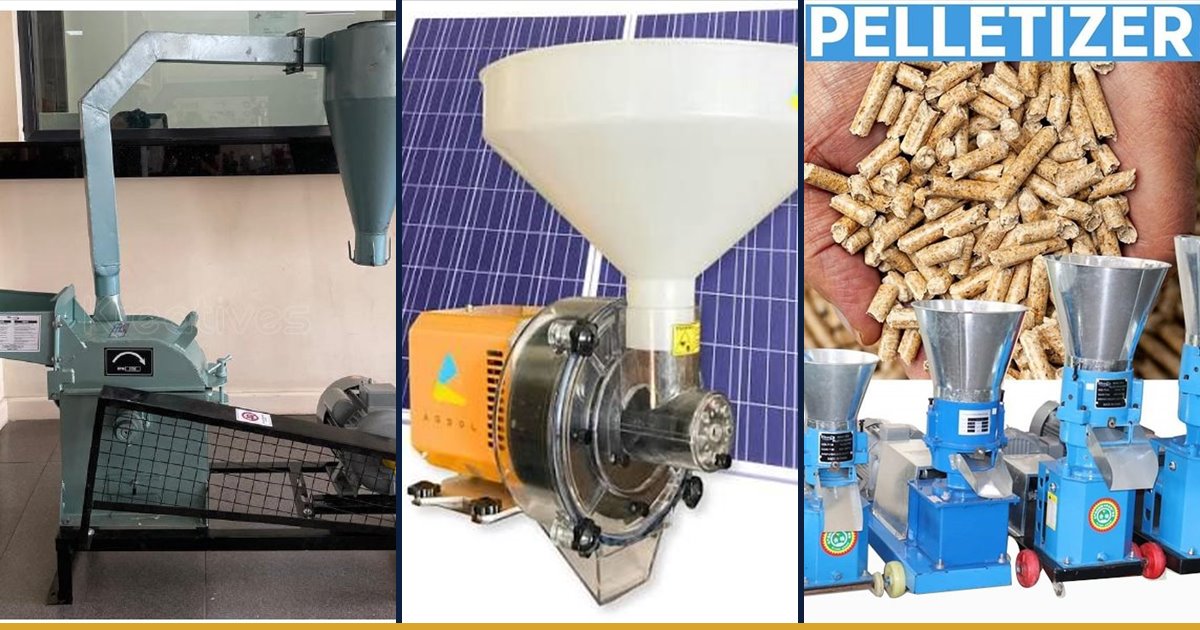
The machines that push you toward three-phase are the heavy, continuous, high-power ones. A commercial electric posho mill or hammer mill sized to grind for a whole trading centre, a large maize or feed mill, a big air compressor feeding a busy spray or tyre bay, an industrial lathe or saw bench, and larger borehole and irrigation pumps almost all arrive as three-phase machines. Welding is a good example of the split: a small stick or inverter welder runs on single-phase, while a heavy-duty or multi-operator machine is three-phase, as our guide to welding machines for a rural workshop explains.
Notice that the boundary is fuzzy on purpose. A chaff cutter is single-phase in the yard version and three-phase in the contractor version. A posho mill is single-phase for home use and three-phase for a commercial site. Decide how much work you actually need the machine to do, then let the required motor size tell you which supply you are committing to.
The Starting-Load Trap Most Buyers Miss
Running power is not the number that catches people. Starting power is. At the instant a motor is switched on, before the shaft is moving, it draws a huge gulp of current to break away from standstill. A motor started straight onto the line, which is called direct-on-line starting, typically pulls something like six to eight times its normal running current for a second or two.
On a strong three-phase supply that surge is shrugged off. On a single-phase supply feeding a large motor it is a real problem: it dims lights across the plot, it can trip the main breaker, and if the supply cable or the transformer feeding you is already stretched, the motor may not even develop enough torque to start under load. It sits there straining and getting hot. This is often the true reason a big machine will not run at home, even when the running wattage looks like it should fit.
Starting load matters for three practical reasons. It decides how thick your supply cable and how large your protective breaker must be. It decides how big a generator you need if you back the machine with one, because a generator has to survive the surge, not just the running load, a point we cover in our guide to sizing an inverter for a farmhouse and workshop. And it is precisely the load that a soft starter or a variable-frequency drive is built to tame, which becomes important when three-phase is not available.
Getting a Three-Phase Connection in Kenya
If you have decided the machine you need is genuinely three-phase, the next question is whether you can get a three-phase supply, and what it will take. This is a project with a lead time, not a same-day switch, so start it before the machine arrives.
The first step costs nothing: find out whether a three-phase line already runs near your plot. Look up at the poles along your road. A three-phase distribution line carries more conductors than a single-phase spur, and if it passes your gate, your job is mostly a metering and connection upgrade rather than new construction. If the nearest three-phase line is far away, the picture changes, because someone has to pay to bring it to you.
The formal route is an application to Kenya Power for a three-phase supply or an upgrade of your existing one. They assess the load you intend to run and the capacity of the network in your area, and they quote accordingly. The honest answer on cost is that it depends on two things above all: the distance from the nearest suitable line to your premises, and whether the local transformer has spare capacity or needs upgrading to carry your new demand. Both of those are site-specific, which is why no responsible guide should hand you a single figure. Treat the connection as a capital project, get a written quotation for your actual site, and factor in wayleaves, a larger meter and a suitable distribution board.
There is also a running-cost side. Three-phase supplies are metered differently and may sit on a different tariff, and larger connections can attract demand-based charges rather than pure energy charges. These change from time to time, so check the current Kenya Power tariffs for the connection size you are applying for rather than relying on what a neighbour paid three years ago. What you are buying is not just a machine that runs, but a monthly bill you can predict.
Sequence the project correctly. Confirm the power first, order the machine second. A three-phase machine sitting in your store while you wait weeks for a line extension is money doing nothing, and the temptation to force it onto an inadequate supply is exactly how motors get burned.
When Only Single-Phase Reaches Your Gate
Plenty of good sites have single-phase only, and extending three-phase would cost more than the machine. You are not stuck. There are four honest routes, and the right one depends on the machine and the budget.
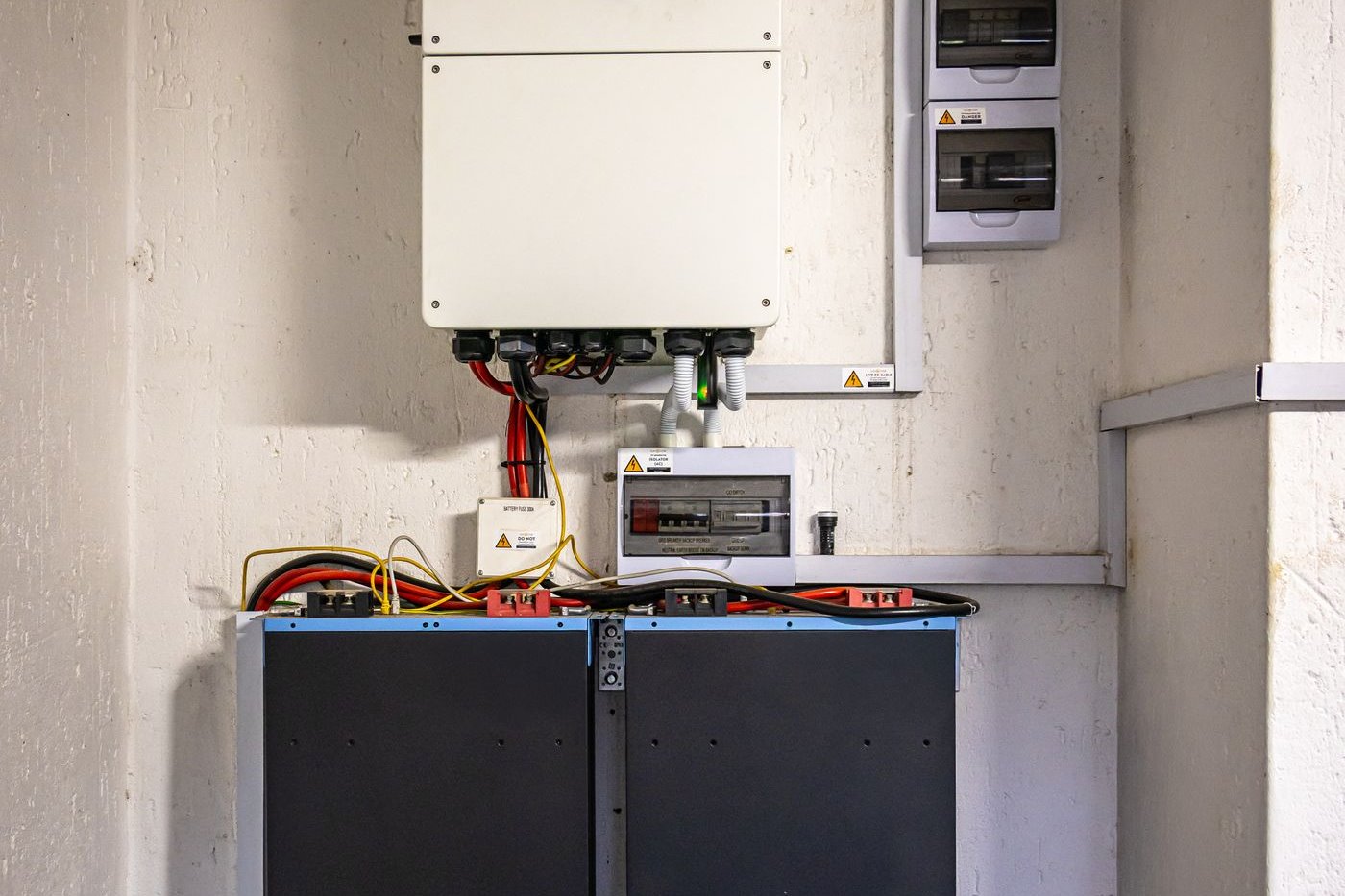
A variable-frequency drive (VFD). This is the modern answer for running a single three-phase motor from a single-phase supply. A VFD takes your 240-volt single-phase in and electronically synthesises a three-phase output to feed the motor, and as a bonus it gives you a gentle soft start and adjustable speed. The catches are worth knowing. Single-phase-input VFDs are practical only up to a limited power (small motors), and running a general three-phase-input VFD from single-phase means derating it heavily, often to around half its nameplate rating. You need one drive per motor, and a VFD only helps motor loads, not resistive loads like a welder or a heater. Our guide to inverter and drive sizing walks through the surge maths behind this.
A rotary phase converter. This is an older but robust approach: an idler three-phase motor spins to generate the missing third leg, and the assembly can then run one or several three-phase machines. Rotary converters handle real motor loads better than the cheaper static converters, which only help a motor start and then leave it running on two legs at reduced output. For a workshop with a couple of three-phase machines and no VFD-friendly loads, a rotary converter can be the practical choice.
An engine drive. Sometimes the cleanest answer is to skip mains electricity entirely and belt a diesel or petrol engine straight onto the machine. This is exactly how a great many Kenyan posho mills, maize shellers and irrigation pumps already run. It suits sites where the grid is absent, weak or unreliable, and it removes the phase question altogether. The trade-offs are fuel cost, noise, servicing and the fact that an engine wears, but for a mobile or off-grid operation it is often the most sensible of all.
Buy the right-sized single-phase model. Before spending on converters, ask whether the machine exists in a single-phase version that still meets your real duty. Many mills, cutters, pumps and welders come in a smaller single-phase form. If your workload is modest, matching a single-phase machine to it is simpler, cheaper and more reliable than forcing a big three-phase machine onto a supply that fights it.
Often cheaper than a new line. For one three-phase motor of modest size, a VFD or a right-sized single-phase machine usually costs a fraction of extending a three-phase line to a distant plot. Price all the routes before you assume the wires are the only answer.
How to Plan Power Before You Buy the Machine
Put the decisions in the right order and none of this bites you. The mistake is always to fall in love with a machine first and discover its supply needs afterward.
Start from the work, not the machine. Decide how much you need to grind, cut, pump or weld in a day, because that fixes the motor size, and the motor size fixes the supply. Then read the nameplate of the exact model you are considering, noting the power in kilowatts, the voltage, and whether it says single-phase or three-phase (three-phase plates usually show 415V or the symbol 3~). Ask the seller directly which supply the unit needs; a good supplier will tell you without being pushed.
Next, survey your site honestly. What supply do you have today, single or three-phase, and how strong is it? Is a three-phase line near enough to make a connection reasonable, or is it far? Only then choose your route: buy single-phase if the duty allows, apply for three-phase if the line is close and the work justifies it, or plan a VFD, a converter or an engine drive if three-phase is out of reach. Cost every option, including the connection or the workaround, not just the sticker on the machine. You will find the ranking often surprises you once the power is in the sum.
Key Takeaways
- Single-phase (240V) brings one live wire and pulses to zero twice a cycle; three-phase (415V between lives) brings three staggered lives and delivers smooth, continuous power.
- Three-phase motors start themselves with strong torque; single-phase motors fake a rotating field and become costly and hard on the supply above about three kilowatts.
- Small tools, pumps, welders and chaff cutters run on single-phase; large mills, big compressors, heavy welders and large pumps usually need three-phase.
- Starting current can be six to eight times running current, which is what actually stops a big machine from starting on a weak single-phase supply.
- A three-phase connection is a capital project whose cost is driven by distance to the line and transformer capacity; where it is out of reach, a VFD, a rotary converter, an engine drive or a right-sized single-phase machine will do the job.
Frequently Asked Questions
Can I run a three-phase machine on single-phase power?
Not directly. You need something in between: a variable-frequency drive, which converts single-phase to three-phase and suits one motor of modest size, or a rotary phase converter, which can feed one or more three-phase machines. Both have size limits and costs, so for a large machine, extending a proper three-phase supply or choosing a single-phase model instead is often wiser. Match the solution to the motor size rather than forcing a big load through a small converter.
How do I know if a machine needs three-phase?
Read the motor nameplate. It states the power in kilowatts, the voltage, and the phase, and a three-phase machine usually shows 415V or the symbol 3~. As a rule of thumb, motors above roughly three kilowatts are almost always three-phase. If the plate is unclear, ask the seller directly which supply the specific unit needs before you pay.
Is three-phase electricity more expensive in Kenya?
The connection is a separate project whose cost depends mainly on how far the nearest three-phase line is and whether the local transformer has spare capacity, so it is quoted per site. Three-phase supplies are also metered differently and may sit on a different tariff, sometimes with demand-based charges for larger loads. Ask Kenya Power for a written quotation and the current tariff for your connection size rather than relying on old figures.
Does a VFD save electricity as well as converting the phase?
It can, in two ways. A variable-frequency drive gives a soft start, so the motor no longer draws the heavy switch-on surge, and it lets you run the motor at only the speed the job needs rather than flat out. On loads like pumps and fans that can cut energy use noticeably. Its first purpose here, though, is simply to let a three-phase motor run from your single-phase supply.
At Fuga we sell machines in both single-phase and three-phase forms, and we would rather match you to the right one than sell you a machine your yard cannot power. Tell us the work you need done and the supply you have, and we will point you to a unit that fits, or to the VFD, converter or engine-drive route if that suits you better. Browse current models and indicative pricing on our price list, then bring the shortlist to any branch and we will talk through the power side before you commit.