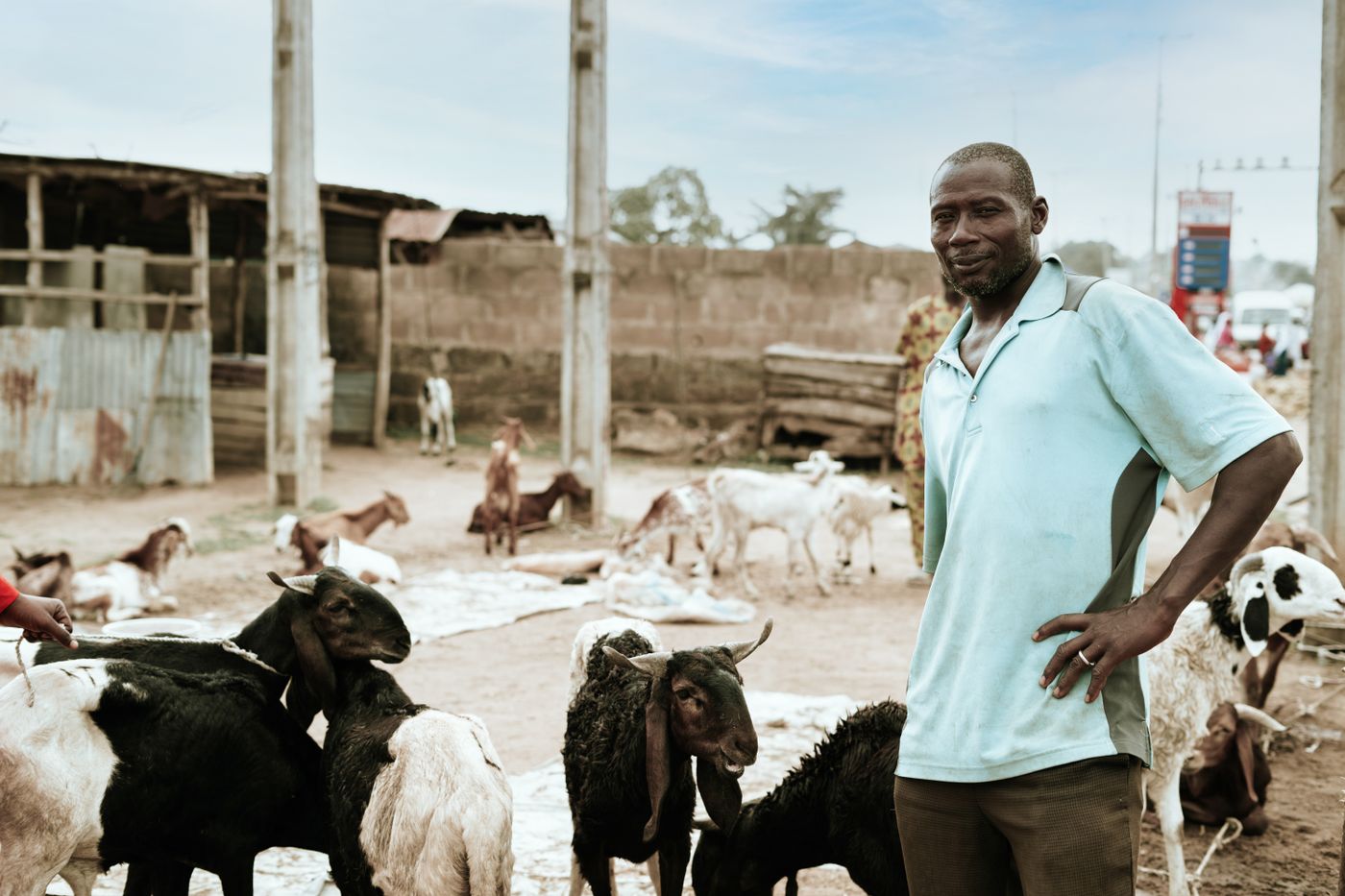
October is when many Kenyan farmers start looking for goats. Some want stock to fatten for the December festive season, when demand for goat meat rises across the country. Others are building a breeding herd while the short rains bring fresh browse and pasture. Either way, most of those goats will come from a livestock market or a neighbour's boma, and the few minutes spent checking each animal before money changes hands decide whether you bring home a profit or a problem.
A sick or old goat looks much like a healthy young one from across a market yard. Up close, with clean hands and a simple routine, the differences are easy to see. This guide walks through what to check before you buy: age from the teeth, body condition, eyes, feet, udder and testes, signs of disease, the paperwork, and how to transport and settle new goats so they do not bring sickness into your herd. It is general guidance; for any doubtful animal, a vet's opinion costs far less than a lost herd.
Decide What You Are Buying For
Before you go, know the job the goats will do, because it changes what you look for. For fattening, you want young, healthy bucks or castrates with a good frame that are thin only because of poor feeding, not illness, so they gain quickly on better feed. For breeding, you want young does with sound udders and teeth and a known history, and a buck that is not related to them. For milk, you are usually buying a dairy breed such as Toggenburg, Saanen or Alpine, or a cross, and the udder and the milk record matter most; our dairy goat farming guide covers breeds and housing.
Local breeds such as the Small East African goat and the Galla are hardy and widely traded, and Boer and Galla crosses are popular for meat because of their frame. Whatever the breed, the checks below are the same. Take a few things with you: a weighing tape, a notebook or phone to record each goat, a rope or halter, and if you can, a helper to hold animals while you check them. Plan the pen at home before you buy, so the goats have a clean, dry place to go the moment they arrive.
Age From the Teeth
Goats have no upper front teeth, only a hard pad. The lower front teeth (incisors) tell you the approximate age. Kids have small, narrow milk teeth. These are replaced in pairs by larger, broader permanent teeth as the goat grows, starting from the middle. The ages below are the commonly used guide; actual ages vary with breed and feeding, so treat them as approximate.
Open the mouth gently by pressing the lips apart at the side. For fattening stock, goats with milk teeth or one pair of permanent teeth usually grow fastest on good feed. For breeding does, young goats with one or two pairs are a good buy. A full mouth with worn, broken or missing teeth means an old goat, which may be why it is for sale. Check that the teeth meet the dental pad evenly; an overshot or undershot jaw makes eating harder.
Body Condition: Feel, Do Not Just Look
Long hair and a full belly of grass can make a thin goat look fine. Run your hand along the backbone behind the ribs and over the loin. In a goat in good condition you can feel the spine as a smooth ridge with some cover over the ends of the short bones that stick out sideways. In a very thin goat the spine is sharp and you can feel each bone easily with almost no flesh between. Many extension services use a 1 to 5 condition score, with 1 very thin and 5 very fat; most buyers aim for animals in the middle of the range.
A thin goat is not always a bad buy for fattening, but you need to know why it is thin. Thin from poor grazing in a dry spell is fixable. Thin with a rough coat, pale eyes, diarrhoea or a cough points to worms or disease, and those goats usually cost more to fix than they will earn.
The Health Check, Nose to Tail
Watch the goats move before you handle them. A healthy goat is alert, holds its head up, walks freely and is interested in its surroundings. Then check each animal in order:
| Check | Good sign | Warning sign |
|---|---|---|
| Eyes | Bright, clear, pink inner eyelid | Dull, runny, or very pale inner eyelid |
| Nose and breathing | Clean, calm breathing | Thick discharge, coughing, laboured breathing |
| Skin and coat | Smooth coat, no bald patches | Mange, lice, wounds, ticks in large numbers |
| Lumps | None | Swellings near the jaw, neck or shoulder |
| Rear end | Dry, clean tail area | Diarrhoea staining |
| Feet and legs | Walks freely, trimmed hooves | Limping, overgrown or smelly hooves |
| Udder (does) | Two even, soft halves, two teats | Hard lumps, uneven halves, extra or blind teats |
| Testes (bucks) | Two even, firm testes | One missing, uneven or swollen |
Pale inner eyelids are worth special attention. A colour chart called FAMACHA, developed in South Africa, is used by many vets and extension workers to score eyelid colour, because very pale eyelids often signal anaemia, commonly from blood-sucking worms. You do not need the card to notice that one goat's eyelid is almost white while the others are pink. Swellings near the jaw, neck or shoulder can be abscesses from contagious infections that spread to the rest of the herd, so walk away from those goats. Our guide to goat hoof trimming shows what well kept feet look like.
Price It by Weight
Goats in Kenyan markets are usually sold per head, and a good eye for size is part of trading. A weighing tape around the chest behind the front legs gives a fair estimate of liveweight in seconds, and it turns a per-head price into a price per kilogramme you can compare. Two goats offered at the same price can differ in weight by several kilogrammes. Our weighing tape guide explains how to measure accurately. If you are buying to fatten for December, weigh again on arrival at home, then every two weeks, so you know which goats are growing and which are not.
Tricks to Watch For in a Busy Market
Most sellers at Kenyan livestock markets are honest farmers and traders, but a busy yard in the weeks before the festive season is also where weak animals get passed on. A few habits protect you. Go early, when there is time to look properly and before the best stock is sold. Insist on handling the goat yourself rather than judging it while it is held tightly in a group, because a lame goat can hide its limp when it is wedged between others. Be wary of goats with very full, tight bellies at the market gate; animals are sometimes given plenty of water or feed just before sale, which makes them look heavier and in better condition than they are. A goat that is thin along the back but round in the belly tells its own story.
Do not let anyone hurry you. If a seller pushes for a quick decision, refuses to let you open the mouth or feel the udder, or claims a goat is younger than its teeth show, move on. There will be other goats. Bring a friend who knows goats if you are new to buying, and agree beforehand on your top price per head so the excitement of the market does not make the decision for you.
Buying Now to Sell in December
If you are buying in October to fatten for the festive market, work backwards from your selling date. Leave the first few weeks for isolation, deworming on your vet's advice and a gradual change onto better feed, because goats moved from poor grazing onto rich feed too quickly can suffer digestive upsets. That leaves a limited period of real gain before late December, so the goats you buy must already be healthy and young enough to grow fast. Feed good quality forage, with chopped napier or hay in a rack so it stays off the floor, add a supplement your extension officer recommends, and make sure there is always clean water. Weigh every two weeks and sell any goat that is not gaining; it is eating feed you will not get back.
Paperwork and Moving Goats
In Kenya, moving livestock generally requires a movement permit issued through the veterinary services, and markets and roadblocks may ask for it. Ask the seller or the market officials about the permit before you buy, and keep a written receipt that describes each goat. This protects you if ownership is ever questioned.
Transport goats in the cooler part of the day, in a vehicle with sides high enough to stop them jumping, a floor that is not slippery, shade and ventilation. Do not overcrowd them, and do not tie goats by the legs and throw them on top of each other. Keep the journey as short as possible, and give water on arrival.
Isolate Before You Mix
Even a goat that passes every check can carry worms, lice or an infection that has not yet shown. Keep new goats in a separate pen, away from your herd, for a period commonly recommended as about three weeks, and watch them every day. Use separate water and feed containers, handle them after your own goats, not before, and keep the bedding and dung away from the main house. This is the time to ask your vet about deworming, vaccination and any treatments the new goats need; follow the vet's advice and the product labels for doses and withdrawal periods. Our farm biosecurity guide explains the wider routine.
A raised slatted floor keeps the isolation pen dry and clean, which matters in the short rains when wet floors bring foot problems and worms. Our article on plastic slatted floors for goats covers the options. Tag each goat on arrival so its records follow it from the first day.
Buying Checklist
- Know the purpose: fattening, breeding or milk.
- Check teeth for age and a sound bite.
- Feel body condition along the spine and loin.
- Eyes, nose, coat, lumps, rear end, feet, udder or testes.
- Tape each goat and compare price per kilogramme.
- Movement permit and a written receipt.
- Short, cool, uncrowded journey with water on arrival.
- About three weeks in isolation, with a vet check.
Goat Equipment, With Prices
These prices are from the Fuga price list at the time of writing; check the site or call a branch for current prices and stock.
| Item | Stock code | Price |
|---|---|---|
| WEIGHING TAPE | 6432 | KSh 800 |
| EAR TAGS - GOAT _M | 6198 | KSh 15 |
| EAR TAG APPLICATOR | 6193 | KSh 2,000 |
| HOOF TRIMMER | 6257 | KSh 700 |
| DRINKING BOWL-GOAT_PLASTC V | 6191 | KSh 600 |
| GOAT SLATES | 6240 | KSh 1,600 |
Check the teeth, feel the back, look at every goat from nose to tail, weigh before you pay, and isolate before you mix. For a weighing tape, ear tags, a hoof trimmer, goat drinking bowls and slatted flooring, see our dairy and livestock equipment, visit any Fuga branch in Eldoret, Nairobi or Nakuru, or WhatsApp 0716 961 018.
Key Takeaways
- Decide first whether you are buying to fatten, breed or milk, because it changes what you look for.
- Use the lower front teeth to estimate age: milk teeth under about a year, a full mouth of four permanent pairs at about three and a half to four years or more.
- Feel the spine and loin for body condition; a full belly and long hair can hide a thin goat.
- Check eyes, nose, coat, lumps, rear end, feet, udder or testes, and walk away from swellings near the jaw, neck or shoulder.
- Tape each goat to turn a per-head price into a price per kilogramme you can compare.
- Get the movement permit and a receipt, transport goats cool and uncrowded, and isolate them for about three weeks before mixing.
Frequently Asked Questions
How can I tell a goat's age from its teeth?
Look at the lower front teeth. Kids have small milk teeth. Permanent teeth come in pairs from the middle: one pair at about 1 to 1.5 years, two pairs at about 1.5 to 2 years, three pairs at about 2.5 to 3 years, and a full mouth of four pairs at about 3.5 to 4 years or older. Ages vary with breed and feeding.
What does a pale inner eyelid mean in a goat?
Very pale inner eyelids often signal anaemia, commonly caused by blood-sucking worms. The FAMACHA colour chart, developed in South Africa, is used by many vets to score this. Avoid very pale goats or ask a vet to examine them before buying.
Do I need a permit to move goats in Kenya?
Moving livestock generally requires a movement permit issued through the veterinary services, and markets and roadblocks may ask for it. Ask the seller or market officials before you buy, and keep a written receipt describing each goat.
How long should new goats be kept apart from my herd?
A period of about three weeks is commonly recommended. Keep them in a separate pen with their own water and feed containers, handle them after your own goats, and ask your vet about deworming and vaccination during this time.
Which goats are best to buy for fattening for December?
Young, healthy bucks or castrates with milk teeth or one pair of permanent teeth and a good frame, thin only because of poor grazing rather than illness. Allow time for isolation and a gradual change of feed, then weigh every two weeks.