In 2004, maize grown and stored on farms in Eastern and Central Kenya poisoned hundreds of people. The United States Centers for Disease Control and Prevention, working with the Kenyan Ministry of Health, recorded 317 cases and 125 deaths by July of that year, and traced the outbreak to homegrown maize that had been stored damp. It remains one of the deadliest aflatoxin poisoning outbreaks ever documented.
Most aflatoxin does not kill quickly. It builds up quietly in maize that looks almost normal, it cannot be cooked out, and long term exposure is linked to liver disease and stunted growth in children. It also costs money: the Kenya Bureau of Standards (KEBS) limits how much aflatoxin maize may carry, and grain or flour that fails is rejected, recalled or banned. After the harvest, the farmer is the first and most important line of defence.
We have separate guides to grain drying and moisture and post-harvest grain storage. This article takes the aflatoxin angle from start to finish: where the mould gets in, how to break each link in the chain from field to sack, what the standards say, and what to do with grain you suspect.
What Aflatoxin Is and Where It Comes From
Aflatoxins are poisons made by moulds of the Aspergillus group, mainly Aspergillus flavus, that live in soil and crop residue. The mould can infect maize in the field, especially when the crop is stressed by drought or damaged by insects, and it keeps growing after harvest whenever grain is warm and damp. Mouldy grain may show a greenish or yellow-green growth, but contaminated grain often looks clean. You cannot see, smell or taste aflatoxin.
Two facts make it so dangerous. First, heat does not destroy it in normal cooking, so contaminated maize stays contaminated as ugali, githeri or porridge. Second, it passes through animals: cows fed contaminated feed excrete a related toxin, aflatoxin M1, in their milk. Moving mouldy maize from the kitchen to the feed trough does not solve the problem.
The Risk Points From Field to Sack
Aflatoxin risk is a chain, and every link is a chance to stop it. The diagram shows where contamination most often gets in, and the main control at each point.
In the field
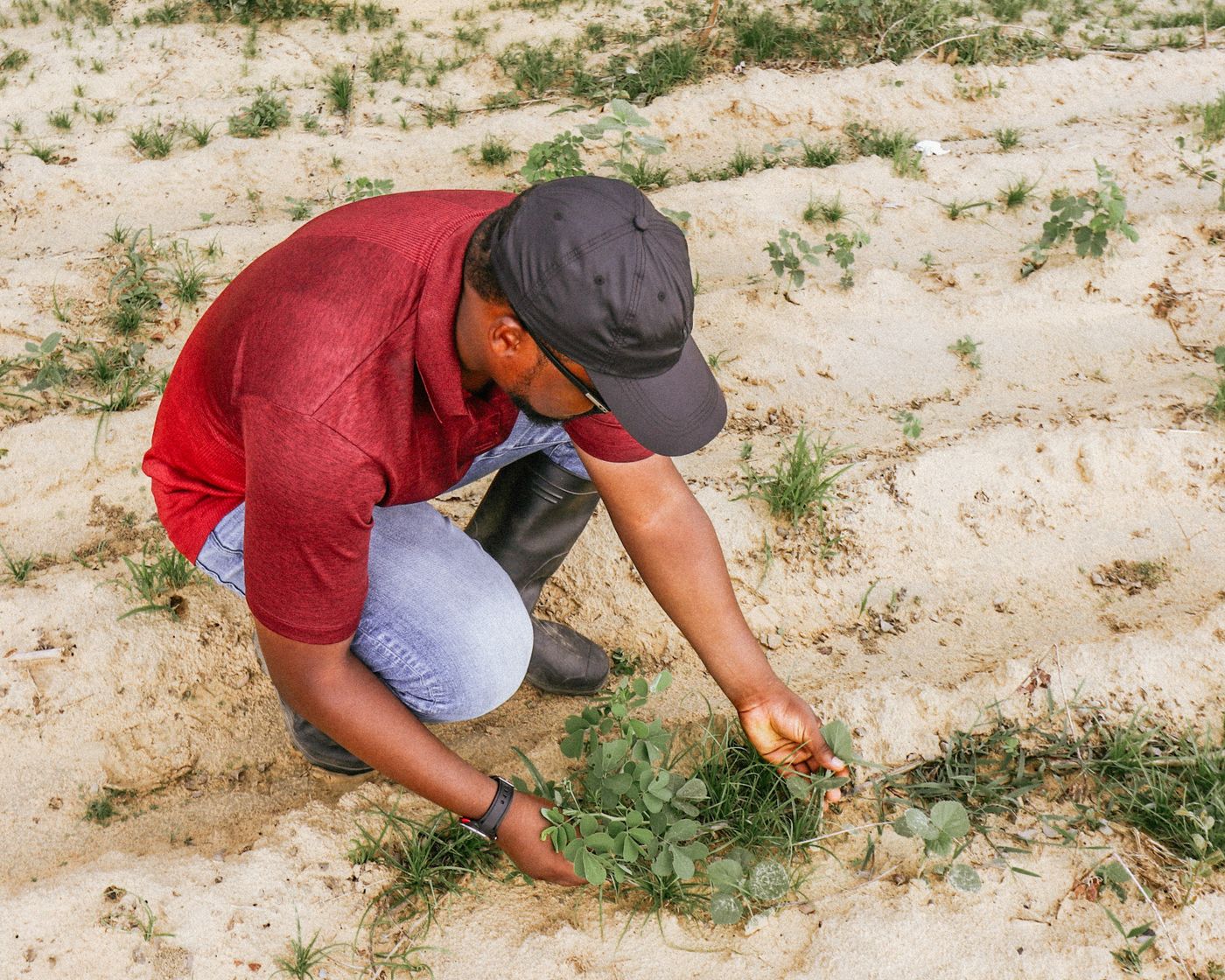
Stressed and damaged maize is more easily infected. Good weeding, timely planting and soil fertility reduce stress. Insect damage to the cob, from stem borers or fall armyworm feeding into the ear, opens wounds the mould uses; our guide to fall armyworm scouting covers early control. Ask your county agriculture office about Aflasafe KE01, a biological product made from harmless strains of Aspergillus flavus that compete with the toxic ones in the soil. The International Institute of Tropical Agriculture reports that KALRO registered it with the Pest Control Products Board in 2015 and that trials showed large reductions in aflatoxin. It is applied in the field before flowering, so it does not replace good drying and storage.
At harvest
Once the crop is mature, leaving it standing in the field through repeated rain gives the mould time. For long rains maize harvested into the short rains, or a short rains crop caught by late showers, plan labour so cobs come in promptly. Our guide to maize harvest timing and drying before the short rains covers how to tell when maize is ready. Never heap freshly harvested wet cobs in a pile; they heat up and mould within days.
Drying: Fast, Off the Ground, to a Safe Moisture
Drying is the single most important control after harvest. A KALRO maize breeder quoted in The Star in 2023 put the safe level for maize at about 13 to 13.5 percent moisture. Above that, mould can keep growing in store.
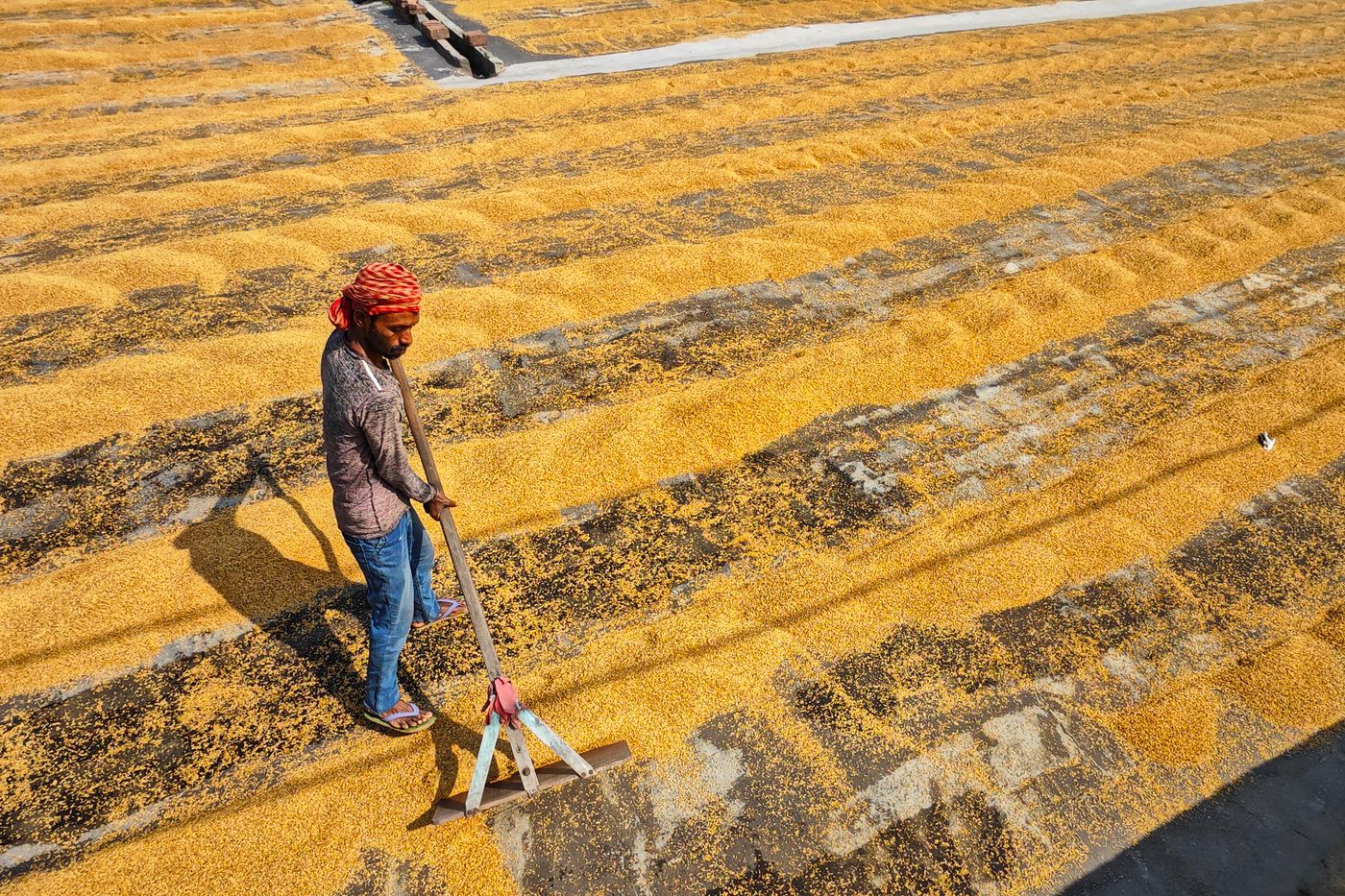
Never dry maize directly on bare soil. Soil carries the mould and wets the grain from below. Dry cobs or shelled grain on tarpaulins, drying sheets, a clean concrete floor or raised racks, in a thin layer, and turn it several times a day. Cover it or bring it under a roof before rain and overnight, because dew and showers undo a day's drying. In the short rains, when sun is unreliable, a solar dryer or raised crib can keep drying going between showers.
How do you know the grain is dry enough? A moisture meter is the reliable way. Without one, the salt test gives a rough check: put a few handfuls of shelled grain into a dry glass jar with a couple of spoons of dry salt, close it, shake for a few minutes and let it stand. If salt sticks to the jar walls, the grain is still too wet. It is a crude test and cannot tell you the exact moisture, so when in doubt, dry for another day.
Drying When the Weather Will Not Help
Late October and November are a hard time to dry maize in many parts of Kenya. Long rains maize harvested late, or grain that was never properly dried before storage, meets the short rains, cloudy days and damp nights. This is exactly the situation that produced the 2004 outbreak: grain that could not be dried, stored damp.
Plan the drying space before you harvest. A thin layer dries several times faster than a thick heap, so work out how many tarpaulins or how much clean floor you need to spread the day's harvest no more than a few centimetres deep. If you cannot spread it all, harvest in batches rather than bringing everything in at once and leaving half of it in heaps.
- Keep cobs in the husk only for a short time. Cobs dry faster once husked and spread out. Leaving them husked and stacked under a roof is better than leaving them in the rain, but they still need air moving around them.
- Use raised cribs. A narrow crib of poles and wire mesh, raised off the ground with a roof over it, lets wind dry cobs between showers. Keep it narrow so air reaches the middle.
- Bring grain in before the rain, not during it. Fold the tarpaulin over the grain or carry it under cover at the first sign of a storm, and spread it again once the sun returns.
- Never mix wet and dry lots. One damp bag added to a store of dry grain can start a hot spot that spreads. Keep doubtful grain apart until it has been dried and checked again.
Where volumes justify it, a mechanical or mobile dryer removes the dependence on weather altogether; our guide to grain drying and moisture explains when a dryer pays for itself, and how a moisture meter tells you when to stop.
Sorting: The Step That Removes Most of the Risk
Aflatoxin is not spread evenly through a harvest. It tends to be concentrated in a small share of the grain: cobs that were damaged, rotten, insect bored or mouldy, and kernels that are shrivelled, broken or discoloured. Removing them takes out a large part of the risk.
- Sort cobs before shelling. Set aside any cob with visible mould, rot, insect damage or discoloured grain, and any cob that was lying on wet ground.
- Sort the shelled grain. Spread it on a clean sheet in good light and pick out discoloured, shrivelled, broken and mouldy kernels. Winnowing removes dust, chaff and light, damaged grains.
- Keep the rejects out of the food chain. Do not eat them, do not sell them and do not feed them to livestock, because the toxin reaches milk and eggs. Ask your county agriculture office how to dispose of heavily mouldy grain safely.
Storage That Keeps Grain Safe for Months
Dry, clean, sorted grain can still go wrong in a bad store. Moisture creeps back in from the floor, from leaks or from humid air, and insects feeding on grain create warm, damp spots where mould grows.
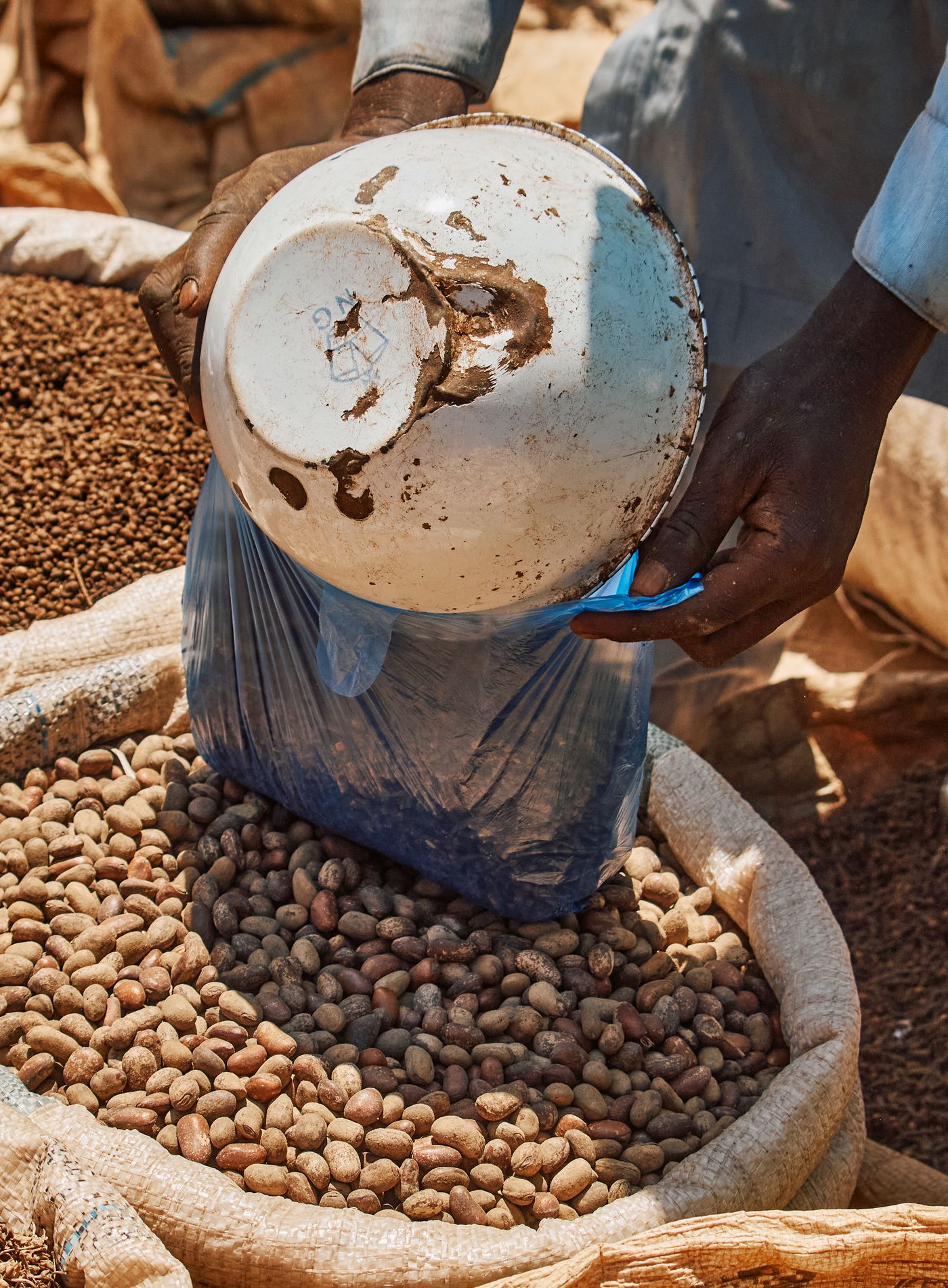
Store grain in clean bags on pallets or timber, off the floor and away from walls, in a dry, well ventilated store with a sound roof. Hermetic bags help a great deal. A 35 week on-farm study in Kenya, published by icipe researchers, found that aflatoxin did not build up in triple layer hermetic bags when maize went in below 14 percent moisture, while levels rose several fold in ordinary woven polypropylene and jute bags. Above 14 percent, aflatoxin increased in every type of bag. The lesson is clear: hermetic storage protects dry grain, but it cannot rescue wet grain.
Check stored grain at least monthly. Open a sample bag, smell for mustiness, feel for warmth or dampness, and look for insects and clumped grain. Act on the first warning rather than waiting. Our guide to feed storage, pests and moulds covers store hygiene in more detail.
What the Standards Say, and Testing
KEBS officials have stated that maize must not exceed 10 parts per billion (ppb) of total aflatoxins, with aflatoxin B1, the most harmful form, at no more than 5 ppb. These limits follow harmonised East African standards. KEBS enforces them at borders and in the market, and has suspended and recalled flour brands that failed. Ten parts per billion is a tiny amount, roughly ten grams in a thousand tonnes, which is why visual checks alone cannot confirm grain is safe.
| Measure | Limit for maize | Source |
|---|---|---|
| Total aflatoxins | 10 ppb maximum | KEBS, as stated to the press |
| Aflatoxin B1 | 5 ppb maximum | KEBS, as stated to the press |
| Storage moisture | About 13 to 13.5 percent | KALRO breeder quoted in The Star, 2023 |
If you sell to millers, the National Cereals and Produce Board, schools or other institutional buyers, expect them to test your grain, often with rapid test kits. Some cooperatives and county programmes offer testing to members. If you are selling in volume, ask your buyer what they test for and how, and consider having a sample tested before delivery so a rejected load does not catch you by surprise.
Your Aflatoxin Checklist
| Stage | Check |
|---|---|
| Field | Crop stress and cob insect damage reduced; Aflasafe discussed with your extension officer |
| Harvest | Picked promptly once mature; never heaped wet |
| Drying | Tarpaulin, sheet or rack, never bare soil; covered at night and in rain; dried to about 13 to 13.5 percent |
| Shelling | Only when dry; sheller adjusted so grain is not cracked |
| Sorting | Mouldy, damaged and discoloured cobs and grain removed and kept out of food and feed |
| Storage | Clean bags on pallets; hermetic bags for dry grain; monthly checks |
| Selling | Buyer's testing requirements known; sample tested if selling in volume |
Equipment That Helps
Keeping aflatoxin out is mainly about practice, but the right equipment makes good practice easier. A digital weighing scale keeps track of what goes into store and what comes out, a crane scale weighs full bags at sale, and an electric posho mill lets you mill your own clean, sorted grain rather than buying flour of unknown quality. Our guide to choosing a maize sheller covers the machines that shell without cracking. For current prices, see the Fuga price list or browse our machinery range, and WhatsApp 0716 961 018 if you want advice on the right setup for your harvest.
Key Takeaways
- Aflatoxin is made by Aspergillus moulds in warm, damp grain; it cannot be seen, smelled or cooked out.
- The 2004 outbreak in Eastern and Central Kenya, traced to damp stored homegrown maize, caused 317 recorded cases and 125 deaths.
- Harvest promptly, never heap wet cobs, and dry off bare ground to about 13 to 13.5 percent moisture.
- Sort out mouldy, damaged and discoloured cobs and grain, and keep the rejects out of both food and animal feed.
- Hermetic bags protected maize stored below 14 percent moisture in a Kenyan study, but cannot rescue wet grain.
- KEBS limits for maize are 10 ppb total aflatoxins and 5 ppb aflatoxin B1; buyers increasingly test.
Frequently Asked Questions
What moisture level is safe for storing maize?
A KALRO maize breeder quoted in The Star put the safe level at about 13 to 13.5 percent moisture. A moisture meter is the reliable way to check; the salt test gives only a rough indication.
Can I feed mouldy maize to my cows or chickens?
No. Aflatoxin harms animals too, and cows fed contaminated feed pass a related toxin, aflatoxin M1, into their milk. Ask your county agriculture office how to dispose of heavily mouldy grain safely.
Does cooking destroy aflatoxin?
No. Normal cooking does not destroy aflatoxin, so contaminated maize remains contaminated as ugali, githeri or porridge. Prevention through drying, sorting and dry storage is the only reliable control.
What are the aflatoxin limits for maize in Kenya?
KEBS officials have stated a maximum of 10 parts per billion for total aflatoxins and 5 parts per billion for aflatoxin B1, in line with harmonised East African standards.
Do hermetic bags prevent aflatoxin?
They help a great deal if the grain is dry. A Kenyan on-farm study found aflatoxin did not build up in hermetic bags when maize went in below 14 percent moisture, but it increased in every bag type when maize was wetter.