It is day twenty one. You lift the lid of the hatcher expecting a tray loud with chicks, and instead you find a quiet tray: some chicks, and a lot of eggs that never opened. The customer who ordered two hundred day old chicks is on the phone. Somebody asks what went wrong, and the honest answer is that nobody can say, because nobody wrote anything down.
A hatch that disappoints is never one problem. It is three problems wearing the same face. The breeder flock that laid the eggs may be the issue, or the way the eggs were handled between the nest and the tray, or the machine and how it was run. Each of these leaves the same symptom on the surface, a low count of live chicks, and each demands a completely different fix. Guess wrong and you spend money adjusting a machine that was fine while the real fault, an old flock or eggs stored too long, keeps repeating.
This guide treats record keeping not as paperwork for its own sake but as the cheapest diagnostic instrument in the building. Five plain records, kept for a handful of batches, will point at the actual culprit with more confidence than any amount of opening the lid and worrying. This is how to read your own numbers.
Records Are a Diagnostic Instrument, Not Paperwork
Most people picture a hatchery logbook as bureaucracy: a column to fill because someone said so. That framing is why the book ends up blank. The book earns its place the moment you see it as a set of measurements that narrow a search, the same way a doctor narrows a diagnosis by asking where it hurts.
Start by separating three words that get muddled and hide the fault. Fertility is the share of the eggs you set that were actually fertile. Hatchability is the share of those fertile eggs that go on to hatch. Hatch of set is the share of every egg you put in that walked out as a chick. They answer different questions. A batch can have poor hatch of set because fertility was low, which is a flock problem, or because hatchability was low, which is usually handling or the machine. Report a single blended percentage and you have thrown away the very split that tells you where to look.
As general benchmarks, and not as Fuga's own figures, a well managed breeder flock is commonly cited as running fertility somewhere around eighty five to ninety five percent, with hatchability of fertile eggs commonly quoted around eighty to ninety percent. Treat those as rough industry reference ranges, not targets to chase blindly. Your job is not to match a textbook number, it is to establish your own baseline and watch which direction it moves.
The book is a map, not a chore. Every figure you write down removes a suspect. A batch with no records is a crime scene with no evidence, so you argue about the machine when the eggs were three weeks old. A batch with records tells you where between the nest and the tray your chicks were lost.
The Setting Record: Every Batch Starts With Its Own Story
The first record is written the moment eggs go into the setter, before a single chick exists to worry about. Give the batch a code, something as simple as the date plus a letter, and write down what defines it.
Setting date and number set. The date fixes your day 7, day 14, day 18 and hatch days on the calendar so nothing is candled late or pulled early. The number set is the denominator for every percentage that follows.
Egg source and flock age. Note whether the eggs came from your own house, and which one, or were bought, and from whom. Record the age of the laying flock. This one line does more diagnostic work than any other, because both very young pullet flocks and old, tired flocks hatch worse than a flock in its prime, and bought eggs carry the seller's problems into your machine.
Storage days and conditions. Write how many days the eggs waited before setting and roughly how they were kept. Hatchability is well known to fall as storage stretches beyond about a week, and it falls faster in a hot store than a cool one. If you do not record storage age, you will blame the incubator for a delay that happened before the eggs ever reached it. Our guide on handling and storing eggs covers the days between lay and set in detail.
What you rejected. Count the cracked, dirty, misshapen and undersized eggs you set aside before setting. A rising reject count is itself an early warning about the flock or the nest boxes, long before the hatch tells you.
Candling at Day 7, 14 and 18: Three Different Questions
Candling means reading an egg against a bright light to see what is happening inside the shell. It is not one check repeated three times. Each candling asks a different question, and the answers only work as a diagnosis if you record the counts rather than just glancing and moving on. Our full walkthrough of egg candling and fertility shows what each stage looks like through the shell.
Day 7 separates fertile from infertile. A clear egg at day 7 either was never fertile or died so early it left no trace. Alongside the clears you will see blood rings, a red circle that marks an embryo that started and then stopped. Record clears and blood rings separately, because they mean different things: a pile of clears points at fertility, while blood rings point at an early insult such as a temperature shock or rough storage.
Day 14 confirms development is on track. By the middle of incubation a live embryo fills much of the egg and the air cell is growing. This candling removes anything that died between day 7 and now and reassures you the batch is progressing.
Day 18 is the transfer check. As eggs move from setter to hatcher, the air cell is your moisture gauge. An air cell that is too small means the egg has not lost enough water, a sign humidity ran too high. An air cell that is too large means it lost too much, a sign humidity ran low or temperature ran hot. Reading and noting air cell size at day 18 lets you correct humidity before it drowns or dries the chicks at hatch.
Temperature and Humidity Logs: The Machine's Own Confession
The third record lives beside the machine: a temperature and humidity reading taken at least twice a day, morning and evening, with a line for anything you changed and anything that happened. In Kenya that log has to include power cuts, because an hour of black out in the wrong week does real damage, and the room temperature, because a machine in a hot store and one in a cool room are not running the same conditions even at the same setting.
Incubation runs in a narrow band. A forced air setter is commonly run near 37.5 degrees Celsius, roughly 99.5 Fahrenheit, with humidity often held around the low to middle fifties percent and raised for the hatch. Present those as the widely cited setpoints they are, then respect how little room there is around them. A machine that sits half a degree hot for three days speeds development and gives an early, weak or scattered hatch. Half a degree cold delays everything and gives a late hatch. Wrong humidity writes itself into air cell size and into chicks that form fully but die in the shell.
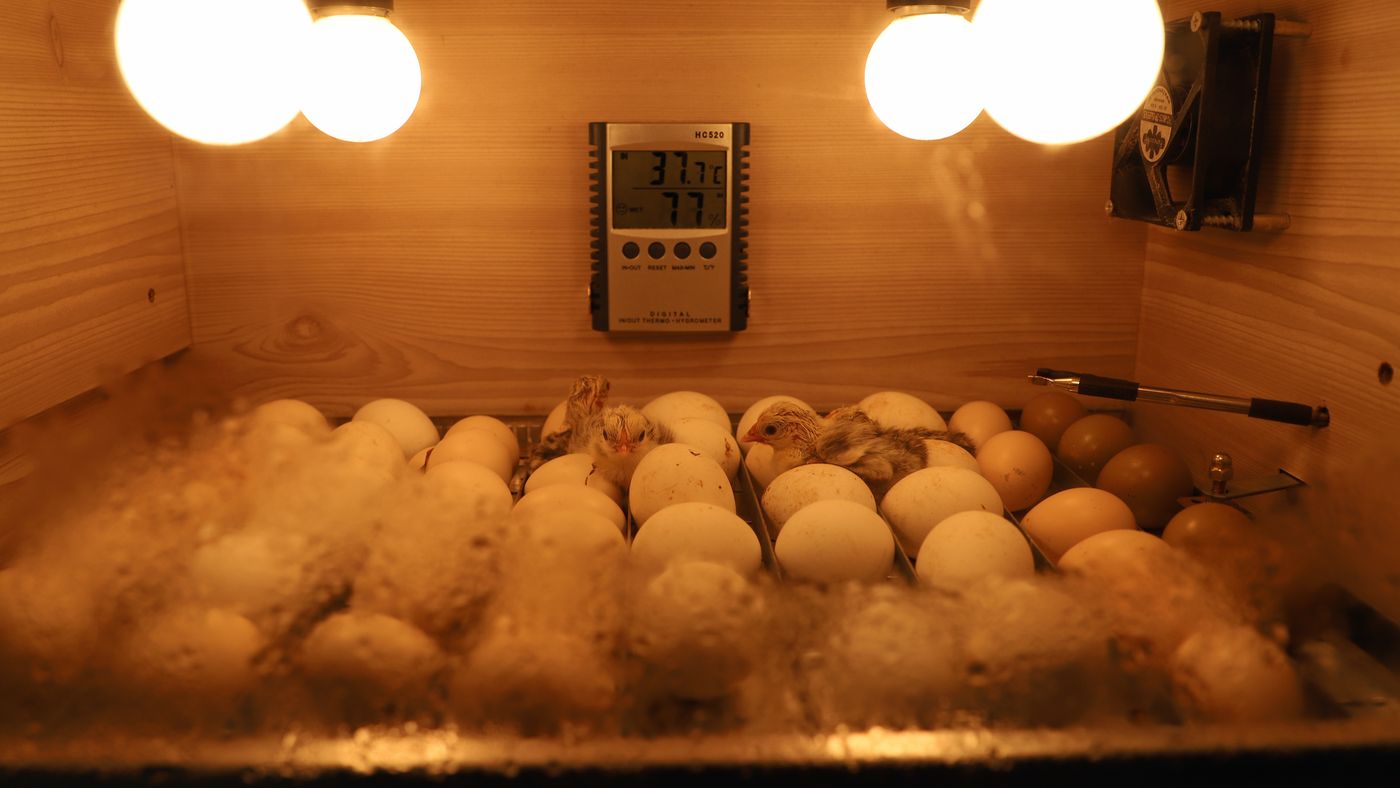
One thermometer on its own can lie, so cross check it against a second, independent thermometer and write both readings. The value of the log is that it converts a vague feeling, the machine seems warm, into a fact you can act on: the setter read 38.1 for three mornings running. When the log fingers the machine rather than the eggs, a worn heating element, a drifting thermostat or a failed fan is usually the culprit, and our range of incubator spare parts covers the sensors, elements and motors that most often need replacing.
Log the power, not just the numbers. Two readings a day, two thermometers, and a note of every cut and every adjustment. In a country where the grid blinks, an unrecorded hour off is the missing line that later makes a good machine look guilty. Write it while it happens, because memory rewrites itself by the next batch.
The Hatch Record and the Breakout: Counting the Dead Teaches More Than Counting the Live
On hatch day the easy record is the happy one: how many live chicks you pulled. Keep going. Count the culls separately, the weak, the small, the splay legged and the ones with unhealed navels, because culls carry their own message about hatcher conditions. Then count the eggs that never hatched, because those are your teachers.
The single most valuable thing a small hatchery can do, and the thing almost nobody does, is the breakout, sometimes called break out analysis. You open the unhatched eggs and sort what you find into categories: infertile clears, early death in the first week, mid death, late death and fully formed chicks that died in the shell, whether they pipped or not, plus the rotten or exploded ones and the malpositioned. It is not pleasant work, and it is the closest thing to an autopsy your operation will ever get. Write the tally down.
Each category is a signpost pointing at a different part of the process. A tray full of clears points backward, to the flock and the eggs. A tray full of fully formed chicks that could not get out points at the last days, at the hatcher and the way it was run. Record the timing of the hatch too: whether it came early, on time, late, or spread over a long window. An off time or badly spread hatch is a temperature signal in its own right, before you have opened a single egg.
Reading the Numbers: Flock, Handling, or Machine?
Now the records pay for themselves. Lay the setting sheet, the candling counts, the temperature log and the breakout side by side, and the pattern points at one of the three suspects far more often than not.
Many clears at day 7 accuse the flock or the egg source. Infertile eggs never had an embryo, so the machine cannot be blamed. Look at the cockerel to hen ratio, the age and health of the cocks, the age of the laying flock, nutrition, and whether the eggs sat too long before setting. This is a breeding and sourcing conversation, not a machine one.
Death concentrated in the first week accuses handling and storage. Embryos that start and stop early were usually damaged before or just after setting: eggs stored too long or too warm, jolted in transport, set dirty, or hit with a bad start up temperature. Tighten the days between lay and set and the cleanliness of collection first.
Late death and dead in shell accuse the machine and its environment. A chick that grows to full size and then fails to escape was let down at the end: humidity wrong, so the air cell and the membrane were off, temperature drifting, turning that stopped, or poor ventilation starving the eggs of oxygen. This is where the temperature log and the day 18 air cell notes earn their keep. Breeder nutrition can also play a part here, but the log usually tells you whether to look at the machine or the feed store.
Malpositions and weak, unhealed navels accuse the hatcher specifically. These are late conditions, driven by temperature and humidity in the final three days. Scattered or off time hatching says the same thing: too hot brings the hatch early, too cold pushes it late.
The breakout is the tie breaker. Candling hints and the log suggests, but opening the eggs that failed tells you plainly whether they were never fertile, died early, or grew fully and could not get out. Three trays of unhatched eggs, sorted and counted, will teach you more in an afternoon than a season of adjusting knobs by feel.
A Record System You Will Actually Keep
The best system is the one you keep, and the one you keep is almost always the simple one. A hardcover exercise book with ruled columns, kept beside the machine with a pen tied to it, beats a spreadsheet nobody opens. Fancy software that lives on a phone in another room records nothing.
Use one page per batch. At the top, the header: batch code, setting date, source, flock age, number set, storage days. Down the side, a small grid for the twice daily temperature and humidity with a column for who checked and what changed. A row for the candling counts at day 7, 14 and 18. A row for the hatch: chicks, culls, unhatched. And at the bottom, the breakout tally by category. That single page carries the whole life of the batch.
Then use it. Review every batch when it finishes, and every few batches plot the key numbers so a slow drift, a fertility that is quietly falling or a hatch creeping later, shows up before it becomes a crisis. When a number moves, change one thing only, then wait for the next batch to tell you whether it helped. Change three things at once and you have learned nothing, because you cannot tell which one mattered. A phone photo of each finished page is a sensible backup, and a spreadsheet is worth building later once the habit is set. For a step by step on lifting the numbers themselves, our companion guide on why your eggs are not hatching works through the targets in order.
Key Takeaways
- A poor hatch is three problems wearing one face: the breeder flock, egg handling, or the machine. Records are how you tell them apart.
- Keep fertility, hatchability and hatch of set as separate numbers. A single blended percentage hides the split that locates the fault.
- Five records do the work: the setting sheet, candling counts at day 7, 14 and 18, a twice daily temperature and humidity log, the hatch count with culls, and the breakout tally.
- Read the loss pattern: many clears accuse the flock, early death accuses handling, and late death in shell accuses the machine.
- Use a ruled exercise book by the machine, review every batch, and change only one thing at a time so you can tell what worked.
Frequently Asked Questions
What records does a small hatchery in Kenya actually need?
Five. A setting sheet for each batch with the date, source, flock age, number set and storage days. Candling counts at day 7, 14 and 18. A temperature and humidity log taken at least twice a day. A hatch record with live chicks, culls and unhatched eggs counted separately. And a breakout tally where you open the unhatched eggs and sort them by when they died. Kept together, one page per batch, they turn guesswork into diagnosis.
How do I tell whether a bad hatch is the eggs or the machine?
Look at where the losses sit. Many clear, infertile eggs at day 7 point at the breeder flock or the egg source, not the incubator. A lot of death in the first week points at handling and storage. Chicks that grew fully and then died in the shell point at the machine and its humidity, temperature and ventilation. The breakout is the tie breaker, because it shows plainly at what stage each egg failed.
What hatch rate should I expect?
There is no single honest number, and anyone quoting one for your flock is guessing. As general reference ranges, well managed breeder flocks are commonly cited around eighty five to ninety five percent fertility and eighty to ninety percent hatchability of fertile eggs, but your own flock age, breed, storage and machine all move it. The point of records is not to hit a textbook figure, it is to establish your own baseline and watch which way it trends.
How often should I record temperature and humidity?
At least twice a day, morning and evening, and every time you adjust the machine or the power cuts out. Cross check the reading against a second, independent thermometer and write both, because a single instrument can drift without telling you. In practice it is the note of the unrecorded power cut that most often rescues a good machine from being blamed unfairly.
Do I need software to keep hatchery records?
No. A hardcover exercise book with ruled columns, kept beside the machine, is enough to run a proper diagnosis and it is far more likely to be filled in than an app. Photograph each finished page as a backup. Move to a spreadsheet later, once the habit is set and you want to plot trends across many batches.
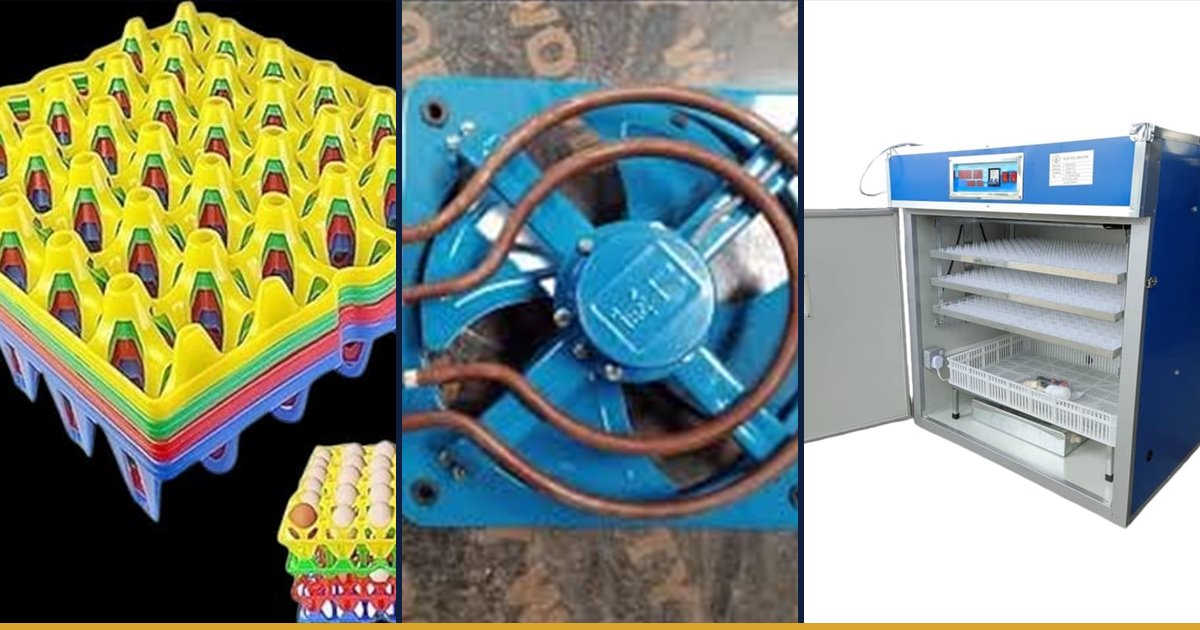
At Fuga we supply the machines and the parts that these records point you toward. When your log shows the fault is the equipment rather than the eggs, we stock egg incubators in a range of tray sizes and the spares that keep an older machine holding steady. Bring us a batch that puzzled you, or send your breakout tally through our contact page or on WhatsApp, and we will help you read it. For what any of it costs, our price list is a phone call or a click away.