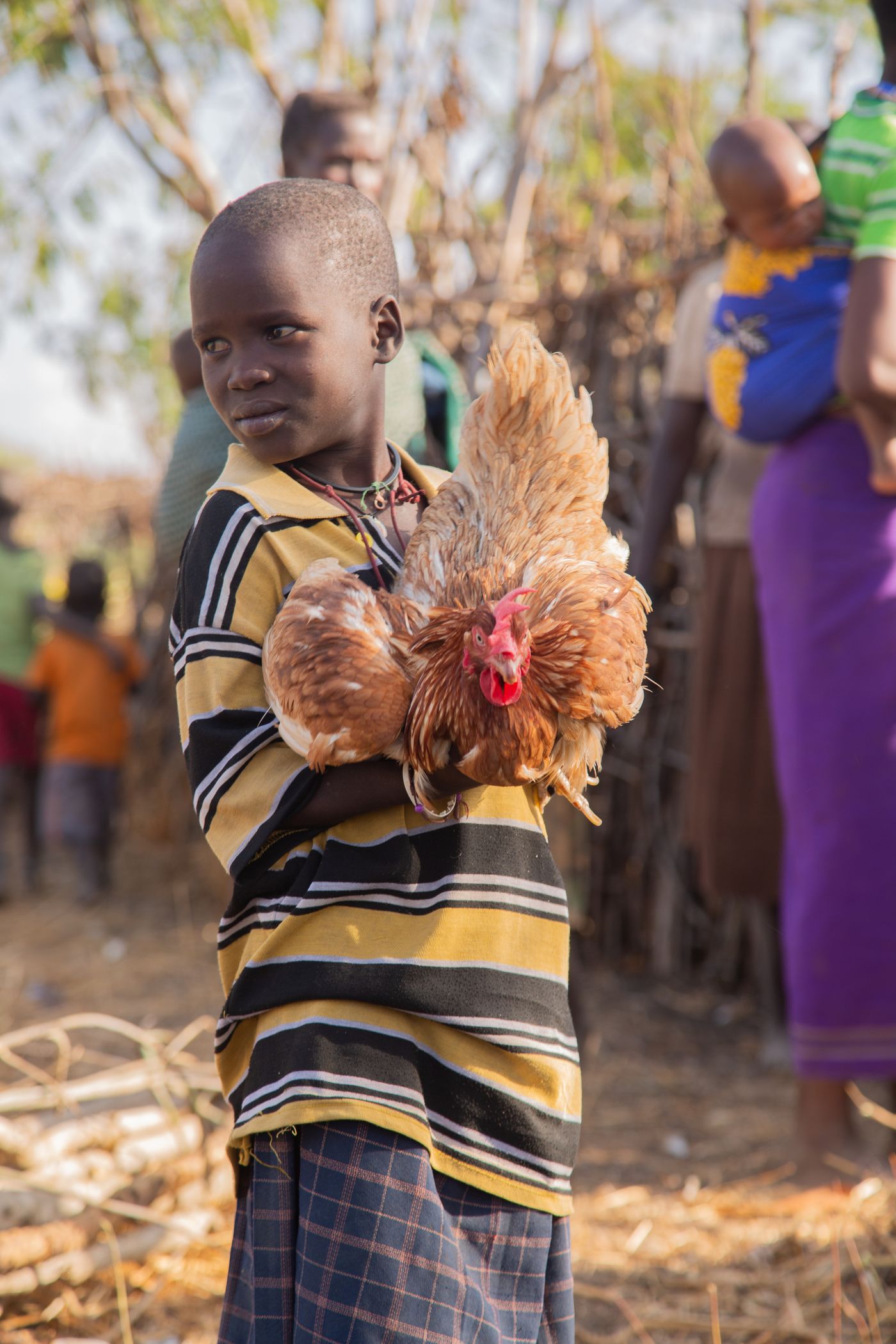
Walk through any Kenyan town market in the third week of December and the story is the same. Buyers are queuing for chicken, traders are paying more for a good cockerel than they did all year, and the farmers who planned ahead are selling heavy, healthy birds while everyone else is offering thin ones. Christmas and the New Year are the biggest chicken-eating weeks of the Kenyan calendar, and improved kienyeji cockerels are what many families want on the table.
The catch is timing. A cockerel that is too young in December weighs too little to fetch a good price, and one that has been carried since July has eaten its profit. If you have young cockerels on the farm now, at the end of October, you have roughly eight weeks to turn them into market birds. That is enough time to make a real difference, if you use it well.
This guide covers how to decide which birds to finish, how to separate and house them, how to feed them for weight without wasting money, how to track progress with a scale, and how to sell and move the birds in December. It assumes improved kienyeji types such as the KALRO improved Kienyeji, Kuroiler, Kenbro, Sasso or Rainbow Rooster, though most of it applies to local birds too.
Count Back From the Selling Date
Start with the calendar, not the feed bag. Decide when you want to sell. For most farmers that is the week before Christmas, roughly 15 to 22 December, when town buyers and hotels stock up. Some markets also peak just before New Year. Mark the date, then count the weeks back to today.
Next, work out the age of each group of cockerels. Hatch records make this easy; if you bought day-old chicks, the delivery receipt is your hatch date. Improved kienyeji cockerels grow more slowly than commercial broilers, and how fast they grow depends heavily on the strain, the feed and the management. Ask your chick supplier for the growth guide for the exact strain you bought, because figures differ between breeders and the guide is the fairest yardstick for your birds.
Sort the Flock: Which Cockerels to Finish
Pull every cockerel out of the mixed flock and look at them one by one. You are sorting into three groups.
Finishers. Healthy, active, bright-eyed birds with a good frame and a full breast that are old enough to reach a saleable weight by your date. These get the best feed and space.
Too young. Birds that will clearly not make weight in eight weeks. Feeding them hard now usually costs more than they will return in December. Keep them on normal rations with the general flock and target the Easter market, or keep the best one or two as breeding cocks.
Poor doers. Birds that are small for their age, lame, wheezing or with dull, ruffled feathers. A sick bird will not finish well and can infect the others. Ask your vet to look at them, and sell or cull the ones that will not recover rather than feeding them for two months.
Separating cockerels from pullets also stops constant mating and fighting, which wastes energy and damages the hens. Our guide to culling non-laying hens covers the same December window for the hens that are no longer paying their way, so you can plan one selling trip for both.
House Them for Weight, Not for Exercise
Free-ranging builds hardy birds but burns energy. For the finishing weeks, most farmers get better results by confining the finishers in a dry, airy run where they still get daylight but walk less and eat more of the feed you give them. A partitioned section of an existing kienyeji house works well; our guide to improved kienyeji housing covers the layout.
The short rains make dry litter the main battle. Wet, caked litter around drinkers breeds coccidiosis and damages feet, and a cockerel that is fighting disease puts on little weight. Set drinkers on a raised block, top up litter with dry wood shavings, and fix any roof leaks before you move birds in. Give enough space that birds are not crowded at the feeder; crowding means the weaker cockerels never get their share and the batch finishes unevenly.
Feed for Growth Without Throwing Money Away
Feed is the biggest cost of finishing, so it is where most profit is made or lost. Three principles matter.
Use a proper ration as the base. Scraps, maize bran and kitchen leftovers alone rarely supply enough protein for good growth. A commercial growers or kienyeji grower ration, or a home mix formulated with advice from a livestock officer or feed supplier, should be the main feed. Greens such as kale leaves and sukuma stalks, fed fresh, add interest and some nutrients but are a supplement, not the ration.
Keep feed clean and dry. Mouldy feed is dangerous; some moulds produce aflatoxins that harm poultry. Store bags off the floor, out of the rain and away from rats, and buy in quantities you will use within a few weeks.
Stop the waste. Birds that flick feed out of an open trough can waste a surprising share of every bag. Use hanging tube feeders set at the height of the birds' backs and fill them no more than about a third deep. Our guide to reducing poultry feed wastage goes through the settings in detail.
Clean water matters as much as feed. A cockerel that is short of water eats less. Wash drinkers daily, refill them morning and evening, and place them where the birds can reach them without queuing.
Health: Plan It With Your Vet Now, Not in December
A disease outbreak in the finishing weeks can wipe out the whole Christmas income. Newcastle disease is the most feared, and it tends to spread faster when many birds are moving through markets ahead of the holidays.
Ask your vet or the county veterinary officer at the start of the finishing period which vaccinations and deworming your birds need, given their age and history, and follow their timing. Do not guess doses or skip the label withdrawal periods for any drug: birds sold for meat must be clear of the withdrawal time stated on the product, and your vet will tell you what that means for your selling date.
Simple biosecurity does a lot of the work. Keep new birds out of the finishing run, limit visitors, put a footbath or a change of shoes at the door, and do not let traders' crates into the house. If you buy extra birds to make up numbers, keep them apart for at least two weeks first.
Weigh Weekly, and Let the Scale Decide
Guessing weight by lifting a bird is unreliable, and buyers who deal in chicken every day guess better than you do. A simple hanging scale and a bag or crate to hold the bird lets you weigh a sample of ten birds every week at the same time of day, before feeding. Write the figures down.
The weekly figures tell you three things: whether the batch is growing, whether growth has slowed (often a sign of disease, crowding or poor feed), and when the birds have reached the weight your buyers want. Our guide to farm weighing scales explains which type suits poultry.
Selling: Find Buyers Before the Birds Are Ready
Do not wait until the birds are finished to look for buyers. From the sixth week, talk to the people who buy in volume: local hotels and butcheries, schools that hold end-of-year functions, churches and chamas planning gatherings, and market traders. Agree whether you are selling by the bird or by weight. Selling by weight on a scale both of you can see is fairer for heavy birds and stops arguments.
Sell in the right week. Prices often rise as Christmas approaches, but holding birds too long adds feed cost and risk, and on the last few days before Christmas many farmers flood the market at once. Selling the bulk a few days early, with a few birds held for late orders, is a sensible balance.
Move birds the humane way. Carrying cockerels upside down by the legs, tied in bunches on a boda boda, causes injury and stress and is the kind of handling that buyers and county inspectors notice. Plastic transport crates with good ventilation are better for the birds and look more professional. Our guide to poultry transport crates covers loading density and travel in hot weather. If you slaughter on the farm for buyers who want dressed birds, check the county public health rules on slaughter and sale of meat first.
Your Cockerel Finishing Checklist
| Step | Check |
|---|---|
| Plan | Selling date marked; age of each group known; strain growth guide in hand |
| Sort | Finishers separated from pullets; too young and poor doers set aside |
| Health | Vet consulted on vaccines and deworming; withdrawal periods noted against the selling date |
| Housing | Dry litter, raised drinkers, roof leaks fixed, no crowding |
| Feed | Proper ration as the base; feeders at back height and part filled; feed stored dry |
| Weighing | Ten bird sample weighed weekly and recorded |
| Selling | Buyers lined up from week six; by weight where possible; crates for transport |
Finishing Equipment, With Prices
These prices are from the Fuga price list at the time of writing; check the site or call a branch for current prices and stock.
| Item | Stock code | Price |
|---|---|---|
| FEEDER CHN 6KGS NEW | 6217 | KSh 380 |
| FEEDER CHN 9KGS NEW | 6219 | KSh 520 |
| DRINKER 7LTR FARMBASE | 6180 | KSh 340 |
| DRINKERS - CHN- 10L | 6182 | KSh 420 |
| 30KGS WEIGHING SCALE | 6527 | KSh 4,500 |
| CRATE-TRANSPORTATION | 6164 | KSh 4,500 |
| CHICKEN WIRE 1*3FT | 6625 | KSh 900 |
Sort the cockerels this week, plan health with your vet, confine and feed them properly, weigh every week and line up buyers early. For feeders, drinkers and crates, see our chicken feeders, transportation crates and the full poultry range, or WhatsApp 0716 961 018 with the number of birds you are finishing.
Key Takeaways
- Count back from your selling date, usually the week before Christmas, and check the age of each group against your strain's growth guide.
- Separate cockerels from pullets and sort them into finishers, birds too young to make it, and poor doers.
- Confine finishers in a dry, airy run with enough feeder and drinker space for the whole group to eat at once.
- Base the diet on a proper grower ration, keep feed dry and part-fill hanging feeders to stop waste.
- Agree vaccines, deworming and withdrawal periods with your vet now, not in December.
- Weigh a sample of ten birds every week, line up buyers from week six and sell by weight in ventilated crates.
Frequently Asked Questions
When should I start fattening cockerels for Christmas?
About eight weeks before you plan to sell, which means the end of October for a sale around 15 to 22 December. Birds need to be old enough to reach market weight in that time; check their age against the growth guide from your chick supplier.
What should I feed kienyeji cockerels to gain weight fast?
Use a proper grower ration as the base, either a commercial kienyeji or growers feed or a home mix formulated with advice from a livestock officer. Scraps, bran and greens alone rarely supply enough protein. Keep feed dry and use hanging feeders to stop waste.
Should I confine cockerels before selling?
Many farmers do for the last weeks, because free-ranging burns energy. Keep them in a dry, airy run with daylight, dry litter and enough feeder space so that every bird can eat at once.
Is it better to sell chickens by weight or per bird?
Selling by weight on a scale both parties can see is fairer for heavy, well-finished birds and avoids arguments. Weighing a sample each week also tells you when the batch is ready.
What vaccines do cockerels need before the festive season?
That depends on their age, history and local disease risk, so ask your vet or county veterinary officer. Newcastle disease is the main worry when many birds move through markets in December. Respect the withdrawal period on any drug before you sell birds for meat.