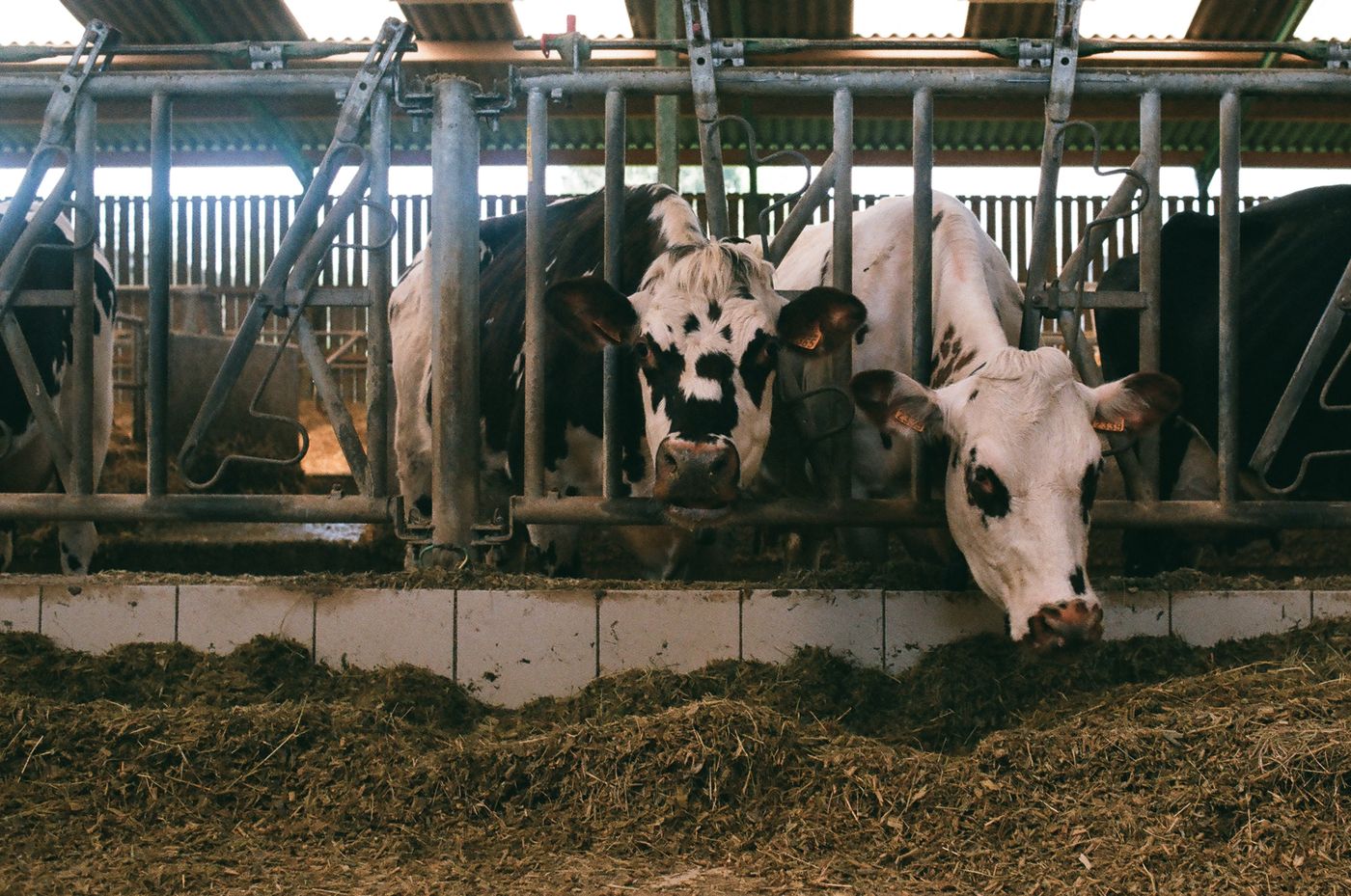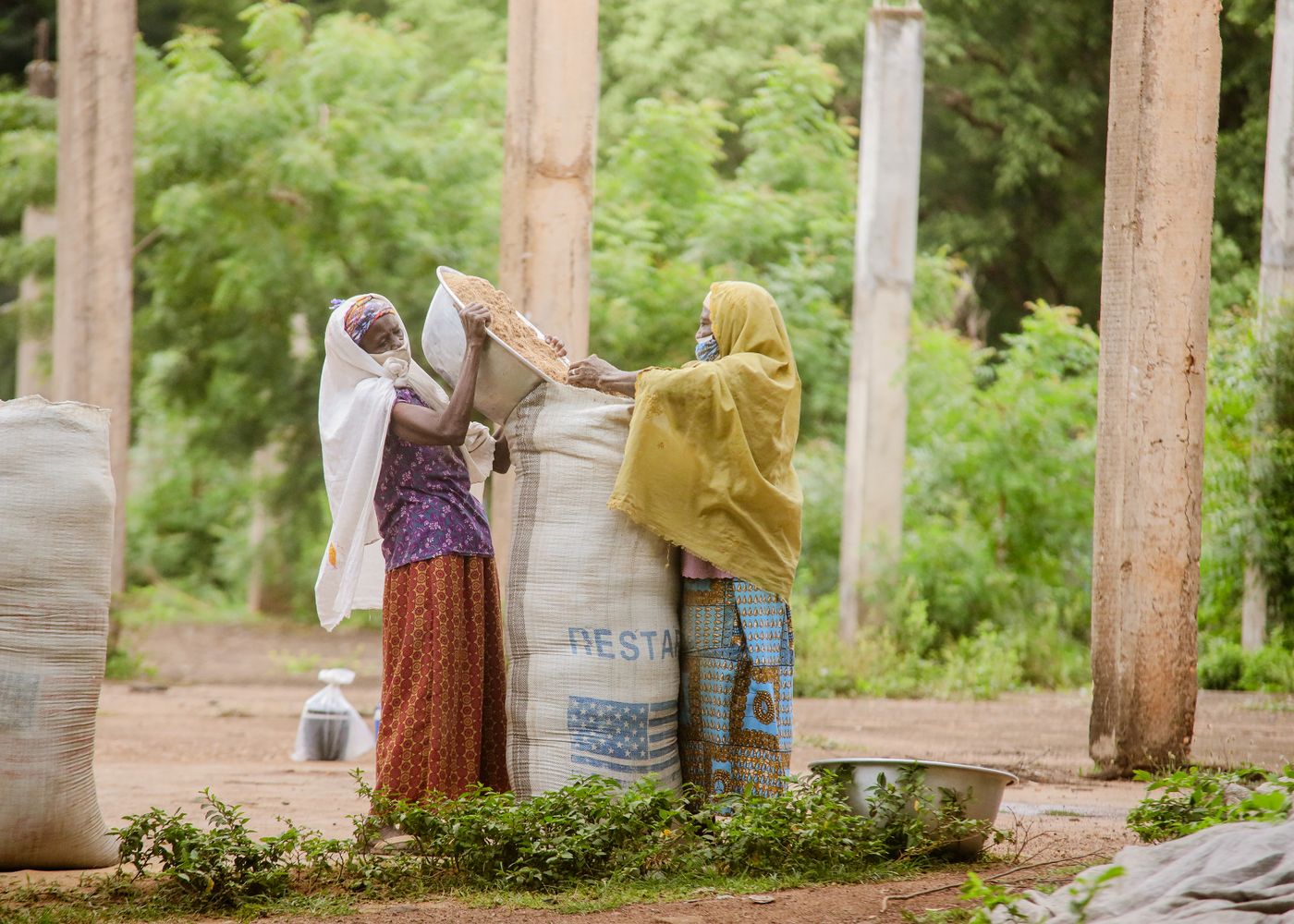
Every dairy, poultry and pig farmer in Kenya has the same complaint: feed is the biggest cost on the farm, and the quality of what comes out of the bag is not always what the label promises. That complaint is also a business opportunity. A small, well run feed mill close to the farmers it serves can offer fresher feed, custom mixes, honest quality and lower transport costs than distant brands.
It is not a business to enter lightly, though. Animal feed is regulated, the margins depend on buying raw materials well, and a single batch of mouldy or badly mixed feed can kill a farmer's birds and destroy your reputation in a week. The farmers who succeed treat it as a food business with machines, not a machine business with food.
This guide covers the business models, the regulations to check, the equipment line from grain to bag, raw materials and quality control, power and premises, and the simple numbers to work through before you buy a single machine.
Choose Your Business Model First
There are three common ways to run a small feed mill in Kenya, and the equipment you need depends on which you choose.
Custom milling for farmers. Farmers bring their own maize, sorghum or other ingredients and pay you to grind and mix them, often to a recipe from their own livestock officer. You need a hammer mill, a mixer and a scale, and you carry little stock risk. Income depends on volume and your milling charge.
Selling your own feeds. You buy ingredients, formulate rations such as dairy meal, layers mash, chick and growers feeds or pig feeds, and sell them under your own name. Margins are higher, but you carry stock, you are responsible for quality, and the regulatory requirements are greater.
A combination. Many small mills start with custom milling to build a customer base and cash flow, then add their own products once they know the market and have the systems in place.
Regulations to Check Before You Start
Animal feeds in Kenya are covered by standards from the Kenya Bureau of Standards (KEBS), which set requirements for compounded feeds for different livestock, including limits on contaminants such as aflatoxins. If you sell packaged feeds under your own name, expect to need KEBS certification and the Standardization Mark. Animal feeds are also covered by the Fertilizers and Animal Foodstuffs Act, and you should ask the relevant authority about any registration requirements for your premises and products.
You will also need a county single business permit, and depending on the site, approvals relating to planning, fire safety, public health and the environment. Requirements change and vary by county, so visit KEBS and your county offices early, before you sign a lease or buy equipment, and get the list in writing. Custom milling of a farmer's own grain is usually treated differently from manufacturing feeds for sale, which is another reason many mills start there.
The Equipment Line, From Grain to Bag
A small feed mill is a sequence of simple steps. The equipment is not complicated; what matters is that each step is done properly and in the right order.
Receiving and cleaning. Every load of grain should be inspected before you accept it: smell it, look for mould, insects, stones and discoloured kernels, and check the moisture content with a meter. Damp grain goes mouldy in storage. A simple sieve or cleaner removes stones, dust and husks that wear the mill and dilute the feed.
Grinding. The hammer mill is the heart of the operation. Rotating hammers smash grain against a perforated screen, and the screen hole size decides how fine the meal is. Poultry, dairy and pig feeds each have a preferred particle size, so you will change screens between products. Our guides to the hammer mill versus disc mill and hammer mill screens explain the choices.
Weighing. Every ingredient must be weighed to the recipe, every batch. A platform scale for sacks and a small, accurate scale for minerals and premixes are essential. Guessing quantities by the bucket is how feeds end up short of protein or overloaded with salt.
Mixing. Small amounts of minerals, vitamins and premix must be spread evenly through the whole batch, or some animals get too much and others none. Mixing by shovel on a floor is not reliable for commercial feed. A proper mixer, run for the time its maker recommends, is the difference between a consistent product and a gamble. Our guide to feed mixers and ration mixing covers mixer types and timing.
Pelleting, optional. Pellets reduce waste and selective eating, especially for poultry, rabbits and fish. A pelletizer adds cost, power demand and skill, so many mills add it after the mash business is established. Our pelletizer return on investment guide works through when it pays.
Bagging and labelling. Use clean, new or properly cleaned bags, weigh each one, and label it with the product, batch number, date and any information your regulator requires.
Raw Materials: Where the Profit Is Made
Ingredients typically make up the largest share of a feed mill's costs, so buying well is the main skill of the business. Common Kenyan ingredients include maize, maize germ and bran, wheat pollard and bran, sunflower and cotton seed cake, soya bean meal, fishmeal such as omena, and mineral and vitamin premixes. Prices swing with harvests and imports, so mills that buy grain well at harvest and store it properly have an advantage over those that buy week by week.
That advantage only exists if storage is good. Grain and cakes must be kept dry, off the floor on pallets, away from walls, protected from rats and insects, and used first in, first out. Our guide to feed storage, pests and moulds applies directly to a mill store.
Quality Control and Aflatoxin
Aflatoxins are poisons produced by certain moulds that grow on maize, groundnuts and other crops, particularly when grain is harvested or stored damp. They harm livestock, reduce growth and production, and can pass into milk. KEBS standards set limits for aflatoxins in feeds. A mill that buys cheap, damp or visibly mouldy grain is putting its customers' animals at risk.
Build quality control into the routine. Reject damp or mouldy loads. Keep a sample of every batch you produce, labelled and stored, so you can investigate any complaint. Have your formulations prepared or checked by a qualified animal nutritionist, not copied from the internet. Test raw materials and finished feeds at an accredited laboratory from time to time, and especially when you change suppliers. A complaint you can answer with records and a retained sample is a complaint you can survive.
Power, Premises and People
Hammer mills, mixers and pelletizers draw significant power. Many commercial machines need three-phase electricity, and connecting to it, or upgrading, takes time and money, so find out what supply is available at a site before you commit. Our guide to single versus three-phase power explains the difference. Where grid power is unreliable or absent, diesel or petrol engine drives are common for smaller mills.
The building should be dry, well ventilated, with a solid floor that is easy to clean, separate areas for raw materials and finished feeds, and good access for lorries. Dust from milling is a fire and health hazard: keep the mill clean, give workers dust masks and hearing protection, and keep fire extinguishers handy. Guard all belts and pulleys, and switch off and isolate machines before clearing blockages.
Work Through the Numbers
Before you buy, build a simple budget. Equipment costs are the easiest part to find; the figure below shows example machines from the Fuga price list at the time of writing. Add the building, electrical connection, working capital for raw materials, bags and labels, licences, labour and transport.
Then estimate income realistically. How many tonnes a week can you actually sell or mill in the first year, not at full capacity? What margin per bag remains after ingredients, bags and labour? How long until the business covers its fixed costs? If the numbers only work at full capacity in the first month, start smaller.
Plan how feed will reach farmers, too. Selling at the mill gate suits nearby customers, but many small mills grow through agrovet shops, dairy cooperatives that deduct feed costs from milk payments, and chamas that buy in bulk. Each channel takes a margin or needs credit terms, so include those in the budget. Offering a small delivery service on set days can win farmers who have no transport, and a simple feeding guide printed on the bag or handed out with it builds trust and repeat orders. Our guide to the posho mill business covers many of the same cost and siting questions for flour milling.
Your Feed Mill Start-Up Checklist
| Area | Check |
|---|---|
| Market | Livestock numbers and farmer needs surveyed; product range chosen |
| Rules | KEBS, county and other approvals listed in writing before investing |
| Equipment | Cleaner, hammer mill with screens, scales, mixer; pelletizer later if justified |
| Raw materials | Reliable suppliers; moisture and mould checks; dry, pest-proof store |
| Quality | Nutritionist formulations; batch records; retained samples; periodic lab tests |
| Premises | Power supply confirmed; dry, clean, ventilated; dust, fire and guarding addressed |
| Numbers | Budget includes stock, licences, labour; income based on realistic volumes |
Feed Mill Equipment, With Prices
These prices are from the Fuga price list at the time of writing; check the site or call a branch for current prices and stock.
| Item | Stock code | Price |
|---|---|---|
| CRUSHER MILL /GRAIN | 6165 | KSh 20,000 |
| Electric Posho Mill | MF-5 | KSh 58,345 |
| Agsol hammer miller | 6814 | KSh 85,000 |
| PELLETIZER 160 | 6667 | KSh 100,000 |
| PELLETIZER 180 | 6668 | KSh 110,000 |
| 300KGS WEIGHING SCALE | 6593 | KSh 8,500 |
| 100Kgs Storage bag | 6701 | KSh 300 |
Survey your market, check the rules, buy raw materials carefully, weigh and mix every batch properly and keep records. For milling and pelleting machines, see the Agsol hammer miller, the pellet machine and our full machinery range, or WhatsApp 0716 961 018 to talk through the capacity you need.
Key Takeaways
- Choose your model first: custom milling of farmers' grain, your own feeds, or custom milling first and own products later.
- Check KEBS, the Fertilizers and Animal Foodstuffs Act and county requirements in writing before you invest.
- The core line is receive and clean, grind, weigh, mix, optionally pellet, then bag, label and record each batch.
- Ingredients are the biggest cost; buy well, check moisture and mould, and store dry and pest-free.
- Control aflatoxin by rejecting damp or mouldy grain, using nutritionist formulations, keeping batch samples and testing periodically.
- Confirm power supply at the site and budget for stock, licences, labour and realistic first year volumes.
Frequently Asked Questions
What machines do I need to start a small animal feed mill?
At minimum a grain cleaner or sieve, a hammer mill with screens for different products, accurate scales for bulk ingredients and premixes, and a proper mixer. A pelletizer can be added later if demand for pellets justifies it.
Do I need KEBS certification to sell animal feed in Kenya?
Packaged feeds sold under your own name are generally expected to meet KEBS standards and carry the Standardization Mark, and animal feeds are also covered by the Fertilizers and Animal Foodstuffs Act. Requirements change, so confirm with KEBS and your county before investing.
How do I prevent aflatoxin in animal feed?
Reject damp, mouldy or discoloured grain, check moisture on arrival, store raw materials dry, off the floor and protected from pests, use stock first in first out, keep a sample of every batch and test raw materials and feeds at an accredited laboratory from time to time.
Is custom milling or selling my own feed more profitable?
Selling your own feeds usually earns a higher margin per bag but carries stock risk, quality responsibility and more regulation. Custom milling has lower margins but little stock risk, and many mills start there to build customers and cash flow.