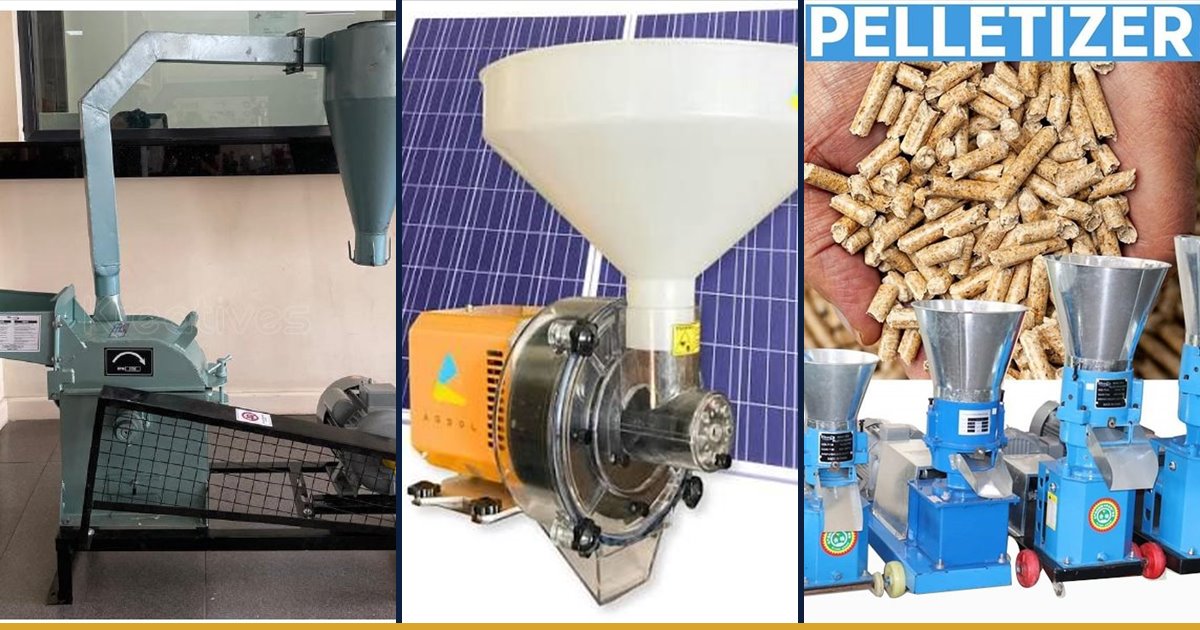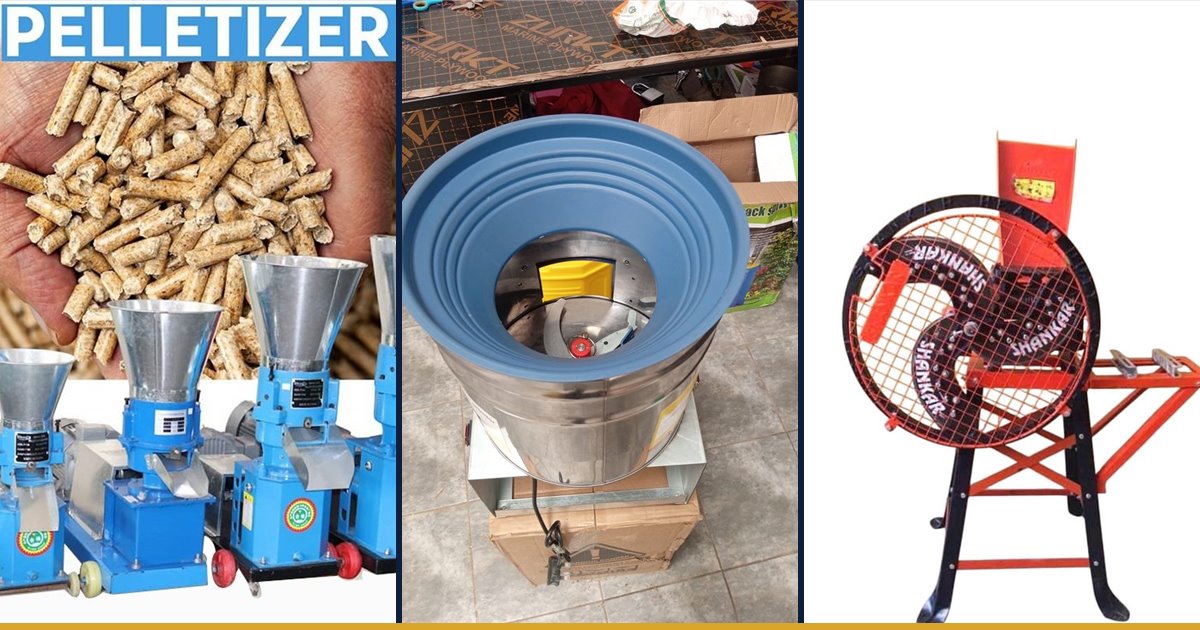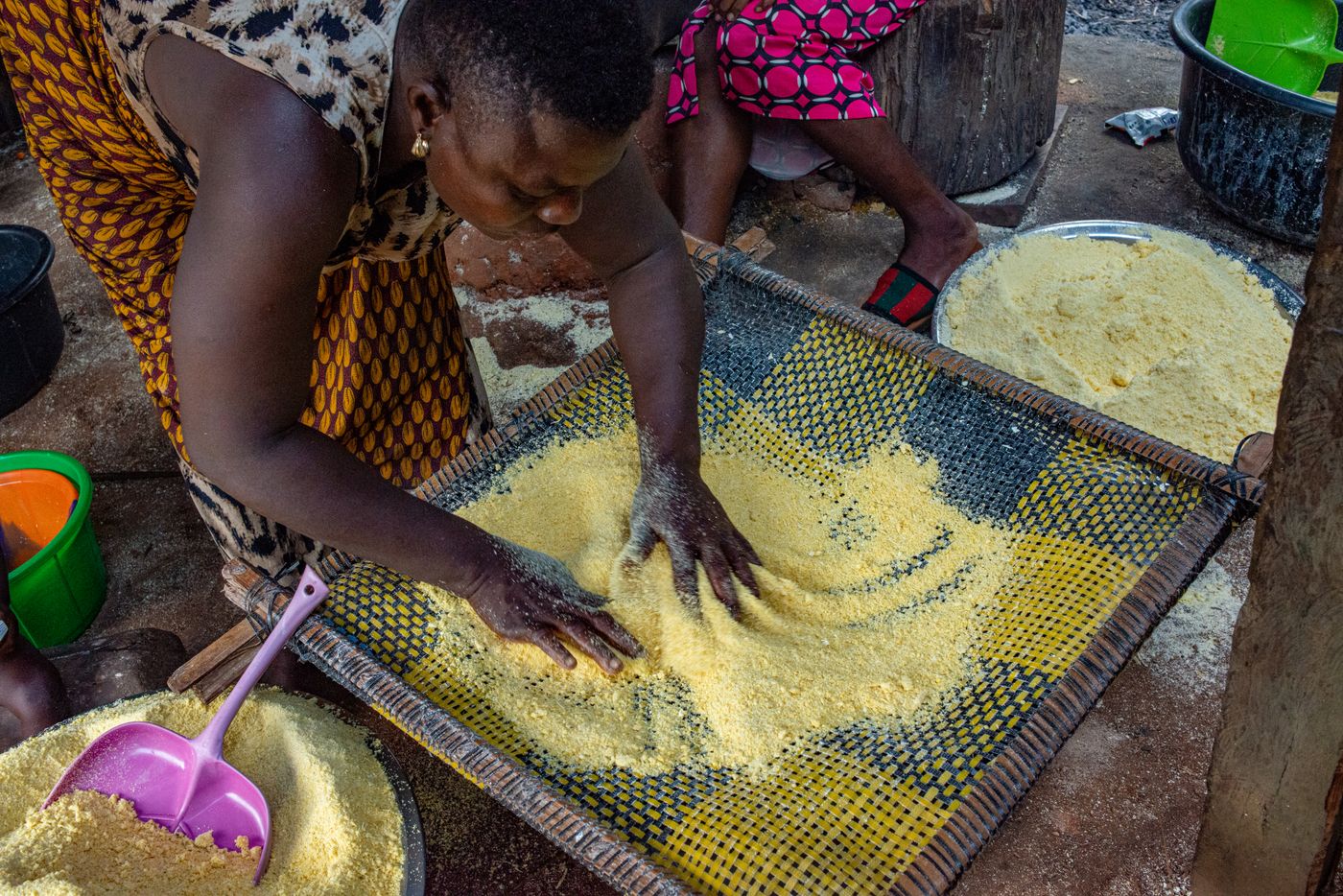
A posho mill in Eldoret starts the morning well. The queue moves, the meal falls into the bag loose and cool, and the motor settles into a steady hum between debes. By three in the afternoon the same mill, on the same maize, is taking half as long again per customer, and the meal comes out warm enough to feel through the sack. Nothing broke. Nobody changed a setting. The screen simply stopped doing its job, and no part of the mill announced it.
The screen is the cheapest component in a hammer mill and by some distance the most consequential. It decides how fine your unga is, how many kilos per hour you can put through, how many units of electricity each bag costs, and how quickly your hammers wear out. Operators who think carefully about motors and bearings will often fit whatever screen the fundi has in the box, then spend a season fighting problems that decision created.
This guide treats the screen as the engineering component it is: what the aperture actually controls, the three numbers that describe a screen rather than the one everybody quotes, how to pick a size for maize meal against animal feed, how to read a screen that is blinded, burnished, worn open or torn, and why the choice is never separable from hammer condition and motor size.
What the Screen Actually Does, and What It Does Not
A hammer mill has no cutting edge anywhere in it. A rotor carries free swinging hammers, usually flat steel bars on pins, and spins them fast inside a grinding chamber. Grain enters from the hopper, gets struck, shatters, hits the chamber wall, gets struck again. The curved perforated sheet wrapped around the lower half of that chamber is the screen.
Material cannot leave until a particle is small enough, and happens to be oriented correctly, to pass through a hole. The screen is therefore not a cutter and not a filter in the usual sense. It is a gate that also works as a clock, setting how long every particle stays in the chamber taking blows. Two consequences follow, and both are routinely misunderstood at the counter.
The first is that aperture sets the top of the particle size range, not the middle. A 2 mm screen does not produce 2 mm meal, it produces a spread from dust up to particles near 2 mm, with the bulk well below the hole size. This is why two mills with identical screens hand you visibly different meal: hammer speed, hammer condition and feed rate shape that spread, while the screen only caps the coarse end.
The second is that fineness is bought with time, and time in a hammer mill is bought with electricity. Every extra second a particle circulates is another set of impacts, and much of that energy ends up as heat rather than new fractured surface. A fine screen does not merely slow the mill down, it changes how much of your power bill becomes warm flour instead of milled flour.
The screen caps the coarse end, it does not set the average. If you want finer meal, you are asking every particle to stay in the chamber longer and take more hits. That is a request for time, energy and wear, not simply for a smaller hole.
Three Numbers Describe a Screen, Not One
Almost every conversation about hammer mill screens uses a single number, the hole diameter. Two screens can share that number and behave nothing alike.
Aperture. The hole diameter in millimetres, measured across the clean inside face. This is the number you quote when ordering and the one that caps particle size. Measure it yourself rather than trusting the label on a used screen: a drill bit shank is gauge enough, a vernier is better. A screen sold as 2 mm that gauges 2.4 mm has already lived most of its life.
Open area. The percentage of the screen's surface that is hole rather than steel. It depends on hole diameter, on pitch (the centre to centre spacing) and on the pattern: staggered rows, each hole sitting between two of the row above, give noticeably more open area than a square grid at the same pitch. A 2 mm screen punched with mean spacing can carry far less open area than a well punched 2 mm screen, and it will grind to the same fineness at much lower throughput. When two screens of the same aperture are priced differently, hold both up to the light. The one that looks more like a sieve and less like a plate will earn its keep.
Thickness. A hole in a thick plate is not a hole, it is a short tunnel, and a particle must arrive with both the right size and the right orientation to pass. A thick screen therefore behaves as though its aperture were slightly smaller, especially at fine sizes. Thickness buys strength, which matters on coarse screens working abrasive material. On a fine screen it costs throughput. Fine screens want the thinnest plate that will survive, and coarse screens can carry a heavier gauge.
One more thing belongs on the order even though it is not a number you choose: the arc and width must match your chamber exactly. A screen a few millimetres short will lift at the clamp edge and tear there within days.
The Trade You Cannot Escape: Fineness Against Output, Power and Wear
Change the aperture and four things move at once. Go finer and you get finer product, lower throughput, more energy per tonne, more heat and faster wear on hammers and screen alike. Go coarser and every one reverses.
The relationship is not proportional, which is what surprises people. Moving from 3 mm to 2 mm costs far more than a third of your output, and 2 mm to 1 mm costs more again. The penalty accelerates, because a smaller hole both multiplies the breakages a particle needs before it can escape and lowers the odds of it finding and lining up with a hole.
A practical consequence hides in that curve. If a customer wants meal one step finer and your mill is already working hard, the cheap answer (fit a finer screen) is usually the expensive one. Two passes, coarse then fine, often deliver more finished kilos per hour, because the first pass breaks at high throughput and the second starts from material already small.
Change one variable, and write it down. The screen is the only thing in the mill you can change in fifteen minutes and undo just as fast, which makes it the ideal test variable. Before you touch it, record the aperture, the feed gate setting and the motor current. Without those three numbers you are not testing, you are guessing.
Picking a Screen for Maize Meal
Milling maize for people is judged on texture. Customers notice grit between the teeth, lumpy ugali and bran specks. They do not notice your throughput, which is exactly why this is where operators drift towards screens finer than their machine can comfortably carry.
For a fine meal intended for ugali, most small hammer mills in Kenya land somewhere in the 1.0 to 1.6 mm band. For a whole meal or a deliberately coarser product, 2.0 to 3.0 mm is the usual territory. Treat those as starting points rather than answers: your hammer speed, hammer condition and maize variety all shift where you actually need to sit, so mill a bucket, look at it, cook it, and adjust from there.
Moisture will beat any screen choice you make. Damp maize gums the chamber, packs the holes and gives meal that clumps in the bag and moulds in store. Dry maize shatters cleanly and lets a coarser aperture produce meal that looks finer than it is. If your fine screen stopped working after a wet week, look at the grain before the steel.
Heat is the second thing to watch on fine screens. Meal bagged hot will sweat, and sweating meal in a warm store is the start of spoilage. Spread it, let it cool, then bag it.
Be clear, too, about what a hammer mill can deliver. It grinds a consistent, fine whole meal. It cannot produce sifted refined flour on its own, because separating bran and germ is a sieving and aspiration job that happens after milling. If you are building a business around a particular product, our guide to starting a posho mill business in Kenya works through sizing, siting and running costs before you commit to a screen strategy.
Picking a Screen for Animal Feed
Feed milling is judged differently. Nobody eats the mash, so texture matters only where it affects digestion, mixing and how the animal handles feed in the trough.
The instinct to grind feed fine is usually wrong, and expensive twice over: once in the electricity spent making it fine, and again in the performance lost. Very fine mash is dusty, and dusty feed blows away, sticks to feeders and irritates birds' airways. It also separates in handling, so the ration the animal eats is not the ration you formulated. Our article on reducing poultry feed wastage covers what that costs at the feeder.
Ruminants want the opposite of fine: pulverised grain ferments too fast in the rumen, so cattle do better on a coarse grind. Pigs sit in the middle, and chicks need finer material than adult birds because of beak and gizzard size. Feed destined for a pelletizer must be finer than mash, because the die needs particles that compress and bind rather than bridge, which is a constraint worth knowing before you buy one.
Finer is not better feed. Past the point the animal can use, extra fineness is electricity converted into dust, separation and wasted mash. Grind to the coarsest size the animal handles well, not the finest size the mill can manage.
Blinded, Burnished, Worn Open or Torn
Screens fail in four distinct ways, and they call for four different responses. Lumping them together as "the screen is finished" is how operators end up replacing a perfectly good screen while the real fault, usually the hammers, carries on unfixed.
Blinding is plugging. Damp, oily or high fat material packs into the holes and sets there, so open area collapses while the aperture stays nominally correct. The signature is falling throughput with motor current staying high, and a chamber that runs hot. Sunflower cake, soya and damp maize are the usual culprits. Brush the screen through from the outside, then fix the moisture or it returns the same day.
Burnishing is subtler. Worn hammers rub rather than strike, and the steel around each hole flows and rolls over. The inner face looks polished and the holes faintly rounded and undersized. Throughput falls, meal runs hotter, and a fresh screen appears to fix it for a few weeks until the same hammers do it again.
Wearing open is the opposite and the commonest. Grain carrying sand or small stones erodes the holes larger and thins the plate. The tell is meal getting steadily coarser over weeks while output quietly rises, which is easy to mistake for good news. Measure holes rather than watching the calendar: a nominal 2 mm screen gauging well over size has changed your product without asking.
Tearing is sudden. A stone, a bolt or a piece of broken hammer punches through, or a badly clamped edge lifts and splits along the seam. The signature is unmistakable: grain fragments and coarse specks in otherwise normal meal, often with a change in the noise. Stop the mill. A tear only ever grows.
Inspection takes five minutes with the screen out and the mill isolated. Hold the sheet to daylight: dark holes rather than bright ones are plugged. Run a fingertip over the inner face for polish and for a thinned band where the hammers track. Then gauge a dozen holes against a new screen of the same nominal size, and keep that new screen as your reference.
Hammer Condition and Motor Size Change What a Screen Can Do
A screen never works alone, and two other components decide whether the aperture you chose can actually deliver what you expected.
Hammers wear at the tips and corners, and a worn hammer does not simply do less work, it does a different kind of work. A sharp cornered hammer shatters grain; a rounded one pushes it, driving a cushion of material against the screen instead of breaking it. Power draw stays high, breakage falls, and the screen gets polished. This is the commonest reason a mill is said to have no power when the motor is perfectly healthy.
Tip clearance grows as hammers wear, and the gap lets a layer of material ride round the chamber with the rotor, cushioning every blow. Throughput collapses at any aperture. Most hammers have four usable corners, so reverse and flip them on a schedule long before replacement, always in opposite pairs. An out of balance rotor destroys bearings and tears screens at the same time.
Motor size sets the ceiling on which screens you can use at all. Aperture decides the load the motor sees, so a mill that trips on a fine screen and runs sweetly on a coarser one has no screen fault: it has a power budget you have exceeded. An ammeter is the cheapest upgrade available to a small miller, because it lets you set the feed gate so the motor sits just below full load current instead of feeding to the hopper and hoping. Check the supply too, since a long undersized cable drops enough voltage on starting to make an adequate motor behave badly.
If you are choosing a machine rather than a screen, match the motor to the finest product you genuinely intend to sell, not the coarsest. Our electric posho mill and the diesel and electric hammer miller range are specified with that in mind, and the figures on our current price list are always the live ones, so check there rather than working from a number somebody quoted you last season.
Changing a Screen Without Creating a New Problem
A screen change is a ten minute job that regularly creates a fortnight of trouble, almost always for the same few reasons.
Isolate the machine and wait. The rotor carries real inertia and keeps turning long after the switch is off, and nothing guards your hand once the chamber is open. Lock the isolator off, or pull the plug and keep it in sight.
Clean the seat before the new screen goes in. A chip of maize or a ridge of caked meal under the edge holds the screen proud, and it will crack along that line under vibration.
Fit the screen the right way round. Perforated sheet is punched from one side, leaving a smooth entry face and a slightly burred exit face where the hole breaks out fractionally larger. Conventional practice is to put the smooth face towards the hammers, so each hole opens very slightly in the direction of flow and is less inclined to plug.
Tighten the clamps evenly and no more than firmly, working round in stages. An overtightened screen distorts against its frame and cracks at the bolt holes, which is why so many fail at the fixings rather than in the middle. Then turn the rotor by hand and check that tip clearance is even all the way round. Uneven clearance means the screen is not seated, the rotor is not true, or the hammers are not matched.
Finally, keep at least one spare of every aperture you use, label them, and write the date on the screen itself when you fit it. A miller who knows how many bags a screen lasts can change it on a quiet afternoon. One who does not will change it on a Saturday with a queue outside.
Key Takeaways
- The screen is a gate and a clock, not a cutter. It caps the coarse end of the range and sets how long material stays in the chamber taking blows.
- Describe a screen with three numbers: aperture, open area and plate thickness. Two 2 mm screens with different open area will not give the same throughput.
- Going finer costs throughput, energy, heat and wear, and the penalty accelerates sharply below about 2 mm. Two passes often beat one fine pass.
- Maize meal for ugali usually starts around 1.0 to 1.6 mm. Feed sits coarser, from roughly 2 mm for chick mash to 5 or 8 mm for cattle.
- Screens fail four ways: blinded, burnished, worn open or torn. Check the hammers first, because worn hammers cause two of the four and will ruin the replacement too.
Frequently Asked Questions
What screen size should I use for maize meal for ugali?
Most small hammer mills producing fine meal for ugali work somewhere in the 1.0 to 1.6 mm band, with 2.0 to 3.0 mm used for a deliberately coarser whole meal. Treat that as a starting point rather than a specification: mill a bucket, look at the meal, cook it, and move one step at a time.
My output has dropped but the meal is not any finer. What changed?
That points away from the aperture and towards either blinding or worn hammers. If the current stayed high and the chamber runs hot, suspect blinding from damp or oily material packing the holes. If the current is normal and the mill simply feels gutless, take a hammer out and look at the corner. Replacing the screen will not fix either cause.
Can I just fit a finer screen to get finer flour on the same motor?
Sometimes, but aperture sets the load your motor sees, so a step finer is a step up in power demand and a bigger step down in throughput than most people expect. If the motor already runs near full load current, a finer screen will make it trip, overheat or simply bog. Fit an ammeter, feed to the current, and consider a coarse pass followed by a fine pass instead of forcing it in one.
How often should a hammer mill screen be replaced?
On measurement, never on the calendar. Gauge a dozen holes with a drill shank or a vernier against a new screen of the same nominal aperture. Replace when the holes have grown oversize, when the plate feels thin in the worn band, or the moment you find a tear at a clamp edge. Grain carrying sand or stones shortens any screen's life sharply, so a stone trap and a magnet pay for themselves.
Screens are a consumable, and the right one is a decision to revisit whenever your product changes. We stock hammer mills, posho mills and feed machinery across our Eldoret, Nakuru, Nairobi and Coast branches, and we would rather talk through what you are milling and what motor you run before selling you anything. Send a photo of your screen and your hammers on WhatsApp, and we will tell you which of the four failures you are looking at.