Ask a farmer what an incubator does and they will say it hatches eggs. That is true, and it hides the single most useful idea in commercial hatching: an egg does not want the same conditions for all twenty-one days. For eighteen days it wants one thing. For the last three it wants something quite different, and the two requirements actively conflict.
Understanding that split is what separates somebody who hatches eggs from somebody who runs a hatchery. It decides how many batches you can run in a year, how clean your operation stays, and how many chicks actually make it out of the shell.
The Twenty-One Days, and Why They Divide
A chicken egg takes twenty-one days. Those days are not equal.
Days one to eighteen, the setting period. The embryo is developing. It needs steady warmth of around 37.5 degrees, moderate humidity, and it must be turned regularly, at minimum three to five times a day and ideally more often. Turning stops the embryo sticking to the shell membrane, which kills it. Moisture must leave the egg through the shell at a controlled rate so that an air cell forms correctly at the blunt end.
Days nineteen to twenty-one, the hatching period, often called lockdown. Everything changes. Turning stops completely, because the chick must position itself for pipping. Humidity goes up sharply, to keep the inner membrane soft enough for the chick to cut through instead of drying into a tough skin around it. Ventilation needs to increase, because a chick breaking into its air cell starts breathing air and a cabinet full of hatching chicks consumes oxygen quickly. And the whole thing becomes messy: shell fragments, down and fluid.
Setter and Hatcher: What Each Machine Is
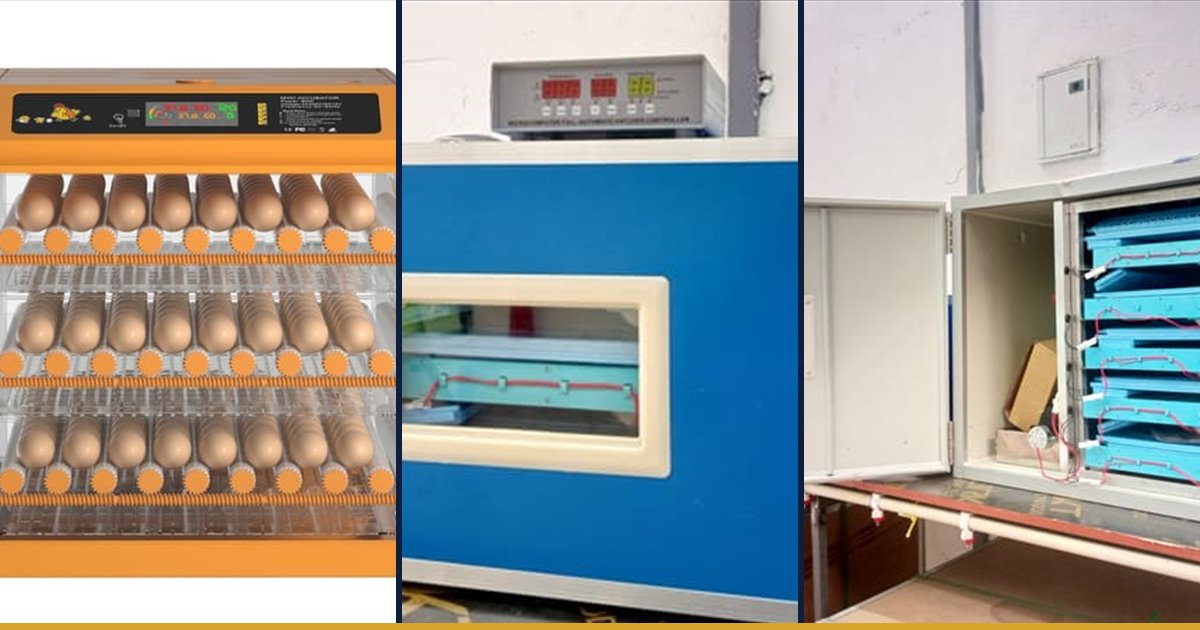
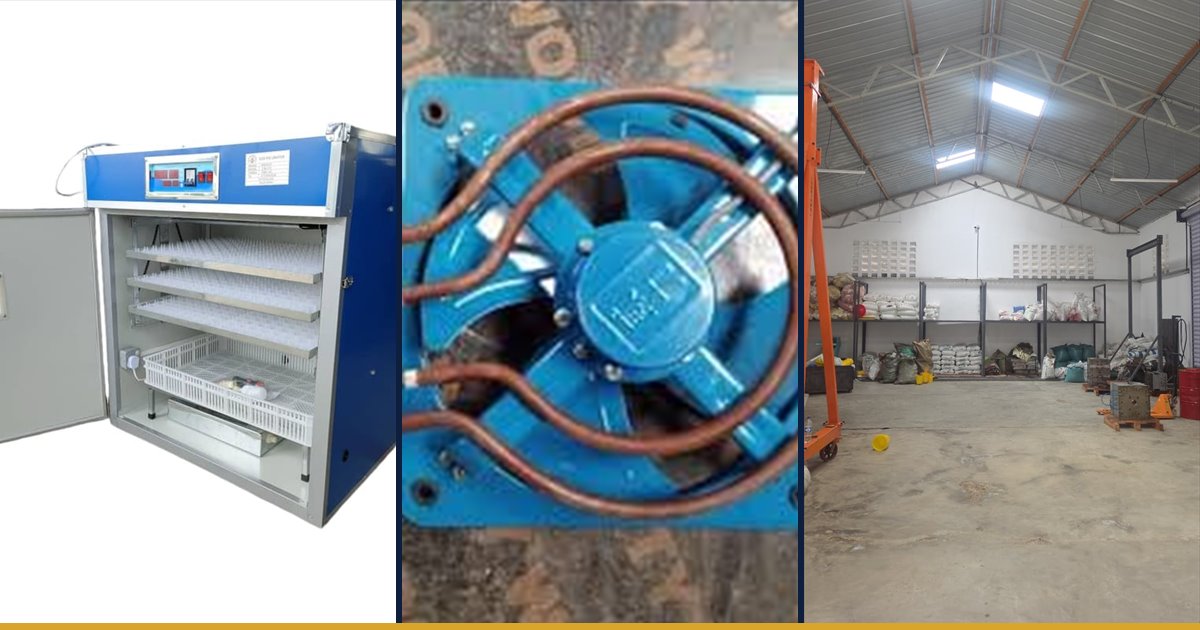
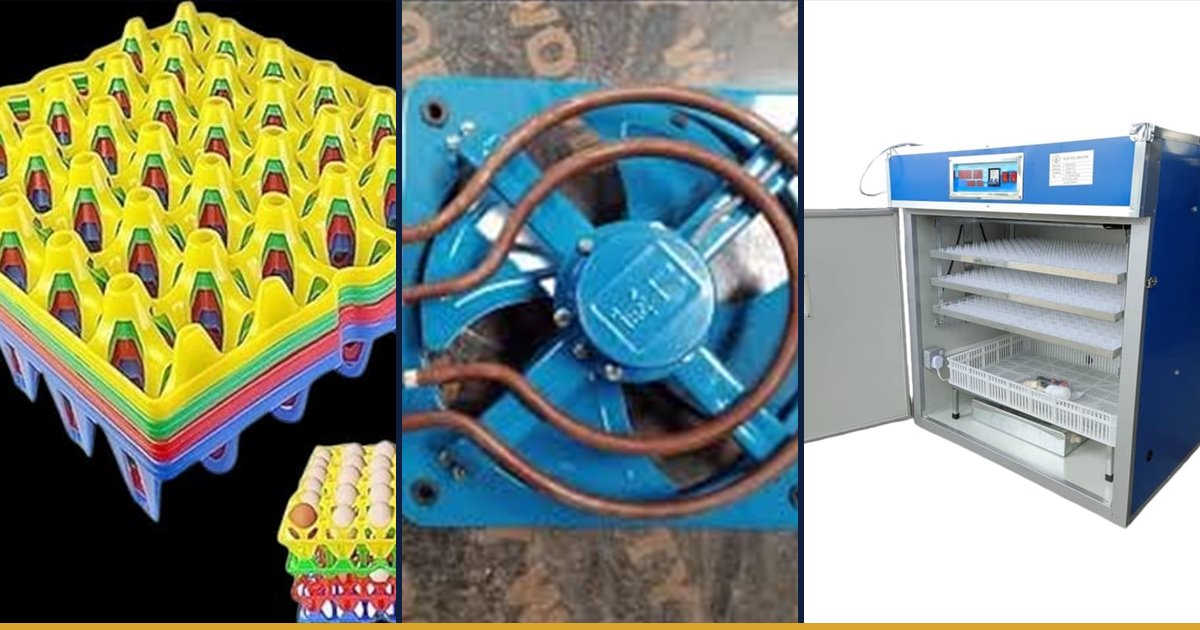
A setter handles days one to eighteen. It holds eggs in angled trays on a turning mechanism, maintains steady temperature and moderate humidity, and is built for capacity. Because eggs sit undisturbed in racks for eighteen days, a setter can be packed densely and efficiently.
A hatcher handles days nineteen to twenty-one. Eggs are moved out of the turning trays and laid flat in hatching baskets, so chicks have room to emerge and move. It runs higher humidity, more ventilation, and no turning at all. A hatcher is smaller than its matching setter, because eggs only spend three days in it against eighteen in the setter.
That ratio is the reason a hatcher of roughly a third the setter's capacity keeps a hatchery balanced: eighteen days against three days is a six to one ratio, but because you typically set weekly rather than daily, a hatcher sized at about a third to a half of the setter keeps up comfortably.
Why Separating Them Changes Your Output
This is the part with real money in it.
If one machine does everything, it must be empty before you can set the next batch. Set on day one, hatch on day twenty-one, clean, set again. That is roughly one batch a month, so a 528-egg machine sets about 528 eggs a month, and about 6,300 a year.
If you have a separate hatcher, the setter never empties. You set a new batch every week, and each batch moves out to the hatcher on day eighteen, freeing its trays. The same 528 of setter space now carries batches at every stage simultaneously and you set roughly every week instead of every three. Your annual throughput from the same cabinet roughly triples.
You have not bought a bigger setter. You have bought a small hatcher and stopped the setter standing idle. For anyone selling chicks on a schedule, this is usually the highest-return equipment decision available, and it is why our guide to the 1056 class treats the setting and hatching arrangement as the most important question to ask about a machine.
The Biosecurity Argument, Which Matters Just as Much
Hatching is dirty. Shells crack open, fluid is released, down blows around, and any bacteria present multiply in a warm humid cabinet. If that happens in the same box where day-three embryos are developing, you have contaminated your entire operation, and the contamination compounds because you never get to empty the machine and clean it properly.
A separate hatcher confines the mess. It can be completely emptied, washed, disinfected and dried after every single hatch, because it only ever holds one batch at a time for three days. The setter, meanwhile, never contains hatching debris at all.
The classic hatchery disease problems, including omphalitis, the navel infection that kills chicks in the first days and is often blamed on the brooder, frequently begin as hatcher hygiene failures. A hatchery that hatches inside its setter is very hard to keep clean, however conscientious the operator.
Do You Need a Separate Hatcher?
No, if you are hatching for yourself. A keeper restocking their own flock a few times a year gains almost nothing from the complexity. Set a batch, hatch it, clean thoroughly, set the next. A combined machine is simpler, cheaper and entirely adequate.
Probably, if you sell chicks irregularly. Once customers are asking when the next batch is ready, monthly batches become a constraint. This is the point at which a small dedicated hatcher, often a smaller incubator you already own, starts earning its keep.
Yes, if you supply chicks on a schedule. If people rely on you for chicks on given weeks, you need weekly sets, and weekly sets need a hatcher. There is no way around it.
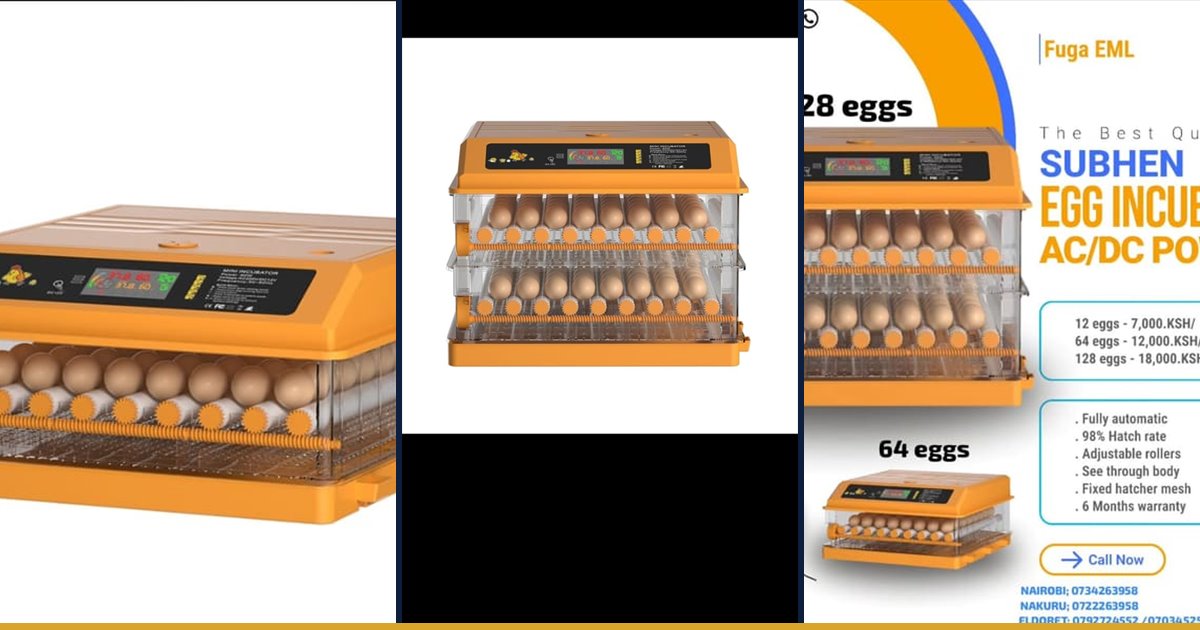
A practical and very common Kenyan route: when you upgrade from a small machine to a larger one, keep the old machine and run it as your hatcher. A 128 or 192 machine makes a perfectly good hatcher for a 528 setter. You already own it, you already know it, and it converts your old equipment into the thing that triples your output.
Running a Setter and Hatcher Together
Label everything. Every tray needs its set date. In a multi-stage setter holding batches at four different ages, an unlabelled tray is a batch you will mistime.
Keep a simple written schedule: set day, transfer day at eighteen, hatch day at twenty-one, clean day. Working backwards from when customers need chicks is how you plan sets rather than reacting.
Clean the hatcher after every hatch without exception. Empty, wash, disinfect, dry. This is a twenty-minute job that protects everything else you do.
Run the hatcher at higher humidity than felt right at first, and resist opening it during the hatch. Every opening drops humidity fast, and a chick that has pipped into dry air can have its membrane dry onto it, which is what people mean by shrink-wrapping. It is the most common late-stage loss and it is entirely caused by curiosity.
Keep spare trays and baskets. We stock setter trays in several sizes and incubator spare parts including controllers and motors, and everything is listed individually on the price list.
Other Species, Briefly
The same principle applies with different numbers. Duck and turkey eggs run about twenty-eight days, with transfer around day twenty-five. Quail run about seventeen to eighteen days, transferring around day fourteen. Guinea fowl run twenty-six to twenty-eight days. In every case the last three days are the hatching phase with no turning and raised humidity, so the setter and hatcher logic holds regardless of species.
Talk to Us Before You Buy
If you are choosing an incubator now, the setting and hatching arrangement deserves more of your attention than the headline capacity does, because it determines your annual output far more than the number on the box. Tell us how many chicks you need and how often, and we will work out whether you need a bigger machine or simply a hatcher alongside the one you have.
Key Takeaways
- Days 1 to 18 need steady warmth, moderate humidity and constant turning. Days 19 to 21 need high humidity, more air and total stillness.
- One machine holding both stages must compromise on both, and cannot be emptied and cleaned between batches.
- A separate hatcher lets the setter stay permanently loaded, so you set weekly instead of monthly and roughly triple annual output.
- A hatcher at about a third to a half of setter capacity keeps a hatchery balanced, because eggs spend 18 days setting and only 3 hatching.
- When you upgrade, keep the old machine as your hatcher. A 128 makes a good hatcher for a 528 setter.
Frequently Asked Questions
What is the difference between an egg setter and an egg hatcher?
A setter handles days 1 to 18, holding eggs in angled turning trays at steady temperature and moderate humidity. A hatcher handles days 19 to 21, with eggs laid flat in baskets, no turning at all, higher humidity and more ventilation. The two sets of conditions actively conflict, which is why commercial hatcheries separate them.
Do I need a separate hatcher?
Not if you hatch only to restock your own flock a few times a year, where a combined machine is simpler and entirely adequate. Probably yes once customers are asking when the next batch is ready. Definitely yes if people rely on you for chicks on given weeks, because scheduled supply requires weekly sets and weekly sets require a hatcher.
How does a separate hatcher increase output?
With one combined machine you must wait for a batch to hatch and clear before setting the next, giving roughly one batch a month. With a separate hatcher the setter never empties: batches move out on day 18, freeing trays, so you set weekly. The same setter capacity handles about three times as many eggs a year without buying a bigger setter.
What size hatcher do I need for my setter?
Roughly a third to a half of the setter capacity works for most operations. Eggs spend 18 days in the setter and only 3 in the hatcher, so the hatcher turns over far faster. A 528 setter is comfortably served by a hatcher in the 176 to 264 range, which is often a smaller machine you already own.
Why is hatching separately better for disease control?
Hatching is dirty. Shells crack open, fluid is released and down blows around in a warm humid cabinet, which is ideal for bacteria. A dedicated hatcher can be completely emptied, washed, disinfected and dried after every single hatch because it only holds one batch for three days. A machine that hatches inside its own setter can never be fully cleaned.
When should eggs move from setter to hatcher?
Day 18 for chicken eggs, which is also your natural candling checkpoint since you are handling every egg anyway. Discard clears and dead embryos rather than transferring them, because a rotten egg bursting in a hatcher basket contaminates the batch around it. Duck and turkey transfer around day 25, quail around day 14.