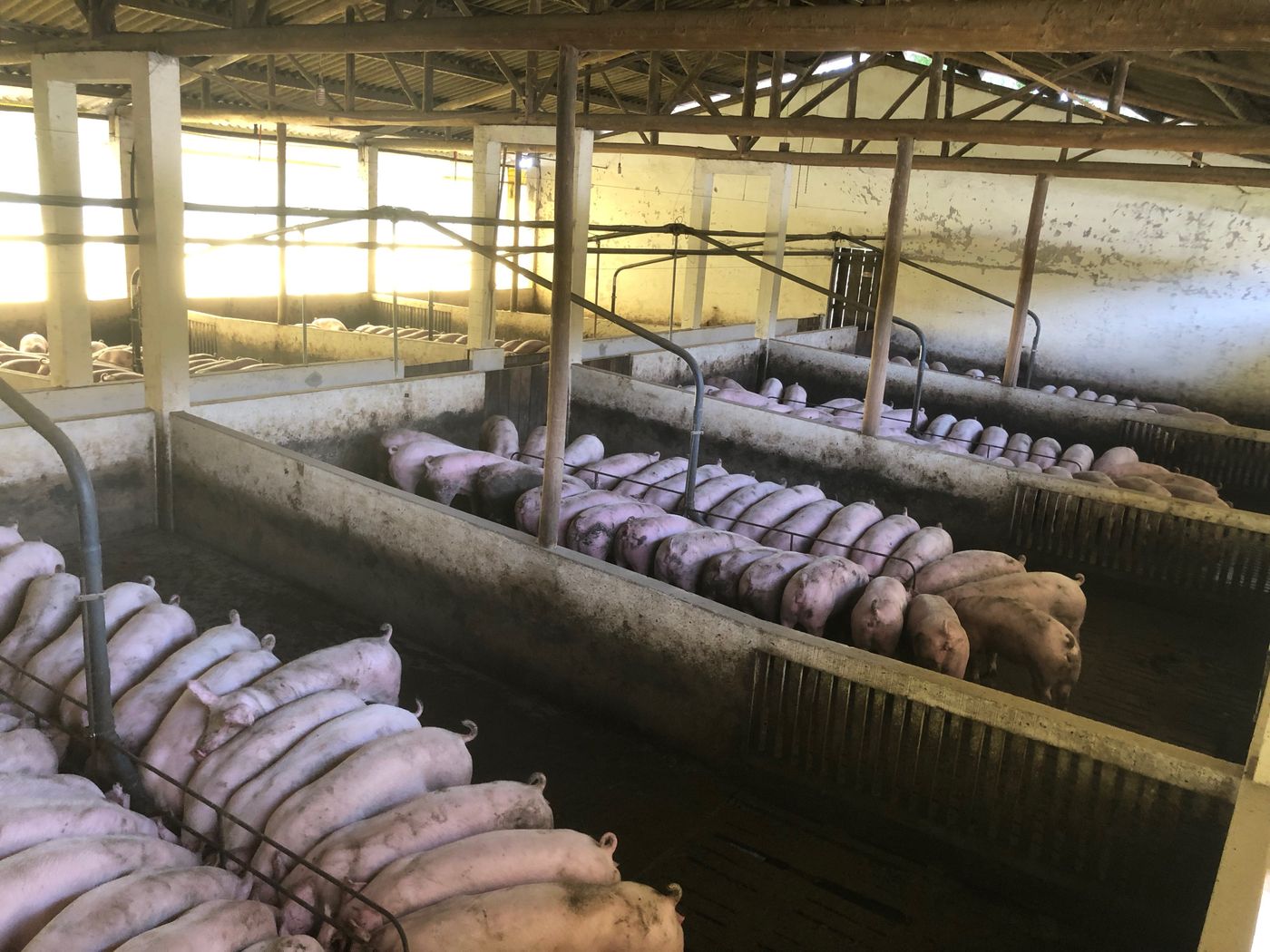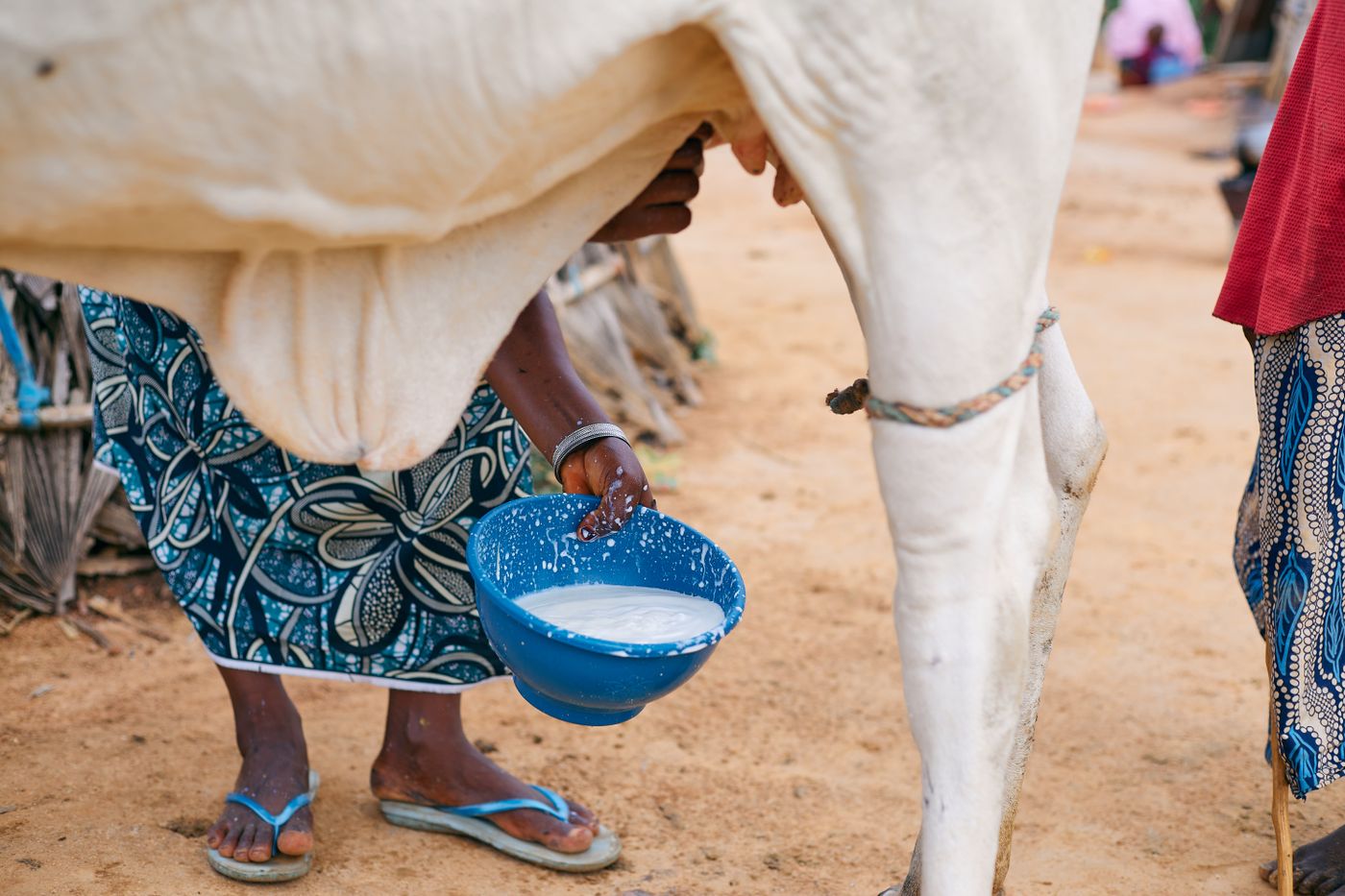
The rains came, the grass came back, and the cows should be milking well. Instead the milk collector rejects your can for a high count, one cow kicks every time you touch her front left teat, and another is giving clotted milk from one quarter. Look at where the cows stand and lie: a churned-up yard of mud and dung, ankle deep by the water trough and the gate. Mastitis in the rains is very often a problem that starts on the ground.
Mastitis is inflammation of the udder, nearly always caused by bacteria entering through the teat canal. It costs you three ways: milk you must throw away during treatment, milk the cow never produces because the quarter is damaged, and rejected or downgraded milk at the cooler. Severe cases can kill a cow or end her productive life.
Our guide to dairy cows in the wet season covers hoof health, feed spoilage and fly control. This article goes deeper on one problem: how to detect mastitis early with a strip cup and the California Mastitis Test, why mud drives the environmental kind, how to fix a muddy yard and standing area for good, and how to work with your vet on treatment and records.
Two Kinds of Mastitis, Two Different Fixes
Vets divide the bacteria behind mastitis into two broad groups, and the difference matters because each is controlled in a different way.
Contagious mastitis lives mainly in infected udders and spreads from cow to cow at milking, on hands, cloths and milking machine liners. Staphylococcus aureus and Streptococcus agalactiae are the classic examples. It is controlled mainly by milking hygiene: clean, dry hands, one cloth or paper towel per cow, milking infected cows last and teat dipping after milking.
Environmental mastitis comes from the cow's surroundings: dung, mud, wet bedding and dirty water. Bacteria such as E. coli and environmental streptococci get onto the teats when cows lie or stand in muck, and enter the teat canal, particularly in the period after milking when the canal is still open. Environmental cases rise when conditions are wet and dirty, which is why the rains are their season.
Most Kenyan herds have both. A study of 172 cows on 13 smallholder farms around Thika, published by Mureithi and Njuguna in Livestock Research for Rural Development in 2016, found Staphylococcus aureus was the most common bacterium in subclinical cases, but also found that the conditions cows lived in made a large difference, as the figure below shows.
Catch It Early: Strip Cup and California Mastitis Test
Clinical mastitis is the kind you can see: clots, flakes or watery milk, a hot, swollen or painful quarter, and in severe cases a sick cow with fever and no appetite. Subclinical mastitis shows no visible signs, but the quarter's somatic cell count is high and it quietly produces less milk. In the Thika study, 64 per cent of cows tested positive. Subclinical cases are where most of the money is lost, because nobody notices them.
The strip cup, every milking. Before milking, squirt the first two or three streams from each teat onto a dark strip cup or a dark plate, not onto the floor or your hand. Clots, flakes or watery milk show up clearly against the dark surface. Foremilk stripping also removes the milk that carries the most bacteria and helps let-down. It takes seconds per cow.
The California Mastitis Test, regularly. The CMT is a simple paddle with four cups, one per quarter, and a reagent that reacts with the cells in milk. Squirt a little milk from each quarter into its cup, add an equal amount of reagent, swirl, and watch: normal milk stays liquid, while milk with a high cell count thickens into a gel, more strongly the worse the infection. Agrovet shops and vets stock the paddle and reagent. Testing every cow every two weeks in the rains, and any cow whose milk drops, finds subclinical quarters early.
Write the results down. Record each cow's CMT score for each quarter on a simple card or in a notebook. A quarter that tests positive once may clear; a quarter that tests positive every time, or a cow with several positive quarters, needs your vet's attention. The records also show you whether your yard and milking changes are working: if fewer quarters react each fortnight, they are.
Why the Hour After Milking Matters
After milking, the teat canal stays partly open for a while. Extension sources commonly cite at least 30 minutes, and some research suggests longer. If a cow walks out of the parlour and lies down straight away in a muddy, dung-covered yard, bacteria have an easy way in.
Two habits reduce the risk. First, dip each teat in a post-milking teat dip recommended by your vet, which kills bacteria on the teat skin. Second, give fresh feed and water straight after milking so the cows stand and eat for half an hour rather than lying down. Make sure there is enough space at the trough for every cow, or the shy ones will lie down early anyway.
Fixing the Muddy Yard for Good
Teat dip and testing treat the symptoms. The lasting fix for environmental mastitis is a clean, dry place for cows to stand and lie. Look at your unit in the rain and find where the mud is worst: almost always the gate, the water trough, the feed trough and the path to the milking area.
Get water away from the unit. Roof water falling into the yard is the biggest single source of mud on many farms. Fit gutters and lead the downpipes to a tank or a drain outside the yard; our guide to rainwater harvesting turns that problem into stored water. Dig cut-off drains on the uphill side so surface runoff goes around the unit, not through it. Our farm drainage guide covers drains and pumping out standing water.
Harden the high-traffic areas. A concrete standing area along the feed trough, at the water point and in the walkway to milking, with a gentle slope to a drain, transforms a muddy unit. If concrete is not affordable for the whole yard, do these spots first. Our guide to mixing concrete by hand covers mixes for farm floors. Murram or hardcore compacted in layers is a cheaper stopgap on firm ground.
Give cows a dry bed. In a zero-grazing unit, the cubicle or resting area needs dry bedding, such as dry sawdust, wood shavings or chopped dry stover, topped up often and with wet, soiled bedding removed daily. A cow that has a dry, comfortable bed will use it rather than lying in the walkway.
Scrape daily, wash weekly. Scrape dung from walkways and standing areas at least once a day, twice in heavy rain. A high pressure water pump makes washing concrete standing areas and the milking area quicker and uses less water than buckets.
Milking Hygiene in the Wet Season
Muddy cows arrive at milking with muddy udders, and washing a filthy udder with a lot of water can make things worse: dirty water runs down onto the teats and into the milk. Remove heavy dirt first, wash only the teats and the base of the udder if they are dirty, and dry each cow with her own clean cloth or paper towel. Milk only clean, dry teats. Many farmers clip the long hair on the udder and tail switch in the rains so less mud sticks.
Use clean milking buckets, wash and dry hands between cows if a cow is known to be infected, and milk cows with mastitis last. If you use a machine, our guide to milking machine hygiene covers liner changes and cleaning routines, and Fuga's milking machines come in sizes for small herds. Cool milk quickly after milking as explained in our milk cooling guide.
Treatment: Involve Your Vet
Do not treat mastitis by guesswork. The right antibiotic, dose and number of tubes depend on the bacteria and the severity, and your vet or a qualified animal health worker should decide. Where possible, ask your vet to culture a milk sample from problem cows, so treatment matches the bacteria and you learn whether your herd's problem is mainly contagious or environmental.
Mark treated cows clearly, with a leg band or coloured tape, and write down the date, quarter, product and end of withdrawal. Discuss dry-cow management with your vet too: how a cow is dried off and housed before calving affects mastitis in the next lactation. Our guide to dry cows and the calving pen covers the housing side.
Your Rainy-Season Mastitis Checklist
| Area | Check |
|---|---|
| Detection | Strip cup every milking; CMT every cow every two weeks and after any yield drop |
| After milking | Teat dip; fresh feed so cows stand about 30 minutes; enough trough space |
| Water | Gutters and downpipes lead away; cut-off drain uphill |
| Floors | Concrete or compacted hardcore at trough, water point and milking walk |
| Bedding | Dry, topped up often; wet bedding removed daily |
| Milking | Clean, dry teats; one cloth per cow; infected cows milked last |
| Treatment | Vet-led; cows marked; withdrawal periods recorded and respected |
Equipment for Cleaner Milking in the Rains
Prices change, so we do not list them here. See each product page or the Fuga price list for current prices and stock.
| Item | Why it helps |
|---|---|
| Milking buckets | Easy to clean, keep milk off dirty floors |
| Milking machines | Faster, more consistent milking when kept clean |
| High pressure water pump | Washes concrete floors and the milking area quickly |
| Cast iron drinking bowl | Clean water point without a muddy trough edge |
Test early with a strip cup and the CMT, keep cows standing after milking, get roof and runoff water out of the yard, harden the busiest spots, keep bedding dry and let your vet guide treatment. For milking and dairy equipment, see our dairy and livestock range, or WhatsApp 0716 961 018 with the size of your herd.
Key Takeaways
- Contagious mastitis spreads at milking; environmental mastitis comes from mud, dung and wet bedding and rises in the rains.
- A Thika smallholder study found 82.1 per cent of cows on muddy soil floors were CMT positive, against 55.5 per cent on good concrete.
- Use a strip cup every milking and the California Mastitis Test every two weeks and after any yield drop.
- Teat dip after milking and give fresh feed so cows stand for about 30 minutes while teat canals close.
- Keep roof and runoff water out of the yard and harden the trough, water point and milking walk first.
- Let your vet choose treatment, mark treated cows and respect every milk withdrawal period.
Frequently Asked Questions
Why does mastitis increase during the rainy season?
Wet, muddy yards and damp bedding carry large numbers of environmental bacteria such as E. coli and streptococci. Cows that lie in muck get dirty teats, and bacteria enter the teat canal, especially in the period after milking when it is still open.
How does the California Mastitis Test work?
Milk from each quarter is squirted into one of four cups on a paddle and mixed with an equal amount of reagent. Normal milk stays liquid; milk with a high cell count thickens into a gel, more strongly the worse the infection. It detects subclinical mastitis that you cannot see.
How can I stop my cows lying down straight after milking?
Give fresh feed and water immediately after milking, with enough trough space for every cow, so they stand and eat for about half an hour. Combine this with a post-milking teat dip recommended by your vet.
Can I sell milk from a cow being treated for mastitis?
No. Milk from cows treated with antibiotics must be withheld for the full withdrawal period on the product label or given by your vet. Mark treated cows clearly and record the end date of withdrawal.