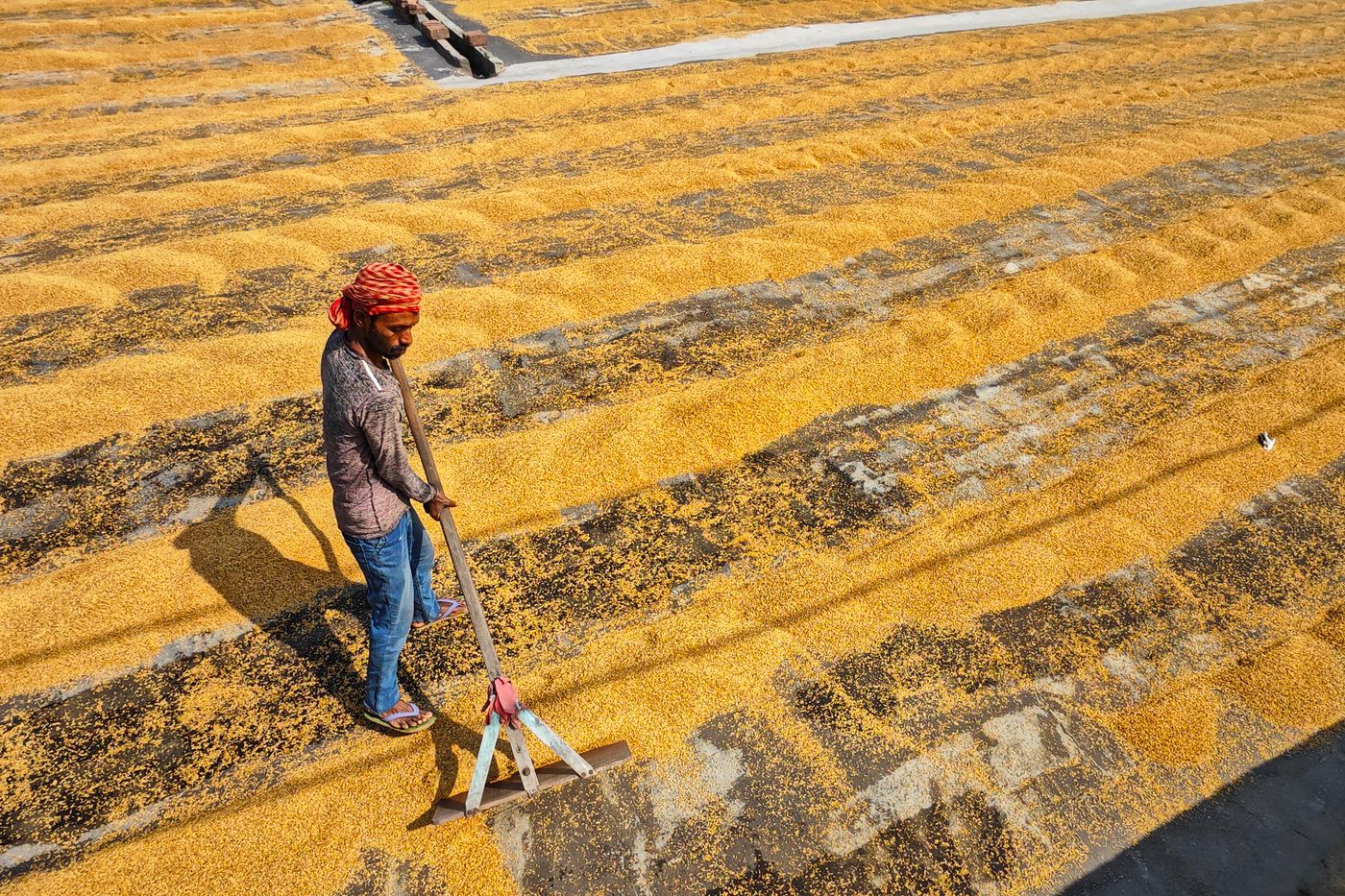
Harvest arrives, and the crop goes on the ground. A tarpaulin if you are careful, bare murram if you are not, and somebody with a rake turning it every couple of hours. By the third afternoon a cloud builds over the ridge, everyone runs, and half the heap gets wet anyway.
It works, in the sense that the crop does eventually get drier. It also removes value at every stage, quietly, in ways that never appear as a line item. The maize discounted for foreign matter. The groundnuts a buyer refused. The chillies that came out pale and fetched less than the neighbour's.
A solar dryer is a small piece of engineering that changes who decides your drying schedule. Here is how one works as a machine rather than as a box, how to choose between the designs, and how to size one against a real harvest.
What Drying on the Ground Actually Costs You
The obvious cost is contamination. Grain dried on soil picks up sand, stones and grit, and every gram is weight a buyer will deduct or use as a reason to drop your grade. Chickens, goats and dogs cross the drying area. None of it is recoverable once mixed into the bulk.
The less obvious cost is the rewetting cycle. Grain is hygroscopic: it exchanges moisture with the surrounding air in both directions. Overnight dew adds back much of what a hot afternoon removed, so a heap that measured 16 per cent at five in the evening can read higher at eight the next morning. Every cycle keeps the crop in the band where storage moulds are comfortable.
Then there is rain. A shower on a nearly dry heap does not pause progress, it reverses it, and repeated wetting leaves stress cracks that break up in milling.
Finally, uneven drying. The surface of a heap dries far faster than the layer underneath, so a bulk can average an acceptable reading while holding pockets that are still far too wet. Moisture migrates inside a sealed bag, and those pockets are where a store starts to heat and smell in February.
What a Solar Dryer Does That Sunshine Alone Cannot
A solar dryer does two things at once, and the second is the part most people underestimate.
First, it traps heat. A transparent cover over a dark absorbing surface lets short wavelength sunlight in and slows the escape of the longer wavelength heat that surface radiates back. The air inside gains temperature well above ambient, often by ten to twenty degrees on a clear day.
Second, that temperature rise collapses the air's relative humidity. Warm air holds far more vapour than cool air, and its capacity roughly doubles for every ten degrees of rise. Take outside air at 25 degrees and 60 per cent relative humidity, heat it to 45 degrees without adding water, and its relative humidity falls to somewhere near 20 per cent. Drying is driven by the gap between the vapour pressure at the wet surface of the crop and that of the air touching it. Widening that gap is the whole trick.
Air that has absorbed moisture is closer to saturation and has stopped being useful, so it must leave and be replaced. Hence an inlet low down, a path through the crop, and a chimney above, using the tendency of warm air to rise. Some designs add a small twelve volt fan off a panel, which runs hardest when the sun is strongest.
Direct, Indirect and Mixed Mode Designs
The common designs differ in one respect: whether sunlight lands on the crop itself.
Direct dryers put the crop under the transparent cover, so it takes sunlight and trapped heat together. They are cheapest to build and heat quickly, and for grain, cassava chips and anything where appearance is not the selling point they are perfectly sensible. The drawback is that ultraviolet light bleaches colour and degrades pigments, aromatic compounds and vitamins. A chilli dried in direct light comes out duller than one dried in shade, and dullness is priced.
Indirect dryers separate the two functions. A glazed collector heats air on its own, and only that hot air enters the shaded chamber holding the trays, so the crop never sees the sun. That protects colour and aroma, which makes it the right design for chillies, herbs, mango, leafy vegetables and fish. It costs more and works a little more slowly, and for anything sold on appearance it is worth the difference.
Mixed mode and tunnel dryers combine both: a collector feeding a translucent tunnel where the crop also gets some light. Most commercial scale units in East Africa are a version of this, usually a polythene tunnel over a black floor with a fan at one end. They handle volume well and suit a cooperative rather than a household.
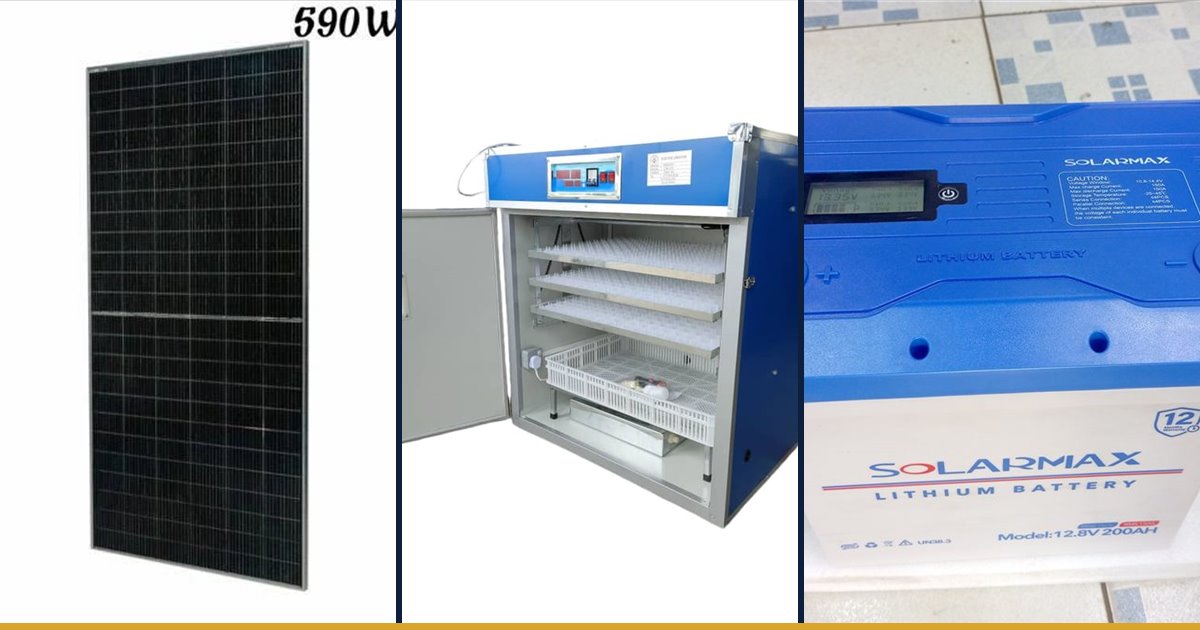
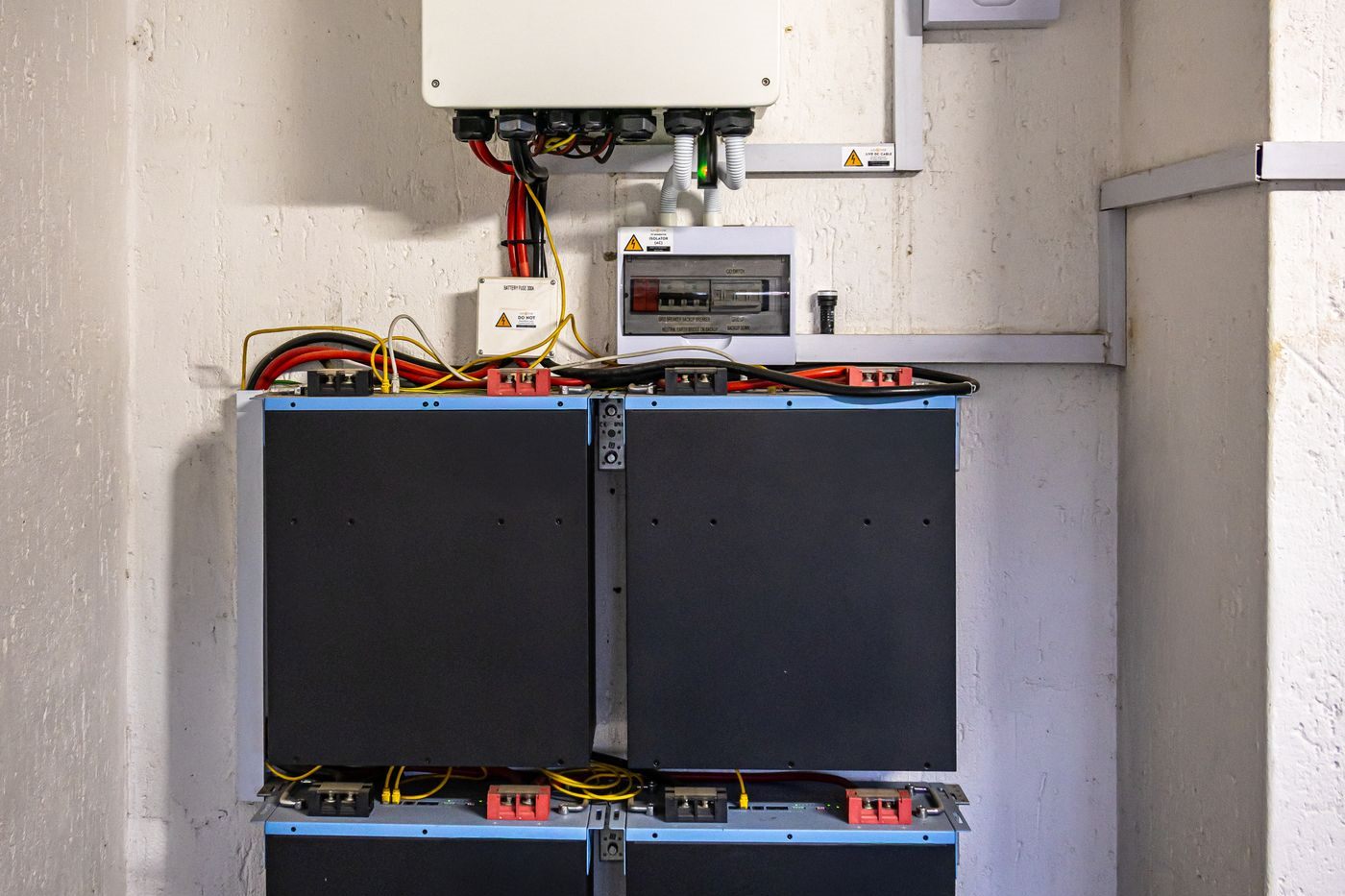
Hybrids add a backup heat source or a powered fan so drying continues through a cloudy week or finishes after sunset. In humid areas, the Coast and parts of western Kenya especially, that is the difference between a dryer that works most of the year and one that works in January. A small panel, controller and battery will run the fan, and the solar equipment range covers that side of it.
Target Moisture, and Why Over Drying Also Costs Money
Drying has a destination, not just a direction. Maize is generally accepted for storage and sale at 13.5 per cent moisture or below. Groundnut kernels have to go considerably drier, in the region of 7 to 8 per cent, because oil rich kernels spoil at moisture levels maize tolerates comfortably. Sliced fruit and vegetables usually finish somewhere between 10 and 15 per cent depending on the product.
Underneath those numbers is one idea: water activity, the proportion of water in the crop actually available to micro organisms. Storage moulds largely stop growing below about 0.70 water activity, which for cereals corresponds to the low teens in moisture content. That is why the target is a threshold and not a preference.
What almost nobody plans for is the cost of going past it. You are paid by weight, and water removed below the target is weight given away for nothing.
Weight is only the first penalty. Over dried maize turns brittle and cracks, and cracked kernels break up in milling and give mould and insects an easy entry. Groundnut skins split. Dried fruit goes hard and glassy instead of pliable. Bone dry chilli shatters into dust in the sack, and dust is not a saleable grade.
The opposite error is case hardening, where too much heat too early seals the outside of a slice or kernel while the middle is still wet. The surface reads dry, the inside is not, and the product spoils in storage. Gentle steady heat with good airflow beats a very hot chamber. All of which makes a moisture meter more necessary with a dryer, not less, because for the first time you can genuinely overshoot. Our guide to grain drying and moisture meters covers sampling.
Sizing a Dryer Against a Real Harvest
The common sizing mistake is dividing annual production by the days in a year. Harvest arrives in a window of two or three weeks, and the dryer either keeps up with that window or the surplus goes on the ground, recreating the problem you spent money to solve.
Work backwards from the peak instead. How many kilograms come off the sorting table on the busiest day? How long does one batch take? How many kilograms fit on a square metre of tray in a single layer? Those three numbers give you the collector and tray area you need.
The load that matters is water, not crop. One hundred kilograms of maize at 20 per cent moisture needs only about 7 kilograms of water removed to reach 13.5 per cent. One hundred kilograms of fresh mango at roughly 82 per cent water needs about 79 kilograms removed, and yields only around 21 kilograms of dried fruit. That comparison explains why a fruit dryer looks enormous next to the tonnage it processes, and why sizing one with grain intuition always disappoints.
Loading discipline matters as much as size. A single even layer dries; a heap does not. Rotate trays between upper and lower racks, because air reaching the top tray has already picked up moisture below and is doing less work. And site the dryer unshaded, beside the shelling and milling area, because one a short walk away gets used less.
Which Crops Repay a Dryer Soonest
Payback is margin per kilogram multiplied by the quality uplift, not tonnage, and that ordering surprises people.
Fastest to repay are crops where the buyer pays for appearance, aroma and cleanliness: chillies and spices, herbs, mango and banana, dried fish, vegetable leaf powders. The dried product is worth several times the fresh product per kilogram, the gap between a good colour and a poor one is large and immediate, and a shaded indirect dryer protects exactly the attribute being priced.
Groundnuts sit just behind. The price per kilogram is more modest, but the aflatoxin exposure is severe and clean unsplit kernels attract a real premium, so the dryer buys risk reduction as well as quality.
Bulk maize on a small acreage repays slowest, because the margin per kilogram is thin and there is little water to remove. That changes completely if you are being discounted or rejected on moisture, or if drying reliably lets you hold the crop and sell later rather than at the harvest price everyone else takes. Then the dryer is buying a market window rather than a margin.
One more consideration: a dryer idle for ten months is a poor asset, but one that dries for neighbours at a fee per bag is a business. Custom drying is how a lot of this equipment earns out, and it is worth sizing for from the start.
Aflatoxin: Be Precise About What Drying Does
Aflatoxin is produced by Aspergillus moulds already present in soil and crop residue. They infect maize and groundnuts in the field, particularly after drought stress or insect damage, and produce toxin when the crop sits warm and damp. Slow drying, a heap on wet ground, an interrupted three day dry: those turn a small problem into a serious one.
Getting the crop below safe moisture quickly closes that window, and that is a real benefit of a solar dryer. It is also the limit of what drying does.
Practical discipline follows. Sort out shrivelled, discoloured, mouldy and insect bored kernels before drying, because that is where toxin concentrates. Never blend a suspect lot into a clean one to dilute it, since you have simply contaminated the larger quantity. Store in clean bags off the floor in a ventilated store, because grain dried correctly and stored badly reabsorbs moisture and starts again. And if you are selling into a formal market or feeding a dairy herd, test rather than assume.
A dryer is a strong preventive tool. It is not a cure, and anyone selling it as one is misleading you.
Where to Start
If you are drying on the ground today, a tarpaulin and a raised drying bed are the cheapest improvements available and worth making this week. If your losses come from weather rather than contamination, or from a buyer who pays for colour, a dryer is the next step, and a small one built well beats a large one built badly.
Before committing, work out three numbers: peak kilograms per day, the moisture you start from, the moisture you must reach. Bring those to any of our six branches and we will size the collector, tray area and any fan or backup power against them. Current pricing is on the price list.
Key Takeaways
- Open drying costs you through contamination, overnight rewetting, rain reversals and uneven moisture that shows up as a heating bag months later.
- A dryer works by raising air temperature, which collapses relative humidity, and then moving that thirsty air through the crop. No airflow means no drying.
- Direct designs are cheaper and faster but bleach colour. Indirect designs shade the crop and protect the colour and aroma that buyers actually pay for.
- Drying past the target gives away saleable weight and makes the product brittle. A dryer makes a moisture meter more necessary, not less.
- Size against the peak harvest day and against the water to be removed, not the annual tonnage or the crop weight.
- Drying stops mould growth but does not destroy aflatoxin already present. Sort, never blend, store dry, and test when it matters.
Frequently Asked Questions
Is a solar dryer better than drying maize on a tarpaulin?
A tarpaulin is a large improvement on bare ground because it stops soil, stones and animal contamination. A solar dryer goes further: it holds warmer, drier air around the crop, keeps rain and dew off it, and lets you carry on drying when the weather turns. The tarpaulin is the cheapest fix worth making today. The dryer is the fix that stops weather deciding your grade.
What is the difference between a direct and an indirect solar dryer?
In a direct dryer the crop sits under the transparent cover and sunlight falls on it. It is cheaper and heats fast, but the light bleaches colour and degrades pigments and vitamins. In an indirect dryer a separate glazed collector heats the air first and that hot air is then passed over trays in a shaded chamber, so the crop never sees direct sun. Indirect costs more and works a little slower, and it protects the colour and aroma that buyers pay for.
What moisture content should maize and groundnuts be dried to?
Maize is generally accepted for storage and sale at 13.5 per cent moisture or below. Groundnut kernels need to be considerably drier, in the region of 7 to 8 per cent, because their oil rich kernels spoil at moisture levels maize tolerates. Both numbers should be confirmed with a moisture meter on a properly mixed sample, not judged by biting a kernel or listening to the sound of the heap.
How long does a solar dryer take to dry a batch?
It depends on how much water has to leave, not on how many kilograms went in. Maize coming in at 20 per cent needs only about 7 kilograms of water removed per 100 kilograms to reach 13.5 per cent, which is usually a matter of a day or two. Sliced mango at roughly 82 per cent water needs about 79 kilograms removed per 100 kilograms of fresh fruit, so plan on a full loading day or more per batch and size the dryer accordingly.
Which crops are worth buying a solar dryer for in Kenya?
Crops where the buyer pays for appearance and cleanliness repay a dryer fastest: chillies and spices, herbs, mango and banana, dried fish, and vegetable powders. Groundnuts follow closely because of their aflatoxin exposure and the premium on clean unsplit kernels. Bulk maize on a small acreage pays back more slowly, unless you are being discounted or rejected on moisture and quality, in which case the dryer is buying you a grade rather than a margin.