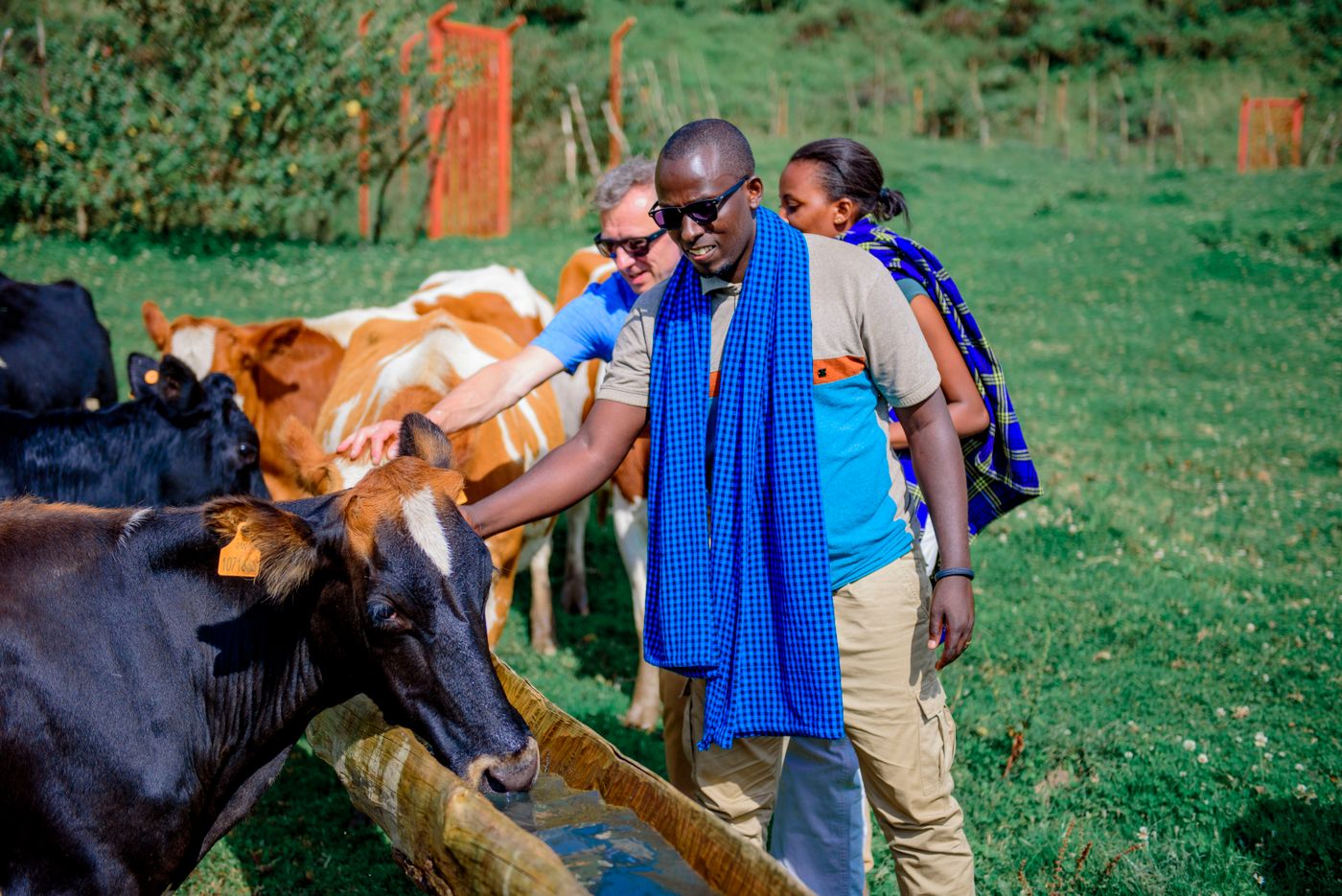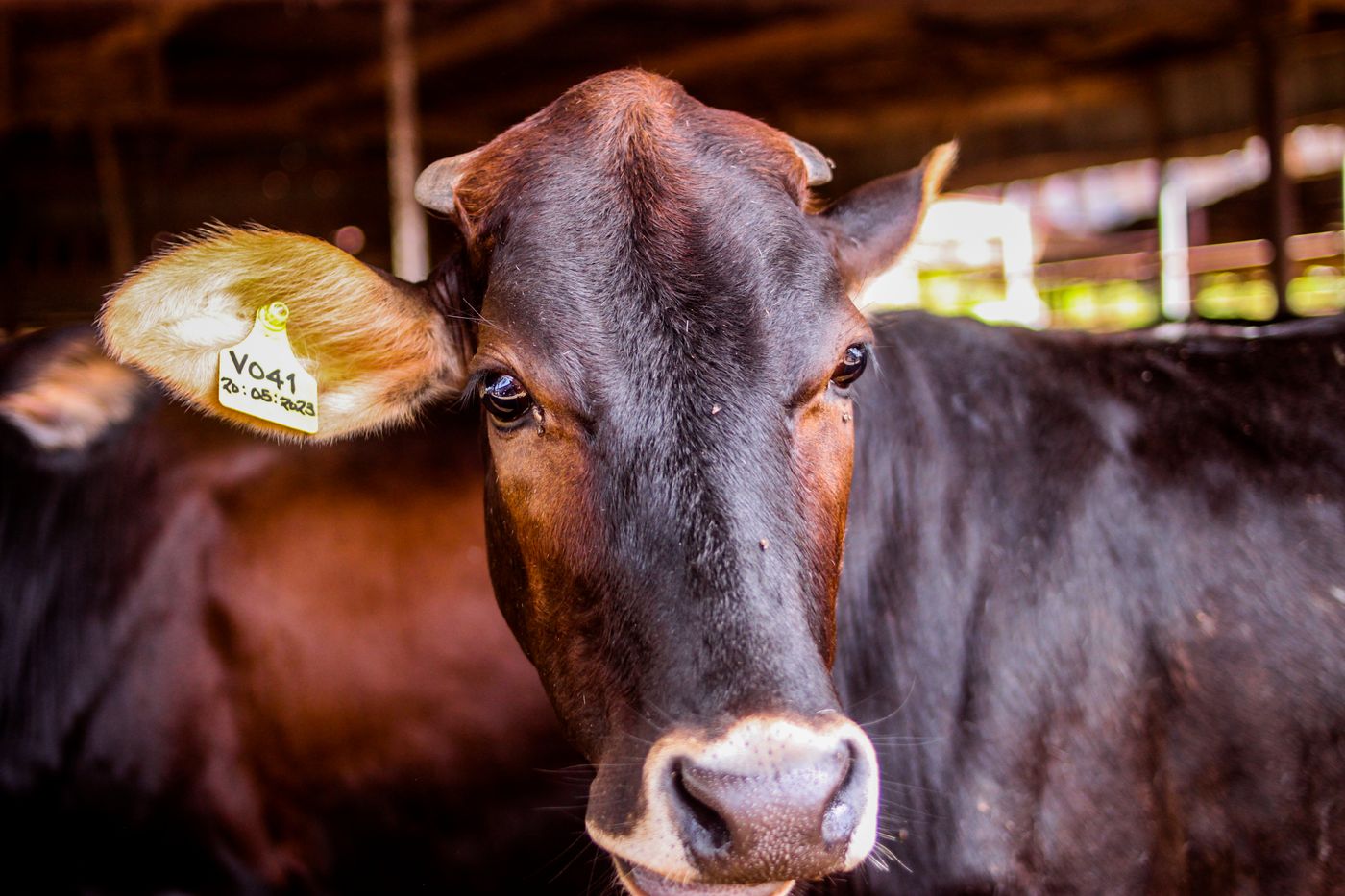
A dairy farmer milks a good cow right up to a week before she calves because "the milk is money". She calves in a muddy corner of the zero grazing unit at night, the calf is weak and slow to suckle, and three days later the cow is down with what the vet calls milk fever. The next lactation starts badly, peaks low and never recovers. The milk earned in those last weeks cost far more than it brought in.
The weeks before calving, known as the dry period, are when a dairy cow repairs her udder, builds body reserves and grows most of the calf. How you dry her off, feed her, house her and prepare for the birth sets up the whole of the next lactation. With many Kenyan herds calving in the months after the short rains, now is the time to plan.
This guide covers when to dry off, how to do it, what the dry cow needs, how to prepare a clean calving pen and a simple calving kit, and what to do in the first hours after birth. Medical decisions, including dry cow treatments, mineral supplements and any intervention at calving, belong to your vet, who knows your herd.
Why the Dry Period Matters
A cow that milks continuously from one lactation to the next gives less milk in the following lactation, not more. The udder tissue needs a rest to renew the milk producing cells. At the same time the calf is growing fastest in the last two to three months of pregnancy, and the cow needs to build condition for the demands of early lactation.
Most dairy advisers recommend a dry period of around 60 days, with a range of roughly 45 to 60 days in common use. Very short dry periods tend to reduce the next lactation's yield; very long ones mean days with no milk and a risk of the cow getting too fat. Your vet or extension officer can advise on the best length for your cows.
Knowing When She Is Due
You cannot plan a dry period without a reliable calving date. Cattle pregnancy lasts roughly 280 to 285 days, a little over nine months, so record the date of every service or insemination and have pregnancy confirmed by your vet. Count forward to the expected calving date and back about 60 days to the drying off date. Write both on the cow's record card and on a calendar in the milking area.
If you are not already keeping these records, start now; our guides to heat detection and AI timing and milk recording per cow show simple systems that work on a small farm.
How to Dry Off a Cow
Many vets now recommend stopping milking abruptly on the chosen day rather than gradually milking once a day over a week or two, especially for cows giving moderate yields. Gradual drying off keeps stimulating the udder and leaves teats open longer. For a high yielding cow, your vet may suggest reducing her concentrate in the days before drying off so production falls.
On drying off day:
- Milk her out completely at the last milking, using clean hands or a clean machine.
- Clean and disinfect the teat ends carefully. Any dry cow treatment or teat sealant your vet has prescribed goes in at this point, given exactly as instructed with full hygiene.
- Dip the teats with a teat dip cup.
- Move her to a clean, dry area away from the milking routine, so the sight and sound of milking does not keep stimulating her.
- Watch the udder daily for the first two weeks. Some swelling is normal at first, but hot, hard, painful quarters or abnormal secretion need the vet.
Feeding and Housing the Dry Cow
A dry cow needs good quality forage, clean water at all times and a balanced mineral supply, but not the heavy concentrate ration of a milking cow. The aim is good body condition, not fat. A cow that calves very fat is more likely to have calving difficulties and metabolic problems such as milk fever and ketosis; a cow that calves thin has no reserves for early lactation.
In the last two to three weeks before calving, many farmers gradually introduce some of the milking ration, often called steaming up, so the rumen adapts before the big increase after calving. How much and which minerals suit your cows is a question for your vet or a dairy nutritionist, because the mineral balance before calving affects the risk of milk fever.
During the short rains, keep the dry cow off deep mud. Long hours standing in wet dung softens the hooves and dirties the udder; our guide to managing dairy cows in the wet season covers bedding and yard drainage. Check her water source daily: a heavily pregnant cow that does not drink enough eats less.
Preparing the Calving Pen
The calving pen is where the calf will take its first breath and its first drink of colostrum, so it must be clean, dry and quiet. On a small farm it can be a simple roofed pen at one end of the unit or a separate stall, used only for calving and cleaned between cows.
- Space. Big enough for the cow to lie down, turn around and get up easily, and for you to work beside her safely.
- Floor. Non slip, well drained, with a deep layer of clean, dry bedding such as straw or dry grass. A cow that slips while calving can injure herself badly.
- Shelter. A roof that does not leak and walls that stop driving rain and cold wind, but with fresh air.
- Water and feed. Clean water and forage within reach.
- Light. A light you can switch on at night, solar or mains, so you can check her without a torch in your mouth.
- Separation. Away from sick animals and from the main traffic of the farm.
Move the cow into the pen a few days to a week or so before her due date so she settles. Clean out and re-bed the pen after every calving.
A Simple Calving Kit
Keep the kit in one clean box near the calving pen, checked and restocked before each expected calving. Typical contents agreed with your vet include:
- A clean bucket and soap for washing the cow's rear and your hands and arms.
- Disposable gloves, ideally long arm gloves.
- Clean towels or sacks to rub the calf dry.
- A navel dip or spray recommended by your vet, and a small cup to dip the navel.
- A calf bottle and teat, and a clean container for colostrum.
- Your vet's phone number written on the box lid, with the cow's service date and due date.
- A torch or headlamp with charged batteries.
Calving ropes and calf pullers should only be used by people trained to use them, and many difficult calvings need a vet. If the cow has been straining hard for a long time without progress, if you can see that the calf is coming in an abnormal position, or if she looks exhausted, call the vet rather than pulling.
The First Hours After Calving
Clear mucus from the calf's nose and mouth if needed and rub it dry. Dip the navel. Make sure the calf gets colostrum, the first milk, as soon as possible, ideally within the first hours of life, because its ability to absorb protective antibodies falls quickly after birth. If it has not suckled within a short time, milk out colostrum and give it with a calf bottle. Our guide to calf rearing equipment covers the first days in detail.
Watch the cow closely for the first two or three days. Signs such as cold ears, wobbliness, not getting up, or retained afterbirth beyond the time your vet considers normal need prompt veterinary attention. Begin milking according to your vet's advice, keep milk from a freshly calved cow out of the bulk milk for the period your buyer requires, and start building her up to full feed gradually.
Body Condition: Judge Her Before You Dry Her Off
Body condition scoring is a simple, hands on way to judge whether a cow is too thin, about right or too fat, without a scale. Dairy advisers commonly use a five point scale, where 1 is very thin and 5 is very fat, judged by looking at and feeling the backbone, the short ribs over the loin, the hip and pin bones and the area around the tail head. Most guidance aims for a cow to dry off and calve in moderate condition, in the middle of the scale rather than at either end; your vet or extension officer can show you how to score your own cows.
The useful habit is to score each cow at the same points in her cycle: at drying off, two to three weeks before calving and a month after calving. A cow that drops sharply after calving was either too fat going in or underfed coming out. A cow that is already thin at drying off needs better feeding during the dry period, not a crash diet before calving. Write the score on her card next to her milk records.
A weigh tape around the heart girth gives a rough live weight estimate that helps you track changes over the dry period and judge feed amounts; our guide to the livestock weighing tape explains how to use one consistently.
Records That Make the Next Calving Easier
Every calving teaches you something about the cow. Note the date, how easy or difficult the birth was, whether the afterbirth came away normally, the calf's sex and condition, any treatment the vet gave, and how quickly the cow came back to full feed. Over a few years these notes show which cows calve easily, which bulls or semen give difficult calvings, and which cows have repeated problems that might make them candidates for culling. They also make your vet's job easier when something goes wrong, because the history is on paper rather than in someone's memory.
Dry Cow and Calving Equipment, With Prices
These prices are from the Fuga price list at the time of writing; check the site or call a branch for current prices and stock.
| Item | Stock code | Price |
|---|---|---|
| TEAT DIP CUP | 6820 | KSh 350 |
| CALF BOTTLE- 2 LITRE | 6146 | KSh 650 |
| CALF BOTTLE TEAT | 6377 | KSh 300 |
| 15 LTR STAINLESS STEEL MILKING BUCKET | 6502 | KSh 2,890 |
| WEIGHING TAPE | 6432 | KSh 800 |
| EAR TAG APPLICATOR | 6193 | KSh 2,000 |
| DRINKING BOWL - COW_SS | 6188 | KSh 3,500 |
Record the service date, count back 60 days to drying off, dry her off cleanly, keep her in good but not fat condition, and have a clean pen and a stocked kit ready a week before she is due. See our calf bottles and milking buckets, browse the full dairy and livestock range, or WhatsApp 0716 961 018 for help putting together a calving kit.
Key Takeaways
- Most advisers recommend a dry period of around 60 days, with roughly 45 to 60 days in common use.
- Record every service date; pregnancy lasts about 280 to 285 days, so count back about 60 days to drying off.
- Dry off cleanly: milk out, clean teat ends, give any vet prescribed treatment with full hygiene, dip and move her away from milking.
- Aim for moderate body condition at calving; steam up gradually in the last two to three weeks on your vet's advice.
- Prepare a clean, dry, well bedded calving pen and a stocked calving kit a week before she is due.
- Make sure the calf gets colostrum within the first hours, and call the vet early if calving does not progress.
Frequently Asked Questions
How long before calving should I dry off my cow?
Most dairy advisers recommend about 60 days, with roughly 45 to 60 days in common use. Very short dry periods tend to reduce the next lactation's milk yield. Your vet can advise the best length for your cows.
Should I dry off a cow gradually or suddenly?
Many vets now recommend stopping milking abruptly on the drying off day, especially for moderate yielders, because gradual drying keeps stimulating the udder. For high yielders your vet may suggest reducing concentrates beforehand.
What should be in a calving kit?
A clean bucket and soap, long arm gloves, clean towels, a navel dip recommended by your vet, a calf bottle and teat, a container for colostrum, a torch, and your vet's number with the cow's service and due dates.
How soon should a newborn calf get colostrum?
As soon as possible, ideally within the first hours of life, because the calf's ability to absorb protective antibodies falls quickly after birth. If it has not suckled, milk out colostrum and give it with a calf bottle.