You bought a pump, connected it, switched it on, and the water barely dribbles out at the top of the field. Or worse, the pump runs hot, hums, and moves nothing at all. It is one of the most frustrating experiences in farming. When the pump cannot push water to where the crop or livestock actually is, the whole investment stalls.
Nearly every one of these failures traces back to a decision made before the pump was ever bought: the pump was matched to a price, or to what a neighbour had, instead of to the water source and the job. A pump is not a general-purpose machine. Each type is engineered for a specific situation, and using the wrong one is like trying to plough with a panga.
This guide walks you through the three pump families you will actually choose between in Kenya, surface, submersible, and booster pumps, and the two numbers that decide everything, head and flow rate. We will cover diesel, electric, and solar power, how sizing differs between irrigation and domestic supply, the sizing mistakes we see most often across our branches, and how to keep the pump you buy running for years.
Match the Pump to Your Water Source First
Before you think about power or price, answer one question: where does the water sit, and how far below your outlet is it? The answer sorts you into a pump family almost automatically.
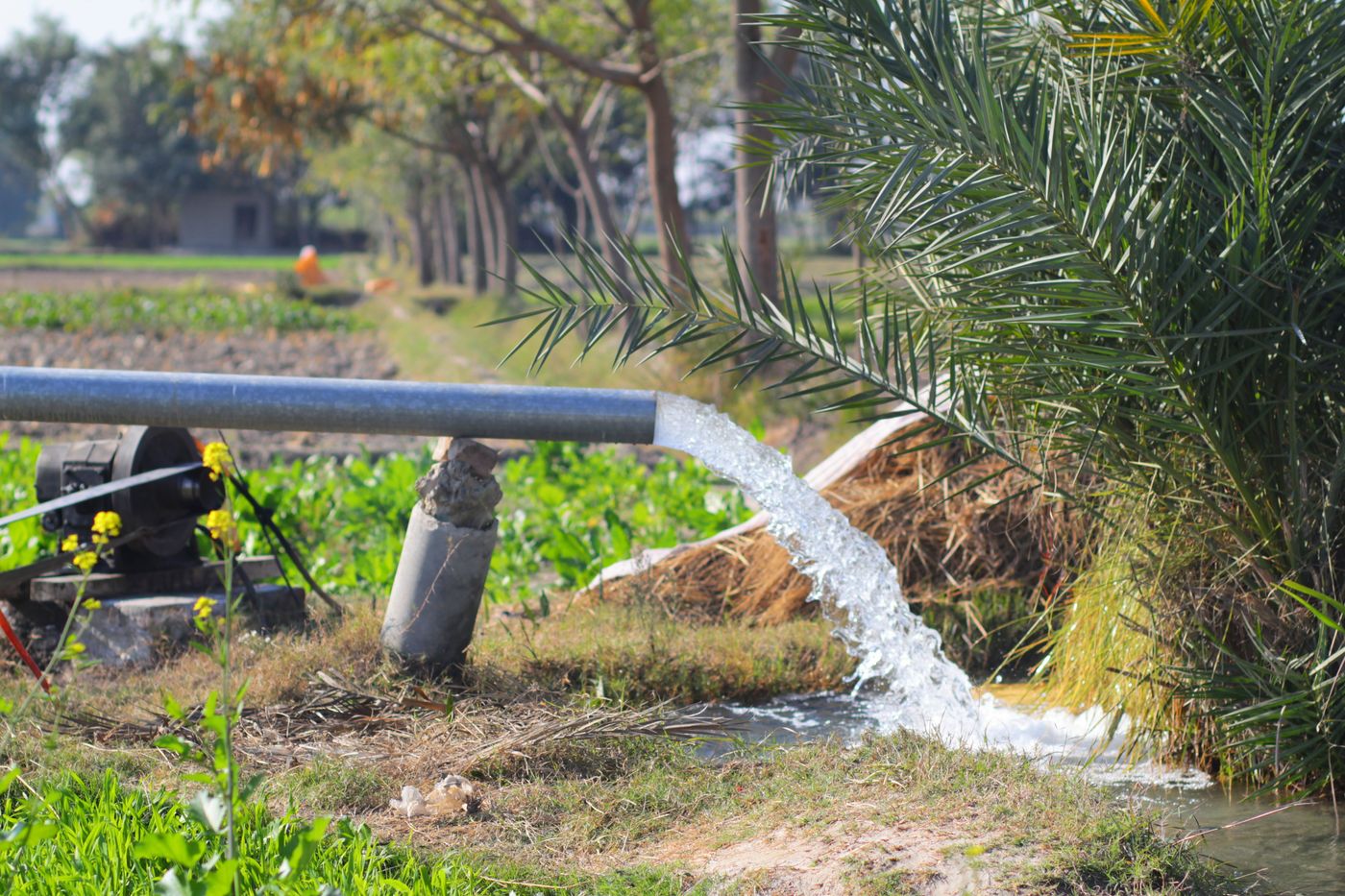
A surface pump sits on dry ground next to the water and pulls water up to itself, then pushes it onward. It is the right choice for a river, a stream, a shallow well, a pan, or a tank that is roughly at or above the pump. The catch is physics: a surface pump can only suck water up about 7 to 8 metres in practice, no matter how powerful it is. Beyond that depth it loses prime and cavitates. So if your water level is deeper than that, a surface pump is the wrong tool.
A submersible pump is designed to sit fully underwater, inside a borehole or a deep well, and push water up from below. Because it pushes rather than sucks, depth is no longer the limiting factor. This is the pump for a borehole, a deep well, or any source where the water table is many metres down. It also runs cooler and quieter because the water around it carries away heat.
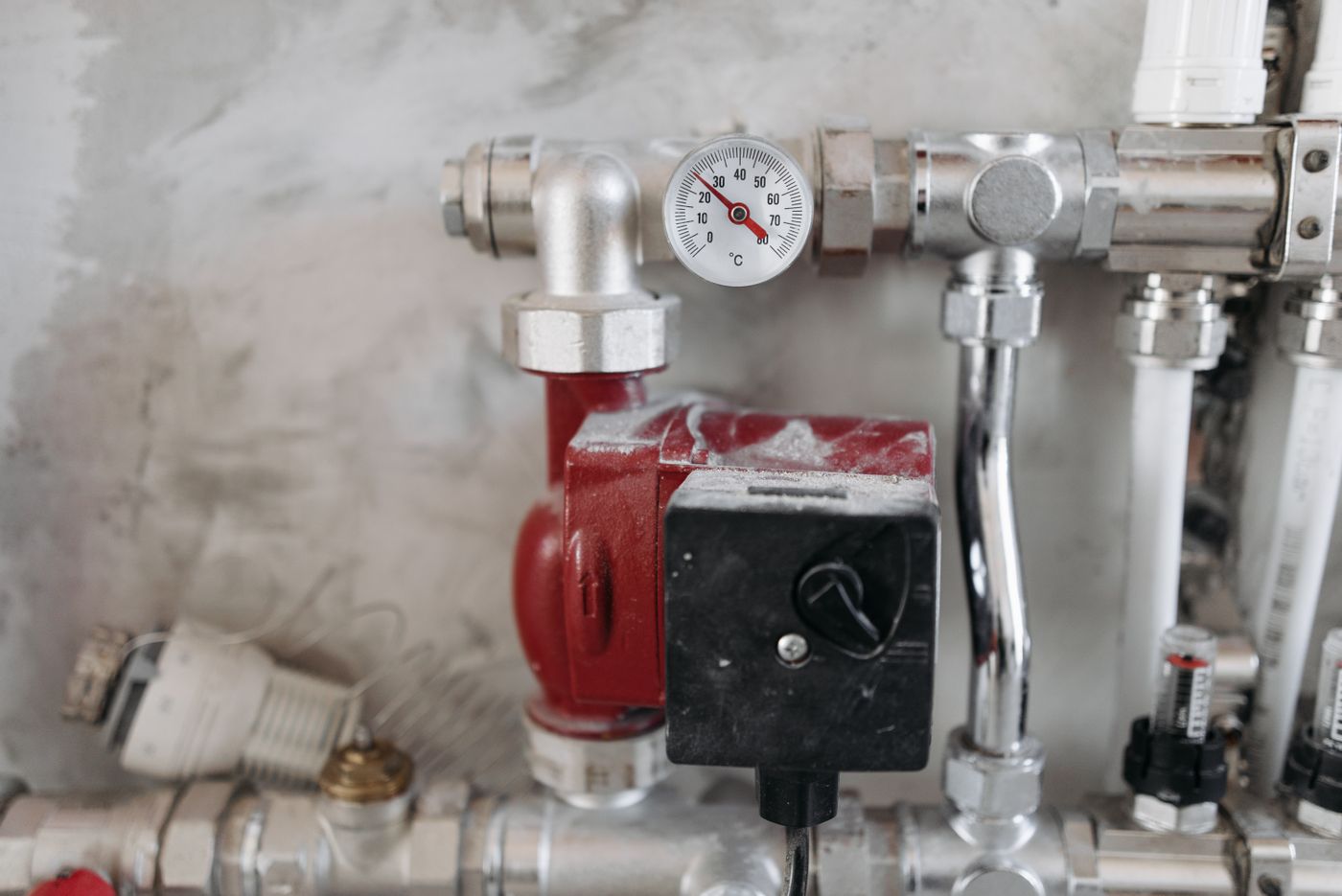
A booster pump does not lift water from a source at all. Its job is to raise pressure in a line that already has water but not enough push, for example a gravity tank that dribbles at the far end of a drip line, or mains water too weak to reach an upstairs tank or a sprinkler. If your problem is weak pressure rather than a distant or deep source, a booster is what you need.
The 8-metre rule. If the water you want sits more than about 7 to 8 metres below where the pump would stand, no surface pump will reliably suck it up. That is a limit of atmospheric pressure, not of horsepower. Deeper than that means a submersible, every time.
Understand Head and Flow, the Two Numbers That Decide Everything
Every pump on our shelves is rated by two figures, and if you learn only one thing from this article, learn what they mean. They are head and flow rate.
Flow rate is how much water the pump moves per unit of time, usually litres per minute or cubic metres per hour. It answers "how fast does my tank fill" or "how much water reaches my crop in an hour".
Head is the total height the pump can push water against gravity, measured in metres. Here is the mechanism people miss: head is not just the vertical rise from the pump to your tank. It is the sum of the vertical lift plus the friction the water fights as it rubs against the inside of your pipes over distance. A long, thin pipe running flat across a farm still adds "head" because the water loses energy to friction along the way. So a pump pushing water 200 metres horizontally to a distant field is doing real work even if the ground is level.
The crucial part is that head and flow trade against each other. A pump does not deliver its maximum flow and its maximum head at the same time. The higher you ask it to push, the less water it can move, because the same fixed energy is being spent lifting each litre higher. Ask a pump for its full rated height and the flow drops toward zero. Ask it to move water on the flat and you get its full flow. Every pump has a curve between those two extremes, and your job is to land on a point of that curve that gives you both enough height and enough water.
To find your numbers, add up the vertical rise from the water surface to your highest outlet, add a friction allowance for the pipe run (longer and thinner pipe means more), and decide how many litres per minute the job needs. Bring those two figures to any Fuga branch and we can read the right pump straight off its curve. If you would rather talk it through, the team on our contact page can size it with you.
Diesel, Electric, or Solar: Powering the Pump
The pump type sets the family; the power source sets the running cost and the convenience. In Kenya you are choosing between three.
Electric pumps are the simplest and cheapest to buy, quiet, and low on maintenance. They are ideal wherever you have reliable mains power near the water. The weakness is obvious on many farms: no grid at the borehole, or power that cuts out during the dry months when you need water most.
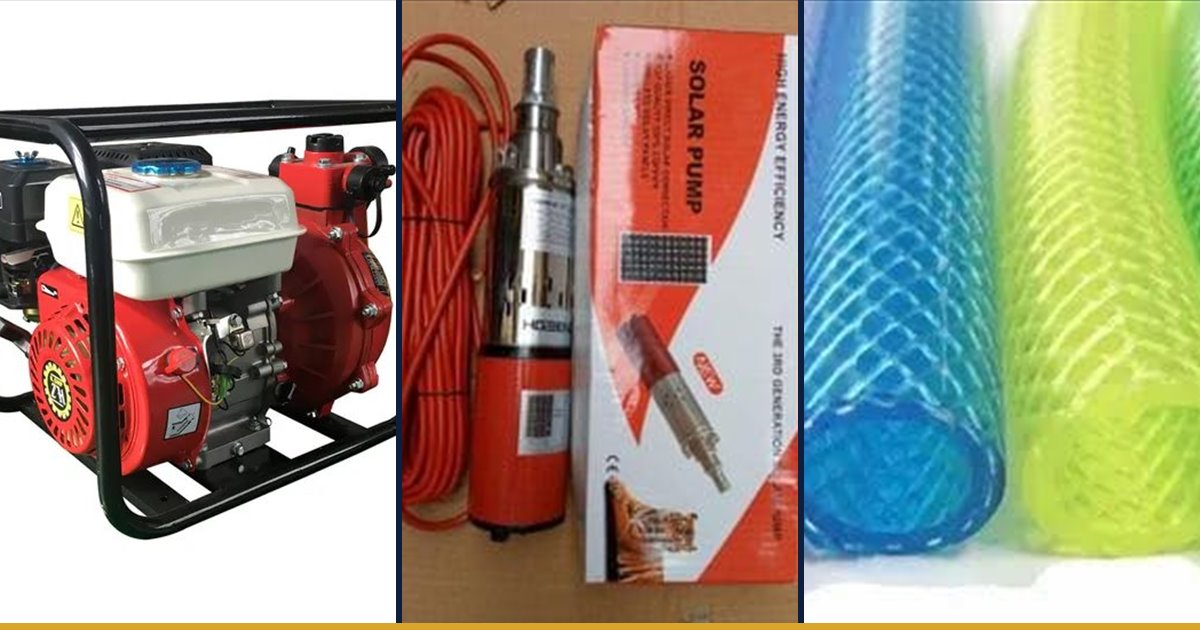
Diesel and petrol pumps go anywhere, which is their whole appeal. A portable engine-driven surface pump can be carried to a river, started, and moved on. They deliver strong power for heavy irrigation and do not care whether the grid reaches the plot. The trade-offs are ongoing fuel cost, noise, engine servicing, and fuel that has to be carried and stored. For seasonal, high-volume irrigation far from power lines, they remain a workhorse.
Solar pumps use panels to run the pump directly during daylight, with no fuel bill and very little to service. They suit boreholes and remote sites where the daytime need matches the sunshine, filling a tank through the day for use whenever you like. The consideration is the upfront cost and the fact that output follows the sun. We cover the full economics in our companion article on whether solar water pumps are worth it, and you can see our range on the solar equipment page.
A quick way to choose power. Reliable grid at the source? Go electric. No grid but you need big flow seasonally and can carry fuel? Diesel. Remote borehole with a steady daytime need and appetite to invest once? Solar. Many farms end up running two, for example a solar borehole pump plus a diesel unit for peak-season irrigation.
Sizing for Irrigation Versus Domestic Supply
These two jobs pull in different directions, and a pump that is perfect for one can be poor for the other.
Irrigation is about volume. You want a high flow rate to cover an area in a reasonable window, and the head demand depends on your method. Flood or furrow needs a lot of water at modest pressure. Sprinklers need real pressure to throw the water, so they demand higher head. Drip needs steady, moderate pressure and far less flow, which is one reason it pairs so well with smaller and solar pumps. If you are weighing methods, our guide on drip irrigation versus sprinklers explains how each affects the pump you need.
Domestic and livestock supply is about steadiness, not peak volume. You are filling tanks and feeding troughs and taps. Here the smart pattern is to pump into an elevated storage tank and let gravity handle the day-to-day pressure, rather than running a large pump on demand. That means a modest pump can serve a whole homestead, as long as it has the head to reach the tank. If the tank is high or far, and taps still run weak, that is precisely where a booster earns its place.
The Sizing Mistakes We See Most Often
Across our branches, the same handful of errors account for most disappointed customers. Avoid these and you avoid the majority of pump regret.
- Buying on horsepower alone. A bigger motor does not mean more water reaches your field. Head and flow at your actual duty point are what matter, and an oversized pump wastes money and fuel while it is at it.
- Ignoring pipe friction and distance. Two farms with the same vertical lift can need very different pumps if one pushes water 30 metres and the other 300. Forgetting friction is the classic reason a "correctly sized" pump still underdelivers.
- Using a surface pump on a deep source. The 8-metre suction limit is not negotiable. No amount of power lets a surface pump pull water up from a deep borehole.
- Undersized pipe. A strong pump forced through a thin pipe chokes itself. Pipe diameter has to suit the flow, or you pay for power you never receive.
- Oversizing "to be safe". An oversized pump short-cycles, wears faster, and on a borehole can even draw the water level down faster than it recovers, starving itself. Right-sized beats oversized.
Keep the Pump You Buy Running for Years
A well-chosen pump that is neglected still fails early. A little routine care returns years of service.
Protect against dry running. Running a pump with no water is the fastest way to destroy it, because the water also cools and lubricates. A dry-run cutoff or float switch is cheap insurance, especially on boreholes and tanks that can empty.
Filter the water going in. Sand and grit chew up impellers and seals. A foot valve with a strainer on a surface pump, and a properly developed borehole for a submersible, keep abrasives out.
Service the engine on diesel and petrol units. Oil changes, air filters, and fuel cleanliness are the difference between an engine that lasts and one that seizes. Follow the service intervals rather than waiting for a problem.
Check pressure and electrics. A booster or pressure system relies on a healthy pressure switch and, where fitted, a working pressure tank. On electric pumps, correct wiring and a control box protect the motor from burnout. Keep spares for the wear parts, seals, impellers, and switches, so a small failure does not idle the whole system.
Key Takeaways
- Pick the pump family from your water source first: surface for shallow and above-ground water, submersible for boreholes and deep wells, booster for weak pressure in a line that already has water.
- Head and flow decide everything. Head is total lift plus pipe friction, and it trades against flow, so size for your real duty point, not a headline number.
- The roughly 8-metre suction limit means a surface pump cannot lift water from a deep source, no matter its power.
- Choose power by site: electric where the grid reaches, diesel for remote high-volume seasonal work, solar for remote boreholes with daytime need.
- Irrigation wants flow, domestic supply wants steadiness into a storage tank; match the pump to the actual job.
- Most pump regret comes from buying on horsepower, ignoring friction and distance, or oversizing. Right-sized wins.
Frequently Asked Questions
What size pump do I need for my borehole?
It depends on three things: how deep the water sits, how high and far you need to push it, and how many litres per minute you want. A submersible is sized to the borehole depth and the yield the hole can sustain, so oversizing can actually starve the pump. Share your borehole depth, water level, and target flow with any Fuga branch and we will match it correctly.
Can a surface pump draw water from a deep well?
No. A surface pump can only suck water up around 7 to 8 metres because it relies on atmospheric pressure, not motor strength. If your water level is deeper than that, you need a submersible pump that sits in the water and pushes it up.
Do I need a booster pump if my taps run weak?
Often yes, if the water is present but the pressure is low, for example from a gravity tank that is not high enough or mains that arrive weak. A booster raises pressure in a line that already has water. If instead the source is far or deep, you need a surface or submersible pump, not a booster.
Is a solar pump powerful enough for irrigation?
For many farms, yes, particularly with drip or when pumping into storage through the day. Solar output follows the sun, so it suits steady daytime filling rather than sudden peak demand. We break down the costs and where solar fits best in our dedicated article on whether solar water pumps are worth it.
Why does my pump run but deliver little water?
Usually the pump is fighting more head than expected, from long or thin pipe, too much vertical lift, or a partly blocked strainer. A surface pump can also lose prime or cavitate if the source is too deep. Bring the details to us and we can tell whether it is a sizing, plumbing, or maintenance issue.