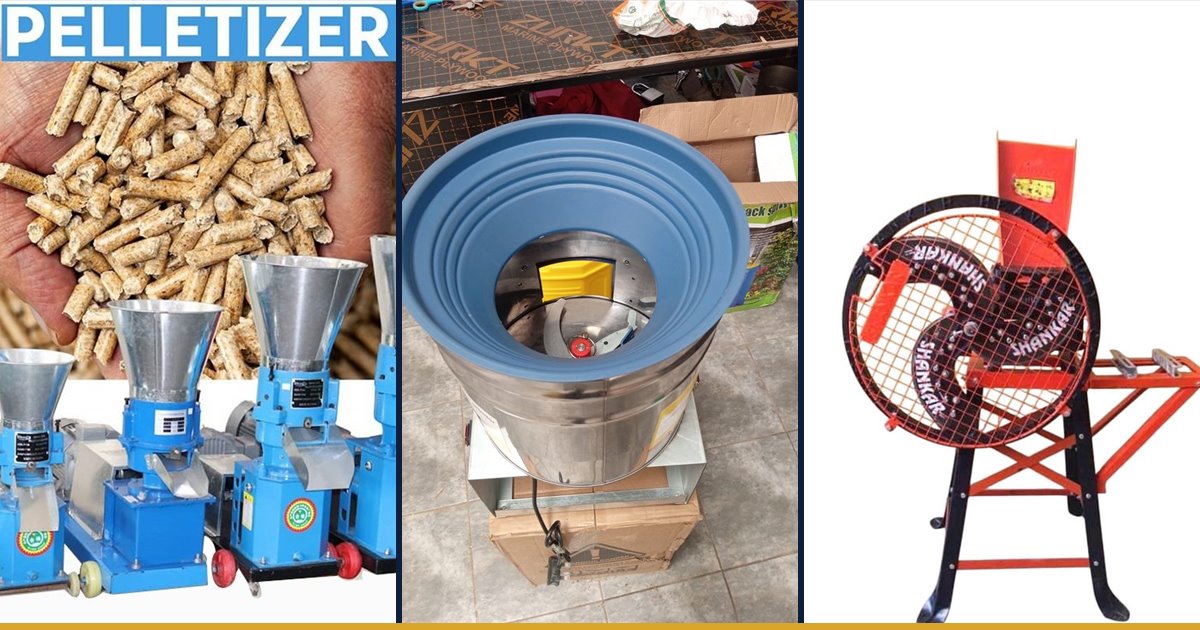
Feed is the single largest cost in almost every livestock enterprise in Kenya. For most poultry, pig and dairy farmers, buying finished feed swallows somewhere between half and three quarters of every shilling that leaves the farm. So when the price of a bag climbs again, the same question surfaces: should I just make my own feed and buy a pelletizer?
It is a fair question, and the honest answer is that a pelletizer can be one of the best investments a farm ever makes, or an expensive machine gathering dust in the store. The difference is not the machine. It is your volume, your access to raw materials, and how disciplined you are about formulation.
This guide walks through the decision the way we talk it through with customers at the counter, so you can judge for yourself whether the numbers work for your farm before you spend a shilling.
What a Feed Pelletizer Actually Does
A pelletizer takes a mash, which is your ground and mixed raw ingredients, and forces it through a die under pressure and friction. The result is firm, uniform pellets. Pelleting matters for three practical reasons on a Kenyan farm.
First, birds and pigs cannot sort through pellets and pick out only the tasty grains, so every mouthful carries the full formulation. That improves feed conversion and cuts the selective feeding that quietly wastes mash. Second, pellets reduce dust and spillage, which means less feed trampled into the litter. Third, pellets store and flow better, which matters when you are moving feed around a busy poultry house.
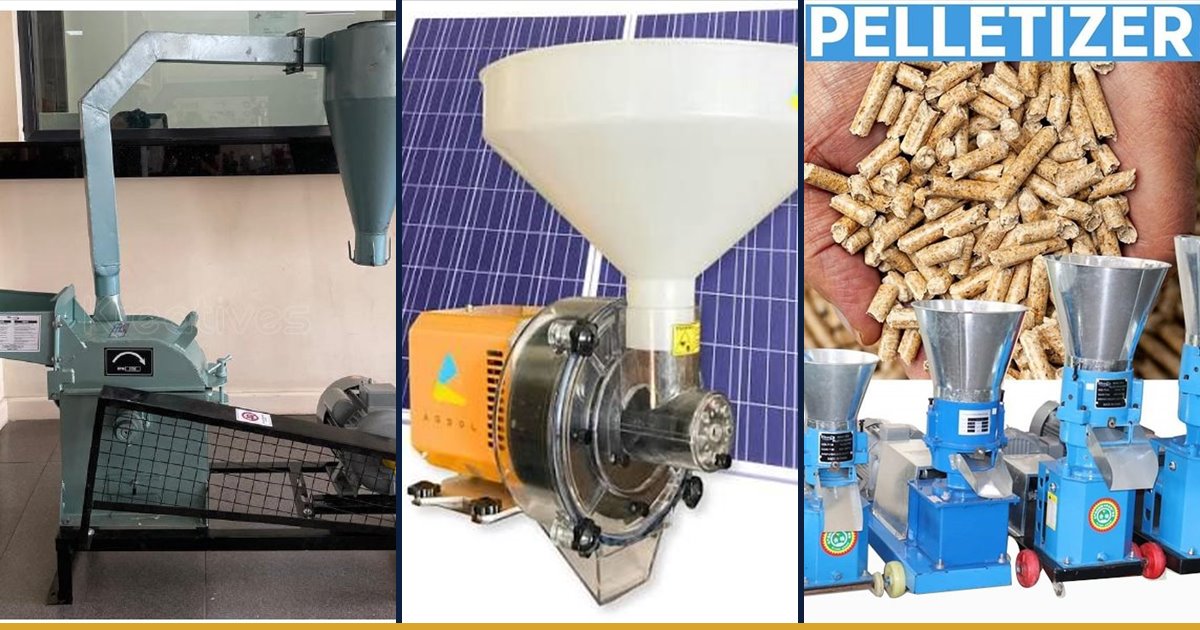
Note the order of the process. A pelletizer is the last step, not the whole system. Before it you still need a hammer mill to grind maize and other cereals, and a mixer to blend your energy sources, protein, and premixes evenly. Some machines combine grinding, mixing and pelleting, while others are standalone. Getting this sequence clear early saves a lot of disappointment.
The Main Types, and Who Each Suits
Broadly, you will meet three categories when you shop for feed machinery in Kenya.
Flat die pelletizers are the small to medium workhorses. They are compact, relatively affordable, and available in electric or diesel versions. Diesel matters for farms in Eldoret, Nakuru and the Coast interior where power can be unreliable or three phase supply is not available. These suit smallholder and semi commercial poultry and pig units.
Ring die pelletizers are built for higher, continuous throughput and tend to sit in cooperatives, commercial mills and large integrated farms. They cost considerably more and usually assume a full milling line around them.
Combined milling and pelleting units bundle a hammer mill and pelletizer, sometimes with a mixer, into one line. For a farmer starting from nothing, a matched set can be simpler than sourcing each component separately.
Match the machine to the animal. Poultry, pigs and fish each want a different pellet size, and fish feed in particular needs the right density and often a floating pellet. Tell us which animals you are feeding before you choose a die, because the wrong die size undoes the benefit of pelleting.
Own Feed Versus Bought Feed: Where the Money Is
The appeal of home mixing is straightforward. When you buy finished feed, you pay for the miller's raw materials plus their milling, packaging, branding, transport and margin. When you make your own, you pay for the raw materials and a modest amount of electricity or diesel, and you keep the rest.
The size of that saving depends entirely on your access to raw materials. A farmer in the North Rift who can buy maize, maize germ and sunflower cake close to source is in a far stronger position than one buying every ingredient retail in small quantities. The chart below shows the idea conceptually, not real prices.
Two cautions keep this honest. First, the saving per bag does not yet count the cost of the machine, your labour, or the odd bag you spoil while learning to formulate. Second, that saving can shrink fast if you are forced to buy small retail quantities of premix and cake. Home mixing rewards buying raw materials in bulk.
Throughput: The Number That Decides Everything
Throughput is how many kilograms of finished feed a machine produces per hour, and it is the honest test of whether a pelletizer suits you. A small flat die unit might handle a modest hourly output, while larger lines move far more. Two farms can buy the same machine and get very different value from it purely because one runs it for hours a week and the other runs it for minutes.
Work out your real monthly feed demand first. A layer flock, a batch of broilers, a piggery and a small dairy herd each consume very different volumes. Then ask whether the machine you are considering can cover that demand comfortably in a reasonable number of running hours, with room to grow. Undersizing means endless slow batches. Oversizing means paying for capacity you never use.
A pelletizer only saves money while it is running. Idle capacity is just money parked in your store. Before you buy, map your monthly kilograms of feed against the machine's hourly output, and be realistic about how many hours you will actually run it.
When It Pays: Poultry, Pigs and Dairy
The break-even logic is the same across enterprises, but the volumes differ.
Poultry is where most Kenyan farmers first consider a pelletizer, because feed is such a large share of cost and the flock eats steadily. A serious layer or broiler operation running several hundred birds and up, especially one already comfortable with formulation, tends to reach the volumes where making feed makes sense. A backyard flock of a few dozen birds almost never does. If you are still building your flock, our guide on starting a poultry farm in Kenya is a better first read than a machinery catalogue.
Pigs convert feed efficiently and a growing piggery gets through impressive tonnage, so a mid sized unit often justifies a machine sooner than people expect, particularly where post harvest by products are available locally.
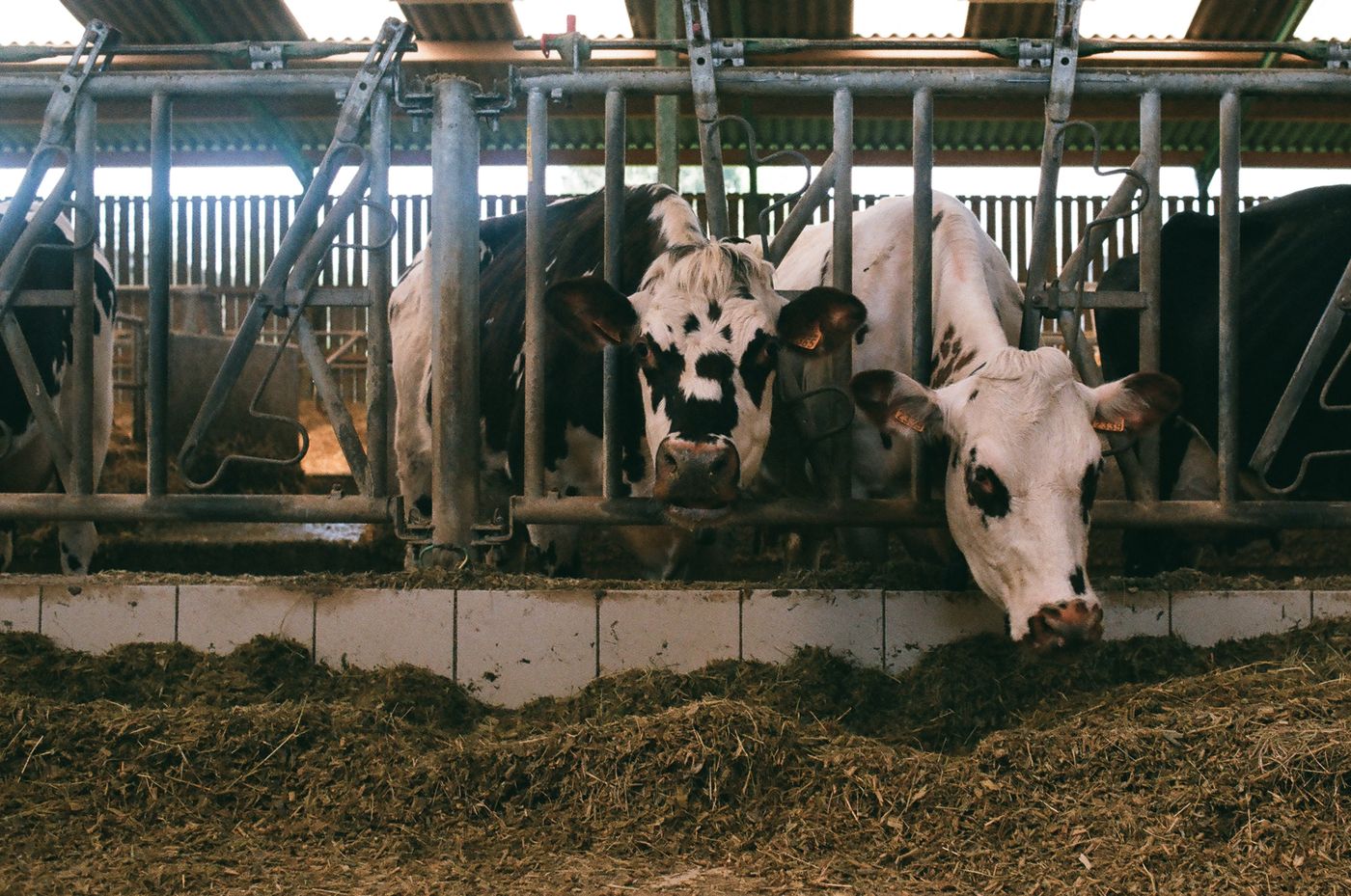
Dairy is different. Dairy meal and mineral supplements are only part of the ration, since forage does the heavy lifting. A pelletizer can still earn its place on a larger herd or a small cooperative producing meal for several members, but a single household cow will not consume enough to justify one.
The pattern is clear. Volume and consistency of demand decide the outcome far more than the animal.
The Payback Concept: How Break-Even Works
Think of it as a race between two lines. Your monthly saving from making feed instead of buying it climbs steadily, while the cost of the machine sits as a fixed amount you paid up front. Payback is the moment your accumulated savings cross the cost of the machine. After that point, the saving is yours.
The practical lesson from that picture is simple. The steeper the savings line, the sooner payback arrives, and the steepness comes from volume. A high volume farm that runs its machine hard can pass break-even quickly. A low volume farm can take so long that the machine may need repairs before it ever pays for itself. That is precisely why we keep steering the conversation back to your monthly kilograms.
Hidden Costs and Practical Realities
Before you commit, budget honestly for the parts of ownership that do not appear on the price tag.
Power and fuel. Electric pelletizers can need a strong single phase or a three phase connection. Confirm your supply before buying, or plan for a diesel unit.
Wear parts. Dies and rollers wear and are consumables. Keeping a spare die on the shelf is wise so a worn part does not halt production.
Formulation skill. The machine does not know nutrition. Getting energy, protein and mineral balance right for each animal and each growth stage is the real work, and poor formulation can cost you more in lost performance than you save in milling.
Storage. Bulk raw materials need dry, pest free storage, and aflatoxin in poorly stored maize is a genuine risk to both your animals and your reputation.
Key Takeaways
- A pelletizer is the last step in a line that also needs grinding and mixing, so plan the whole system, not just the machine.
- The saving from home mixing comes from raw material access and buying in bulk, not from the machine alone.
- Throughput matched to your real monthly feed demand is the number that decides whether ownership pays.
- High, steady volume farms in poultry and pigs reach break-even fastest, while single household units rarely do.
- Budget for power or fuel, spare dies, storage and, above all, formulation skill.
Frequently Asked Questions
Do I need a hammer mill as well as a pelletizer?
In most cases yes. The pelletizer works on a ground and mixed mash, so you need a hammer mill to grind cereals and a mixer to blend ingredients evenly first. Some combined units bundle grinding, mixing and pelleting together, which can be simpler for a farmer starting from scratch.
How much can I really save making my own feed?
It varies widely with your raw material access and volume, so we will not quote a figure that might mislead you. The saving is largest for farmers who buy ingredients in bulk close to source and run the machine at good volume. Confirm current prices on WhatsApp and we can talk through your specific situation.
Is a pelletizer worth it for a small backyard flock?
Usually not. A few dozen birds do not eat enough feed for the savings to cover the machine before it needs servicing. Small keepers are often better buying quality feed and investing in other livestock and poultry equipment first, then revisiting a pelletizer once the flock scales up.
Electric or diesel pelletizer for my area?
It depends on your power supply. If you have a reliable and adequate electrical connection, electric is cheaper to run. If power is unreliable or you lack the needed capacity, a diesel unit keeps you producing. Tell us your location and supply and we will point you to the right option in our machinery range.
Can one machine make feed for poultry, pigs and fish?
Often yes, by changing the die to suit the required pellet size, though fish feed has particular density and floating requirements. Let us know every animal you plan to feed before choosing, so the machine and dies suit all of them rather than only one.
Deciding whether to make your own feed is really a question about your numbers, your raw materials and your discipline. Bring us your monthly feed volume, your animals and your power situation, and we will give you a straight answer on whether a pelletizer pays for your farm, with no pressure to buy. Reach out through our contact page or message us any time.