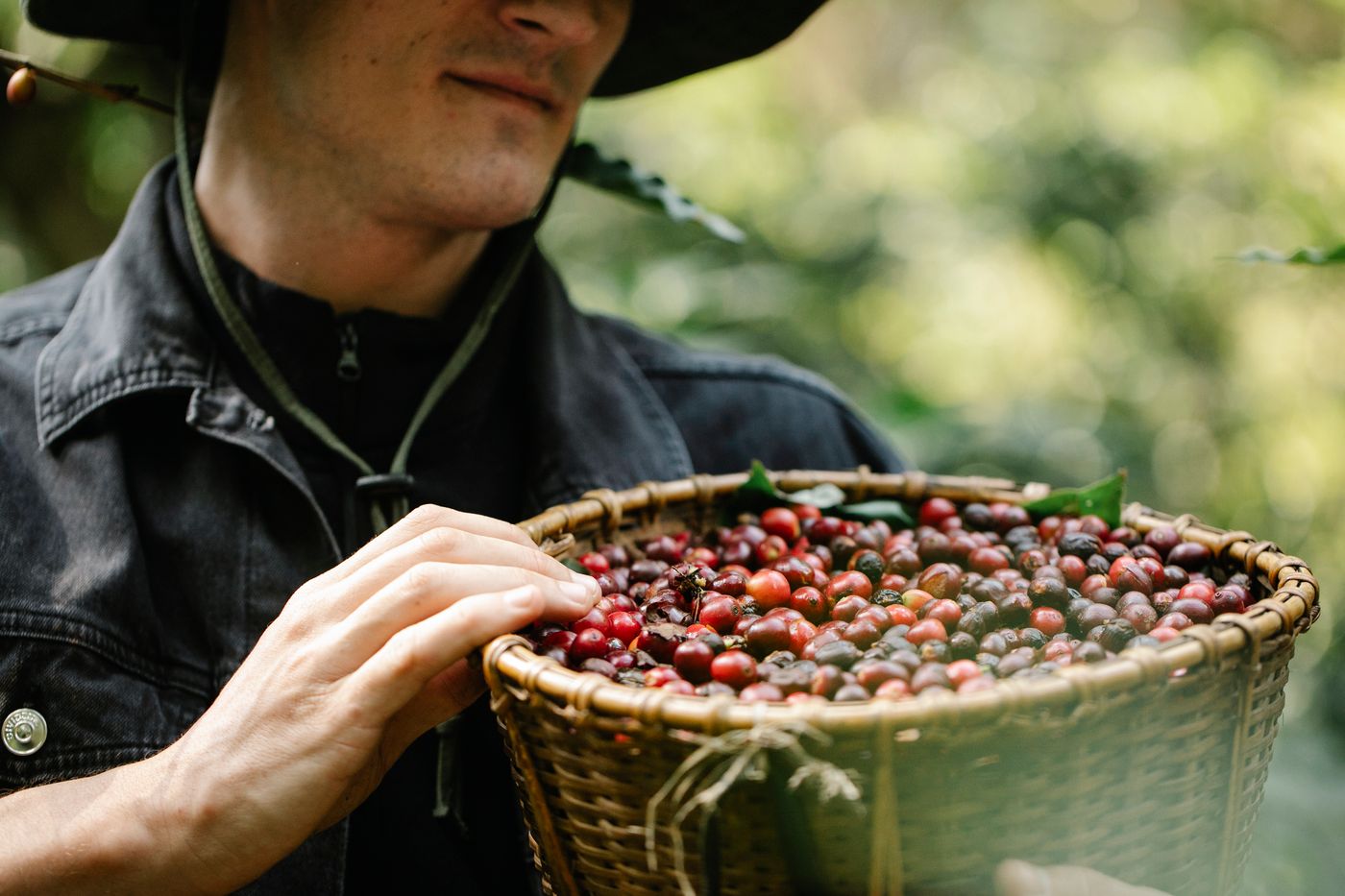
A picker spends the whole morning selecting only red cherry, one berry at a time, on steep ground. That basket represents a year of pruning, mulching, spraying and waiting. Then it sits in a heap by the shed until the following afternoon, and by the time it reaches the pulper the sugars have already started to ferment inside the skin. The cup that coffee produces will carry a sour, oniony taint that no roaster can remove, and the grade will follow it down.
Kenyan coffee earns its reputation at the wet mill, not only in the field. The washed process this country is known for is a sequence of mechanical and biological steps, each with a window that closes. Pulping is the first of them, and the machine that does it is the single piece of equipment with the most direct influence on whether your parchment is clean and uniform or full of nipped, cut and half-pulped beans.
This guide walks through the whole chain from ripe cherry to dry parchment: what the pulper actually removes, how to choose and set one, how to read a fermentation tank instead of guessing at it, and how to dry without quietly destroying good coffee in the last week.
Why the First Twelve Hours Decide Your Grade
A ripe coffee cherry is a small fruit with a high sugar content and a wet, sticky layer around each bean. The moment it leaves the tree, wild yeasts and bacteria on the skin start working on those sugars. In a heaped bag, that reaction generates heat, and heat accelerates it further, which is why the middle of an unpulped heap can be noticeably warm by the next morning.
The result is uncontrolled fermentation. Unlike the deliberate fermentation that happens after pulping, this one takes place while the bean is still inside its skin, in conditions nobody is managing. It produces the class of defect cutters describe as ferment, sour or stinker: an off note that is present in the cup and cannot be sorted out by hand, because the bean often looks normal.
The rule that protects you is simple. Cherry picked today is pulped today, and ideally within a few hours of the last basket coming in. If a breakdown or a late delivery makes same-day pulping impossible, keep the cherry in shallow layers in the shade, spread out rather than heaped, and pulp at first light. Never store cherry in closed bags overnight.
Selective picking matters just as much as speed. Green cherry does not pulp cleanly, because the skin grips the bean and the machine either damages it or passes it through whole. Overripe and dried cherry brings its own defects. A pick of uniformly red, firm cherry pulps evenly at one setting, which is exactly what the machine needs.
Inside the Cherry: What the Pulper Actually Removes
Understanding the layers explains every downstream step. Under the outer skin sits the sweet pulp, and under that a slippery layer called mucilage that clings to the parchment husk. Inside the parchment is a thin silverskin, and inside that the bean itself, usually two per cherry.
A pulper removes only the skin and most of the pulp, by squeezing the bean out of the fruit against a shaped surface. It does not remove mucilage. That is the job of fermentation and washing. If a salesman tells you a standard disc pulper produces clean parchment in one pass, he is describing a different machine class or overselling this one.
The mass arithmetic follows from that composition, and it is worth knowing before you negotiate anything. As a working rule across the Kenyan crop, somewhere around five to six kilos of ripe cherry yields one kilo of clean, hulled coffee, with wet parchment and then dry parchment as the stages in between. Varieties, altitude and how carefully the pick was done all shift the ratio, so measure your own outturn over a season rather than trusting anyone else's number.
Choosing a Pulper: Disc, Drum and Hand Machines
Two designs dominate. A disc pulper uses vertical rotating discs with a punched, abrasive face. Cherry is squeezed between the disc and an adjustable chop bar, the skin is gripped and stripped, and the bean pops out. Kenyan factories have used one, two and three disc machines for generations, and the design is well understood by every fundi in a coffee district, which matters more than it sounds when you need a repair mid-harvest.
A drum pulper works on the same principle with a horizontal perforated drum instead of discs. Both do the same job well when set correctly. What separates machines in practice is build quality, the availability of spare discs and chop bars, and whether the grading section afterwards is any good.
For a smallholder with a few hundred trees, a hand pulper mounted on a firm bench handles the daily pick without fuel or power, and it is the natural entry point. Once the daily pick regularly outruns the arms turning the handle, a motorised machine driven by an electric motor or a small petrol or diesel engine becomes the sensible step. Match the rated throughput on the plate to your peak-day pick, not your average, because peak days are exactly when delay costs you grade.
Look hard at three details before buying any pulper. First, the chop bar should be adjustable and replaceable, not welded in. Second, the discs or drum surface should be a stocked spare part, because they wear. Third, if the machine includes a grading channel that separates heavier from lighter beans as they leave, understand that this pre-grading is part of what protects your final lot uniformity. Talk to our team about the coffee pulper options in our machinery range and tell them your peak daily pick in kilos.
Setting the Chop Bar: The Adjustment That Pays or Costs
The gap between the moving surface and the chop bar is the whole machine. Too tight and the disc grips the bean itself, producing nipped and cut beans that show as defects, invite mould and downgrade the lot. Too loose and whole cherries pass through unpulped, which means fruit going into your fermentation tank where it will rot rather than ferment.
Set the gap with the beans you actually have. Run a small quantity through, then inspect the output on a tray: you want clean, whole, wet parchment beans, almost no cut surfaces, and almost no unpulped cherry. Adjust and repeat until both counts are near zero. Then re-check after the first hour, because bean size drifts through the season and across varieties, and a setting that was right for early main-crop cherry is often wrong for the tail end.
Feed rate matters too. Starving the machine wastes time; flooding it causes cherries to bridge and pass through half-treated. A steady, even feed with enough water to carry the fruit through is what produces uniform parchment.
Fermentation and Washing: Read the Tank, Not the Clock
Fresh parchment leaves the pulper coated in mucilage, which is slippery, sugary and stubborn. Wet processing uses controlled microbial fermentation to break its structure down so it can be washed off with water and friction.
How long that takes is not a fixed number. It depends on temperature, and therefore on altitude and time of year. Cold nights in a highland factory can stretch fermentation well beyond what a warmer, lower site needs, and the same tank can behave differently in July than in November. Published guidance for washed arabica generally sits in the range of about twelve to thirty-six hours, but treating any single figure as gospel is how lots get over-fermented.
Use the physical tests instead. Take a handful of parchment and rub it: when the mucilage has broken down, the beans feel gritty and rough rather than slimy. Push a stick down into the mass and pull it out: if the hole holds its shape rather than closing up, the mucilage has lost its stickiness. Both tests take seconds, and both beat the clock.
Over-fermentation is the risk that punishes inattention. It produces sour and vinegary notes, and in bad cases the smell above the tank tells you before any cupping does. When the tests say ready, wash immediately in a clean washing channel, using the water flow and agitation to grade beans by density as they move. The lighter, lower quality beans float and travel differently from the dense ones, and separating them here is free grading that a buyer will notice.
Drying: Where Good Parchment Is Quietly Ruined
You now have clean wet parchment at high moisture, and roughly a week to two weeks of work ahead. Drying is slow, unglamorous, and responsible for a large share of avoidable quality loss.
Dry on raised beds with a mesh surface, not on bare ground or plastic sheeting. Raised beds let air move underneath, keep soil and stones out of the lot, and prevent the parchment from sitting in its own condensation. Start with a skin-drying phase in thin layers with frequent turning, then build depth gradually. Shade the beds during the fiercest midday sun and cover them at night and in rain, because moisture that re-enters cooled parchment causes cracking and uneven drying.
Dry to a stable, storable moisture content rather than to a calendar. Parchment that is too wet grows mould and risks ochratoxin, and no buyer will accept it. Parchment dried too hard becomes brittle and breaks during hulling, which turns whole beans into defects at the last possible moment. A moisture meter is a small purchase against the value of a season's crop, and it removes the argument entirely.
After drying, rest the parchment in clean, dry, well-ventilated storage on pallets, away from walls, fuel, fertiliser and anything with a smell. Coffee absorbs odours readily. Hulling and final grading then happen at a dry mill, where the parchment is removed and the beans are sorted by screen size and density into the grades the market recognises.
Water, Pulp and the Ground Around Your Wet Mill
Wet processing uses water and produces two waste streams: pulp, and the acidic effluent that carries sugars and mucilage. Neither belongs in a river or a neighbour's land, and both are genuinely damaging when discharged raw, because the sugar load strips oxygen out of the water.
The workable approach on a farm scale is to direct effluent into soak pits or a lined lagoon well away from watercourses and boreholes, and to compost the pulp. Pulp is a substantial volume of organic matter that composts into a good soil amendment for the same coffee that produced it, which turns a disposal problem into fertility. Recirculating water where the process allows also cuts fresh water demand sharply, which matters in a dry season.
Coffee marketing in Kenya is regulated, and licensing requirements around pulping and selling processed coffee change over time. Before investing in a wet mill with the intention of selling parchment or milled coffee directly, confirm the current requirements with the Coffee Directorate under the Agriculture and Food Authority and with your county office, so the machine you buy fits the route to market you plan to use.
Maintenance, and the Case for Processing Your Own Cherry
A pulper is a simple machine with one unforgiving habit: mucilage sets like glue. Wash the machine down thoroughly at the end of every day's run, not at the end of the week. Dried mucilage holds moisture against metal, feeds microbes that will taint the next day's coffee, and makes the following clean far harder. Grease bearings on schedule, keep the drive belt correctly tensioned, and inspect the chop bar and disc faces for wear at the start of each season so replacements are ordered before harvest, not during it.
Whether to process at all is a real business decision. Delivering cherry to a cooperative factory transfers the work, the water problem and the quality risk to someone else, and for many smallholders that is the right answer. Processing on the farm keeps the value added between cherry and parchment, gives you control over the pick-to-pulp window that quality depends on, and lets you keep separate lots separate rather than blending your best trees into everyone else's average.
The honest test is capacity and discipline. If you can pulp the same day every day through peak harvest, dry properly on raised beds, and handle the effluent responsibly, on-farm processing rewards you. If you cannot, a well-run factory will produce better coffee from your cherry than a rushed wet mill will. Equipment that matches your real volume is what turns the first answer into the true one, and it is the same logic we set out in our guide to running a posho mill as a business: the machine has to fit the throughput you actually have.
Key Takeaways
- Pulp the same day cherry is picked. Unmanaged fermentation inside the skin creates sour and ferment defects that cannot be sorted out later.
- Pick selectively. Uniform red cherry pulps cleanly at one machine setting; green and overripe fruit does not.
- A pulper removes skin and pulp only. Mucilage comes off through fermentation and washing, not in the machine.
- Set the chop bar by inspecting output on a tray: cut beans mean too tight, whole cherries mean too loose. Re-check as bean size changes through the season.
- End fermentation by test, not by clock. Gritty feel and a hole that holds its shape both signal that the mucilage has broken down.
- Dry on raised beds with shade and night cover, and finish to a measured moisture content rather than a set number of days.
- Compost the pulp and soak the effluent away from watercourses. Raw discharge is both illegal and destructive.
- Roughly five to six kilos of cherry give one kilo of clean coffee. Track your own outturn per lot as the real measure of crop and process.
Frequently Asked Questions
How soon after picking must coffee cherry be pulped?
The same day, ideally within a few hours. Sugars in the skin begin fermenting immediately and a heaped bag warms itself, producing sour and ferment taints that survive into the cup. If pulping must wait until morning, spread the cherry thinly in the shade instead of leaving it in closed bags.
What is the difference between a disc pulper and a drum pulper?
Both squeeze the bean out of the fruit against an adjustable bar. A disc pulper uses vertical abrasive discs, a drum pulper uses a horizontal perforated drum. Either works well when set correctly, so choose on build quality, spare part availability, and whether local fundis know the machine.
How long should coffee ferment before washing?
Long enough for the mucilage to break down, which varies with temperature, altitude and season. Guidance for washed arabica commonly falls somewhere between about twelve and thirty-six hours, but use the physical tests: parchment that feels gritty rather than slimy, and a stick hole in the mass that holds its shape.
How much cherry does it take to make a kilo of clean coffee?
As a working rule, around five to six kilos of ripe cherry per kilo of clean, hulled coffee. Variety, altitude, ripeness and picking discipline all move the figure, so weigh your own lots through a full season and use your own outturn rather than a general number.
What does a coffee pulper cost at Fuga?
Prices depend on capacity, whether the machine is hand or motor driven, and current stock, so we quote rather than list. Send your peak daily pick in kilos on WhatsApp to wa.me/254716961018 or call 0734263958 and we will spec a machine that clears your busiest day. You can also visit any branch in Nairobi, Eldoret, Nakuru or the Coast.