Drive through any Kenyan town at midday and count the car washes. There is a reason they keep appearing: cars get dirty every single week, owners hate washing them, and the service cannot be imported, automated away, or postponed forever. A car wash sells a repeat product to a customer who lives nearby and comes back on a schedule.
That same low barrier to entry is also the trap. Because almost anyone can pour water on a car, plots with three washes in a hundred metres are common, and the ones that survive are not the ones with the biggest sign. They are the ones that picked the right site, matched their equipment to their actual customer flow, and did the arithmetic on water, labour, and pricing before opening day.
This guide walks through that arithmetic the way we talk it through with customers at our counters: site selection, the three equipment tiers and what each unlocks, water sourcing and storage, a realistic pricing ladder, daily throughput, staffing, waste water, the add-on services where the real margin hides, and an honest way to think about payback.
Choose the Site Before the Equipment
A car wash is a location business first and an equipment business second. A brilliant setup on a bad plot loses to a bucket brigade on a good one. Four things decide whether a plot works.
Traffic that can stop. You want vehicles passing, but more importantly you want somewhere they can safely pull off, queue, and reverse out. A spot beside a busy stage, a market, a petrol station, or a nyama choma strip works because drivers are already stopping there with time to kill. Raw speed past your gate is worthless if nobody can turn in.
Water you can actually get. Every wash consumes serious volumes of water daily. Before you sign anything, establish what the plot offers: a piped connection, a borehole or well nearby, or delivery by bowser, and what each costs per unit. A site where you must truck in every litre can still work, but the water bill must be in your sums from day one.
Drainage and ground. Wash water has to go somewhere. A gentle slope, a soakage pit, or an existing drain keeps your bay workable; a flat, clay plot turns into a swamp that chases customers away by month two. A concrete or cabro-paved bay costs money upfront but keeps cars clean between the wash and the exit, which is the whole product.
Permits, in general terms. Expect to need a single business permit from your county government, and be ready for public health and environmental questions about where your waste water goes. Requirements and fees differ by county, so visit your county's licensing office and ask exactly what a car wash on that plot needs before you commit rent.
Equipment Tiers: Start Where Your Capital Is
The good news about this business is that the equipment ladder has a bottom rung almost anyone can reach, and each rung upgrades speed and finish rather than replacing everything you own.
Tier 1: bucket and knapsack. The entry kit is buckets, sponges, brushes, shampoo, drying cloths, and a carwash knapsack sprayer, a backpack tank with a hand pump and lance that puts a directed spray exactly where you need it without a power source. Our Fuga App catalogue lists the Carwash Knapsack Sprayer from KES 8,500, and with it two workers can deliver a genuinely clean car anywhere there is water. The limits are speed and finish: rinsing is slow, and caked mud takes real scrubbing.
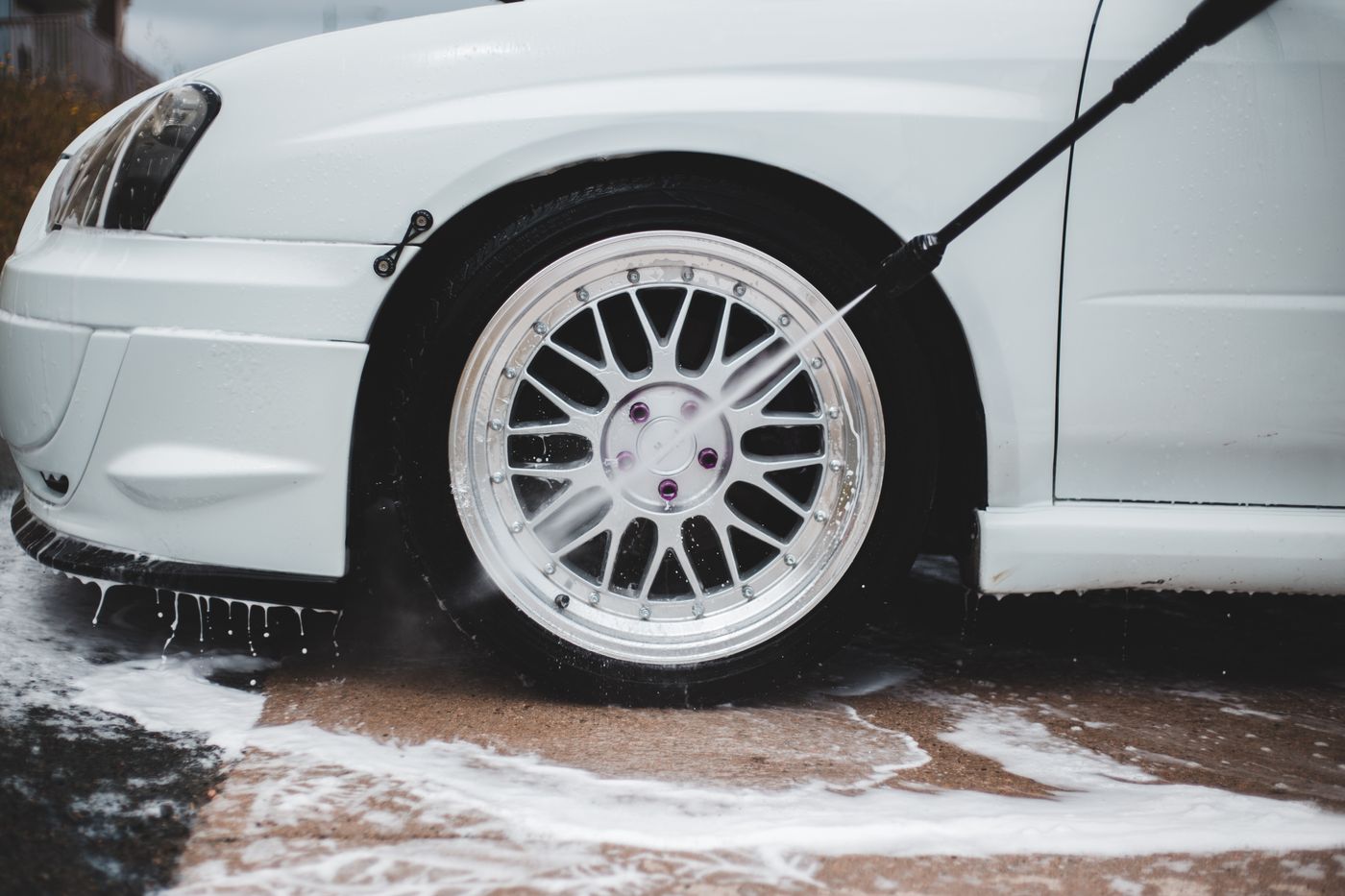
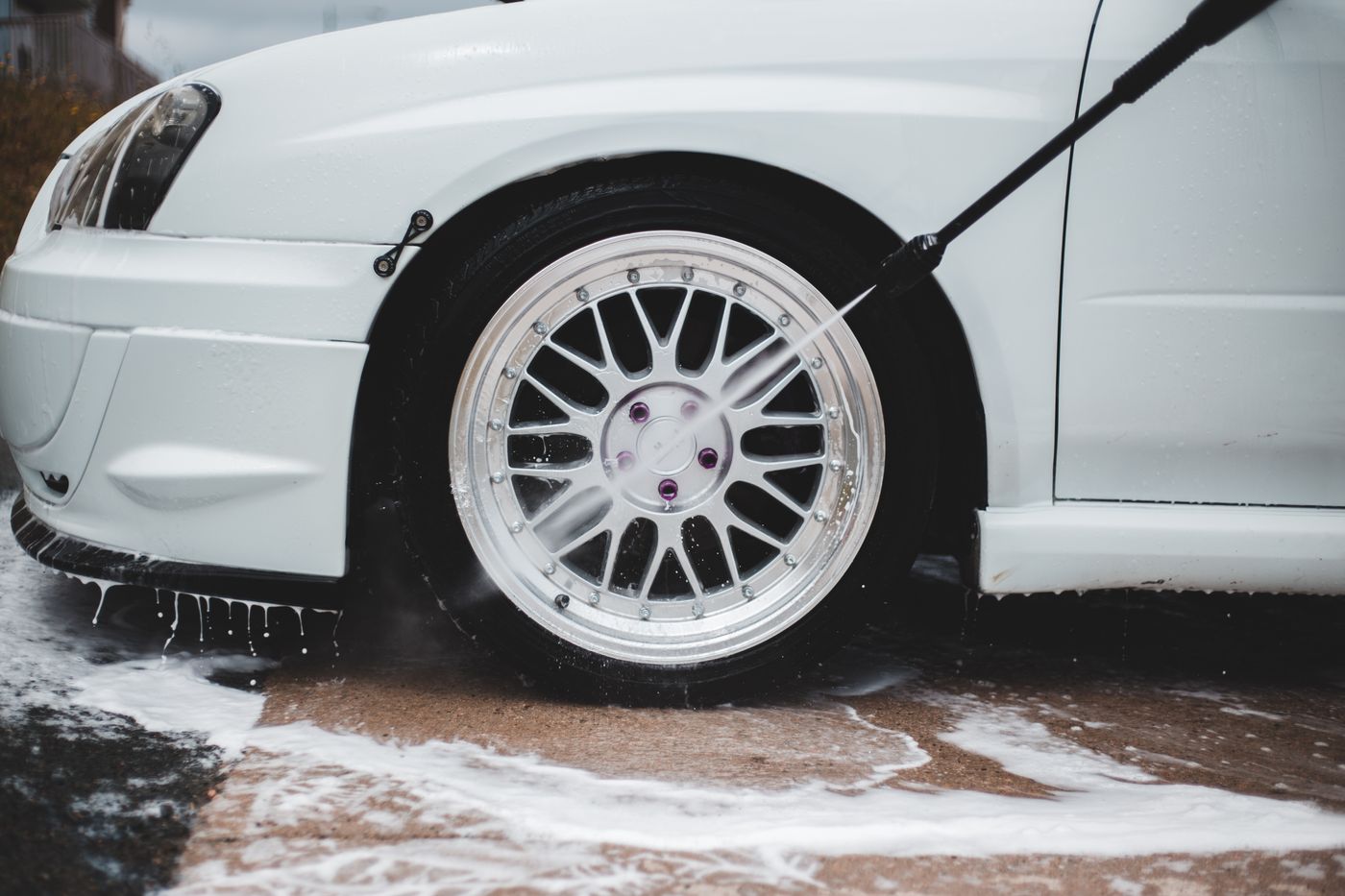
Tier 2: pressure washer. A pressure washer is the machine that turns a wash spot into a business. It forces water through a narrow nozzle at high pressure, so it strips mud, undercarriage grime, and engine-bay dirt in a fraction of the time, using a directed jet instead of a running hose. Cars move through the bay faster, the finish is visibly better, and matatu and lorry work becomes possible. Buy a commercial-duty unit, not a light domestic one: a machine washing twenty cars a day, six days a week, lives a hard life, and burnt-out motors are the classic false economy. Pair it with a storage tank so the pump feeds from steady, clean water. You will find pressure washers and compressors in our workshop and industrial tools range.
Tier 3: the full-service bay. Add a vacuum cleaner for interiors, an air compressor for blowing out dashboards and drying crevices, foam equipment, and shade for waiting customers, and you are no longer selling a wash: you are selling valet service at valet prices. Each addition is a new item on the price board, which is exactly how this business grows.
Water: Sourcing, Storage and the Cost per Car
Water is to a car wash what feed is to a fish pond: the recurring input that quietly decides your margin. Treat it as a number, not a background detail.
Do the simple sum for your own site. Estimate the litres one wash takes with your method, multiply by the cars you expect per day, and price that volume at your actual source cost, whether piped supply, borehole pumping, or bowser delivery. A bucket wash sips water; an open hosepipe gulps it; a pressure washer sits usefully in between, because the jet does the work rather than the volume. That per-car water cost belongs inside your price, not as a surprise at month end.
Storage is what makes the supply reliable. Town water in Kenya is often rationed to certain days, and a wash that closes whenever the taps go dry trains its customers to go elsewhere. An elevated plastic tank of a few thousand litres smooths out rationing, feeds the pressure washer with clean, steady water, and lets you buy bowser water on your schedule rather than in a panic. We covered sizing, siting, and tank materials in detail in our guide to water storage tanks in Kenya, and the same logic applies here: buy the tank that covers your worst supply gap, then stand it high enough to feed the bay by gravity.
The Pricing Ladder and Daily Throughput
Car wash pricing in Kenya is a ladder, and every operator near you is using roughly the same one: a basic exterior wash for a saloon at the bottom, bigger vehicles a step up, and labour-heavy services at the top. The exact figures vary by town and plot, so treat the following purely as an illustration of the structure. A saloon body wash might sit around KES 150 to 200, an SUV at 250 to 300, a matatu or lorry at 400 and up, and carpet or seat washing charged per piece on top. Detailing and engine washes can run to several times the basic wash.
Throughput is the other half of revenue, and it is where the process in your bay matters. Walk a typical customer through the flow: they arrive and queue, the car is foamed and washed, rinsed and dried, then vacuumed while the customer pays. Two washers working one bay might finish a saloon in half an hour; the same pair with a pressure washer, a vacuum, and a drying station can turn cars considerably faster, and speed is capacity, and capacity is revenue.
Now put the two together in a worked example, with deliberately round numbers. Fifteen cars a day at an average of KES 200 is 3,000 a day, roughly 78,000 a month over 26 working days. Move to twenty-two cars a day at an average of 250, because the pressure washer speeds the bay and add-ons lift the ticket, and the month is nearer 143,000. The equipment did not change the price of a wash much; it changed how many washes and which washes you could sell.
Staffing: Pay for Cars, Not for Hours
Most Kenyan car washes pay washers a commission per vehicle, a share of each wash, rather than a fixed daily wage. This matches your labour cost to your revenue automatically: a quiet Tuesday costs you little, and a roaring Saturday pays everyone well. Agree the split clearly, post it, and pay it the same day; nothing empties a wash of good workers faster than murky money.
Quality control is your job, not the customer's. Set a standard finish, wheel arches, sills, mirrors, mats, and inspect every car before handover. One streaky bonnet costs you a weekly customer who was worth thousands of shillings a year, and word of a careless wash travels through an estate faster than any promotion.
Waste Water: Handle It Before It Handles You
Every litre you spray ends up on the ground carrying soap, oil, and mud, and how you manage it decides whether the county, your landlord, and your neighbours let you keep operating. The workable answers are simple: grade the bay so water runs to one point, pass it through a settling pit that traps sand and sludge before the water soaks away or joins a drain, and scoop the pit regularly. Where an oil trap is required, it is a shallow chamber that floats oil off the top before discharge.
Do this from the start, in general accordance with what your county's public health and environment officers ask of car washes. Retrofitting drainage under an operating bay is miserable, and a wash that floods the neighbouring plot collects complaints that end up at the licensing office.
Add-On Revenue: Where the Margin Lives
The basic exterior wash is your traffic generator, but it is also the most price-competed service on the plot. The businesses that thrive stack higher-margin services on top of the same customer visit.
Interior work is the first step: vacuuming, dashboard cleaning, and seat wiping turn a body wash into a full wash at a meaningfully higher ticket for a few minutes of extra labour. Engine washing, done carefully with a controlled jet and degreaser, commands a premium because most owners will not attempt it themselves. Carpet and seat washing deserves special mention: household carpets brought in on weekends are pure add-on revenue that uses your water, your slab, and your quiet hours, and many washes build a whole Saturday trade on it. Waxing and polishing sit at the top of the board for the customers who care.
Common Failure Modes, and Honest Payback Thinking
Car washes rarely fail for exotic reasons. The same handful of mistakes repeats. Rent agreed in the excitement of opening that the slow months cannot carry. A site with no water plan, so the business closes every time the taps do. A domestic pressure washer worked like a commercial one until it dies mid-Saturday. Nobody watching the cash box, so takings leak between the customer's hand and the owner's pocket. And undifferentiated pricing, matching the wash next door downwards instead of selling a visibly better finish and interior add-ons upwards.
On payback, resist the urge to believe a neat number. Instead, build your own: write down your total setup cost, then your honest monthly surplus after rent, water, commissions, power, and supplies, using the low season, not the best week, as your baseline. Dividing setup cost by that surplus gives the months to recover your capital; if that answer only looks acceptable in your most optimistic scenario, change the plan, not the spreadsheet. The businesses that pay back fastest are usually the ones that started a tier lower than their ambition and upgraded from revenue. The same discipline runs through our guide to the posho mill business in Kenya, and it holds for any equipment-based hustle.
Key Takeaways
- Site beats equipment: pick a plot where vehicles can stop, water is reachable, drainage works, and county permits are clear.
- Enter at your capital's tier: bucket and a carwash knapsack sprayer from about KES 8,500, then a commercial-duty pressure washer, then vacuum, compressor, and foam.
- Cost your water per car and store several days' supply in an elevated tank so rationing never closes your gate.
- Price on a ladder, from a saloon body wash up through SUVs, matatus, interiors, engine washes, and carpet cleaning, and always offer the next rung.
- Pay washers per car, inspect every vehicle before handover, and control the cash.
- Grade the bay, settle and trap waste water, and stay on good terms with county health officers and neighbours.
- Judge payback on low-season numbers, and buy the next machine from revenue once the queue proves demand.
Frequently Asked Questions
How much does it cost to start a car wash in Kenya?
It depends on the tier you enter at. A bucket-and-knapsack start needs little more than washing supplies and a sprayer, listed from KES 8,500 in our catalogue, while a pressure washer bay adds the machine, a storage tank, piping, and paving, and a full-service setup adds a vacuum and compressor. Message us on WhatsApp at wa.me/254716961018 for current prices on each item, or ask for our price list.
Can I really start with just a knapsack sprayer?
Yes, and many operators do. A carwash knapsack sprayer gives you a directed spray with no power source, so two workers can wash cars anywhere there is water. It is slower than a pressure washer and works harder on caked mud, so treat it as your proof-of-demand stage: when the queue is steady, upgrade.
Do I need a licence to run a car wash in Kenya?
Expect to need a single business permit from your county government, and be prepared to answer public health and environmental questions about your waste water. Requirements and fees vary by county, so confirm the specifics at your county's licensing office before committing to a plot.
Which pressure washer should I buy for a car wash?
Buy a commercial-duty unit rather than a light domestic machine. A wash-bay unit runs for hours daily, six days a week, and domestic washers burn out under that load. Feed it from a storage tank with clean water, and match the unit to your power supply. Our team can help you spec one from the workshop and industrial tools range.
How much water does a car wash use in a day?
It depends on your method and your car count, which is why you should measure your own number: litres per wash multiplied by cars per day. A bucket wash uses the least, an open hosepipe the most, and a pressure washer sits in between because the jet does the work. Store several days of that daily volume in a tank so supply interruptions never stop the business.