At seven in the morning the first customer is already waiting: a mother with a 20 litre tin of maize, who needs flour before the children come home for lunch. By ten there are six people in the queue, a boda rider with two sacks from a farm up the road, and a neighbour asking why the dust is landing on her washing. By evening the miller has to know how much he ground, how much he earned, whether the screen is wearing and whether the county inspector who passed by will be back.
That is a posho mill business. Buying the machine is a single decision; running the mill is thousands of small ones, every day. Our posho mill business guide covers choosing a mill and a supplier, and our guide to posho mill power options covers mains, diesel and solar. This guide is the operating manual that comes after: setting out the site so work flows, the licences and inspections to prepare for, and the daily, weekly and seasonal routine that keeps customers coming back.
Lay Out the Site So the Work Flows
A good mill site moves grain in one direction: in from the road, onto the scale, into the hopper, out as flour, onto the scale again, and back to the customer, without people crossing each other's path with full basins. A poor layout creates a crowd at the hopper, spilt flour, arguments over whose tin is whose and dust everywhere.
Put a bench for waiting customers near the entrance, out of the dust. Set an intake table with the scale beside it, so every load is checked and weighed before it goes near the mill. Keep the area around the motor or engine, belts and pulleys fenced or guarded, so no customer or child can wander into it. Give bran its own bin. If you can, use a separate exit so people leaving with flour do not push past people arriving with grain.
Dust and noise are the two things that turn neighbours into complainants. Fit the mill's cyclone or dust bag properly, keep doors and windows arranged so dust does not blow onto homes, and run within the hours your county expects. Kenya's noise and vibration regulations of 2009 prohibit unreasonable noise, and NEMA notes that county governments enforce them; ask your county what applies to your area.
Licences and Inspections to Prepare For
Requirements vary by county and by what you do, so treat this as a list of questions to take to your county offices, not a final answer. Get the answers in writing, and keep copies of every licence and receipt on the wall or in a file at the mill.
Business permit. Expect to need a county single business permit, renewed each year, and to register the business name.
Public health. A mill handles food, so county public health officers may inspect the premises for cleanliness, water, toilets, waste and pest control. Many counties require food handlers to hold a food handler's medical certificate, issued after a medical examination, and to renew it periodically. Ask your county public health office what applies to a toll mill.
Weights and measures. If you charge by weight, your scale is a trade instrument. Counties run weights and measures verification under the Weights and Measures Act (Cap 513): traders present their scales for testing and stamping, and a verification certificate is issued once the scale passes. A verified scale also settles arguments with customers. Our guide to farm weighing scales explains choosing one.
Packaged flour. Grinding a customer's own grain for a fee (toll milling) is different from buying maize, milling it and selling packaged flour under your own name. Kenya made fortification of packaged maize flour mandatory under 2012 legislation, and packaged flour is expected to meet KEBS standards, including limits on aflatoxin. If you plan to sell your own flour, talk to KEBS and your county before you start.
Fire and safety. Flour dust can burn. Keep a fire extinguisher at the mill, keep fuel for a diesel engine stored safely away from the mill and from customers, and keep electrical work done by a qualified electrician.
The Daily Routine
Mills that run well follow the same routine every day. It does not need to be complicated, but it needs to be done every day, by whoever is on duty.
Before opening
Check engine oil and fuel, or the power supply and switchgear. Look at belt tension and condition, the screen or plates, and the bearings for heat or noise from yesterday. Make sure every guard is in place. Brush out the hopper and the outlet so yesterday's leftovers do not end up in the first customer's flour.
Receiving each load
Look at, smell and feel every load before you accept it. Damp, mouldy, discoloured or musty grain is a risk to the customer and to your reputation. Aflatoxins, poisons made by moulds on maize stored damp, are not destroyed by milling, and KEBS has suspended maize flour brands for exceeding the Kenyan limit. Explain politely to a customer why grain is unsafe and advise drying or discarding it; our guides to grain drying and moisture and post-harvest grain storage are worth sharing with farmers. Ask whether the grain has been treated with storage chemicals; treated grain meant for planting should never be milled for food.
Weigh the grain, give the customer a numbered tag or slip, and write the number, weight and name in the book. Then mill in tag order. A visible order stops arguments in a busy queue.
Milling and handing back
Feed the hopper steadily; overloading slows the motor and heats the mill. Use the right screen for the flour customers want, finer for sifted flour and coarser for whole meal; our guide to hammer mill screens explains the choice. Weigh the flour out, show the customer the weight, and hand back the bran if they want it. Customers trust a mill that weighs in and out in front of them.
At closing
Switch off and isolate the machine before cleaning. Brush out the mill and sweep the floor, and remove flour and bran residues that attract rats and insects. Total the day's kilos and cash in the book, note any faults, and lock up the store and the engine or switchboard.
Weekly and Monthly Maintenance
Wear parts decide how fast and how well the mill grinds. Rotate or replace hammers and screens as they wear, and keep a spare set, because a mill waiting for parts earns nothing. Grease bearings as the maker recommends and listen for rumbling. Check belts and pulleys for alignment and wear; our guide to belt drives, pulleys and bearings covers the checks. For a diesel engine, follow the service schedule for oil, filters and injectors, and keep a service record.
Once a month, look at the numbers in your book. Kilos per day show whether business is growing. Fuel or electricity per kilo shows whether the machine is wearing or being overloaded. A sudden rise in cost per kilo is usually a blunt hammer or a worn screen.
Plan Around the Seasons
Milling demand follows harvests and household budgets. In much of the country, late October and November bring the short rains, and in some areas the long rains maize harvest is coming into store, so expect damp grain at the intake table and check moisture with extra care. December brings festive demand and visitors. January brings the school fees squeeze, when households buy carefully and value a fair, honest mill. Stock spare parts and fuel before the busy weeks, and consider extended hours when the queue justifies it.
Your Posho Mill Operating Checklist
| Area | Check |
|---|---|
| Layout | One-way flow; waiting bench; intake table and scale; guarded motor area; bran bin |
| Licences | Business permit; public health and food handler requirements; verified scale; KEBS if selling packaged flour |
| Neighbours | Dust bag fitted; agreed hours; county noise rules checked |
| Intake | Every load inspected for damp, mould and treatment; weighed and tagged |
| Milling | Right screen; steady feed; flour weighed out in front of the customer |
| Closing | Machine isolated and cleaned; floor swept; totals and cash recorded |
| Maintenance | Spare hammers, screens and belts; greasing; engine service log |
Milling Equipment to Look At
Prices change, so we do not print them here. See each product page or the Fuga price list for current prices and stock.
| Item | Use at the mill |
|---|---|
| Electric Posho Mill | Toll milling where mains power is reliable |
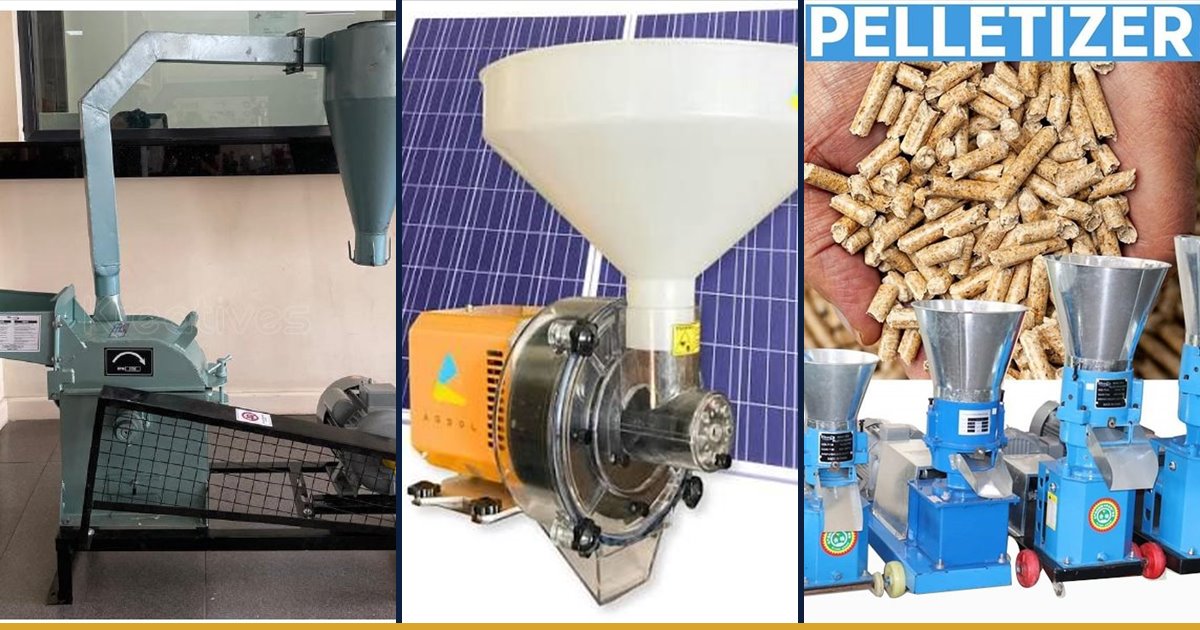
| Agsol hammer miller | Higher throughput milling of grain |
| Digital weighing scale | Weighing grain in and flour out |
| 500kg crane scale | Weighing full sacks |
| Generators | Backup during outages, sized to the motor |
Lay the site out so work flows one way, sort your licences before the inspector calls, inspect and weigh every load, and keep the routine every day. For mills, scales and backup power, see our machinery range, or WhatsApp 0716 961 018 to talk through your site and the volumes you expect.
Key Takeaways
- Lay the mill out so grain flows one way, from intake table and scale to hopper to flour out, with the motor area guarded.
- Confirm in writing with your county: business permit, public health and food handler requirements, and noise rules.
- If you charge by weight, have your scale verified and stamped under the Weights and Measures Act.
- Selling your own packaged flour brings fortification and KEBS requirements that toll milling may not; check before you start.
- Inspect every load for damp, mould and seed treatment, then weigh, tag and mill in order, weighing flour out in front of the customer.
- Isolate and clean the machine at closing, keep spare hammers, screens and belts, and track cost per kilo in a daily book.
Frequently Asked Questions
What licences do I need to run a posho mill in Kenya?
Expect a county single business permit and business registration, plus public health requirements for a food premises, which in many counties include food handler medical certificates. A scale used for charging by weight should be verified under the Weights and Measures Act. Requirements vary by county, so confirm them in writing before opening.
Do I need to fortify flour at my posho mill?
Kenya made fortification of packaged maize flour mandatory under 2012 legislation, and packaged flour is expected to meet KEBS standards. Toll milling of a customer's own grain is different from selling your own packaged flour. If you plan to sell flour under your own name, talk to KEBS and your county first.
Should a posho mill refuse mouldy maize?
Yes. Milling does not destroy aflatoxins, the poisons produced by moulds on damp maize, so mouldy or musty grain is a health risk to the customer's family. Explain why politely and advise drying or discarding it. Never mill grain treated with chemicals for planting or storage that is not meant for food.
How often should I change the hammers and screen on a posho mill?
It depends on the volume milled and the grain. Check them weekly, rotate or replace hammers as they wear, and replace screens when holes are enlarged or torn. A rise in fuel or power used per kilo is often the first sign of worn hammers or a worn screen.