Two women reach the same market on the same morning, each carrying roughly the same number of eggs from roughly the same kind of flock. By midday one of them has walked home with noticeably more money than the other. The eggs were not better birds, better feed or better luck. The difference happened in the hour between the nest and the crate.
For a small egg producer, the gap between a good price and a poor one is rarely about how many hens you keep. It is about what a buyer sees and trusts when your tray is set down in front of them: whether a cracked egg was caught before it reached their hand, whether the tray reads as one clean, sorted product or as a muddy jumble of big and small.
This guide walks that whole short journey. Candling out the eggs that will lose you a customer, sizing so a tray reads as one thing, cleaning without stripping the shell's own defence, packing that survives a boda ride, and holding freshness with a cool chain you can build cheaply. Every step here is something you can start on your next collection with the flock you already own.
Why Presentation Decides the Price of an Egg
A buyer cannot see inside an egg, so they buy on signals. A tray that is uniform in size, clean and free of visible cracks tells the buyer that whoever produced it sorts carefully, which in turn suggests the contents are sound and fresh. Consistency is a promise the buyer can see before they have cracked a single shell.
The reverse is just as powerful. One rotten or bloody egg discovered at home does far more damage than a slightly higher price ever would, because it breaks trust with a repeat customer, and repeat customers are where a small egg enterprise actually earns its living.
So presentation is not decoration. It is risk reduction for the buyer, and buyers pay to lower their risk. A hotel kitchen, a kibanda selling boiled eggs, a duka owner: each of them loses money on a bad egg and loses time sorting a mixed tray. Hand them a tray that is already graded, clean and reliable, and you have taken work and worry out of their day. That is worth a better price and, more valuable still, a standing order.
You are selling confidence, not just eggs. The buyer is paying for the certainty that every egg in the tray is worth cracking. Grade for that certainty and the price tends to follow it.
Candling: Reading the Inside of an Egg Without Breaking It
Candling means holding an egg against a bright, focused light in a dark space so the light passes through the shell and reveals what is inside. The name comes from the candle once used for the job; today a small LED torch, a phone torch shone through a cardboard tube, or a purpose-made candler all do it better and safer.
What you are looking for, roughly in the order it matters, is this. Cracks come first: hairline and star cracks that the eye misses in daylight glow as bright lines under the torch. A cracked egg is spoilage waiting to happen and an open door for bacteria, so pull it for the kitchen rather than the market. Blood spots and meat spots show as small dark specks floating inside, caused by a tiny rupture or a fleck of tissue at laying. They are harmless to eat but off-putting to a buyer who cracks one open, so keep them out of your premium trays.
Then read the air cell, the small pocket at the blunt end: small and still means a fresh egg, while a large or wobbling cell means age or rough handling. Finally, a very cloudy interior or a dark ring can mean an old egg or one that has begun to spoil, and those come straight out of the batch.
The method is simple once your wrist learns it. Work in a dark room or after dusk, hold the egg at a slight angle with the blunt end to the light, and turn it with a quick twist so the contents move and betray any crack or spot. A few seconds an egg is enough once your eye is trained.
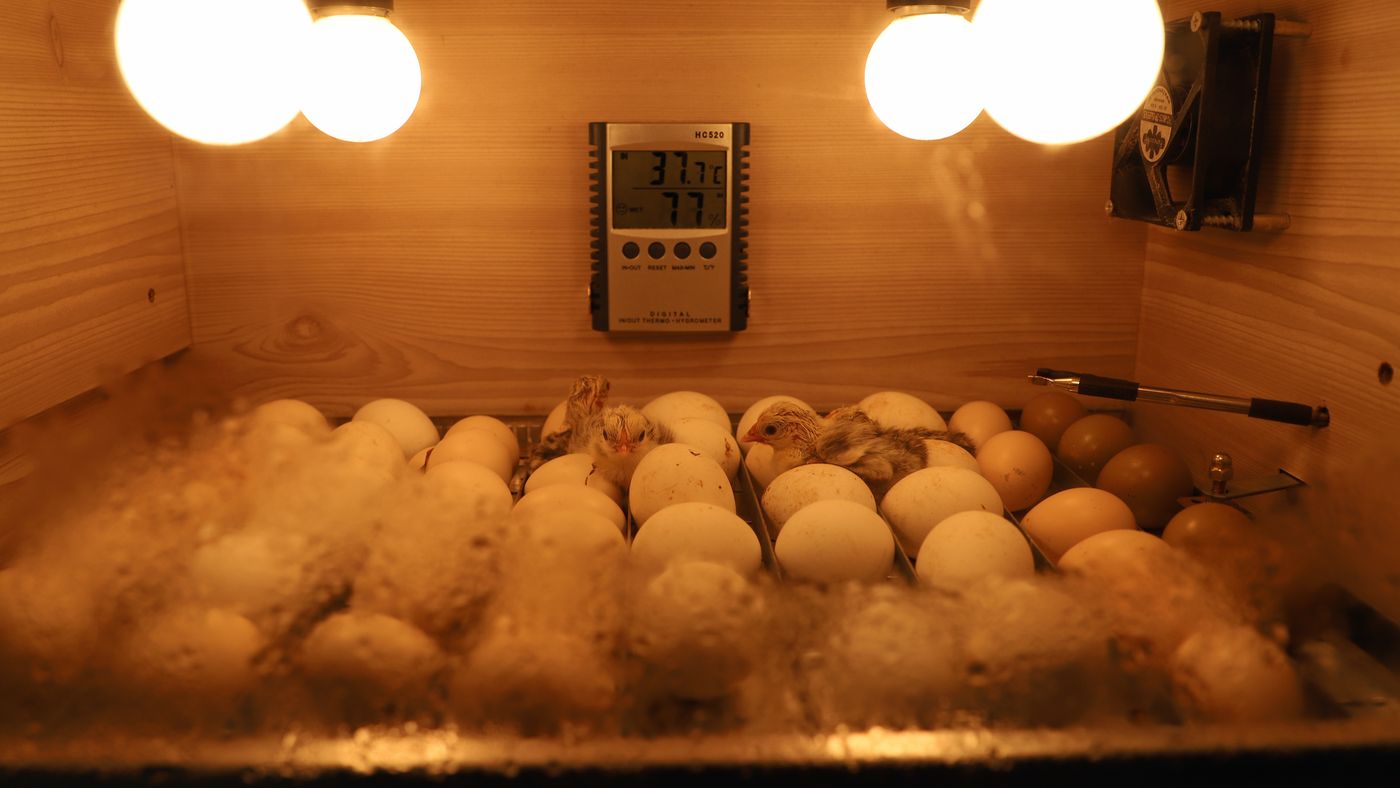
You do not need to candle every table egg forever. Candle a sample from each collection so you know your own flock, and candle every single egg when you are building a premium tray or supplying a buyer who will remember a bad one. If you sell fertile eggs for hatching, candling matters even more, both before you set them and partway through incubation. Our guide to choosing an egg incubator and our walk-through on why eggs fail to hatch and how to diagnose it both cover that side in depth.
One bad egg is not one egg. A single blood spot or hairline crack found by a customer costs you that customer, not just the shilling on the shell. Candling is the cheapest insurance a small producer can buy for a reputation.
Sizing and Grading: Turning a Mixed Basket into Sorted Trays
Two trays can hold the same number of eggs and sell for very different money if one is uniform and the other is a jumble of large and small. Uniformity is exactly what separates a graded product from a farm basket.
Grade primarily by weight, because weight is what size categories really measure and what a scale can tell you honestly. A simple kitchen scale, or an inexpensive egg-grading balance, lets you sort into consistent bands. Even a rough three-way split into small, medium and large transforms how a tray reads to a buyer.
Why does uniformity pay so well? Because buyers price a tray on its worst-looking egg. A single small egg sitting among thirty large ones makes the whole tray look like mixed seconds, and the buyer quietly discounts all of them. Move the odd sizes into their own trays and each tray now sells as precisely what it is, at the price that grade deserves.
Keep an honest seconds tray as well: the very small eggs, the odd shapes, the thin or rough shells, and anything candling flagged that is still perfectly edible. Sell these as a clearly cheaper line for immediate eating rather than smuggling them into your main trays and dragging the whole price down. Being open about seconds is what protects the premium on your firsts. Where you get a run of double-yolk or jumbo eggs, they can even become a small premium line of their own for a buyer who wants them, instead of vanishing unnoticed into a standard tray.
Cleaning Without Washing Off the Cuticle
This is the step most small producers get wrong, and it repays understanding the mechanism rather than memorising a rule.
A freshly laid egg arrives wearing a thin natural coating called the cuticle, or bloom. That layer seals the thousands of microscopic pores in the shell, keeping bacteria out and moisture in. It is the egg's own packaging, applied by the hen, working for free from the moment of lay.
Washing an egg, especially in cool or standing water, strips that cuticle away and can actively draw bacteria in through the pores as the egg's contents cool and contract. A washed egg often looks cleaner and keeps far worse. This is exactly why an unwashed, cool-stored egg holds its freshness longer than a scrubbed one, a point our guide on handling and storing eggs between lay and sale returns to in detail.
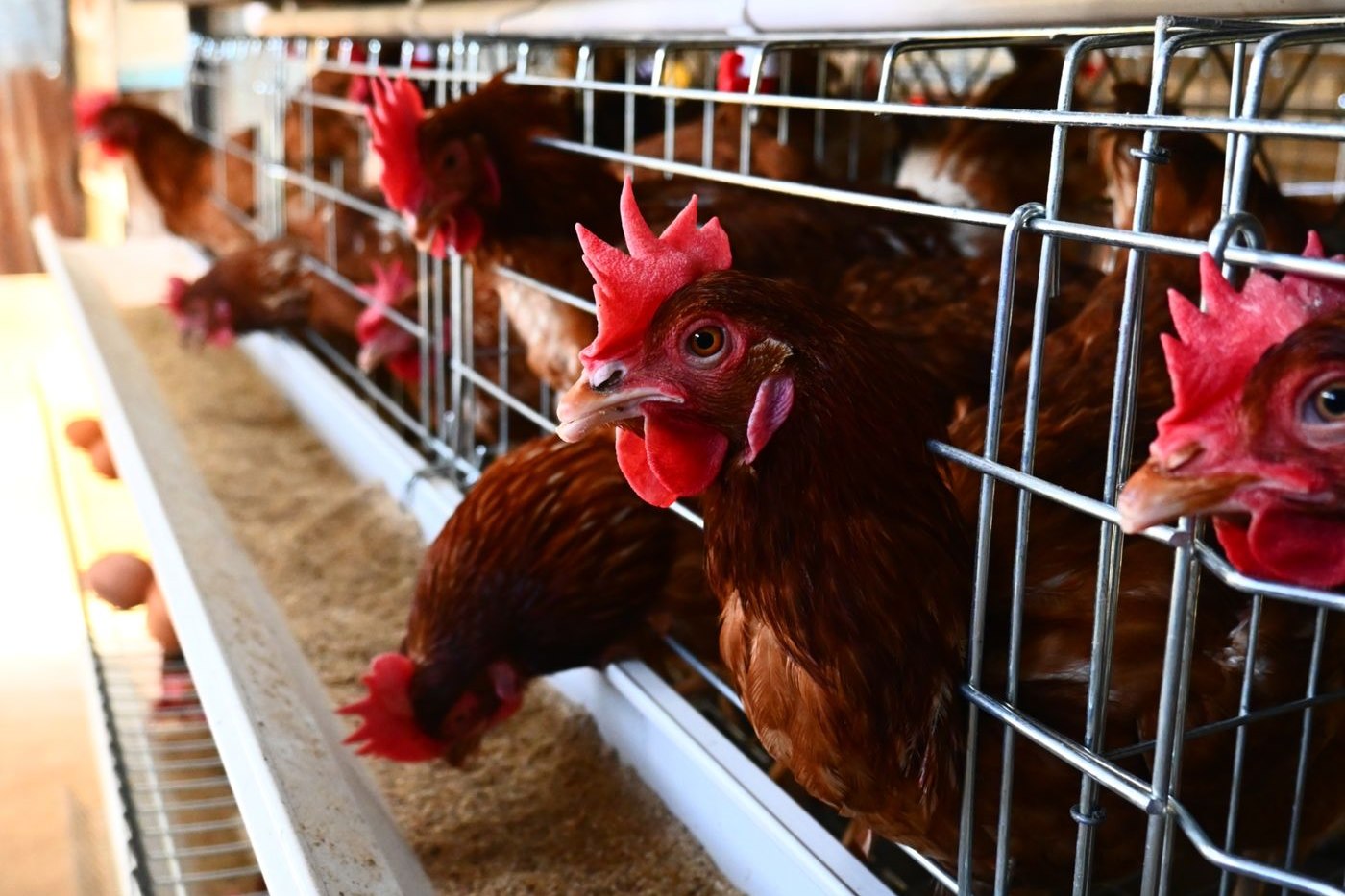
So the real goal is clean nests, not clean water. Work in this order of preference. First, prevent the dirt: collect often, keep nesting boxes bedded and dry, and discourage birds from roosting and dropping in the nests overnight. Clean eggs begin in the coop, not at the sink. Second, dry clean anything lightly soiled with a dry cloth, fine sandpaper or an abrasive sponge, lifting the mark without ever wetting the shell. Third, and only when you must, wash correctly: if an egg is genuinely too dirty to sell dry, wash it in water that is warmer than the egg, never cold, use it quickly, and never stockpile washed eggs. Warm water makes the contents expand and push outward rather than draw dirt and bacteria inward.
Above all, never dunk a whole batch of eggs in a basin of cool water to clean them in one go. That single habit spoils more eggs than almost anything else a small producer does.
The cuticle is packaging the hen already paid for. Wash it off and you pour days of shelf life down the drain. Collect clean, dry clean where you can, and wash only as a last resort in warm water.
Trays, Cartons and Packaging That Protect the Margin
Packaging does two jobs at once: it protects the eggs physically, and it presents them to the buyer. Both feed straight into the price.
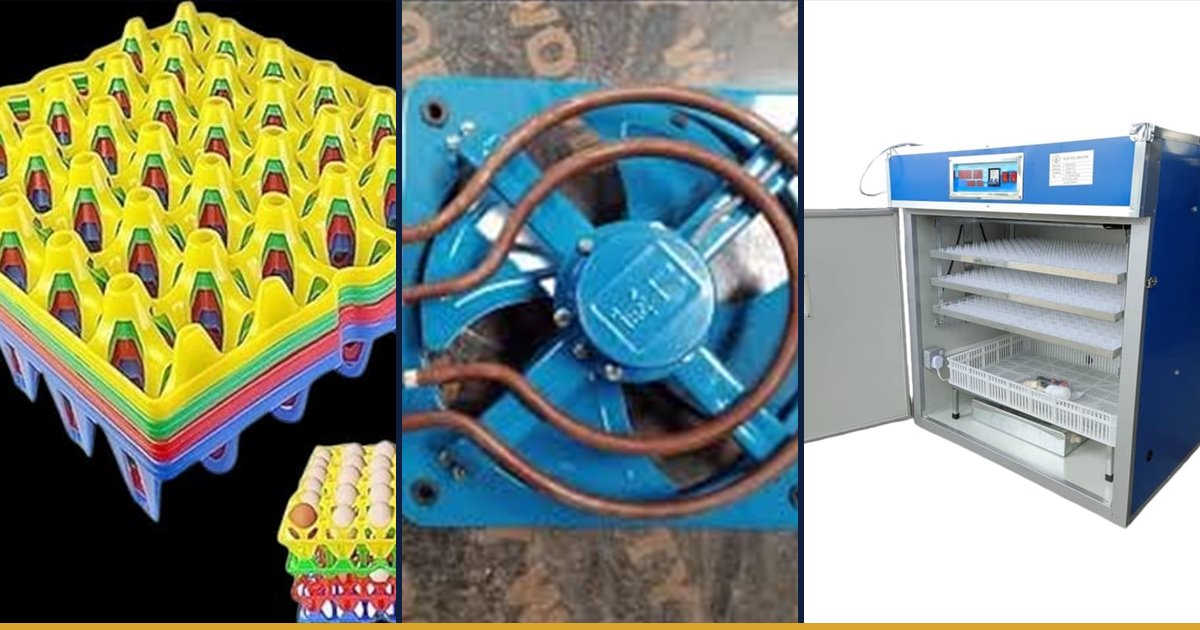
The standard 30-egg tray, the pulp or plastic filler flat, is the workhorse of the Kenyan egg trade, and it is very good at its job. Each egg sits in its own pocket, cushioned from its neighbours, held steady. Stack the trays squarely and they travel well; stack them loose or overloaded and you pay for it in cracks before you reach the buyer.
Set the eggs blunt end up. The air cell sits at the blunt end, and keeping it uppermost holds the yolk centred and the air cell stable, which preserves quality longer and simply looks right to any buyer who knows eggs. Pulp trays breathe, cushion well and cost little; plastic trays wash and reuse and suit a producer building a cleaner, more branded look. For a premium or retail line, a printed carton, or even a simple label carrying your name, a pack date and a phone number, turns an anonymous egg into a product a buyer can ask for again by name. A name on the tray is where a small brand begins.
Do not over-fill a boda or matatu load, because most breakage happens in transport rather than on the farm, and a crack the buyer finds is always worse than one you caught yourself. Load trays flat, strap them down and cushion the top layer. You can see the trays, fillers and related supplies we carry on our price list, and match the packaging to the market you are selling into.
Storage and the Cool Chain: Holding Freshness from Lay to Sale
An egg is at its best the moment it is laid, and it declines from there. How fast it declines is almost entirely a question of temperature. Heat is the enemy, and a cool, steady store is the single cheapest quality tool a small producer has.
Aim for a cool, shaded, well-ventilated room rather than the baking air of an open store or the back of a metal-roofed shed. A fridge is not essential for table eggs that sell within a week or two, and a simple cool room is often better because it avoids the condensation trap described below. What matters is steady coolness, not extreme cold.
Watch humidity and condensation carefully. An egg moved suddenly from a cool store into hot, humid air will sweat, as moisture condenses on the shell, and that film of water helps bacteria cross the cuticle. Move eggs through temperature changes gently, and do not chill eggs you are about to carry straight out into a hot midday market.
Rotate strictly, first in and first out. Mark every tray with its collection date and always sell the oldest first. A cool chain is wasted the moment last week's eggs keep getting pushed behind today's. Keep eggs away from strong smells too, because the shell is porous and eggs stored beside paraffin, onions or fish will pick up the taint. Store them clean, cool and on their own.
How Consistency Lifts the Price a Small Producer Gets
Put the steps together and the pattern is plain. Candling removes the eggs that would break a buyer's trust. Grading makes a tray read as one confident product. Careful cleaning and cool storage keep the egg sound right up to the point of sale. Packaging protects that value through transport and puts your name on it.
None of this needs a large flock or a large budget. It needs a torch, a scale, clean nests, a cool corner, and the discipline to do the same thing on every collection. That discipline is precisely what the buyer is paying a premium for: not a fancier egg, but a reliable one, every single time, with no surprises hidden in the tray.
The real prize is not a few extra shillings on one tray. It is the standing order. A shop, a hotel or a hatchery that learns your trays are always sorted, always clean and never hide a bad egg will come back to you and pay for that certainty. Consistency is what turns a casual seller into a supplier, and a supplier earns more per egg and sells more eggs. Grading is quiet, unglamorous work, and for most small producers it is the fastest money on the farm.
Grade before you grow. Chasing volume adds birds, feed and risk. Improving grade adds price to the eggs you already produce, with the flock and the feed bill you already have. For most small producers, the second is the faster and safer money.
Key Takeaways
- Buyers cannot see inside an egg, so they buy on signals. Clean, uniform, crack-free trays read as low risk, and buyers pay to lower their risk.
- Candle against a bright torch in the dark to catch cracks, blood and meat spots, an ageing air cell and cloudiness before a customer does.
- Grade by weight into consistent trays. A single small egg among large ones makes a buyer discount the whole tray, so sort the odd sizes out.
- Do not wash off the cuticle. Keep nests clean, dry clean light marks, and wash only as a last resort in water warmer than the egg.
- Hold a steady cool chain, pack blunt end up, rotate oldest first, and let consistency win you the standing orders that pay the real premium.
Frequently Asked Questions
Should I wash dirty eggs before I sell them?
Avoid it if you can. Washing removes the cuticle, the egg's natural seal, and can draw bacteria in through the shell, so a washed egg usually keeps worse than an unwashed one. Keep nests clean so eggs stay clean, dry clean any light marks with a cloth or fine sandpaper, and only wash a genuinely filthy egg in water warmer than the egg itself, using it quickly rather than storing it.
What is candling and do I need special equipment?
Candling is shining a bright, focused light through an egg in a dark room to see inside it without breaking it. You do not need special gear to start: a small LED torch, or a phone torch shone through a cardboard tube, works well. A purpose-made candler is faster if you grade in volume. Hold the blunt end to the light, twist the egg, and look for cracks, blood or meat spots, and the size of the air cell.
Do table eggs need a fridge in Kenya?
Not necessarily for eggs sold within a week or two. A cool, shaded, well-ventilated room is usually enough and often better, because it avoids the condensation that forms when a cold egg meets hot market air and helps bacteria cross the shell. What matters is steady coolness and strict rotation, selling the oldest trays first, rather than extreme cold.
Which way up should eggs sit in the tray?
Blunt end up. The air cell sits at the blunt end, and keeping it uppermost holds the yolk centred and the air cell stable, which preserves quality for longer. It also looks right to an experienced buyer, which quietly supports your price.
How does grading actually get me a better price?
Buyers price a tray on its worst egg. A mixed tray of large and small eggs, or one with a hidden crack, reads as seconds and gets discounted as a whole. Sorting by size and candling out the faulty eggs lets each tray sell as exactly what it is, and the reliability wins the repeat buyers and standing orders where the real margin lives.
At Fuga we work with poultry keepers at every scale, from a few dozen layers in the backyard to commercial units. We supply the egg trays, candlers, scales and storage that turn a good flock into a graded, reliable product, and where you are moving into hatching eggs we stock egg incubators in a range of sizes too. Browse our current price list, or bring your questions to any branch and we will help you set up a simple grading and packing routine that pays for itself.