Every incubator sold in Kenya has the same weakness, and it is not the machine. It is the twenty-one days of uninterrupted electricity it needs to do its job. Lose that supply at the wrong moment and you lose the eggs, the three weeks and the chick orders you had already promised.
This page is about solving that. It covers what a solar incubator actually is, why the honest answer for most Kenyan farms is not a solar incubator at all but a solar backup for an ordinary one, and how to size a system that will genuinely carry you through an outage rather than failing an hour into it.
What "Solar Incubator" Usually Means
The term covers two quite different things, and sellers are not always careful about which they mean.
A dual-voltage machine, often labelled AC/DC. This runs from mains electricity or directly from 12-volt direct current, so it can be connected to a battery. When mains is present it runs on mains; when mains fails it draws from the battery. It is genuinely useful and it is what most people should be looking at.
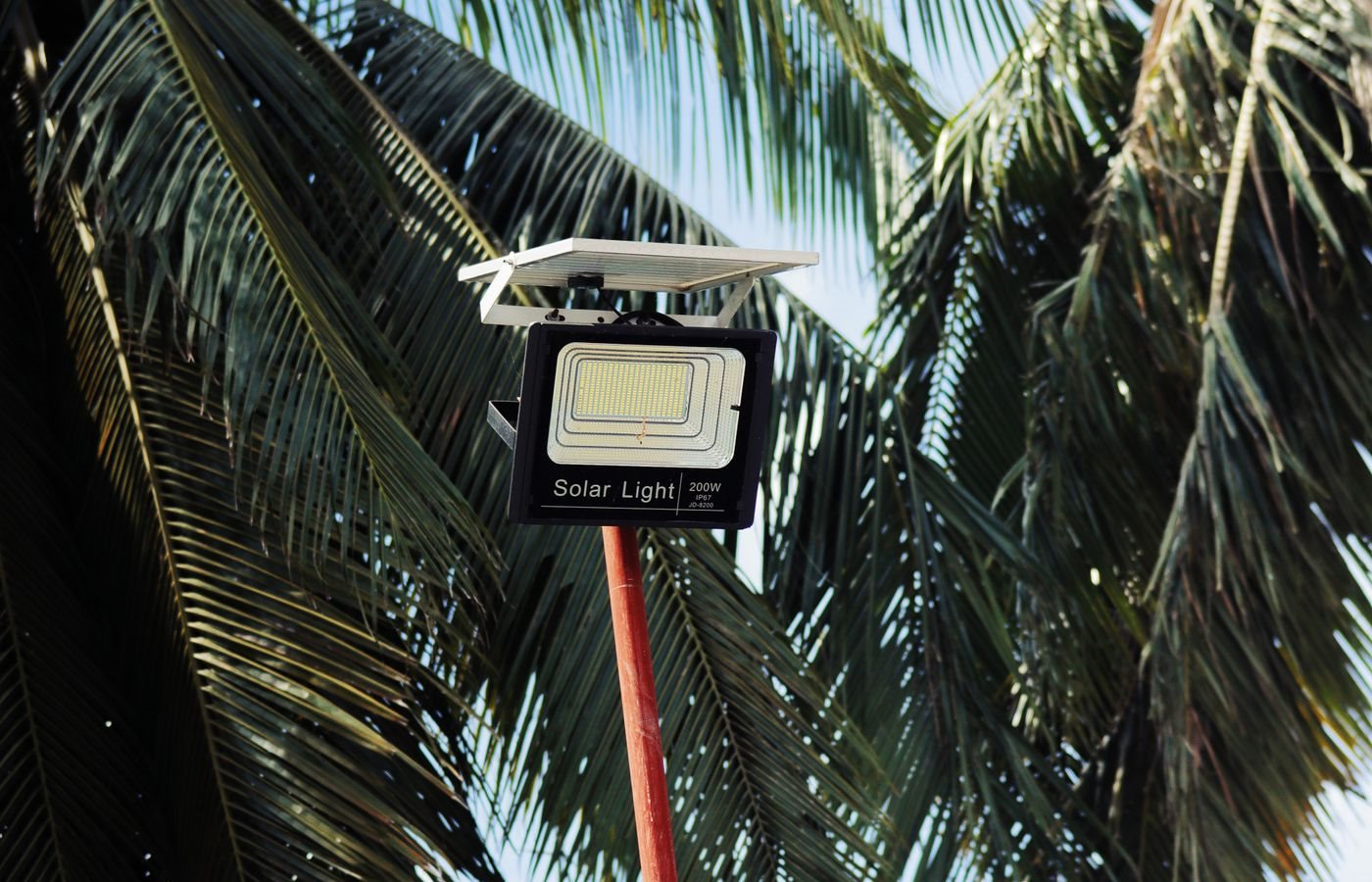
An ordinary mains incubator with a solar power system behind it. Panels charge a battery bank, an inverter converts to mains voltage, and the incubator neither knows nor cares where the power came from. This is not a special incubator at all, and that is the point.
The second approach is usually the better buy, and for a reason worth understanding: it separates the incubator decision from the power decision. You choose the best incubator for your hatching needs, and separately you size power to your outage risk. If either fails or needs upgrading, you replace one and keep the other. A machine that only runs on its own proprietary solar arrangement leaves you with nothing when either half fails.
Why an Incubator Is an Awkward Solar Load
An incubator is not like a lamp or a phone charger, and treating it as one is how people end up with systems that do not work.
It is a heater, and heating uses real power. It also cycles: the element switches on until the cabinet reaches temperature, then off, then on again. The average draw over an hour is much lower than the draw at the moment the element is on, and a system sized on the average will collapse under the peaks.
It runs through the night, which is exactly when there is no sun. This is the crucial point that catches people out. A solar system for an incubator is really a battery system that happens to be recharged by solar. The panels matter, but the battery bank is what actually carries you.
Its load depends on ambient temperature. A machine in a cold Eldoret night works far harder than the same machine in Kanamai, because it is fighting a bigger temperature difference. The same incubator can have very different consumption in different parts of Kenya, and in different seasons.
And it is unforgiving. Most appliances tolerate being switched off. An incubator holding day-ten embryos does not.
Sizing: The Method, Not a Number
We are not going to print a panel and battery specification here, because a figure that is right for a 64-egg machine in Mombasa is wrong for a 528 in Eldoret, and a wrong number in this context costs somebody a batch. Here is the method instead, and we will do the arithmetic with you.
One: measure the actual consumption. Not the sticker rating, which is the peak draw of the element, not what it uses over time. A cheap plug-in energy meter left on the machine for twenty-four hours, in the room where it will live, gives you real watt-hours per day. This is the single most important number and almost nobody has it.
Two: decide the autonomy you need. How long must it run with no mains and no sun? Be honest about your area. If outages of a full day happen, size for a full day, not for the three hours you would prefer to plan for.
Three: size the battery bank from daily consumption times autonomy, then add margin for depth of discharge, since you cannot use the full nameplate capacity of a battery without destroying it, and for inverter losses.
Four: size the panels to replace a day's consumption in the usable sun hours you actually get, allowing for cloudy stretches. A bank that never fully recharges will fail progressively over a week of overcast weather.
Five: size the inverter for the peak draw, not the average, and choose one whose waveform suits the machine's controller and motor.
Our solar equipment range covers panels, batteries, inverters and controllers, and our guide on solar panel sizing and cost goes through the arithmetic in more detail.
The Cheaper Answer Most People Should Consider First
Before spending on solar, spend on thermal mass and insulation, because they cost far less and they extend every hour your battery does buy.
A full incubator holds a lot of warm air, eggs and structure, and it cools slowly. That is why a machine that loses power for two or three hours usually recovers with no harm done, particularly a large well-loaded cabinet. The failures happen over longer outages, and in machines that are small, lightly loaded or in a cold room.
So: keep the incubator in a room with a stable temperature, out of draughts and away from an outside wall or a window. Keep it reasonably full, because a half-empty machine has less thermal mass. During an outage, do not open it, at all, for any reason. Every opening dumps the warmth you are trying to conserve. Insulating the room, or even boxing the machine loosely, buys hours for the cost of nothing.
Do that first, then size backup power for the gap that remains. You will usually find you need a smaller system than you feared.
Is Solar Worth It?
Work it out against what a lost batch costs you rather than against your electricity bill, because saving on the bill is not really the point.
Add up the eggs in one full batch, the three weeks, and the chicks you had committed to customers. Compare that with the cost of a system sized to carry you through a typical outage. For anyone at the 528 level or above, the arithmetic is usually not close, and that is why we say plainly on those pages that backup power should be budgeted at the same time as the machine, not later.
For a small 64-egg machine, a modest inverter and battery is enough and inexpensive. For a commercial hatchery, backup is simply part of the cost of being in the business, and the question is only which form it takes.
Solar makes particular sense where mains is unreliable rather than merely expensive, where you are off-grid entirely, or where you have other loads worth covering at the same time, such as lighting, brooder heating or water pumping. If you are already considering solar for the farm, adding the incubator to that plan is far cheaper than building a separate system for it later.
Talk to Us With Real Numbers
Tell us the incubator model, where in Kenya you are, how long your outages typically last and what else you would want to keep running, and we will size the panels, battery bank and inverter properly. We stock incubators, panels, batteries, inverters and controllers across all six branches, so we can put the whole thing together and tell you honestly if the answer is a smaller system than you expected.
Key Takeaways
- A solar incubator usually means one of two things: a dual voltage AC/DC machine, or an ordinary machine behind a solar power system.
- Separating the incubator decision from the power decision is almost always the better buy.
- An incubator is a cycling heater that runs through the night, so the battery bank carries you, not the panels.
- Measure real consumption with a plug in energy meter over 24 hours. The sticker rating is peak draw, not daily use.
- Insulation, a stable room and a full cabinet buy hours for free, and reduce the system you need to pay for.
- In an outage, keep the machine shut. Embryos tolerate cooling far better than overheating, so never run it hot afterwards.
Frequently Asked Questions
What is a solar egg incubator?
The term covers two different things. One is a dual voltage machine, often labelled AC/DC, which runs from mains or directly from a 12 volt battery. The other is an ordinary mains incubator with panels, a battery bank and an inverter behind it, where the machine neither knows nor cares where the power came from. The second is usually the better buy because it separates the incubator decision from the power decision.
Can I run an egg incubator on solar power in Kenya?
Yes, and it is a sensible answer where mains is unreliable or you are off grid. The important point is that an incubator runs through the night, when there is no sun, so a solar system for an incubator is really a battery system that happens to be recharged by solar. Size the battery bank for the outage length you actually face, then size panels to replace a day's use in the sun hours you really get.
How do I size a solar system for an incubator?
Measure actual daily consumption with a plug in energy meter over 24 hours in the room the machine will live in, because the sticker rating is the element's peak draw rather than daily use. Decide how many hours of autonomy you need. Size the battery bank from consumption times autonomy plus margin for depth of discharge and inverter losses. Size panels to recharge that within your usable sun hours, and size the inverter for peak draw.
What happens to eggs during a power cut?
A full, well loaded cabinet cools slowly and usually survives a few hours with no harm. Longer outages, small machines, lightly loaded machines and cold rooms are where batches are lost. Keep the machine shut, because opening it to check is the most expensive thing you can do. If the outage will be long and you have no backup, cover the machine with a blanket while leaving ventilation clear.
Should I run the incubator hotter after a power cut to catch up?
No. Embryos tolerate cooling far better than overheating, and trying to compensate with extra heat is a reliable way to kill a batch that would otherwise have survived. Return the machine to 37.5 degrees and accept that the hatch may be delayed by a day or so.
Is backup power worth it for a small incubator?
Usually yes, and it does not need to be large. A small machine holds much less thermal mass than a commercial cabinet, so it can lose critical temperature within a couple of hours in a cool room. A modest inverter and battery will carry a small incubator through most Kenyan outages and pays for itself against a single lost batch and the three weeks that went with it.