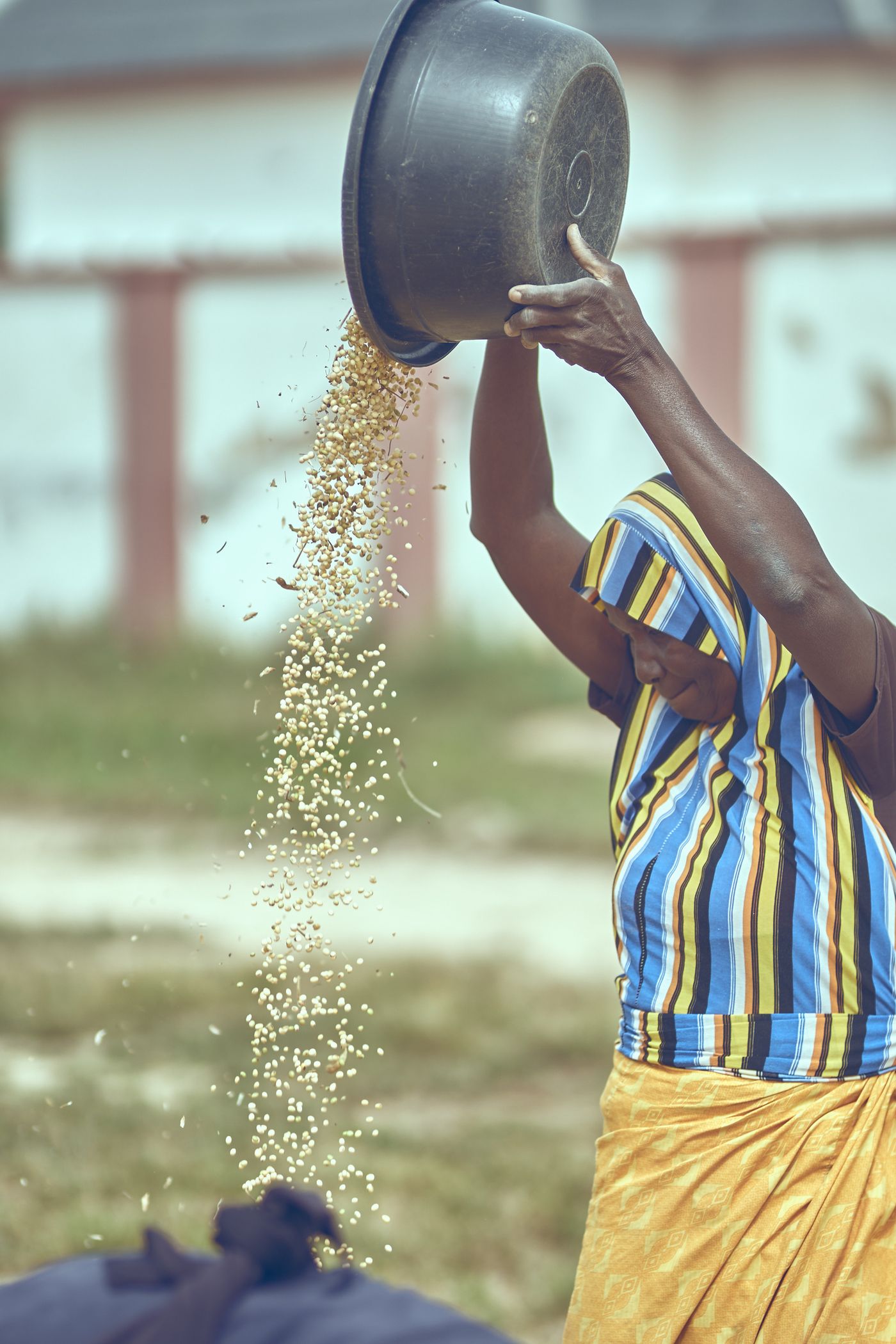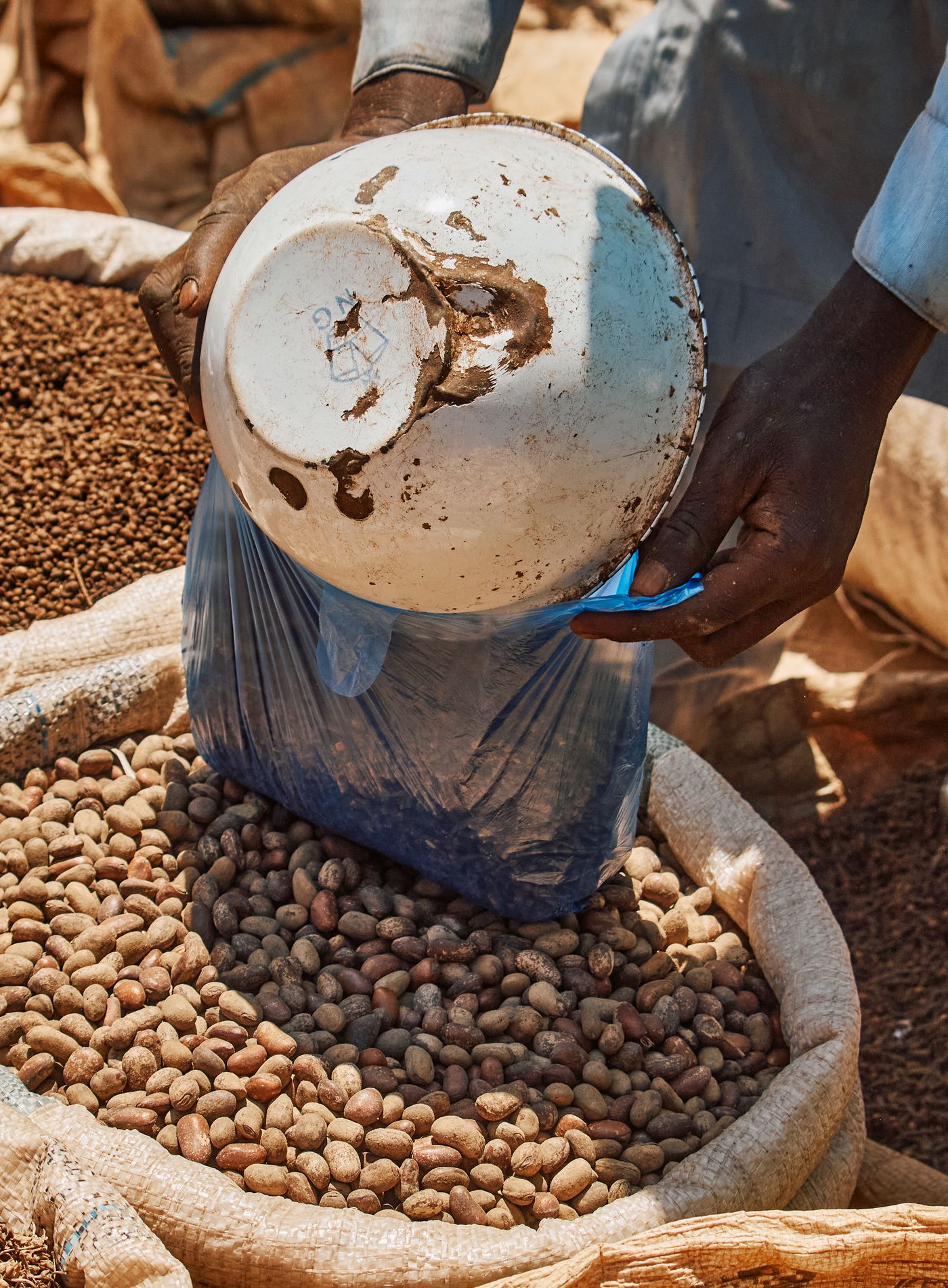
Groundnuts are one of the quiet earners of western Kenya. In Busia, Siaya, Homa Bay, Migori, Kakamega and Bungoma, a plot of groundnuts feeds the household, fills the roadside roasting tins and supplies the traders who buy for peanut butter and snacks. A good crop is worth real money, and unlike maize it needs no posho mill to turn into cash.
Yet groundnuts carry a risk that most crops do not: aflatoxin. The moulds that produce it, mainly Aspergillus flavus, live in the soil and on crop debris, and they move into pods and kernels that are damaged, stressed or slow to dry. Aflatoxin cannot be seen, smelt or cooked away, and the Kenya Bureau of Standards (KEBS) sets legal limits for it in groundnuts and groundnut products. A lot that tests above the limit can be rejected outright, and contaminated nuts are a health hazard for the family that eats them.
The good news is that most aflatoxin problems on the farm start after the crop is mature, in how it is lifted, dried, shelled and stored, and those are steps a farmer controls. This guide covers each one: when to lift, how to dry pods fast and off the ground, how to shell without soaking or damaging kernels, how to sort out the risky nuts, and how to store and weigh a clean crop. Maturity periods and moisture figures vary with variety and season, so confirm them with your seed pack, buyer or county extension officer.
When Are Groundnuts Ready to Lift?
Groundnut pods form underground, so you cannot see them ripening. Varieties grown in Kenya range from short-season types to longer ones, and days to maturity on the seed pack are only a guide. The reliable test is to dig up a few plants from different parts of the field and open the pods.
In a mature pod the kernels are full and plump, the thin seed coat has its full variety colour, and the inside of the shell has darkened, often with brown or black veining. Above ground, the leaves usually start to yellow and drop. When most pods on the sample plants show these signs, the crop is ready. If most kernels are still pale, small and watery, wait and check again in a week.
Lifting late is not a safe default. As the crop over-matures, the pegs that hold the pods to the plant weaken, so pods break off and stay in the soil, and in damp weather some kernels sprout. Pods left in warm, damp soil are exactly where aflatoxin moulds thrive. Late-season drought stress also raises the risk, so in a dry finish do not delay once the crop is ready.
Lifting Without Breaking Pods
Lift when the soil is moist enough to release the plants cleanly. In hard, dry soil, plants snap at the pegs and many pods are left behind, and those pods dug out later are often damaged. Loosen the soil along the row with a jembe or fork a short distance from the plants, then pull each plant up by hand and shake off loose soil. Work carefully: every cracked or bruised pod is an open door for mould.
Collect the pods that break off in the soil, but keep them separate from the main crop. They are more likely to be damaged or immature, and they can be dried, checked and used at home or discarded rather than mixed into the sale lot.
Drying: Fast, Thin and Off the Ground
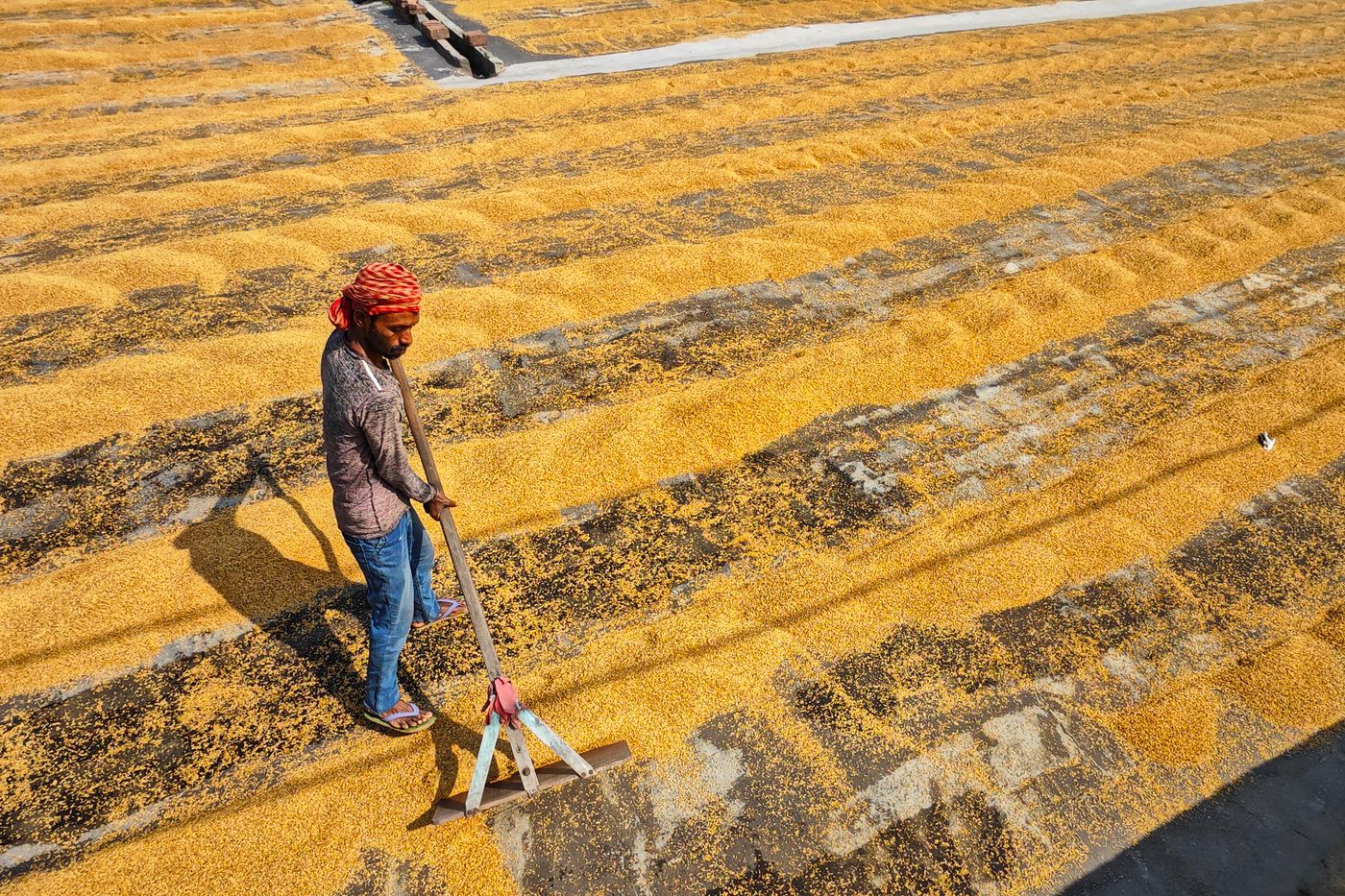
Freshly lifted groundnuts are wet, and the faster they dry, the less time moulds have to grow. Many Kenyan farmers first let the plants wilt for a short time with the pods turned up to the sun, then pick the pods off and dry them separately. Others dry whole plants inverted on racks or in small stooks. Both work, as long as the pods are not piled in thick heaps or left lying on damp soil.
Spread picked pods in a thin layer on tarpaulins, mats or raised drying racks and turn them several times a day. Cover them or bring them under a roof before evening dew and rain; a pile that gets wet at night and is spread again in the morning dries slowly and unevenly. Raised racks and simple solar dryers, covered in our solar dryer guide, help a great deal in a wet spell.
Groundnut kernels are oil rich, so they must go much drier than maize before they are safe. A target often given for safe storage of groundnut kernels is below about 8 percent moisture; confirm the figure your buyer uses. On the farm, well dried pods rattle when shaken, the kernel skin rubs off easily between the fingers, and a kernel snaps cleanly rather than bending. For larger lots, a moisture meter calibrated for groundnuts takes the guesswork out, as our article on grain drying and moisture explains.
Shelling: Never Soak the Pods
Hand shelling is slow, and a common shortcut is to sprinkle or soak dry pods with water so the shells soften and crack more easily. Do not do it. Wetting pods puts water back into the kernels right when they should be at their driest, and kernels that are bagged slightly damp are a perfect place for aflatoxin moulds to grow in storage.
Shell dry pods by hand or with a groundnut sheller, and only as close to sale or use as practical. Groundnuts store better in the shell, because the pod protects the kernel from insects, moisture and handling damage. If you must shell early, dry the kernels again before bagging. Whatever the method, kernels broken or skinned during shelling should be sorted out of the main lot, because they spoil faster.
Sorting: The Single Biggest Step for Safety
Aflatoxin is not spread evenly through a lot. It tends to be concentrated in a minority of nuts: the shrivelled, discoloured, mouldy, insect damaged and broken ones. That is why careful sorting is one of the most effective ways to lower aflatoxin in a lot, and why it is widely recommended in Kenyan and international guidance.
Spread kernels thinly on a tray or clean tarpaulin in good light and remove anything that is shrivelled, discoloured, mouldy, broken, holed or of a different variety. Do the same with pods before shelling if you are selling in the shell. Never feed the rejects to children, and do not feed obviously mouldy nuts to poultry or livestock either; aflatoxin harms animals too. Our guide to storage pests and moulds explains why mouldy feed is a false saving.
Storing Groundnuts Safely
Store only well dried, sorted groundnuts, preferably in the shell. Use clean bags that have not held mouldy grain, and keep them on pallets or timber, off the floor and away from walls, in a cool, dry, shaded and ventilated store. Moisture moving up from a concrete floor or in from a damp wall is enough to restart mould growth in the bottom layer of a bag.
Check the store regularly for insects, rodents, damp patches, musty smells and caking. Clean out old stock and residues before the new crop comes in. Hermetic bags, which cut off oxygen, are widely promoted in Kenya for grain and pulses and are used for groundnuts too, but they only protect a crop that goes in dry; they do not dry nuts that are already damp. If you are unsure whether a bag is hermetic, ask the Fuga team before relying on it, and see our grain storage guide for more on store hygiene.
Keep Good Seed for Next Season
Many groundnut farmers replant their own seed, and the quality of next season starts at this harvest. Choose pods from healthy, vigorous plants in a clean part of the field, dry them carefully, and keep them in the shell until close to planting, because shelled seed loses vigour faster and is easily damaged. Store the seed lot apart from the food lot, clearly labelled, and shell it by hand shortly before planting, discarding any shrivelled, discoloured or broken kernels.
Farm-saved seed is cheap, but it can carry disease and mixes varieties over time. Where certified seed of an improved variety is available from a registered agro-dealer or the county, it is worth renewing your seed every few seasons; a uniform variety also makes a more uniform lot at sale.
Weigh Every Bag
Groundnuts are sold by the tin, the bag and the kilogramme, in the shell and as kernels, and buyers quote prices in all of these. A weighed, tagged bag lets you convert any offer into a per-kilogramme price and compare it honestly. It also tells you how much you have lost to drying and sorting, so you can plan what to keep for seed and home use. A hanging or platform scale checked against a known weight before the season, as described in our weighing scales guide, pays for itself quickly.
Groundnut Post-Harvest Checklist
| Step | Do | Avoid |
|---|---|---|
| Check maturity | Dig and open sample pods from several spots | Lifting by calendar alone |
| Lift | Loosen soil with a jembe, pull gently in moist soil | Pulling from hard soil; leaving pods behind |
| Dry | Thin layers on tarpaulins or racks, covered at night | Heaps on bare ground; night dew and rain |
| Shell | Shell dry pods close to sale or use | Wetting or soaking pods to soften shells |
| Sort | Remove shrivelled, mouldy, broken and holed nuts | Feeding rejects to people or animals |
| Store | Dry, clean bags on pallets in a cool store | Bags on damp floors or against walls |
| Sell | Weigh and tag every bag | Selling by guesswork |
Harvest and Storage Tools, With Prices
These prices are from the Fuga price list at the time of writing; check the site or call a branch for current prices and stock before you travel.
| Item | Stock code | Price |
|---|---|---|
| JEMBE 2.5LB B COCK | 6251 | KSh 280 |
| 50kgs storage bag | 6702 | KSh 250 |
| 100Kgs Storage bag | 6701 | KSh 300 |
| 30KGS WEIGHING SCALE | 6527 | KSh 4,500 |
| 100 KGS WEIGHING SCALE RAM G | 6526 | KSh 6,500 |
| PLASTIC BUCKETS | 6537 | KSh 438 |
Lift on time in moist soil, dry fast and off the ground, never soak pods before shelling, sort out every suspect nut and store dry in clean bags off the floor. For storage bags, a weighing scale and hand tools, visit any Fuga branch in Eldoret, Nairobi or Nakuru, or browse our farm equipment. Growing beans alongside your groundnuts? Our guide to bean harvesting, drying and threshing covers that crop.
Key Takeaways
- Dig and open sample pods from several spots; lift when kernels are full and coloured and the inside of the shell has darkened.
- Lift in moist soil with a jembe and gentle pulling, and keep damaged and broken-off pods apart from the main crop.
- Dry pods fast in thin layers on tarpaulins or racks, covered at night; a target often given for safe kernel storage is below about 8 percent moisture.
- Never wet or soak pods to make shelling easier; it puts water back into the kernels and invites mould.
- Sort out shrivelled, discoloured, mouldy, broken and holed nuts, where aflatoxin tends to concentrate, and do not feed them to people or animals.
- Store dry nuts, preferably in the shell, in clean bags on pallets in a cool store, and weigh and tag every bag.
Frequently Asked Questions
How do I know groundnuts are ready to harvest?
Dig up a few plants from different parts of the field and open the pods. Mature kernels are full and plump with their full skin colour, and the inside of the shell has darkened, often with brown or black veining. The leaves usually start to yellow. The days on the seed pack are only a guide.
What causes aflatoxin in groundnuts?
Aflatoxin is produced by moulds, mainly Aspergillus flavus, that live in soil and crop debris. They move into pods that are damaged, drought stressed, left too long in the ground or dried slowly. Gentle lifting, fast drying off the ground, careful sorting and dry storage are the main farm controls.
How dry should groundnuts be for storage?
Much drier than maize, because the kernels are oil rich. A target often given for safe storage of kernels is below about 8 percent moisture; confirm the figure your buyer uses. Well dried pods rattle, the kernel skin rubs off easily and kernels snap cleanly.
Is it okay to wet groundnut pods before shelling?
No. Wetting or soaking pods softens the shells but puts moisture back into the kernels just before storage, which encourages aflatoxin moulds. Shell dry pods by hand or with a sheller, and shell as close to sale or use as practical.
Should I store groundnuts in the shell or as kernels?
In the shell where possible. The pod protects the kernel from insects, moisture and handling damage. Shell close to the time of sale or use, and if you must shell early, dry the kernels again before bagging.