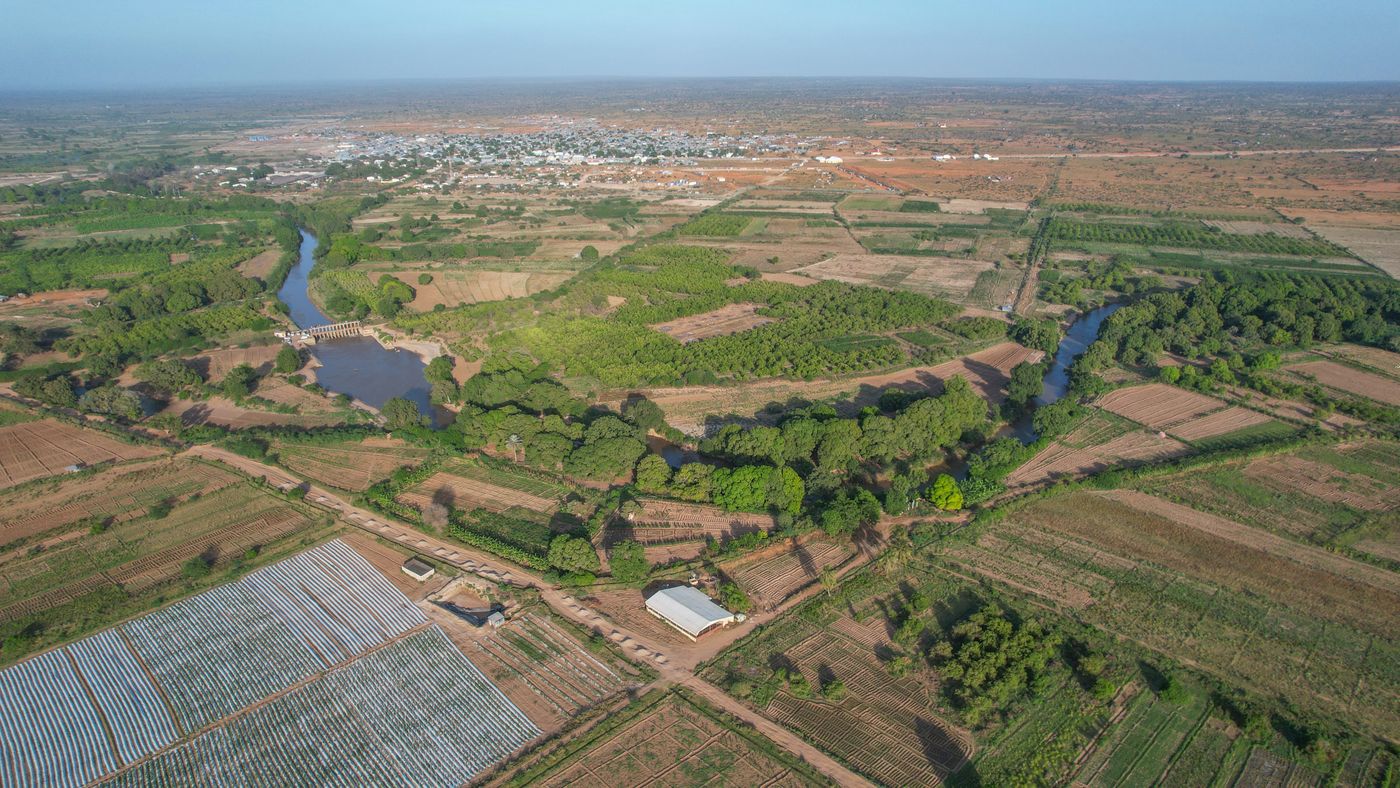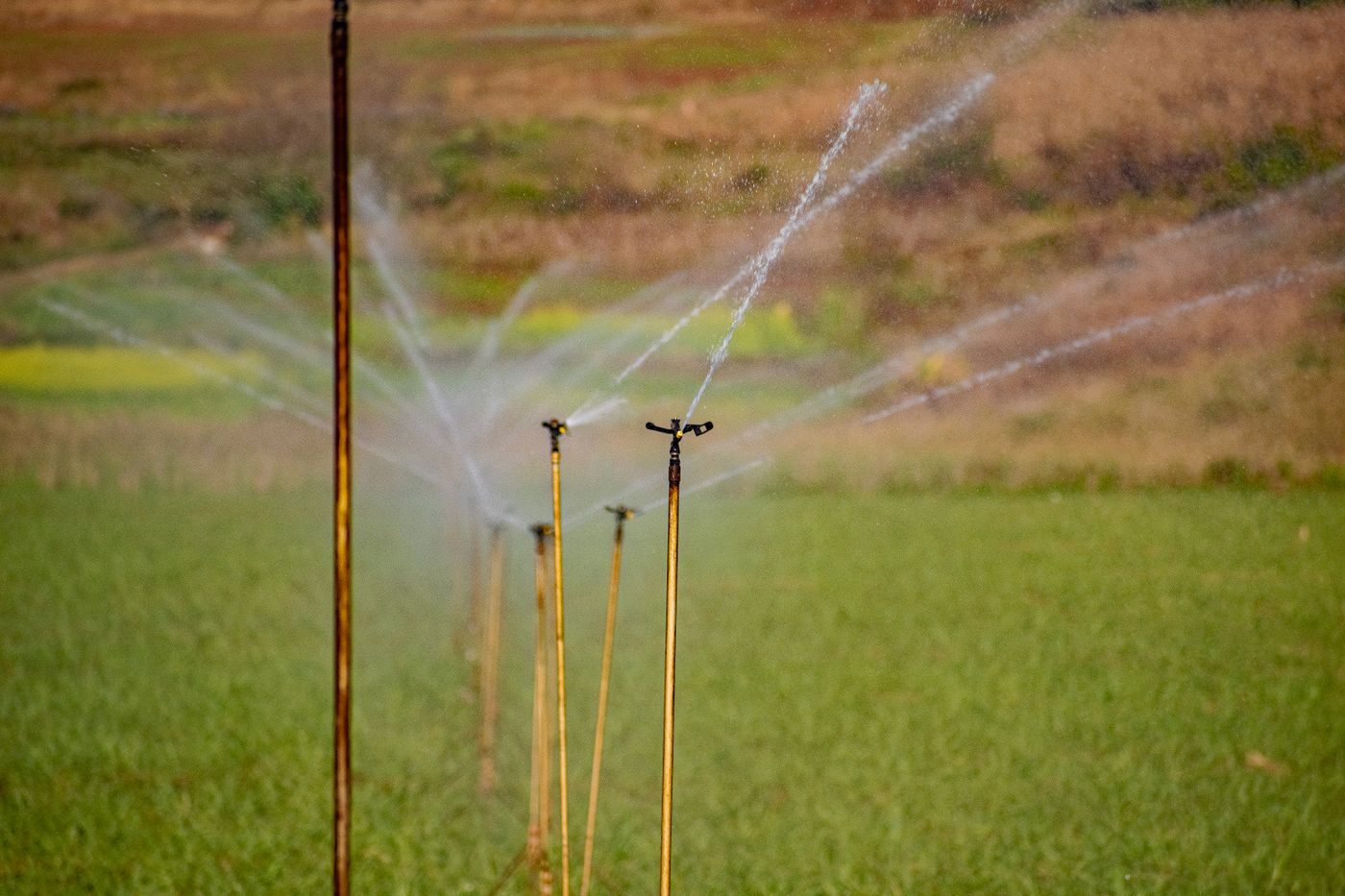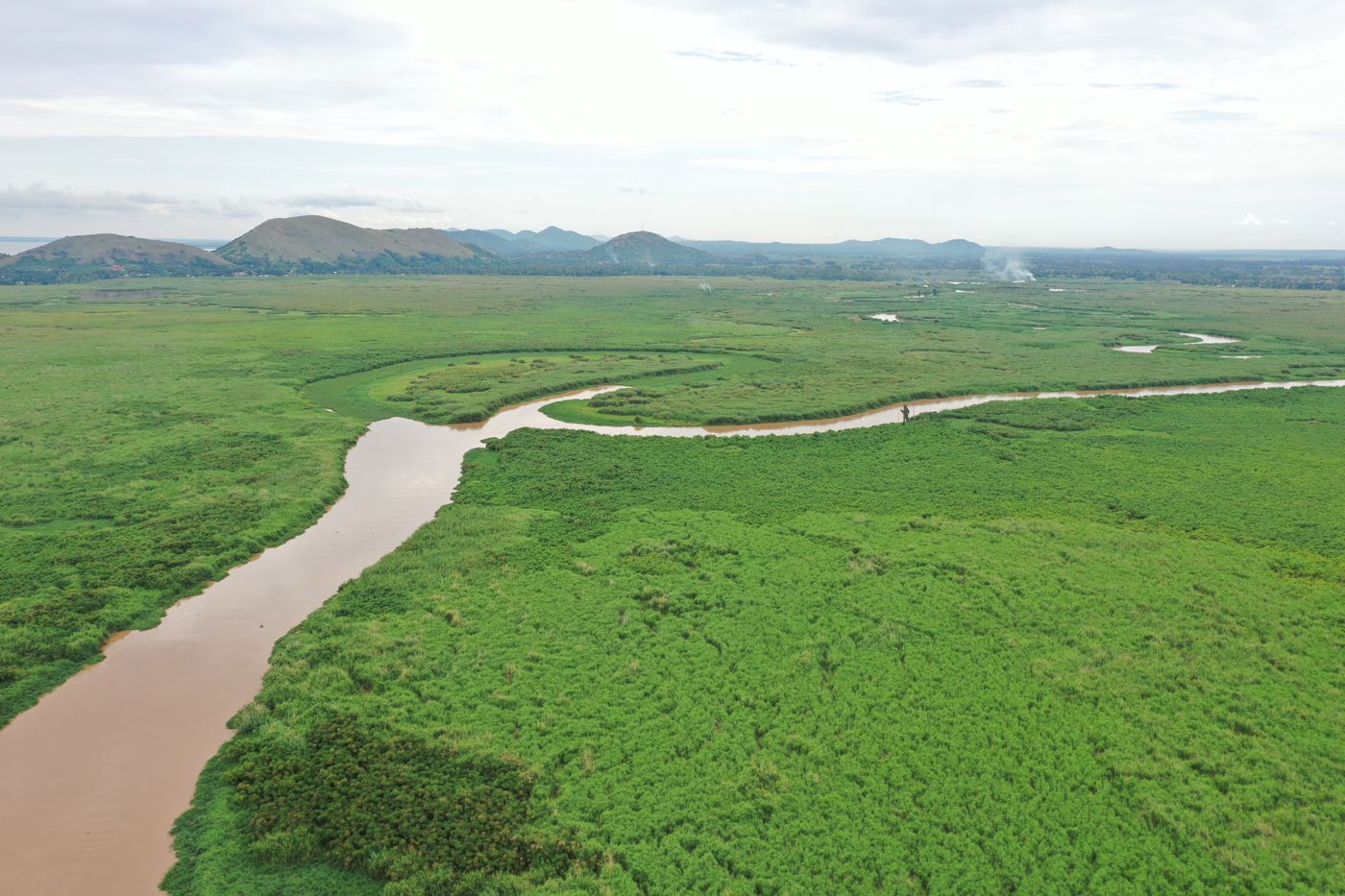
A farm next to a river looks like it has solved its water problem. The water is right there, flowing past the bottom of the shamba all year or most of it. Yet many riverside farmers struggle: the pump will not prime, the suction hose collapses, the intake chokes with mud after every storm, a flood carries the pump away, or a neighbour complains to the authorities about the water being taken.
Pumping from a river well is not complicated, but it does need a few things done properly: permission, a sensible pump position, a clean intake, a suction line the pump can actually lift through, and a plan for floods and theft. The short rains add their own challenges, with muddy water, rising levels and wet, slippery banks.
This guide covers the rules on taking water, choosing where to put the pump, setting up the intake and suction line, dealing with silt, choosing a pump and delivery hose, and protecting the setup through the rainy season.
Permission Comes First
In Kenya, water in rivers is a public resource. Under the Water Act 2016, abstraction is regulated by the Water Resources Authority (WRA), and depending on how much you take and how, you may need a permit. Small domestic use is treated differently from irrigation; irrigation pumping often needs authorisation. The requirements depend on the volume, the river and the catchment, so visit or call your nearest WRA office before you invest.
Many rivers also have Water Resources Users Associations (WRUAs), local groups that help share water fairly between users along the river, especially in dry spells. Joining or at least talking to yours is good practice and avoids disputes. Land along river banks is also protected; there are rules about clearing vegetation and cultivating right up to the edge, intended to stop erosion and protect the river. Ask the WRA, the county or your extension officer how far back you must keep your crops and structures.
Where to Put the Pump
The most important decision is the height of the pump above the water. A surface pump, whether petrol, diesel or electric, does not suck water up. It lowers the pressure in the suction hose, and the weight of the atmosphere pushes water up into it. That puts a hard physical limit on how high a surface pump can lift water on the suction side, and the limit gets lower the higher above sea level you are.
In practice, after friction in the hose, small air leaks and the pump's own design, most surface pumps work comfortably with only a few metres of suction lift, and less in the highlands. Check the rated suction lift in the pump's manual and stay well inside it. The rule is simple: put the pump as close to the water level as is safe, and keep the suction hose as short as possible. Lifting water higher is the delivery side's job, where a pump can push to much greater heights. Our guide to pump sizing by head and flow explains how to work out the total height and distance to your field.
Safe matters as much as close. A pump sitting on a mud ledge at the water's edge in October can be under water by the next storm. Choose a firm, level spot above the normal flood mark, or build a simple platform on posts, and be ready to move the pump up the bank when the river rises.
The Intake and Suction Line
Most pumping problems on a river start at the intake. The drawing shows a setup that works on most smallholdings, and the three parts that matter are described below it.
Before buying anything, measure the vertical height from the water surface to the pump site and from the pump to the highest point of the field, using a water level pipe or a line level. Those two numbers, with the distance, decide which pump will do the job.
A strainer and foot valve. A strainer on the end of the suction hose keeps stones, leaves and frogs out of the pump. A foot valve, a one-way valve at the bottom of the hose, holds water in the line when the pump stops so that it does not have to be primed from scratch every time. Our guide to priming and foot valves covers the common faults.
The right depth. The intake must stay under water at all times, or the pump draws air and loses prime, but it should not sit on the bottom where it sucks up sand and mud. A floating intake, a strainer hung from a float so it rides a short distance below the surface, solves both problems and follows the water level up and down. Alternatively, fix the strainer to a stake in a deeper, calmer pool, clear of the bottom.
An airtight suction hose. The suction side must be a reinforced hose that will not collapse under suction, with every joint tightly clamped. A single loose clamp or cracked fitting lets air in, and the pump runs without delivering water. Keep the hose running steadily upward from the water to the pump, without high humps where air pockets can collect.
Silt and Muddy Water in the Short Rains
When the rains come, rivers turn brown with suspended soil. That mud is abrasive. It wears pump impellers and seals, clogs drip emitters and sprinkler nozzles, and settles out in pipes and tanks. You cannot avoid it entirely, but you can reduce how much reaches the pump.
Take water from the calmest part of the river, on the inside of a bend or in a pool, where the flow is slow and the heaviest silt has dropped. Draw from near the surface, which is usually cleaner than the bottom. After a heavy storm upstream, wait a day or two for the worst of the flood water to pass if your crops can spare it.
For drip systems, river water nearly always needs filtering, and in the rains it may need settling first in a tank or sump before it reaches the filter. Our guide to drip irrigation filters explains how to choose and clean them. For furrows, basins and hoses, silt matters less to the crop but still wears the pump.
Choosing a Pump and Delivery Hose
For most riverside smallholdings, a portable petrol engine pump is the workhorse: it moves a lot of water, it can be carried up the bank and locked away at night, and it needs no power line. Two inch and three inch pumps are common sizes; the larger moves more water for flood or furrow irrigation, the smaller is easier to carry and cheaper to run. A high pressure pump suits rain guns and sprinklers, which need pressure as well as volume. Our guide to choosing a water pump compares the types.
Where the grid reaches the river, an electric surface pump avoids fuel costs, but the wiring must be done by a qualified electrician with proper protection, because water and electricity at a riverbank are a dangerous mix. Solar pumping is worth considering for steady daily pumping to a storage tank, from which water can flow to crops by gravity.
On the delivery side, lay flat hose is cheap, light and rolls up after use, which suits moving water from the river to different parts of the farm. Braided hose holds its shape and suits permanent runs and higher pressures. Our guide to lay flat versus braided hose covers the choice.
Floods, Theft and Safety
A pump left at the river overnight is at risk from two directions: a rising river and a passing thief. Make it a habit to carry the pump to a locked store each evening, or chain it to a solid anchor in a lockable cage above the flood line. Mark the pump with your name and phone number in paint or by engraving, and record the serial number.
Riverbanks in the short rains are slippery and unstable. Do not stand on undercut edges, keep children away from the pumping site, and never wade into a fast flowing river to fix an intake. Crocodiles and hippos are a real danger on some Kenyan rivers; ask local people before you work at the water's edge, and set up intakes from the bank wherever possible.
Petrol engines produce carbon monoxide, so never run one in an enclosed shed. Refuel with the engine off and cool, away from the water, so spilled fuel does not reach the river.
Your River Pumping Checklist
| Stage | Check |
|---|---|
| Permission | WRA asked about a permit; WRUA contacted; riparian setback known |
| Pump site | Close to the water level, firm and level, above the flood mark |
| Suction | Short, reinforced, airtight, clamped, rising steadily to the pump |
| Intake | Strainer and foot valve; floating or staked clear of the bottom |
| Silt | Calm water, near the surface; settling and filtering for drip |
| Delivery | Pump and hose matched to the head, distance and irrigation method |
| Security | Pump locked away or caged at night; marked and serial recorded |
| Safety | No work on undercut banks; engine run in open air; refuel away from water |
River Pumping Equipment, With Prices
These prices are from the Fuga price list at the time of writing; check the site or call a branch for current prices and stock.
| Item | Stock code | Price |
|---|---|---|
| WATER PUMP WP 20 | 6427 | KSh 15,000 |
| Water pump 3*3 Ram G | 6444 | KSh 16,250 |
| WATER PUMP HIGH PRES 2" | 6426 | KSh 23,000 |
| FLAT LAY PIPE 2' | 6224 | KSh 250 |
| HOSE CLIPS | 6259 | KSh 200 |
| WATER FILTER | 6423 | KSh 2,000 |
| RAIN GUN 30M | 6370 | KSh 18,000 |
Get permission, place the pump low and safe, keep the suction short and airtight, draw clean water from near the surface and lock the pump away at night. For pumps and hose, see our high pressure water pump, lay flat hose and the full water and irrigation range, or WhatsApp 0716 961 018 with the height and distance from the river to your field.
Key Takeaways
- River water is regulated under the Water Act 2016; ask the Water Resources Authority about a permit and talk to your local WRUA before you invest.
- A surface pump's suction lift has a physical ceiling that falls with altitude, so place the pump as close to the water as is safe and keep the suction hose short.
- Fit a strainer and foot valve, keep the intake below the surface but off the bottom, and make the suction line airtight.
- In the short rains, draw from calm water near the surface, settle and filter for drip, and flush the pump after muddy runs.
- Match the pump and delivery hose to the height, distance and irrigation method.
- Lock the pump away at night, keep it above the flood mark, and never work from undercut banks.
Frequently Asked Questions
Do I need a permit to pump water from a river in Kenya?
Often, yes, especially for irrigation. Water abstraction is regulated by the Water Resources Authority under the Water Act 2016, and requirements depend on how much you take and where. Ask your nearest WRA office before you buy a pump.
How high can a petrol pump suck water from a river?
The physical ceiling is about 10.3 metres at sea level and around 8.6 metres at 1,500 metres altitude, but real pumps manage much less after hose friction and leaks, often only a few metres. Check the rated suction lift in the manual and place the pump close to the water.
Why does my pump lose prime when pumping from a river?
The usual causes are an air leak in the suction hose or a loose clamp, an intake that comes out of the water as the level drops, a leaking foot valve, or a pump placed too high above the water. A floating intake and an airtight, short suction line solve most cases.
How do I stop mud from a river damaging my pump and drip lines?
Draw water from a calm pool near the surface rather than the bottom, wait for flood water to pass after heavy storms, settle the water in a tank or sump before a drip system, use a good filter, and flush the pump with clean water after muddy runs.