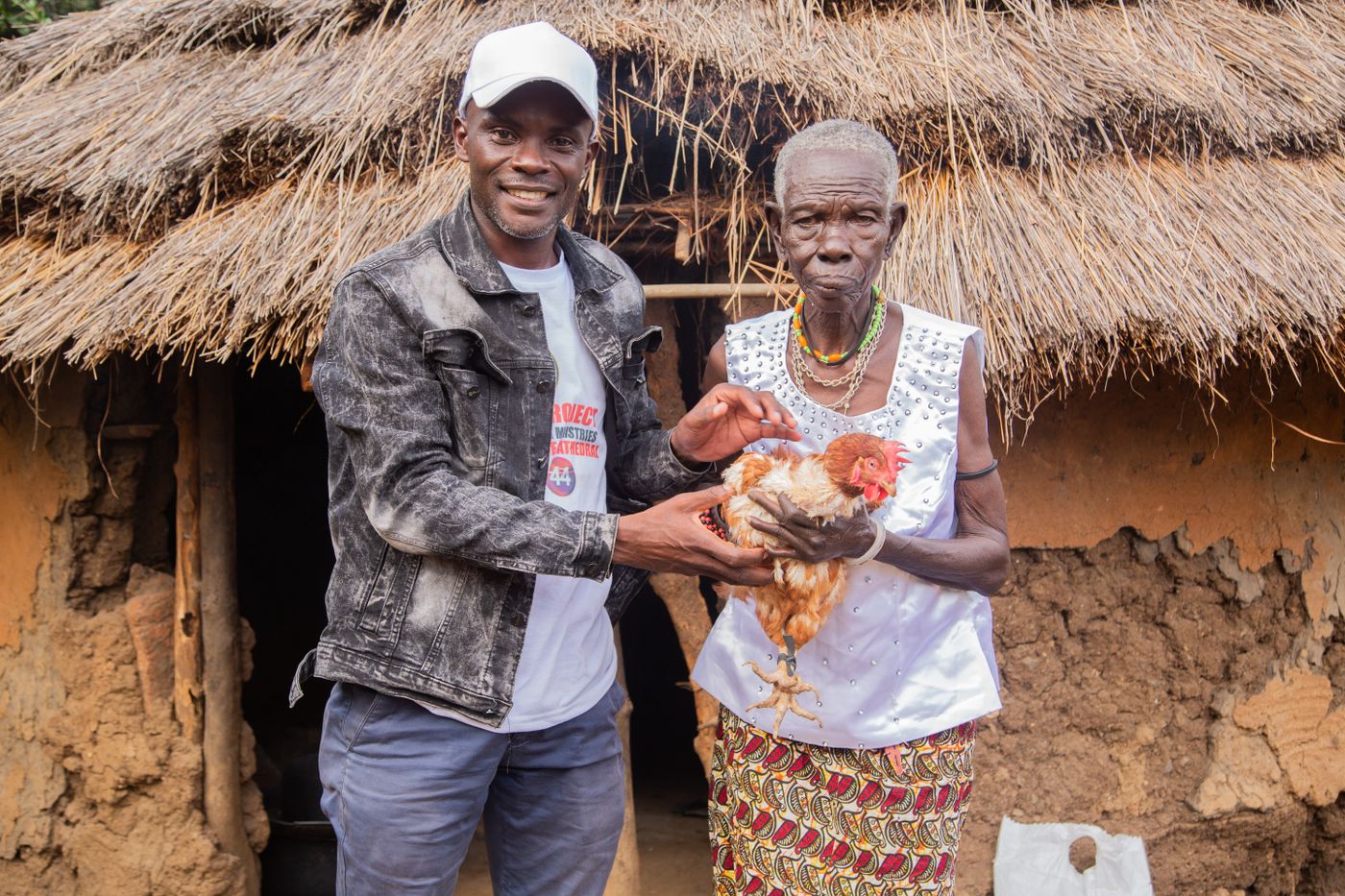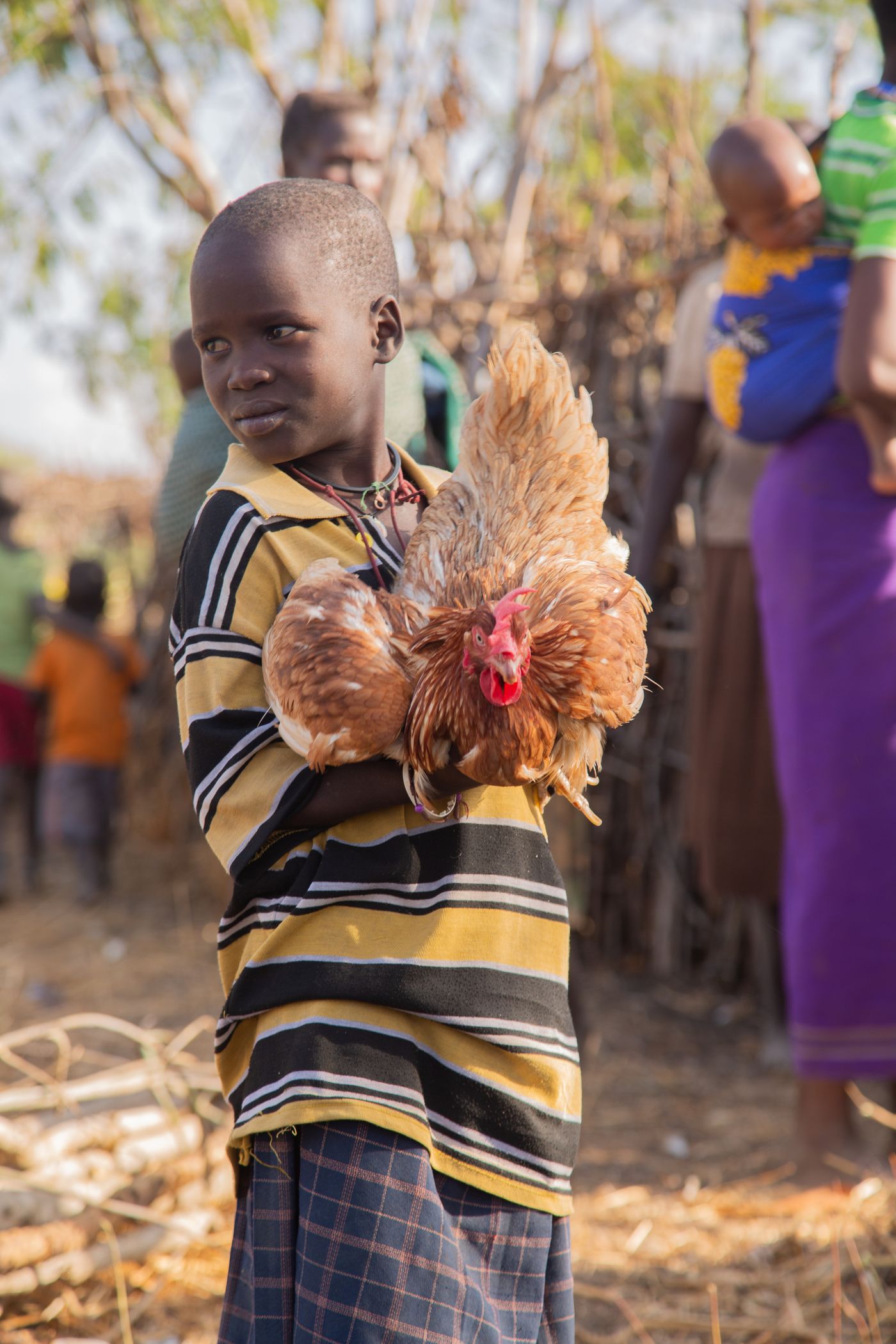
Every homestead has the same story. The kienyeji flock started with a few hens and a cockerel, scratching around the compound and roosting in a tree or on the kitchen rafters. Some days there are eggs, some days the eggs are laid in the bush and found rotten a fortnight later. A hawk takes a chick, a mongoose takes a hen, a dog gets into the store at night. The flock never seems to grow, however many chicks hatch.
Improved kienyeji breeds raised under a semi-intensive system change that arithmetic. The birds still range during the day and keep their hardiness and their taste, but they sleep in a secure house, lay in nests you can reach, drink clean water and eat from feeders instead of the ground. The equipment needed to get there is modest, and most of it can be bought a piece at a time.
This guide covers the move from free range to semi-intensive: the night house, perches, laying nests, feeders and drinkers, a fenced run, chick crates and egg trays, how to keep predators out, and, because few smallholders can buy everything at once, what to buy first on a small budget.
What Semi-Intensive Actually Means
In a free-range system the birds fend for themselves: they find most of their own food, sleep where they choose and lay where they like. It costs almost nothing and loses a great deal, in eggs, in chicks and in grown birds.
In a semi-intensive system the birds range in the day, ideally inside a fenced run, and are shut into a house every night. They get supplementary feed in feeders and clean water in drinkers, they lay in nests, and chicks are brooded apart from the adult flock for their first weeks. In a fully intensive system the birds stay inside all the time, which needs more feed, more equipment and more management than most homesteads want for kienyeji.
Semi-intensive is the middle road, and for improved kienyeji it is usually the best one. You keep most of the hardiness and low feed cost of ranging birds, and you remove the biggest losses: predators at night, eggs laid in the bush, and chicks lost in the grass.
The Night House: Secure, Dry and Ventilated
The house does not need to be expensive. Timber offcuts, poles, iron sheets and mesh will do, and many good kienyeji houses are built from what is already on the farm. What it needs is three properties: nothing gets in at night, the floor stays dry, and the air moves without a draught across the birds.
- Raise or drain the floor. Build on a slightly raised, well-drained spot, or raise the floor on a plinth, so rainwater runs away from the house rather than through it. In the short rains a house on low ground becomes a mud pen.
- Mesh the openings. Use strong mesh on the ventilation openings rather than leaving them open, and mesh the gap under the eaves where snakes, rats and genets get in. We stock poultry mesh and chicken wire in several sizes.
- Ventilate high, keep draughts low. Openings near the roof let warm, moist air out; solid walls or curtains lower down keep wind off roosting birds. Our guide to poultry house ventilation explains how air moves in a simple house.
- Lay deep, dry litter. Wood shavings or dry chopped grass on the floor absorb droppings. Turn it, and replace wet patches, especially around drinkers.
- Size it for the flock you plan, not the flock you have. As a rule of thumb, many keepers allow roughly 3 to 4 adult kienyeji birds per square metre of house floor for birds that range in the day; birds kept in more of the time need more space.
Perches and Laying Nests
Chickens prefer to roost off the ground, and given a perch they will use it instead of crowding into corners where they soil each other. Perches also keep birds out of the litter at night, which helps keep feet and feathers clean.
As rules of thumb: allow roughly 20 to 30 centimetres of perch length per bird, set perches around 60 centimetres or more above the floor, and space parallel perches about 30 to 40 centimetres apart so birds on one do not soil those on the next. A ladder-style perch, sloping back from a wall, suits heavier birds. Use poles thick enough for the birds to grip comfortably, and put a droppings board or extra litter underneath that you can clean.
Laying nests turn eggs laid in the bush into eggs in the tray. A nest box is a dark, raised, enclosed box with clean bedding, and hens will use it if it is darker and quieter than the alternatives. A common rule of thumb is one nest for every four to five hens, each about 30 centimetres in width, depth and height, set lower than the perches so hens do not roost and foul in them. Keep the bedding clean and dry, and collect eggs at least twice a day. Our guide to egg handling and storage explains why a dirty nest is a money problem.
Broody kienyeji hens are an asset in this system. Give a broody hen her own nest, out of the way of the layers, with feed and water close by, so she can sit undisturbed and hatch a clutch without the rest of the flock interfering.
Feeders and Drinkers
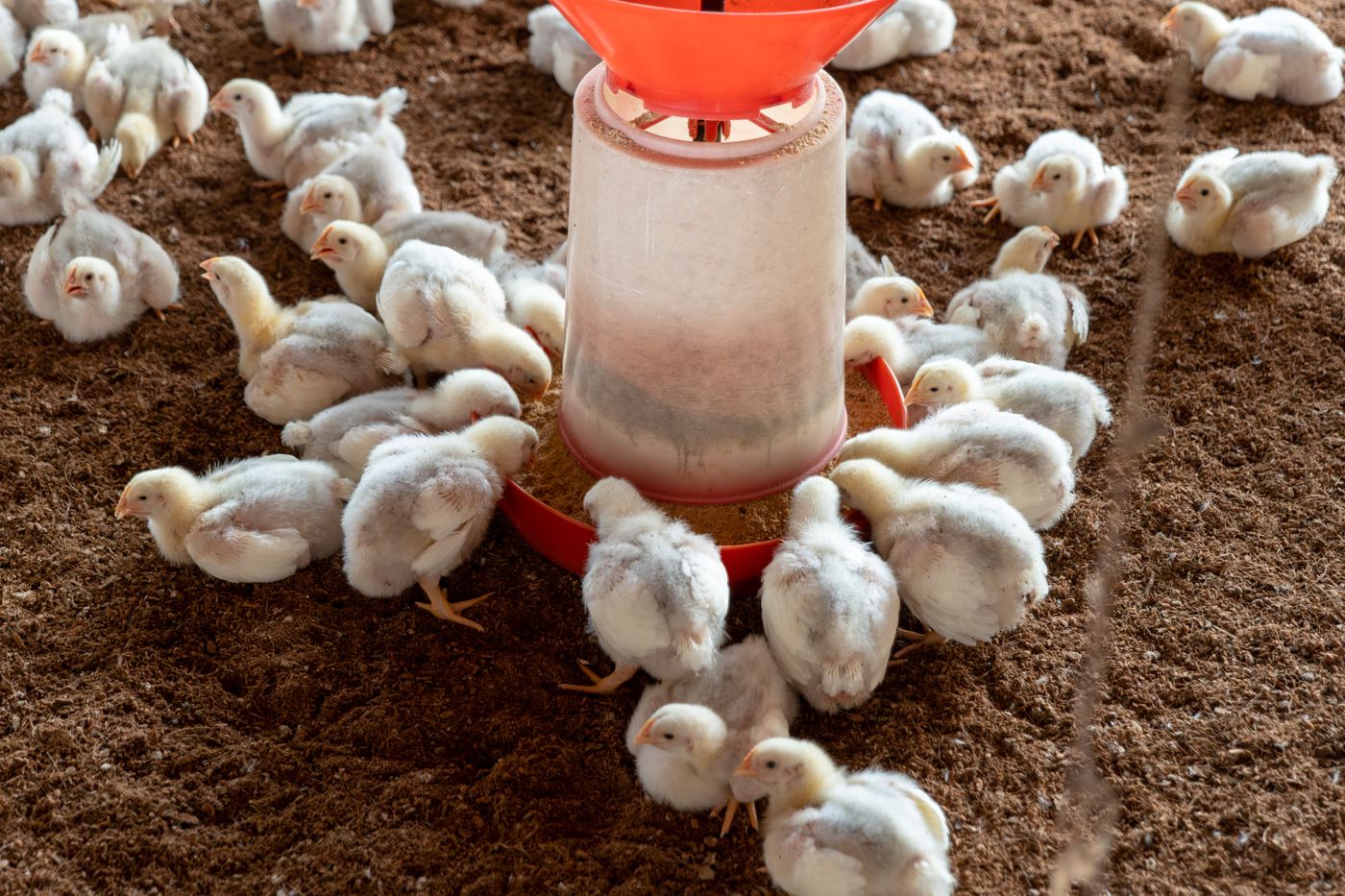
Feed scattered on the ground is eaten partly by chickens and partly by wild birds, rats and the soil. Water in an old basin is fouled within hours. Hanging or standing feeders and drinkers fix both, and they are among the cheapest items in this guide.
- Feeders: a tube or hanging feeder keeps feed clean and dry. Hang it at about the height of the birds' backs so they eat without scratching feed out. Our chicken feeder range covers sizes for small and larger flocks.
- Drinkers: a plastic fount drinker gives clean water that birds cannot step in. Raise it on a block or hang it so the lip is level with the birds' backs, and clean it daily.
- Inside or out: water should be available wherever the birds are. In the house overnight, a drinker over a dry patch of litter; in the run, a second one in the shade.
- Supplementary feeding: semi-intensive birds still forage, but the supplement in the feeder is what keeps laying steady. Give it at a fixed time, which also trains the birds to come home.
Our guides to poultry feeders and drinkers and reducing feed wastage go into sizing and placement in more depth.
A Fenced Run, and Keeping Predators Out
A fenced run is what lets birds range safely in the day. It can be as simple as poles and chicken wire around a patch of grass and shrubs next to the house, ideally with some shade and cover for birds to hide under when a hawk passes overhead.
- Hawks and other birds of prey take chicks and young birds in the open. Cover, such as shrubs, a few sheets on poles or netting over the chick area, gives birds somewhere to run.
- Dogs and mongooses come through or under fences. Bury the bottom of the wire a little into the ground, or fold it outward along the ground and peg it, so animals that dig at the base meet wire.
- Snakes, rats and genets come at night through small gaps. Small-gauge mesh on the house openings, a tight door, and feed stored in closed containers do most of the work.
- People are a predator too. A lockable door on the house and birds counted in every evening are the cheapest security you have.
Chicks: Crates, Brooding and Separation
Many kienyeji chicks are lost in their first weeks, to cold, to rain, to predators, and to being trampled or out-competed by grown birds. Brooding them apart from the flock, in a small warm space with their own feeders and drinkers, removes most of those losses.
A small brooder corner needs a heat source, a ring or surround to keep chicks close to it, chick-sized feeders and drinkers, and dry litter. Our guide to chick brooding equipment sets out temperatures and space week by week. If you buy improved kienyeji chicks from a hatchery rather than hatching under hens, a proper chick crate or box keeps them safe and ventilated on the journey home; our guide to poultry transport crates covers what makes a crate safe.
What to Buy First on a Small Budget
The table lists the items a homestead typically needs, at the prices on our price list. You do not need all of them on day one.
| Item | Stock code | Price |
|---|---|---|
| CHICKEN WIRE 1/2*3FT | 6623 | KSh 1,300 |
| CHICKEN WIRE 3/4*3FT | 6624 | KSh 1,100 |
| CHICKEN WIRE 1*3FT | 6625 | KSh 900 |
| FEEDER - CHN- 6KG | 6211 | KSh 320 |
| FEEDER - CHN- 3KG | 6210 | KSh 230 |
| DRINKERS - CHN- 6L | 6185 | KSh 220 |
| DRINKERS - CHN- 3L | 6184 | KSh 150 |
| KENPOLY BABY FEEDER | 7013 | KSh 65 |
| KENPOLY BABY DRINKER | 7012 | KSh 65 |
| BROODER HEATER | 6138 | KSh 900 |
| CRATE- CHICKS | 6161 | KSh 1,000 |
| CHICK TRANPORTATION BOX | 7031 | KSh 130 |
| PAPER EGG TRAY | 6774 | KSh 15 |
| TRAY 30 EGGS VIRGIN MATERIAL | 6415 | KSh 65 |
The figures in the chicken wire names are the mesh size and roll width; ask at the branch for the roll length so you can work out how many rolls your house and run need. Smaller mesh keeps out smaller predators and chicks.
For a flock of around twenty birds, a sensible order of purchase is:
- Mesh for the night house. Securing the house stops the biggest losses, so it comes first, built with whatever timber and sheets you already have.
- One feeder and one drinker per ten or so birds. A rough rule of thumb for a small flock; watch for birds waiting their turn and add more if they do.
- Nests and perches, which you can build yourself from timber offcuts and boxes.
- Egg trays, once eggs are coming in from the nests rather than the bush.
- A chick setup: a heater, baby feeders and baby drinkers for a brooder corner, and a chick crate if you buy chicks in.
- The fenced run, extended over time as the flock grows.
Health, Records and Growing the Flock
Bringing birds together into a house concentrates disease as well as eggs. Keep the house clean and dry, keep chicks apart from adults, quarantine any bird you buy in for a couple of weeks before it joins the flock, and follow a vaccination programme agreed with your local vet or animal health assistant; Newcastle disease in particular can wipe out an unvaccinated village flock. If birds fall sick, isolate them and call a vet rather than guessing at treatment.
Keep a simple notebook: birds in, birds out, deaths and their likely cause, eggs collected each day, hens gone broody and chicks hatched. Within one season it will show you whether the house and nests are paying for themselves, and when the flock has grown enough to justify a bigger house. Our guide to poultry equipment by flock size covers what changes as numbers climb.
For mesh, feeders, drinkers, brooding equipment, chick crates and egg trays, browse our livestock and poultry equipment, visit any Fuga branch, or ask on WhatsApp 0716 961 018 and we will help you put together a list that fits your flock and your budget.
Key Takeaways
- Semi-intensive keeping lets improved kienyeji range in the day but sleep in a secure house, lay in nests and eat and drink from feeders and drinkers.
- The night house comes first: dry floor, meshed openings, a door that shuts, and birds counted in every evening.
- As rules of thumb, allow about 20 to 30 cm of perch per bird and one nest for every four to five hens, with nests lower than the perches.
- Feeders and drinkers at the height of the birds' backs keep feed and water clean and cut waste.
- Brood chicks apart from the adult flock and keep a vaccination programme agreed with your vet.
- On a small budget, buy mesh first, then feeders and drinkers, then egg trays and a chick setup, and build the run over time.
Frequently Asked Questions
What is the difference between free-range and semi-intensive kienyeji keeping?
In free range the birds find their own food, roost where they choose and lay wherever they like, which costs little but loses many eggs, chicks and birds to predators. In semi-intensive keeping the birds still range during the day, ideally in a fenced run, but are shut into a secure house every night, get supplementary feed and clean water from feeders and drinkers, lay in nests, and have their chicks brooded separately.
How big should a house for 20 kienyeji chickens be?
As a rule of thumb, many keepers allow roughly 3 to 4 adult kienyeji birds per square metre of floor when the birds range during the day, so twenty birds need somewhere in the region of five to seven square metres of house. Build for the flock you plan to have rather than the one you have now, and allow more space if the birds will be kept in for long periods, for example during heavy rain.
How many laying nests do kienyeji hens need?
A common rule of thumb is one nest for every four to five hens. Each nest should be dark, enclosed and raised off the floor, roughly 30 centimetres in width, depth and height, with clean dry bedding. Set the nests lower than the perches so hens do not roost and foul in them, and give broody hens a separate quiet nest so they can sit without disturbance.
How do I protect kienyeji chickens from predators?
Shut the birds into a house with a tight door and small-gauge mesh over every opening and the gap under the eaves every night, and count them in. Bury or fold the bottom of the run fence outward along the ground so dogs and mongooses that dig meet wire. Give birds shrubs or covered areas to hide under from hawks, keep feed in closed containers to discourage rats and snakes, and lock the house if theft is a risk.
What should I buy first if my budget is small?
Start with mesh to secure the night house, because predators at night are usually the biggest loss. Then add feeders and drinkers, roughly one of each per ten or so birds as a starting point, and build perches and nests from farm timber. Add egg trays once eggs are coming in from the nests, then a chick brooding setup and a chick crate if you buy chicks in, and extend the fenced run as the flock grows.