The short rains do not send a warning. One afternoon in October the sky darkens earlier than usual, the first heavy drops hit the dust, and by the next morning every farm in the district is trying to do the same three things at once: plant, spray and move water. That is the week your equipment is asked to work harder than it has all year, and it is the week most of it fails.
The failures are rarely dramatic. A knapsack sprayer weeps at the lance seal because the rubber dried out over the long dry spell. A pump will not prime because a suction hose cracked in the sun. The generator coughs on fuel that went stale in August. A gutter chokes on the leaves that fell in September and pours the first storm straight down the wall of the store. None of these is a big repair. Every one of them costs you a planting day at the moment planting days are worth the most.
This guide is a two-week countdown that catches those failures while there is still time to fix them. It covers sprayers and nozzles, planters and fertiliser applicators, pumps, hoses and fittings, backup power, gutters, tanks and drainage, the grain store, and the blades and spares you will reach for on day one. For each item it explains why it fails in the first wet week if you ignore it, because once you understand the mechanism the checks become obvious.
Why the First Wet Week Breaks Equipment
Two things happen at once when the rains start, and together they explain almost every breakdown. The first is that most of the equipment has been idle. Idle is not the same as safe. Rubber seals, hoses and diaphragms dry out and shrink without water or oil on them, then crack the moment they are put back under pressure. Petrol left in a tank oxidises into gum that blocks carburettor jets. Bare steel on blades, planter plates and pump volutes rusts in the humid nights before the rain even arrives.
The second is that demand spikes. Planting into moist soil rewards the farmer who is in the field on the first workable day, so everyone tries to be. The sprayer that was used once a fortnight in the dry season now runs every morning. The pump that filled a trough now empties a flooded seedbed. Any weakness that idleness created is found within hours, not weeks.
The countdown below works because it separates finding problems from fixing them. Two weeks out you inspect and order. One week out you test everything under load. When the rains start you are running daily checks from a stocked spares box, not phoning around for a part.
Two Weeks Out: Walk the Farm With a Notebook
Start with a slow walk that ends with a written list, because the point of the first week is to discover what needs ordering while suppliers still have stock and transport still has time. Open every store, lift every cover, pick up every tool you will use in October and ask one question of each: what stopped working last time, and what has changed since?
Group the list under the headings used in this guide. Against each item write one of three words: fine, fix or replace. Anything marked replace goes on an order the same day. Anything marked fix gets a date in the coming week. Our guide to land preparation before the rains covers the field side of this walk, so here we stay with the equipment.
- Sprayers: tank, lid seal, pump lever or motor, lance, trigger valve, hose, nozzles and the filters at the tank neck and the lance.
- Planters and applicators: seed plates or rollers, hoppers, metering wheels, furrow openers, fertiliser tubes and the handle joints.
- Water: pump engine or motor, suction hose and strainer, delivery hose, couplings, sprinklers, drip filters and taps.
- Power: generator, inverter and batteries, extension cables and the plugs on every tool that will run from them.
- Buildings: gutters, downpipes, tank inlets and overflows, the drainage channels around stores and poultry houses, and the store roof.
- Edges and spares: pangas, jembes, slasher and chaff cutter blades, and the box of belts, fuses, nozzles, washers and fasteners.
Two weeks sounds generous until you find that a planter plate for your crop has to come from another town, or that the pump gasket you need is only sold as part of a kit. Discovering that now costs nothing. Discovering it in the first wet week costs a planting window.
Sprayers, Nozzles and Planters: The Tools That Meet the Crop First
A knapsack sprayer fails from the rubber outwards. The lid seal, the piston or diaphragm cup, the trigger valve seat and the hose all lose their suppleness in dry heat, so the first sign of the season is a sprayer that drips down your back or will not hold pressure. Fill it with clean water, pump it to working pressure and leave it standing for ten minutes. Any wet patch tells you which seal to change before you put chemical in it.
Nozzles fail more quietly. A worn orifice sprays more liquid in a distorted pattern, so you overdose one strip of the row and underdose the next. Hold each nozzle against the light and look for an oval rather than a round opening, then check the pattern on dry concrete. Replace any that are worn, and never clear a blockage with your mouth or a pin, which enlarges the hole. Once the nozzles are right, spend twenty minutes on the method in our guide to calibrating a knapsack sprayer, because a new nozzle changes your litres per acre.
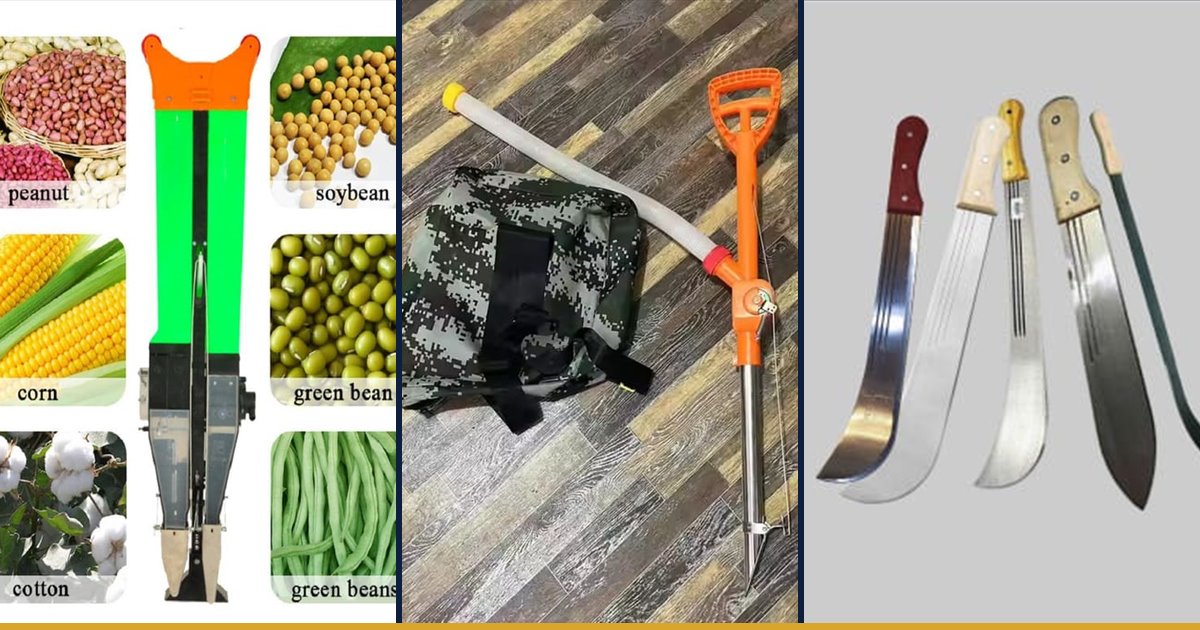
Planters and fertiliser applicators fail on the metering. Seed plates and rollers gum up with dust and old seed treatment, springs weaken, and a fertiliser tube left with granules in it corrodes into a blocked pipe. Empty, brush out and dry every hopper, turn the mechanism by hand until it drops seed cleanly, and run a cup of the actual seed you will plant through it to confirm the spacing. Our guide to hand seed planters and fertiliser applicators explains how to match plates to seed size if the count is wrong.
Water: Pumps, Hoses, Gutters, Tanks and Drainage
The wet season is not the end of water work. In the first weeks you may need to pump out a flooded nursery, move water off a seedbed or fill a spray tank from a stream, and the pump that did that last year has been sitting since the dry-season irrigation ended.
Surface pumps fail to prime because air gets in. Look along the entire suction hose for cracks, especially where it has kinked, check the clamps and the strainer, and inspect the foot valve. If the pump has an engine, drain and refill the oil, check the spark plug or the diesel filter, and look at the fuel that is in the tank. Fuel that has gone dark or smells sour goes into the waste, not the engine. On the delivery side, unroll every hose and look for splits, then check that every coupling has its rubber washer, because a missing washer sprays more water at the joint than reaches the crop.
Gutters, tanks and drainage fail from neglect rather than wear. Leaves and dust collect in gutters all dry season, and the first storm turns that into a dam that overflows down the wall. Clean every gutter, check the downpipe joints, and make sure the first flush diverter and inlet screen on the tank are clear. Then look at where the water goes once the tank is full: the overflow must discharge away from the foundation of the store and the poultry house, into a channel that actually drains. Our guide to rainwater harvesting in Kenya covers sizing gutters and diverters if you are adding capacity this season.
Power: Generator and Inverter Backup
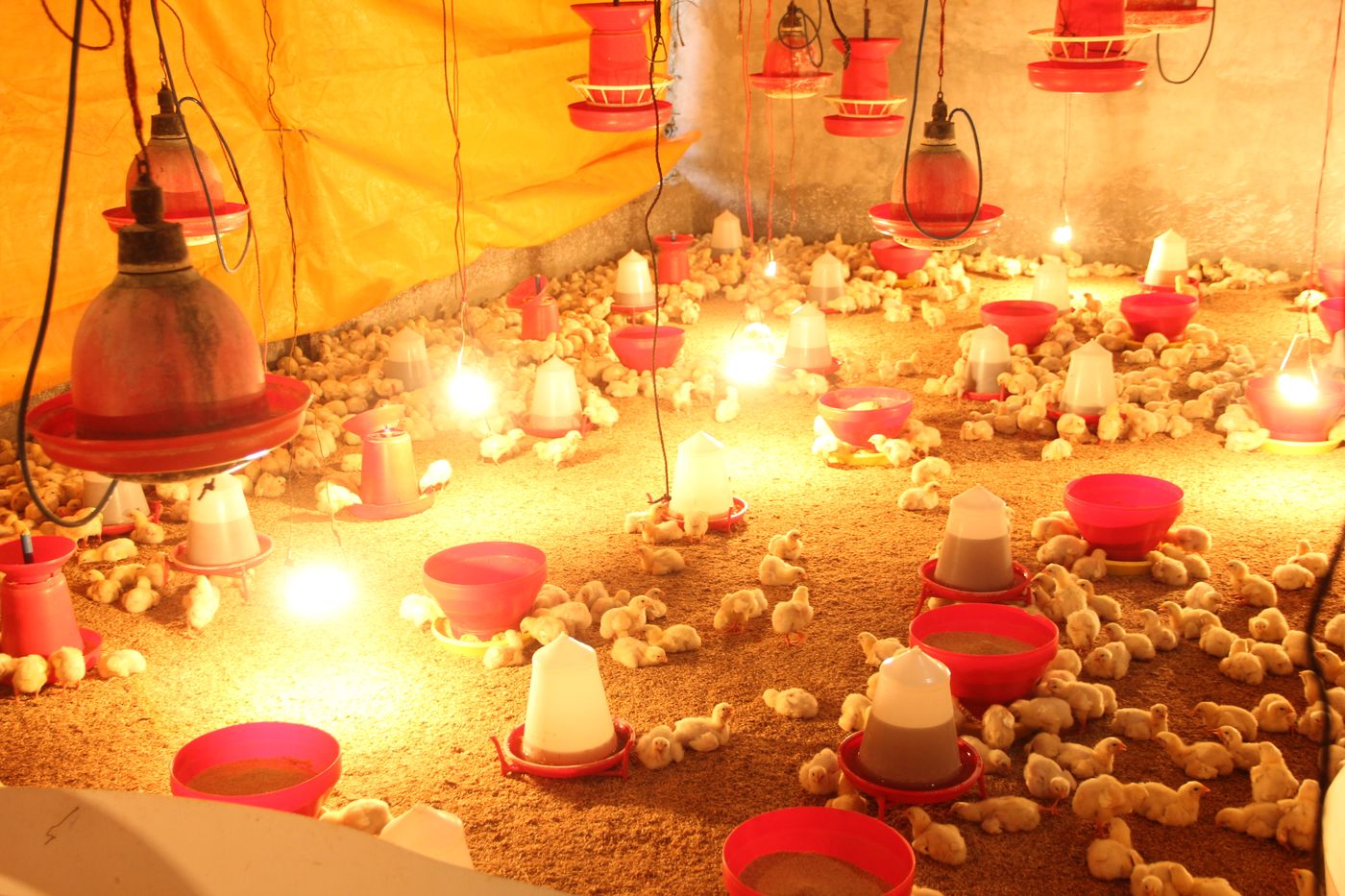
Storms bring outages, and the wet season is when an incubator, a milk cooler or a brooder can least afford one. Generators fail in the same way pump engines do: stale fuel, a flat starter battery, a blocked air filter and an oil level nobody checked. Run the generator under a real load for at least half an hour, watch for hunting or smoke, and change the oil if it is dark or overdue. Confirm that the changeover switch or the extension leads you rely on still reach the load without joints lying on ground that is about to be wet.
Inverter and battery systems fail on state of charge. Weeks of overcast weather shrink solar input at the same time as demand rises, so a battery bank that was comfortable in September may be flat by the second week of rain. Check the battery terminals for corrosion, confirm the charge controller reads what you expect on a sunny afternoon, and decide now which loads are protected and which get switched off when the cloud sits in for days.
The Grain Store Before the Humidity Rises
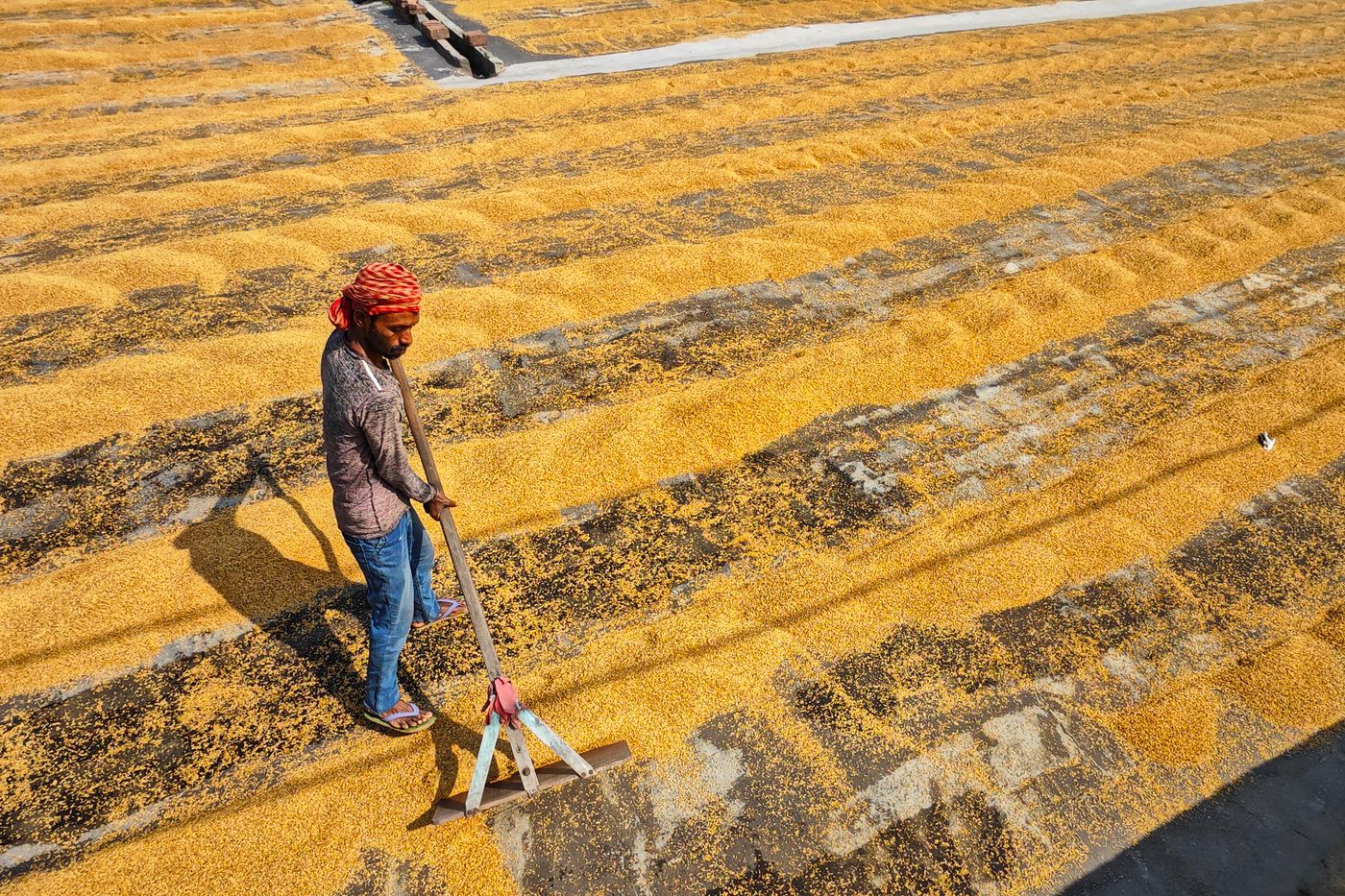
If you still have grain from the long rains harvest, the short rains are the most dangerous time for it. Maize keeps safely at around 13 percent moisture, and that figure is not fixed once the bag is filled. Grain breathes with the air around it. When humidity climbs, dry grain takes moisture back from the air through the sack, and moisture above the safe level is what moulds and weevils are waiting for.
Check the store in this order. First the roof and the walls, for any leak or damp patch that will grow. Second the floor, which should keep bags on pallets or timber rails so air moves underneath and rising damp cannot reach them. Third the openings, since rats and mice move indoors as soon as the ground gets wet, and a store that was rodent-free in August will not be in October. Then look at the grain itself: a musty smell, warmth in the middle of a stack or sacks that feel heavier than they should mean the moisture has already crept up, and that grain needs drying again before it is sealed.
One Week Out: Test Run Everything Under Load
The second week is about proving that the fixes worked, and the only test that counts is the one that matches real use. A pump that starts on the bench may still fail to lift water through thirty metres of hose. A sprayer that holds pressure with water may leak once the lance is waved about for an hour. Run each machine the way you will run it in the field, for long enough that heat, vibration and pressure have a chance to expose the next weak point.
This is also the week for sharpening. A blunt panga, jembe, slasher blade or chaff cutter knife makes wet-season work slower and more dangerous, because wet vegetation is heavier and a dull edge needs more force. Sharpen every edge, check every handle for splits and loose heads, and set aside anything that cannot be made safe. Then assemble the spares box, using our guide to the farm equipment spares to stock as the starting list: nozzles, seals, hose clamps, washers, a spark plug, a fuel filter, a drive belt, fuses and the fasteners that always go missing.
The Week the Rains Start: A Daily Rhythm
Once the rains begin, the checklist shrinks to a five-minute routine done twice a day. Before work, look at the sky and the gauge, check the fuel and oil on anything with an engine, and put the sprayer through its ten-minute pressure hold while you mix. After work, wash the sprayer, drain the pump if it will sit overnight, coil the hoses out of the sun and walk past the gutters and drains to see whether the day's rain found a new path.
Keep the notebook going. Every failure you fix in the first wet week is an item to add to next year's two-week list, and after two or three seasons that list becomes a farm-specific checklist that no general guide can match. The farms that plant on time in a short rains season are not the ones with the newest equipment. They are the ones that found out what would break two weeks before it did.
Key Takeaways
- Idle equipment degrades: seals dry out, fuel gums, bare steel rusts and gutters silt up, and the first wet week reveals all of it at once.
- Two weeks out, walk the farm with a notebook, mark every item fine, fix or replace, and order the replacements the same day.
- Sprayers fail from the rubber outwards and nozzles wear invisibly, so pressure-test with water, replace worn nozzles and recalibrate.
- Check suction hoses, foot valves and every hose washer, and clean gutters, diverters and overflows so the first storm drains away from walls.
- Run the generator under real load, check battery state on inverter systems, and keep stored grain dry, raised and rodent-proof before humidity rises.
- One week out, test every machine under its real working load, sharpen every edge and stock a spares box before the rain arrives.
Frequently Asked Questions
When should I start preparing farm equipment for the short rains in Kenya?
Begin about two weeks before you expect the first planting rain. The short rains generally arrive from around October across much of Kenya, but timing varies by region and by year, so watch the local forecast rather than the calendar. The first week is for inspecting and ordering, because replacement parts can take days to arrive. The second week is for testing everything under a real working load. If the rains come early, prioritise the sprayer, the planter and the pump, since those meet the crop first.
Why does my knapsack sprayer leak after sitting through the dry season?
Because the rubber parts dried out. The lid seal, the piston or diaphragm cup, the trigger valve seat and the hose all lose their suppleness in dry heat and crack when put back under pressure. Fill the sprayer with clean water, pump it to working pressure and leave it standing for ten minutes; any wet patch shows which seal to replace. Change the seal before you add chemical, check the nozzles for wear at the same time, and recalibrate if you fit a new nozzle.
How do I check a water pump before the rains start?
Start with the suction side, because most priming failures are air leaks. Inspect the whole suction hose for cracks, tighten the clamps, clean the strainer and check the foot valve. On an engine pump, change the oil, check the spark plug or diesel filter and throw away any fuel that has gone dark or smells sour. Then run the pump under real load, lifting water through the hose length you will actually use, and watch the shaft and the couplings for leaks.
What spares should I keep on the farm for the rainy season?
Keep the small parts that stop a machine on the day: sprayer nozzles and seals, hose clamps and washers, a spark plug, a fuel filter, a drive belt, fuses, and the bolts and fasteners that always go missing. Add any wear part that is specific to your equipment, such as planter plates or a pump gasket, especially if it has to be ordered from another town. The point of the box is that a failure in the first wet week costs an hour, not a planting window.
How do I protect stored maize during the short rains?
Keep it dry from below, above and around. Maize stores safely at about 13 percent moisture, and grain takes moisture back from humid air through the sack, so check the roof and walls for leaks, keep bags on pallets or timber rails so air moves underneath, and seal openings against rats and mice that move indoors once the ground is wet. A musty smell, warmth in the middle of a stack or sacks that feel heavy mean the moisture has crept up and the grain needs drying again.