Most farmers who walk into our branches asking about solar start with the wrong question. They ask, "How many panels do I need?" The honest answer is that nobody can tell you until you answer a different question first: what exactly do you want the solar to run, and for how many hours a day?
Solar sizing is not guesswork and it is not about buying the biggest panel your budget allows. It is a short chain of arithmetic that starts with your loads and ends with a panel count and a battery bank. Get that chain right and the system pays you back quietly for a decade. Get it wrong and you either overspend on capacity you never use, or you buy a system that keeps collapsing every cloudy afternoon.
This guide walks you through the method we use with customers across Eldoret, Nakuru, Nairobi and the Coast. If you are still deciding whether solar is right for a specific job like water pumping, read our companion piece on whether solar water pumps are worth it in Kenya first, then come back here to size the wider system.

Step One: List Your Loads Honestly
Every solar design begins with a load list. Write down every device you want the system to power, its wattage, and how many hours per day it will actually run. Not how many hours it could run, how many it will.
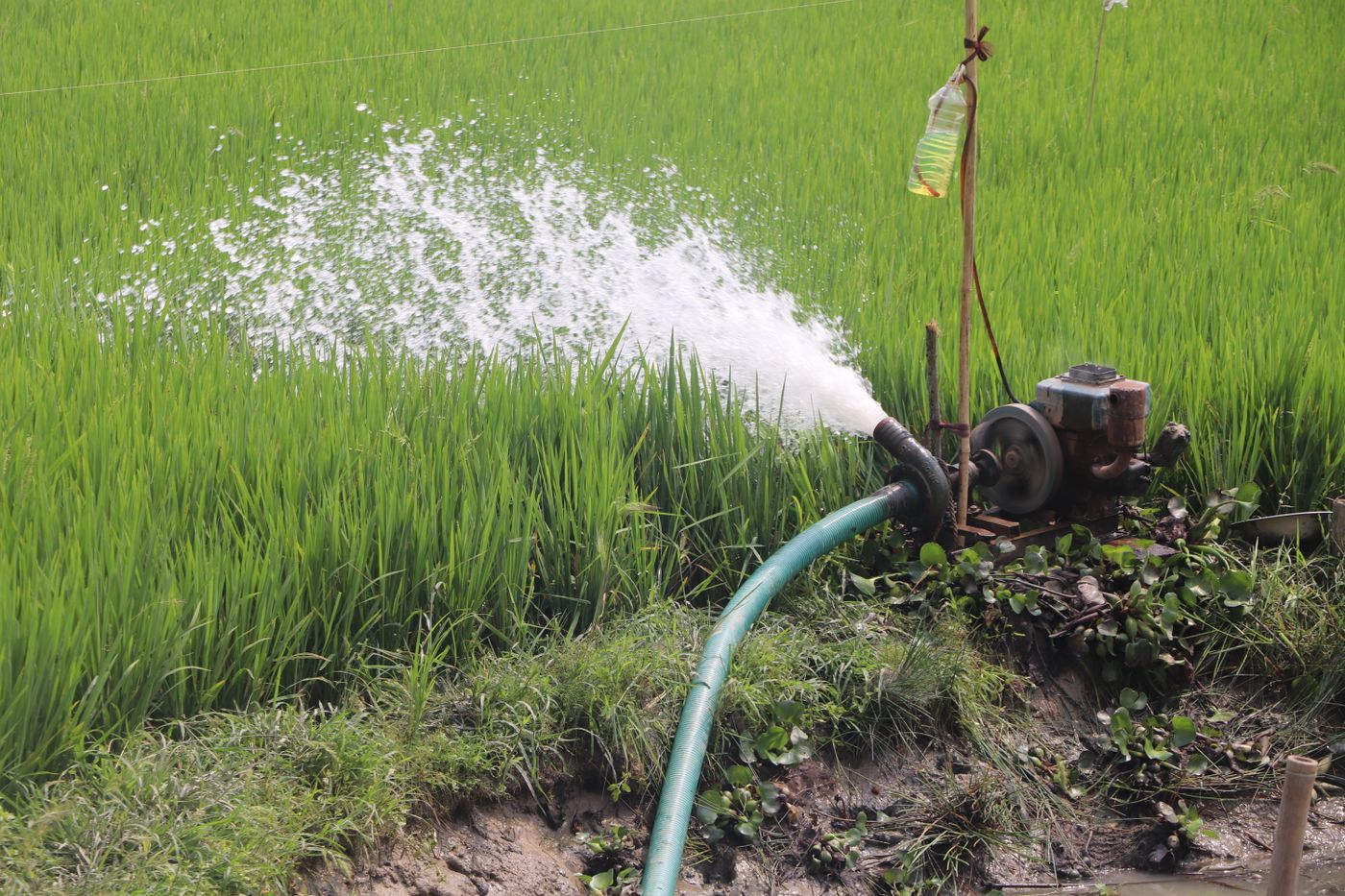
A common farm load list might include LED lights in the house and stores, phone and radio charging, a television, a water pump that runs a couple of hours a day, an egg incubator, poultry brooder lamps, a milk cooler or a small deep freezer for produce, and perhaps a chaff cutter or a workshop tool that runs briefly.
The reason people get sizing wrong is almost always this first step. They forget the freezer that runs all night, or they assume the pump runs one hour when it really runs three. A load list that is off by a third gives you a system that is off by a third.
Step Two: Turn Loads Into Daily Watt-Hours
Once you have every load in watts, multiply each by the hours it runs per day. That gives you watt-hours (Wh) per day for each device. Add them all together and you have your daily energy demand, the single most important figure in the whole exercise.
For example, a 15 watt LED bulb running 5 hours is 75 Wh. A 150 watt freezer running the equivalent of 8 hours across the day is 1,200 Wh. Ten bulbs, a television, charging and that freezer might land you somewhere around 2,000 to 3,000 Wh a day for a modest home and small farm setup. A farm adding pumping and cooling climbs well past that.
The chart below shows how a handful of typical farm loads compare in daily energy use. The point is not the exact figures, which vary by appliance, but the shape: motors and cooling dominate, lighting is small.
Step Three: Size the Panels From Sun Hours
Kenya is one of the best-placed countries in the world for solar. Most of our regions receive strong, consistent sunlight, and planners commonly work on roughly five effective sun hours a day as a safe planning figure. Effective sun hours are not the same as daylight hours, they are the equivalent hours of full-strength sun that actually generate power.
To find the panel capacity you need, divide your daily watt-hours by your sun hours, then add a margin for losses in wiring, the inverter, the charge controller and dust on the panels. In practice we add a comfortable buffer so the system is not running flat out on its worst day.
So a farm needing 3,000 Wh a day, divided by 5 sun hours, points to roughly 600 watts of panel before losses, and comfortably more once you add the buffer. That is why honest load-listing matters so much: every extra 500 Wh you add to the demand pushes the panel array, the battery and the budget up together.
Step Four: Size the Battery for the Hours Without Sun
Panels only work while the sun is up. If you want power in the evening, at night, or during a cloudy stretch, you need a battery bank. The battery is often the most expensive and most misunderstood part of a farm solar system.
Battery sizing starts from the same daily watt-hours, but now you ask a different question: how much of that energy do I need stored for the hours the sun is not shining? Add the loads that run after dark, decide how many days of backup you want if the weather turns, and you have a target storage figure in watt-hours.
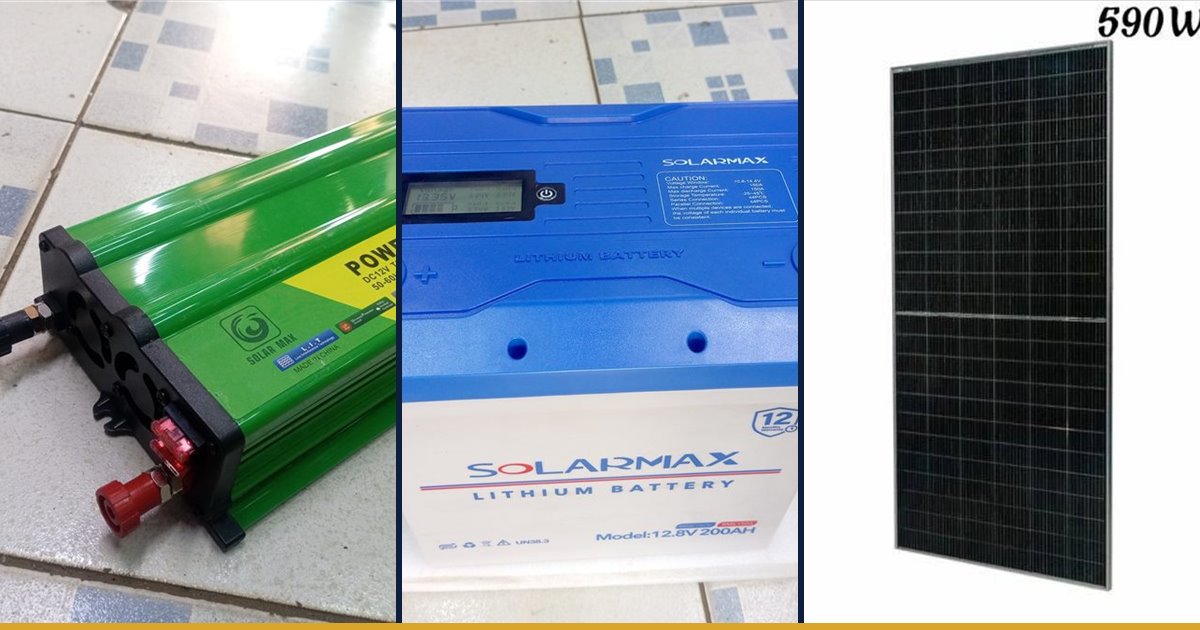
Battery chemistry matters here. Lithium (often lithium iron phosphate) batteries last far longer, tolerate deeper discharge and need almost no maintenance, but cost more upfront. Traditional lead-acid and tubular batteries cost less to buy but should not be drained too deeply and generally need replacing sooner. For a farm running a freezer or a milk cooler every night, the longer life of lithium often wins over the full lifespan of the system, but the right choice depends on your budget and how hard the battery works.
Panel Types: What to Actually Buy
You will mainly meet two panel types in Kenya. Monocrystalline panels are the dark, high-efficiency ones. They produce more power per square metre and perform better in lower light, which makes them the sensible default for most farms, especially where roof or ground space is limited.
Polycrystalline panels are the older, bluish type. They are usually cheaper per panel but less efficient, so you need more space for the same output. They still work well and can be the right call on a tight budget with plenty of mounting room.
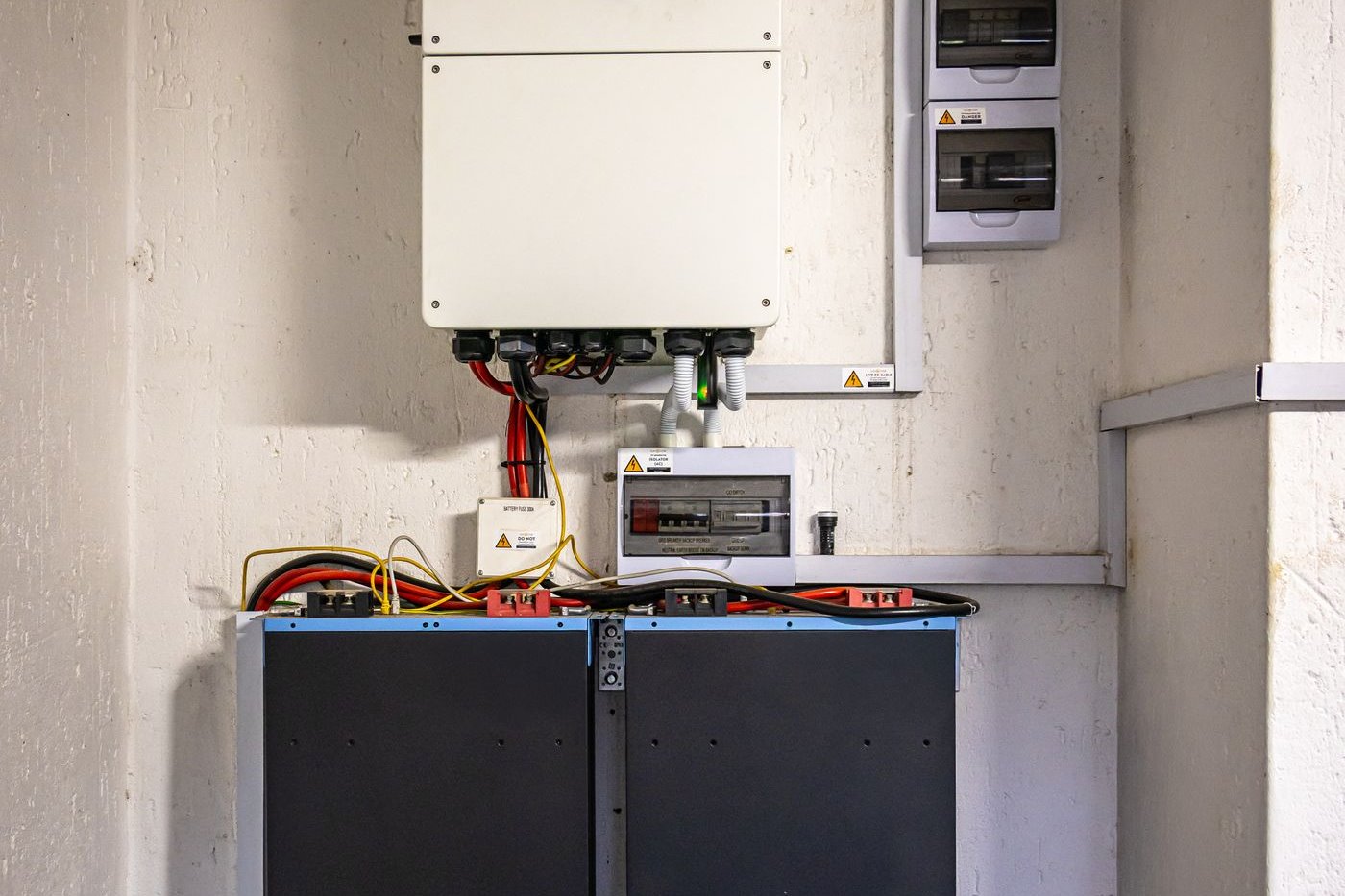
Beyond the panel itself, the parts that decide whether a system is reliable are the charge controller and the inverter. An MPPT charge controller squeezes noticeably more energy out of the same panels than a cheaper PWM unit, and a properly rated pure sine wave inverter is what lets you run motors, pumps and sensitive electronics without damage. Skimping on these two components is the most common false economy we see.
How to Budget: Match the System to the Money and the Job
Solar prices move with the exchange rate, battery chemistry and component quality, so we will not quote figures that will be stale next month. What stays true is how to think about the budget.
Split your spending across four buckets: panels, battery, the electronics (charge controller and inverter), and the mounting, wiring and installation. The battery is usually the biggest single cost over the life of the system because it may need replacing before the panels do. The panels themselves are the most durable part and often outlast everything else.
The smartest budgeting move for most farms is to size for today's essential loads and design so you can add panels and battery capacity later. A good installer leaves room in the charge controller and inverter for expansion. That way you spread the cost, and you do not pay upfront for capacity you will not use for two years.
When you are ready to compare specific components and prices, browse our solar equipment range, and for anything to do with pumping and irrigation see our water equipment section.
What a Farm System Can Realistically Run
To make this concrete, think in three broad tiers, understanding that the exact size depends on your load list.
A small home and smallholder system typically handles lighting, phone and radio charging, a television and a few small loads. It keeps the house running comfortably and is the most affordable entry point.
A mid-sized farm system adds a water pump for a couple of hours, an incubator or brooder, and perhaps a small freezer. This is where solar starts doing real farm work, and where correct load-listing and a decent battery matter most.
A larger commercial system runs bigger pumps, cold storage such as a milk cooler, and workshop tools, often across a bigger battery bank. These are designed one farm at a time, because the loads vary too much for a one-size answer.
Common Mistakes That Cost Farmers Money
The three failures we see most often are all avoidable. First, undersizing the battery, which leaves you with plenty of daytime power but darkness by 9 pm. Second, buying cheap electronics behind good panels, so the system underperforms and wears out early. Third, forgetting a load, usually a freezer or a night-running device, so the whole design comes up short.
All three come back to the same discipline: an honest load list and a sizing chain followed properly. Do that, and solar is one of the best long-term investments a Kenyan farm can make.
Key Takeaways
- Sizing starts with your loads, not with panels. List every device, its watts, and the hours it truly runs each day.
- Multiply watts by hours to get daily watt-hours, the single figure that drives the whole design.
- Divide daily watt-hours by roughly five planning sun hours, then add a buffer, to find your panel capacity.
- Size the battery for the loads that run when the sun is down, plus a margin for cloudy days.
- Monocrystalline panels suit most farms; never skimp on the charge controller and a pure sine wave inverter.
- Budget across panels, battery, electronics and installation, and design for later expansion.
- Prices shift, so confirm the current price on WhatsApp before you plan around a figure.
Frequently Asked Questions
How many solar panels does a farm need?
There is no fixed number. It depends entirely on your daily energy demand. Add up the watt-hours your appliances use each day, divide by about five sun hours, add a loss buffer, and that gives your panel capacity. Two farms of the same acreage can need very different systems.
Do I need batteries with my solar system?
Only if you want power when the sun is not shining, in the evening, at night, or during cloudy weather. A pure daytime load like a pump filling a tank can sometimes run without batteries, using the tank itself as storage. Anything running after dark needs a battery bank.
Monocrystalline or polycrystalline panels for a Kenyan farm?
Monocrystalline is the sensible default for most farms because it produces more power per square metre and performs better in weaker light. Polycrystalline is cheaper per panel but needs more space, which can suit a tight budget where mounting room is not a problem.
Can solar run a water pump or a freezer?
Yes, both are common farm solar loads, but they are heavy ones, so they push up the panel and battery size. Motors and cooling dominate a load list. If pumping is your main goal, read our guide on whether solar water pumps are worth it before you size the wider system.
How much does a farm solar system cost?
Prices move with the exchange rate, battery type and component quality, so we do not publish figures that quickly go stale. Send us your load list on WhatsApp and we will size a system and confirm the current price. Budgeting to expand later is usually the smartest approach.