The machine starts on the second pull. Water comes out of the hose, the seller smiles, and the price is a long way below new. You pay, load it onto a pickup, and for three weeks it is the best decision you made all year.
Then it delivers less than it did on day one. The seal weeps, your fundi says the impeller is worn, and nobody recognises the model. The saving has been spent twice over and you own a machine that cannot be repaired.
Buying used is not a bad decision. It is an uninsured one. New equipment arrives with a warranty and a supply chain behind it, while used equipment arrives in whatever condition it is in on the day, and the difference between a bargain and a loss is what you check before the money moves.
When used is the right call, and when it is not
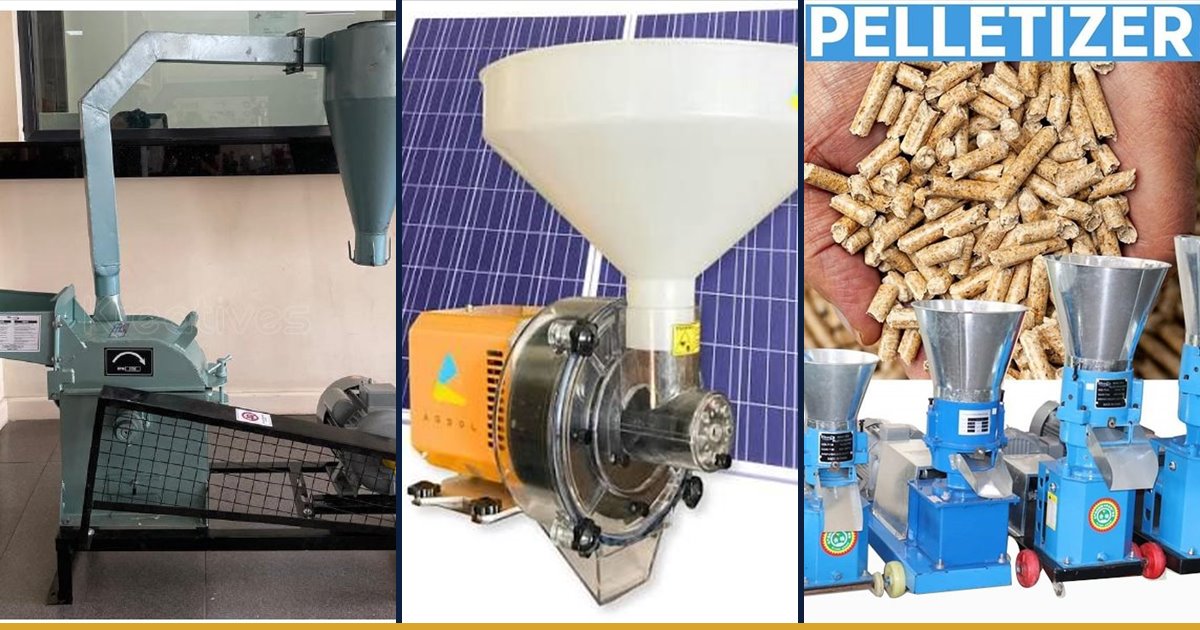
Used works well for simple mechanical equipment: chaff cutters, maize shellers, transformer welders, trailers and hand tools. The parts are generic and a fundi can replace most of what fails. It works badly where the value sits in electronics, such as incubator control boards, inverter welding sets and variable speed drives, because those parts are model specific and the model may no longer be made.
Used is also a poor idea when downtime is expensive. A pump that dies mid dry spell, or an incubator that drifts on day eighteen of a hatch, costs far more than the discount it earned you. If the machine sits in the critical path of a crop or a batch, buy new.
Used equipment is not cheaper equipment. It is the same equipment with the warranty, the service history and the spares guarantee removed, at a discount that may or may not be worth those three things. Your job at the viewing is to decide whether it is.
Why the machine is being sold
Every used machine has a story, and there are only four of them. Working out which one you are being told is the fastest way to price the risk.
An upgrade is the story you want: the seller has a working machine and a successor standing in the shed, so ask to be shown it. A closure is honest but indiscriminate, because when a workshop shuts the well-kept and the neglected go out on the same day. Buy each item on its own merits.
A failure is the story you will not be told: the machine has a fault the owner has priced and declined to fix. It will still start, and it may run beautifully for five minutes, which is what a load test exists to catch. Theft is the fourth, common for portable, unmarked items such as pumps, sprayers and power tools, and a stolen machine is not a discount but a liability.
Where used machines change hands, and what each route risks
Second-hand equipment moves through five channels, and they differ far more in recourse than in price.
Dealers with a yard cost the most and give the most back: a place to return to and a reputation that can be damaged. Farm clearances offer the most valuable thing in this article, the machine still standing where it worked, with the person who operated it. Auctions are sold as seen and usually without a test, so you are bidding on a photograph.
Online marketplaces and groups give the widest choice and the weakest identity, and the tell is always the same: a deposit requested before you have seen the machine and confirmed an address is a request to gamble.
Imports arrive by container, bought from listings, untested. Watch electrical compatibility, since a three-phase motor is useless in a single-phase shed, and watch the conformity route. KEBS runs a Pre-Export Verification of Conformity programme in which appointed agents assess goods in the exporting country and issue a Certificate of Conformity, and consignments arriving without one go through a separate procedure at the port rather than being released directly. Ask your importer which applies before you send money, because clearance costs land on you.
The inspection, machine family by machine family
Bring a torch, a clean rag, and, if the machine is worth real money, your fundi, paid for his time. His day rate is the cheapest money in the transaction.
Engines and pumps
Insist the engine is cold when you arrive. A pre-warmed engine hides hard starting, the symptom that reveals compression, glow plug and fuel problems. If you find it already running, come back another day.
Then watch the smoke. Blue means oil is getting past worn rings or valve guides, which is engine work. Persistent white after warm-up points at unburnt fuel or coolant, black at fuelling or restricted air. A puff on start-up is normal; a steady colour is a diagnosis.
Listen at idle for a knock that changes with load or a note that will not hold steady, then load the machine. A pump must lift against something like your real head, not free-flow onto the ground, and a worn impeller looks fine until you make it work, so time a bucket. Afterwards check the dipstick for creamy oil, which means water, and look for fresh paint around welds. Our guide to borehole pump maintenance explains the failure patterns you are feeling for.
Electric motors
Start at the nameplate, and refuse any motor that has lost it. It carries the kilowatt rating, the voltage, the phase and the speed, and without them you cannot tell whether the machine will even run in your shed.
With the power off, turn the shaft by hand. It should be smooth and silent with no side play: grinding is bearings, which are cheap, while play at the shaft is worse. Run it for twenty minutes and feel the housing, since too hot to hold on no load is a problem. Burnt varnish at the vents means the windings have been cooked.
Sprayers and tanks
Test with clean water, at pressure, and let it stand. You are looking for weeping at the pump seals, the hose joints and the lance trigger, all cheap to replace but a fair record of how the machine was kept. Check the tank shoulders for sun crazing and a metal tank for internal corrosion. Our guide to sprayer maintenance and repair lists the parts that fail.
Welding and workshop plant
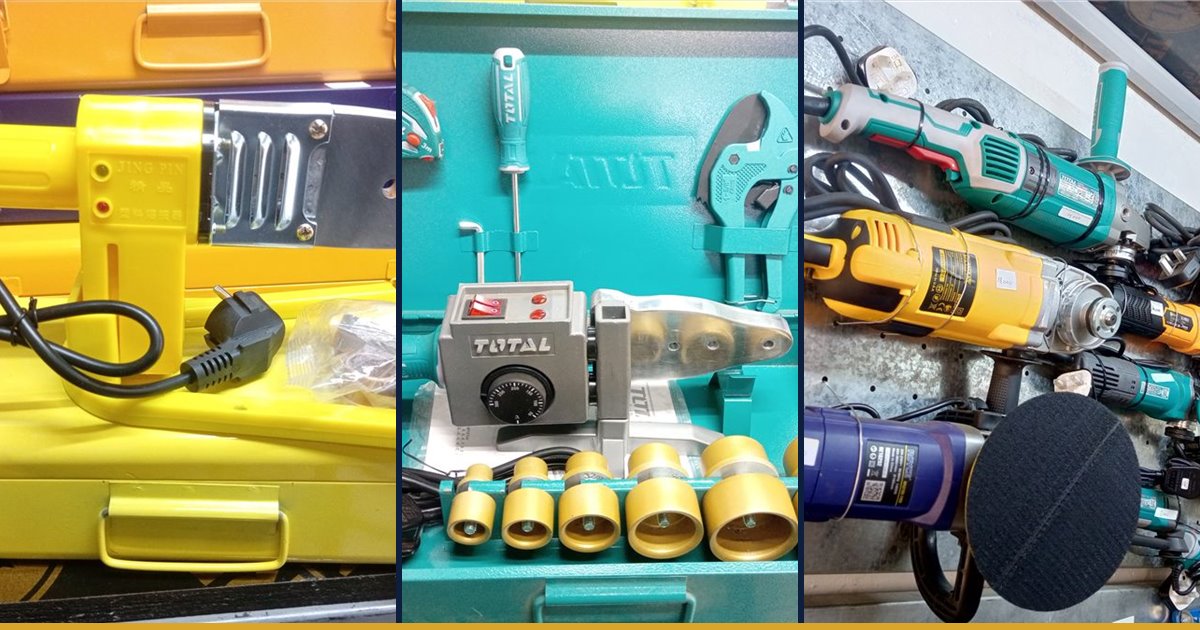
On a welding set the cables and accessories are a large share of the value, so price in tape repairs, exposed copper, a cracked electrode holder and a corroded earth clamp. Then strike an arc on scrap and run a bead, watching whether the output holds steady under load and whether the fan runs. Our comparison of welding machines for a rural workshop covers what each type tolerates.
Chaff cutters, shellers and driven machines
Blades first: how much metal is left and what the clearance to the shear plate is. Then bearings, shaft play and belt alignment, because a machine run on a misaligned drive has been quietly destroying itself. Our guide to belts, pulleys and bearings explains why those parts, not the engine, cause most breakdowns.
Missing guards are a walk-away every time. They are the cheapest thing on the machine, so their absence tells you how it has been run, and the same logic runs through our guide to farm and workshop safety equipment.
Incubators and anything with a control board
This is the riskiest used purchase on the list, because the three things that fail are the element, the thermostat and the control board, and only the element is reliably replaceable. Refuse a five-minute demonstration: ask for a twenty-four hour run with your own thermometer and hygrometer inside, then compare what the display claims with what your instruments read. A board showing 37.7 while the cabinet sits at 39 kills hatches without ever looking faulty.
If the board is unbranded and undocumented, treat it as a part with no replacement. Our incubator buying guide covers sizing if you conclude new makes more sense.
Serial numbers, papers, and the risk of buying stolen property
Photograph the serial and model plate before you discuss price. A model you can name is one whose bearings, seals, belts and impellers someone can quote, while a machine with no identity has no spares whatever its condition. The serial number is also the only thing tying a machine to a document, so be suspicious of a plate ground off, painted over or riveted on crookedly.
Ask for the original receipt or invoice, a copy of the seller's ID, and a written sale agreement carrying the serial number, the price, the date and both ID numbers. Pay traceably: M-Pesa and bank transfers tie a name to the money, cash at a roadside does not.
The legal test is not whether you knew. Under section 322 of the Penal Code (Cap 63), a person handles stolen goods if, knowing or having reason to believe them to be stolen, he dishonestly receives or retains them. It is a felony carrying up to fourteen years. A valuable machine with no papers, no serial plate and a seller in a hurry is exactly where "reason to believe" becomes arguable, and a low price is not a defence.
For higher value equipment there is one check almost nobody makes. Under the Movable Property Security Rights Act, 2017, security rights over movable property are registered in a public, notice-based Collateral Registry run by the Business Registration Service, and a machine charged as security for a loan carries that lender's interest even after the borrower sells it to you. The registry records security interests rather than ownership, so it cannot prove who owns a machine, but a search tells you whether somebody else has a claim.
Negotiate from the repair list, not the asking price
Write the repair list while you inspect, in four columns: the part, what it costs, who will fit it, and how long the machine is down. Seals, belts, bearings, blades, cables and nozzles belong on it even when they look serviceable, because on a used machine they are near the end of their life.
The arithmetic is then simple. You offer the asking price minus the list, and if the two together approach what the machine costs new with a warranty, stop. Treat a freshly painted, recently serviced machine as a reason to look harder, because a seller who invested in appearance rather than parts has told you where his priorities were.
Walk away, every time, from all of these: no serial or model plate; a seller who will not let you run the machine under real load; a deposit requested before viewing; papers that are "coming later"; welded repairs on a pressure vessel or a lifting component; missing guards; and a price so far below everything else you have seen that it only makes sense if something is wrong.
Transport, commissioning and the first week
Agree in writing who pays for transport and when risk passes to you, and photograph the machine at loading and on arrival. Moving equipment breaks it: bearings take flat spots on a rough road, shafts bend, control boards shake loose. Drain fuel before a long trip and strap to the frame, not to guards or panels.
Then commission it on day one whatever you were told about recent servicing: new oil and filters, new belts, a blade check, fresh seals on a sprayer, and for anything electric a look at the earthing and cable size. Budget that first-week kit as part of the purchase price. The discipline in our guide to generator maintenance applies doubly to a machine whose history you do not know.
Key takeaways
- Used suits simple mechanical machines with generic parts, and suits control boards and critical-path equipment badly.
- The discount must cover visible repairs, hidden repairs, unobtainable parts and the missing warranty.
- Insist on a cold start and a genuine load test. A five-minute demonstration proves almost nothing.
- No serial plate means no spares and no proof of identity, which are two separate reasons to walk.
- Under section 322 of the Penal Code, handling stolen goods turns on having reason to believe, not on knowing. A cheap price is not a defence.
- Negotiate from a written repair list, and buy new once that list plus the price approaches the new price.
Frequently asked questions
Is buying a used water pump in Kenya a good idea?
It can be, if you can test it against a realistic head rather than watching it free-flow in a yard, and if the model is common enough that seals and impellers are available. It is a poor idea when the pump sits in the critical path of irrigation, because a week without water usually costs more than the saving.
How do I know a second-hand machine is not stolen?
You cannot know with certainty, but you can make it far less likely: buy where the machine was used, insist on the serial plate, ask for the original receipt and a copy of the seller's ID, put the serial number on a signed sale agreement, and pay traceably.
Should I buy a used incubator?
Only after a twenty-four hour run with your own thermometer and hygrometer inside, and only if the control board is identifiable. An unbranded board is usually unreplaceable, which makes the machine disposable rather than repairable.
How much cheaper should used be?
There is no fixed figure, and anyone quoting one is guessing. Work it out from your own repair list: the discount has to cover the parts you can see, a reserve for the ones you cannot, and the absence of any warranty.
Can I get spare parts for a used machine?
Often, if you can name the model. Send us a clear photograph of the serial and model plate on WhatsApp and we will tell you whether the part is held at a branch, can be ordered, or no longer exists.
Ready to equip your farm or business?
If you are weighing a second-hand machine against a new one, send us the model and a photograph of the plate before you pay. We stock common spares including incubator, sprayer and pump components at our branches, and we will tell you plainly whether the parts for that machine are available. Where new makes better sense, everything we sell carries a minimum one-year warranty.