
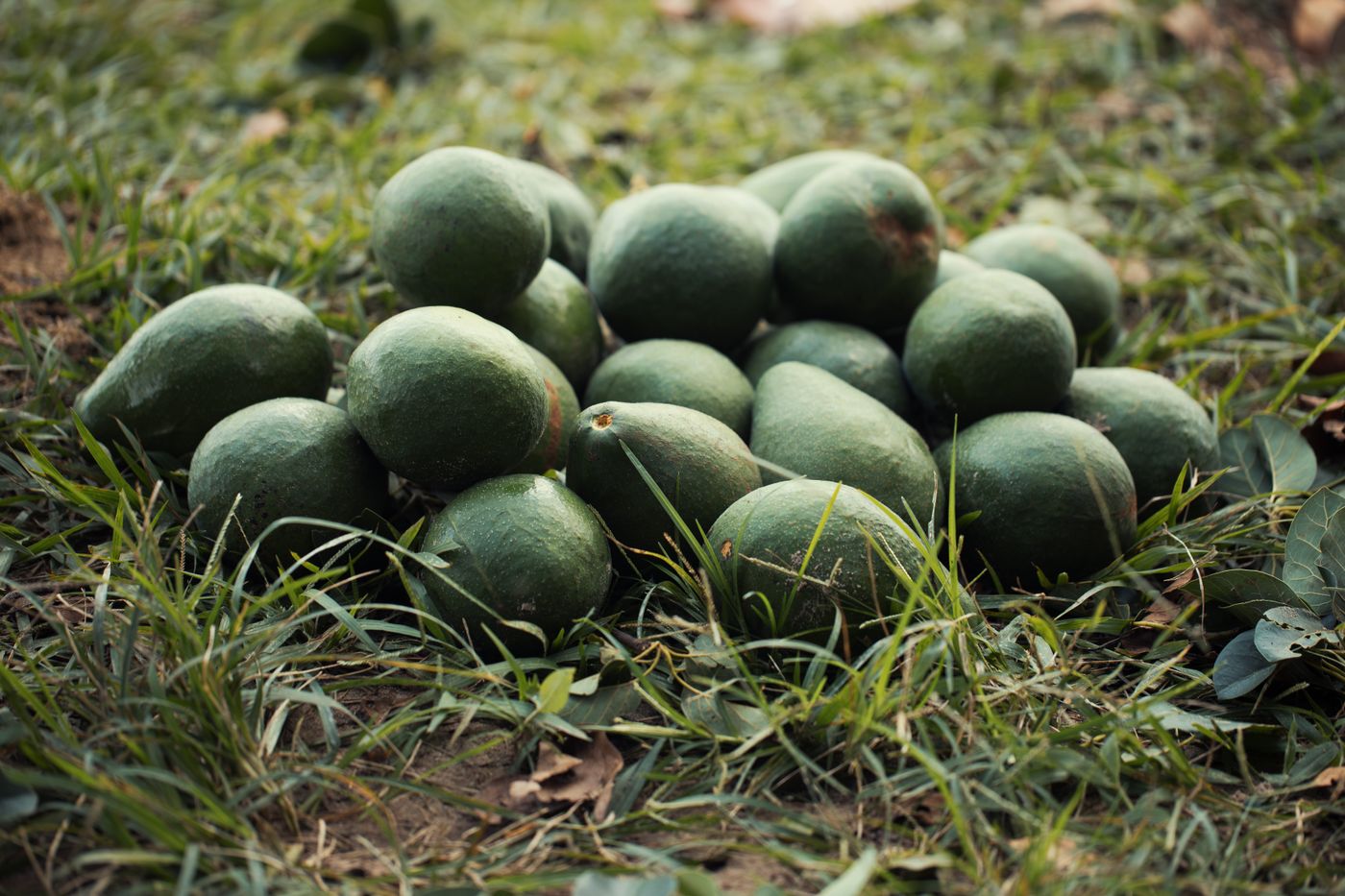
An avocado can leave the tree in export condition at eight in the morning and be worth local juice money by eleven, with nothing having happened to it except handling. No disease, no drought, no pest. A knock, two hours in open sun and a ride to the collection point in a sack, and the fruit is finished before it meets a buyer.
That is the uncomfortable truth about avocado and macadamia, two of the strongest earners on Kenyan smallholder land. The tree work takes years. The post-harvest work is a handful of same-day decisions made by whoever is in the orchard that morning, and those hours decide whether the crop sells at export grade or at the cheapest local price.
The First Hour Sets the Ceiling on Quality
Nothing you do after harvest improves fruit. Every step from the tree onward either preserves quality or destroys it, and most of the destruction happens in the first hour, before anyone thinks the post-harvest chain has begun.
Bruising in an avocado is not a mark you can see. An impact ruptures cells under the skin, and the damaged tissue browns internally as the fruit ripens. At the farmgate it still looks perfect; the bruise appears days later in a ripening room thousands of kilometres away. The person who caused it is never present when it shows, which is why it is underestimated.
Field heat is the second silent loss. A picked avocado is still alive and still respiring, and warm fruit respires far faster than cool fruit. What an exporter is really buying is remaining shelf life, so every hour in open sun is shelf life spent on the farm rather than sold.
Pick, Do Not Shake or Beat
The most damaging habit in Kenyan avocado orchards is knocking fruit down with a pole and gathering it off the ground. It costs the crop twice. First the fall: an avocado dropping onto soil, a stone or another fruit takes an impact that ruptures tissue instantly. Then the tree: beating the canopy strips immature fruit and breaks the wood and buds that carry next season.
Picking means cutting. A telescopic picking pole with a cutting head and a padded catch bag lets one person harvest high fruit without a ladder and without the fruit falling free; for reachable fruit, use secateurs or a curved harvesting knife. Cut the stalk rather than pulling, and leave a short stalk button attached, because a torn stem end is an open wound and the classic entry point for the rots that appear during ripening. Lower the catch bag into the crate rather than tipping it from height.
Macadamia is the deliberate exception, because mature nuts release themselves and are collected from the ground. There the discipline is frequency. Nuts sitting in warm, wet litter absorb moisture and grow mould, a food safety problem and not merely a quality one. Collect on short, regular rounds, and where the ground stays damp, spread nets under the canopy so nuts land dry.
Maturity Is a Measurement, Not a Guess
Avocados do not ripen on the tree. They hang, accumulating oil and dry matter, and only soften once picked. That single fact creates the industry's most expensive mistake: harvesting immature fruit because the price is good this week. Immature avocado shrivels, softens unevenly and often never ripens acceptably at all.
The standard maturity indicator is dry matter, which tracks oil accumulation. The test is simple in principle: take a representative sample from across the orchard, not just the easy trees, dry a measured amount of flesh to constant weight, and compare dried weight with fresh weight. It needs a precise balance and a controlled drying source, which is why dry matter testing sits at cooperative level.
What we will not do here is print a minimum figure. Maturity standards, harvest windows and export requirements are set by buyers and by the regulator, differ by variety and destination, and are revised. Before you cut a single fruit for export, confirm the current requirement and harvest window with your buyer, your cooperative, or the Agriculture and Food Authority. Treat any number circulating on WhatsApp as a rumour.
Macadamia maturity is read differently. Nuts are mature when the husk begins to split and nuts start falling naturally, which is the tree's own signal. After dehusking, a float test in a drum of water gives a rough sort, since poorly filled nuts tend to float. It is a screening tool, not a grade.
Field Crates Versus Sacks: The Quiet Margin Killer
Sacks are cheap, available and easy to carry. They are also the reason a great deal of otherwise excellent Kenyan fruit never reaches export grade, and the mechanism is pure structure: in a sack, the fruit is the structure. There is no rigid wall, so the weight of everything above presses through the fruit below, and a sack dropped onto a lorry bed or stacked two deep puts compression straight onto soft tissue. Sacks also flex, so every jolt of the road passes into the fruit, and they trap heat because air cannot move through them.
A vented plastic crate reverses all of that. The rigid walls carry the stack load, the fruit simply sits inside, the vents let field heat escape, and crates stack without any fruit taking weight. They also make grading possible, because fruit arrives in visible layers.
Crates only work if used properly. Fill level with the rim and never proud, because a heaped crate is crushed by the one stacked on it. Choose smooth interiors, since a plastic burr scars fruit as effectively as a stone. Wash and dry crates between uses, because a dirty crate carries rot spores from the last harvest into this one.
Shade First, Cooling Second
Shade is the cheapest post-harvest technology on any farm and the most consistently skipped. A shade net over a frame at the head of the row takes minutes to erect. Fruit should move from catch bag to crate to shade without a stop in open sun.
Cooling does a different job: it slows respiration so the fruit ages more slowly on its way to the buyer. The critical rule is continuity, because fruit cooled at the collection point and then loaded onto an open lorry loses the benefit and gains condensation. Repeated warming and cooling is harder on produce than never cooling at all, so invest in the whole chain, a point we cover in our guide to cold storage for fresh produce in Kenya.
One warning specific to avocado: colder is not automatically better. Avocado is chilling sensitive, and storage below its safe range causes internal damage that shows as greying flesh and failure to ripen. Take the holding temperature from your buyer rather than a general rule.
Grading and Sizing Without Guesswork
Grading and sizing are different jobs. Grading sorts on quality: sunburn, scarring, insect damage, cuts, missing stalks, deformity. Sizing sorts on weight or count, because export cartons are packed to a count and mixed sizes cannot meet specification.
Do both at a shaded table with a padded top and good light, never in the field, because a person squinting at fruit in an orchard misses defects that are obvious under a roof. The tools are unglamorous: a sizing ring board, a platform scale, clean crates for each grade, and a reject bin for fruit that stays on the farm instead of travelling on somebody's transport bill. Defect tolerances and size classes come from your buyer, so obtain the current specification sheet.
Keep a record for every consignment: block, date, picker, crate count and grade split. When a rejection comes back, records let you find the cause in an afternoon instead of arguing about it for a season.
Macadamia: Dehusk Early, Dry Properly, Store Dry
Macadamia forgives less than most crops, because the value sits inside a shell where damage is only discovered at cracking. Dehusking is urgent: the husk holds moisture and heat against the shell, and nuts left in husk discolour and support mould quickly. Common practice is to dehusk within about a day of collection, and buyers frequently set their own limit. Hand dehusking works at smallholder scale, while a motorised dehusker is a sensible cooperative purchase because it turns a slow group task into a short one, which is what makes that deadline achievable at peak drop.
Drying is the discipline most often rushed. Dry the nuts in thin layers on raised mesh trays with air moving underneath, in shade rather than direct sun, turning the layer so it dries evenly, then follow with a gentle warm-air stage if your buyer requires it. Heat is not a shortcut: drying too hot case-hardens the shell, cracks kernels and drives off surface moisture while leaving the centre wet, which is how a consignment that felt dry arrives mouldy.
Storage before collection is where a good harvest can still be lost. Hold nuts in breathable bags on pallets, off the floor and clear of the walls, in a dry, ventilated, rodent-proofed store, and never seal damp nuts into polythene. These are the principles that govern maize and beans, treated more fully in our guide to post-harvest grain storage in Kenya.
What a Smallholder Needs Versus What a Cooperative Needs
Most post-harvest advice fails because it prices a packhouse for a farmer with eighty trees. The honest split is by function: the smallholder protects the fruit, the cooperative measures and processes it.
A smallholder kit is short and affordable: a telescopic picking pole with cutting head and catch bag, secateurs, vented crates sized to what one person can carry when full, a shade net with poles, a raised mesh drying rack for macadamia, and a platform scale. That list changes a farm's grade profile more than any input purchase.
A cooperative carries what no single farm can justify: a shared crate pool with a washing point, a lit grading table with sizing rings and calibrated scales, dry matter testing, a motorised dehusker, staged drying with airflow, pallets and a dry ventilated store, and cooled holding if the buyer requires it. It also carries the traceability records and compliance paperwork.
Fuga stocks the practical end of that list across our farm equipment range: harvesting tools, crates, tarpaulins, scales and drying equipment. Prices move with stock, so we publish indicative figures on the price list and confirm the current figure when you ask.
Key Takeaways
- Handling can only preserve quality, never add it, and most damage happens in the first hour after picking.
- Avocado bruising is internal and appears days later at the buyer's end, which is why farms underestimate it.
- Pick with a pole cutter and catch bag, leaving a short stalk. Shaking damages this crop and next season's.
- Macadamia is collected from the ground, so collect often and keep nuts off wet litter.
- Avocado maturity is measured as dry matter, and the minimum is set by your buyer and the regulator. Confirm it with the Agriculture and Food Authority or your cooperative.
- Sacks make the fruit carry the load and trap heat. Vented crates carry the load in their walls.
- Shade within minutes, cool without breaking the chain, and remember avocado is chilling sensitive.
- Dehusk macadamia promptly, dry in stages on raised mesh trays, and store dry in breathable bags.
Frequently Asked Questions
Why should avocados go into crates instead of sacks?
In a sack the fruit itself carries the stack load, so the bottom layers are compressed and bruised, and packed sacks trap field heat. A vented crate carries the load in its walls. The crate costs more once; the sack costs you fruit at every harvest.
What dry matter percentage does avocado need for export?
We deliberately do not publish a figure. Maturity standards and harvest windows are set by buyers and by the regulator, vary by variety and destination, and are revised. Confirm the current requirement with your buyer, your cooperative, or the Agriculture and Food Authority before picking.
How soon should macadamia nuts be dehusked after collection?
Within about a day, because the husk holds heat and moisture against the shell and drives discoloration and mould. Many buyers set their own limit, so ask yours. A dehusker at cooperative level is often what makes that deadline realistic during peak drop.
Can I harvest avocado by shaking the tree?
No. Fruit that falls takes an impact that ruptures internal tissue, and the bruise only becomes visible when the fruit ripens at the buyer's end. Shaking also strips immature fruit and damages the wood that carries next season's crop. Cut the stalk with a pole cutter and lower the fruit into a crate.
What post-harvest equipment does Fuga stock, and what does it cost?
We supply harvesting tools, vented crates, tarpaulins and shade netting, platform scales and drying racks. Prices move with stock, so see the price list for indicative ranges and confirm the current figure on WhatsApp at wa.me/254716961018, call 0734263958, or visit any branch.