A box of day-old chicks arrives at the gate on a cool highland morning. They have travelled from the hatchery, they have not eaten, and their bodies cannot yet hold their own heat. For the next three weeks the most important thing you do for them is keep them warm, evenly and reliably, through cold nights and whatever the power supply decides to do. Get that right and the flock starts strong. Get it wrong and you pay in the first week, in chicks that pile, chill, stop feeding and die before they show their potential.
The question almost every Kenyan farmer reaches is the same: gas or electric? An LPG canopy brooder like the Damly, or an electric heat lamp, infrared bulb or ceramic emitter? Both work. The right one depends on your flock size, your power supply, your climate and how closely you can watch the house at night. This guide covers what the chicks need, what each source costs to run, where the safety risks sit, how many birds one brooder covers, and the free skill that beats every thermometer: reading the chicks themselves.
None of this requires you to trust a salesperson's word. Once you understand the physics of a cold chick and the behaviour of a warm one, you can judge any heat source on its merits and match it to your own house.
How Much Heat a Day-Old Chick Really Needs
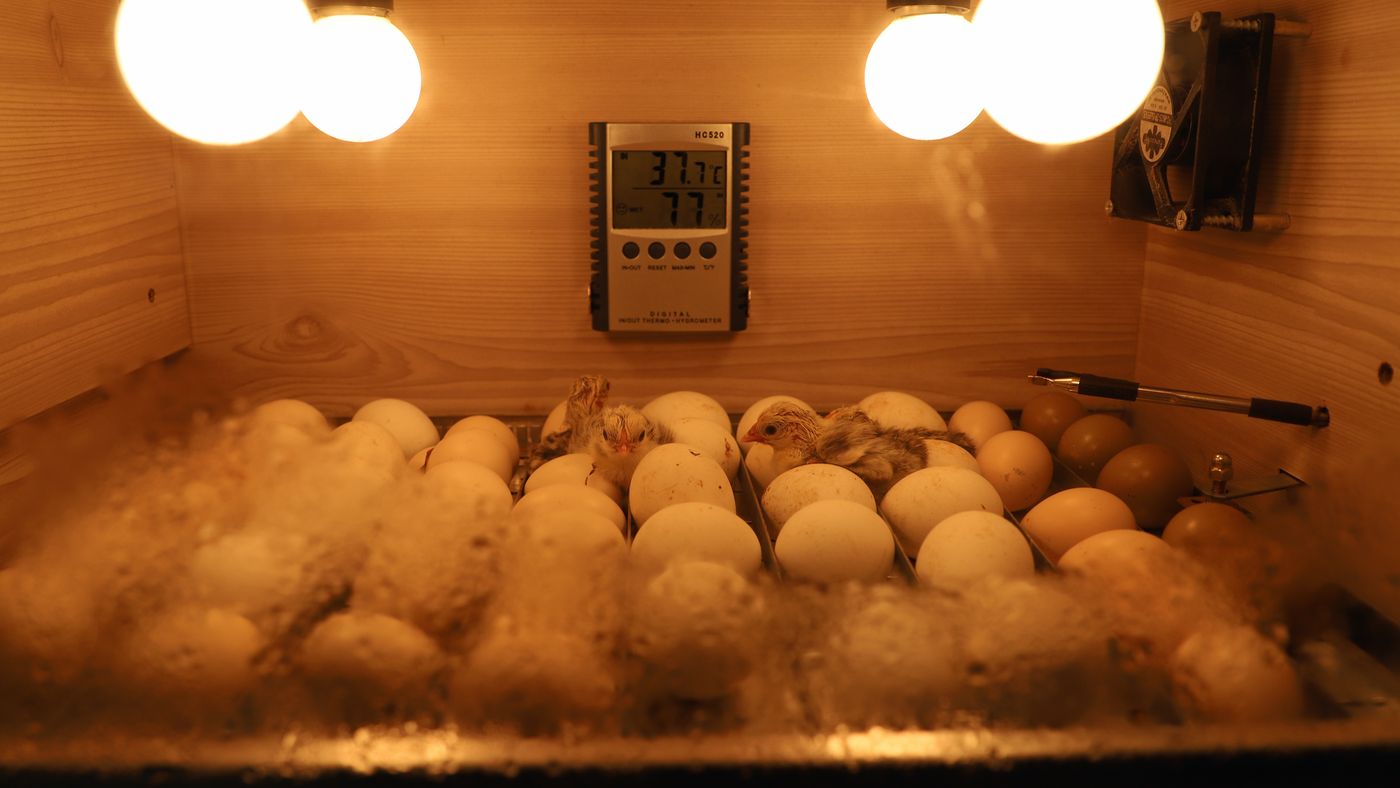
A chick hatches from an incubator held near 37.5°C into a world that is almost always colder. For roughly the first two weeks it cannot regulate its own body temperature well, because its down is thin and its internal thermostat is still developing. Until it feathers up, you are its thermostat. That is the whole job of a brooder.
The well established husbandry guide is straightforward. Aim for around 32 to 35°C at chick level on day one, then reduce it by roughly 3°C each week until the brooder temperature meets the ambient temperature of the house, usually by the fourth or fifth week. In a warm coastal town the chicks reach ambient sooner. In the cold highlands around Eldoret, Nyandarua or Molo you keep supplementary heat on longer and later into the night.
The phrase that matters most there is at chick level. Heat rises, so the air where you stand can read comfortable while the floor the chicks live on is several degrees colder. Measure where the birds are: a thermometer laid on the litter at the edge of the warmed circle tells the truth, and the height you hang a lamp or set a canopy changes the floor temperature more than most people expect.
Reading the Chicks: The Cheapest Thermometer You Own
A thermometer measures the air. The chicks measure what they actually feel, including draughts, damp litter and radiant heat a glass bulb never registers. A flock of day-old chicks is the most accurate temperature gauge in the house, and it costs nothing to read. Learn it and you catch a cold night before it becomes a dead chick.
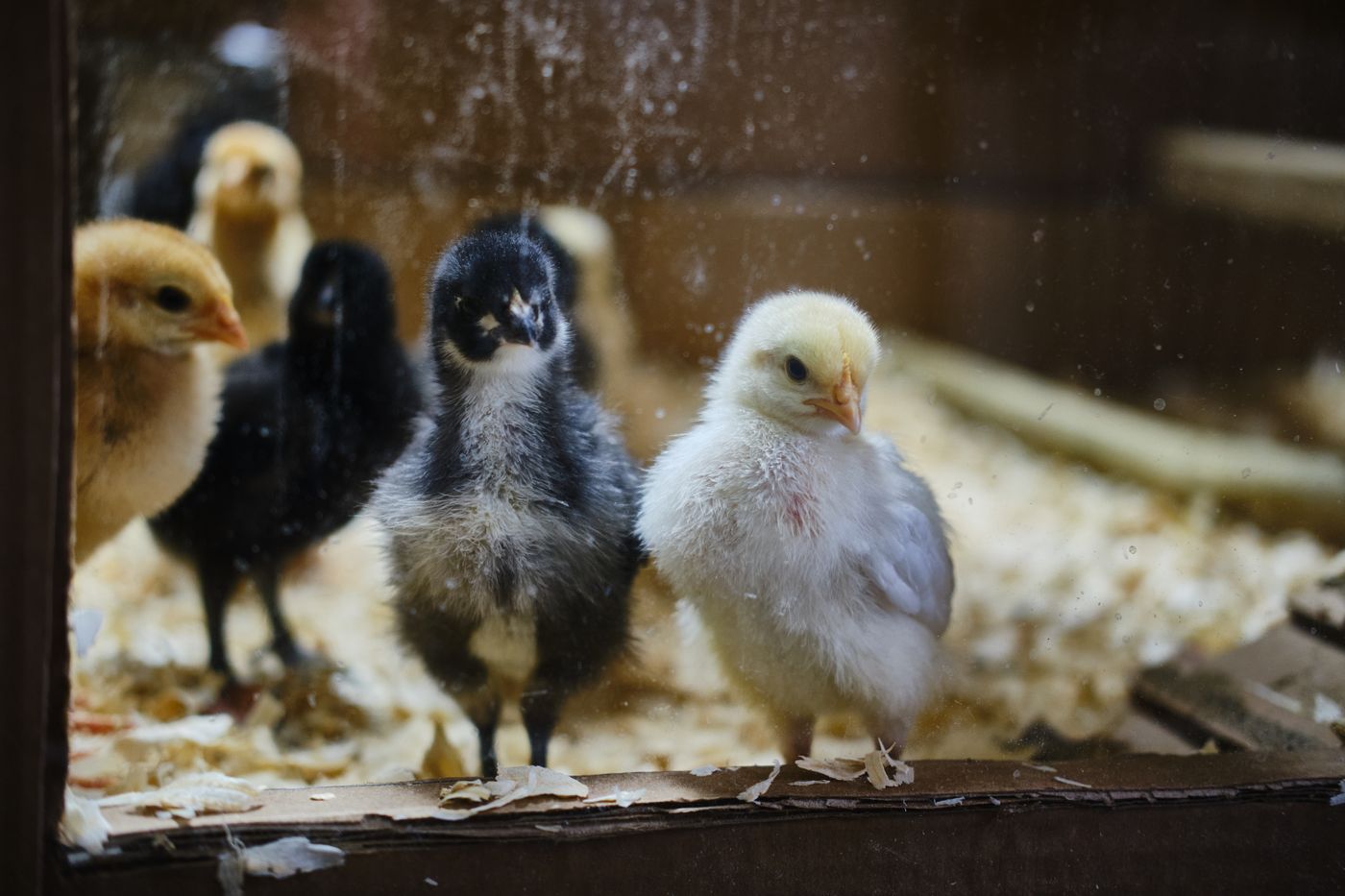
Under a brooder, comfortable chicks spread evenly across the warmed circle, chirping softly, some feeding, some resting. Too cold, and they pull into a tight huddle under the heat, climbing on each other and cheeping loudly, and the ones at the bottom can smother. Too hot, and they do the opposite, moving to the far edge with wings held out and beaks open, panting. Bunched to one side and ignoring the heat, they are telling you about a draught across the floor from a gap or an open door.
Check last thing at night and first thing in the morning, because the coldest hours are when a marginal heat source fails the flock. Our fuller guide to chick brooding equipment for Kenyan farmers covers the brooder guard, litter, feeders and drinkers around the heat source, but the behaviour above is the one habit that saves birds whatever brooder you buy.
Believe the birds, not the dial. When the thermometer says one thing and the chicks say another, the chicks are right. A quiet, evenly spread flock is the target every night. Loud cheeping and a tight pile is a temperature emergency, whatever the gauge reads.
Gas or Electric: What Each Heat Source Actually Is
An LPG canopy brooder, such as the Damly gas brooder, burns liquefied petroleum gas under a wide metal hood suspended over the floor. The flame heats the canopy, which radiates warmth down over a broad circle of chicks, much as the sun warms the ground. Because it heats a large area from one unit and does not depend on the grid, it is the workhorse of commercial and larger smallholder brooding across Kenya. You raise and lower it to set the floor temperature and turn the gas up or down for output.
Electric brooders come in three common forms. The ordinary heat lamp or infrared bulb, often 250 watts, pours out radiant heat and light from a single glowing point overhead. The ceramic infrared emitter is a dull element that gives the same radiant heat but no light, letting chicks follow a natural day and night rhythm and lasting far longer than a glass bulb. All are simple, cheap and easy to hang, but each warms a smaller group than a gas canopy and, crucially, each stops the instant the power does.
Running Cost: LPG Versus Electricity in Kenya
Cost is where most farmers want a single figure, and it is exactly where one would mislead you, because LPG prices and tariffs both move and depend on where and how you buy. What does not change is the logic you use to compare them, so learn it and apply your own current numbers. For today's prices on our brooders and heaters, check the Fuga price list rather than any figure in an article, because ours move too.
Start with how each turns money into warmth. Burning LPG releases heat directly into the house with very little wasted, and one filled cylinder holds days of energy that you release slowly. Electricity is billed per unit, and while a bulb or element converts almost all of it into heat, you pay a retail tariff for every hour it runs. Across a full brooding cycle, for most farmers running real flock numbers, gas tends to deliver a given quantity of heat more cheaply than grid power. Confirm it with your own cylinder price and tariff before committing, because a small backyard batch on a favourable domestic tariff can land differently from a commercial unit.
Scale changes the sum sharply. One gas canopy warms a large batch from a single burner, whereas covering the same chicks with 250 watt bulbs means running many at once, and the wattage adds up quickly on the meter. This is why per-chick economics usually swing towards gas as the flock grows, while lamps stay attractive for small numbers. Weigh purchase against running cost too: bulbs are cheap but fail often and cost more to run at scale, ceramic emitters cost more up front but last far longer, and a gas canopy is a larger outlay that earns it back on fuel across many cycles.
Compare the cycle, not the day. Add up three things for each option over a full batch: what the equipment costs to buy, what the fuel or power costs over the weeks the chicks need heat, and how often you replace parts. A cheap bulb can quietly become the most expensive way to warm a large flock once all three are on paper.
When Power Reliability Decides It for You
For many Kenyan farms this settles the argument before cost is even discussed. An electric brooder is only as reliable as your supply, and it fails the moment the power does. A blackout on a cold night is exactly what a brood cannot survive: the bulbs go dark, the floor cools within minutes, and the chicks pile and chill while you sleep.
A gas canopy does not care about the grid. It keeps burning through a blackout, load-shedding or a transformer fault, which is why farmers with an unreliable supply lean towards LPG for the brooding stage even if they use electricity elsewhere. The cylinder is your buffer against everything the power company does.
That does not rule electricity out. If your supply is steady, or you have a generator or an inverter and battery backup sized to carry the heaters through an outage, electric brooding is perfectly viable, especially for smaller batches. Be honest about your own supply: count last month's outages and how long they lasted, and decide whether you can stand over the house every cold night or would rather the heat never stopped. Where power is a genuine risk, the safest design is often gas as the primary heat with a backup ready to light.
Match the heat source to your power, not to the brochure. If your grid drops out on cold nights and you have no backup, an electric-only brooder is a gamble with the whole batch. Gas keeps burning when the lights go out, which for many farms is the deciding point on its own.
Safety: Fire, Ventilation and the Carbon Monoxide Question
Both heat sources are safe when set up properly and dangerous when they are not, but they fail in different ways, and knowing which risk belongs to which source is the point.
Fire is the shared hazard, because a brooder sits above deep, dry litter that burns readily. Electric heat lamps are a well known ignition source: the bulbs run extremely hot, and if one falls into the litter, hangs too low or shatters, bedding can catch. Secure every lamp with a chain rather than by its cord, keep it at the correct height, use a guard, and check the wiring, because an undersized cable carrying a heavy bulb load is its own fire risk. With gas, the discipline is the cylinder, regulator and hose: keep the cylinder upright and clear of direct heat, check the hose and connections for leaks with soapy water, and never leave a lit brooder where it can be knocked over.
Ventilation is where new brooders most often go wrong, because the instinct on a cold night is to seal the house tight. That instinct kills chicks. A brooding house needs constant fresh air to carry away moisture and the ammonia that builds in litter, both of which damage the delicate airways of young chicks even when the temperature is perfect. Warmth and fresh air are not opposites: provide both, warming the air and still letting it move.
With any fuel-burning brooder, ventilation is a life-safety issue, and this is the single most important gas safety point in the guide. Burning LPG consumes oxygen and, if combustion is incomplete in a starved, sealed house, produces carbon monoxide: colourless, odourless, and able to kill a house of chicks and the people tending them without warning. The defence is absolute. Never run a gas brooder in a sealed house, keep a permanent flow of fresh air, and treat any yellow, sooty flame as a fault to fix before the brooder goes back over the chicks. Electric brooders carry no carbon monoxide risk, a genuine point in their favour, but they trade it for the shock and fire risks of hot glass and heavy current, so neither source is a free pass on safety.
Never seal the house to keep gas heat in. A tight house plus a burning brooder is how carbon monoxide builds and how a clean flame turns dirty. Warm the air and keep it moving. A steady blue flame and a permanent draught of fresh air are the two things that keep a gas brooder safe.
Sizing and Spacing: How Many Chicks One Brooder Covers
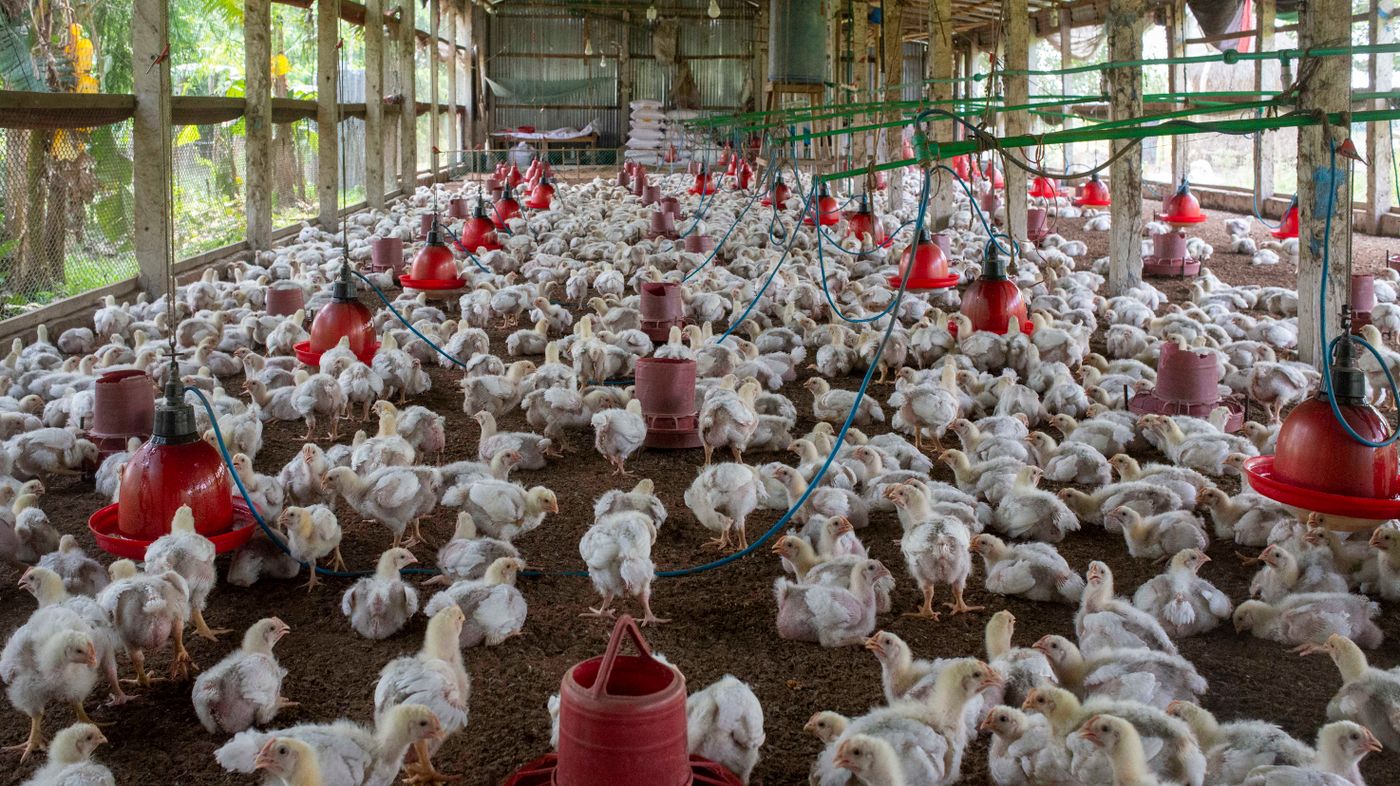
A heat source is rated for a number of chicks, and the gap between the two families is large. A single lamp or ceramic emitter warms a modest group, a few dozen to around a hundred chicks depending on wattage and how cold the house runs, which is why small batches suit lamps so neatly. A gas canopy is built to warm a far larger batch from one unit, the whole reason commercial farms favour it. Follow the maker's rating for the model rather than a rule of thumb, and remember a cold highland night lowers the number any source can comfortably cover.
Spacing matters as much as the headline number. Chicks must be able to move towards the heat when cold and away when warm, the very behaviour you read in the ring, so the warmed zone needs an edge they can reach and large flocks need several heat sources spread through the house so there are no cold corners. A brooder guard, the low ring of card or mesh that keeps chicks near heat, water and feed in the first days, is widened as they grow so floor space per bird rises week by week. Crowd the chicks and every problem worsens: heat turns uneven, litter dampens faster, disease spreads and weak birds cannot reach warmth.
Think of the incubator and the brooder as two halves of one system. The chicks came from eggs set weeks earlier, and the quality of that hatch decides how robust they are at the brooder. If you run your own hatchery with our egg incubators, the same attention to steady temperature carries through, and our guide on how to improve your hatch rate in Kenya covers the stage before the chicks reach the heat lamp.
Choosing the Right Brooder for Your House
Put the pieces together and the decision usually makes itself. For small batches with steady or backed-up power and the simplest setup, an electric heat lamp or, better, a ceramic emitter is cheap, clean and easy, with no cylinder to refill and no carbon monoxide to manage. For larger numbers, unreliable power, or a cold area where heat must stay on through long nights, an LPG canopy brooder is more dependable and, at scale, usually cheaper to run.
Many farms end up with a deliberate combination: a gas canopy as the primary heat because it survives outages and warms a big batch efficiently, with an electric emitter or a second gas unit held ready as backup so one failure never leaves the chicks cold. Whatever you choose, the decision is not final until the chicks confirm it. Set the brooder, watch the ring for an evening, and let a quiet, evenly spread flock tell you that you got it right.
Key Takeaways
- Day-old chicks need about 32 to 35°C at chick level, reduced by roughly 3°C per week until the heat meets the ambient temperature of the house, usually by week four or five.
- Read the chicks: evenly spread is comfortable, huddled under the heat is too cold, pushed to the edge is too hot, and piled to one side means a draught.
- Gas usually costs less to run at real flock numbers and keeps burning through a power cut, while electric lamps are cheap for small batches but fail the instant the grid does.
- The defining gas safety rule is ventilation: never brood in a sealed house, keep a clean blue flame, and treat carbon monoxide as a real, invisible risk.
- One gas canopy covers a large batch while a single lamp covers a small group, so size to the maker's rating, spread heat sources through big houses and widen the guard as chicks grow.
Frequently Asked Questions
What temperature do day-old chicks need in the brooder?
Aim for roughly 32 to 35°C measured at chick level on day one, then reduce it by about 3°C each week until it meets the ambient temperature of the house, usually by the fourth or fifth week. In cold highland areas, keep supplementary heat on longer and later into the night. Always measure where the chicks are on the floor, not where you stand, because heat rises and the floor is colder.
Is a gas or electric brooder cheaper to run in Kenya?
For most farmers running real flock numbers, a gas canopy delivers a given amount of heat more cheaply than grid electricity, and one canopy warms a far larger batch than a single 250 watt bulb. Lamps stay attractive for very small batches where one or two bulbs do the job. Because gas prices and tariffs both move, compare the full cycle with your own cylinder price and tariff, not a fixed figure.
Are gas brooders safe, and what about carbon monoxide?
Yes, when they are ventilated properly. Burning LPG uses oxygen and can produce carbon monoxide if combustion is incomplete in a starved, sealed house, and carbon monoxide is colourless and odourless. The rule is absolute: never run a gas brooder in a sealed house, keep a permanent flow of fresh air, and make sure the flame burns a clean, steady blue. A yellow or sooty flame is a fault to fix before the brooder goes back over the chicks.
How many chicks does one brooder cover?
A single lamp or ceramic emitter warms a modest group, a few dozen to about a hundred chicks depending on wattage and how cold the house runs. A gas canopy is built to warm a far larger batch from one unit, which is why commercial farms prefer it. Follow the rating for the model you buy, and in large houses spread several heat sources through the space so there are no cold corners where chicks pile.
What happens if the power goes out during electric brooding?
The heat stops instantly and the floor cools within minutes. On a cold night an unattended outage can chill and kill much of the brood before you wake. If your supply is unreliable and you have no generator or battery backup, this alone is a strong reason to choose a gas canopy brooder, or to run gas as the primary heat with a backup ready.
At Fuga we supply both sides of this choice, and we would rather match the brooder to your flock and power than sell you the biggest unit. Our Damly LPG canopy brooders suit larger and off-grid flocks, while our electric heaters and emitters suit smaller batches with steady power, across our Eldoret, Nakuru, Nairobi and Coast branches. Bring us your flock size, your area and how reliable your power is, and we will point you to the heat source that keeps your chicks warm every night.