In the long rains the problem is too much grass. Paddocks get ahead of the cows, napier goes woody before anyone can cut it, and feed looks like something that will never be a worry. Four months later the same farm is buying hay at the price everyone else is paying, because everyone ran out in the same week.
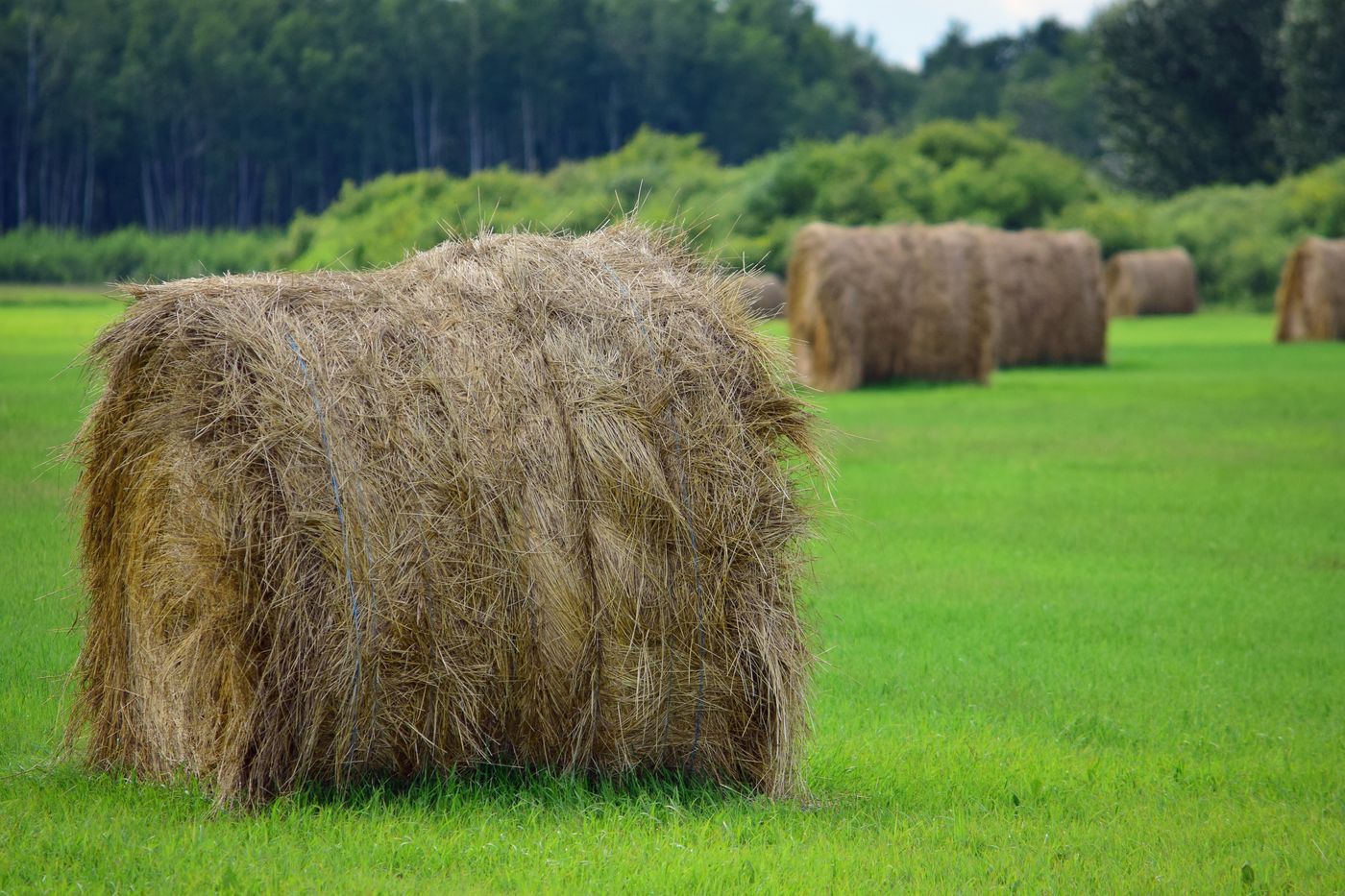
That swing is not a rainfall problem. Grass grows in flushes; a cow eats every day of the year. Fodder conservation moves a surplus from the month it grows into the month it is needed, and hay is the oldest and cheapest way to do it.
Hay is also easy to get wrong. Cut a week late and you have bulk with no feeding value. Bale a day early and you have bales that heat, mould and are refused by the very cows you made them for. This guide walks the chain: cutting stage, mowing, tedding, moisture, balers and storage.
What Conservation Actually Buys You
Conserved fodder is not just insurance against hunger. A cow that drops from good grazing to poor dry-season feed loses body condition, and the losses then stack: milk falls, she takes longer to come back on heat, calving interval stretches and the next lactation starts late. You do not simply lose the milk of the dry months. You lose part of the following year.
The counter is to hold feeding quality level across the calendar. Hay cut young and dried fast carries a milking herd through a dry spell with only a modest yield dip; hay cut late and rained on is close to bedding.
Cutting Stage: Where Yield and Quality Cross
As a grass plant matures the bulk it adds is stem, mostly lignified fibre the cow cannot digest, while the leaf fraction that carries the protein becomes a smaller share of the plant. Tonnage climbs, feeding value falls, and the two curves cross.
For Rhodes grass, boma Rhodes and most sown pasture grasses, that crossing point sits around boot stage to early flowering: seed heads just emerging, stems still soft enough to bend without snapping. Cut earlier and quality is excellent but the tonnes do not justify the diesel. Cut after full flowering, once heads have set seed and stems have gone hard at the base, and you are baling straw with a grass name on it. Lucerne follows the same logic on a different clock: early bud to about one-tenth bloom, cut on a strict interval rather than by eye.
Mowing: Slashers, Mowers and Cutting Height
How you cut sets how fast the crop dries, because air must move through the material to carry water away. A clean cut laid in an even, fluffy swath dries far quicker than a shredded mess pressed flat into the stubble. On smallholdings a machete or well-set slasher still does most of the cutting, which is fine if the blade is sharp: a blunt slasher tears stems instead of severing them, and torn stems bruise, hold moisture and darken.
Above a couple of acres, a tractor-mounted disc or drum mower changes the economics, cutting a wide swath at walking speed and laying the crop out consistently. A mower conditioner goes further, crimping the stems as they pass so the waxy outer layer cracks and water escapes closer to the speed it leaves the leaves.
Set the cutting height at roughly 5 to 8 centimetres for grasses. Scalping looks thorough but drags soil and stones into the swath, blunts blades, adds spoilage bacteria and slows regrowth. Stubble tall enough to hold the swath off the ground acts as a drying rack.
Tedding and Turning: Getting the Water Out Before the Rain Comes In
Fresh grass is roughly three-quarters water; hay is stable at well under a fifth. Everything between those numbers is a race against the next shower, and tedding is how you win it.
Tedding means spreading and fluffing the cut crop so the wet underside is lifted into air and sun. A tractor tedder does it in one pass; a hand rake and fork do the same job on a smallholding. Ted first within a few hours of cutting, while the crop is limp and the leaves will not shatter, then turn once a day.
Late in the process the priority flips, because dry leaves are brittle and every aggressive turn knocks leaf onto the ground. On the last day handle the crop gently, work in the cool of the morning, and rake it into windrows.
Judging Moisture: The Classic Expensive Mistake
Baling hay that is still too wet is the most common and most costly error in fodder conservation, and it is easy to make because wet hay looks finished. It is heavier, packs denser, ends the day's work sooner, and the damage does not appear for a week.
The mechanism is simple. Plant cells keep respiring while moisture remains, and moulds and bacteria feed on the sugars. Both release heat, and a tight bale cannot shed it. The stack warms, the hay browns, protein is bound into a form the cow cannot use, and mould spores build. In severe cases a wet, densely packed stack heats far enough to char, and barn fires caused by wet hay are a well documented hazard. Milder cases still leave you feed cows refuse and a risk to pregnant animals.
Small rectangular bales are safest at around 18 to 20 percent moisture or below. Denser bales must be drier still, having more mass and less surface to release heat. Below about 12 percent the opposite problem starts: leaf shatters during handling and blows away, taking the protein with it.
Without a meter, use two field tests. The twist test: twist a handful of stems hard. Hay that is ready creaks and snaps cleanly; wet hay twists into a rope and the outer skin peels rather than breaks. The scrape test: scrape a thick stem with a thumbnail, and if the surface peels away in a moist green strip, water is still locked in the stem even though the leaves feel crisp.
Time of day matters too. Bale in the afternoon once the dew has burned off, and stop when evening dampness returns. Stack any bales you are unsure about loosely and apart, then check the middle by hand for a week. Warm is a warning. Hot means pull the stack apart immediately.
Box Balers and Motorised Balers
A manual box baler is what the name says: a rectangular timber or steel box, sized to the bale you want, with strings laid in the bottom before filling. You fork in hay, compress it by standing on it or with a lever lid, tie the strings and tip out a bale. It has no engine and any fundi can repair one, which makes it a sensible tool for a farm baling a few hundred bales for its own herd. The cost is labour and the risk is inconsistency, so fill the box in even layers and compress the same number of layers every time.
A motorised baler, engine-driven and static or tractor-drawn with a pick-up, changes the scale of what is possible. A pick-up baler lifts the windrow, compresses it and ties it mechanically, turning a multi-day crew job into an afternoon. That speed is itself a quality tool: baling a whole field inside the one dry afternoon you were given is worth more than any other feature.
So the honest test is throughput against weather risk: every extra day of hand baling is another chance for rain. Baler and mower prices move with stock, so use our price list as a starting point and confirm on WhatsApp.
Handling and Storage: Where Good Hay Goes Bad
Hay that survived cutting, drying and baling can still be lost in storage, and the losses are almost always the same three: ground moisture, roof leaks and rodents. Start by getting bales off the ground. A bale on bare soil wicks moisture up through its base and rots from below, quietly writing off the bottom layer of a stack. Pallets, poles, old timber, even stones under a polythene sheet will do. Keep the stack under a roof or a well-secured tarpaulin pitched so water runs off rather than pooling, leave a gap to the wall, cross the bales so there are channels through the pile, and put the oldest bales at the front, since hay slowly loses vitamins and colour in store.
Rodents are the quiet tax, since a hay store is warm, dry and full of nesting material, and rats both eat and foul the feed. Cut the grass around the store so there is no covered approach, sweep loose hay off the floor, set traps on the perimeter rather than in the stack, and never store hay beside spilled dairy meal.
Hay or Silage: Two Tools, Not a Contest
The two strategies solve one problem by opposite physics. Hay removes water so nothing can grow; silage keeps the water, excludes the air and lets fermentation acidify the crop into stability, as our guide to making silage in Kenya explains.
That difference decides where each fits. Hay needs several consecutive rain-free days at the moment the crop is ready, the constraint that bites hardest in the highlands, but bales store simply, move easily, sell readily, and can be bought in from a drier district when your own crop fails. Silage tolerates weather that would ruin hay and usually preserves more energy, but it demands a chopper, tight compaction, an airtight seal and quick feed-out once opened.
Most successful dairy farms run both. Silage carries the milking herd through the deep dry season; hay covers dry cows, heifers and the awkward gaps, and supplies the long fibre a maize-silage ration needs. Whichever you make, a chaff cutter earns its keep: chopping bales before feeding cuts refusals sharply, because a cow can no longer sort the leaf out and leave the stem.
Key Takeaways
- Conserved fodder protects body condition, and condition protects next year's calving interval and milk.
- Cut grasses at boot to early flowering, lucerne at early bud; later than that you are baling bulk with little feeding value.
- Sharp blades and a 5 to 8 centimetre cutting height give a clean, fast-drying swath and protect regrowth.
- Ted within hours of cutting and turn daily, but handle gently at the end, because leaf is where the protein lives.
- Bale small bales at 18 to 20 percent moisture or below, denser bales drier still; use the twist and scrape tests if you have no meter.
- Wet bales heat, mould and can catch fire; check suspect stacks by hand daily for a week.
- Box balers suit farms baling for their own herd; motorised balers buy speed, and speed beats rain.
- Store bales off the ground, under cover, with air channels and the oldest at the front.
- Run hay and silage together: silage for dry-season energy, hay for flexibility, fibre and trade.
Frequently Asked Questions
How do I know when hay is dry enough to bale?
Twist a handful of stems hard. Ready hay creaks and snaps cleanly; wet hay twists into a rope and peels. Scrape a thick stem with your thumbnail too, since leaves feel crisp while the stem still holds water. Aim for 18 to 20 percent moisture or below in small bales, drier in large dense bales.
What happens if I bale hay that is too wet?
The bale keeps respiring, moulds grow and the stack heats. You lose protein to heat damage, the hay browns and cows refuse it, and in bad cases a dense stack can catch fire. Stack suspect bales loosely, apart from the main store, and check them by hand daily for a week.
Is a manual box baler good enough for a small dairy farm?
For a herd feeding its own hay, yes. A box baler costs little, needs no fuel or servicing, and any workshop can repair it. Its limits are labour and consistency of bale weight. Once baling stretches beyond a day or two, a motorised baler starts paying for itself in crop saved from rain.
Should I make hay or silage in Kenya?
Make silage when the weather will not give you several dry days in a row and you need dry-season energy for milking cows. Make hay when you have a reliable dry window and want feed you can store simply, move or sell. Most well run dairy farms make both. See our silage guide for the fermentation side.
How much do mowers, slashers and balers cost at Fuga?
Prices move with stock and the exchange rate, so check our price list for indicative ranges and confirm the current figure on WhatsApp at wa.me/254716961018 or call 0734263958. You can also visit any branch in Eldoret, Nakuru, Nairobi or the Coast.