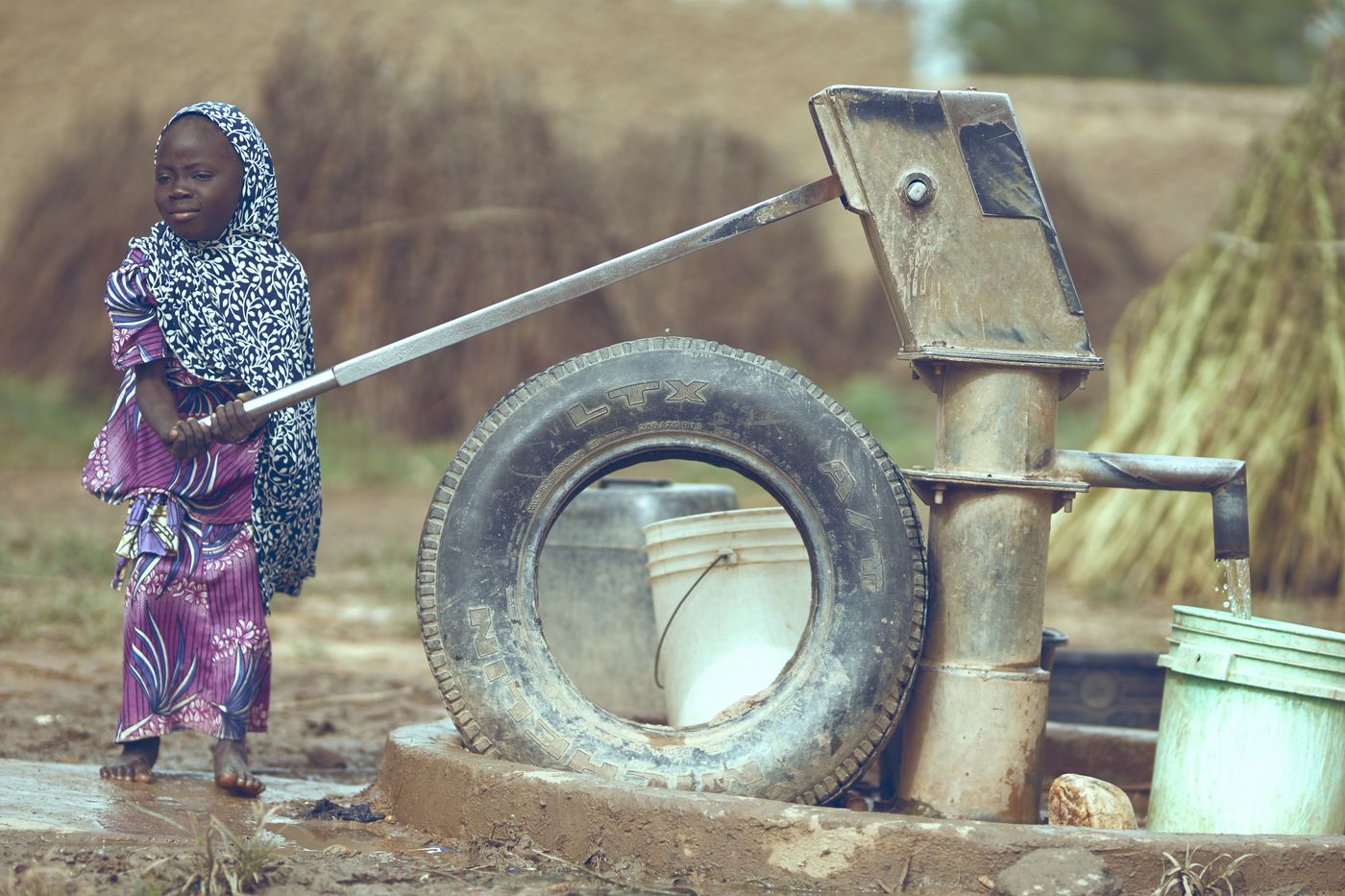
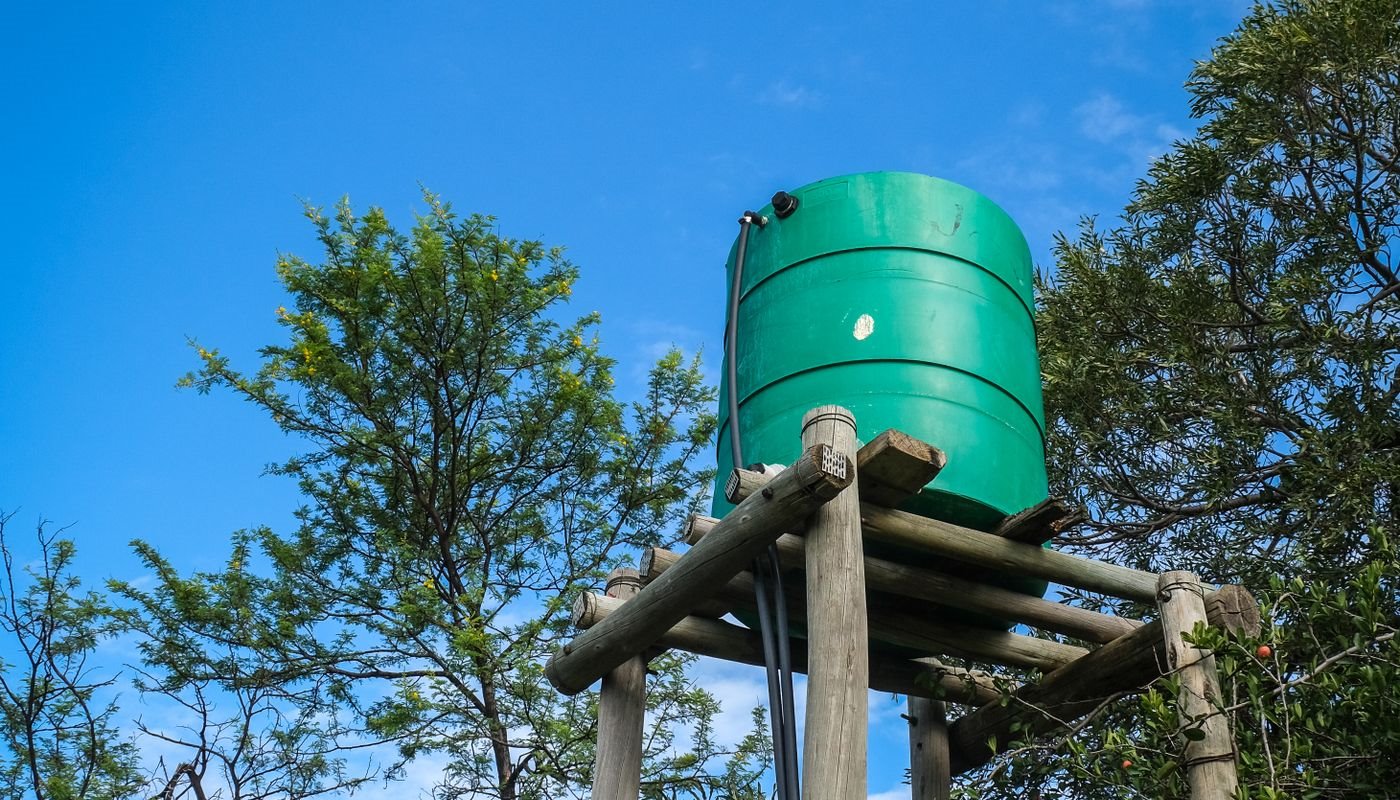
A borehole pump runs for an hour in the morning to fill the tank. Someone forgets to switch it off, and by lunchtime water is pouring over the top of the tank, washing out the base of the stand and running down to the road. On the other side of the farm, the cattle trough has been empty since dawn because the person who fills it with a hose went to market. Two different problems, one cheap answer: a float valve.
A float valve, also called a ball valve or ballcock, opens to let water in when the level drops and closes when the level reaches a set point. It is the same mechanism that refills a toilet cistern, scaled up for tanks and troughs. Fitted properly, it stops overflow, saves pumped water and fuel, and keeps livestock drinking all day without anyone holding a hose.
This guide explains how a float valve works, which type suits a gravity tank, a pressurised mains or pump line and a trough, how to fit one so it lasts, and how to fix the common faults. During the short rains, when tanks also fill from gutters and pumping schedules change, a valve that shuts off reliably matters more than ever.
How a Float Valve Works
Every float valve has three parts: a valve body that screws into the inlet, a lever arm, and a float on the end of the arm. As the water rises, the float rises with it and the arm pushes a washer or diaphragm against the valve seat, closing it. As animals drink or the tank empties, the float drops, the arm swings down and the valve opens again.
The lever gives the float leverage over the water pressure trying to push the valve open. That is why the length of the arm, the size of the float and the size of the seat opening all have to suit the pressure in the pipe. A valve that works perfectly on a gravity tank may leak on a high pressure pump line; a valve made for high pressure may fill a trough at a trickle when fed from a low tank.
Choosing the Right Type for the Job
Low pressure, full flow valves have a wide seat opening. They suit troughs and tanks fed by gravity from a tank on a stand or on higher ground, where the pressure is low and you need as much flow as possible through the opening. On a high pressure line they can struggle to close fully.
High pressure valves have a narrow seat. They close reliably against the push from a booster pump, a submersible borehole pump or a strong mains supply, but on a low tank they fill slowly. Some valves come with interchangeable seats so one body can be set up for either job.
Brass versus plastic. Brass valves are tough and last well in troughs where cattle may knock them; plastic valves are cheaper and do not corrode, which helps with hard or salty borehole water. Whichever you choose, the float and arm must be strong enough to survive a curious cow.
Trough valves with covers. For livestock, choose a valve that sits under a protective cover or in a separate compartment at one end of the trough. An exposed float is a toy to calves and goats, and one bent arm means either an empty trough or an overflowing one.
Will It Fill the Trough Fast Enough?
A trough float valve has to keep up with the herd at the busiest time of day, usually after feeding and in the afternoon heat. Water needs for dairy cattle vary a great deal with milk yield, weather and diet. Extension guidance commonly puts a lactating dairy cow at several tens of litres a day and a high yielder in hot weather at around 100 litres or more, and cows tend to drink much of that in a few short visits.
That means the trough plus the valve must hold and deliver a big share of the daily water in a short window. If cows queue and the trough is always low, the valve or pipe is too small, the supply tank is too low, or the line is partly blocked. Our guide to pipe sizing and friction loss explains why a long, narrow pipe from the tank can starve even a good valve.
The simple field test: empty the trough, open the supply fully and time how long it takes to refill. If it takes longer than the time between your cows' drinking visits, upgrade the pipe, the valve seat or the tank height before you blame the cattle for "not drinking". Our guide to cattle drinking bowls and water troughs helps you size the trough itself.
Fitting a Float Valve on a Storage Tank
On a tank filled by a pump or mains line, the float valve sits at the inlet near the top of the tank. Follow these steps:
- Fit an isolating valve first. Put a gate valve or stop tap on the supply pipe just before the float valve, so you can service the float valve without draining the line.
- Mount the valve firmly. Use the backnut and washers supplied, tight enough to stop the body turning when the arm pushes against it. A valve that rotates on its fitting changes its shut-off level.
- Set the shut-off level below the overflow. Adjust the arm or float position so the valve closes several centimetres below the overflow pipe. The overflow is the safety net, not the normal stopping point.
- Always keep an overflow. A float valve can stick open. The overflow pipe must be at least as big as the inlet, and must lead water away from the tank base and the stand footings.
- Leave room for the float. The float must swing freely without touching the tank wall, the outlet or a ladder inside the tank.
If your tank sits on a stand to feed the house or a drip system by gravity, see our guide to tank stands and gravity flow for the height and base. A float valve on the supply side lets the pump fill the tank and stop without anyone watching, which is the first step to running the pump on a timer or a pressure switch.
Fitting a Float Valve on a Livestock Trough
Feed the trough from a tank or line with a separate stop tap near the trough, bury the supply pipe where animals walk so hooves do not crush it, and put the valve in a covered end compartment or under a lockable lid. Set the water level a few centimetres below the trough rim so animals splashing do not empty it onto the ground and turn the area to mud.
Place the trough on firm, well drained ground or a concrete apron. Around every trough in the short rains you will see the same problem: a ring of deep mud where cattle stand, which is bad for hooves and fouls the water. A slab or a layer of compacted murram and stones around the trough makes a big difference.
Common Faults and How to Fix Them
| Fault | Likely cause | Fix |
|---|---|---|
| Tank keeps overflowing | Worn washer, grit on seat, float set too high, float holed and half full of water | Isolate, clean seat, replace washer, lower float, replace float |
| Trough fills very slowly | High pressure seat on a low supply, blocked strainer, undersized pipe | Fit low pressure seat, clean strainer, upsize pipe or raise tank |
| Valve hammers or chatters | High pressure, loose mounting, float bouncing on ripples | Tighten mounting, fit pressure reducer, add a damping float or baffle |
| Valve shuts off too early | Float arm bent down | Straighten or adjust arm |
| Green slime around valve | Algae in a tank or trough exposed to light | Shade the trough, clean regularly |
Grit is the most common cause of a float valve that will not shut. Borehole water and water pumped from pans and rivers carry sand, and after heavy short rains storms there is more of it. A filter or strainer on the supply line protects the valve seat, the pump and any drip lines downstream; our guide to farm water treatment covers the options. Check every float valve weekly in the rains: lift the float by hand and confirm the flow stops completely.
Float Valves in the Short Rains
Many farm tanks are filled from two sources: a pump or mains line for most of the year, and the roof gutters when it rains. In the short rains the gutters can fill a tank in a few storms, and a pump running on a timer then has nowhere to send its water. A float valve on the pump inlet shuts off the supply as soon as the tank is full, so the pump either stops on its pressure switch or, on a simple system, you see the pressure rise and switch it off. Either way, you stop paying to pump water that would only spill over the top.
Remember that the float valve only controls the pumped inlet. Rainwater coming in from the gutters bypasses it entirely, so the overflow pipe is what protects the tank during storms. Check that the overflow is clear of leaves and big enough to take the full flow from the roof in a heavy downpour; our guide to rainwater harvesting covers gutters, first flush diverters and overflows.
Rain also changes demand. Cattle on wet pasture or eating fresh, wet fodder often drink less from the trough, so a trough valve that cycles less often can hide a slow leak or a stuck washer for days. Make the weekly lift test a habit through the season rather than waiting for a flooded trough area to tell you.
A Quick Checklist
| Check | Why it matters |
|---|---|
| Valve type matches supply pressure | Clean shut-off and enough flow |
| Stop tap before the valve | Service without draining the line |
| Shut-off level below overflow | Overflow only works when something fails |
| Overflow led away from the base | Protects the tank stand and footings |
| Trough valve covered | Animals cannot bend the arm |
| Strainer on supply line | Keeps grit off the valve seat |
| Weekly lift test in the rains | Catches a sticking valve before it wastes water |
Valves, Bowls and Fittings, With Prices
These prices are from the Fuga price list at the time of writing; check the site or call a branch for current prices, stock and the right size for your pipe.
| Item | Stock code | Price |
|---|---|---|
| FLOATER | 6226 | KSh 900 |
| DRINKING BOWL - COW_SS | 6188 | KSh 3,500 |
| DRINKING BOWL- COW_CAST | 6189 | KSh 3,500 |
| DRINKING BOWL-GOAT_PLASTC V | 6191 | KSh 600 |
| WATER FILTER | 6423 | KSh 2,000 |
| PIPE WRECH 12" | 6612 | KSh 550 |
| HOSE CLIPS | 6259 | KSh 200 |
A float valve that suits your pressure, a stop tap in front of it, an overflow behind it and a weekly check will save pumped water and keep animals drinking without anyone standing over a hose. Automatic bowls such as the cast iron drinking bowl and the stainless drinking bowl have the valve built in. Browse our water equipment range, or WhatsApp 0716 961 018 with your tank height and pipe size.
Key Takeaways
- A float valve opens when the water level drops and closes at a set level, stopping overflow and keeping troughs full without anyone holding a hose.
- Match the valve to the supply pressure: low pressure, full flow valves for gravity tanks; high pressure valves for pumps and strong mains.
- Fit a stop tap before the valve, set the shut-off level below the overflow, and lead the overflow away from the tank base.
- Protect trough valves under a cover so animals cannot bend the arm, and put a firm apron around the trough.
- Time a trough refill to check the valve and pipe can keep up with the herd at the busiest time of day.
- Grit is the commonest reason a valve will not shut; fit a strainer and lift-test every valve weekly in the rains.
Frequently Asked Questions
Why does my float valve keep overflowing?
The usual causes are grit on the valve seat, a worn washer, a float set too high or a holed float that has partly filled with water. Shut the stop tap, clean the seat, replace the washer, lower the float or replace it, and check the overflow pipe is clear.
What is the difference between a high pressure and low pressure float valve?
A low pressure valve has a wide seat that lets plenty of water through from a gravity tank but may not shut against strong pressure. A high pressure valve has a narrow seat that closes reliably on pump or mains lines but fills slowly from a low tank. Tell the shop what feeds the valve.
Can I use a float valve on a cattle trough?
Yes. Use a strong valve in a covered compartment or under a lid so animals cannot knock the arm, feed it from a tank or line with its own stop tap, and set the water level a few centimetres below the rim.
Why does my trough fill so slowly?
A high pressure seat on a low gravity supply, a blocked strainer, a long narrow supply pipe or a tank that sits too low are the common causes. Time the refill with the supply fully open, then fix the pipe, seat or tank height.