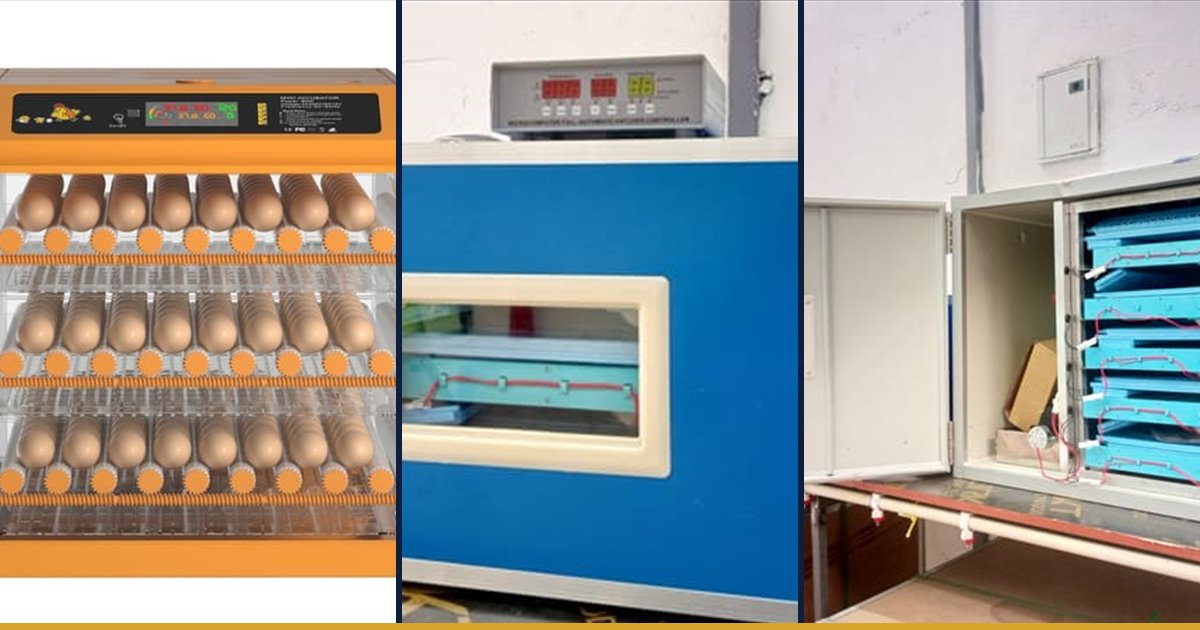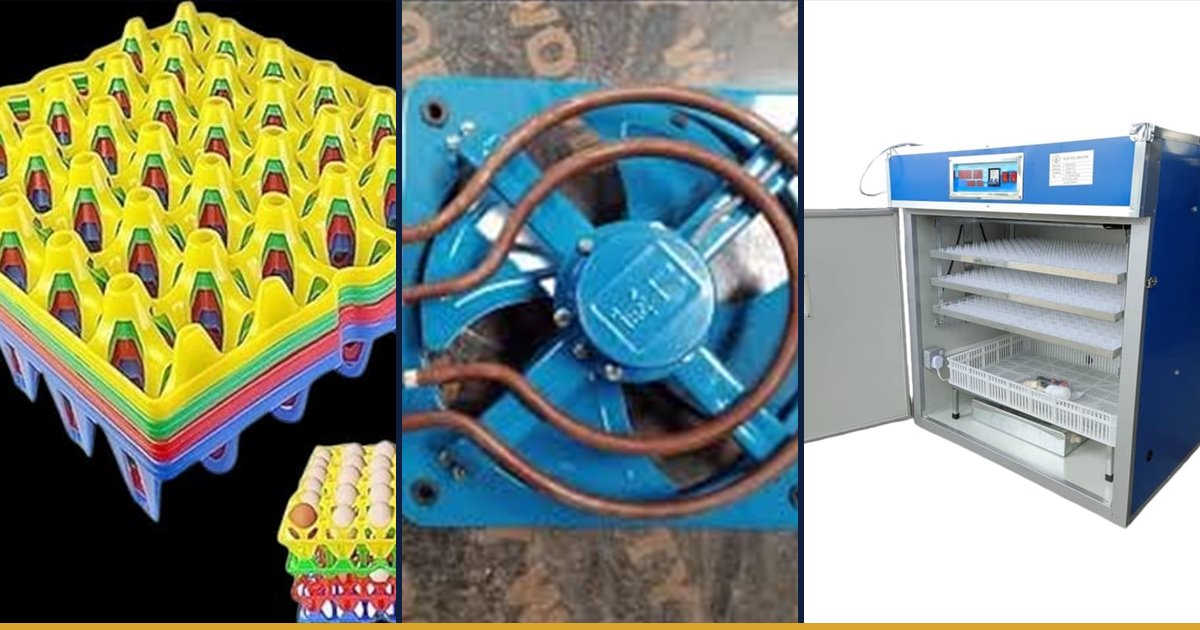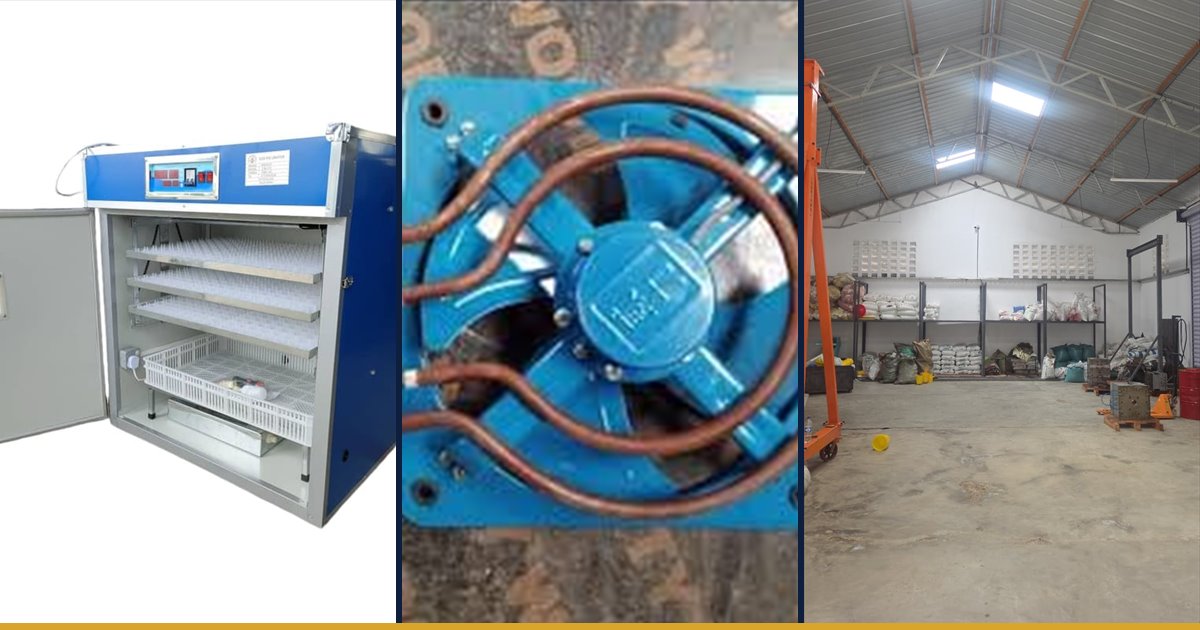
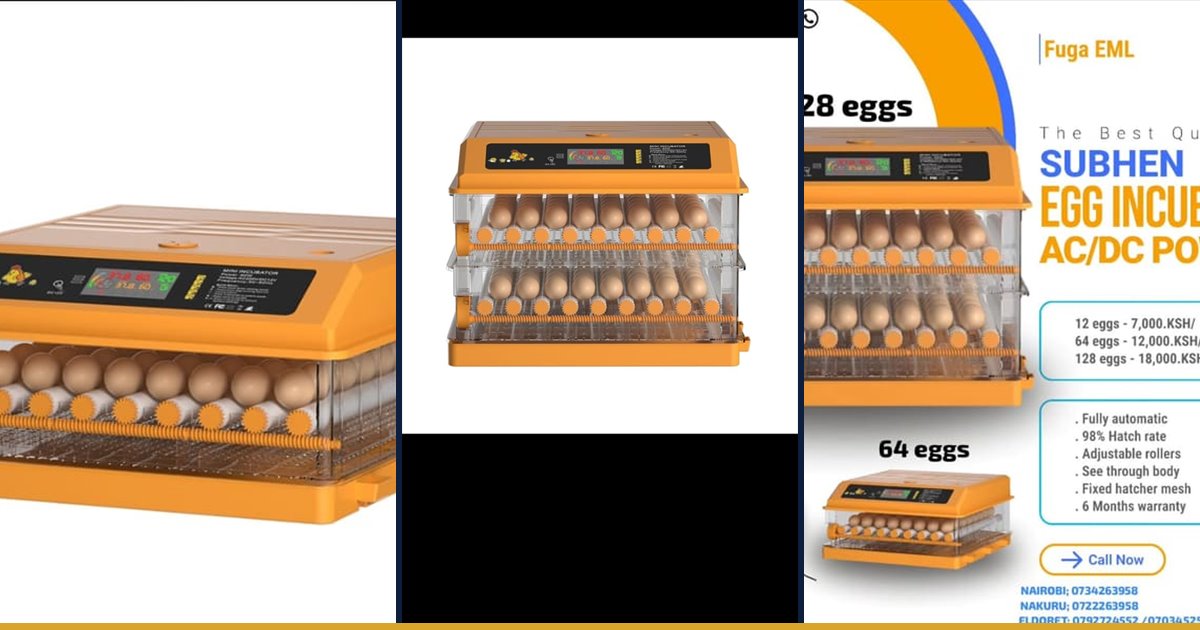
Almost everybody who ends up running a hatchery started with a small machine, and almost everybody who failed at incubation failed because they started with a big one. The 64 and 128-egg class is where you learn whether you actually enjoy this, whether your eggs are fertile, and whether your power supply can be trusted, all for a fraction of what those lessons cost on a commercial cabinet.
This page covers the small incubator range: what each size costs, what it realistically hatches, the difference between the cheap end and the less cheap end, and how to get a good hatch out of a small machine.
Small Incubator Prices in Kenya
| Model | Stock code | Price |
|---|---|---|
| Subhen 12 eggs incubator | 6495 | KSh 4,125 |
| Incubator Broody 64 BL | 6281 | KSh 10,000 |
| Incubator Broody 64, automatic water | 6283 | KSh 10,000 |
| Subhen 64 eggs incubator | 6496 | KSh 11,000 |
| Incubator Broody 120 | 6277 | KSh 15,000 |
| Incubator Broody 128 (BL 128) | 6278 | KSh 15,000 |
| Subhen 128 eggs incubator | 6497 | KSh 15,000 |
| Subhen 192 eggs incubator | 6795 | KSh 20,000 |
The full incubator range, from these up to commercial cabinets, is on the price list. You can also see the machines on our incubator product page and the Subhen automatic range.
What Each Size Actually Gives You
Remember that capacity is eggs in, not chicks out. Between fertility and hatchability, a realistic expectation for a competent run is somewhere around two thirds to three quarters of the stated capacity as live chicks, and rather less on your first few attempts. That is normal and it is not a fault in the machine.
The 12-egg class is a teaching machine. It suits somebody curious about incubation, a school, or a keeper who wants to hatch from a couple of favourite hens. Do not plan a business around it, but as a way to spend four thousand shillings finding out whether you like this, it is honest value.
The 64-egg class is where most serious beginners should start. Sixty-four eggs is enough to produce a meaningful number of replacement birds, enough that a poor hatch teaches you something statistically real rather than being bad luck, and small enough that a failed batch is disappointing rather than damaging. If somebody asks us what to buy first, this is usually the answer.
The 120 and 128-egg class is the natural second machine, and the right first machine for someone already keeping a decent flock who wants to stop buying chicks. At this size you can restock a small layer unit from your own birds, which is where incubation starts paying for itself.
The 192-egg class is the top of the small range and the start of selling. Around two hundred eggs a cycle gives you birds to sell locally as well as to keep, which is the point at which people start thinking about a 350 or a 528.
What Separates a Cheap Small Incubator From a Good One
At this end of the market the price differences are small in shillings and large in results. Four things account for most of it.
Temperature stability, not temperature accuracy. Any machine can show 37.5 on a display. What matters is how far it swings between the heater switching on and off, and how evenly the fan distributes that heat. A cheap machine with a crude thermostat can swing a full degree either side, and eggs experience that swing, not the average. This is the main reason two machines with identical specifications produce different hatches.
Turning. Eggs must be turned regularly for the first eighteen days or the embryo sticks to the shell membrane and dies. Fully automatic turning does it for you on a cycle. Semi-automatic means you move a rack or roller by hand. Manual means you turn each egg, marking each side, at least three and ideally five times a day, every day, including weekends. Manual works, and plenty of good hatches come from it, but be honest with yourself about whether you will actually do it.
Humidity control. The cheapest machines have a water channel you fill and hope. Better ones let you control it, and the automatic-water models refill themselves, which removes the most commonly forgotten daily task. Given how much Kenyan ambient humidity varies between the Coast and the highlands, control here is worth paying for.
Whether spares exist. The controller, the fan, the turning motor and the heating element are the parts that fail. We stock incubator spare parts including controllers and motors, which is the difference between a repair and a bin.
Getting a Good Hatch Out of a Small Machine
Run it empty for two days first. Before a single egg goes in, run the machine in the room where it will live and watch the temperature and humidity with your own thermometer, not the machine's display. You are checking for stability and for how far the display drifts from reality. This one habit prevents more failed first hatches than anything else.
Choose eggs properly. Clean but unwashed, well shaped, no hairline cracks, from hens with a cockerel actually running with them at a sensible ratio. Do not set eggs older than seven days, and store them pointed end down somewhere cool, around 15 to 18 degrees, until you set them.
Do not open the machine constantly. Every opening drops temperature and humidity and it takes time to recover. Candle at day seven and again around day fourteen, and otherwise leave it alone.
Stop turning at day eighteen and raise humidity. The last three days are lockdown: no turning, higher humidity, and do not open the lid because chicks are pipping and a sudden drop in humidity can shrink-wrap a chick inside its shell. Waiting is the hardest part of incubation and the most important.
Keep records. Date set, number set, fertility at candling, number hatched, and anything unusual. Three cycles of notes will tell you more about your specific machine and climate than any guide can, including this one.
Power, Even at This Size
A small incubator holds far less thermal mass than a commercial cabinet, which means it cools faster during an outage. A 64-egg machine in a cool room can lose critical temperature within a couple of hours, where a full commercial cabinet might hold for most of a day.
You do not need a large system to protect one. A modest inverter and battery is enough to carry a small incubator through most Kenyan outages, and against the cost of a lost batch plus three weeks it pays for itself quickly. Our solar and power equipment range covers the options and we can size it with you.
Where to Go Next
If you outgrow the small range, the sensible next steps are the 300 and 350 class, then the 528, and for anyone supplying other farmers, the 1056 class. Small machines rarely go to waste, because a 64 makes a useful dedicated hatcher once you own a bigger setter.
We stock incubators at all six branches. Tell us how many birds you keep and what you are trying to achieve and we will point you at the right size, including the smaller one if that is genuinely the better answer.
Key Takeaways
- Small incubators run from KSh 4,125 for a 12 egg tabletop to KSh 20,000 for a 192 egg machine.
- The 64 egg class is the right first machine for most serious beginners: enough to learn from, small enough that a failed batch does not hurt.
- Temperature stability matters more than displayed accuracy. Eggs experience the swing, not the average.
- Run the machine empty for two days with your own thermometer before setting a single egg.
- Have the brooder ready before the hatch. Losing chicks in the first 48 hours after three weeks of incubation is avoidable.
Frequently Asked Questions
How much is a 64 egg incubator in Kenya?
The Broody 64 BL and the Broody 64 with automatic water are both KSh 10,000, and the Subhen 64 egg incubator is KSh 11,000. All current incubator prices are published on our price list, which runs off the same stock system our branches use, so the figure you read is the figure you will be quoted.
How much is a 128 egg incubator in Kenya?
The Broody 128 (BL 128) and the Subhen 128 egg incubator are both KSh 15,000, as is the Broody 120. The 192 egg Subhen sits above them at KSh 20,000. Stock moves, so confirm availability with your branch or on WhatsApp before travelling.
Which size incubator should a beginner buy?
The 64 egg class for most people. It produces a meaningful number of replacement birds, it is large enough that a poor hatch teaches you something real rather than being bad luck, and small enough that a failed batch is disappointing rather than damaging. Buy one size up from your current plan, not three.
What makes one small incubator better than another?
Four things: how stable the temperature is between the heater cycling on and off rather than how accurate the display claims to be, whether turning is fully automatic or needs you to do it three to five times a day every day, whether humidity is controlled or just a water channel you fill and hope, and whether spare controllers, fans and motors are actually available.
Why did my eggs not hatch?
The common causes are infertile eggs, eggs that were too old or stored badly before setting, temperature swinging outside the safe band, insufficient turning during the first 18 days, and humidity wrong for your climate. Run the machine empty for two days against your own thermometer first, keep records for three cycles, and the pattern will usually show itself.
Do small incubators need backup power?
They benefit from it more than large ones, because a small machine holds far less thermal mass and can lose critical temperature within a couple of hours in a cool room. You do not need a large system: a modest inverter and battery will carry a small incubator through most Kenyan outages and pays for itself against one lost batch.