A farmer in Nyandarua with six cows spends KSH 90,000 on a milking machine. It works exactly as promised, and it saves him about an hour a day. Meanwhile his cows are still refusing a third of the napier he carries to them, because it arrives whole, and his milk is still being downgraded at the collection point because it sits warm in a plastic jerrican until midday.
He bought a good machine in the wrong order. The milking machine was the most visible problem, not the most expensive one.
Dairy equipment is not a shopping list, it is a queue. This is the order that gets your money back fastest on a Kenyan smallholding, with real prices, and links to the detailed guide for each step.
Where the money actually leaks
Before buying anything, know what a dairy farm actually spends. Feed dominates. Across published dairy costings, feed typically accounts for somewhere around 60 to 70 per cent of the cost of producing a litre of milk, and on a cut and carry system in Kenya it is the top of that range, because you are growing, cutting and carrying every mouthful.
So the buying order writes itself: attack feed, then protect the product, then buy back labour. Almost everyone does it backwards, because labour is the cost you feel every morning and feed waste is the cost you never see.
First: stop the feed waste
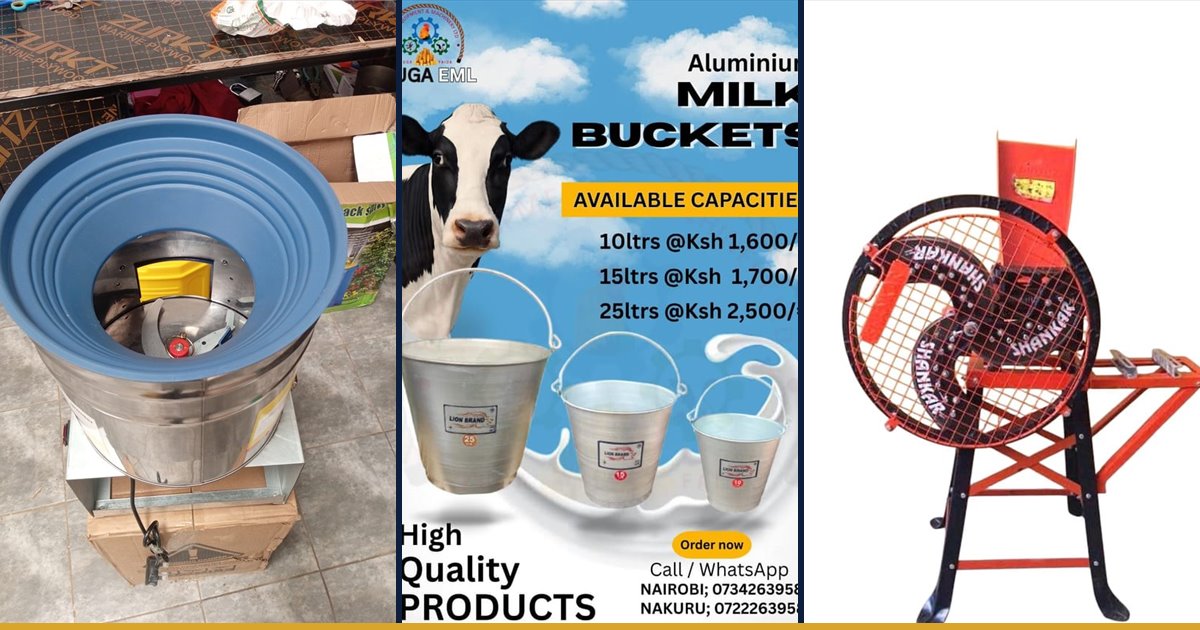
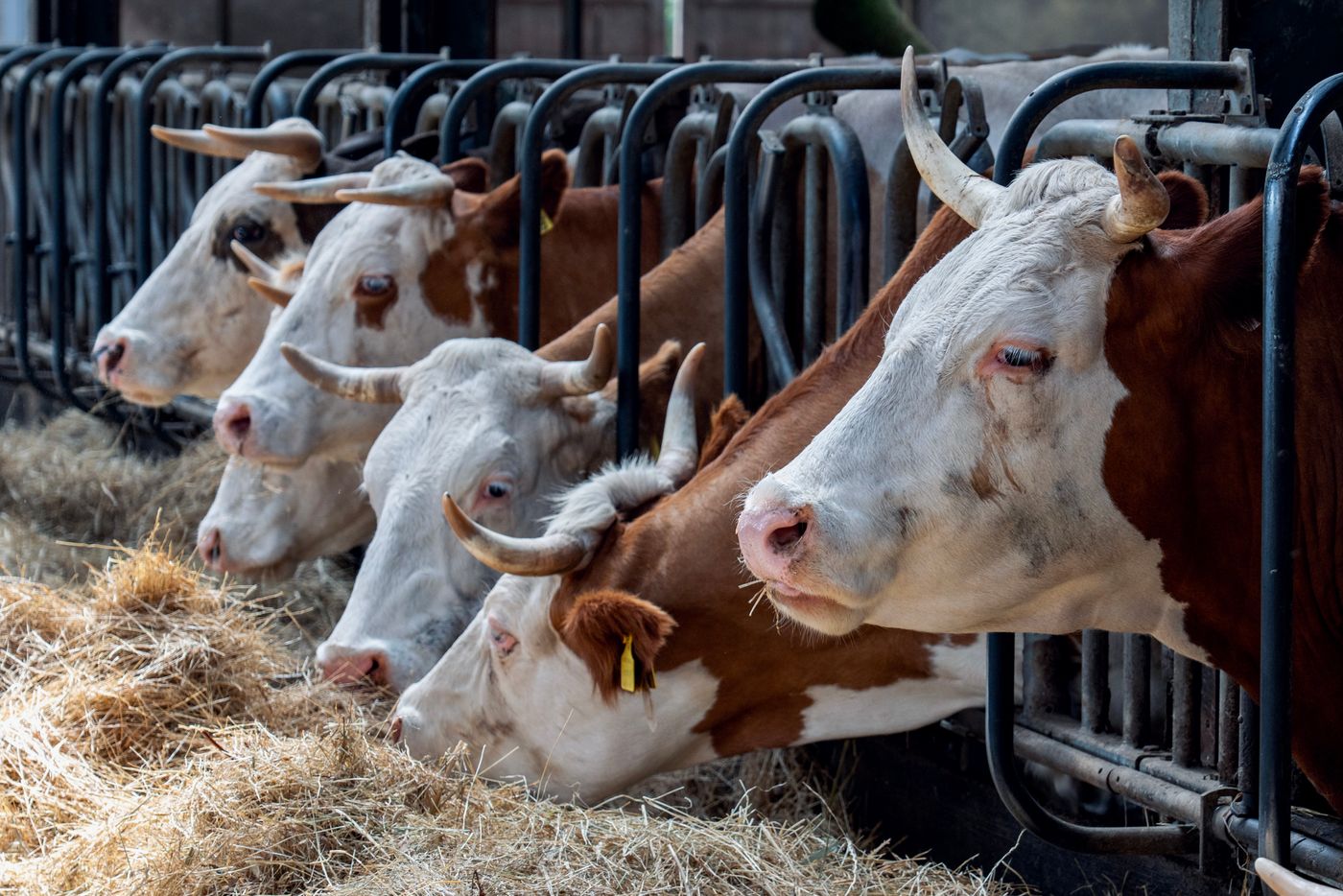
A chaff cutter from about KSH 28,000 is usually the highest return purchase on a Kenyan dairy farm. Cows sort: offered long napier they eat the leaf and leave the stem, and the stem is the part you paid to grow, cut and carry. Chopping removes the choice, so refusal drops and intake rises.
Keep a blade at KSH 800 and a belt set at KSH 2,000 in the store from day one. A blunt blade tears rather than cuts, loads the motor, and produces a ragged chop that cows sort again, which quietly undoes the reason you bought it.
If you are feeding roots, tubers or maize stalks alongside grass, a vegetable chopper at around KSH 13,000 handles what a chaff cutter is not designed for.
Fix the harvest before you buy the machine. A chaff cutter cannot improve fodder that was cut too late. If your napier is routinely head high before cutting, shortening the cutting interval costs nothing and does more for milk than any machine on this page.
Second: the thousand shillings that protects everything else
This is the cheapest step and the one most farms skip entirely. A teat dip cup is about KSH 350. A stainless milking bucket is around KSH 2,890. Brushes for cleaning are KSH 600 to KSH 700.
Post-milking teat disinfection has been a cornerstone of mastitis control since the classic five point plan, and mastitis is the disease that quietly takes the most money out of dairy worldwide. At KSH 350 the dip cup has no rival on this page for return per shilling.
Buy stainless rather than aluminium for anything washed daily. Aluminium dents, and every dent is somewhere a brush does not reach. The full argument, including when a machine starts to beat hands, is in our guide to milking equipment.
Third: get the milk cold and away
Milk leaves the udder at body temperature, which is close to ideal for bacterial growth. Everything after that is a race, and most smallholders lose it between milking and delivery rather than during milking.
Metal milk cans, not plastic jerricans: a 20 litre is about KSH 5,500 in the branded range and KSH 8,450 in aluminium. Plastic scratches, and scratches hold fat and protein that no rinse removes, so the container becomes the contamination. The Kenya Dairy Board has pushed the formal supply chain to metal cans for exactly this reason, and a cooperative is entitled to refuse milk delivered in plastic.
A milk measuring can at around KSH 850 earns its place differently: per cow yields tell you a cow is dropping before anyone notices. Our guide to milk cooling and hygiene covers the rest of the chain.
Fourth: buy back your time
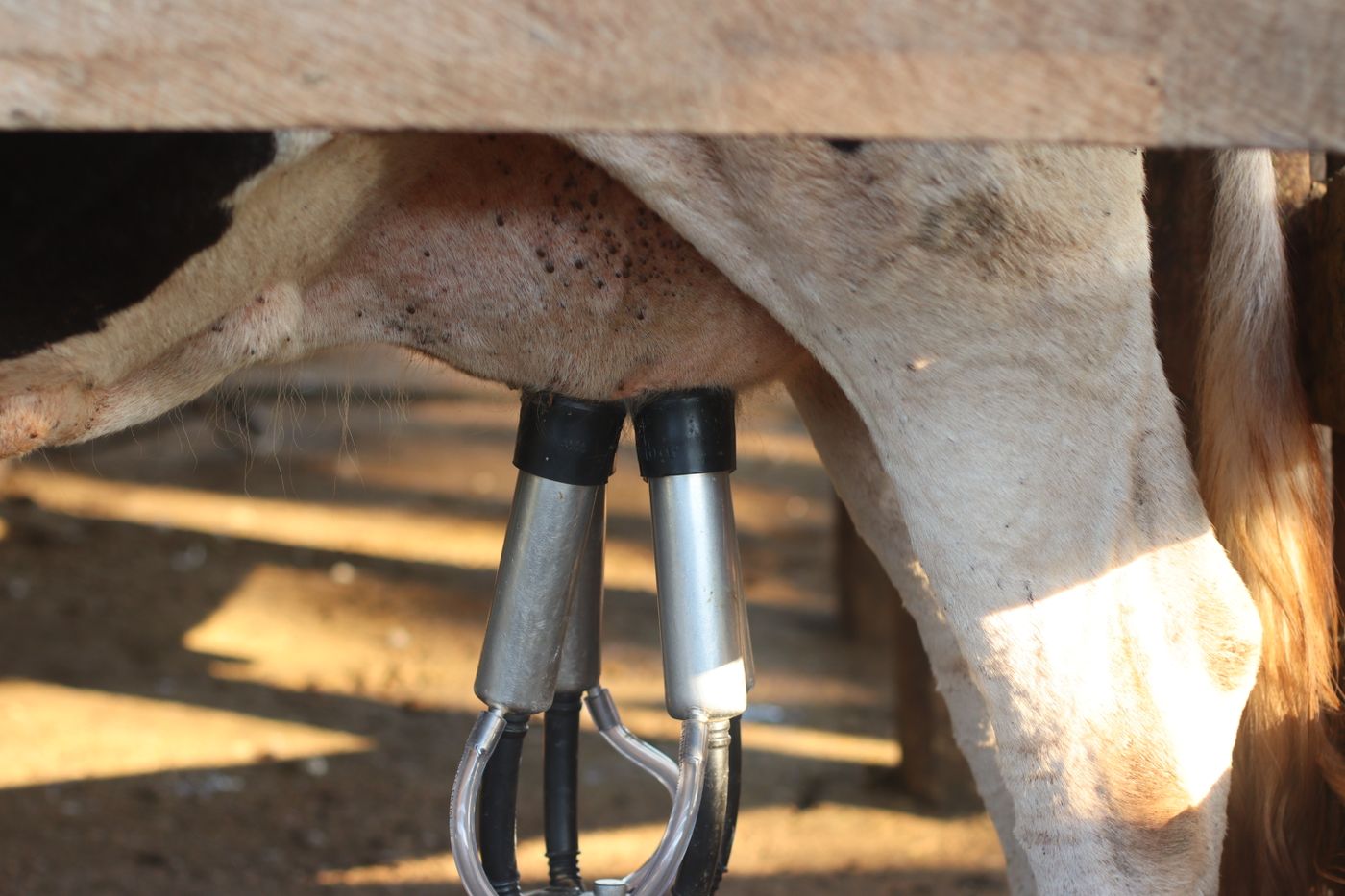
Only now does the milking machine make sense, at KSH 90,000 for a single bucket unit and KSH 120,000 for a double.
Decide on total daily milking minutes rather than cow count. Hand milking takes most people eight to fifteen minutes a cow, doubled for twice daily milking. Six cows at twelve minutes is nearly two and a half hours a day, every day. Price that honestly, including your own labour, and compare the annual figure to the machine.
Budget the pulsator at around KSH 8,000 as a consumable rather than a fixture. It is the part that mimics a calf, it wears, and a machine running on tired rubber is harder on udders than hands are.
Fifth: the next lactation
Calves are the cheapest cows you will ever own and the easiest to neglect. A calf bottle is about KSH 650 with a teat at KSH 300, and a bottle brush at KSH 600 is what stops it becoming a culture vessel.
A weighing tape at KSH 800 is the most underrated item here. Heifers served on age rather than weight calve badly and milk poorly, and without measuring you are guessing at the single decision that sets a cow's whole productive life. Our guide to calf rearing equipment goes through the rest, and handling and veterinary equipment covers routine health work.
Seasonal: bank the flush
Kenyan fodder is not a steady supply, it is a flood followed by a drought, and the farms that hold production through the dry season are the ones that conserved something during the wet one.
That is a chaff cutter plus discipline rather than new machinery. Our guides to making silage and hay and fodder baling cover both routes. If you are building or improving the shed itself, start with setting up a zero grazing unit.
The order in one line. Chaff cutter, then dip cup and stainless bucket, then metal cans, then the milking machine, then calf equipment. Under KSH 40,000 buys the first three steps, and those three move more milk and money than the KSH 90,000 machine does on its own.
That scale gap is the argument. Steps one to three together cost under KSH 40,000 and attack the two things that decide whether milk is produced cheaply and accepted at full price: feed conversion and hygiene. Step four costs more than twice all of them and attacks labour, which is a smaller share of your costs. None of this makes a milking machine a bad purchase. It makes it a fourth purchase.
The order also compounds. A chaff cutter raises intake, which raises yield per cow, which raises the volume over which every later purchase is spread. Buy the machine first and you are automating the milking of cows that are underfed, which is a faster way of doing the wrong thing.
What to leave until later
Two purchases come up constantly and are usually premature on a smallholding.
A feed pelletizer at around KSH 100,000 only pays back at volume, and that volume is usually reached by farms selling feed to neighbours rather than farms feeding their own cows. Read the return on investment case before committing.
A cream separator makes sense when you are processing rather than selling raw, which is a different business with its own market. If you have no buyer for cream or ghee yet, it is a machine waiting for a customer.
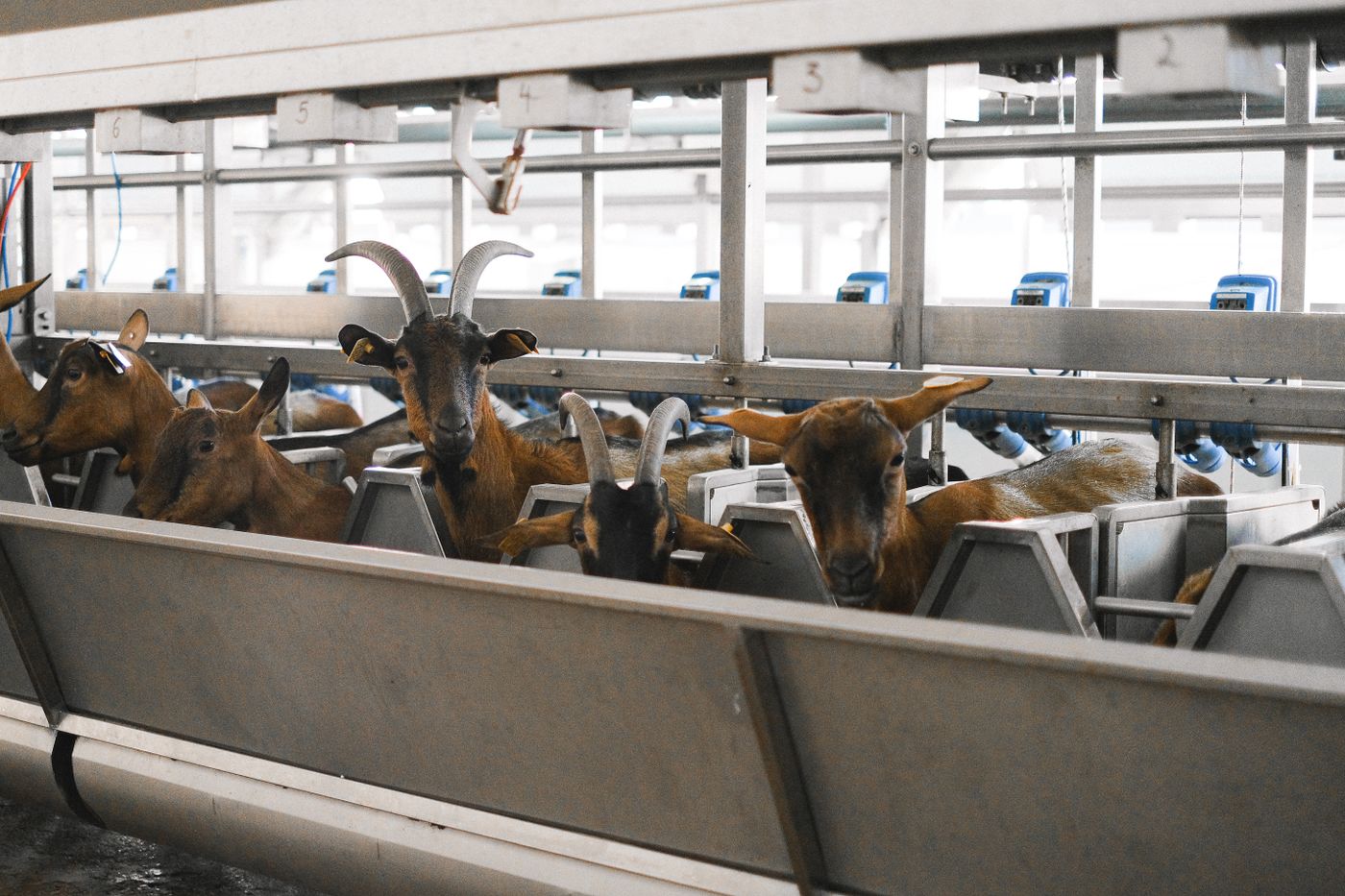
Keeping dairy goats instead of or alongside cattle changes the arithmetic on nearly everything above, and our guide to dairy goat farming covers that case separately.
A bulk milk cooler belongs in the same category for most smallholders. It is genuinely transformative for milk quality, and it is usually cooperative-scale equipment rather than farm-scale. If your cooperative already runs one, your job is getting milk to it quickly and clean, which the cans and the routine above already do.
One last practical point: you do not have to buy the ladder in one season. Phasing it across two or three, in the order above, means each purchase is partly funded by the one before it. That is slower than a loan and considerably cheaper.
Key takeaways
- Feed is around 60 to 70 per cent of the cost of a litre. Buy against that bar first.
- A chaff cutter from KSH 28,000 is usually the highest return purchase on the farm.
- A KSH 350 teat dip cup has no rival for return per shilling. Almost nobody buys one first.
- Metal cans, never plastic jerricans, and get the milk cool quickly.
- Buy a milking machine on total daily milking minutes, not on cow count.
- A KSH 800 weighing tape decides when a heifer is served, which sets her whole productive life.
- Pelletizers and cream separators are usually premature until you have the volume or the buyer.
Frequently asked questions
I have KSH 50,000. What do I buy?
A chaff cutter at KSH 28,000, a teat dip cup at KSH 350, a stainless milking bucket at KSH 2,890, a 20 litre metal can at KSH 5,500 and a measuring can at KSH 850, with the balance kept for blades, belts and a spare set of bolts. That covers feed waste, udder health and milk quality, which is the whole of the first three steps.
Should I buy a milking machine before a chaff cutter?
Very rarely. The machine saves labour, which is a smaller share of your costs than feed. The exception is a farm paying a milker for a large herd, where the labour bill genuinely rivals the feed bill. Do the arithmetic on both before choosing.
Does any of this apply to dairy goats?
The feed and hygiene logic carries over directly, and a chaff cutter serves goats as well as cattle. Milking equipment, cooling volumes and housing are different enough to be worth reading separately.
How do I know the equipment is actually paying?
Record per cow daily yield, which is why a measuring can is on the list. Without it every change you make is judged on impression. Feed cost per litre and yield per cow are the two numbers that tell you whether anything on this page worked.
Ready to equip your farm or business?
Tell us your herd size, what you feed and where your milk goes, and we will work through this order with you rather than sell you the biggest item on the list. We stock everything named here, from KSH 350 dip cups to full milking plants, all with a minimum one year warranty, and our team will say plainly when something is premature for the farm you have today.