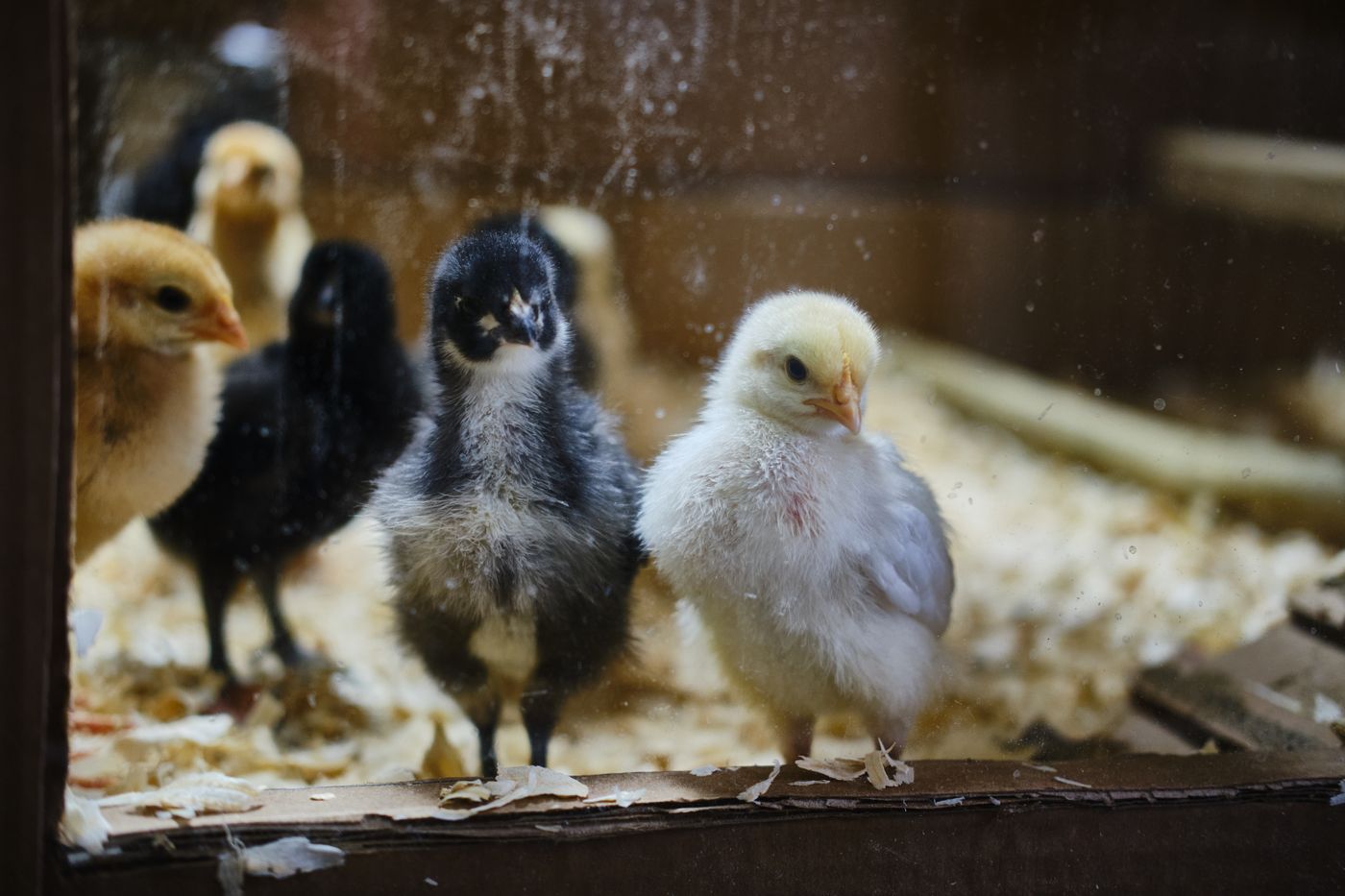
The box of day-old chicks arrives cheeping, and for the next fourteen days you are their mother hen. A newly hatched chick cannot regulate its own body temperature, so every degree of warmth must come from you. Get heat, water, feed, and space right and the batch sails through. Get any one wrong and chicks die quietly in the corners, taking the profit of the whole cycle with them.
Brooding is the stage from day one until the birds are fully feathered and off heat, and it is where Kenyan poultry ventures are won or lost. Whether you rear improved kienyeji, layers, or broilers, week-one mistakes surface as stunted growth in week four and poor results months later. The good news: brooding is a checklist business, and every item on it is cheap compared to the chicks it protects.
This guide covers the full eight weeks, from ring setup and heat sources through temperatures, litter, feeder numbers, and vaccination timing, to the economics of mortality.
Build the Brooder Ring Before the Chicks Exist
A brooder ring is a circular enclosure, usually 45 to 60 centimetres high, made from stiff cardboard, mabati sheet, or hardboard, set up around the heat source. The circle is the whole point: corners kill chicks. Startled or chilled chicks pile into corners and the ones at the bottom suffocate. A ring has no corners, and it holds warm air around the birds instead of letting it drain across a large floor.
Start the ring snug, one to one and a half metres out from the heat source for a batch of 100 to 200 chicks, then widen it every few days as the birds grow; by week two or three it can usually come out entirely.
Preheating is the step beginners skip and regret. Light the heat source 12 to 24 hours before the chicks arrive so the litter itself, not just the air, is warm; a day-old on cold litter loses heat through its feet faster than a lamp above can replace it. Check the temperature at chick height, about 5 centimetres off the litter. A simple thermo hygrometer takes the guesswork out of this.
On arrival, dip each chick's beak in water as you place it in the ring. Chicks are thirsty before they are hungry, and a glucose and vitamin stress pack in the first drinkers helps them recover from transport. Offer feed once the whole batch has found the water, usually within two to three hours.
Heat Sources: Charcoal Jiko, Infrared Bulb, or Gas Brooder
Three heat sources dominate Kenyan brooders, and each has a distinct failure mode you must manage.
The charcoal jiko is the traditional choice, the cheapest to buy, and works with no electricity or gas. Its weaknesses are control and safety: heat swings as charcoal burns down, someone must refill it through the night, and in a poorly ventilated house it produces carbon monoxide, as deadly to chicks as to people. Raise it on a stand, guard it so chicks cannot touch it, and never seal the house airtight. Ventilation is not the enemy of warmth; draughts at chick level are.
Infrared bulbs are clean, simple, and easy to control: raise the lamp to lower the temperature, lower it to raise it. One 250-watt infrared bulb is a common guide for around 100 chicks, hung about 45 to 50 centimetres above the litter to start. The catch in much of Kenya is the power supply: a blackout on a cold Eldoret night can chill a batch in an hour, so bulb-brooding on an unreliable grid needs a standby jiko or generator.
Gas brooders hang above the ring and burn LPG through a radiant burner plate, spreading steady, adjustable heat over a wide circle of chicks. They give the control of electricity without depending on the grid, and one unit covers far more chicks than a single bulb. The DAMLY gas brooder in our livestock and poultry range is the workhorse option: hang it at the recommended height, connect a standard cylinder, and adjust the regulator as birds grow. For batches of several hundred chicks, or repeated brooding, gas is where heat stops being the thing you worry about.
The Temperature Schedule, Week by Week
The industry schedule is a step-down: start warm, reduce steadily as feathers come in. In week one, hold 32 to 35 degrees Celsius at chick height, then drop roughly 3 degrees each week until the brooder matches ambient at about 21 degrees, typically in weeks five to six. In cold highland areas, chicks may still need a warm corner at night until fully feathered around week eight.
The thermometer gives you a number; the chicks give you the truth. Chicks huddled in a tight pile under the heat source are cold: lower the lamp, add charcoal, or open the gas. Chicks pressed against the ring wall, panting with wings spread, are too hot: raise the source or turn it down. Chicks bunched on one side are dodging a draught: find and block it. What you want is birds spread evenly across the ring, busy and quiet, with a comfortable murmur of cheeping rather than shrill distress calls.
Litter: The Floor Is Part of the Equipment
Spread 5 to 8 centimetres of dry wood shavings before preheating. Shavings insulate chicks from the cold slab, absorb droppings and spilled water, and give grip that prevents splayed legs. Avoid fine sawdust, which day-olds eat by mistake, and slippery surfaces like bare polythene. For the first days, many farmers lay clean rough paper over the shavings and sprinkle feed on it so chicks learn to peck feed, not litter.
From then on, litter care is a daily two-minute job: remove wet patches around drinkers immediately, stir the litter loose, and top up where it thins. Wet, caked litter breeds coccidiosis, among the biggest killers of chicks in Kenya, and releases ammonia that burns lungs and eyes. A bale of shavings costs far less than a coccidiosis outbreak in week four.
Feeders and Drinkers: Numbers per 100 Chicks
Starvation in a brooder is almost never about the amount of feed; it is about access. A timid chick that cannot reach a feeder eats less every day, and the flock silently splits into thrivers and stragglers. The working rule many Kenyan suppliers use: in week one, at least one chick tray feeder and one 4-litre fount drinker per 50 chicks, and three of each per 100 is safer. Space them evenly around the heat source, never directly under it.
As the birds grow, swap trays for hanging tube feeders and small founts for larger drinkers, raising both so the lip stays level with the birds' backs; feed raked onto litter is feed you paid for and threw away. We cover the full progression of sizes and types in our guide to poultry feeders and drinkers in Kenya.
Vaccination: The Calendar That Cannot Slip
Vaccines are the one part of brooding you cannot improvise, because each targets a disease with a specific window. The typical pattern for chicks in Kenya: Marek's disease vaccine is given at the hatchery on hatch day, so confirm with your supplier that your day-olds received it; it cannot usefully be given later on the farm. Newcastle commonly starts in the first week, often by eye drop, with a repeat a few weeks later, and Gumboro (infectious bursal disease) is commonly given through drinking water around the second week with a booster after. Many farmers add fowl pox and fowl typhoid for birds kept toward lay.
Treat those as the shape of the calendar, not the letter of it: follow the exact schedule your hatchery or veterinary officer issues, and write the dates on the wall on day one. Two rules protect every water vaccine: withdraw drinkers for an hour or two beforehand so thirsty birds drink promptly, and never mix vaccine into chlorinated water, which kills it before it reaches a chick.
The Mistakes That Repeat Every Season
The same handful of errors accounts for most brooder losses. Cold arrival: the heat went on when the chicks arrived instead of the night before. Corners: a square pen with no ring, and a pile-up on the first cold night. Silent starvation: too few feeders, so the weak eat last and least. Wet litter ignored: a leaking drinker on Tuesday becomes coccidiosis in week three. Carbon monoxide: a jiko in a sealed house. Overcrowding: the brooder that held 100 chicks is loaded with 200 because the first batch went well. And mixing ages: adding day-olds to a pen with older birds hands the old flock's diseases to birds with no immunity.
None of these mistakes costs money to avoid. They cost attention, which is why farmers who inspect the brooder morning and night keep pulling ahead of neighbours with identical equipment.
The Economics of Brooding Mortality, Honestly
Some mortality is normal: a few chicks in any batch arrive weak and fade despite perfect management. A commonly used benchmark is to keep brooding mortality in the low single digits, and a well-run brooder achieves that. What matters economically is how a dead chick's cost changes with time. A chick lost on day two costs the chick price and little else. A bird lost in week six has consumed six weeks of feed, vaccine, heat, and labour, and dies owing you all of it. Late deaths are the expensive ones, and they are usually the delayed harvest of early mistakes: chilling, crowding, and wet litter in weeks one and two.
Run the arithmetic before each batch: chick cost plus expected feed, heat, and vaccine spend, divided by the birds you realistically expect to sell or bring to lay. That divisor is what brooding protects. The difference between losing fifteen birds in a hundred and losing four is often the entire margin of the batch, decided by equipment and routine that cost less than the fifteen birds. If you are still planning the wider operation, our guide to starting a poultry farm in Kenya covers the full equipment list.
Key Takeaways
- Brood in a ring, never a square: corners cause fatal pile-ups. Widen the ring as birds grow.
- Preheat 12 to 24 hours so the litter itself is warm, and measure at chick height.
- Start at 32 to 35°C in week one, stepping down about 3°C weekly until ambient around weeks five to six.
- Choose heat by failure mode: jikos need ventilation and night refills, bulbs need reliable power, gas gives steady off-grid control.
- Behaviour is the best thermometer: even spread is right, piling means cold, wall-hugging means hot, a crescent means draught.
- Provide at least one tray feeder and one 4-litre drinker per 50 chicks in week one, and keep litter dry daily.
- Confirm Marek's was given at the hatchery, then follow your vet's Newcastle and Gumboro schedule to the day.
- Late mortality is the expensive kind, and it is usually caused early. Target low single-digit losses.
Frequently Asked Questions
How long do chicks need a heat source in Kenya?
Until the step-down schedule meets ambient, usually weeks five to six. In warm lowland areas heat can come off earlier; in cold highlands keep a warm corner at night until birds are fully feathered around week eight. If birds still huddle at night, they still need heat.
Is a charcoal jiko safe for brooding chicks?
It can be, with three precautions: guard it so chicks cannot touch it, keep the house ventilated because burning charcoal produces carbon monoxide, and commit to night refills. For large or frequent batches, a gas brooder removes most of those risks and the night labour.
How many feeders and drinkers do 100 chicks need?
In week one, at least two chick tray feeders and two 4-litre fount drinkers, and three of each is safer. Crowded feeders starve timid birds silently. As chicks grow, move to hanging tube feeders and larger drinkers raised level with the birds' backs to cut waste.
Which vaccines do chicks need in the first weeks?
Marek's is given at the hatchery on hatch day, so confirm it with your chick supplier. Newcastle typically starts in the first week with a later repeat, and Gumboro is commonly given in drinking water around the second week with a booster. Follow the exact dates your hatchery or vet issues, and never mix vaccine into chlorinated water.
How much does brooding equipment cost at Fuga?
Prices vary with size, specification, and stock, so we do not list fixed figures here. Confirm current price on WhatsApp at wa.me/254716961018 or call 0734263958, and our team will spec brooding equipment for your batch size. If you plan to hatch your own chicks, see our egg incubator buying guide, or visit any branch in Eldoret, Nakuru, Nairobi, or the Coast.