"What equipment do I need?" is the question we get most often, and the honest answer is that it depends entirely on how many birds you are keeping. The list for a hundred birds and the list for a thousand are not the same list with bigger numbers. Somewhere between them the whole approach changes.
This page works through three flock sizes and what each genuinely needs. Every quantity here comes from feeding and drinking space per bird rather than from a rule of thumb, so you can adjust it to whatever number you are actually keeping.
The Ratios Everything Is Built From
Learn these five and you can size any flock, including sizes not listed here.
| What | Allow per bird | In practice |
|---|---|---|
| Feeding space | 4 to 5 cm per growing bird | One round tube feeder serves roughly 25 to 40 birds |
| Drinker rim | 2 to 2.5 cm per bird | One bell drinker serves a similar band |
| Nipples | 8 to 12 birds per nipple | Fewer in hot conditions |
| Floor space, layers | Roughly 0.15 to 0.2 sq m deep litter | Around 5 to 7 birds per square metre |
| Floor space, broilers | Roughly 0.07 to 0.1 sq m | Around 10 to 14 birds per square metre |
Treat these as starting points, not gospel. Broilers eat and drink more aggressively than layers. A hot house at the Coast needs more drinking capacity than the same flock in Eldoret. When you are unsure, add one more drinker rather than one less: birds recover from a missed meal far better than from missed water.
100 Birds: The Starter Flock
At this size everything is manual, and that is fine. You are carrying water and filling feeders by hand, and it takes maybe twenty minutes a day.
Feeding. Around three tube feeders in the 3 to 6 kg class for growing birds, plus a couple of chick trays or a trough for the brooding period. Chicks cannot feed from a deep pan, so plan on changing equipment as they grow rather than buying one set for the whole cycle.
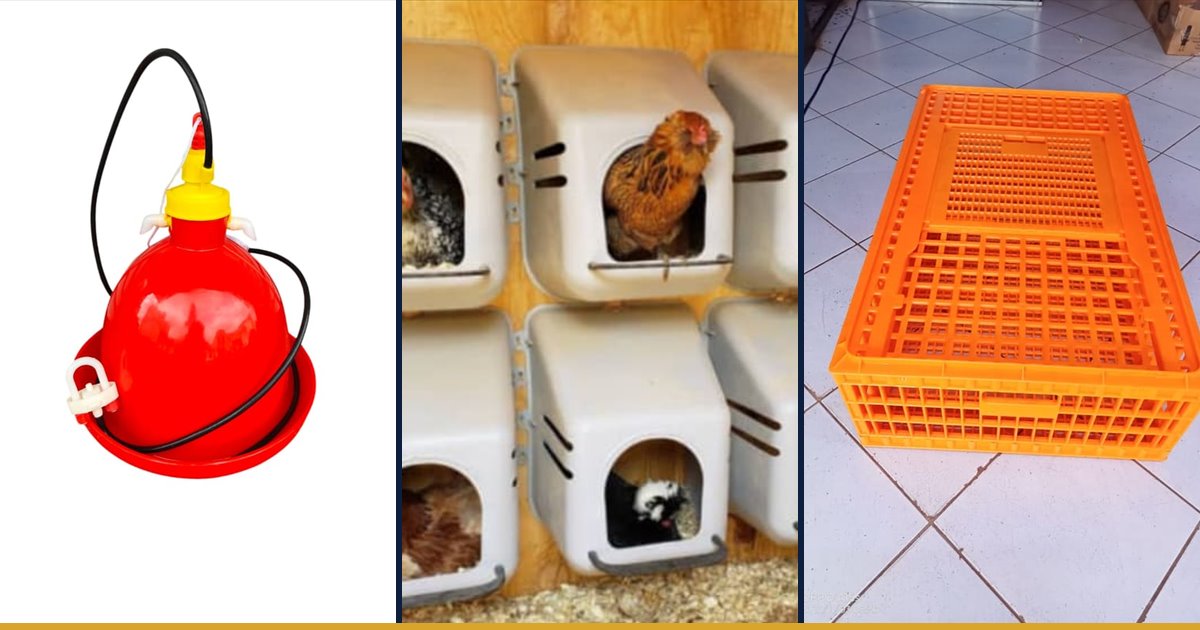
Watering. Around three drinkers. Manual drinkers in the 3 to 10 litre range work perfectly well here, and small chick fountains for the first two weeks. If you would rather stop carrying buckets, a raised tank feeding automatic bell drinkers costs little and removes the largest daily chore.
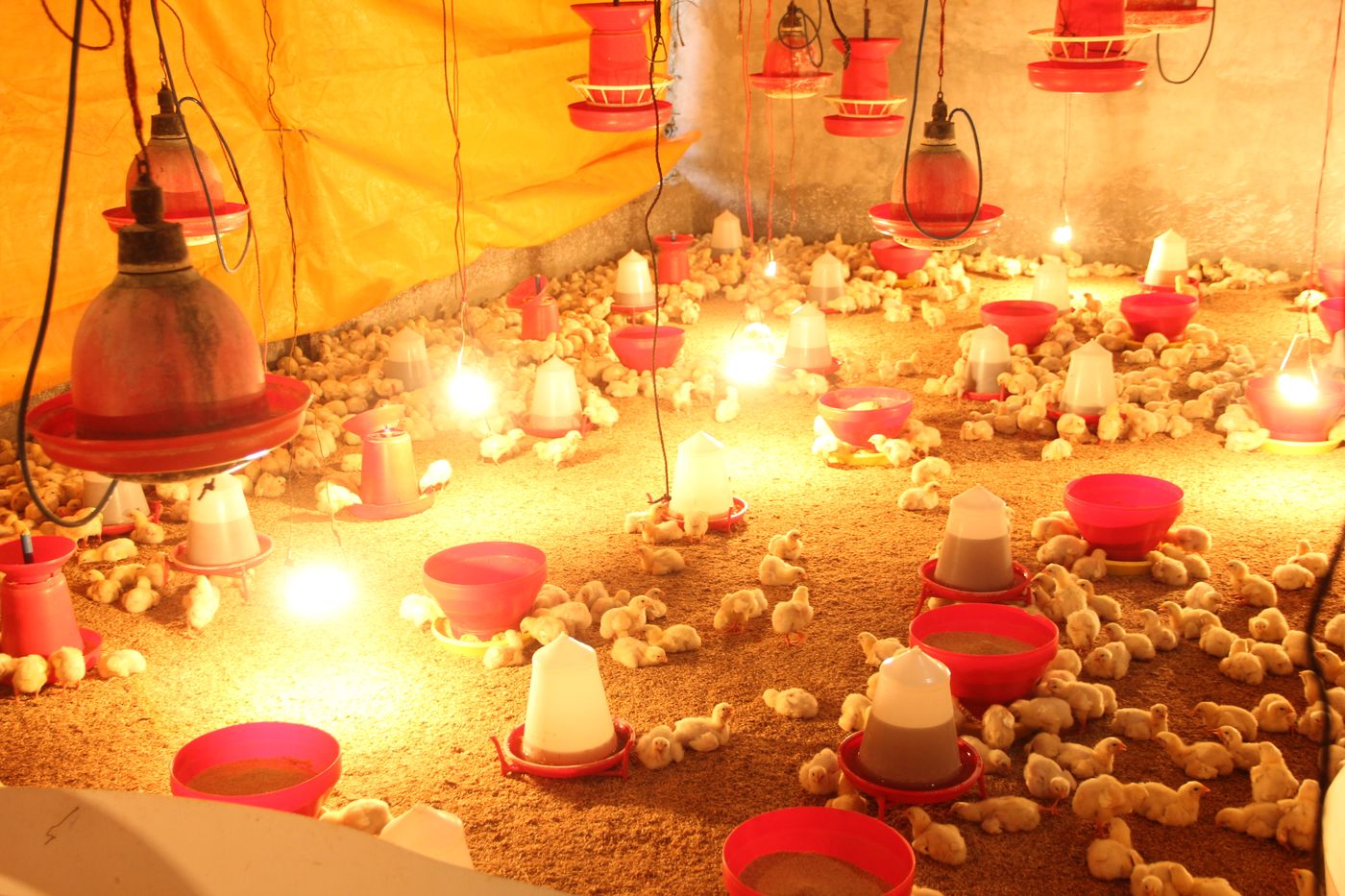
Brooding. A heat source appropriate to the number of chicks, a brooder guard to keep them near the heat, and litter. Our guide to chick brooding equipment covers this properly, and it is worth reading before the chicks arrive rather than after.
Also. Laying nests if you are keeping layers, a weighing scale, feed storage that keeps rodents out, and basic protective equipment for handling chemicals and cleaning.
What you do not need at this size: an incubator, unless you specifically want to hatch, and automated anything. Resist buying equipment for the farm you imagine having in two years.
500 Birds: Where It Becomes a Business
This is the size at which manual work stops being trivial. Carrying water for five hundred birds twice a day is real labour, and the equipment decisions start to be about your time as much as the birds.
Feeding. Around thirteen to fifteen tube feeders in the 5 to 9 kg class, or fewer larger 12 kg hoppers if you want to fill less often. Spread them through the house so no bird walks far. This is also the point where feed wastage starts costing real money, so read our guide to reducing feed wastage, since the fixes cost nothing.
Watering. Around twelve to fifteen bell drinkers, and at this scale automatic drinkers fed from a raised tank are strongly worth it. If you are running broilers and litter quality is dragging your results, this is where a nipple line begins to justify itself. Our comparison of nipple versus bell drinkers goes through the decision.
Storage and handling. Proper feed storage on pallets in a dry ventilated room, egg trays and crates if you are laying, and transportation crates for moving birds.
Records. A weighing scale and a notebook. At five hundred birds you cannot tell what is happening by looking, and feed conversion is the number that tells you whether you are making money.
Consider an incubator. Five hundred birds is enough of a breeding base that hatching your own replacements starts making sense. The 210 to 352 class suits this scale, and it ends your dependence on somebody else's chick supply and somebody else's biosecurity.
1,000 Birds and Above: Systems, Not Equipment
At a thousand birds you stop buying items and start building systems. The distinction matters: at this size, equipment that fails quietly, such as a blocked nipple or a stuck valve, affects enough birds to hurt before anybody notices.
Feeding. Twenty-five to thirty tube feeders, or commercial pan feeders, which are designed for low waste at scale. Feed is around seventy per cent of your running cost, so at this volume feeder choice and management is one of the largest levers you have.
Watering. A nipple line becomes the sensible default rather than an upgrade. Dry litter, even medication dosing across the house, and almost no daily washing. It needs a header tank, pressure regulation and filtration if your water carries sediment, and it needs a deliberate daily walk because nipple failures are silent.
Climate. Ventilation, and fans if the house needs them. At this stocking density heat and ammonia build up faster than most people expect.
Power backup. If you are running automatic watering, brooding or ventilation, an outage is now a welfare emergency rather than an inconvenience. Our solar and power range covers inverters, batteries and panels.
Biosecurity. Foot dips, dedicated clothing, controlled entry, and a rodent programme that is actually run rather than intended. At a thousand birds, one disease incident costs more than all the equipment on this page.
Spares on the shelf. Drinker valves, nipples, feeder pans, a spare heat source. At this scale waiting three days for a part is not an option.
What People Consistently Forget
Across every flock size, the same items get left off the list until the day they are needed.
Brooding equipment, ready before the chicks arrive. The number of keepers who plan the flock carefully and lose chicks in the first forty-eight hours to a cold brooder is genuinely sad, and entirely avoidable.
A second set of feeders for the chick stage. Chicks need flat, open, visible feed. The tube feeders you bought for growers are useless to a day-old chick.
Enough drinkers for the hot afternoon, not the cool morning when you did the counting.
Rodent-proof feed storage. Rats eat a surprising volume, foul far more than they eat, and carry disease.
A weighing scale. Without one you are managing your largest cost by feel.
Protective equipment for disinfecting and handling chemicals.
Spares of whatever is cheap and critical. A drinker valve costs very little. A house without water for a day costs a great deal.
Getting a List for Your Actual Flock
The ratios above will get you close for any number. If you would rather not do the arithmetic, tell us your bird numbers, whether they are layers or broilers, their age or stage, and roughly where in Kenya you are, and we will put together a list with current prices.
Every price we quote comes from the same stock system our branch counters use, and the full range is on the price list and the poultry equipment page. If something on your list is not worth buying yet, we will say so.
Key Takeaways
- Size by space per bird, not by bird count. No bird should have to queue to eat or drink.
- Allow 4 to 5 cm of feeding space and 2 to 2.5 cm of drinker rim per growing bird, or 8 to 12 birds per nipple.
- At 100 birds everything is manual and that is fine. At 500 automatic watering starts saving real labour.
- At 1,000 you are buying systems, not items, and silent failures like a blocked nipple affect enough birds to hurt.
- Chicks need a separate set of flat, open feeders. The tube feeders you bought for growers are useless to a day old chick.
- Have brooding equipment ready before the chicks arrive, not after.
Frequently Asked Questions
What equipment do I need for 100 chickens?
Around three tube feeders in the 3 to 6 kg class and three drinkers, plus chick trays or a trough and small chick fountains for the brooding period. Add a heat source and brooder guard, laying nests if you keep layers, a weighing scale, rodent proof feed storage and basic protective equipment. At this size everything can be manual and takes about twenty minutes a day.
How many feeders and drinkers for 500 chickens?
Roughly thirteen to fifteen tube feeders in the 5 to 9 kg class, or fewer 12 kg hoppers if you want to fill less often, and around twelve to fifteen bell drinkers. Spread them through the house so no bird walks far. At this scale automatic drinkers fed from a raised tank are strongly worth it, because carrying water twice a day for 500 birds is real labour.
What does a 1,000 bird poultry house need?
Twenty five to thirty tube feeders or commercial pan feeders, a nipple watering line with header tank, pressure regulation and filtration, ventilation and fans if needed, backup power, a proper biosecurity routine with foot dips and controlled entry, and critical spares held on the shelf. At this scale you are building systems rather than buying items.
How much floor space does a chicken need?
For layers on deep litter, roughly 0.15 to 0.2 square metres per bird, which is about five to seven birds per square metre. For broilers, roughly 0.07 to 0.1 square metres, or about ten to fourteen birds per square metre. Adjust for climate: hot houses need more space and considerably more drinking capacity.
What poultry equipment do people forget to buy?
A second set of flat open feeders for the chick stage, brooding equipment ready before the chicks arrive, enough drinkers for the hot afternoon rather than the cool morning when they did the counting, rodent proof feed storage, a weighing scale, protective equipment for disinfecting, and cheap critical spares like drinker valves. A valve costs very little; a house without water for a day costs a great deal.
When should I buy an incubator?
Around the 500 bird mark, where you have enough of a breeding base that hatching your own replacements makes sense and ends your dependence on somebody else's chick supply and biosecurity. The 210 to 352 egg class suits that scale. Below that, buying chicks is usually the simpler answer unless you specifically want to hatch.