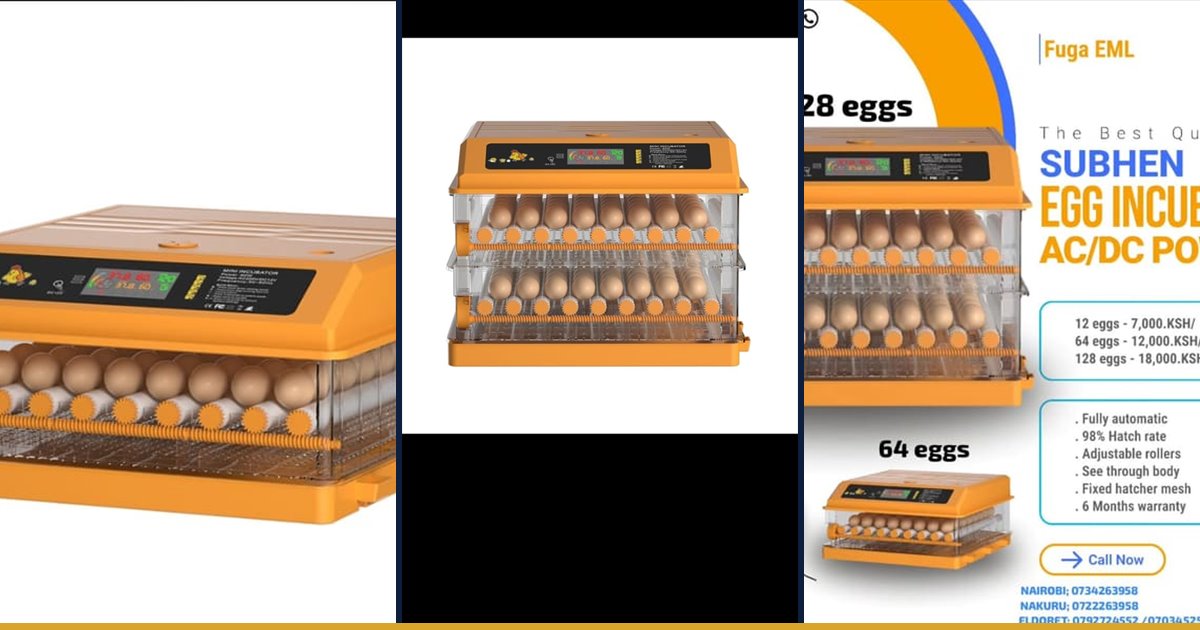
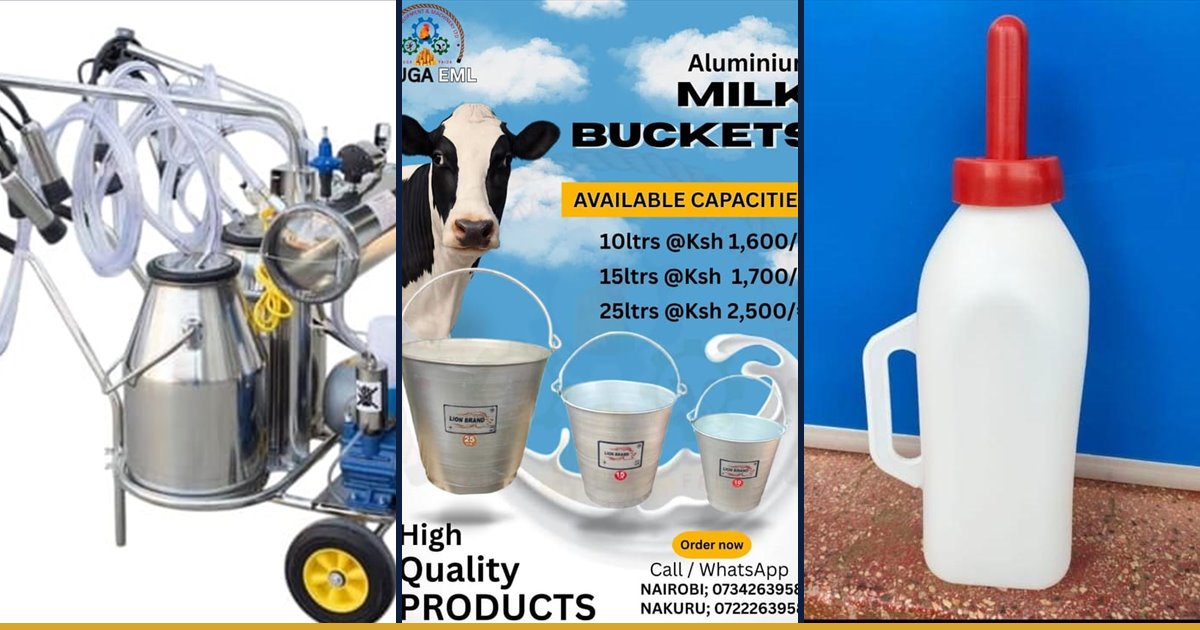
The power goes at half past eight in the evening. In the store, an incubator is on day eighteen of a batch of eggs. In the dairy, the evening milk has just gone into the cooler, waiting for the morning collection. In the brooder house, a hundred day-old chicks are under an electric heater. Nobody knows whether KPLC will be back in ten minutes or at noon tomorrow, and every one of those loads is losing ground from the moment the lights go out.
Most farms answer a blackout by reaching for whatever is to hand: a generator if there is one, a borrowed battery, or simply waiting. The waiting is what costs money. A batch of eggs, a can of milk that sours before collection, or chicks that pile up and smother each other in the cold are losses that a modest backup system would have prevented.
This guide is about backing up the farm loads that cannot stop, through the hours of a grid outage. It covers how to sort loads into what must run, what can wait and what should never go on a battery; how to work out the run time a battery will actually give; how the switch-over happens; and where gas, water storage or a generator is the better answer than a bigger battery.
Sort the Loads Before You Size Anything
The single most useful step costs nothing: list every electrical load on the farm and put each one in one of three groups. The backup system is then sized only for the first group, which is usually much smaller than the whole farm.
Must run means loads where a few hours off causes a real loss: the incubator, the milk cooler, and enough light to work. Can wait or bridge means loads that can be rescheduled or covered another way: a pump whose water is already in a tank, a chaff cutter that can run tomorrow, a milking machine that can be replaced by hand milking for one session. Keep off the battery means loads that turn electricity into heat, because heat is the most expensive thing a battery can produce, and large motors whose starting surge an ordinary home inverter cannot carry.
Know What Each Load Really Draws
The nameplate on an appliance gives its maximum, not its average. An incubator's heater switches on and off to hold temperature, so its average draw over a night is well below the heater rating, and it is higher in a cold room than a warm one. A cooler's compressor runs in cycles too, harder when the milk has just gone in warm and more gently once it is cold. Using the nameplate figure for run-time maths overstates the energy needed and leads to an oversized, overpriced battery.
The way to find the real figure is to measure it. A plug-in energy meter from an electrical shop sits between the socket and the appliance and records kilowatt-hours over a period. Leave it on the incubator for a full day and night, divide the energy by the hours, and you have the average watts for your machine in your room. Do the same for the cooler on a normal milking day. Those two numbers are the foundation of everything that follows.
Note the starting surge as well. Compressors and motors draw several times their running current for a moment as they start, and the inverter has to supply that surge or it trips. Our guide to sizing an inverter for a farmhouse and workshop explains running load and surge in detail, and why a cooler or pump needs a larger inverter than its running watts suggest.
The Run-Time Maths, Step by Step
Run time comes from three numbers: how much energy the battery can safely give, how much the inverter loses converting it to mains power, and how fast the load uses it. The method is the same for any load, so it is worth doing once by hand.
- Battery energy: multiply the battery voltage by its amp-hours. A 12.8 V battery of 100 Ah stores 12.8 × 100 = 1,280 watt-hours. Check the voltage on the label of the battery you buy: a 24 V battery of the same amp-hours stores twice as much.
- Usable share: no battery should be run to zero. As a rule of thumb, plan on using about 80 percent of a lithium battery's capacity, and less of a lead acid battery; the maker's data sheet has the real figure. 1,280 × 0.8 = 1,024 Wh.
- Inverter losses: the inverter wastes some energy as heat. Assume about 85 percent efficiency unless the data sheet says otherwise. 1,024 × 0.85 = about 870 Wh delivered.
- Divide by the load: run time in hours is delivered watt-hours divided by the load's average watts.
Below, that method is applied to four example loads. The average watts are assumptions chosen to show the method, not measurements of any particular machine, so replace them with the figures from your own energy meter.
The pattern matters more than the exact hours. On these assumptions, a 100 Ah battery carries the incubator through a typical evening outage and most of a night, and a 200 Ah battery carries it through the night with room to spare. The same battery runs an electric brooder heater for only a few hours and a 1 HP pump for little more than one hour, which is why those loads belong in the second and third columns.
Loads add up. If the incubator and the cooler share one battery, add their average watts before dividing: on the example figures, 60 + 100 = 160 W, and 870 ÷ 160 gives about five and a half hours from a 100 Ah battery. Remember too that the inverter itself draws a little power just by being switched on, which shortens every figure above slightly.
The Incubator and the Milk Cooler
The incubator is the ideal battery load: modest, steady and critical. Put it on the backup circuit with the turning motor and fan, keep the room closed and draught-free during an outage so the heater works less, and do not open the door to check eggs while running on battery. Our guide to protecting a batch from the power cut covers adding solar charging when outages are long or frequent.
The milk cooler is harder. Its compressor needs an inverter that can carry the starting surge, and most compressors expect a clean mains-like waveform, so confirm with the cooler maker that it can run from your inverter before relying on it. Keep the lid shut through the outage; a closed, insulated tank holds its temperature far better than one opened repeatedly. If the outage is long and the cooler is large, a generator is often the honest answer for the cooler, with the battery kept for the incubator and lights. Our guide to milk cooling and hygiene explains why the hours after milking matter most.
Brooders and Pumps: Back Up the Outcome
An electric brooder heater turns every watt into heat, all night. Running one from a battery needs a very large bank for a modest result, as the worked example shows. A gas brooder keeps chicks warm through an outage with no electricity at all, and many farms keep one ready as the backup even when they brood electrically day to day. Our comparison of gas and electric brooders covers the trade-offs, including ventilation when gas is in use.
For water, the backup is storage. A pump that fills an elevated tank every day can stop for a day without the animals noticing, provided the tank is kept full. Make it a rule to top the tank up whenever power is on, especially in seasons of frequent outages. Our guide to tank stands and gravity flow shows how to size the tank and the stand height so water reaches the drinkers without a pump.
How the Switch-Over Happens
A backup system is only useful if the critical loads move to it without anyone having to be awake. The usual arrangement is an inverter-charger: while KPLC power is on, it passes mains through to the critical loads and keeps the battery charged; when mains fails, it switches the loads to battery automatically. Hybrid inverters also accept solar panels, so the battery can recharge in daylight during a long outage.
Two points matter here. First, put the critical loads on their own small distribution board, so that the battery carries only what it was sized for. Second, never connect a generator to the house wiring through a plug or by joining wires: a generator connected without a proper changeover switch can feed power back into the KPLC line and endanger linesmen working on it. Have the changeover and the critical-loads board fitted by a licensed electrician. Our guide to extension cables and electrical safety covers the temporary leads that often get used in an emergency instead.
Check the switch-over time too. Most incubators and coolers ride through the short break of an automatic switch without noticing, but some electronic controllers restart and lose their settings. Test it deliberately by switching off the mains on a quiet afternoon, and watch what each appliance does.
Choosing the Kit and When a Generator Wins
These are the inverters, batteries, generator and gas brooder from our price list that fit this job. Ask us to confirm the battery voltage, the inverter's waveform and whether a given model charges from the grid before you buy, because those three details decide whether a set works as a blackout backup.
| Item | Stock code | Price |
|---|---|---|
| 1000W INVERTER(SOLAR MAX) | 6838 | 5,500 KSH |
| 1500W INVERTER(SOLAR MAX) | 6839 | 7,500 KSH |
| 1.6 KVA HYBRID INVERTER(SOLAR MAX) | 6766 | 24,000 KSH |
| 2KVA HYBRID INVERTER(SOLAR MAX) | 6767 | 30,000 KSH |
| 100 AMPS LITHIUM BATTERY | 6833 | 19,000 KSH |
| 200 AMPS LITHIUM BATTERY | 6834 | 35,000 KSH |
| GENERATOR 2.0 KVA (KEY START) | 6588 | 22,500 KSH |
| Damly Gas Brooder (Manual) | 6709 | 24,000 KSH |
For the battery itself, our guide to lithium and lead acid batteries explains why usable capacity and cycle life differ between the two, which changes the run-time maths above. The 100 Ah and 200 Ah lithium batteries have their own product pages.
A battery is the right tool for frequent, short and medium outages: silent, automatic, and ready at 2 a.m. without anyone getting up. A generator is the right tool for long outages and for heavy loads such as the cooler compressor or a pump. Many farms end up with both: a battery for the incubator and lights, and a generator started by hand when an outage runs long. Our guides to choosing a generator and generator maintenance cover that side.
One last check: after a long outage the battery needs time to refill, and back-to-back outages can leave it short. Watch the charge level the morning after a blackout, and if it is often low, add solar panels to a hybrid inverter or a larger battery.
Bring us your list of must-run loads and the length of your usual outages, at any Fuga branch or on WhatsApp 0716 961 018, and we will work the run-time maths with you and match the inverter, battery and backup to your farm. The full range is on our solar equipment page.
Key Takeaways
- Sort every load into must run, can wait or bridge, and keep off the battery; size the backup for the first group only.
- Measure each load's average draw with a plug-in energy meter; the nameplate figure overstates what an incubator or cooler uses over a night.
- Run time is battery volts times amp-hours, times the usable share, times inverter efficiency, divided by the load's average watts.
- Heat loads and big motors empty a battery fast: back up warm chicks with a gas brooder and water with a full tank, not with a bigger battery.
- Put critical loads on their own board behind an inverter-charger, and connect any generator only through a changeover switch fitted by a licensed electrician.
- Batteries suit frequent short and medium outages; a generator suits long outages and heavy loads, and many farms need both.
Frequently Asked Questions
How long will a 100 Ah battery run an egg incubator?
It depends on the battery voltage and the incubator's average draw. As a worked example, a 12.8 V 100 Ah lithium battery used to about 80 percent through an inverter of about 85 percent efficiency delivers roughly 870 watt-hours. An incubator averaging 60 watts would run about 14 hours on that. Measure your own incubator's average draw with a plug-in energy meter and redo the sum with your figure.
Can I run a milk cooler on an inverter during a blackout?
Often yes, but check two things first: the inverter must carry the compressor's starting surge, and the cooler maker should confirm it runs on that inverter's waveform. Keep the lid shut through the outage. For a large cooler or a long outage, a generator is often the better answer, with the battery kept for the incubator and lights.
Should I put my electric brooder on battery backup?
Usually not. An electric brooder heater turns every watt into heat all night and empties a battery in a few hours. A gas brooder keeps chicks warm through an outage with no electricity, so many farms keep one ready as the backup even if they normally brood electrically. Ventilate the house properly whenever gas is in use.
Is it safe to plug a generator into a house socket during a blackout?
No. Feeding a generator into the house wiring through a socket or joined wires can push power back into the KPLC line and endanger linesmen, and it can damage the generator when mains returns. Have a proper changeover switch fitted by a licensed electrician, so the farm is connected either to the grid or to the generator, never both.
Battery or generator for farm blackouts?
A battery suits frequent short and medium outages: it is silent, switches over automatically and works at 2 a.m. with nobody awake. A generator suits long outages and heavy loads such as a cooler compressor or a pump. Size the battery for your ordinary outages and let the generator cover the rare long ones.