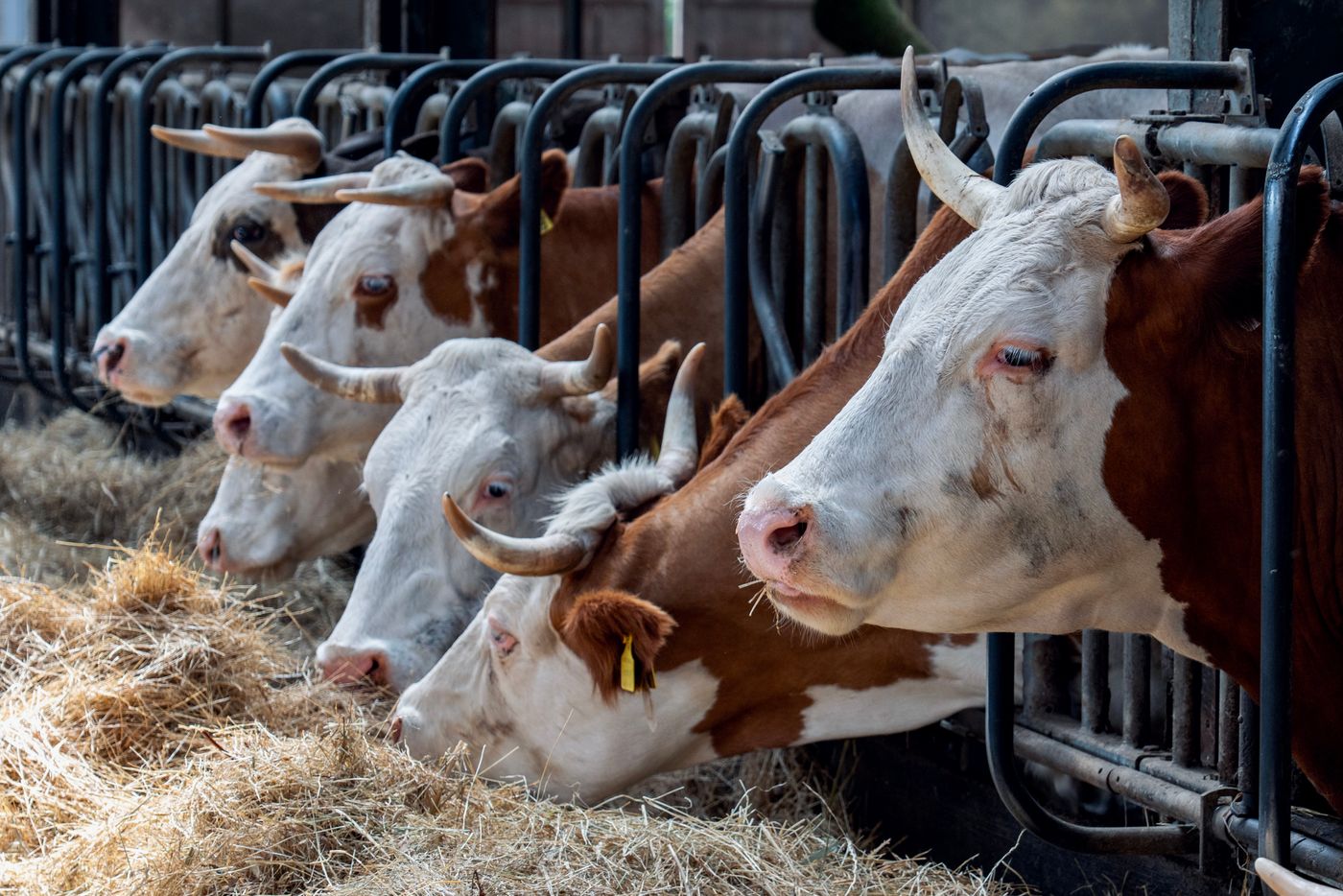
It is the third week of the long rains. The sky has been grey since Tuesday, the panels are streaked with mud from the last storm, and the battery monitor in the store room has dropped a bar every evening. Tonight the inverter alarm sounds while the lights are on, and by morning the water pump will not start. The cattle troughs are empty, the incubator has cooled, and the solar system that ran perfectly all through January is suddenly the problem.
None of that is a fault. A solar system produces from light, and in a run of cloudy days there is less light. What turns a cloudy week into a crisis is a system that was sized for the sunny month it was bought in, with nobody deciding in advance which loads matter most when the bank runs low.
This guide explains why cloud cuts output and why the size of the loss is specific to your site, what days of autonomy means and how a battery bank is sized for a cloudy run, how to rank loads so water and the incubator get the last of the charge, how to schedule the pump into the brightest hours, how to look after panels and mounts through storms and lightning, and when the honest answer is a generator or a grid hybrid rather than more batteries.
Why Cloud Cuts Output, and Why the Number Is Yours to Measure
A solar panel converts the light that reaches it, and its output rises and falls almost in step with the strength of that light. Clear sky delivers direct sunlight; cloud absorbs and scatters part of it before it arrives. Thin high cloud may take only a little. A heavy overcast can leave only diffuse light, the soft grey glow that casts no shadow, and the panel's output falls a great deal.
How much it falls is not a figure anyone can quote you from a desk. It depends on cloud thickness and how long it lasts, on your site's altitude and its typical rainy-season sky, on panel tilt and direction, on shading from trees that leaf out in the rains, and on how dirty the glass is. Two farms an hour apart on either side of a ridge see different skies. The only reliable number is your own, read from the charge controller or inverter's daily energy log across a rainy month. Keep that log; it is the most useful piece of solar data you will ever own.
There is one small point in the rainy season's favour. Panels are rated at a fixed cell temperature, and a crystalline silicon panel produces a little less for every degree its cells run hotter than that rating. On a cool grey day the cells run cooler, so the panel gives up slightly less to heat. This offset is real but small, a matter of a few percent, and it comes nowhere near replacing the light the cloud has taken away. Do not plan around it.
Days of Autonomy: What the Battery Bank Is Really For
Days of autonomy is the number of consecutive days your loads can run from the battery bank alone, with no useful solar input. It is the design figure that decides how large the bank must be, and it is the figure most rural systems in Kenya were never given. A system sized only to run its loads on a sunny day has, in effect, zero days of autonomy: the first grey day drains it and the second leaves it flat.
Sizing works from your daily load. Add up the watt-hours each appliance uses in a day: power in watts multiplied by hours of use. Multiply by the days of autonomy you want. Then allow for how deeply the battery can be discharged without damage: lead acid banks are usually designed around using about half their rated capacity, while lithium banks can be run much deeper, which is one reason the comparison in our guide to lithium versus lead acid batteries matters so much in a wet climate. The result, divided by the bank voltage, is the amp-hour rating you need. Our guide to sizing and budgeting a solar system walks through the arithmetic for the panel side.
The honest constraint is cost. Each extra day of autonomy is another full day's load stored in batteries that will sit unused for most of the year, and a bank sized for a fortnight of cloud may cost more than the rest of the system. Most farms settle on a bank sized for a short run of poor days, and then manage the longer runs by cutting load and, where necessary, bringing in another source. How many days to buy is a business decision, not a technical one.
Load Priorities When the Bank Is Low
When the bank is dropping and the sky is not clearing, the question is not how to keep everything running but what to stop first. Decide this before the rains, write it on the wall by the inverter, and make sure everyone in the household knows the order. A tier list turns a panic into a routine.
- Tier one, must run: the water pump for livestock and the household, and an incubator mid-hatch. A herd without water and an incubator with a thousand eggs cooling are losses that cannot be recovered.
- Tier two, should run: a vaccine or milk fridge, a security light at the gate, the phone that takes orders. These matter, but a fridge holds its cold for hours if the door stays shut and a single light can replace four.
- Tier three, can wait: house lighting beyond one room, television, phone chargers, the radio, and any workshop tool. These are conveniences, and they return the moment the sun does.
Cut tier three at the first low-bank warning, not at the alarm. Then move tier two loads into the daylight hours, when whatever charge the panels produce can go straight to them. Tier one runs last, on whatever remains. Most charge controllers and inverters have a low-voltage disconnect that shuts down the load to protect the battery; set that level according to the battery maker's guidance, and never bypass it to squeeze out one more evening, because a deeply discharged lead acid battery is permanently damaged.
Scheduling Pump Runs Into the Brightest Hours
Water is the load that best suits a cloudy season, because water can be stored. A pump run at midday, when even a cloudy sky is at its brightest, fills a tank that gravity then delivers all evening and all night at no cost to the battery. The tank is the cheapest form of storage on the farm, and in the rains it is topped up from the roof as well.
Set the pump to run only through the middle of the day, and size the tank for a day or two of use so a grey afternoon does not leave the troughs empty. A direct solar pump with no battery does this by nature: it runs whenever there is enough light and stops when there is not, and the tank carries the gap. Our guide to solar water pumps in Kenya explains that arrangement and where it does and does not suit a farm.
The same thinking applies to any load that can be shifted. Charge phones and torches at noon. Run the chaff cutter or the welder when the controller shows the bank full and the panels still producing, so the surplus does the work instead of being wasted. The rainy-season habit is to look at the sky and the controller in the morning and decide then what today's power will be spent on.
Mud, Storms and Checking the Mounts
Rain washes dust off a panel, which is welcome, but the first heavy storms of the season also throw mud onto low-mounted panels from the ground beneath them, and a band of dried mud along the lower edge shades a whole row of cells. Shaded cells drag down the output of the entire string, so a small patch of mud costs far more than its area suggests. Clean panels with plain water and a soft cloth or sponge, early in the morning when the glass is cool, and never with abrasive pads or strong detergents that scratch or leave a film.
After every big storm, walk the array. Check that the mounting bolts are tight, that the frame has not shifted or twisted in the wind, that cable entries are still sealed, and that no water is pooling under the panels or around the base of a ground mount. Look for cracked glass from hail or falling branches, and trim back any tree that has grown into the panels' sun since the dry season. A panel loosened by one gust and lifted by the next is an expensive way to learn that mounts need checking.
Lightning and Earthing Basics
Lightning is a real hazard in the Kenyan highlands and around the lake basin, and a solar array is a set of metal frames and long cables on the most exposed part of the farm. A direct strike is rare and nothing on a farm survives it. The common damage comes from a nearby strike inducing a surge in the cables that runs into the charge controller and the inverter and destroys them.
Three measures cover most of the risk. First, bond every panel frame and the mounting structure to earth with a proper conductor to an earth rod, so a surge has somewhere to go that is not through your electronics. Second, fit surge protection devices on the DC side between the panels and the charge controller, and on the AC side where the inverter feeds the house, and replace them when their indicator shows they have done their job. Third, keep the DC cable run short and the positive and negative cables close together, because a wide loop of cable picks up more of a passing surge. This is an electrician's job, and it is worth the visit.
When a Generator or Grid Hybrid Is the Honest Answer
There is a point where adding batteries stops making sense. If your site sees runs of grey days longer than a bank you can afford will cover, and your tier one loads cannot be shifted or reduced, then the honest design is a hybrid: solar and batteries for most of the year, with a generator or a grid connection to carry the worst weeks.
A hybrid inverter can charge the battery bank from a generator or the grid when the solar input is not enough, and switch back to solar when it returns. A small generator run for a few hours to top up the bank and pump the day's water is far cheaper than doubling the battery bank to cover a fortnight that happens once a year. Where the grid is nearby, a grid-tied hybrid does the same job without fuel. Our guide to sizing an inverter for a farmhouse and workshop covers what the inverter must be able to run and what it cannot.
Pretending otherwise costs more in the end. A farm that insists on solar alone and then loses a hatch, or waters cattle from a hired bowser for a week, has paid for the generator it did not buy. Design for the site you have, including its rainy season, and the system will keep the pump running when it matters.
If you are unsure how your system will behave in the rains, bring your daily load list and a photo of your controller's display to any Fuga branch, or send them on WhatsApp 0716 961 018. We stock panels, a charge controller and batteries that can be matched to the days of autonomy you actually need, and we will tell you plainly if a generator belongs in the plan.
Key Takeaways
- Cloud cuts panel output in step with the light it removes; how much you lose is site-specific, so read it from your controller's daily log rather than a rule of thumb.
- Cooler cells give a small gain in the rains, but nowhere near enough to replace the lost light.
- Days of autonomy is the number of grey days the bank can carry alone; size it from daily watt-hours, the days you want and the battery's safe depth of discharge.
- Rank loads into tiers before the rains: water and the incubator last to go, fridges and gate lights shifted to daylight, lights and chargers first to go.
- Run the pump in the brightest hours into a full tank, keep panels free of mud splash, and check mounts after every storm.
- Earth the frames and fit surge protection, and if grey runs outlast the bank you can afford, a generator or grid hybrid is the honest design.
Frequently Asked Questions
How much does solar output drop on a cloudy day in Kenya?
There is no single figure. Thin cloud takes a little, heavy overcast takes a great deal, and the loss at your site depends on cloud thickness and duration, altitude, panel tilt and direction, shading and how dirty the glass is. The reliable number is your own: read the daily energy log on your charge controller or inverter through a rainy month and compare it with the dry season. That log tells you how many days of autonomy your system actually needs.
What does days of autonomy mean for a solar system?
It is the number of consecutive days your loads can run from the battery bank alone with no useful solar input. To size for it, add up your daily load in watt-hours, multiply by the days you want, allow for how deeply the battery can safely be discharged, then divide by the bank voltage to get amp-hours. Each extra day is more battery that sits idle in the dry season, so the number is a business choice balanced against cost.
Which loads should I switch off first when the battery is low?
Start with the conveniences: extra house lights, television, chargers, radio and workshop tools. Then move loads that matter but can shift, such as a fridge or gate light, into daylight hours so the panels feed them directly. Keep the last of the reserve for the loads whose loss cannot be recovered, usually the water pump for livestock and an incubator mid-hatch. Write the order down before the rains so it is a routine, not a panic.
Do cooler rainy-season temperatures make panels produce more?
Slightly. Panels are rated at a fixed cell temperature and lose a little output for every degree hotter they run, so on a cool grey day the cells give up less to heat. The gain is a few percent at most and nowhere near enough to offset the light lost to cloud. It is a small consolation, not something to design around; the battery bank and the load priorities are what carry you through a grey week.
Do I need a generator as well as solar?
Only if your site's cloudy runs last longer than a battery bank you can afford will cover and your essential loads cannot be shifted or reduced. In that case a hybrid is the honest design: solar and batteries for most of the year, with a small generator or grid connection charging the bank through the worst weeks via a hybrid inverter. A few hours of generator running is usually far cheaper than doubling a battery bank for a fortnight that happens once a year.