Power interruptions are a fact of farming life in Kenya. A milking parlour cannot pause because the transformer tripped in Nakuru, a borehole cannot stop pumping because a storm knocked out the line to your Eldoret plot, and a workshop full of half-finished work does not care that KPLC is doing maintenance. A diesel generator is the machine that keeps the farm running when the grid does not.
Yet the most expensive mistake we see is not buying a poor generator. It is buying the wrong size. An undersized set struggles, overheats, and dies young trying to start motors it was never rated for. An oversized set burns diesel you did not need to burn and, run lightly for years, glazes its cylinders and fails early.
This guide walks through how to size a generator to your real load, how to decide between single phase and three phase, what silent and open frame really mean for a farm, and how fuel and maintenance shape the true cost. The aim is simple: help you buy once, buy right.
Start With the Job the Generator Has to Do
Before you look at any kVA figure, write down what you actually need to keep running during an outage. On most Kenyan farms and agribusinesses the answer falls into a few groups: water pumps, a milking shed, cold storage, a workshop, and lighting. Not all of these need to run at the same second, and that distinction changes the generator you buy.
Decide early whether you want a set that powers the whole farmstead at once, or a smaller, cheaper set that runs the essentials while you switch heavy loads on in turn. Both are valid. The second approach saves money and diesel, but it demands discipline from whoever is on duty.
How to Size a Generator in kVA
Generators are rated in kVA, kilovolt-amperes, which is the apparent power the alternator can deliver. Appliances are usually marked in watts or kilowatts. As a working guide for a mixed farm load, 1 kVA is close to 0.8 kW of real work, so the two numbers are related but not identical. When in doubt, size in kVA and keep a margin.
Sizing well comes down to two things most people forget to add together: the total running load, and the starting surge of your biggest motor.
Running load is the sum of the watts of everything that will be on at the same time. Lights, a milk cooler, a vacuum pump, a chaff cutter, phone chargers, the office. Add them up honestly.
Starting surge is the extra jolt a motor draws in the first seconds as it spins up. An electric motor, a borehole pump, a welder, or a chaff cutter can pull three to six times its running current at the moment it starts. If your borehole pump runs at 2.2 kW but surges to the equivalent of 8 or 9 kW for a second, the generator has to survive that spike without collapsing the voltage and tripping.
So the honest sizing method is: add every running watt, then add the surge of the single largest motor on top, then add a comfort margin of roughly a fifth so the set is never pinned at 100 percent. That final figure, converted to kVA, is the generator you want.
The figures above are a starting point, not a specification. A single 3 HP borehole pump with a hard start can demand more headroom than a whole shed of lights and coolers, because the surge, not the running watts, sets the requirement. Walk your farm, list every motor, and work from the real numbers.
Single Phase or Three Phase?
This choice is decided by two things: the power your farm is wired for, and the motors you run. Single phase is the standard domestic and light commercial supply, common on smaller farms and homesteads. Three phase delivers power more smoothly and is the norm where you have larger motors, heavy pumps, cold rooms, or a busy workshop.
The key rule: a three phase motor needs a three phase supply, and a three phase generator. If your borehole pump, cold room, or workshop machinery is three phase, your generator must be too. If everything on the farm is single phase, a single phase set is simpler and often cheaper.
A common trap is a mixed farm with mostly single phase loads but one three phase pump. In that case you either match the whole set to three phase, or you keep that pump on a separate arrangement. Tell us exactly what you run and we will steer you clear of an expensive mismatch.
Silent or Open Frame?
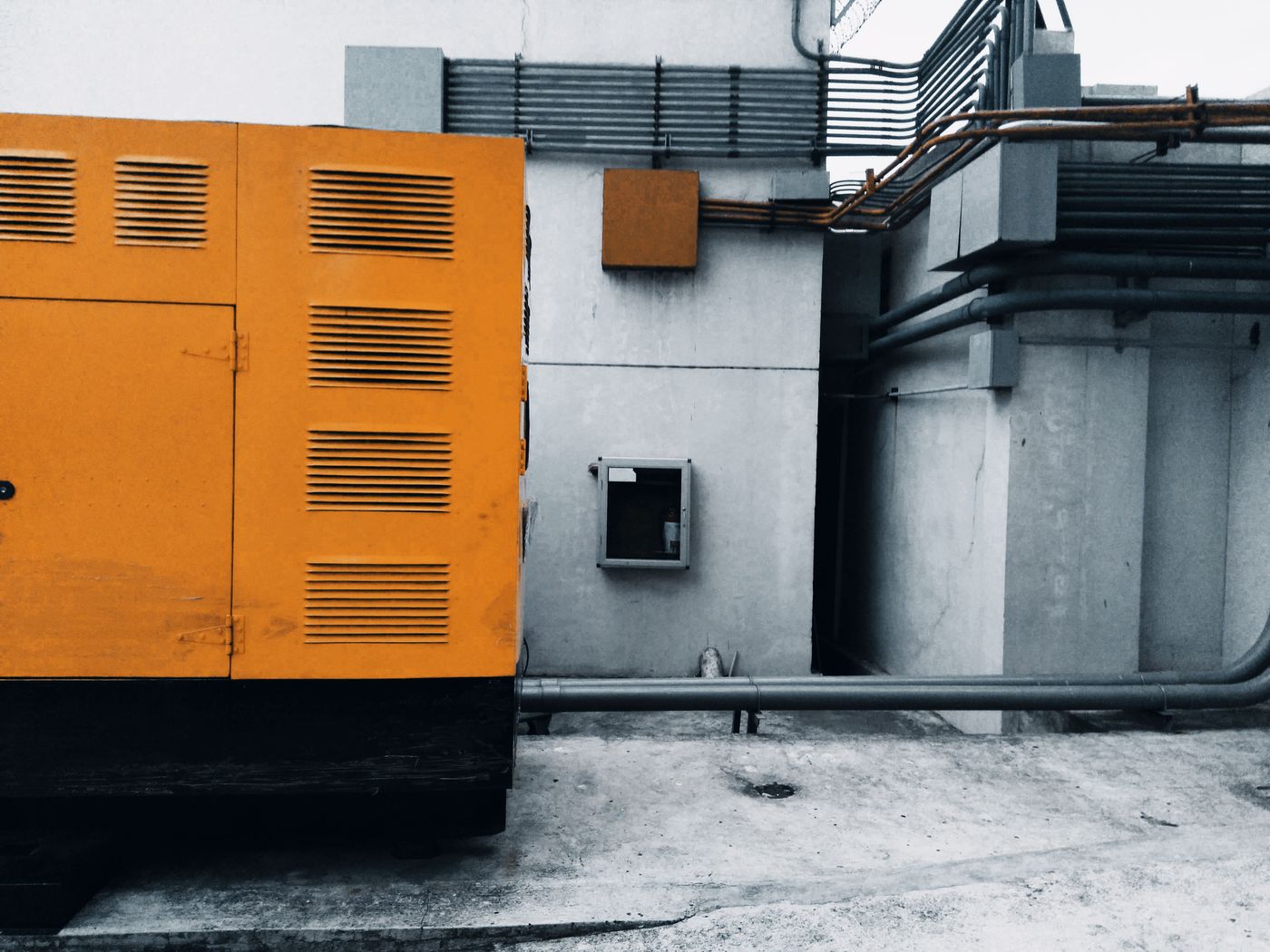
Silent generators, also called canopy or soundproof sets, are enclosed in an insulated steel housing that muffles noise and shields the engine from rain and dust. Open frame sets leave the engine exposed on a skid or frame. Both do the same electrical job. The difference is noise, weather protection, and cost.
For a milking shed, a dairy, a shop, a clinic, or anywhere near where people live and work, a silent set is worth it. The noise reduction alone keeps a herd calmer and neighbours happier, and the canopy protects the machine through a wet Kenyan season. For a remote borehole or a field pump running far from anyone, an open frame set costs less and is easier to service, and the noise does not bother anyone.
If the generator will sit outdoors in the rain, lean strongly toward a canopy set or plan a proper weatherproof housing. Diesel engines dislike standing water and blowing dust as much as any machine.
Fuel and Running Cost
Diesel is the reason these generators exist on farms: the fuel is widely available across the country, the engines are rugged, and they run for years with basic care. But running cost is real, and it is driven by how heavily you load the set.
A diesel generator is most efficient, and lasts longest, when it runs at roughly half to three quarters of its rated load. Run it barely loaded for hours and it burns fuel inefficiently and can glaze its cylinders, a condition called wet stacking that shortens engine life. This is the hidden cost of buying far too big: not just the higher purchase price, but poor fuel economy and premature wear.
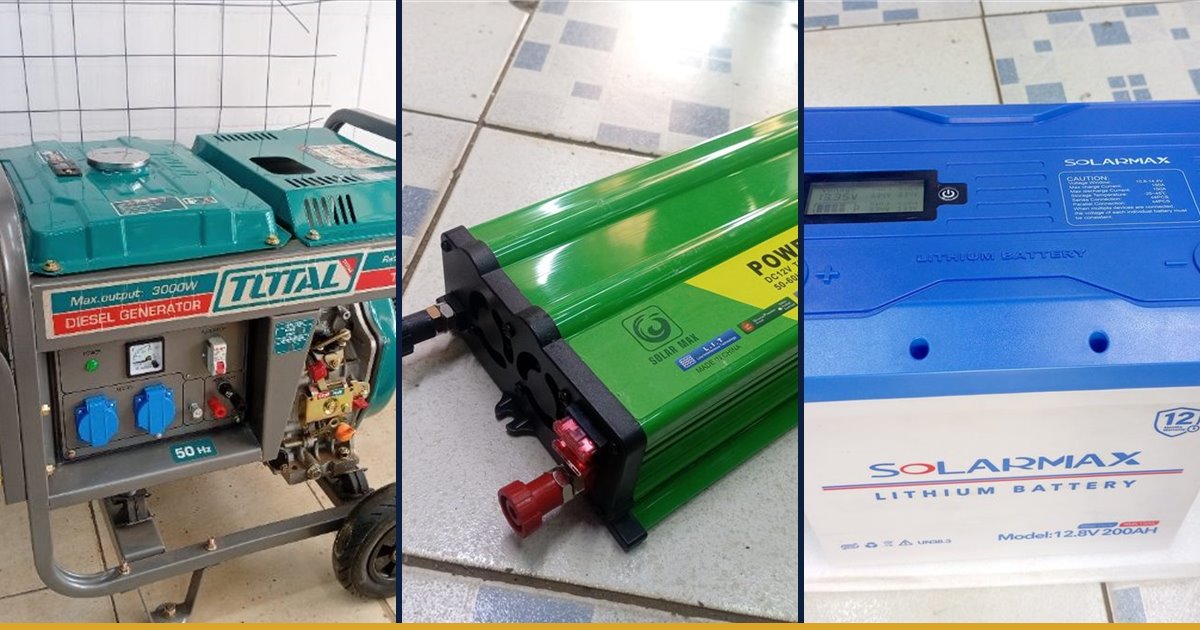
This is exactly why correct sizing pays back. A well matched set spends its life in that efficient band, sipping diesel and running cool. If your outages are long and frequent, it is also worth asking us about pairing a smaller generator with solar equipment so the panels carry the daytime load and the generator only steps in at night or under cloud. Many Kenyan farms now run this hybrid setup to cut their diesel bill sharply.
Maintenance That Keeps a Diesel Alive
A diesel generator rewards routine and punishes neglect. The good news is that the routine is simple and cheap compared with the cost of a rebuild or a lost milking session.
- Oil and filters: change engine oil and the oil filter on the hours the manufacturer specifies, sooner in dusty conditions. Clean oil is the single biggest factor in engine life.
- Air and fuel filters: farm air is full of dust and chaff. A choked air filter starves the engine and wastes fuel, so inspect it often and replace on schedule.
- Fuel quality: use clean diesel and let sediment settle. Dirty fuel and water are the fastest way to ruin an injection system.
- Coolant and battery: check coolant level and the starting battery regularly. A flat battery means the set will not start on the morning you need it most.
- Exercise it: run the generator under load for a short spell every week or two even when the grid is up. This keeps the battery charged, the seals wet, and reveals a fault before an emergency does.
Backup for Milking Sheds, Workshops and Pumps
Each of these loads behaves differently, and knowing how changes what you buy.
Milking sheds and dairies need reliable, clean, quiet power. Vacuum pumps and milk coolers must not lose supply mid-session, and cold storage cannot be allowed to warm up. For these, a right sized silent set, ideally with automatic transfer so it starts itself when the grid drops, is the gold standard. The cost of one spoiled batch of milk or one stressful manual milking dwarfs the price difference.
Workshops are surge heavy. Welders, angle grinders, compressors and drill presses all draw hard on startup, and a workshop that also does welding needs real headroom in the generator. Size for the heaviest tool starting while the lights and a compressor already run.
Water pumps and boreholes are almost all about the starting surge. A submersible or surface pump can pull several times its running current for a moment as it starts, so the generator has to hold voltage through that spike. If water is your main reason for backup, tell us the pump rating and depth. If you are still choosing the pump itself, our guide on choosing a water pump in Kenya pairs naturally with this one.
Key Takeaways
- Size to your real peak load plus the surge of the largest motor, then add about a fifth as headroom.
- Match phase to your supply and your motors: three phase motors need a three phase set.
- Choose silent for sheds, dairies and anywhere near people; open frame for remote field pumps.
- A correctly sized set runs in its efficient band, saving diesel and lasting longer than an oversized one.
- Simple, logged maintenance and a weekly test run are what keep a diesel starting for years.
- Never fabricate the numbers: send us your load list and confirm current pricing on WhatsApp.
Buying Right in Kenya
We stock diesel generators and related machinery across our branches in Eldoret, Nakuru, Nairobi and the Coast in Mombasa, and we help farmers and agribusinesses size a set to the job rather than to a brochure. Bring your list of loads, or send clear photos of your motor plates, and we will recommend a rating, advise on single or three phase, and talk through silent against open frame for your site.
Prices move with the market and with specification, so we do not quote fixed figures here. For current pricing and availability, message us on WhatsApp or contact any branch and we will give you an honest, up to date quote.
Frequently Asked Questions
What size generator do I need for a small farm?
It depends entirely on what runs at once. A homestead with lights, a fridge and a small pump may be served by a modest set, while a dairy with coolers and a borehole needs much more. Add your running watts, add your largest motor surge, add a fifth for headroom, then confirm the kVA with us.
Do I need single phase or three phase?
Match the generator to your supply and motors. If any pump, cold room or workshop machine is three phase, you need a three phase set. If everything is single phase, a single phase generator is simpler and usually cheaper. Check the rating plates before you buy.
Is a silent generator worth the extra cost?
Near a milking shed, dairy, shop or home, yes. The lower noise keeps animals and people comfortable and the canopy protects the engine from rain and dust. For a remote field pump where noise does not matter, an open frame set saves money and is easier to service.
How often does a diesel generator need servicing?
Follow the manufacturer hours for oil and filter changes, and shorten them in dusty conditions. Check coolant, battery and fuel quality regularly, and run the set under load every week or two even when the grid is up. Keep a simple log of running hours.
Can I run a generator alongside solar to cut fuel costs?
Yes, and many Kenyan farms do. Solar carries the daytime load while a smaller generator covers nights and cloudy spells, which reduces diesel use significantly. Ask us about pairing the right generator with a solar setup for your farm.