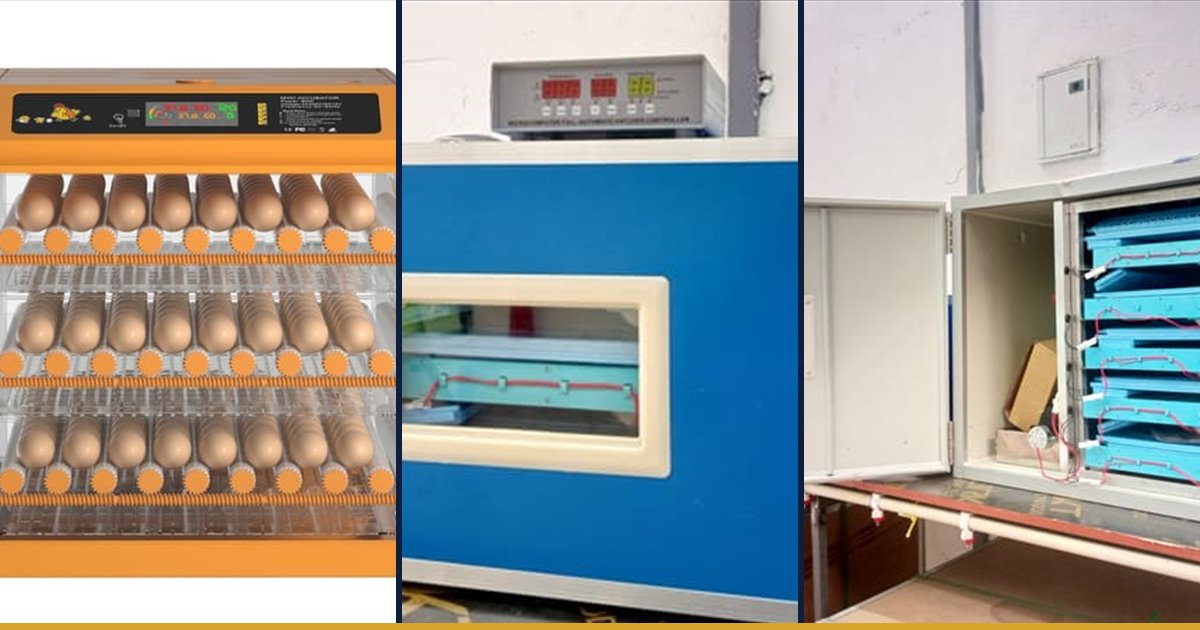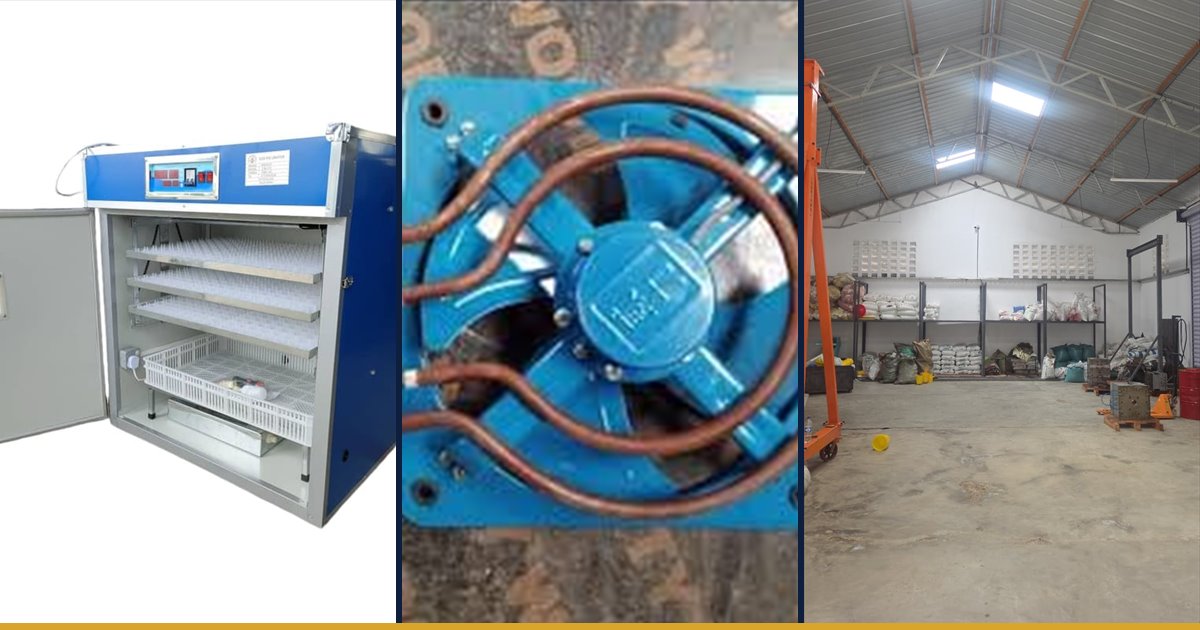
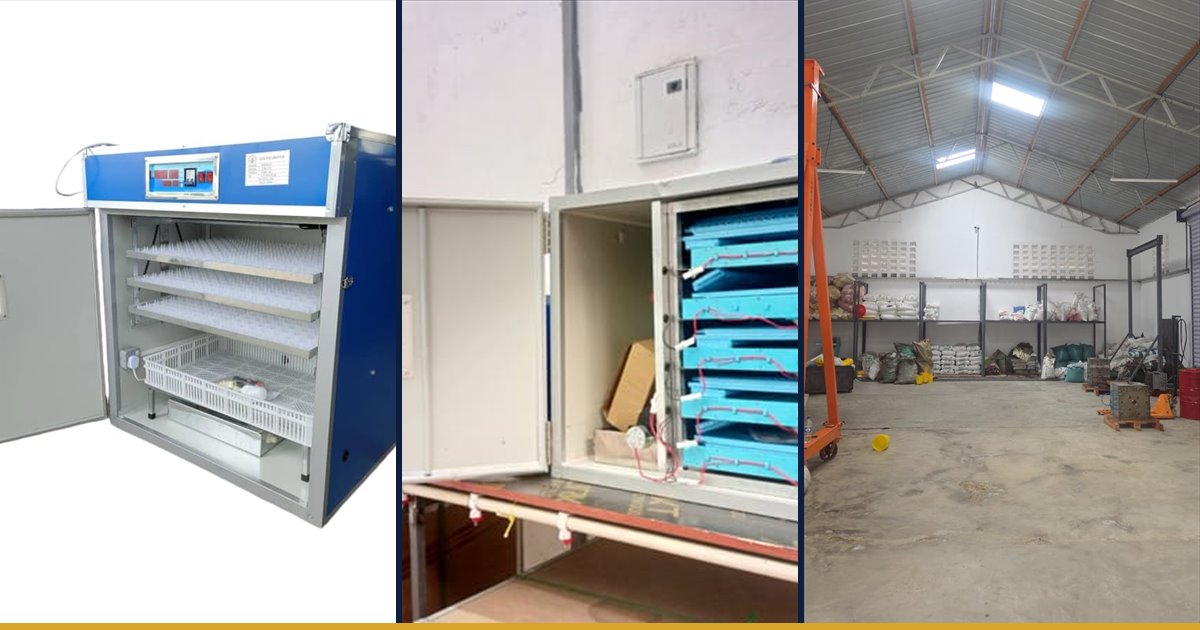
The 528-egg incubator is the machine most Kenyan poultry keepers buy when hatching stops being a side activity and starts being a business. It is big enough to supply a decent flock or sell day-old chicks locally, and small enough to run in an ordinary room on ordinary power. That combination is why it sells more than any other commercial capacity we carry.
This page covers what a 528 actually produces, what it costs, what it costs to run, whether it is the right step for you, and the things that go wrong with machines this size. Prices here come from our stock system and are the same figures our branch counters quote.
What a 528-Egg Incubator Costs in Kenya
We carry three 528-class machines. The differences are in build and in the hatcher arrangement, and the price follows.
| Model | Stock code | Price |
|---|---|---|
| Incubator TRDN 528*176 | 6282 | KSh 48,000 |
| Incubator Broody 528*176 | 6274 | KSh 60,000 |
| Incubator Broody 528*528 | 6275 | KSh 65,000 |
Every current incubator price we stock, from a 12-egg tabletop to a 3168-egg commercial cabinet, is on the price list. Stock moves, so confirm availability at your branch or on WhatsApp before you travel.
What a 528 Actually Produces
Capacity is not output. A 528-egg machine does not give you 528 chicks, and any seller who implies it will is setting you up for disappointment.
Two things reduce the number. First, fertility. Even with good breeding stock and a correct cockerel-to-hen ratio, a realistic fertility rate is somewhere around 80 to 90 per cent, and eggs bought in from farms you do not control are often worse. Second, hatchability of those fertile eggs, which is where your machine and your management show up. A well-run machine with well-handled eggs should hatch a high proportion of fertile eggs; a badly run one can lose half.
Put realistically, a full 528 setting run in competent hands produces somewhere in the region of three hundred and fifty to four hundred and fifty chicks. Working on that basis rather than on 528 is the difference between a business plan that survives contact with reality and one that does not.
The other number that matters is turnaround. Chicken eggs take twenty-one days: eighteen in the setter, three in the hatcher. If your machine keeps setting and hatching in the same space, you set a batch, wait twenty-one days, clean, and set again, which gives you roughly a batch a month. If your machine has a separate hatching section, you can set a new batch every week and keep the setter permanently full, which transforms the economics. This is the single most important question to ask about any machine at this size.
Running Costs: Power, and the Power Problem
An incubator is a heater and a fan, so its consumption depends heavily on how cold the room is. A machine in a cool Eldoret night works much harder than the same machine in Kanamai. That is why a single quoted wattage figure is close to meaningless in practice.
The bigger issue in Kenya is not the cost of the electricity, it is the reliability of it. An incubator that loses power for a few hours will usually recover, because a full cabinet holds a lot of thermal mass and the eggs cool slowly. An incubator that loses power for a day during the setting period will lose most of the batch, and by then you have already paid for the eggs and waited two weeks.
If you are spending fifty to sixty-five thousand shillings on a machine, budget for backup at the same time. Depending on your situation that means an inverter and battery bank sized to carry the incubator through a typical outage, a generator, or a solar setup. Our solar equipment range covers panels, batteries and inverters, and it is worth working out the sizing with us rather than guessing, because an undersized inverter that dies two hours into an outage has cost you the money and not solved the problem.
Is a 528 the Right Size for You?
Work backwards from what you actually need each month, not from what you would like to be doing in two years.
You are probably below a 528 if you are hatching to restock your own flock, if you are still learning incubation, or if you cannot reliably source three hundred plus fertile eggs of consistent quality every cycle. A 300 or a 350 machine costs meaningfully less and teaches you the same lessons on a smaller and cheaper batch. Nobody has ever regretted learning incubation on a smaller machine.
A 528 fits if you have a reliable egg supply, an established buyer or a market for day-old chicks, and somewhere clean and temperature-stable to run it. This is the size at which hatching becomes a product line rather than a chore.
You should look above a 528 if you already sell every chick you can hatch and you are turning orders away. At that point the jump to the 1056 class is usually better value per egg than running two 528s, and our guide to the 1056-egg incubator covers that step.
What Goes Wrong With Machines This Size
Temperature stratification. A large cabinet has a top and a bottom, and if the fan is not moving air properly you get a warm zone and a cool zone. The result is a hatch strung out over three days instead of arriving together, with weak chicks at the end. Test with a second thermometer at different heights before you trust the display.
The controller and the sensor. The digital controller is the brain, and the sensor is what it believes. A drifting sensor will hold a confidently displayed 37.5 degrees while the actual air is at 38.5, which cooks a batch. Verify against an independent thermometer periodically. We stock incubator spare parts including controllers and motors, so a failure is a repair rather than a write-off.
The turning mechanism. Motorised turning racks are mechanical and they wear. A motor that stalls silently overnight is the sort of failure you only find at candling. Watch and listen to the turning cycle regularly rather than assuming it.
Humidity, in both directions. Too low during setting and the air cell grows too large and chicks stick to the shell; too high and the air cell stays small and chicks drown at pipping. Kenya's humidity varies enormously between the Coast and the highlands, so a setting that works in Nakuru will not necessarily work in Kanamai.
Before You Buy: Questions Worth Asking
Ask whether the machine sets and hatches in the same space or has a separate hatching section, because that decides whether you run monthly or weekly batches. Ask what spares are stocked and what they cost, particularly the controller, the sensor, the turning motor and the fan. Ask what the warranty covers and for how long. Ask what happens on power failure, and whether the controller recovers its settings automatically. And ask to see it running before you pay, not sitting on a shelf.
We stock incubators at all six branches and our team hatches with these machines, so ask the practical questions. If a machine is not right for your situation we would rather tell you that than sell it to you.
Key Takeaways
- 528 class machines run from KSh 48,000 to KSh 65,000 depending on build and hatching arrangement.
- Capacity is eggs in, not chicks out. A competent full run realistically yields around 350 to 450 chicks.
- Whether the machine has a separate hatching section decides if you set monthly or weekly. Ask before you buy.
- Budget backup power at the same time as the machine. One lost batch costs the eggs, 21 days and your chick orders.
- Verify the controller against an independent thermometer. A drifting sensor confidently displays the wrong number.
Frequently Asked Questions
How much is a 528 egg incubator in Kenya?
We stock three 528 class machines: the TRDN 528*176 at KSh 48,000, the Broody 528*176 at KSh 60,000 and the Broody 528*528 at KSh 65,000. The difference is in build quality and how the machine divides its setting and hatching space. Every current price is on our price list, which runs off the same stock system our branch counters use.
How many chicks will a 528 egg incubator produce?
Not 528. Allowing for realistic fertility of around 80 to 90 per cent and normal hatchability of those fertile eggs, a full run in competent hands produces roughly 350 to 450 chicks. Planning on that figure rather than the headline capacity is the difference between a business plan that works and one that does not.
How long does a 528 egg incubator take to hatch?
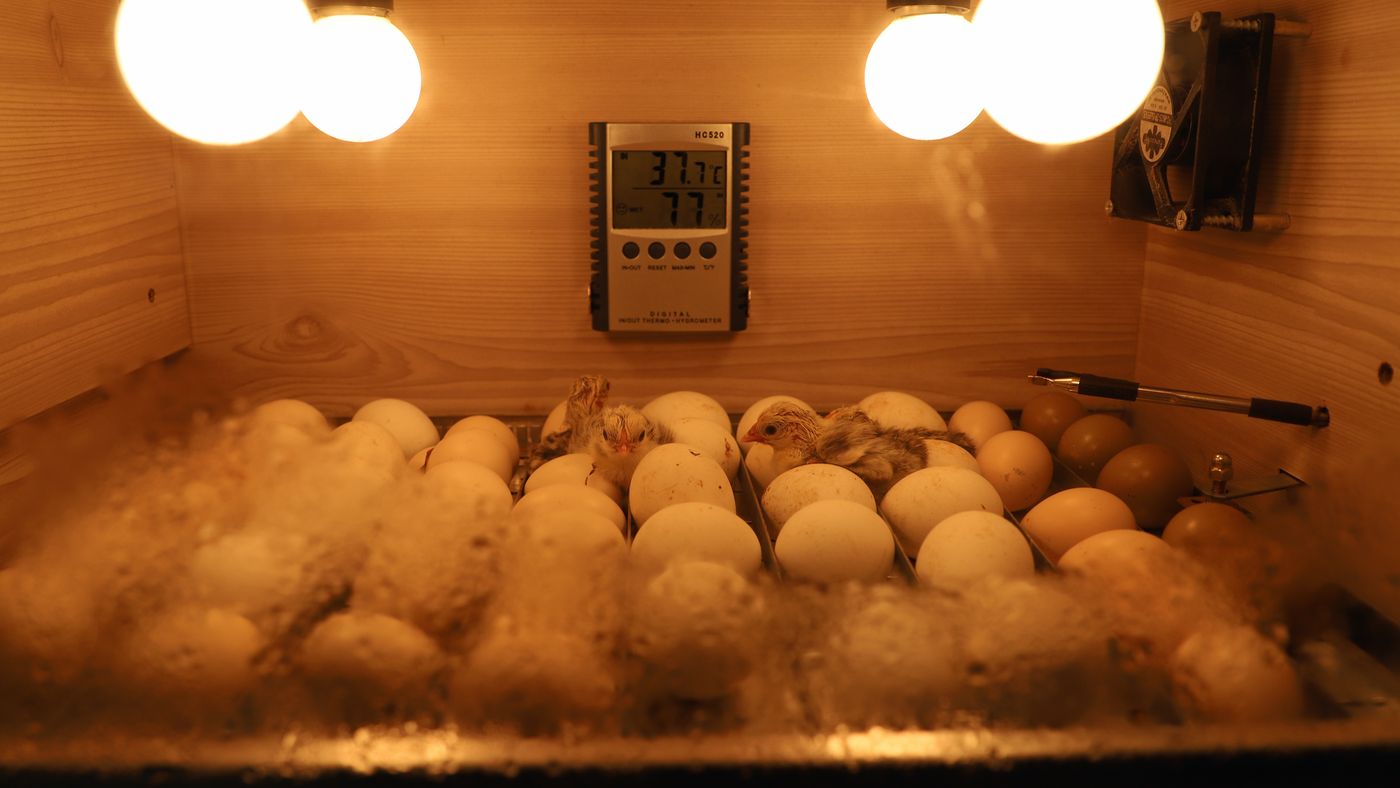
Chicken eggs take 21 days: 18 days setting with turning, then 3 days in hatching conditions with no turning and higher humidity. If your machine sets and hatches in the same space you get roughly one batch a month. If it has a separate hatching section you can set weekly and keep the setter permanently full.
Do I need backup power for a 528 incubator?
Yes, and you should budget for it at the same time as the machine. A cabinet holds enough thermal mass to survive a short outage, but a full day without power during setting will lose most of the batch, along with the eggs and three weeks. An inverter and battery bank, a generator or a solar setup all work, but size it properly rather than guessing.
Is a 528 incubator too big for a beginner?
Usually yes. The lessons that decide whether incubation works, egg selection, storage, candling discipline and humidity for your particular climate, are far cheaper to learn on a 300 or 350 machine. If you cannot yet source 300 or more fertile eggs of consistent quality every cycle, start smaller.