
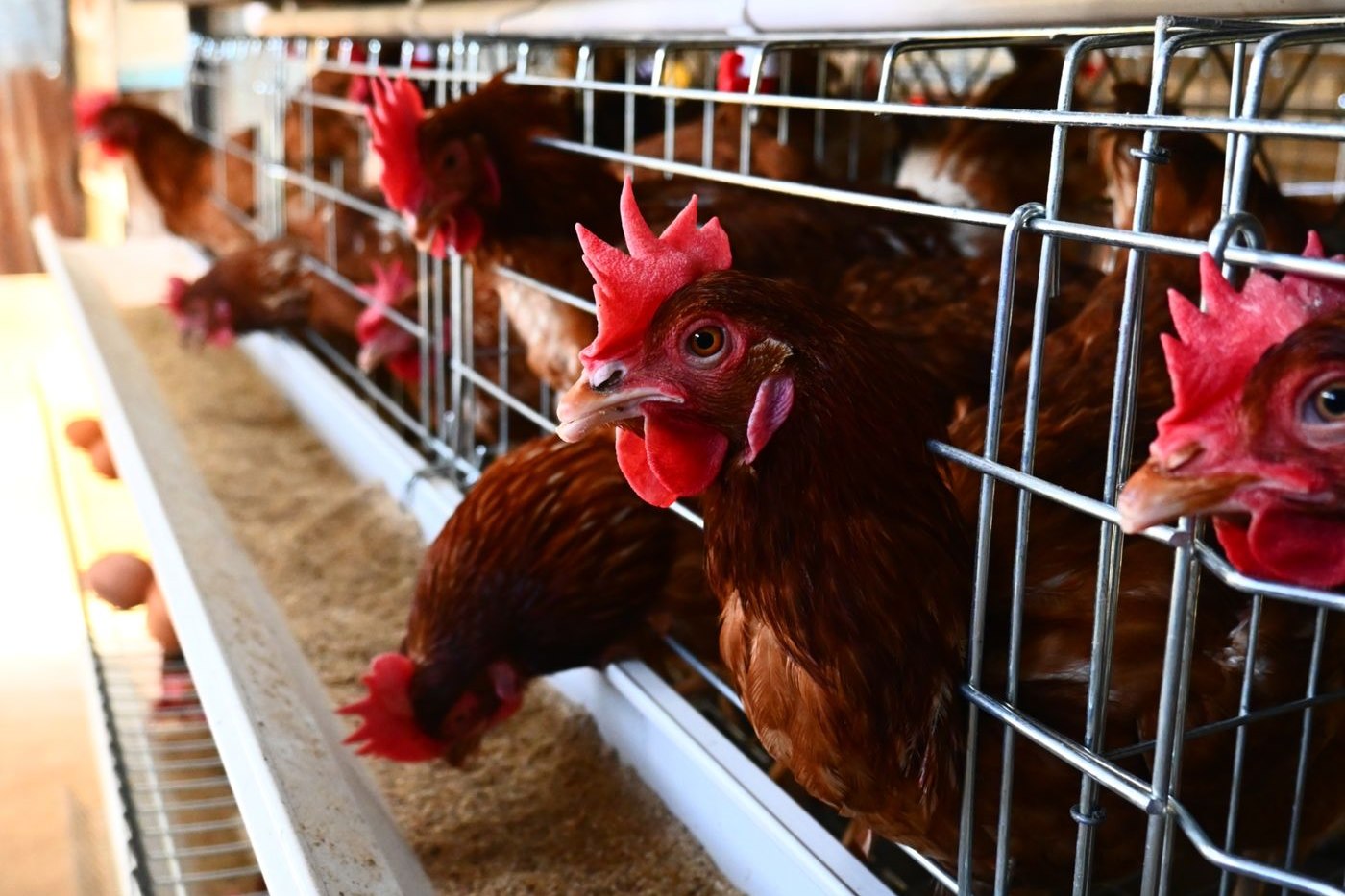
Every egg farmer knows the feeling. The feed bill goes up, the egg price at the gate does not, and the obvious answers all seem to cost eggs: buy cheaper feed, give less of it, or stretch layers mash with maize bran. Within a few weeks the trays are lighter, the shells are thinner and the saving has disappeared.
Feed is by far the biggest running cost of an egg business, so it is the right place to look for savings. But the money is rarely lost in the price per bag. It leaks out through feed that is spilled, eaten by rats, fed to hens that are not laying, wasted by birds that are short of water or light, or bought in a form that does not match the birds' age. Plug those leaks and you can cut the cost of each egg without cutting the feed each hen needs.
We have covered two of the biggest leaks in detail, feed wastage and culling non-laying hens. This guide pulls everything together into one feed cost audit: the number to track, how much a laying hen should eat, the leaks to check in order, how to buy feed better, and the savings that backfire.
Track Feed per Tray, Not Feed per Bag
The price of a bag tells you very little. What matters is how much feed it takes to produce a tray of 30 eggs. That single number captures feed price, wastage, laying rate and flock health together, and it is the number that should go down when you make changes.
To calculate it, record every bag fed in a week and every egg collected. Divide the kilograms of feed by the number of trays. Do this every week, and write it on the wall of the store where everyone can see it.
How much should hens eat? A KALRO feeding brochure for growers and layers gives intake of about 80 to 120 grams per bird per day from 16 to 27 weeks of age, and about 120 to 130 grams from 28 weeks onwards. Your breed supplier will have figures for your strain. If your flock is eating much more than this without laying well, feed is being wasted somewhere.
The figure makes the central point. A hen eats roughly the same amount whether she lays or not, so the laying rate decides the feed cost of each egg far more than the price of the bag. Anything that keeps laying high, and anything that stops feed reaching places other than a laying hen's crop, lowers the cost per tray.
The Six Leaks to Check, in Order
1. Spillage at the feeder. Hens flick feed out of feeders that are overfilled or set too low, and once it is on the litter it is lost. Fill feeders only about a third full, set the lip at about the height of the birds' backs and use feeders designed to limit flicking. Our feed wastage guide covers fill levels, heights and feeder types, and Fuga's turbo feeders and chicken feeders come in several capacities.
2. The feed store. Rats, wild birds, damp floors and mould take a share of every bag before it reaches the hens. Store bags on pallets, away from walls, in a rat-proof room, and use them first in, first out. Mouldy feed is not just waste: moulds can produce toxins that harm laying. Our guide to feed storage, pests and moulds sets it up properly.
3. Hens that are not laying. In most flocks, some hens stop laying or lay very little while still eating a full ration. Handling birds to identify them, then culling and selling them, is one of the fastest ways to lower feed per tray. Our culling guide shows how to tell a layer from a non-layer by hand.
4. Water. Hens that run short of water eat less and lay less, and the feed they did eat is wasted on birds that do not produce. Check every drinker every morning, clean them regularly and make sure there are enough for the flock; see our guide to poultry house water hygiene. Automatic drinkers and cup nipples keep water available all day.
5. Light. Laying is driven by day length. Hens on an irregular or too-short light pattern lay less, while eating the same. A steady programme, with lights on and off at the same times every day, keeps laying consistent; our guide to the poultry lighting programme explains how many hours to give and how to increase them.
6. The wrong feed. Feeding layers mash to young pullets, chick feed for too long, or growers mash to laying hens all cost money. Layer feed carries the extra calcium and protein a laying hen needs; growers feed does not. Follow the feeding stages on the bag and from your supplier, and switch at the ages they give.
A Worked Example: 500 Hens
Numbers make the audit concrete. Take an illustrative flock of 500 mature hens eating about 125 grams each a day, which is 62.5 kilograms of feed a day. If they lay at 60 per cent, that is 300 eggs, or 10 trays, so the flock uses about 6.3 kilograms of feed per tray.
Now suppose handling the birds finds 50 hens that have stopped laying. Culling them leaves 450 hens eating about 56 kilograms a day while still producing the same 300 eggs, because the culled hens were not contributing. Feed per tray falls to about 5.6 kilograms, a saving of more than 6 kilograms of feed every day, or roughly four 50 kilogram bags a month, with no change in eggs.
Add a fix at the feeders. If lowering fill levels and raising feeders stops even a small share of feed being flicked onto the litter, the saving comes on top. And if steadier water and light lift the flock's output by just 5 per cent, the same feed produces about 15 more eggs a day. None of these changes involves a cheaper bag. Write your own flock's numbers into the same steps and you will see which leak is worth fixing first.
Buy Feed Better
Buy in larger, regular lots if you can store them well. Many farmers save by buying several weeks' supply at once, or by buying together through a group or chama, if they have a dry, rat-proof store. Buying more than you can store properly turns a discount into mouldy feed.
Judge feed by results, not just price. Track feed per tray for a few weeks on each brand you try. A slightly dearer feed that gives more eggs can be the cheaper feed per tray. Check that bags are sealed, labelled and within date, and complain to the supplier when quality falls.
Consider formulating with expert help. Larger flocks sometimes save by mixing their own rations from bought ingredients. Kenyan research, including KALRO work on low-cost rations for growers and layers and studies of insect protein such as black soldier fly larvae, shows the potential, but home mixing only works with a ration formulated by a qualified animal nutritionist, accurate weighing and proper mixing. Our guides to feed mixers and ration mixing and to the feed milling business explain the equipment and quality control involved. A digital weighing scale is essential for minerals and premixes.
Keep the Hens Producing
Every factor that cuts laying raises the feed cost of each egg. Several are worth a check in the short rains.
Health. Worms, mites and disease reduce laying long before birds look sick. Ask your vet for a vaccination, deworming and parasite control plan suited to your flock and stick to it.
Comfort. Cold, damp, draughty houses make hens eat more just to stay warm, and wet litter breeds disease. Hot, poorly ventilated houses make them eat less and lay less. Our guide to poultry house ventilation covers both.
Flock age. Laying rises to a peak after point of lay, then declines slowly as hens age, while feed intake stays much the same. That means feed per tray creeps up over the life of a flock. Watch the weekly figure, and plan replacement pullets early enough that an old flock is not kept on long after it has stopped paying for its feed. Your breed supplier's production chart shows the expected curve for your strain.
Stress and pecking. Overcrowding, too few nests and bright light cause pecking and stress. See our guides to feather pecking and to how many nest boxes per hen; Fuga stocks laying nests.
Your Layer Feed Cost Checklist
| Area | Check |
|---|---|
| Records | Feed per tray calculated every week and displayed |
| Benchmark | Intake compared with KALRO's 120 to 130 g a day for mature layers, or your strain's figure |
| Feeders | About a third full; lip at back height; enough feeder space |
| Store | Pallets; rat-proof; dry; first in, first out |
| Flock | Non-layers identified and culled regularly |
| Water and light | Drinkers checked daily; steady lighting programme |
| Feed | Right feed for age; never diluted; brands compared on feed per tray |
| Health | Vet-planned vaccination, deworming and parasite control |
Equipment That Cuts Feed Cost per Egg
Prices change, so we do not list them here. See each product page or the Fuga price list for current prices and stock.
| Item | Leak it fixes |
|---|---|
| Turbo feeders | Spillage and flicked feed |
| Automatic drinkers | Water shortages |
| Cup nipples | Clean water with less spilling |
| Laying nests | Floor eggs, broken and dirty eggs |
| Digital weighing scale | Weighing feed, birds and ration ingredients |
| Plastic egg trays | Cracked eggs in handling |
Measure feed per tray, compare intake with the benchmark, plug the leaks from feeders to store to non-layers, keep water and light steady, never dilute layers mash and keep the hens healthy and comfortable. For feeders, drinkers and nests, see our poultry range or our guide to layer cages versus deep litter, or WhatsApp 0716 961 018 with the size of your flock.
Key Takeaways
- Track kilograms of feed per tray of 30 eggs every week; it captures price, waste and laying rate together.
- KALRO gives about 120 to 130 g a day for layers over 28 weeks; much higher intake without good laying means waste.
- A hen eats about the same whether she lays or not, so at 40 per cent laying each tray costs twice the feed it does at 80 per cent.
- Check six leaks in order: feeder spillage, the store, non-layers, water, light and the wrong feed.
- Never dilute layers mash with bran; it lowers protein and calcium and raises feed per tray.
- Buy in lots you can store well, compare brands on feed per tray, and only home-mix with a nutritionist's formulation.
Frequently Asked Questions
How much feed does a laying hen eat per day?
A KALRO feeding brochure gives about 120 to 130 grams per bird per day for layers from 28 weeks of age, and about 80 to 120 grams from 16 to 27 weeks. Your breed supplier will have figures for your strain.
Can I mix layers mash with maize bran to save money?
It is a false saving. Diluting layers mash lowers the protein and calcium in every mouthful, so hens lay fewer eggs with thinner shells and the feed used per tray goes up. If you need a cheaper ration, have one formulated by a qualified animal nutritionist.
What is the fastest way to reduce layer feed costs?
Fix feeder spillage by filling feeders only about a third full and setting the lip at back height, then identify and cull hens that have stopped laying. Both cut feed used per tray without reducing the eggs you collect.
How do I calculate feed cost per egg?
Record every kilogram of feed used in a week and every egg collected. Divide the feed by the number of trays of 30 to get kilograms per tray, then multiply by the price per kilogram you paid. Track it weekly to see whether changes are working.

