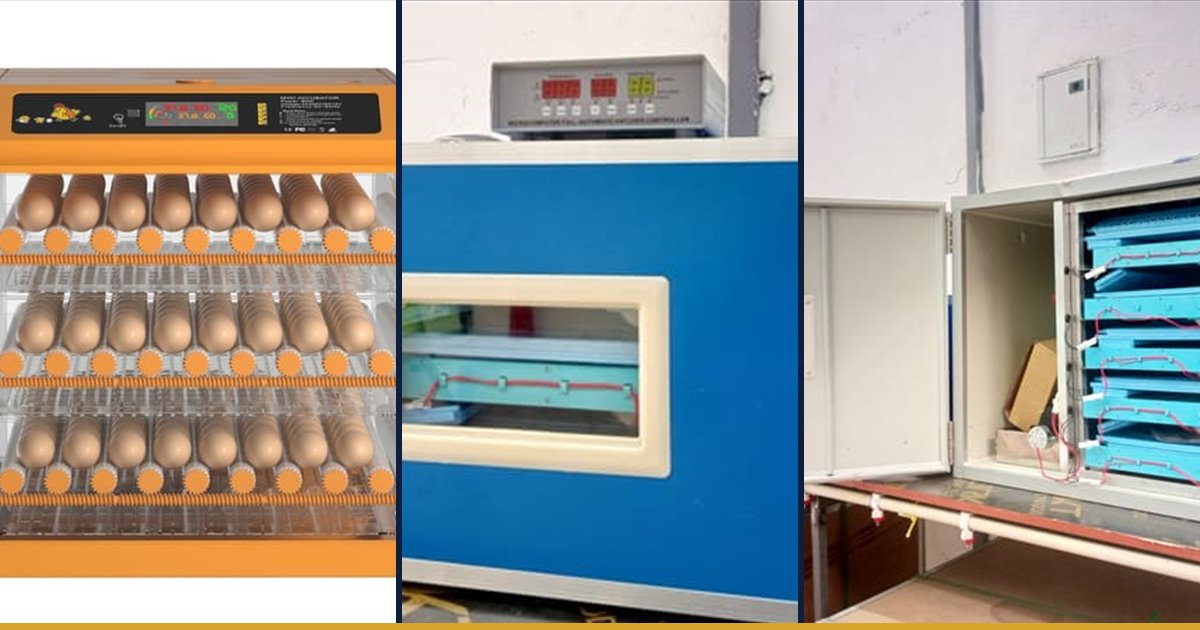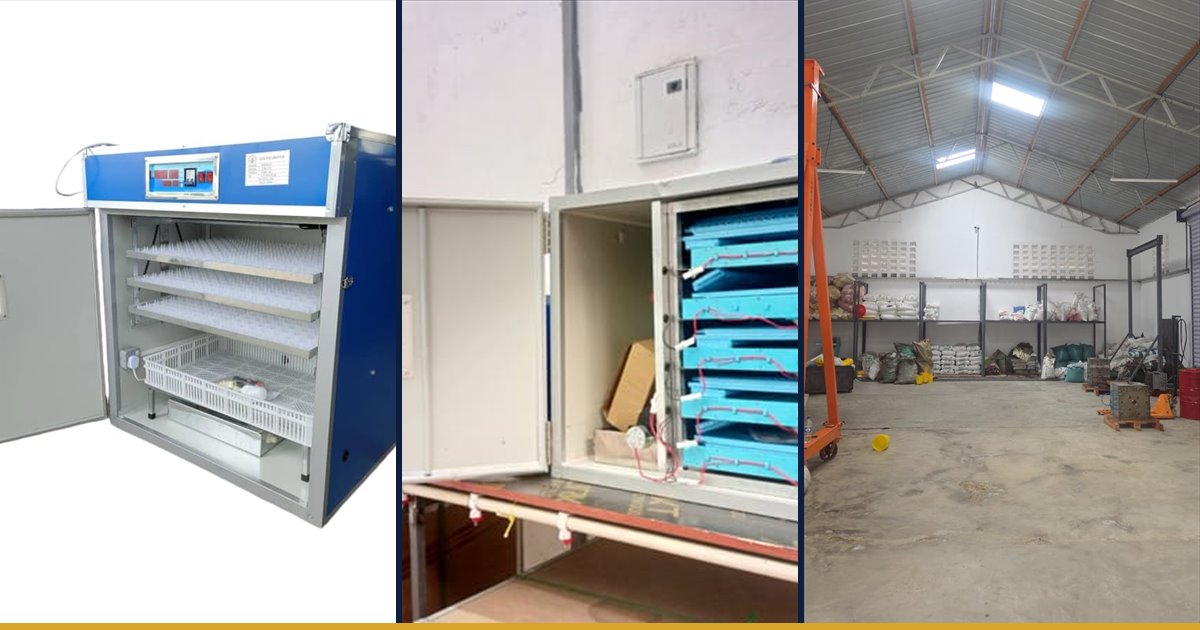
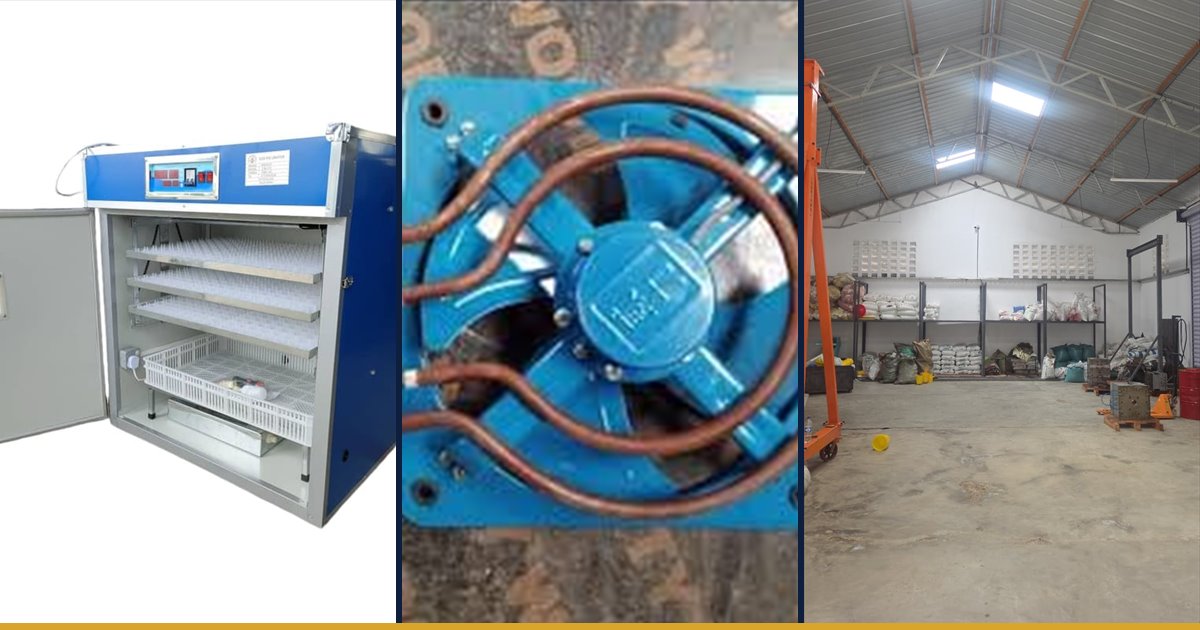
Above the 528 class, incubation stops being equipment and becomes infrastructure. A 1056-egg machine is a commercial hatchery in a cabinet, and the people who buy one are usually not hatching for themselves any more. They are supplying other farmers, and that changes what matters: not the headline capacity, but whether the machine can run continuously, week after week, without a bad batch destroying a customer relationship.
This page covers the 1056 class and the larger cabinets above it, what they cost, what they realistically produce, and what a hatchery at this scale actually needs besides the incubator itself.
What a 1056-Egg Incubator Costs in Kenya
| Model | Stock code | Price |
|---|---|---|
| Incubator 1056*352 TRDN | 6276 | KSh 75,000 |
| Incubator Broody 1056*528 | 6267 | KSh 90,000 |
| Incubator Broody 1056*1056 | 6266 | KSh 110,000 |
We also carry larger cabinets in the 2112 and 3168 classes for established hatcheries. Current pricing for those, and for every other incubator we stock, is on the price list. At this level we would rather quote you directly against your actual production plan, so send us the numbers on WhatsApp and we will work it through with you.
Single-Stage Versus Multi-Stage, and Why It Decides Your Output
This is the concept that separates hatchery operators from hobbyists, and it is worth understanding before you spend a hundred thousand shillings.
Chicken eggs need twenty-one days: eighteen days setting, then three days in a hatcher at higher humidity and with no turning. What you do with that eighteen-three split is the whole question.
Single-stage means the machine holds one batch through the entire cycle. Everything goes in on the same day and comes out on the same day. It is simple, it lets you clean and disinfect completely between batches, which is excellent for disease control, and it lets you adjust temperature and humidity to suit the exact stage the eggs are at. The cost is that the cabinet sits partly idle: for three weeks it holds one batch, so a 1056 machine run single-stage gives you roughly 1056 eggs set per month.
Multi-stage means the setter is kept permanently loaded with batches of different ages, and eggs move to a separate hatcher for their last three days. You set a new batch weekly. The same 1056 of setter space now handles a batch every week rather than every three, which roughly triples your annual throughput from the same footprint. The costs are that you cannot fully clean the setter between batches, so biosecurity discipline has to be much stronger, and you cannot tune conditions to a single stage because the cabinet holds eggs at every stage at once.
Most Kenyan operations at this size run something in between: a setter kept loaded and a dedicated hatcher, cleaned rigorously between hatches. If you are building toward supplying chicks on a schedule that customers rely on, a separate hatcher is not optional, and our guide to setters versus hatchers goes through it properly.
Realistic Output, and Why Fertility Is Now Your Business
At 528 you can get away with buying eggs from wherever. At 1056 you cannot, because the arithmetic stops forgiving you.
Assume 85 per cent fertility and a good hatch of those fertile eggs. A full 1056 set gives you somewhere around seven hundred to eight hundred and fifty chicks. Now drop fertility to 65 per cent because a supplier's cockerel ratio slipped or the eggs sat in a hot matatu for a day, and the same run gives you around five hundred and fifty. You have paid the same electricity, the same twenty-one days, the same labour, and lost two hundred chicks of margin.
That is why hatcheries at this level control their egg supply. Either you keep your own breeding flock, or you have a written arrangement with breeders covering cockerel ratio, collection frequency, storage temperature and transport. Egg handling before the machine is where most hatchery profit is won and lost, and it costs nothing to fix.
What a Hatchery at This Scale Needs Besides the Incubator
The machine is perhaps half of what you need. Buyers who budget only for the incubator get caught out.
Backup power, properly sized. Non-negotiable at this level. A 1056 batch represents a large amount of money and three weeks of committed time. Work out the incubator's draw, the length of outage you realistically face, and size the inverter and battery bank or generator to cover it. Our solar and power range covers this and we would rather size it with you than have you guess.
A dedicated room, not a corner. Stable ambient temperature, clean, controllable airflow, and separated from the poultry houses. A hatchery inside a poultry house is a disease problem waiting to happen.
Setter and hatcher trays, and spares of them. Trays crack and warp. We stock setter trays in several sizes as individual items.
Spare controller, sensor, motor and fan. At this scale a failed part is not an inconvenience, it is a lost batch and a broken promise to a customer. Keep the critical spares on the shelf. We carry incubator spare parts for exactly this reason.
A chick handling area. Somewhere clean and warm to take off, count, sort and box chicks, plus transportation crates and brooding equipment if you hold chicks before collection.
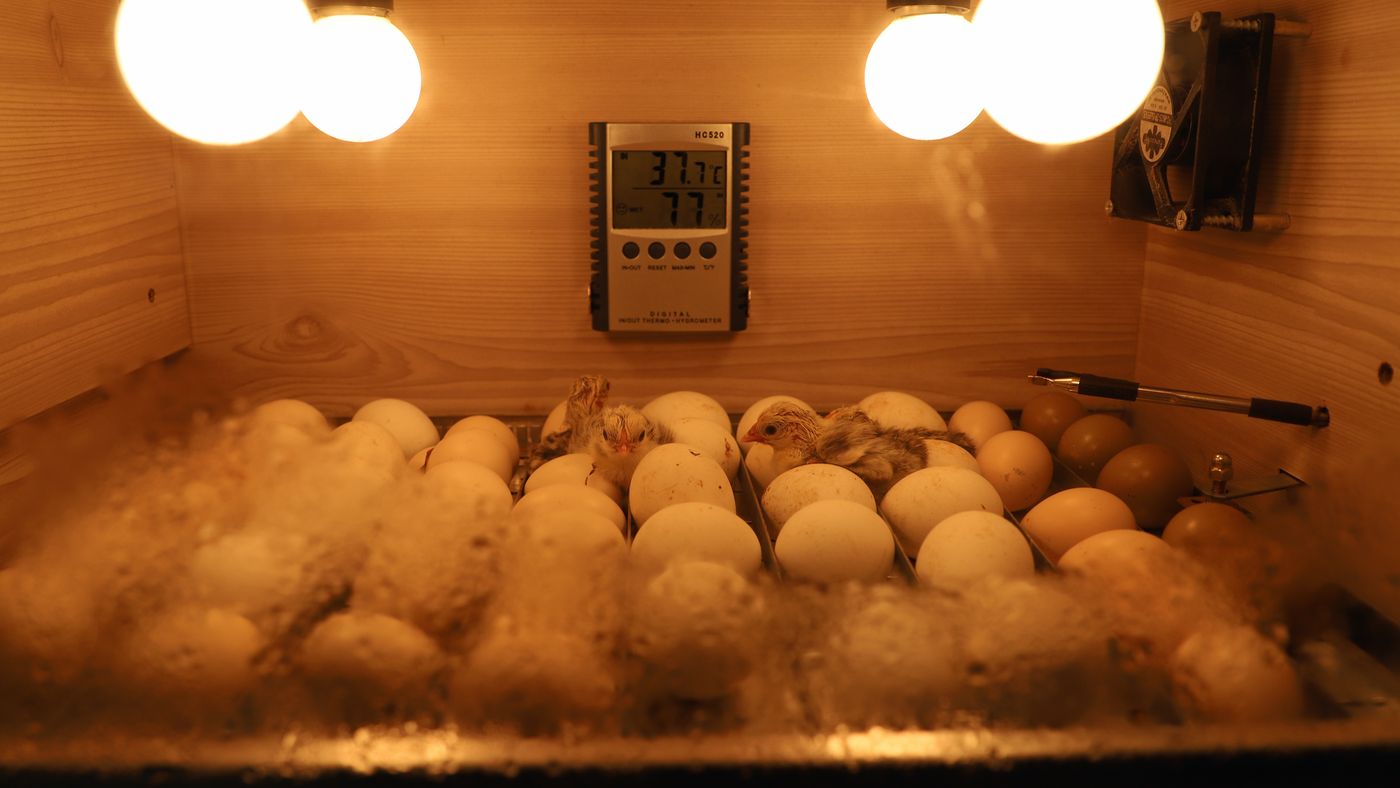
An independent thermometer and hygrometer. One that does not belong to the machine. The most expensive hatchery failures start with a controller confidently displaying the wrong number.
Is the 1056 Class Right for You?
The honest test is demand, not ambition. If you are already hatching at 528 and selling out every batch with orders you cannot fill, the step up is straightforward and usually better value per egg than running a second 528, because you are not duplicating the controller, the fan and your attention.
If you are moving up because you intend to build a market, be careful. A hundred-thousand-shilling machine sitting half loaded is a worse business than a sixty-thousand-shilling machine running full. Chicks are perishable in the commercial sense: you cannot warehouse them until demand arrives. Build the order book first, then the capacity.
And if you are entering hatching for the first time at this size, we would gently suggest starting smaller. The lessons that decide whether a hatchery works, egg selection, storage, candling discipline, humidity for your particular climate, are much cheaper to learn on a 350 or a 528. Our 528 guide covers that step.
Talk to Us With Your Numbers
At this level a web page cannot do the job properly. Tell us how many chicks you need to deliver per week, where your eggs come from, what your power situation is and what space you have, and we will tell you what actually fits, including whether the answer is a smaller machine than you were planning to buy.
Key Takeaways
- 1056 class machines run from KSh 75,000 to KSh 110,000, with larger 2112 and 3168 cabinets above them.
- Single stage means one batch a cycle and easy cleaning. Multi stage means weekly sets and roughly triple the annual throughput.
- At 85 per cent fertility a full 1056 set yields roughly 700 to 850 chicks. Fertility, not the machine, decides your margin.
- Store hatching eggs pointed end down at 15 to 18 degrees, set within seven days, and never wash them.
- Budget for backup power, a dedicated room, spare trays and a spare controller. The incubator is about half of what you need.
Frequently Asked Questions
How much is a 1056 egg incubator in Kenya?
We stock the 1056*352 TRDN at KSh 75,000, the Broody 1056*528 at KSh 90,000 and the Broody 1056*1056 at KSh 110,000. Larger 2112 and 3168 class cabinets are available for established hatcheries. Current pricing for the whole range is on our price list, and at this level we would rather quote against your actual production plan.
What is the difference between single stage and multi stage incubation?
Single stage holds one batch through the whole 21 day cycle, so everything goes in and comes out together. It is simple, allows complete cleaning between batches and lets you tune conditions to the exact stage. Multi stage keeps the setter permanently loaded with batches of different ages and moves eggs to a separate hatcher for the last three days, which roughly triples annual throughput from the same footprint but demands much stronger biosecurity.
How many chicks does a 1056 egg incubator produce?
At around 85 per cent fertility and a good hatch of fertile eggs, a full 1056 set yields roughly 700 to 850 chicks. If fertility drops to 65 per cent because of poor egg handling or a supplier's cockerel ratio slipping, the same run gives about 550 for identical cost and time. Controlling egg supply is where hatchery profit is made.
How should hatching eggs be stored?
Pointed end down, at around 15 to 18 degrees, and set within seven days of lay. Never wash them, because washing removes the natural cuticle that keeps bacteria out of the shell. Eggs stored longer than a week lose hatchability measurably with every extra day, so collection frequency and storage matter as much as the incubator.
What else do I need besides the incubator?
Properly sized backup power, a dedicated clean room separated from your poultry houses, spare setter and hatcher trays, spare controller, sensor, motor and fan, a warm clean chick handling area with transportation crates, and an independent thermometer and hygrometer that do not belong to the machine. Budget for roughly as much again as the incubator itself.
Should I buy a 1056 or two 528 incubators?
If you are already selling out every 528 batch and turning orders away, the single 1056 is usually better value per egg, because you are not duplicating the controller, fan and your own attention. If you are buying capacity ahead of demand, be careful: chicks cannot be warehoused until buyers appear, so build the order book before the capacity.