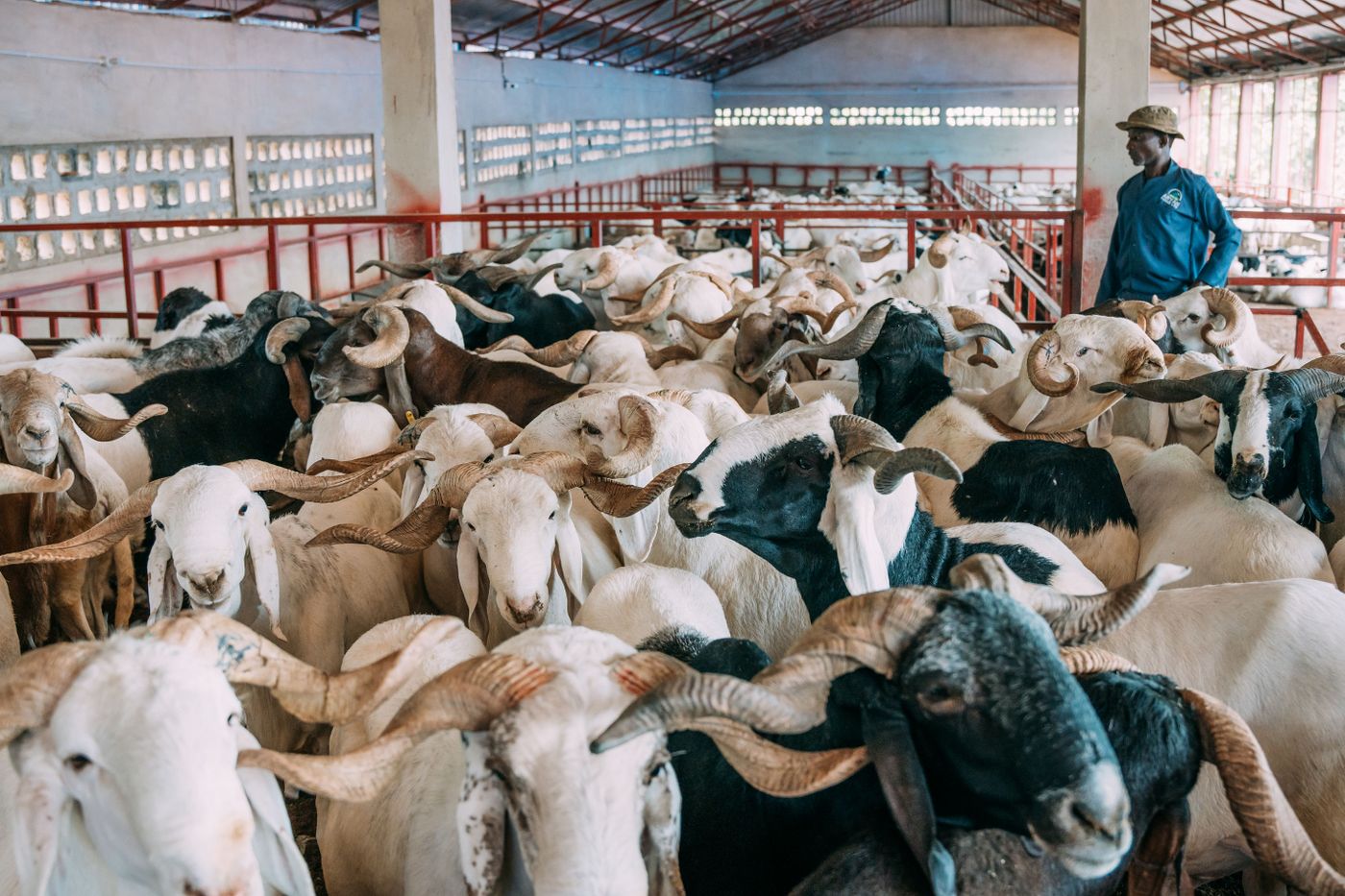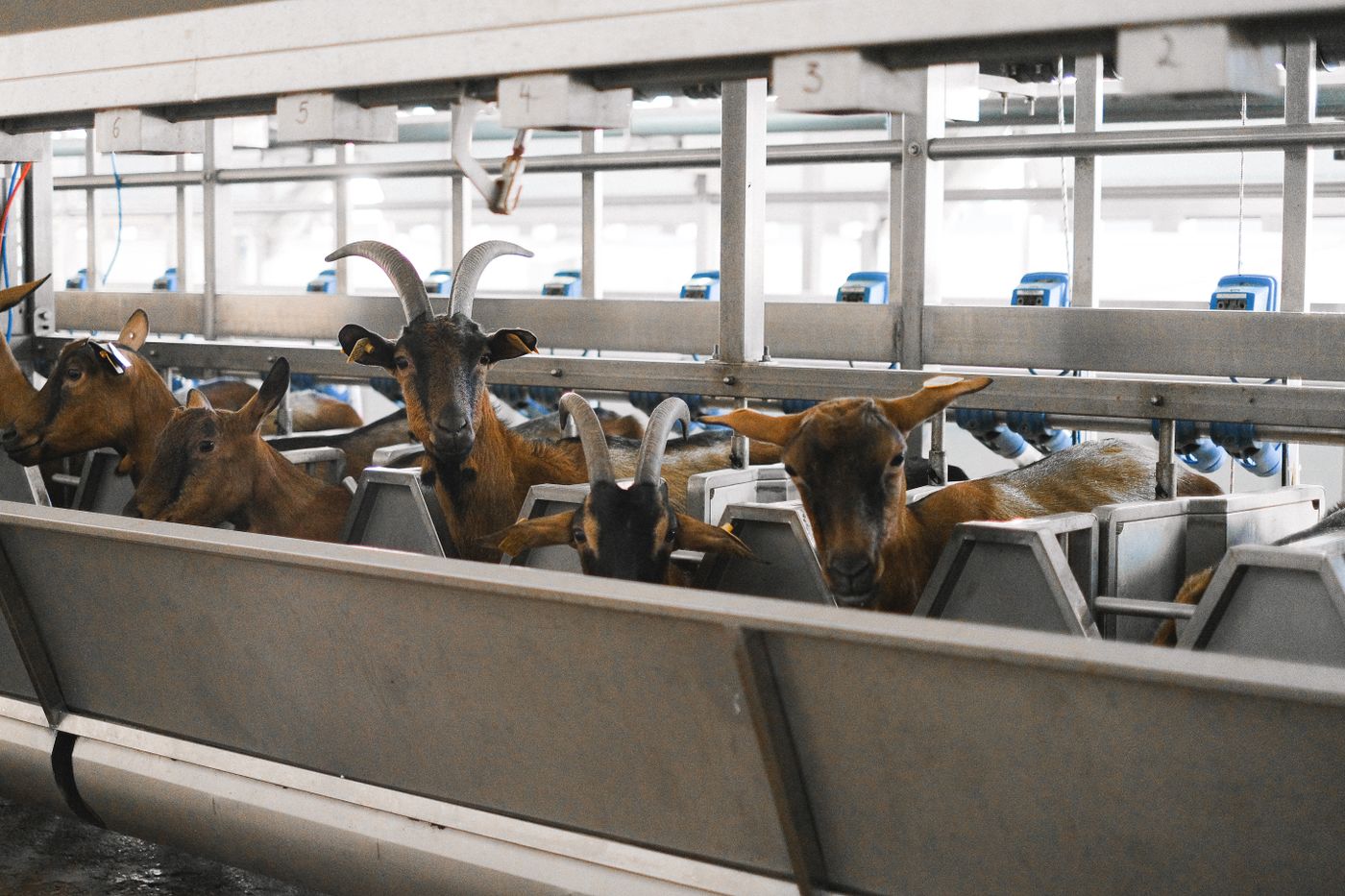
Give a newborn goat kid colostrum as early as you can, ideally within the first hour and certainly within the first few hours. Most university sources suggest about 10 percent of the kid's body weight over the first 24 hours, split into several small feeds, with some giving up to 20 percent. After that, feed clean milk from a clean bottle or pail, keep the kid warm and dry, and wean when it is eating solid feed and has reached about 9 kg or 2.5 times its birth weight, at roughly 8 weeks or more.
Kid rearing is where a dairy goat enterprise is won or lost. A kid that gets a poor start grows slowly, scours easily and may never reach breeding weight on time, while a kid that gets colostrum, warmth and clean feeding usually sails through. Almost every loss in the first weeks traces back to one of a few causes: late or too little colostrum, dirty feeding equipment, a cold or wet pen, and weaning too early.
This guide covers colostrum, bottle and pail feeding, hygiene, shelter through the short rains, weaning, and the signs that mean you must call a vet. It sits beside our broader guide to dairy goat farming in Kenya, which covers breeds, housing and the economics, and it uses ranges from named extension and university sources, because they differ and your own vet's advice comes first.
Why Is Colostrum So Important for a Newborn Kid?
A kid is born with almost no protection against disease. Antibodies cannot cross from the mother to the kid before birth, so the only way the kid gets them is by drinking colostrum, the thick first milk, soon after it is born. The kid's gut can absorb those antibodies only for a short time, and the ability falls quickly as the hours pass.
That is why timing matters more than almost anything else. Ontario guidance says the first feeding should ideally be within the first hour, Ohio State University Extension suggests feeding within two hours, and Iowa State University Extension gives before six hours. Michigan State University Extension notes that absorption drops sharply after about 12 hours. The message across all of them is the same: feed as early as possible and finish the whole amount within 24 hours.
How Much Colostrum Should a Kid Get?
Iowa State and Ohio State University Extension both give a target of roughly 10 percent of the kid's body weight over the first 24 hours, divided into about three or four feeds. Ohio State's worked example is a 10 lb (about 4.5 kg) kid receiving about 16 fluid ounces in 2 to 3 ounce portions every 3 to 4 hours. Ontario guidance gives a first feeding of about 5 percent of body weight, ideally within the first hour, with up to about 20 percent in total across the first day, and Michigan State describes 8 to 10 percent as a rule of thumb and feeding to appetite as best.
The range is wide, which tells you something: nobody expects you to measure to the millilitre. What matters is that every kid gets a good first feed early, that it drinks enough in the first day to be full and strong, and that you check each kid has actually fed. A kid that nurses from its mother within the first hour and is seen with a full belly is often fine without extra help, but a weak kid, a kid whose dam has little milk, or a triplet that gets pushed aside needs hand feeding. If you hand feed, use the dam's own colostrum where you can, and ask your vet how to handle colostrum from a doe with a health problem.
Bottle or Pail: Which Feeding Method Suits Your Farm?
Both methods work. A bottle gives you control of how much each kid drinks, and it suits small numbers and weak kids. Ontario guidance notes that bottles are useful for a few kids but labour-intensive for a larger group. A pail or lamb bar costs less and feeds several kids at once, but a greedy kid can gulp, and a timid one can be pushed away, so watch every feed.
Whichever you choose, give the same type of milk at the same temperature and at the same times each day, because kids are sensitive to changes. A calf bottle is made for calves, so check that its teat suits a small kid, and ask us on WhatsApp if you are unsure which fits. Introduce clean water within the first 24 hours, a starter feed in the first week and roughage after the first week, as Ontario guidance advises.
How Much Milk Does a Growing Kid Need?
University of Missouri Extension publishes a simple feeding table for dairy goat kids by age. Newborns take small, frequent feeds. As they grow, the feeds get bigger and fewer. The amounts below are converted from fluid ounces in that table. Many extension sources also quote about 10 percent of body weight in total milk a day, so weigh kids weekly and let growth guide you, not the table alone.
The same Missouri guidance advises warming milk to about 100 degrees Fahrenheit (about 38 degrees Celsius), and says milk replacer may be used from about the fourth day if it is at least 20 percent protein and 20 percent fat and has no vegetable products. If you feed cows' milk or replacer, measure it, keep to the same routine and avoid sudden changes, because overfeeding and switching products are common causes of scours.
How Do You Keep Feeding Equipment and Pens Clean?
Hygiene stops most scours. Rinse bottles, pails and teats in clean water after every feed, wash them with soap and hot water at least once a day, and let them dry upside down. Milk film in a teat or on a pail's inside is an ideal growing place for bacteria. Use separate equipment for sick kids and wash your hands after handling them.
Treat the navel as an open door for infection. Extension sources such as Washington State University advise dipping the navel in strong iodine soon after birth and repeating until the cord is dry, while watching for swelling, heat or discharge in the first week. Ask your vet about the right iodine strength for your kids.
Keep the pen clean and dry. Remove wet bedding daily, give each group its own clean area, and move any sick kid to a separate pen as soon as you notice it. A raised slatted floor keeps kids off damp ground and is described in our guide to plastic slatted floors for poultry and goats. Keep a fixed water bowl clean and filled, because a goat and sheep automatic drinking bowl keeps water cleaner than an open bucket that a kid can foul or tip.
How Do You Protect Kids From the Short Rains and Cold Nights?
Kids lose body heat quickly, especially when wet. Ontario guidance gives a comfortable range of about 10 to 18 degrees Celsius for kids under three months, with relative humidity of 60 to 80 percent and good ventilation without draughts. In the short rains, nights in cooler highland areas can fall below that range, and a leaking roof or wet floor makes it worse.
Keep the pen roof sound and the walls draught-proof at kid height while leaving the top open for fresh air, raise the floor or use deep dry bedding, and provide a covered corner where kids can huddle. Dry a wet newborn with a clean cloth straight away. A kid that is chilled will not suckle properly, which brings back the colostrum problem. Our guide to brooding chicks in the cold and wet of the short rains covers the same principle of dry, draught-free warmth for young stock.
When Should You Wean, and How?
Wean by weight and eating, not just by age. Ontario guidance, drawing on research from Langston University, found that kids can be weaned at about 9 kg or at 8 weeks, and gives a rule of thumb of 2.5 times birth weight, with kids eating about 150 to 200 g a day of solid feed before weaning. Purina Mills, a feed company, suggests 2 to 2.5 times birth weight along with a good intake of dry feed.
| Readiness sign | Figure | Source |
|---|---|---|
| Body weight | About 9 kg | Ontario guidance (Langston University) |
| Age | At least about 8 weeks | Ontario guidance |
| Weight gain | 2 to 2.5 times birth weight | Ontario guidance; Purina Mills |
| Solid feed | About 150 to 200 g a day eaten before weaning | Ontario guidance |
Reduce milk gradually over a week or two, rather than stopping on one day. A 2023 study in Frontiers in Veterinary Science suggests that gradual weaning can reduce stress and may improve weight gain. Keep the same pen and feed for the first days after weaning, and keep clean water always in front of the kids. Weigh them, because a kid that stalls at weaning needs more feed or a vet check.
Tagging and Records
Give each kid a record from day one: birth date, dam, birth weight, colostrum feed and weaning date. Tag when the ear is large enough for the tag and the kid is strong, not in the first hours, and follow the maker's instructions. Our guide to goat ear tagging and records covers it, and Fuga lists an ear tag on its own page.
When Should You Call a Vet?
Kids can go from bright to dying within a day. Call a vet early, and do not wait for the next feed, if you see any of the following:
| Sign | Why it matters |
|---|---|
| Weak, cold or unable to stand or suckle | Chilling or infection; a cold kid also cannot absorb colostrum |
| Diarrhoea that lasts or makes the kid dull | Dehydration can follow quickly; causes include bacteria, coccidiosis and overfeeding |
| Swollen, hot or wet navel, or swollen joints | Navel infection can spread to the joints |
| Bloated belly or hard breathing | Needs treatment, not waiting |
| A kid that stops growing | Feed, disease or worms; weigh and check |
Some medicines need an established vet relationship, so find a vet before you need one and keep the number in the kid pen. Never give antibiotics or other medicines without a vet's advice.
Key Kid Rearing Equipment to Look At
Prices change, so we do not print them here. See each product page or the Fuga price list for current prices and stock.
| Item | Where it fits |
|---|---|
| Calf Bottles | Hand feeding; check the teat suits a small kid |
| Goat/Sheep Automatic Drinking Bowl | Clean water within reach in the pen |
| Ear Tag | Identification once the ear is big enough |
Plan the first 24 hours before the first doe kids: a clean warm pen, colostrum ready to warm, clean bottles, and your vet's number on the wall. Browse our dairy and livestock equipment, or WhatsApp 0716 961 018 with the size of your flock and we will help you choose.
Key Takeaways
- Feed colostrum as early as possible, ideally within the first hour and certainly within a few hours; absorption falls sharply after about 12 hours.
- Most sources give about 10 percent of body weight over the first 24 hours in several small feeds, with Ontario guidance going up to about 20 percent.
- Warm a cold kid before feeding, because a cold kid cannot absorb colostrum properly.
- Clean bottles, pails and pens, a dipped navel and dry bedding prevent most scours.
- Wean by weight and solid feed: about 9 kg, 8 weeks or more, and 2 to 2.5 times birth weight, reducing milk gradually.
- Call a vet early for a weak, cold or scouring kid, a swollen navel or joints, or a bloated belly.
Frequently Asked Questions
How soon should a newborn goat kid get colostrum?
As soon as possible. Ontario guidance says ideally within the first hour, Ohio State suggests within two hours and Iowa State before six hours. Absorption of antibodies falls sharply after about 12 hours, so finish the whole amount within 24 hours.
How much colostrum does a goat kid need?
Iowa State and Ohio State Extension give about 10 percent of body weight over the first 24 hours, split into three or four feeds, while Ontario guidance gives about 5 percent for the first feed and up to about 20 percent across the day. For a 3 kg kid that is roughly 300 to 600 ml in total.
Should I feed kids with a bottle or a pail?
Both work. A bottle gives control over how much each kid drinks and suits small numbers and weak kids, while a pail is cheaper and feeds several kids at once but needs watching for gulping and bullying. Keep the milk type, temperature and times the same every day.
When can I wean a dairy goat kid?
Wean by weight and eating, not age alone. Ontario guidance, drawing on research from Langston University, gives about 9 kg, 8 weeks or more, and about 2.5 times birth weight, with the kid eating solid feed. Reduce the milk over a week or two.
How do I keep goat kids warm in the rainy season?
Keep the roof sound and the pen draught-free at kid height, give deep dry bedding or a raised floor, and add a covered corner to huddle in. Dry any wet newborn straight away, because a chilled kid will not suckle properly.