
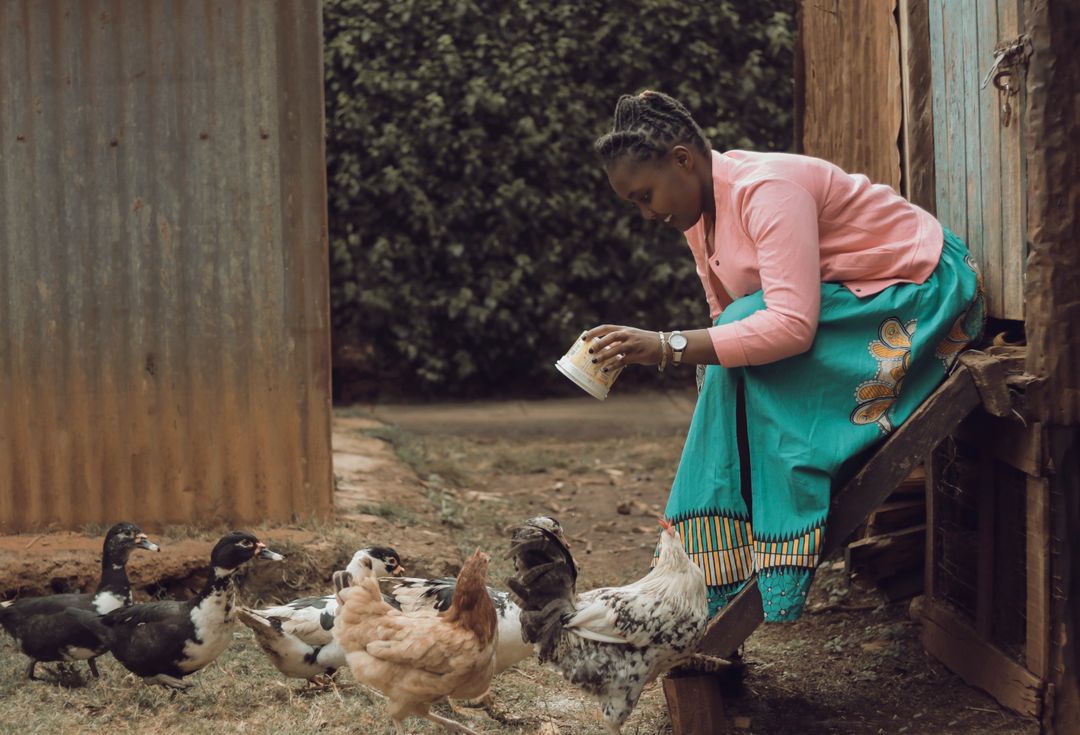
Hens that stop laying almost always have one of a short list of causes: moult, too little light, a break in water or feed, heat or cold stress, a fright or predator, parasites or disease, broodiness or age. Check water, feed and light first, then the house and the nests, then the birds themselves.
You walk to the house at midday, expecting a tray of eggs, and find a few small ones. Yesterday there were thirty. The hens look fine, the feed is going down, and nothing obvious has changed. This is one of the most common questions poultry keepers ask, and the honest answer is that a sudden drop is a symptom, not a diagnosis.
This guide gives you a fault-finding order for the day it happens. Other posts cover single causes in depth: when to cull non-laying hens, the lighting programme, feather pecking, heat stress and nest boxes. This one is the checklist that ties them together, cheapest check first.
Is It Really a Drop in Laying, or Are the Eggs Going Somewhere Else?
Before you blame the hens, rule out the eggs. Virginia Cooperative Extension lists four causes of a falling egg count that have nothing to do with the hen's body: predators and snakes eating eggs, egg eating by hens in the flock, excessive egg breakage and hens hiding eggs when they run free. All four look exactly like "my hens stopped laying".
Walk the fence line, the long grass, the space under the house and any dark corner a hen can squeeze into. Hens that range freely will often start a new nest in a hedge, and a whole group can follow one bird to it. Look for broken shell, wet yolk on the floor, or a hen with egg on her beak. A rat or snake leaves little trace, so also look for scratched or displaced litter near the nests. If you collect once a day, a hen that eats eggs can empty a nest before you arrive. Collecting twice, morning and early afternoon, is cheap insurance and helps you spot the problem.
Then work out your real laying rate. Divide eggs collected by the number of hens, and multiply by 100: 62 eggs from 100 hens is 62 percent hen-day production. Write the figure down every day. A drop of a few points between days is normal. A flock-wide fall of 10 to 20 points over a few days is a signal that something changed in the house, the water, the feed or the weather. A slow slide over months points at age or a poor strain instead.
What Should I Check First: Water, Feed or Light?
Work through this order. Each step is quicker and cheaper than the one after it, and most farmers find the cause by the third.
Water comes second for a reason. Virginia Cooperative Extension calls failing to provide a constant source of fresh water a common problem, and it is easy to miss in a house with many drinkers. A blocked nipple line, an empty header tank, a float stuck shut or a drinker knocked off its hook can leave a whole section thirsty while the rest looks fine. Our guide on how much water chickens drink shows how to measure the flock's use, and a sudden drop in use is itself a clue.
Is It Moult, Age or Broodiness?
Some pauses are normal and need no fix. Virginia Cooperative Extension says good layers lay for about 50 to 60 weeks per laying cycle, and between cycles production is interrupted by a rest period called a moult. Poor layers and old hens moult more often and lay fewer eggs, and after two or three years many hens decline in productivity.
A moult is easy to recognise. Feathers drop in numbers, the hen looks ragged, and laying stops while she grows a new coat. Do not force it with extra protein tricks or medicines. Keep the ration balanced, keep water clean and wait. If most of the flock is past its first year and moults together, a drop in eggs may simply be the end of a cycle, and that is the time to decide which hens to keep. Our post on culling non-laying hens shows how to keep records and choose.
Broodiness is different. A broody hen sits tight on the nest, puffs up, growls when you reach under her and stops laying until her chicks hatch or you break the habit. It is common in kienyeji and other non-commercial birds, and rare in modern commercial layer strains. Lift her off the nest at once and gather the eggs under her, because a broody hen soaks up the flock's nest space and can encourage others to sit.
Could the Light Hours Be the Problem?
Hens read day length. Virginia Cooperative Extension states that hens need 14 hours of light exposure to sustain egg production, that production decreases and frequently stops once day length drops below 12 hours, and that some people recommend at least 16 hours. It also advises at least 6 hours of continuous dark each day.
Kenya sits on the equator, so natural day length stays close to 12 hours all year. That means unlit hens work at the very bottom of the range the extension service describes, and anything that shortens the day further, such as a failed lamp, a dead timer or evening power cuts in a house that relies on lights, can tip a flock over. Our poultry lighting programme post explains how to fix it. Do not lengthen the day suddenly or leave lights on all night, and fit the extra light in the morning so birds can still go to roost at dusk.
Is the Feed Short of Protein or Calcium?
Virginia Cooperative Extension recommends continuous access to a balanced layer ration containing 16 to 18 percent protein, with oyster shell freely available, and warns that inadequate energy, protein or calcium can cause production to fall. In practice the cause is usually one of three things: a feed batch that changed, a switch to a cheaper or home-mixed feed, or too many treats.
Maize, kitchen scraps and greens are fine in small amounts, but they dilute a balanced ration, and extension advice warns that treats in large amounts cause imbalances. Check that the bag says layer meal or layer pellets, not chick or grower feed. Check the date and for damp or mould. Check that the feed is reaching every bird: too little feeder space lets the bossy hens eat and the shy ones go without. If shells are thin or rough, calcium is the likely culprit. If your feed is already complete, adding more is not the fix, so ask your feed supplier or a vet before changing the ration.
Do Heat, Cold or a Fright Stop Hens Laying?
Yes. Virginia Cooperative Extension lists chilling, handling or moving, a change in social structure, parasites, fright and predators as stresses that can contribute to a fall in laying. Chickens do not handle damp, drafty conditions well, which matters in the cold, wet nights of the short rains, especially in the highlands. Heat is the other side. The Hy-Line Brown layer guide treats 21 to 27 degrees Celsius as the normal range for water intake, and water use climbs once the house gets hotter. Our heat stress guide covers the hot-weather fixes.
Fright is easy to underestimate. A dog that got into the run, a new rooster, a fox or a hawk overhead, a loud generator or a family move can stop a flock for several days. Remove the cause, stay calm around the birds and give them a few days. If a predator has taken a hen, look for how it got in and close the gap.
Mites, Lice, Worms and Disease: When to Call a Vet
Parasites drain birds and cause stress. Look under the wings and around the vent for lice and mites, check the roosts and the joints of the perches in the evening, and examine droppings and body condition. Do not guess at drugs or doses. A vet or a poultry agronomist should confirm what you are treating and give the dose, because the wrong chemical in a layer flock can leave residues in eggs or kill birds.
Call a vet if you see watery eyes or nostrils, coughing, swollen faces, lameness, sudden deaths, dull and listless birds, or if the drop is severe and does not follow any of the simpler causes. Virginia Cooperative Extension advises that home remedies and do-it-yourself fixes are often not in the animal's best interest. Isolate any sick bird, keep boots and hands clean between pens and never mix new adult birds into the flock without isolating them for a few weeks first.
Quick Diagnostic Table
| What you see | Likely cause | First check | Who fixes it |
|---|---|---|---|
| Fewer eggs, hens look normal | Eggs hidden, eaten or taken | Hedges, floor, shell on beaks, tracks | You |
| Whole section stopped | Water interruption | Drinker lines, tanks, floats | You |
| Thin or rough shells | Calcium short, wrong feed | Feed label, oyster shell, treats | You, with feed supplier |
| Feathers dropping, laying stopped | Moult | Age of flock, ragged feathers | You: wait and feed well |
| One hen sitting tight on nest | Broody | Growls, puffs up, stays on nest | You |
| Drop after lamp or timer failure | Light under 14 hours | Bulbs, timer, power supply | You or electrician |
| Panting, wet droppings, hot house | Heat stress | Thermo-hygrometer, shade, water | You |
| Scratching, restless at night | Mites or lice | Under wings, vent, perches | Vet for treatment |
| Coughing, watery eyes, deaths | Disease | Isolate sick birds | Vet |
Should I Fix the Flock or Cull It?
Use the pattern, not the feeling. A sudden, flock-wide fall that follows a change, such as a heat wave, a power failure, a feed switch or a fright, is a fix-and-wait problem: find the cause, correct it and give the flock time. A slow, uneven decline in birds that are two or more years old, or hens that have never laid well, is a culling decision. Virginia Cooperative Extension says removing poor layers and old hens saves costs if economical egg production is your goal.
If you are unsure, tag a sample of hens, count eggs per hen for two weeks and compare. Do not cull birds that are in moult, broody or simply stressed, because they are likely to come back. Do not keep feeding birds that have not laid in months, because feed is the biggest cost in an egg flock.
Which Equipment Prevents the Next Drop?
Four kinds of equipment catch most of the causes above before they cost you eggs.
Nest boxes. Hens that cannot find a clean, dark, comfortable nest hide eggs or break them. Fuga lists a laying nest; the product page gives branch availability and ordering details, so ask the team about size and how many hens it suits. Our guide to how many nest boxes per hen sets out the numbers.
Drinkers. An automatic system needs a clean, free-flowing supply and a way to see at a glance that every drinker is working. EW Nutrition's summary of the Hy-Line layer guidance recommends at least 70 millilitres per minute per nipple drinker. Test yours by holding a cup under a nipple for one minute. Fuga lists automatic drinkers, and its page shows how a 3-litre automatic drinker is put together.
Feeders. Enough feeder space for every bird to eat at the same time stops the dominant hens hoarding. See the chicken feeder page for what is stocked, and ask the team which size suits your flock.
Thermo-hygrometer. It tells you the temperature and humidity inside the house, which hens feel long before you do. Put one at bird height, read it at the same time each day and log it beside your egg count. Over a few weeks you will see whether drops follow hot afternoons or cold wet nights. Fuga lists a thermo-hygrometer under poultry; see its page for availability.
Prices change, so we do not print them here; see each product page or the Fuga price list. A minimum one-year warranty applies on machines bought from us, and the technical team can advise on poultry equipment through the livestock and poultry range.
A One-Week Plan When Laying Drops
Day one: walk the grounds for hidden nests, check water in every section, check feed and the lamp or timer. Day two: look at the birds, under the wings and in the vent area, and note any moult, sickness or broodiness. Day three: take the temperature and humidity reading, compare it with the egg count, and remove any stress you found. Days four to seven: keep counting. If the egg rate has not begun to recover, and the birds look unwell, call a vet.
Keep a simple notebook by the door with the date, hens, eggs, weather, feed brand and anything unusual. After a few weeks the notebook will tell you what a bad week looks like, and it makes the next fault much faster to find.
Key Takeaways
- First rule out lost eggs: hidden nests, egg eating, breakage and predators look exactly like hens that stopped laying.
- Check water, feed and light before anything else: a blocked drinker line, a changed feed or a failed lamp is the commonest cause.
- Virginia Cooperative Extension says hens need about 14 hours of light and that laying falls and often stops below 12 hours.
- Moult, broodiness and age are normal pauses: wait, feed well and use your egg records to decide who to cull.
- Heat, wet cold, fright and predators all cut laying; fix the cause and give the flock a few days.
- Coughing, watery eyes, dull birds or deaths need a vet, not home remedies; never guess drug doses.
Frequently Asked Questions
Why have my hens suddenly stopped laying eggs?
The usual causes are lost or hidden eggs, a break in water or feed, too little light, heat or cold stress, a fright or predator, moult, broodiness, parasites or disease. Check water, feed and light first, then the house and nests, then the birds themselves.
How many hours of light do laying hens need?
Virginia Cooperative Extension says hens need about 14 hours of light to sustain egg production, and that laying decreases and often stops when day length falls below 12 hours. Kenya has close to 12 hours of daylight all year, so a lamp and timer help. Allow at least 6 hours of dark.
How long does a moult last, and will my hens lay again?
A moult is a rest period between laying cycles, and hens usually lay again once the new feathers have grown. The length varies by bird and strain. Keep feeding a balanced layer ration, keep water clean and use your records to decide which hens are worth keeping.
Should I cull hens that have stopped laying?
Cull the old hens and the poor layers that stay out of lay for months. Do not cull birds that are moulting, broody or stressed, because they are likely to recover. Count eggs per hen for two weeks before you decide.
When should I call a vet about hens not laying?
Call a vet if you see watery eyes or nostrils, coughing, swollen faces, lameness, dull or listless birds or sudden deaths, or if a severe drop does not match any simple cause. Do not guess at drugs or doses.


