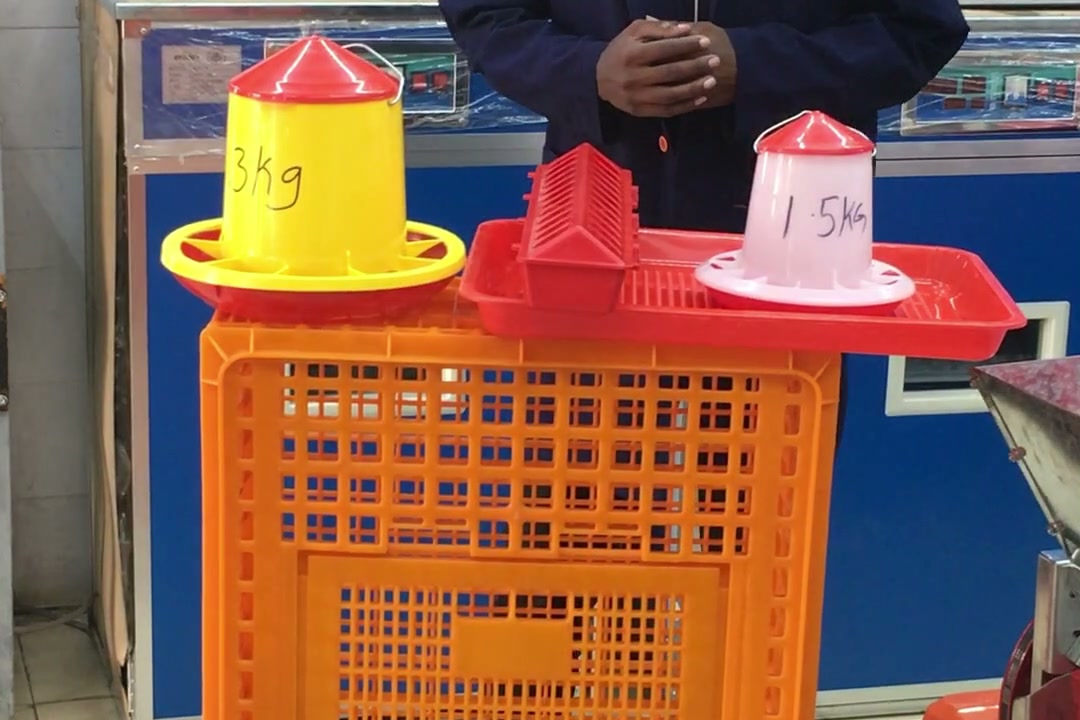
Choose a small drinker (1 to 1.5 litres) for chicks, 3 to 6 litres for growers and small groups, and 7 or 10 litres for larger groups, and add more drinkers rather than a bigger one when the flock grows. Fuga lists plastic drinkers from 1 to 10 litres, and bell-type automatic drinkers fed from a tank by hose for larger flocks.
Water matters as much as feed, and birds that cannot reach clean water stop eating. This guide explains the drinker sizes Fuga lists on its feeder and drinker price page, how to match size to age, and when to move up to automatic drinkers. It gives no water-intake numbers: for those, read our guide on how much water chickens drink a day.
Which sizes does Fuga list?
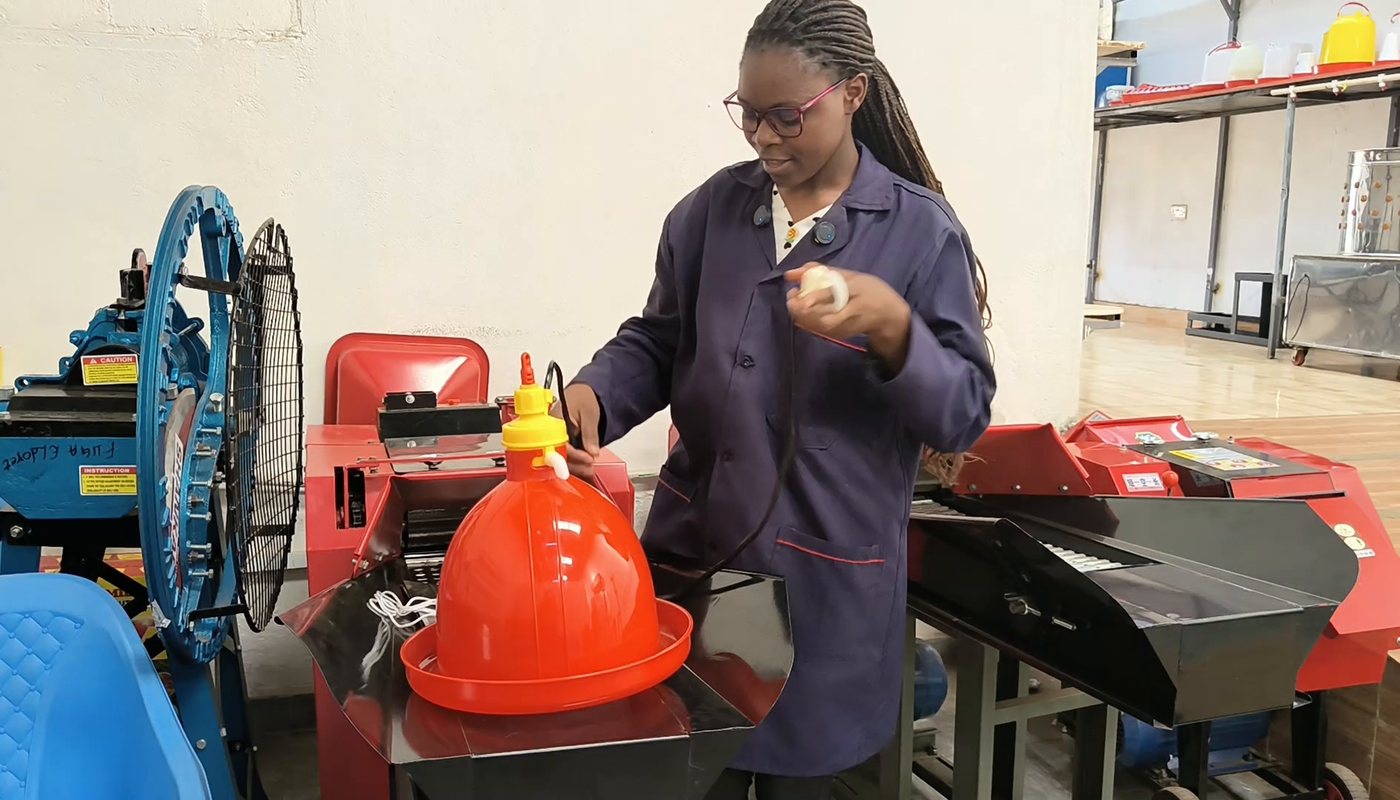
The price page lists chicken drinkers of 1 litre, 1.5 litre (three listings), 2.5 litre, 3 litre (three listings), 3.5 litre, 6 litre, 7 litre and 10 litre, including Fuga-branded and Farmbase models. It also lists baby chick drinkers, six automatic drinkers (small, Plasson, Jumbo, Turkish, pipe and P&G), and a range of nipple drinkers. It describes automatic drinkers as bell-type drinkers fed from a tank by hose, for larger flocks.
| Drinker type | Sizes or models on the price page | Where it fits |
|---|---|---|
| Baby chick drinker | Kenpoly baby chick drinker | Day-old chicks, low and easy to reach |
| Plastic drinkers | 1 L to 10 L | Small to medium groups; filled and cleaned by hand |
| Automatic drinkers | Small, Plasson, Jumbo, Turkish, pipe, P&G | Larger flocks, fed from a tank by hose |
| Nipple drinkers | Screw type, C2, C3, C5 with cup, C7, C8, C9, double cup | Fitted to a water line; compare with bell drinkers in our guide |
How do I match the size to the birds?
Small chicks drown in a deep drinker and tire on a high one, so start with a baby chick drinker or a 1 litre to 1.5 litre one at floor level in the brooder. As the birds grow, move to the 3 to 6 litre sizes and raise them so that the rim is at the back height of the birds, which keeps the water clean. Larger groups and layers drink more, so use 7 or 10 litre sizes or move to automatic drinkers. The right test is simple: does every bird find water within a few steps, and is the water still clean at the end of the day?
Our guide to poultry house water hygiene covers cleaning, and our chick brooding equipment guide covers the first week.
Is it better to buy one big drinker or several small ones?
Several smaller drinkers spread across the house are usually better than one big one. Birds in a crowded corner drink less, and one drinker that tips or leaks leaves the whole flock short. With several, you can also clean one at a time without leaving the birds dry. The exception is a tank-fed automatic system, where a few drinkers on a line serve a flock, and where the work is in the line and the float.
When should I move to automatic drinkers?
Fuga's price page describes automatic drinkers as bell-type drinkers fed from a tank by hose, for larger flocks. They save the daily work of refilling many plastic drinkers, but they need a tank at the right height and a float that works. Our guide to installing an automatic drinker, tank height and float adjustment shows how, and our comparison of nipple and bell drinkers helps you choose between the two automatic styles. The price page lists fittings such as an adjuster hook and a grab for automatic drinkers.
The live product page for automatic drinkers states a guide price range of "KSh 1,000 to 2,063" (November 2026 guide price, as shown on the product page on 16 November 2026). The price page lists each model separately, and your branch will confirm the figure and the stock.
What mistakes do farmers make with drinkers?
- Letting drinkers sit on the floor. Litter and droppings get in. Hang them at the right height, or raise them on a block.
- Letting water get warm. In hot weather, put drinkers in shade and refill often. Our guide to heat stress and cooling water shows why.
- Forgetting to clean them. Algae and slime build up fast. Scrub drinkers on a schedule.
- Too few drinkers. A short queue at the drinker becomes a fight. Add drinkers before you add birds.
The wholesale page for agrovets lists bucket drinkers from 1 to 10 litres and pot drinkers from 1 to 7 litres, plus Jumbo and Plasson automatic drinkers, so a shop that supplies poultry keepers can offer the whole ladder.
A worked example: a first brooder of 100 chicks
A farmer brooding 100 chicks sets out several baby chick drinkers on the first day, spread around the brooder so no chick is far from water. In the first week she checks them morning and evening, because small drinkers empty and get dirty fast. As the chicks grow she replaces some of the baby drinkers with 1.5 and 3 litre drinkers and raises them on a block so the rim stays at the chicks' back height. By the time the birds go out to the main house she buys the larger sizes, or thinks about an automatic line if the flock will grow. At each step she adds drinkers before she adds birds, and she scrubs every drinker on a fixed day of the week. The lesson is that the right size changes as the flock grows, so buy for the stage you are in and plan the next one.
How often should I clean and check drinkers?
Daily for chicks, and at least every day or two for older birds in hot weather. Look at three things each time: whether the water is clean, whether the drinker is level and not leaking, and whether every bird is drinking. Wet litter under a drinker is an early sign of a leak or a tilted drinker, and wet litter brings its own problems, which our guide to wet litter in the rains explains. Scrub drinkers with a brush and clean water, rinse them well and let them dry before refilling.
How Do I Get a Price or Stock Check From Fuga?
Tell the branch how many birds you keep, their age and whether you have a water tank above the house. That decides between plastic drinkers and automatic ones.
Fastest route: tap here to WhatsApp Fuga on 0716 961 018 with this guide's name already in the message, or call 0734 263 958. Tell the branch your town, what you want to do with the machine and, if you can, the power you have on site. Our full price list shows the stock list, and each product page shows a guide price you can confirm.
Fuga's product pages say that stock is held across six branches and that you should message to confirm the branch nearest you has the item before you travel. They also say equipment is sent to customers countrywide (tell your town on WhatsApp and the cost and timing are confirmed for your order), that every machine carries a minimum one-year warranty with a technical team for installation and maintenance, and that payment is arranged with your branch when you order. The six branches are:
- Nairobi Main, Ngara: City View Plaza, Musindi Rd · 0734 263958
- Nairobi, Haile Selassie Ave: Gogo Mall, Shop B51 · 0746 080808
- Eldoret, Uganda Road: Opp. Eldo-centre Quickmart · 0703 452575
- Eldoret, Langas: Sokoni, behind Langas Stage · 0792 724552
- Nakuru: Lee Njiru Rd, Wamotho House Rm 35 · 0722 263958
- Coast, Kanamai: Mombasa-Malindi Rd · 0780 263958
Key Takeaways
- Fuga lists plastic chicken drinkers from 1 to 10 litres, baby chick drinkers, six automatic drinkers and many nipple drinkers.
- Start chicks on a baby chick or 1 to 1.5 litre drinker, and move up as they grow; add more drinkers rather than one big one.
- Hang drinkers at the birds' back height and clean them on a schedule.
- Automatic drinkers are bell-type, fed from a tank by hose, for larger flocks; they need the right tank height and a working float.
- The live product page for automatic drinkers states a guide price range of "KSh 1,000 to 2,063", as shown on 16 November 2026.
Frequently Asked Questions
What size drinker should I buy for chicks?
Start with a baby chick drinker or a small 1 to 1.5 litre one at floor level. As the chicks grow, move to the 3 to 6 litre sizes and raise the drinker to the birds' back height.
How many drinkers do I need?
Several smaller drinkers spread across the house work better than one big one. Add drinkers before you add birds, and check that every bird finds water within a few steps.
What drinker sizes does Fuga stock?
The price page lists plastic drinkers of 1, 1.5, 2.5, 3, 3.5, 6, 7 and 10 litres, baby chick drinkers, automatic drinkers and nipple drinkers.
When should I switch to automatic drinkers?
When the flock is large enough that refilling many plastic drinkers takes too long. Automatic drinkers are fed from a tank by hose and need the right tank height and a working float.
Where can an agrovet buy drinkers in bulk?
Fuga's wholesale page for agrovets lists drinkers among the lines it supplies. Ask the branch nearest your shop for its stockist price list.