Chicken manure is a strong fertiliser, but fresh manure is too hot and too risky to put on crops. The safe way to use it is to compost it first: mix it with a dry carbon material such as dry grass or maize stalks, keep the heap damp like a squeezed sponge, and let it heat to at least 55 degrees Celsius for three days in a row. Penn State Extension gives that 131 degrees Fahrenheit for three days as its rule of thumb for reducing pathogens.
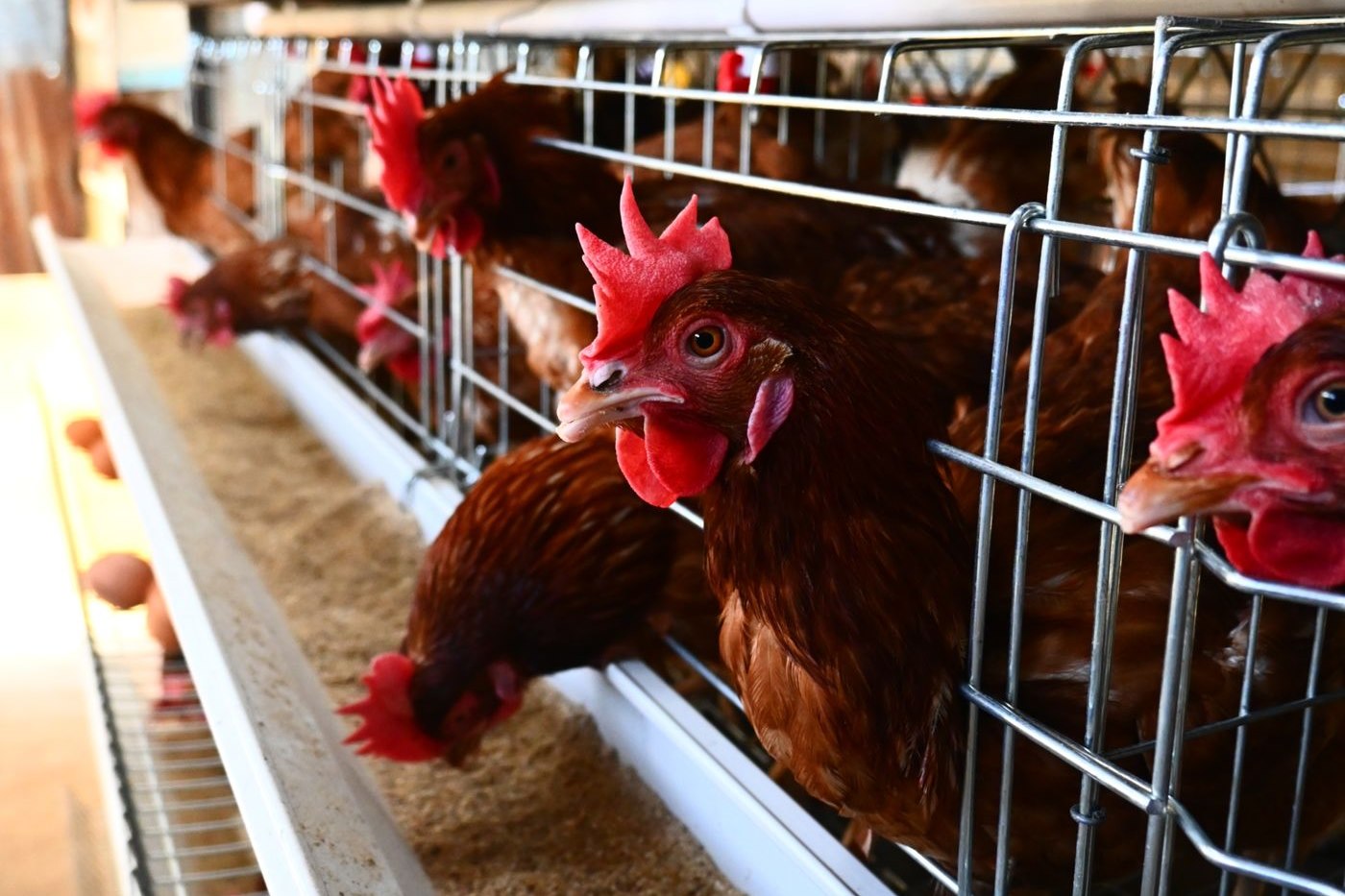
Every poultry keeper in the short rains season knows the problem. The litter is damp, the smell of ammonia hits you at the door, and the pile behind the house grows. Left alone, that pile loses much of its nitrogen to the air, attracts flies and can wash into a stream or well when the rain falls. Handled well, the same pile becomes a free soil conditioner for your own plot or a small product to sell.
This guide covers what is in chicken manure, how to compost it safely, how much to put on a crop and how to protect your health. It also covers what to check before you sell it in bags. It follows our guide to keeping poultry house litter dry in the rains, because the best manure management begins inside the house.
What Is Actually in Chicken Manure?
Poultry manure is rich in nitrogen (N), phosphorus (P) and potassium (K), plus calcium and trace elements. The amounts vary a great deal with the feed, whether bedding is mixed in, the moisture and the age of the material. The South African Sugar Association Experiment Station analysed samples of two common types, and its information sheet 7.14 reports these averages on a dry matter basis.
Because the numbers swing so widely, the sheet advises sending a sealed sample to a laboratory before you work out a rate. A soil test from a county agriculture office or a private lab gives you the other half of the picture, which is what the soil already holds. Kansas State agronomists add that on soils already high in phosphorus, phosphorus rather than nitrogen should set the rate, because extra phosphorus does the crop no good and can run off into water.
Not all of the nitrogen reaches the crop quickly. The same South African sheet estimates that in the first year about 60% of the nitrogen in broiler litter and 80% in cage layer manure becomes available, with the rest released over about three years. Poultry manure also carries calcium, which can help soils that are acid.
Why Does Fresh Manure Smell, and Why Does the Nitrogen Escape?
The sharp smell in a poultry house is ammonia, the form nitrogen takes when droppings break down in wet, airless conditions. Every whiff is nitrogen leaving your fertiliser heap. The South African sheet warns that wet, lumpy cage manure left undisturbed can ferment without air and lose nitrogen as ammonia.
Ammonia is also a health hazard for you and your birds. The US National Institute for Occupational Safety and Health recommends a limit of 25 parts per million as an eight-hour average and a short-term limit of 35 parts per million for 15 minutes. Your nose is a poor guide: safety guidance for poultry workers notes that people who work in the houses for years often stop noticing levels below about 50 parts per million. If your eyes sting and your throat burns at the door, the house needs more ventilation, drier litter or both.
How Do You Compost Chicken Manure Safely?
Composting makes the heap heat up through the work of microbes, and the heat helps kill many of the germs in raw manure. Penn State Extension (Torey Fischer, updated March 2026) gives the practical targets.
Mix. Raw manure on its own is too wet and too rich in nitrogen. Penn State says that most farms must add carbon to reach the right temperatures, and for pure manure without bedding gives a common ratio of 5 parts ground mulch to 1 part manure. Oregon State Extension poultry composting guidance puts the best carbon to nitrogen ratio at 25 to 30 to 1. Poultry litter that already contains shavings or husks is partway there. Good carbon materials are dry grass, maize stalks and cobs, and dry leaves. Moisture should be 40 to 60%: squeeze a handful and it should feel as damp as a wrung-out cloth with a drop or two of water.
Heat. Use a long compost thermometer pushed into the middle of the pile to check the temperature. The target is 131 degrees Fahrenheit (55 degrees Celsius) for three days in a row. If the pile never heats, it is usually too wet, too dry, too small or short of carbon.
Turn. Penn State advises turning once the temperature peaks and begins to fall, which means it is running out of air. Turning mixes and reshapes the heap, adds air, and the second cycle should follow the same pattern. A jembe or a fork is enough for a small heap; many composting guides suggest a heap of about a cubic metre or more so that it holds its heat.
Cure. Finished compost smells earthy, not of ammonia, and has dark, crumbly pieces in which you can no longer see the original droppings. For crops eaten raw, a longer rest, and extra turns, give more margin of safety. Where the product has to be certified organic, the US National Organic Program (7 CFR 205.203) asks for 131 to 170 degrees Fahrenheit for three days in a static aerated pile or vessel, and for 15 days with at least five turns in a windrow. Keep a simple log of the dates and temperatures, because a record is the only proof of what you did.
How Much Chicken Manure Should You Put on a Crop?
Treat any rate as a starting range, not a recipe, because the manure's strength varies and so do soil and crop. Two sources give useful ranges, and the figure below puts them side by side. The South African sheet says that 5 to 8 tonnes per hectare of broiler litter or battery manure placed in the planting furrow gave adequate nitrogen and phosphorus on most soils for sugarcane, and that if the manure is broadcast and mixed in before planting, about twice that rate is needed. A Kenyan trial by the Kenya Agricultural and Livestock Research Organization (KALRO) on finger millet in Kakamega, western Kenya, tested poultry manure from 0 to 30 tonnes per hectare and reported no significant yield increase beyond 10 tonnes; the authors suggested smallholders consider 5 to 10 tonnes per hectare. That result was for the long rains; the short rains result in the same trial showed no clear response to rate, so do not treat any single figure as certain.
To put those in garden terms, 5 to 10 tonnes per hectare is about 0.5 to 1 kilogram of manure per square metre, or about 2 to 4 tonnes per acre. Weigh it: at those rates a 50-kilogram bag covers only 50 to 100 square metres. Put the manure on in advance of planting, mix it into the topsoil and keep it away from seedling roots. The South African sheet warns that raw manure placed against planted material can burn it because of the high nitrogen.
How Do You Protect Your Health When Handling Manure?
Raw manure carries bacteria such as Salmonella and E. coli, parasite eggs and dust. Treat it like a hazard even when it looks harmless. Wear rubber boots, gloves and a dust mask when shovelling litter, and wash your hands with soap before eating or touching your face, and before handling eggs. Keep children and pets away from the heap. Work with the doors open in a ventilated space, and take a break outside if the ammonia makes your eyes sting.
Store the manure on a raised, covered area away from water sources, wells and boreholes, and away from the kitchen. Cover the heap with a sheet or roof in the short rains so that runoff does not carry nutrients and germs downhill into the stream. Use clean tools for compost that are not used to carry food or feed. Wash tools and boots at the end of the job. See a doctor if you develop a persistent cough or breathing problems after working with litter.
Can You Sell Chicken Manure or Compost?
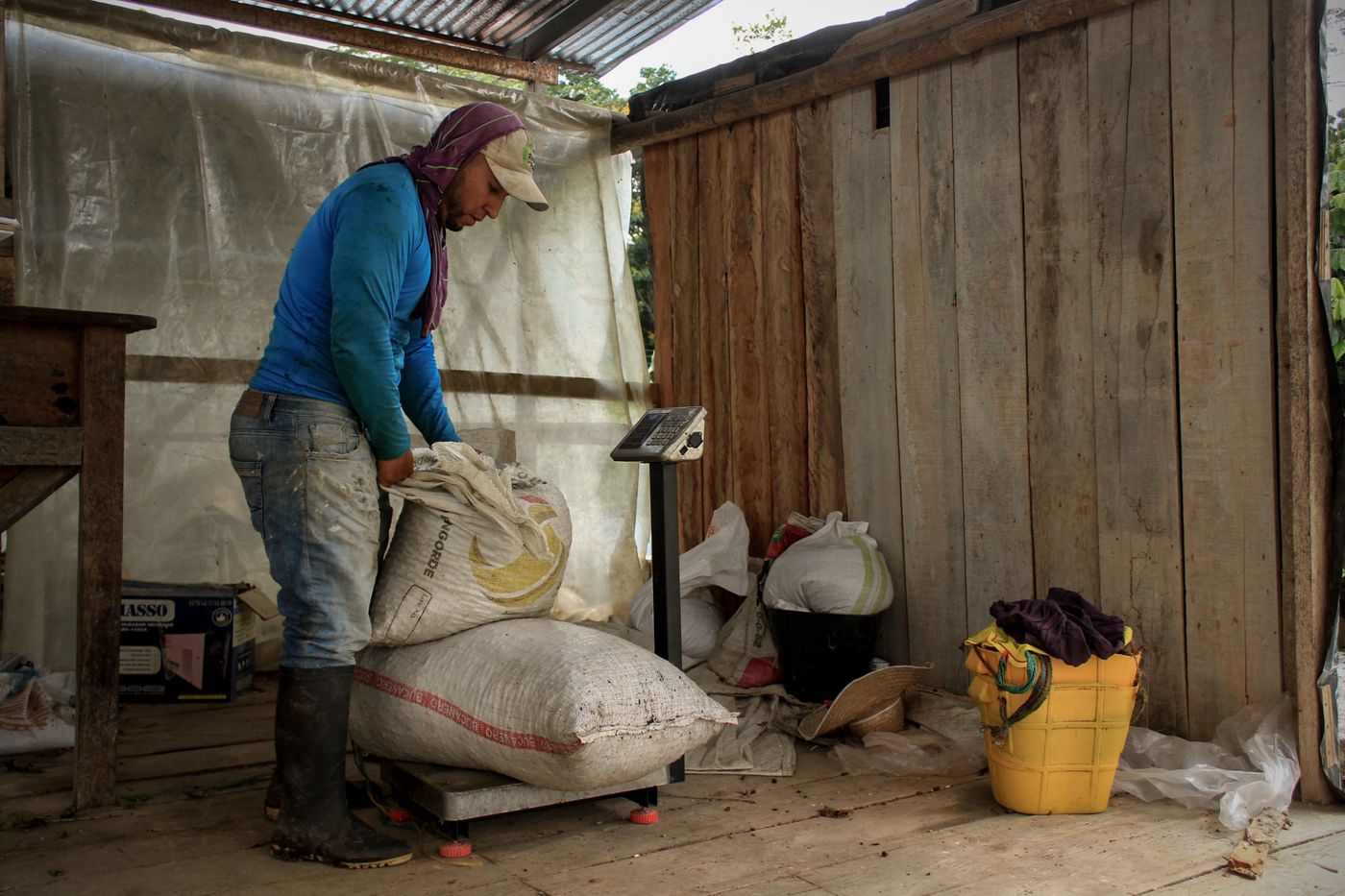
Many farmers sell a few bags of manure to neighbours and kitchen gardeners, and a bag of well-made compost can earn more than a bag of raw litter. Be honest and careful in what you claim. Weigh each bag on a digital weighing scale so every buyer gets the same weight, and write the date and the origin on the bag. Do not print nutrient percentages that you have not had tested.
If you want to sell under a brand name, or make claims such as organic fertiliser, check the rules first. The Kenya Bureau of Standards has a standard for organic fertiliser, KS 2290:2023, which, as reported in public summaries, sets an organic matter content of 20 to 70% and a total nitrogen, phosphorus and potassium of at least 3.5% by weight. The Fertilizers and Animal Foodstuffs Board regulates the fertiliser industry and licenses manufacturers and sellers. We could not confirm from public sources exactly what a small compost seller must register, so call KEBS and the Board, or your county agriculture office, before you start to bag and brand for the open market.
A simple route is to sell to people you know: vegetable growers, flower growers and tree nursery owners who want a soil conditioner, and who can see the heap. Offer to deliver by the sack or by the wheelbarrow. Our guide to hand seed planters and fertilizer applicators may help buyers who want to place the product precisely.
Your Manure Handling Checklist
| Area | Check |
|---|---|
| In the house | Litter dry; leaks fixed; ventilation good; ammonia not stinging eyes |
| Heap site | Raised, covered, away from wells, streams and the kitchen |
| Mix | Dry carbon added; moisture damp like a wrung-out cloth (40 to 60%) |
| Temperature | Thermometer in the middle; 55 degrees Celsius or more for 3 days in a row; turned and repeated |
| Use | Soil test and manure analysis; start in the published range; worked in before planting |
| Crops | No raw manure on crops eaten soon; 90 to 120 days wait if raw |
| Health | Boots, gloves, mask, hand washing; children kept away |
| Selling | Weighed, dated and honestly labelled; rules checked with KEBS and the Board |
Farm Tools to Look At
Prices change, so we do not print them here. See each product page for current prices and stock.
| Item | Where it fits |
|---|---|
| Jembe | Turning and mixing a small heap, and working compost into beds |
| Fertilizer applicator | Placing dry fertiliser or fine, dry compost by hand; check it suits your material |
| Digital weighing scale | Weighing bags for sale and checking application by weight |
Keep the litter dry, compost it with enough carbon until it has had its three hot days, test it if you can, and apply it in measured amounts well before crops are harvested. See our farm equipment range, or WhatsApp 0716 961 018 with the size of your flock and your plot, and we will help you choose tools for the job.
Key Takeaways
- Compost chicken manure before it goes on crops: mix it with dry carbon, keep it damp, and reach at least 55 degrees Celsius for 3 days in a row.
- Most of the smell is ammonia, which is nitrogen escaping; keeping litter dry saves both nitrogen and your lungs.
- Published rates are starting ranges only: 5 to 8 tonnes per hectare in the furrow (sugarcane) and 5 to 10 tonnes per hectare for finger millet in Kakamega.
- Raw manure should be worked in 90 to 120 days before harvest under the US organic rule; properly composted manure has no such wait.
- Wear boots, gloves and a mask, wash hands before eating, and keep children and water sources away from the heap.
- Before you sell bagged compost with claims, check the KEBS organic fertiliser standard and the Fertilizers and Animal Foodstuffs Board rules.
Frequently Asked Questions
How long does chicken manure take to compost?
Penn State Extension says the time matters less than the temperature reached: aim for 55 degrees Celsius (131 degrees Fahrenheit) for 3 days in a row, turn the heap when it peaks and starts to cool, and heat it again. Then let it cure until it is dark and crumbly.
Can I put fresh chicken manure on my vegetables?
No. Fresh manure can burn plants and carry germs. The US National Organic Program requires raw manure to be worked in at least 120 days before harvest for crops touching the soil and 90 days for others, while properly composted manure has no such wait.
How much chicken manure should I use per acre?
Published ranges are 5 to 10 tonnes per hectare, about 2 to 4 tonnes per acre or 0.5 to 1 kg per square metre. A Kakamega trial on finger millet found no significant yield gain above 10 tonnes per hectare; send a manure sample to a lab and test your soil first.
Why does chicken manure smell of ammonia and how do I reduce it?
Ammonia is nitrogen leaving the manure when droppings break down wet and without air. Fix leaking drinkers, add dry bedding, ventilate the house and mix manure with dry carbon in the heap.
Can I sell chicken manure in Kenya?
Selling a few bags to neighbours is common. For branded or bagged product with organic or nutrient claims, check the KEBS organic fertiliser standard (KS 2290:2023) and the Fertilizers and Animal Foodstuffs Board rules, and have the product tested.