Cowpea (kunde) gives tender leaves from about three to four weeks and grain in 60 to 95 days. Plant at 60 by 20 cm or 50 by 75 cm, weed twice, hand-pick dry pods, dry the grain to 13 percent moisture or less and store it in hermetic bags. Mid November is late, so choose an early variety.
Kunde is a farmer's friend in the drier parts of Eastern, Coast and the lower zones of Western Kenya. It tolerates heat, it is fairly drought tolerant, it makes its own nitrogen, you can eat the leaves while the crop is still growing, and the dry grain keeps if you store it well. It is also easy to spoil: late planting, bad weeding, weevils and damp grain can take most of the harvest.
Our guides on green grams (ndengu) and on short rains planting cover neighbouring crops and general spacing, and the post-harvest grain storage guide handles storage across all crops. This article is about cowpea itself: the varieties, a straight answer on whether it is too late to plant, how to run a leaf crop and a grain crop from the same field, and how to protect a bruchid-prone grain.
Which Cowpea Variety Should I Plant?
Choose by purpose and by days to maturity. KALRO's training manual for dry areas, which cites the 2021 KCEP-CRAL Cowpea Extension Manual, lists many varieties with their maturity and yield potential. Yield is given in 90 kg bags per acre, and the ranges are wide, so use them to compare rather than to promise yourself a harvest.
| Variety | Days to maturity | Yield potential (90 kg bags per acre) | KALRO notes |
|---|---|---|---|
| MTW 63 | 60 | 11 | Pest tolerant |
| KVU-419 | 65 to 72 | 4.4 to 6.6 | Grown for grain rather than leaves; recovers fast from drought |
| Kunde Tumaini | 70 to 80 | 6.6 to 9.4 | Early, dual purpose, large deep brown grain |
| Kunde Tamu | 70 to 80 | 2.5 to 8.8 | Tender, sweet leaves when cooked; dual purpose |
| Katumani 80 (K80) | 75 to 85 | 3.5 to 8 | Dual purpose; listed as resistant to aphids and to mosaic virus |
| Machakos 66 (M66) | 80 to 95 | 3.5 to 7.5 | Dual purpose, erect; tolerant of yellow mosaic virus and scab |
| KVU 27-1 | 70 to 90 | 3.5 to 8 | Dual purpose, spreading; dark red grain |
If you want leaves, ask for a variety sold as a vegetable or dual-purpose type, and for tender leaves in particular KALRO lists Kunde Tamu. If you want grain on a short rains calendar, early types such as MTW 63, KVU-419 and Tumaini give you the most chance of finishing before the rains stop. Buy certified seed from a dealer you trust. KALRO's manual says seed for multiplication should go through KALRO and KEPHIS, and untested seed from last year's heap may carry disease.
Is Mid November Too Late to Plant Cowpea?
It is late in most places, and fine in some, depending on how long your rain lasts. KALRO's advice is to plant at the onset of the rains, and to time planting so the crop is harvested in dry weather. Planting early in the rains also helps early varieties escape the peak of insect activity during the sensitive stages.
The Kenya Meteorological Service Authority's October to December 2026 outlook, as reported on 15 October, expects the rains to continue into January in much of Eastern and Western Kenya, but to end in the first or second week of December in coastal counties such as Kilifi, Kwale and Mombasa. Those are weeks, not dates, and the authority revises them as the season goes on. It also says it does not issue crop advisories: advice on what to plant comes from your agricultural extension officer.
The arithmetic is simple. At the coast the rains may be over by mid December, so a grain crop sown now would flower and fill its pods in dry weather, which is how yields are lost. A leaf crop can still be worth trying where there is moisture, since leaf picking starts at three to four weeks. In Eastern and Western areas where the rains run into January, the earliest varieties, at 60 to 80 days, have a chance, but they are still racing the rain.
If the soil is still moist, the seed is certified and an early variety is available, plant now and treat the plot as a leaf crop with grain as a bonus. If the topsoil is already dry, or the forecast for your county says the rain is ending, hold the seed and prepare the land for the long rains, which usually start around March to April in much of the country. Planting late into dry soil wastes seed and labour.
How Do I Plant Kunde: Spacing, Fertiliser and Tools?
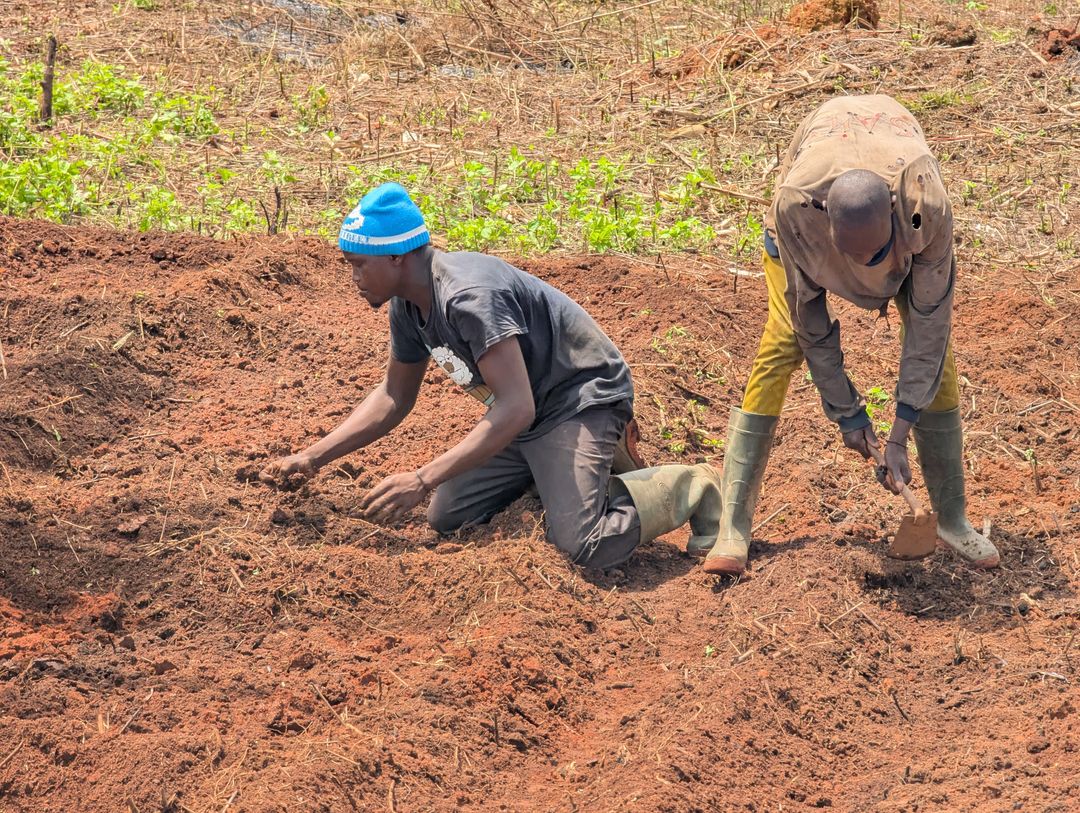
KALRO gives two spacings for direct seeding: 60 by 20 cm and 50 by 75 cm, depending on the variety. Use the wider rows for spreading types and the closer plant spacing for erect ones, and ask the seed seller which applies to your variety. Prepare a fine, level seedbed in good time so seed makes good contact with moist soil.
Cowpea makes its own nitrogen, and too much fertiliser gives you leaves and few pods. KALRO suggests at least two tonnes of well-decomposed manure or compost per acre where soils are low in organic matter, applied dry and mixed in about a week before planting, and notes that cowpea needs more phosphorus than nitrogen. Get a soil test, or ask the extension officer, before buying fertiliser.
A hand planter saves time on larger plots. The Double Barrel Seed Planter that Fuga lists is a planter of that type, but its product page gives no detail on seed sizes it can handle, so ask the team if it suits kunde seed before you buy. For small plots, a stick or a jembe and a measured string line work well.
How Often Should I Weed?
Early and carefully. KALRO advises a first weeding two weeks after emergence and a second three weeks later, just before flowering, in a sole crop. In an intercrop, one weeding three weeks after planting may be enough, with a second selective weeding in wet areas. Cowpea roots are shallow, so scrape the weeds with a light hand at the first weeding. Do not hoe during flowering, since it makes flowers drop, and do not work in the field when it is wet, since that spreads disease.
A Jembe is the usual weeding tool in Kenya. Fuga lists one under farm equipment; its product page gives branch and warranty details but no specification, so ask for the blade and handle options.
What Pests Attack Cowpea, and What Can I Do?
Aphids and pod borers cause the most trouble, and KALRO lists several others, including armyworm, whitefly, red spider mite and root-knot nematodes. Start with cultural measures, which cost little. Plant early, rotate with non-legumes, and destroy infested plant material. For aphids, KALRO suggests sticky traps, a soapy water spray and, where possible, knocking them off with water. K80 is listed as resistant to aphids. For pod borers, hand-pick and destroy the caterpillars, and consider biopesticides such as Bt or neem-based products.
If you do need a sprayer, Fuga lists Knapsack Lines under water equipment. The product page gives branch and warranty details but no technical specification, so ask which sprayers the lines fit. Calibrate any sprayer before using it and rinse it well after use.
How Do I Harvest Leaves and Grain from the Same Crop?
You can pick leaves early and still get grain, if you are careful. Kenyan extension guides put the first leaf picking at about three to four weeks after germination, then every 7 to 14 days. A published leaf-harvest trial found that starting at three weeks after emergence gave the best leaf yield with little grain penalty, and another found that weekly picking raised leaf yield but lowered grain yield compared with picking every two weeks. Picking leaves heavily is a trade-off with grain, not a free extra. Leave several leaves and the growing tips on every plant so it can keep growing, and stop picking when flowering starts if grain is your goal.
| Goal | When to start | How often | What to avoid |
|---|---|---|---|
| Leaves (vegetable) | About 3 to 4 weeks after germination | Every 7 to 14 days | Stripping plants bare; spraying close to picking |
| Leaves plus grain | About 3 weeks after emergence | Every 2 weeks, stop at flowering | Weekly heavy picking, which lowers grain yield |
| Grain only | When plants turn yellow to light brown and leaves fall | Hand-pick pods as they dry | Waiting too long: pods shatter and weevils move in |
For the grain, KALRO says to harvest dry cowpea when plants turn yellow to light brown and leaves begin to fall. Pods mature unevenly, so hand-pick them. In early-maturing, erect varieties the pods dry evenly, so you can uproot the whole plant once. For spreading types, pick as the pods ripen. Do not delay, as KALRO warns that late harvesting encourages weevil infestation in the field and seed shattering, and humid weather can mould the grain. Threshing and winnowing work the same as for beans: beat the dry pods gently on a clean sheet and winnow out the chaff.
How Do I Dry and Store Cowpea Without Weevils or Aflatoxin?
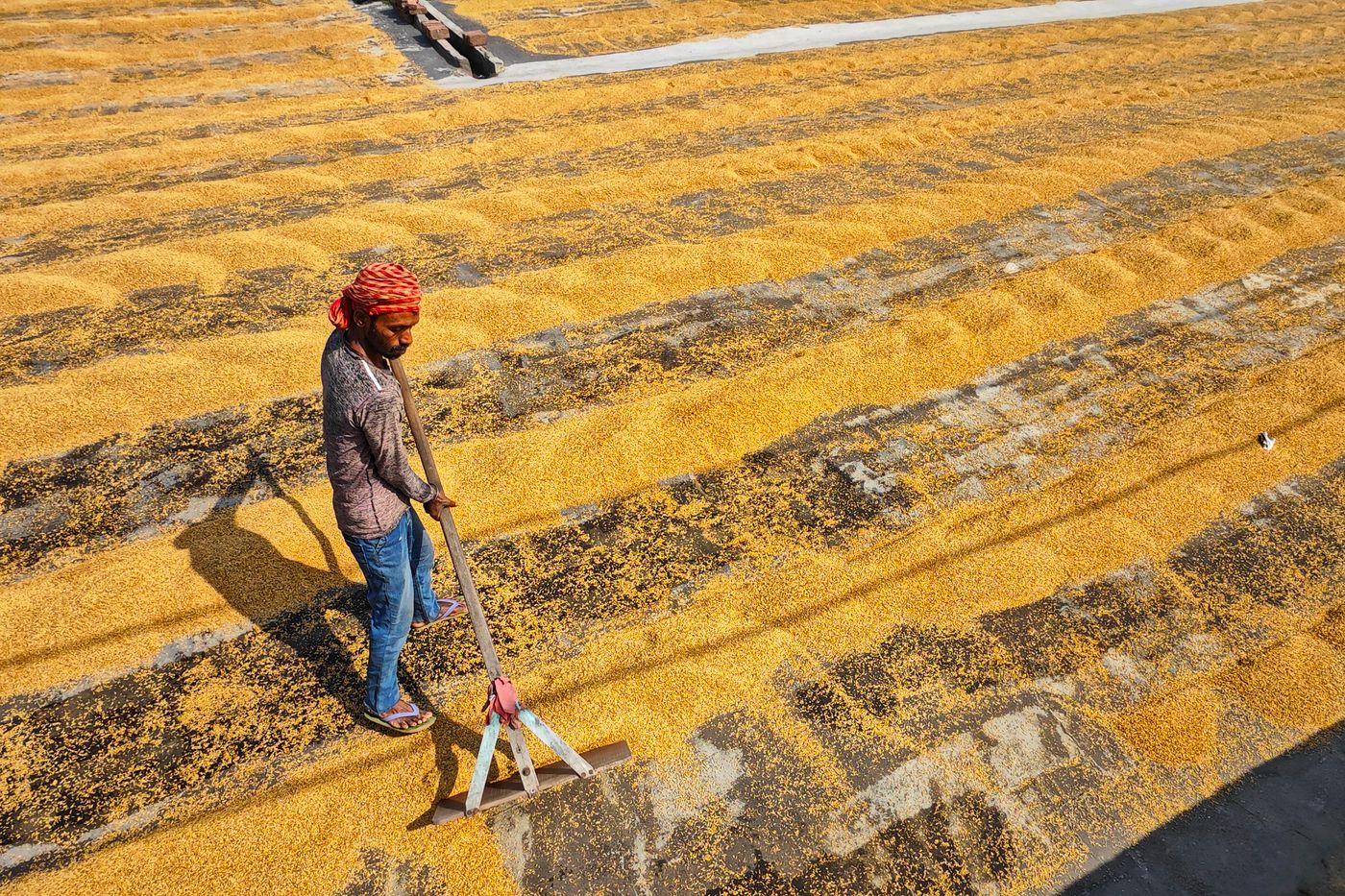
Dry the pods in the sun on a tarpaulin, not on bare ground, thresh gently, winnow, and then dry the clean grain again. The East African standard for dry cowpeas, EAS 755:2011, sets a maximum moisture of 13.0 percent. You cannot judge that by eye or by biting a seed, so use a moisture meter or take a sample to a buyer or an agrovet that has one. Our post-harvest storage guide explains moisture meters and the four steps that protect any stored grain.
The great storage enemy of cowpea is the cowpea beetle, a bruchid weevil. Because infestation can begin in the field, you may bring beetles into the store inside the pods. Hermetic storage is the proven answer. Purdue's triple-layer bags, widely tested on cowpea in Niger, use two inner polyethylene liners inside a woven polypropylene bag, which cuts off the air and so starves the beetles. Fill the bag with clean, dry grain, squeeze out the air, twist and tie each layer separately, and open it as seldom as you can.
Hermetic bags do not clean contaminated grain. Aflatoxin is a poison made by moulds, and it grows in grain that is damp or has been damaged by insects. You cannot see or smell it. Dry grain properly before it goes into the bag, sort out mouldy, shrivelled or insect-eaten seed, and never feed bad grain to animals. Projects that study storage and aflatoxin make the same point: hermetic storage prevents new contamination but only if the grain was dry and clean to start with.
Your Kunde Checklist
Check the rain forecast for your county and talk to your extension officer. Choose an early, certified variety. Prepare a fine seedbed and mix in manure. Plant at 60 by 20 cm or 50 by 75 cm. Weed two weeks after emergence and again before flowering. Start picking leaves at three to four weeks, and stop at flowering if you want grain. Hand-pick dry pods, dry to 13 percent moisture or less, and store in hermetic bags off the floor. Write down planting date, variety and yield, so the next season starts from facts.
The Tools We List
For this crop, Fuga lists a Double Barrel Seed Planter, a Jembe and Knapsack Lines. Their product pages give branch availability, delivery and warranty terms but no technical specification, so ask our team on WhatsApp for sizes and what each is suited to. Prices change, so we do not print them here; see the product pages or the Fuga price list.
If the soil is moist and your rain has weeks left, plant an early variety and treat it as a leaf crop first. If not, prepare now for the long rains and plant on time. In either case, dry the grain properly and bag it airtight.
Key Takeaways
- KALRO lists cowpea varieties from about 60 days (MTW 63) to 80 to 95 days (M66); choose an early one for a late planting.
- Plant at 60 x 20 cm or 50 x 75 cm and weed about two weeks after emergence and again before flowering, with a light hand on the shallow roots.
- Mid November is late: if the topsoil is dry or your rains end in early December, as forecast for parts of the coast, wait for the long rains.
- Leaf picking can begin at about 3 to 4 weeks; picking weekly lowers grain yield, so stop at flowering if you want grain.
- Check any pesticide label for the waiting period before you pick leaves you will eat.
- Dry grain to 13 percent moisture or less (EAS 755:2011) and store it in hermetic bags, because weevils can start in the field.
Frequently Asked Questions
Is it too late to plant cowpea in mid November?
It is late in most areas. KALRO advises planting at the onset of the rains so that the crop finishes in dry weather. Plant now only if the soil is moist, you have an early variety and your rains continue into January, and treat the crop as leaves first, grain second.
What spacing should I use for kunde?
KALRO gives 60 x 20 cm and 50 x 75 cm, depending on the variety. Ask the seed seller which suits yours and use certified seed.
When can I start picking kunde leaves?
Kenyan extension guides put the first picking at about 3 to 4 weeks after germination, then every 7 to 14 days. One published trial found that picking every two weeks costs less grain than picking weekly. Leave tips and some leaves on each plant.
How dry should cowpea grain be before storage?
The East African standard for dry cowpeas, EAS 755:2011, sets a maximum of 13.0 percent moisture. You cannot judge it by eye, so use a moisture meter, and dry the grain again after threshing if you need to.
How do I keep weevils out of stored cowpea?
Harvest on time, dry the grain well and store it in hermetic bags, such as triple-layer bags that cut off the air and starve the cowpea beetle. Fill the bag, squeeze out the air and tie each layer separately. Hermetic bags do not clean mouldy grain, so sort first.