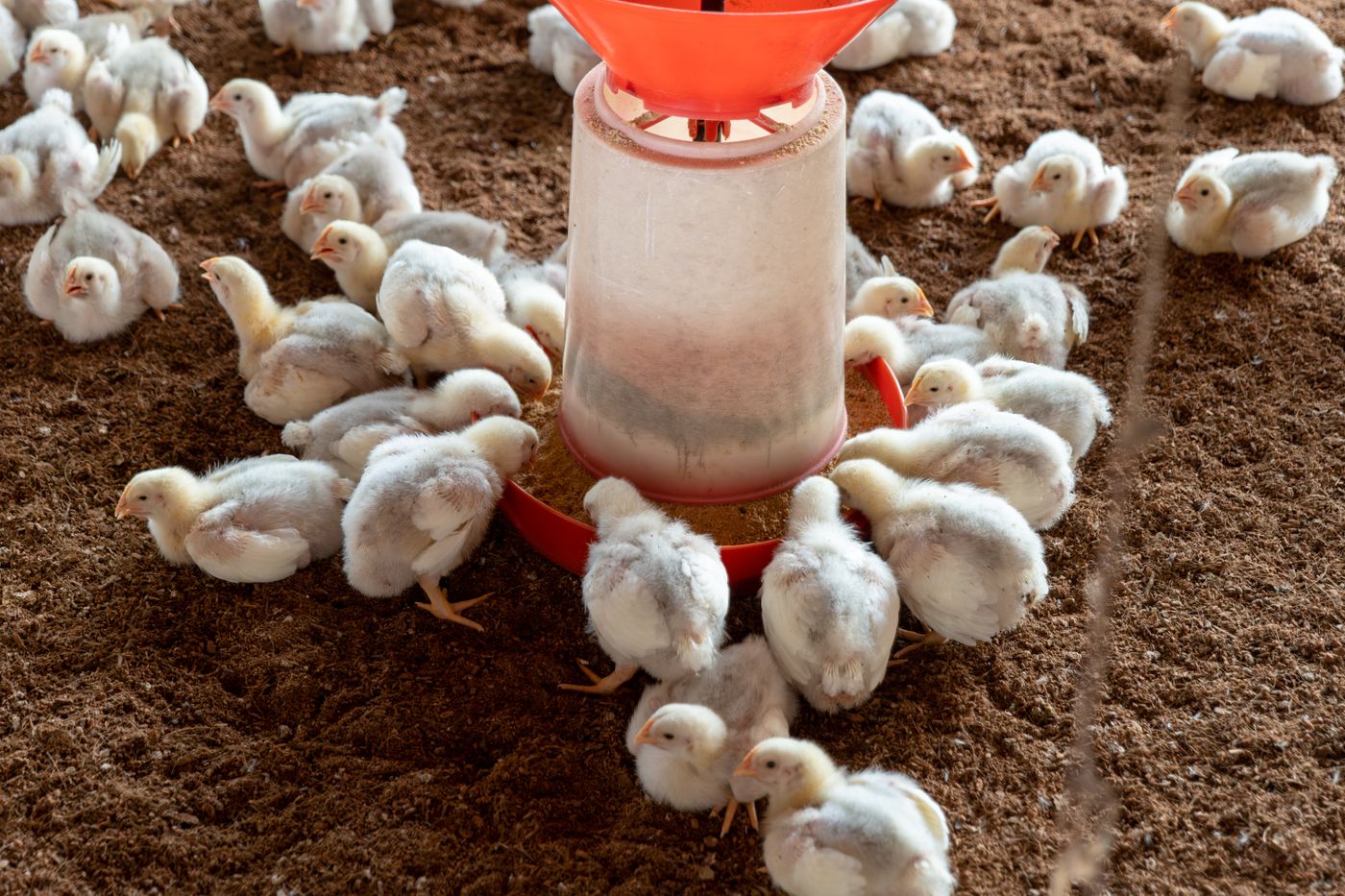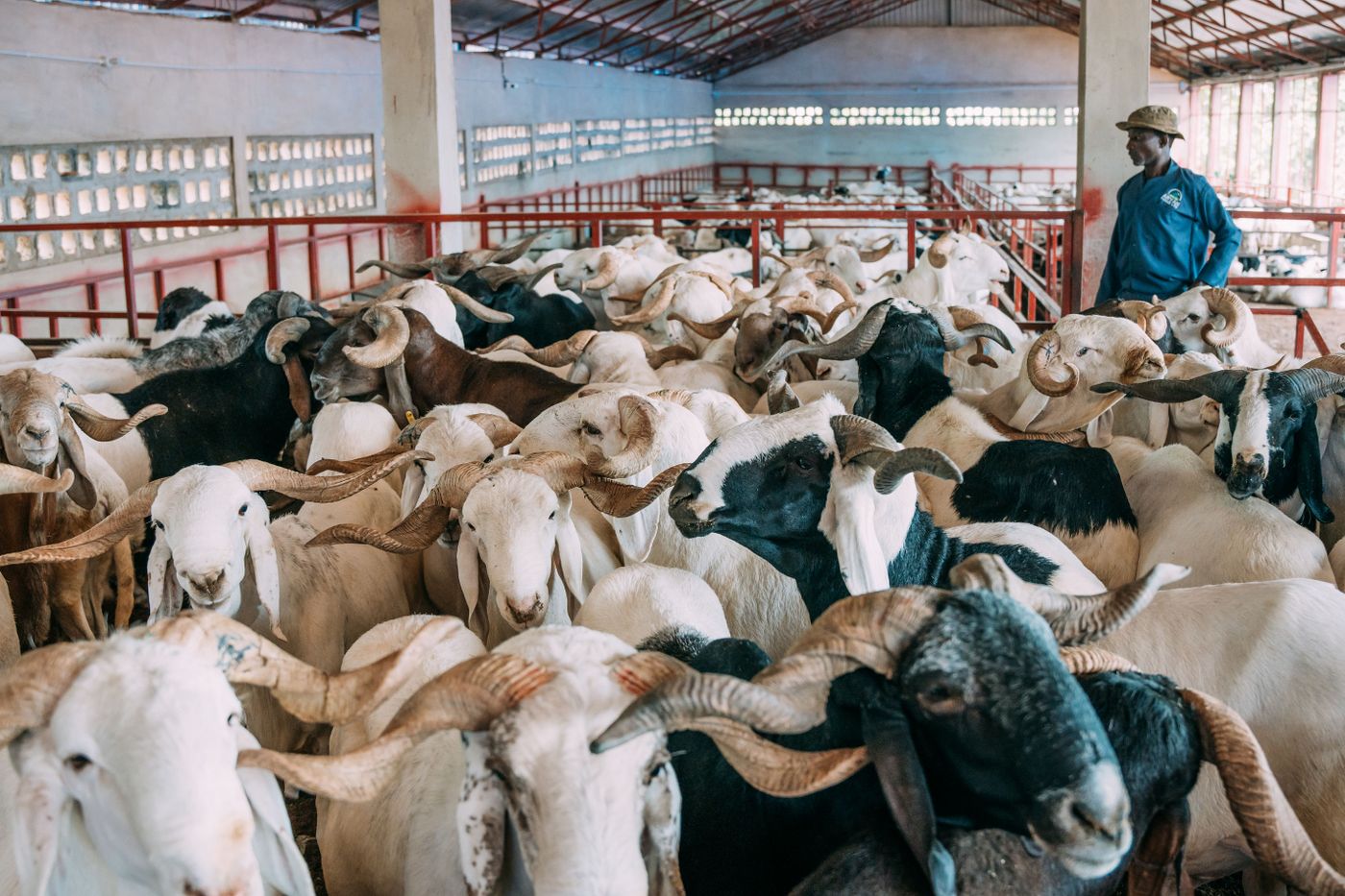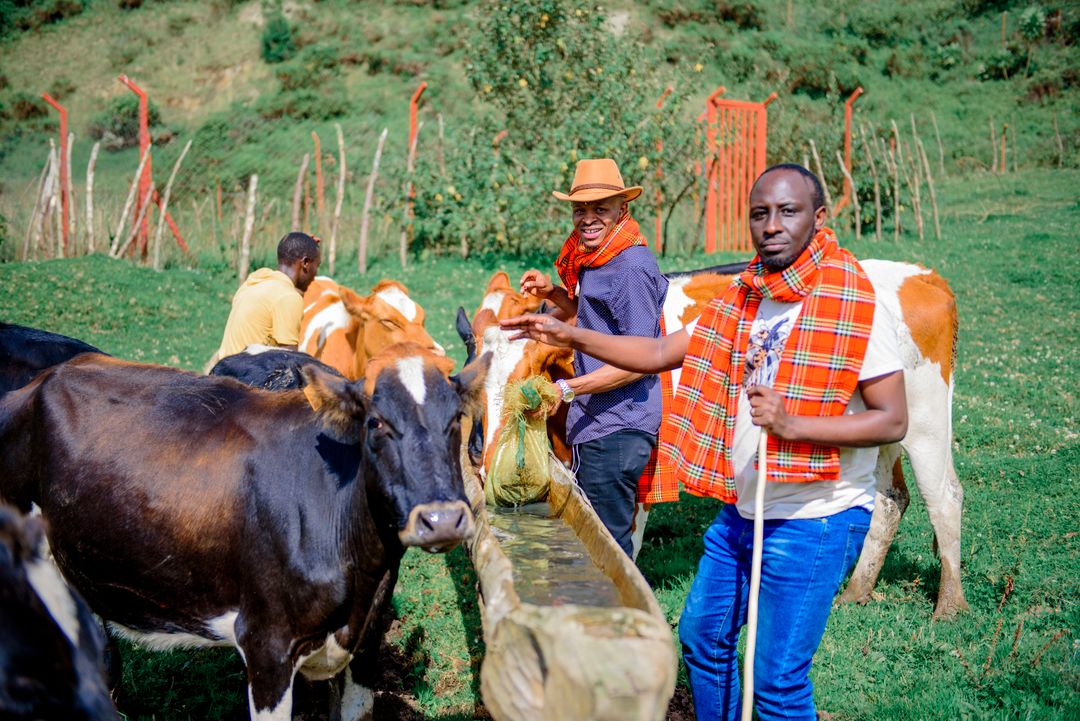
A milking cow drinks roughly 70 to 150 litres a day depending on milk yield, a dry cow 35 to 50, a growing beef animal 22 to 57, a goat or sheep about 2 to 10 and a finishing pig 8 to 11. Heat raises these figures by half or more, so size troughs and tanks for the hot days.
A herd that looks fine in the short rains can run into trouble in January, when the sun is hot, the grass is dry and the same animals suddenly need much more water than the tank was sized for. Planning water by animal, not by guess, is one of the cheapest ways to protect milk, growth and health.
We already explain how much water chickens drink, the types of bowl and trough for cattle and how to choose a water storage tank. This guide fills the gap between them: a sourced table of daily litres for cattle, goats, sheep and pigs, what changes the numbers, how fast water has to flow, and a worked example for working out the tank for a mixed herd.
How Much Water Does Each Animal Drink Per Day?
The best-documented tables come from university extension services and animal-science reference works. Most are written in US gallons, so we converted them to litres (1 US gallon is 3.785 litres) and rounded. They describe temperate conditions with specific breeds, so treat them as planning ranges, not a promise about your animals.
| Animal | Litres per head per day | Source |
|---|---|---|
| Milking cow, about 14 kg of milk a day | 68 to 83 | NDSU Extension AS1763, 2021 |
| Milking cow, about 23 kg of milk | 87 to 102 | NDSU Extension AS1763, 2021 |
| Milking cow, about 36 kg of milk | 114 to 136 | NDSU Extension AS1763, 2021 |
| Milking cow, about 45 kg of milk | 132 to 155 | NDSU Extension AS1763, 2021 |
| Dry cow | 34 to 49 | NDSU Extension AS1763, 2021 |
| Heifer, 5 to 24 months | 14 to 36 | NDSU Extension AS1763, 2021 |
| Calf, 1 to 4 months | 5 to 13 | NDSU Extension AS1763, 2021 |
| Growing beef animal, about 270 kg | 30 at 21 C, 48 at 32 C | NDSU, from NRC beef requirements, 2016 |
| Finishing beef animal, about 360 kg | 40 at 21 C, 66 at 32 C | NDSU, from NRC beef requirements, 2016 |
| Ewe, in lactation | 8 to 11 | NDSU Extension AS1763, 2021 |
| Ewe, pregnant, or ram | 4 to 8 | NDSU Extension AS1763, 2021 |
| Feeder lamb | 4 to 6 | NDSU Extension AS1763, 2021 |
| Goat, maintenance | 1.5 to 3.3 | MSD Veterinary Manual, goat nutrition |
| Goat, lactating | up to about 10 | NSW Department of Education, goats |
| Lactating sow | 19 to 30 | NDSU Extension AS1763, 2021 |
| Pregnant sow or boar | 11 to 23 | NDSU Extension AS1763, 2021 |
| Finishing pig, 45 to 115 kg | 8 to 11 | NDSU Extension AS1763, 2021 |
| Grower pig, 27 to 45 kg | 2 to 8 | NDSU Extension AS1763, 2021 |
| Weaner, up to 27 kg | 1 to 2 | NDSU Extension AS1763, 2021 |
Three notes help you read it. First, the NDSU ewe and ram figures are for sheep of about 80 kg or more, so scale down for the smaller breeds common on Kenyan farms. Second, the goat figures vary widely between sources: the MSD Veterinary Manual puts maintenance at 1.5 to 3.3 litres a day, while a New South Wales school guide says a lactating goat can drink up to 10. Third, these numbers include only drinking water, not washing.
How Do Heat, Lactation and Feed Change the Numbers?
Heat. Intake rises in every class as temperatures climb. The NDSU table, adapted from the US National Research Council's beef requirements (2016), shows a growing 270 kg animal drinking about 30 litres at 21 degrees Celsius and about 48 at 32 degrees, a rise of roughly 60 percent. A finishing animal of 360 kg goes from about 40 to 66 litres. Dairy Australia says hot weather can double a milking cow's normal intake, up to 250 litres per cow per day. Our heat stress guide explains why shade and cool water matter at the same time.
Lactation. Milk is mostly water: NDSU says water makes up 87 percent of milk and about 30 percent of the water a dairy cow drinks leaves in the milk. That is why the table climbs so steeply as yield rises. Popular Kenyan guides, such as columns in the Nation and The Standard, advise at least three litres of water for every litre of milk. Read that as the minimum for the milk part alone. The cow still needs her maintenance water on top, which is why the extension figures above are higher. Our guide to cow comfort and milk yield shows what happens to milk when water is short.
Feed. NDSU notes that water needs rise with dry matter, salt and protein in the diet, and that animals on high-roughage diets drink more. Fresh napier or green maize silage supplies some water, while dry hay, maize stover and dairy meal supply almost none, so animals on dry feed need more from the trough.
How Big Should the Trough or Bowl Be, and How Fast Must Water Flow?
Daily litres are only half the story. Cows drink in bursts, especially after milking, so the trough has to deliver a rush of water quickly. AHDB says a cow can drink up to 14 litres per minute and recommends 70 cm of trough space per cow, enough for 10 percent of the herd to drink at once. Dairy Australia says the system should supply at least 20 litres per cow per hour, that a milking cow can drink up to 40 litres in two minutes, and that a confined herd's trough should hold 200 to 300 litres with a minimum flow of 10 litres per minute. It adds that trough volume can fall to about 100 litres if the flow rate rises to 20 litres per minute.
Put plainly, a small trough with a slow trickle makes cows queue, and the shy cow at the bottom of the pecking order goes without. A trough holds a buffer, a bowl does not. Individual bowls refill from the line, so line pressure and pipe size decide how fast the next cow can drink. Fuga lists a cast iron drinking bowl and a stainless drinking bowl. Their pages give branch availability and ordering details but no specification, so ask the team for the bowl's capacity, inlet size and the pressure and flow it needs before you plan a line of them.
For goats and sheep, the goat and sheep automatic drinking bowl is a small drinker for smaller animals; check its page for availability and ask about fitting. NDSU warns that with light calves and sheep the water source must be low enough for them to reach, and that animals new to a drinker may refuse it at first, so watch that every animal has found the water. Our dairy goat guide covers the rest of the house.
For pigs, PIC suggests about 500 millilitres per minute from a nipple for nursery pigs and about 1 litre per minute for grow-finish pigs, with 10 to 12 pigs per water source. It advises setting a bowl's lip at 40 percent of the smallest pig's height, and a nipple at shoulder height of the smallest pig. Test by holding a measuring jug under the nipple for a minute.
How Big a Tank Do I Need for My Herd? A Worked Example
The method has three steps: add up each group's daily need, multiply by a heat factor, then multiply by the days of cover you want if the pump or the supply fails. Here is an example for a small mixed farm. The per-head figures are mid-range planning values from the table, not measurements, so replace them with your own.
| Step | Working | Result |
|---|---|---|
| 1. Daily need | (6 x 75) + (2 x 40) + (3 x 25) + (8 x 5) + (6 x 5) + (2 x 9) | 693 L |
| 2. Hot-weather factor | 693 x 1.5 (beef data above show about 1.6; Dairy Australia says up to double) | about 1,040 L |
| 3. Cover for 3 days | 1,040 x 3 | about 3,120 L |
| 4. Trough space for the cattle | 11 cattle, 10% drinking at once, 70 cm each (AHDB), rounded up to 2 cows | about 1.4 m |
| 5. Minimum line flow | 11 cattle x 20 L per hour (Dairy Australia) | 220 L an hour, about 3.7 L a minute |
So this farm needs roughly 3,000 litres of stored water to ride out three hot days without a supply, plus whatever it uses for washing the milking equipment and floors, which you should measure separately. Round up to the next tank size available. Raise the heat factor to 2 if the herd has no shade. The same arithmetic works for any herd: multiply your headcount by the planning litres in the table, then by the heat factor, then by your days of cover. Our water storage tank guide covers materials and siting, and the short rains are the time to fill them.
What Are the Signs of Too Little Water?
NDSU lists the common signs of dehydration as lethargy, tightening of the skin, weight loss and drying of the mucous membranes and eyes. In cattle and sheep the eyes look sunken and dull, and in lactating dairy cows dehydration brings a near cessation of milk production. Milk falling, dry dung, animals crowding the trough and not drinking enough at each visit are early warnings you can see at the farm.
Pigs need special care. NDSU says early signs include thirst, constipation, skin irritation and lack of appetite. It also warns that a pig deprived of water and then allowed free access can develop salt poisoning, so if water has been off, bring it back in small amounts until the animals are properly rehydrated, and call a vet for any pig that shows nervousness, wobbling or convulsions. NDSU states that a 10 percent loss of body water is fatal to most domestic livestock species, so treat a dry trough as an emergency.
Also check quality, not just quantity. Animals refuse water that is dirty, warm, salty or smells of dung. Dairy Australia says the best drinking temperature for cows is 15 to 20 degrees Celsius, so shade the tank and the pipe run. Scrub troughs often. Our guide to water tank cleaning and maintenance shows how to keep the supply fit to drink.
A Simple Weekly Water Check
Walk every trough and bowl once a day and watch one animal of each group drink. Look for slow refill, a stuck float or a blocked line. Once a week, record the tank level and compare it with the number of animals. If the use per animal is falling while the heat is rising, something is wrong with the animals or the water, and the cause is worth finding before you lose milk.
For help matching bowls, troughs and tanks to your herd, browse the water equipment range or message the team on WhatsApp with your headcount and water source. Prices change, so we do not print them here; see each product page or the Fuga price list. A minimum one-year warranty applies on machines bought from us.
Key Takeaways
- NDSU Extension puts a milking cow at about 68 to 155 litres a day depending on milk yield, and a dry cow at 34 to 49.
- Heat is the biggest swing: a growing beef animal drinks about 30 litres at 21 C and about 48 at 32 C.
- Size troughs and tanks for the hot days: Dairy Australia says hot weather can double a milking cow's normal intake.
- Flow matters as much as volume: AHDB and Dairy Australia suggest 70 cm of trough space per cow and at least 20 litres per cow per hour.
- Work out your tank as headcount times litres per head, times a heat factor, times days of cover; the worked example comes to about 3,000 litres.
- A dry trough is an emergency: NDSU says a 10 percent loss of body water is fatal to most livestock, and pigs deprived of water need it returned in small amounts.
Frequently Asked Questions
How many litres of water does a dairy cow drink per day?
NDSU Extension gives about 68 to 83 litres for a cow giving roughly 14 kg of milk, rising to 132 to 155 litres at roughly 45 kg. A dry cow drinks about 34 to 49 litres. Hot weather can push these figures up by half or more.
How much water does a goat or sheep need each day?
The MSD Veterinary Manual puts maintenance for a goat at 1.5 to 3.3 litres a day, and a New South Wales school guide says a lactating goat can drink up to 10. NDSU gives a lactating ewe about 8 to 11 litres. Smaller breeds drink less than these figures.
How much water does a pig drink per day?
NDSU Extension gives a finishing pig about 8 to 11 litres, a pregnant sow 11 to 23 and a lactating sow 19 to 30. Piglets and weaners need only 1 to 2 litres. PIC suggests about 1 litre per minute from nipples for grow-finish pigs.
How big a water tank do I need for my cattle?
Multiply the number of animals in each group by the litres they drink, add the groups, multiply by a heat factor of about 1.5 to 2, then by the days of cover you want. A small mixed herd with 11 cattle, goats and sheep needs about 3,000 litres for three hot days.
What are the signs that my cows are not getting enough water?
NDSU lists lethargy, tightening skin, weight loss and drying eyes and mucous membranes. In cattle and sheep the eyes look sunken and dull, and a lactating cow's milk can almost stop. Check the trough flow and the water supply at once.