Use an elastrator rubber ring only on animals in their first days of life, and a burdizzo on young bulls, bucks and rams that are still small enough to hold safely. Both methods are bloodless, but both hurt, so castrate as young as possible, ask a vet about pain relief and tetanus cover, and leave older animals to a vet.
Every year around the short rains and the December market, a farmer looks at a pen of young males and asks the same thing: do I band them, crush them or call somebody? The choice matters more than it looks. A badly chosen method gives an animal that is still fertile, an infected or fly-struck wound, a stunted bull or, in the worst case, tetanus.
Our guide to the cattle crush and handling race covers the structure that makes the job safe, and our guide to livestock handling and vet equipment lists the tools in general. This article is narrower and goes deeper: how the two bloodless methods compare, which suits which animal and age, how to keep the animal's welfare first, what aftercare looks like and exactly when to call the vet.
Why Castrate at All?
Farmers castrate males to stop unplanned breeding, to calm animals that will be handled and herded together, and to produce meat that is easier to finish and sell. Entire males fight, mount and break fences, and one unwanted buck among the does or ram among the ewes can ruin a breeding plan. A bull running with heifers is a danger to them and to people.
Castration is still a painful procedure. Veterinary guidance, including the Irish advisory service Teagasc, notes that pain and stress rise with age, so the advice is to do it as young as possible and to avoid it entirely where the animal does not need it. A young bull calf kept for breeding should not be castrated. Decide the purpose of every male on the farm before you pick up a tool.
How Does a Burdizzo Work?
A burdizzo is a heavy clamp with two blunt jaws. It crushes the spermatic cord, the tube carrying the blood supply and sperm to each testicle, through the intact skin. The testicle loses its blood supply and shrinks over the following weeks. Because the skin is not cut, there is no open wound, so infection and fly strike are far less likely than with open surgery, which matters in warm, wet weather.
It is the more skilled of the two methods. Teagasc advises crushing each cord twice, the second crush below the first, holding for about 10 seconds each time, with jaws that are in good condition and close evenly. Crush one cord at a time and never both together across the middle of the scrotum, which would cut off the blood to the scrotum itself. A burdizzo with bent, worn or misaligned jaws gives an incomplete crush, and the result is an animal that is injured and still fertile.
It works on larger young animals than a ring does, but not on very large ones. As the animal grows, the cord thickens, the animal is stronger and harder to restrain, and the chance of an incomplete crush increases. That is where the vet takes over.
How Does an Elastrator Ring Work?
Elastrator pliers stretch a small, strong rubber ring open so you can slip it over the scrotum, above both testicles, then release it. The ring squeezes the blood supply shut, and the scrotum and testicles shrivel and fall off, usually within a few weeks. There is no cut and no crushing tool, which is why rings are popular with smallholders for newborn lambs, kids and calves.
The method is simple but unforgiving in four ways. The animal must be very young, because pain and tissue size both grow with age. Both testicles must be below the ring, in the scrotum. Teagasc warns against using rings on animals where both testicles are not in the scrotum, such as a cryptorchid. The ring must sit well above the testicles and must not catch the teats of a young male. And the dead tissue remains attached for weeks, which makes tetanus a real risk.
Burdizzo or Elastrator: Which Should You Use?
| Question | Burdizzo | Elastrator ring |
|---|---|---|
| How it works | Crushes each spermatic cord through the skin | Cuts off blood supply to the scrotum with a rubber ring |
| Skin broken? | No | No, but dead tissue stays on for weeks |
| Typical age | Young animals that can be held firmly; Irish rules allow non-vets up to 6 months in calves | The first days of life; Irish rules allow non-vets before 8 days in calves |
| Skill needed | Higher: positioning, two crushes per cord, tool in good condition | Lower, but the ring must be placed correctly with both testicles below it |
| Main risks | Incomplete crush, a still-fertile animal, injury to the scrotum | Tetanus, infection and fly strike as tissue dies, ring placed wrongly |
| Best suited to | Young bull calves, bucks and rams a little older than ring age | Newborn lambs, kids and calves |
| Older animals | Call a vet | Call a vet |
The rule of thumb is simple. If the animal is a few days old, a ring is practical. If it is past that and still young and manageable, a burdizzo in trained hands is the usual bloodless choice. If it is older, heavier, stronger or has any abnormality, such as a testicle that has not descended, call the vet. A bigger animal is not a reason to use a bigger ring.
Which Animal Is It? Bulls, Bucks and Rams
The anatomy differs by species, and so does the best practice.
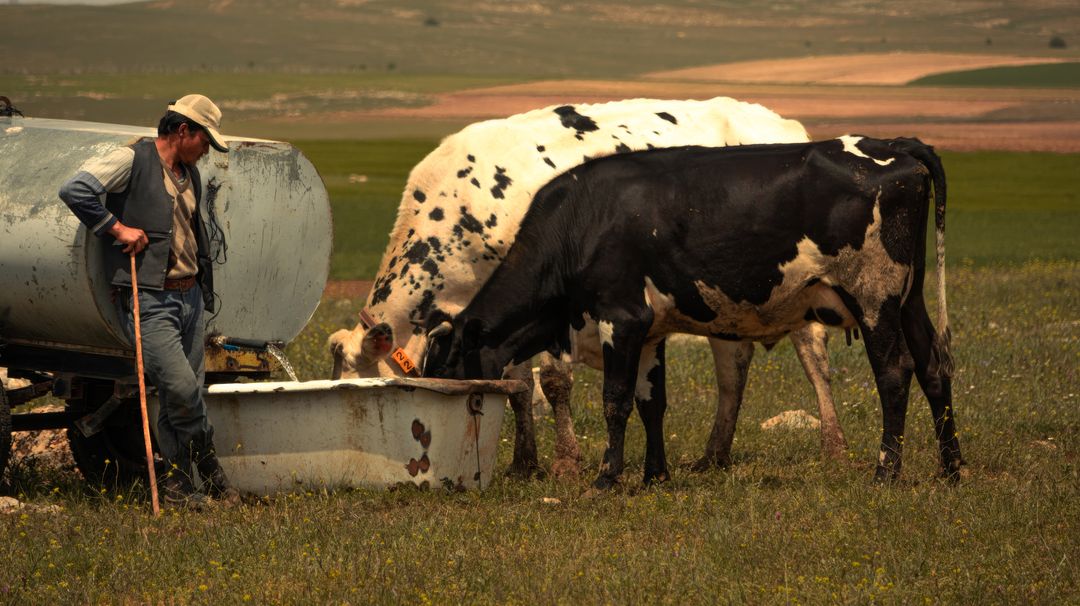
Bull calves. Rings are used in the first week or so of life, then the burdizzo while the calf is still small enough to restrain safely in a crush. Our guide to the cattle crush shows how to hold an animal safely. An older bull should never be done by hand.
Bucks (male goats). Kids are often banded in the first days of life. For an older kid, a burdizzo can work. Whichever tool you use, check that both testicles are below the ring or between the jaws properly before you close it. Our guide to goat hoof trimming and ear tagging covers handling a goat that needs to be held still.
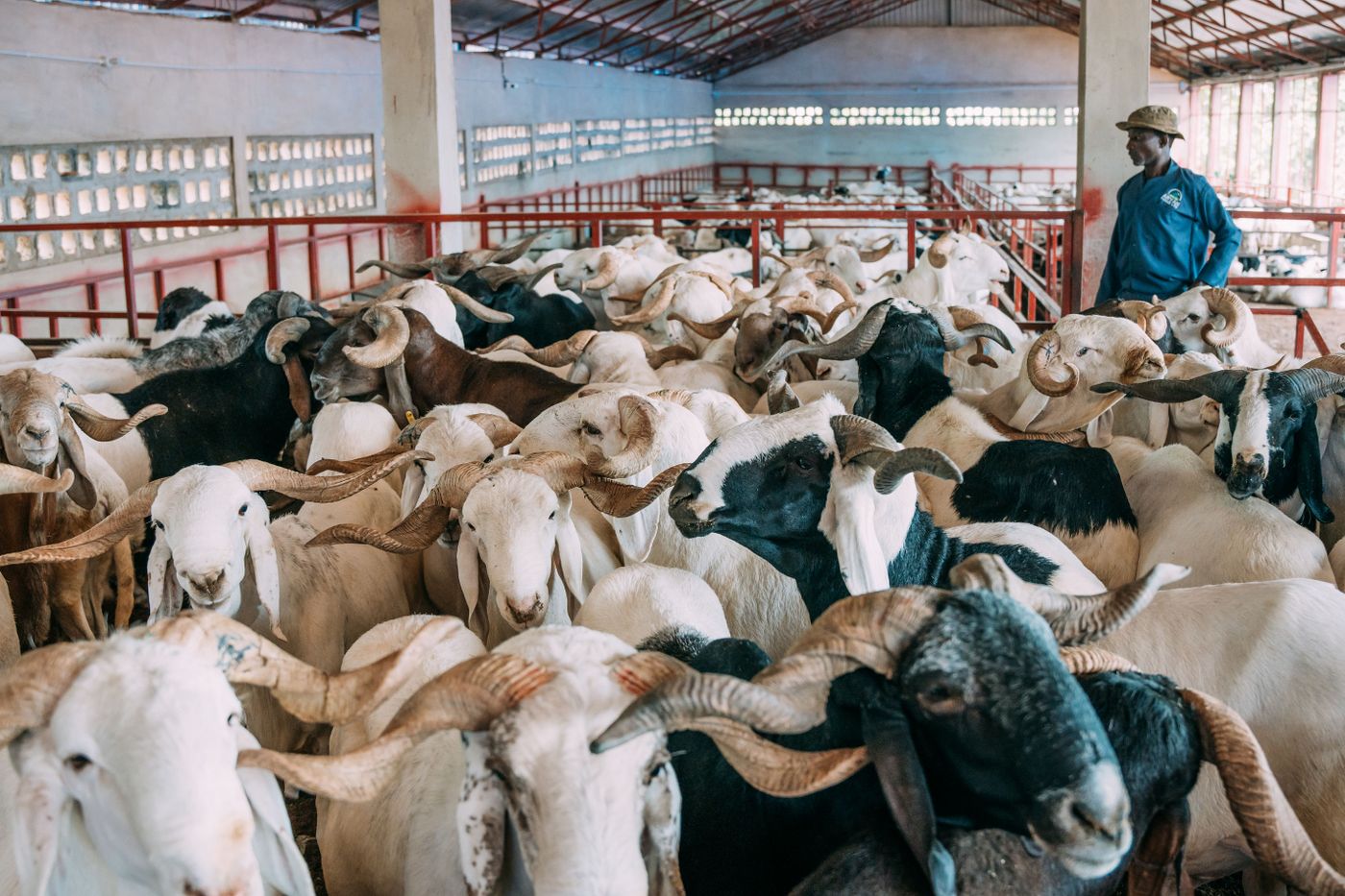
Rams (male sheep). Lambs follow the same pattern: rings in the first days, burdizzo if a little older. Wool sheep add a hygiene concern, because dirty wool near the scrotum attracts flies. Keep the area clean.
Do not castrate sick, weak or stressed animals. Avoid doing it on the same day as weaning, transport, vaccination or dehorning, because stacking stresses slows recovery. And do not leave castration until the week before you plan to sell: the animal needs time to heal before it travels to market.
How Do You Keep Welfare First?
Castration by any method causes pain, and a bloodless method is not a painless one. Rings in particular cause pain for hours or days as the tissue dies. Veterinary guidance in several countries is to use a local anaesthetic, a pain-relief injection or both, and a vet can advise what is suitable for your animals. In Ireland, a non-vet may castrate within the age limits shown in the figure above without anaesthetic, but above those limits the law requires a vet and pain relief.
What does Kenyan law say? The Veterinary Surgeons and Veterinary Para-Professionals Act 2011 prohibits practising as a vet or para-professional unless registered, and the Prevention of Cruelty to Animals Act (Cap 360) forbids cruelty to animals. We could not find a published Kenyan age limit for castration without a vet, so ask your county veterinary officer or your vet what applies, and who may do the procedure on your farm. A registered veterinary practitioner or animal health professional is the safest choice for a first-time keeper.
Good practice for the day is the same everywhere. Work in a calm pen or crush with good footing and good light. Handle the animal quietly and firmly, with one trained person holding and one working. Clean your hands. Wash the tool and disinfect it, and use a fresh disinfected tool on each animal. Never use a rusty or bent burdizzo. Check that rings are fresh and still stretchy, because old perished rings snap. Keep the mother nearby for young animals so they settle quickly.
What About Tetanus?
Tetanus is caused by bacteria found in soil and manure that grow in dead tissue with little oxygen, which is exactly what a ring creates. Teagasc notes that tetanus has been reported in banded calves and recommends tetanus prophylaxis using tetanus toxoid, not antitoxin, with vaccination at least a month before the procedure and a booster on the day. Ask your vet how to build tetanus cover into your herd or flock health plan, and whether a dam's vaccination protects the young.
Tetanus is hard to treat once it has set in. The animal becomes stiff, with a rigid tail and prolonged muscle spasms, and prevention is much more reliable than cure. A farm that rings every young male each year should have a vaccination plan with its vet.
What Is Aftercare, and When Do You Call the Vet?
After the procedure, put the animal in a clean, dry pen with shade and water, and watch it for the first few hours, then at least daily for the first two weeks. A little swelling and discomfort is normal. Look for these signs of trouble and call the vet if you see any of them:
| What you see | What it may mean | What to do |
|---|---|---|
| Stiff gait, rigid tail, stiff jaw, third eyelid showing | Possible tetanus | Call the vet at once |
| Hot, very swollen scrotum, pus or a bad smell | Infection | Call the vet the same day |
| Maggots or flies swarming at the site | Fly strike | Call the vet; keep the animal in clean shade |
| Animal will not eat, stands hunched, kicks at the belly | Severe pain or complication | Call the vet |
| Ring has slipped, or a testicle is left above it | Incomplete procedure | Ask the vet to correct it |
| Testicle still firm and full weeks after a burdizzo | Incomplete crush; animal may still be fertile | Ask the vet to check and repeat if needed |
The short rains add to the risk. Mud and standing water carry tetanus spores and bacteria, and flies are busy. Hold animals on clean, well-drained ground, and if possible pick a drier spell for castration rather than the muddiest week. Our guide on cattle crush layout and drainage shows how to keep the working area clean.
Finally, keep a record: the date, the animal's number, the method and who did it, any pain relief and vaccination given, and a check at two and six weeks. That record tells you which method works on your farm and proves your animal handling was careful.
Castration Tools to Look At
Prices change, so we do not print them here. See each product page or the Fuga dairy and livestock page for current prices and stock.
| Item | Where it fits |
|---|---|
| Burdizzo | Bloodless castration of young animals by trained hands |
| Elastrator pliers and rubber | Ring castration of animals in their first days of life |
Choose the method by the animal's age and species, put welfare first, and call the vet for anything older, abnormal or complicated. Have a look at the burdizzo and the elastrator pliers and rubber, or WhatsApp 0716 961 018 with your species and ages and we will help you choose the right tool.
Key Takeaways
- Rubber rings suit animals in their first days of life; a burdizzo suits young animals that can be held firmly; older animals need a vet.
- Castrate as young as possible and decide first whether each male is needed for breeding.
- A burdizzo works only with trained hands: crush each cord twice with the tool in good condition, one cord at a time.
- Neither bloodless method is painless: ask a vet about pain relief and tetanus cover before you start.
- Hold animals on clean, dry ground, and watch for swelling, flies, stiffness and a ring that has slipped for the first two weeks.
- We could not find a published Kenyan age limit for castration without a vet: ask your county veterinary officer.
Frequently Asked Questions
What is the difference between a burdizzo and an elastrator?
A burdizzo is a clamp that crushes each spermatic cord through the skin, while an elastrator stretches a rubber ring onto the scrotum to cut off its blood supply. Rings suit animals in the first days of life; a burdizzo suits young animals that are still small enough to hold firmly.
At what age should I castrate a bull calf, buck or ram?
As young as possible. For calves, Irish rules allow non-vets to use a ring before 8 days and a burdizzo before 6 months, and older animals need a vet with pain relief. Those are Irish limits, not Kenyan law, so ask your vet what applies on your farm.
Is bloodless castration painful?
Yes. Both methods hurt and rings keep causing pain for hours or days as the tissue dies, which is why vets recommend local anaesthetic or pain relief and why castrating very young animals is better. Ask your vet what is suitable for your species and age.
Can an animal get tetanus after being banded?
Yes. Tetanus has been reported in banded calves because dead tissue left in contact with soil is an ideal place for the bacteria. Teagasc recommends tetanus toxoid vaccination, with a booster on the day, so ask your vet to build it into your herd or flock plan.
When should I call the vet after castration?
Call at once for a stiff gait, a rigid tail or jaw, a hot or foul-smelling swelling, maggots, an animal that will not eat, or a ring that has slipped. Also call a vet for any animal that is older, heavier or has a testicle that has not descended.